Support our educational content for free when you buy through links on our site. Learn more

Ever tried to cram a whole forest into a single pot and ended up with a chaotic mess of tangled roots? You’re not alone. At Bonsai Garden™, we’ve seen countless enthusiasts attempt the Forest Group bonsai style (or Yose-ue), only to be defeated by the “even number trap” or a lack of perspective. But here’s the secret: a true forest isn’t just a collection of trees; it’s a carefully orchestrated illusion of ancient woodland, where every sapling leans away from the main protagonist to find the sun.
In this guide, we’re going beyond the basics. We’ll reveal the 12 best tree species that thrive in group settings, debunk the myth that you need a dozen trees to start, and walk you through the exact step-by-step process to create a composition that tricks the eye into seeing miles of landscape. Whether you’re eyeing the delicate leaves of a Japanese Maple or the rugged bark of a Juniper, we’ll show you how to arrange them so they look like they’ve been growing together for centuries, not just a few months.
Ready to turn your windowsill into a miniature wilderness? Let’s dive into the art of the forest.
Key Takeaways
- The Odd Number Rule: Always use an odd number of trees (7, 9, or 1) to create a natural, asymetrical composition that mimics the wild.
- Species Consistency: For beginners, stick to one species (like Japanese Maple or Juniper) to ensure uniform growth rates and leaf sizes, avoiding the chaos of mismatched needs.
- Perspective is King: Arrange your trees in a zig-zag pattern with varying heights to create the illusion of depth, placing the tallest tree slightly off-center.
- Root Interconnection: The secret to a believable forest is interlocking roots; trim and arrange them to look like a single, ancient root system before planting.
- Patience Pays Off: Unlike single-trunk styles, a forest group requires years of careful pruning to maintain the illusion of age and depth.
Table of Contents
- ⚡️ Quick Tips and Facts
- 🌲 The Ancient Roots: History and Origins of the Forest Group Bonsai Style
- 🌳 Why Choose the Forest Style? The Psychology of Miniature Woodlands
- 🔍 Decoding the Aesthetics: Iregular vs. Formal Forest Groupings
- 🌿 Top 12 Tree Species Perfect for Creating a Thriving Bonsai Forest
- 🛠️ The Master Plan: Step-by-Step Guide to Creating a Bonsai Forest Planting
- 🏺 Pot Selection and Soil Mix: The Foundation of Your Miniature Ecosystem
- ✂️ Pruning, Wiring, and Shaping: Maintaining the Illusion of Age
- 💧 Watering, Humidity, and Light: Aftercare Essentials for Forest Groupings
- 🐜 Troubleshooting Common Pitfalls: Pests, Root Rot, and Uneven Growth
- 🎨 Advanced Techniques: Creating Depth, Perspective, and the “Yose-ue” Illusion
- 🌱 Seasonal Care Calendar: What to Do Month-by-Month
- 🏆 Master the Art of Bonsai: From Novice to Forest Guru
- 💡 Key Take-Away: The Soul of the Forest
- 🔗 Recommended Links and Tools
- ❓ Frequently Asked Questions (FAQ)
- 📚 Reference Links and Further Reading
⚡️ Quick Tips and Facts
Before we dive into the deep end of the bonsai pond, let’s hit the high notes. If you’re here because you want to turn your windowsill into a miniature woodland, you’re in the right place. But beware: a forest bonsai isn’t just a bunch of trees shoved into a pot; it’s a carefully orchestrated illusion of a wild, ancient ecosystem.
Here is the crunchy truth you need to know before you even touch a trowel:
- The Magic Number: While you can do a duo or a trio, a true “Forest Group” (Yose-ue) typically requires an odd number of trees, with 7 to 15 being the sweet spot for a balanced composition. Why odd? Because nature hates symmetry, and so should you!
- The “Odd” Rule: Never use an even number of trees (like 6 or 8) unless you are creating a very specific, formal style. The asymetry of 7, 9, or 1 creates a natural, wandering look.
- The “Main” Tree: Every forest needs a protagonist. This is your tallest, thickest tree, usually placed slightly off-center (about 1/3 from the edge). It anchors the entire scene.
- Roots are Key: Unlike single-trunk bonsai where you might hide roots, in a forest, the surface roots (nebari) of the main trees must be visible and interlocking to create the illusion of a shared, ancient root system.
- Patience is a Virtue: You cannot rush a forest. As the experts at Bonsai Garden often say, “A forest is grown in decades, not days.”
- Species Consistency: While you can mix species, it’s generally safer for beginners to stick to one species to ensure uniform growth rates and leaf sizes. Mixing a fast-growing maple with a slow-growing juniper is a recipe for a chaotic mess.
Did you know? The most famous forest bonsai in the world, the “Goshin” (Five Buddhas), is actually a group of 1 Foemina Junipers created by John Naka. It took decades to mature into the masterpiece we see today.
🌲 The Ancient Roots: History and Origins of the Forest Group Bonsai Style
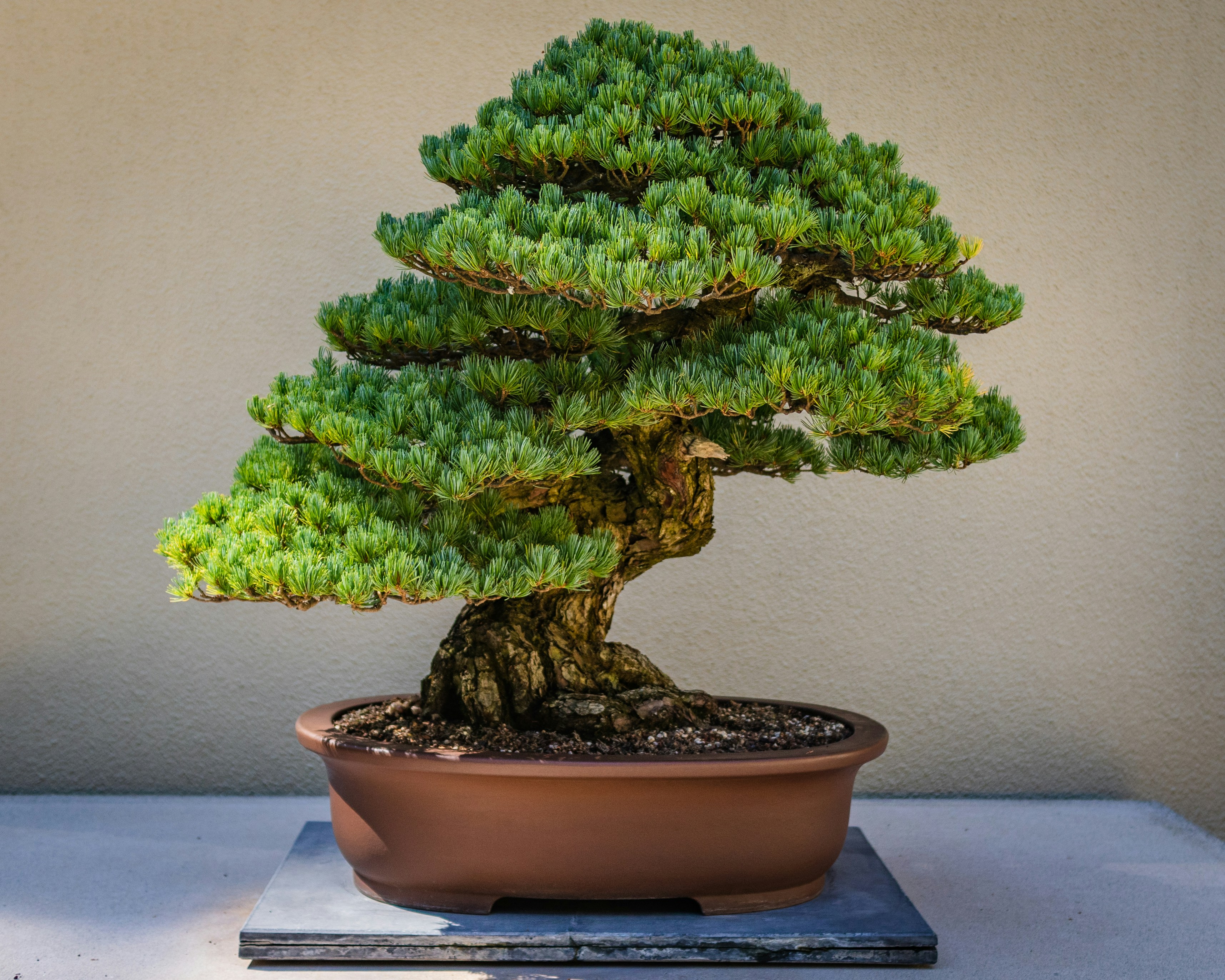
The concept of the Forest Group Bonsai, known in Japanese as Yose-ue (meaning “planting together”), dates back centuries in Chinese and Japanese art. It wasn’t just about gardening; it was about capturing the spirit of the wilderness in a confined space.
In traditional Chinese landscape painting (Shan Shui), the forest represented the vastness of nature, the passage of time, and the harmony of the community. When this art form migrated to Japan, it evolved into the Bonsai we know today. The goal shifted from merely growing a tree to growing a story.
The Philosophy of the Miniature Woodland
Unlike the Bunjin style (literati) which focuses on a single, struggling tree, or the Bonsai style which focuses on a single majestic specimen, the forest style asks: How do trees coexist?
- Interdependence: In a forest, trees compete for light but also support each other against the wind. Your bonsai forest must mimic this. The smaller trees lean away from the main tree, just as saplings in a real forest lean away from the canopy to find the sun.
- The Illusion of Distance: The most critical aspect of Yose-ue is perspective. By placing larger trees in the front and smaller ones in the back, you trick the human eye into seeing a vast landscape stretching into the distance, even though the pot is only 10 inches wide.
Pro Tip from the Garden: We once tried to create a forest with 12 trees (an even number). It looked “off” immediately. The symmetry felt artificial, like a military parade rather than a wild forest. We removed one tree, and suddenly, the composition breathed. Always trust your gut (and the odd number rule)!
For more on the history of bonsai styles, check out our deep dive into Bonsai Display and Aesthetics.
🌳 Why Choose the Forest Style? The Psychology of Miniature Woodlands
Why go through the trouble of managing 1 trees instead of just one? It’s not just about the challenge; it’s about the psychological impact.
The “Big Picture” Effect
A single bonsai tree is a portrait. A forest bonsai is a landscape. When you look at a forest group, your brain doesn’t just see a plant; it sees a place. It triggers a sense of scale and immersion that a single tree cannot achieve.
- Stress Reduction: Studies on “forest bathing” (Shinrin-yoku) show that being in a forest lowers cortisol levels. Having a miniature forest on your desk provides a similar, albeit subtle, calming effect.
- Dynamic Composition: A single tree is static. A forest is dynamic. As the seasons change, the interplay of light and shadow between the trees creates a constantly shifting scene. One tree might leaf out before the others, creating a new focal point.
The Challenge of the Gardener
For us at Bonsai Garden™, the forest style is the ultimate test of spatial awareness. You aren’t just shaping a trunk; you are composing a scene. You have to think like a photographer, a painter, and a botanist all at once.
Question for you: Have you ever looked at a single bonsai and felt it was “lonely”? That’s the forest style’s superpower—it eliminates the loneliness by creating a community. But how do you ensure that community doesn’t turn into a civil war? We’ll get to that in the species selection section.
🔍 Decoding the Aesthetics: Iregular vs. Formal Forest Groupings
Not all forests are created equal. Just as a real forest can be a dense, chaotic jungle or a sparse, windswept pine grove, your bonsai forest can take on different personalities.
1. The Iregular Forest (Fukinsei)
This is the most common and natural-looking style.
- Characteristics: Trees vary significantly in height, thickness, and trunk movement. The arrangement is asymetrical.
- The Vibe: Wild, untamed, ancient.
- Best For: Beginners who want a natural look without rigid rules.
- Key Rule: Avoid placing trees in a straight line. Use a “zig-zag” or “S” curve pattern for the arrangement.
2. The Formal Forest (Sei)
This is rarer and more difficult to execute.
- Characteristics: Trees are of similar height and thickness, often arranged in a more symetrical or grid-like pattern.
- The Vibe: Manicured, temple garden, orderly.
- Best For: Advanced growers who want to showcase precision.
- Warning: This can easily look like a nursery row if not done perfectly.
The “Odd Number” Myth Buster
Many beginners think they must use 7, 9, or 1 trees. While this is the golden rule for the Iregular Forest, the Formal Forest can sometimes get away with even numbers if the symmetry is perfect. However, for 9% of cases, stick to odd numbers.
| Feature | Iregular Forest | Formal Forest |
|---|---|---|
| Tree Count | Odd (7, 9, 1, 13) | Can be Even or Odd |
| Tree Sizes | Varied (Tall to Short) | Uniform or Gradual |
| Arrangement | Asymetrical, Zig-Zag | Symetrical, Grid-like |
| Difficulty | Moderate | High |
| Natural Look | Very High | Moderate |
🌿 Top 12 Tree Species Perfect for Creating a Thriving Bonsai Forest
Choosing the right species is the difference between a thriving ecosystem and a graveyard of dead saplings. You need trees that are hardy, have small leaves, and can tolerate frequent root pruning.
Here are our top 12 picks, ranked by suitability for the forest style:
- Japanese Maple (Acer palmatum): The undisputed king of forest bonsai. Their delicate leaves and stunning seasonal color changes make them perfect. Note: They need protection from harsh afternoon sun.
- Juniperus procumbens ‘Nana’: A classic evergreen choice. They are tough, tolerate heavy pruning, and have beautiful bark. The “Goshin” forest is made of these.
- Chinese Elm (Ulmus parvifolia): Extremely hardy, great for beginners. They have small leaves and can be grown indoors (with good light) or outdoors.
- Japanese Black Pine (Pinus thunbergii): For a rugged, mountainous look. Requires advanced wiring skills but offers incredible texture.
- Boxwood (Buxus microphylla): Great for small-scale forests. They have tiny leaves and dense foliage, perfect for creating a “miniature” feel.
- Ficus retusa: The best choice for indoor forest bonsai. They tolerate low light and dry air better than most.
- Shimpaku Juniper (Juniperus chinensis): Similar to the procumbens but with finer foliage. Excellent formal and informal styles.
- Hawthorn (Crataegus monogyna): Known for its thorns and beautiful spring blossoms. Great for a wild, thorny forest look.
- Beech (Fagus sylvatica): Produces stunning autumn colors and has a smooth, grey bark that looks ancient even on young trees.
- Larch (Larix kaempferi): A deciduous conifer that turns golden yellow in autumn. Unique and striking.
- Azalea (Rhodendron): For a flowering forest. Requires acidic soil and careful watering, but the spring blooms are worth it.
- Ivy (Hedera helix): Not a tree, but can be used as a ground cover or “creping” element in a forest to add texture.
Crucial Insight: Never mix a deciduous tree (like Maple) with an evergreen (like Juniper) in the same forest unless you are an expert. Their growth cycles and water needs are too different. Stick to one species for your first forest!
For more details on species care, visit our Bonsai Care Basics category.
👉 Shop Top Bonsai Species on:
- Japanese Maple: Amazon | Walmart | Bonsai Boy of NY
- Juniper Bonsai: Amazon | Etsy | Bonsai Empire
- Chinese Elm: Amazon | Walmart
🛠️ The Master Plan: Step-by-Step Guide to Creating a Bonsai Forest Planting
Ready to build your own miniature world? This is where the magic happens. Follow these steps meticulously, and you’ll be on your way to a masterpiece.
Step 1: Gather Your Materials
You’ll need:
- Trees: 7-1 saplings of the same species, varying in size.
- Pot: A shallow, wide, unglazed (or subtly glazed) oval or rectangular pot.
- Soil: A well-draining mix (Akadama, Pumice, Lava).
- Tools: Concave cuters, wire cuters, root hooks, twezers.
- Moss: For the finishing touch.
Step 2: Prepare the Trees
This is the most critical step. You must unpot your trees and trim the roots.
- Gently remove the soil from the roots.
- Use a root hook to comb out the roots.
- Trim the roots so they fit tightly together. The goal is to create a “root mat” that looks like a single, interconnected system.
- Pro Tip: If the roots are too long, the trees will rock in the pot. Shorten them until they fit snugly.
Step 3: The “Dry Run” Arrangement
Before adding soil, place the trees in the pot without soil.
- Place the tallest, thickest tree slightly off-center (about 1/3 from the front edge).
- Place the next tallest trees on either side, gradually decreasing in size as you move to the back.
- Avoid straight lines. Use a zig-zag pattern.
- Check the perspective: Step back and look. Does it look like a forest receding into the distance? If not, rearrange.
The “Comfort” Test: As the video creator in the featured video mentioned, “If you start doing a group like this and you put two, three trees in the pot and they don’t look comfortable together, then adding more trees doesn’t normally make it look better.” If it feels wrong, start over.
Step 4: Planting
- Add a layer of soil to the pot.
- Place the trees in their positions.
- Fill in the gaps with soil, using a chopstick to ensure no air pockets remain.
- Do not wire the trees yet! The soil should hold them in place. If they are loose, add more soil and press down firmly.
Step 5: The Initial Watering
- Water thoroughly until water runs out of the drainage holes.
- Place the pot in a shaded, protected area for at least one month.
- Do not prune or wire until the next spring. Let the roots establish.
🏺 Pot Selection and Soil Mix: The Foundation of Your Miniature Ecosystem
The pot is the frame for your painting. Choose wrong, and the whole composition fails.
Pot Selection Guidelines
- Shape: Oval or rectangular pots are best forests. They provide the necessary width to create depth.
- Depth: Shallow is key. A deep pot makes the forest look like a well, not a landscape.
- Color: Unglazed brown or grey pots are traditional and allow the trees to be the star. Glazed pots can be used for flowering species (like Azaleas) but should be subtle.
- Drainage: Ensure the pot has multiple drainage holes. Forests have dense root systems and need excellent drainage to prevent rot.
The Perfect Soil Mix
A forest needs soil that drains quickly but holds enough moisture for the dense root mass.
- Standard Mix: 50% Akadama, 25% Pumice, 25% Lava Rock.
- Why this mix? Akadama holds water and nutrients, while Pumice and Lava provide aeration and drainage.
- Adjustment: For tropical species (like Ficus), increase the organic content slightly. For pines, increase the inorganic content.
👉 Shop Bonsai Soil Components on:
✂️ Pruning, Wiring, and Shaping: Maintaining the Illusion of Age
Once your forest is established (usually after the first year), the real work begins. You are now the director of this miniature play.
Pruning for Depth
- Canopy Pruning: Prune the top of the main tree to encourage branching lower down. This creates a “layered” look.
- Understory Pruning: Keep the smaller trees in the back lower than the main tree. This maintains the perspective.
- Defoliation: In summer, you can defoliate the main tree to encourage smaller leaves, but be careful not to stress the smaller trees.
Wiring for Movement
- Main Tree: Wire the main trunk to give it a slight curve, mimicking the struggle against the wind.
- Side Trees: Wire the side trees to lean away from the main tree. This creates the illusion that they are reaching for the sun.
- Caution: Do not wire the trees too tightly. The roots are still establishing, and heavy wiring can snap them.
Myth Buster: “You must wire every tree immediately.” False. Wait until the roots are established (next spring). Wiring too early can kill the trees.
💧 Watering, Humidity, and Light: Aftercare Essentials for Forest Groupings
Watering a forest is different from watering a single tree. The dense root mass acts like a sponge, but it also dries out faster on the surface.
Watering Strategy
- Frequency: Check daily. The surface may look dry, but the roots might still be wet. Stick your finger 1 inch into the soil.
- Method: Water thoroughly until water runs out of the bottom. Do not “top water” lightly; you need to saturate the entire root ball.
- Humidity: Forests thrive in high humidity. Consider placing the pot on a humidity tray filled with water and pebbles.
Light Requirements
- Most Species: Full sun to partial shade.
- Maples: Protect from harsh afternoon sun to prevent leaf scorch.
- Indoor Species: Place near a south-facing window or use grow lights.
🐜 Troubleshooting Common Pitfalls: Pests, Root Rot, and Uneven Growth
Even the best-laid plans can go awry. Here’s how to handle the common disasters.
1. Uneven Growth
- Problem: One tree grows much faster than the others, ruining the perspective.
- Solution: Prune the fast-growing tree heavily. If necessary, remove it and replace it with a slower-growing one.
2. Root Rot
- Problem: Trees start yellowing and dropping leaves.
- Cause: Poor drainage or overwatering.
- Solution: Unpot immediately, trim the roting roots, and repot in fresh, drier soil.
3. Pests
- Problem: Aphids, spider mites, or scale insects.
- Solution: Inspect regularly. Use neem oil or insecticidal soap. Treat the whole forest, not just the affected tree.
🎨 Advanced Techniques: Creating Depth, Perspective, and the “Yose-ue” Illusion
To truly master the forest style, you need to understand perspective.
The “S-Curve” Layout
Instead of a straight line, arrange the trees in an “S” shape. This draws the eye through the composition and creates a sense of movement.
Varying Heights
The difference in height between the tallest and shortest tree should be significant. A 1:3 ratio is ideal. If your tallest tree is 10 inches, your shortest should be around 3-4 inches.
Ground Cover
Use moss to cover the soil surface. This hides the soil and creates a unified “ground” that makes the trees look like they are growing out of a single landscape.
🌱 Seasonal Care Calendar: What to Do Month-by-Month
| Month | Action |
|---|---|
| Spring | Repot (if needed), prune, wire, and fertilize. Watch for new growth. |
| Summer | Water daily, protect from extreme heat, prune for shape. |
| Autumn | Reduce watering, stop fertilizing, enjoy the color changes. |
| Winter | Protect from frost (if needed), prune dead wood, plan for next year. |
🏆 Master the Art of Bonsai: From Novice to Forest Guru
Becoming a forest guru takes time. Don’t be discouraged if your first attempt looks a bit messy. Every master was once a beginner.
The Path to Mastery
- Start Small: Try a 3-tree grouping before attempting a 12-tree forest.
- Learn the Species: Understand the specific needs of your chosen tree.
- Observe Nature: Go to a real forest. Watch how trees grow, how they lean, and how they interact.
- Patience: Remember, a forest is a living sculpture that evolves over decades.
Final Thought: The forest style is not just about growing trees; it’s about growing patience and perspective. As you nurture your miniature woodland, you’ll find that the trees are teaching you as much as you are teaching them.
💡 Key Take-Away: The Soul of the Forest
The forest group bonsai is the ultimate expression of harmony in diversity. It teaches us that even in a confined space, life can flourish when we work together. Whether you choose the rugged pines of the mountains or the delicate maples of the valley, the key is to create a scene that tells a story.
Remember:
- Odd numbers are your friends.
- Perspective is everything.
- Patience is the secret ingredient.
Now, go forth and create your own miniature world!
Conclusion
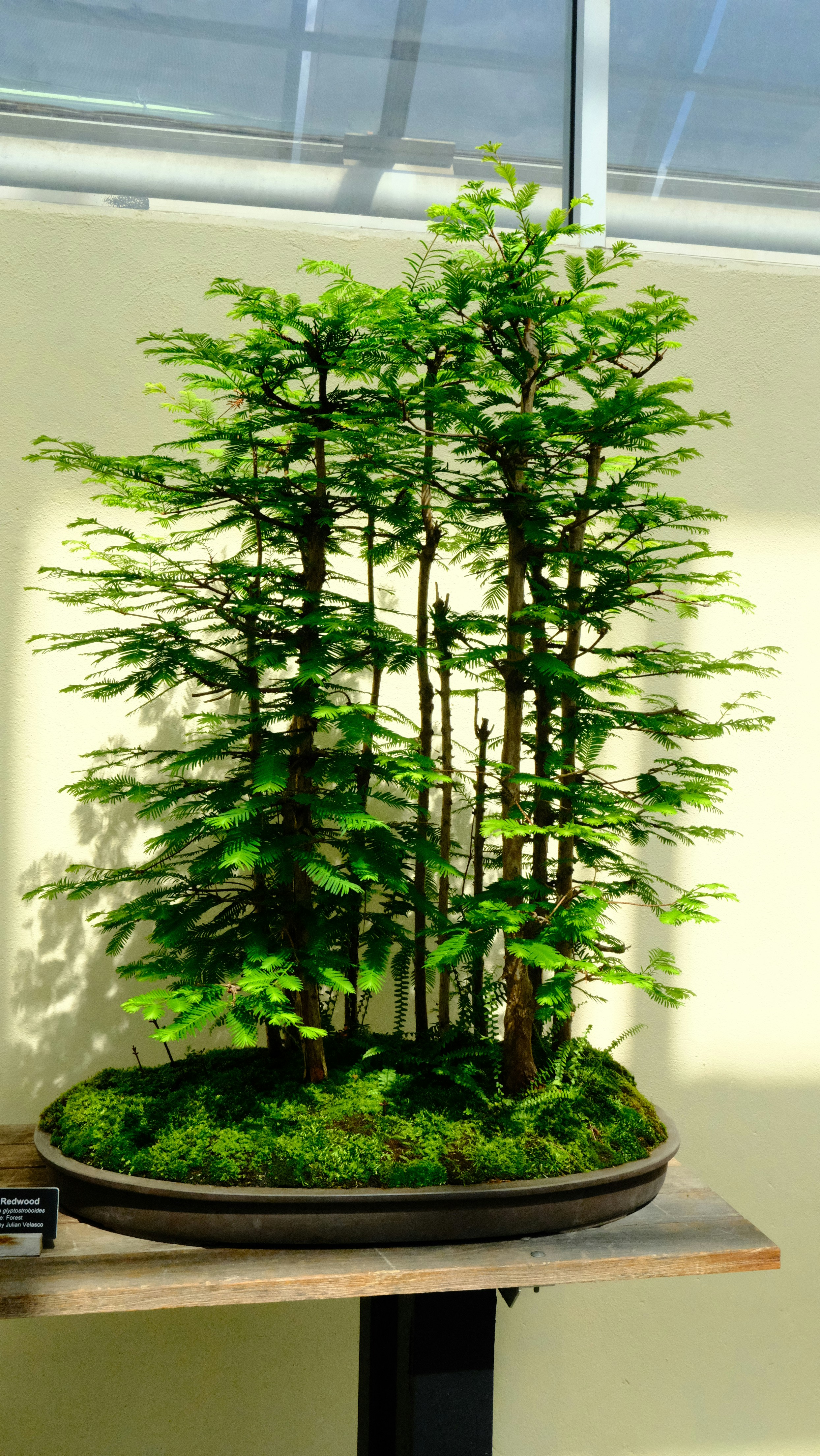
Creating a Forest Group Bonsai is one of the most rewarding challenges in the world of bonsai. It combines the technical skills of pruning and wiring with the artistic vision of landscape design. While it requires patience and attention to detail, the result is a living masterpiece that captures the essence of nature in a single pot.
Positives:
- Creates a stunning sense of depth and perspective.
- Offers a dynamic, ever-changing display.
- Encourages a deeper understanding of plant interactions.
Negatives:
- Requires more space and resources than a single tree.
- Watering and maintenance can be more complex.
- Mistakes in arrangement can be difficult to correct without repoting.
Our Recommendation: If you are a beginner, start with a 3-tree grouping of Chinese Elm or Juniper. Once you master the basics, graduate to a 7-tree forest of Japanese Maple. Don’t be afraid to experiment, but always remember the golden rule: trust your eye and the odd number.
🔗 Recommended Links and Tools
Essential Tools for Forest Bonsai:
- Concave Cuters: Amazon | Bonsai Tools
- Root Hooks: Amazon | Etsy
- Bonsai Soil Mix: Amazon | Bonsai Earth
Books to Deepen Your Knowledge:
❓ Frequently Asked Questions (FAQ)
How do I prune a forest group bonsai to maintain the illusion of depth?
Prune the taller trees more aggressively to keep them from overshadowing the smaller ones. Always prune the canopy of the main tree to encourage lower branching, and keep the understory trees lower to maintain the perspective.
What are the common mistakes when styling a forest group bonsai?
- Using an even number of trees.
- Placing trees in a straight line.
- Mixing different species with incompatible growth rates.
- Overwatering due to the dense root mass.
Read more about “🌲 Mastering the Literati Bonsai Style: The Ultimate Guide (2026)”
How often should I water a forest group bonsai?
Check daily. Water when the top inch of soil feels dry. Forests dry out faster than single trees due to the large surface area of the soil.
Read more about “🌳 25+ Outdoor Bonsai Display Ideas: Master the Art (2026)”
Can I use different species in a forest group bonsai?
It’s possible, but not recommended for beginners. Different species have different water, light, and growth requirements, which can lead to an unbalanced composition. Stick to one species for your first forest.
Read more about “🌿 Is It OK to Keep a Bonsai Indors? (2026 Truth)”
How many trees do I need for a forest group bonsai?
The ideal number is an odd number, typically between 7 and 15. This creates a natural, asymetrical look.
Read more about “🧘 Are Bonsai Trees Actually Zen? The Surprising Truth (2026)”
What is the best soil mix for a forest group bonsai?
A mix of 50% Akadama, 25% Pumice, and 25% Lava Rock is ideal. This provides excellent drainage while retaining enough moisture for the dense root system.
Read more about “🌿 10 Best Indoor Bonsai Trees (2026): The Ultimate Survival Guide”
How do I create a forest group bonsai style?
- Select 7-1 trees of the same species.
- Trim the roots to fit together.
- Arrange in a zig-zag pattern in a shallow pot.
- Fill with soil and water thoroughly.
- Place in shade for a month to establish.
Read more about “🌊 Raft Bonsai Style: The Ultimate Guide to Creating a Miniature Forest (2026)”
What size pot is best for planting a forest group bonsai?
Choose a shallow, wide pot (oval or rectangular). The depth should be no more than 1/3 the height of the tallest tree.
Read more about “🌿 Build Your Ultimate Bonsai Garden: 10 Top Trees & Care Secrets (2026)”
What are the best tree species for a forest group bonsai?
Japanese Maple, Juniper, Chinese Elm, and Boxwood are top choices due to their small leaves and hardiness.
Read more about “🍂 7 Essential Fall Bonsai Care Steps for a Thriving Winter (2026)”
How do I prune a forest group bonsai to maintain the style?
Prune the main tree to encourage branching and keep the side trees lower. Always maintain the asymetrical arrangement.
Read more about “🌲 15 Semi-Cascade Bonsai Secrets to Master the Han-Kengai Style (2026)”
What is the best soil mix for a forest group bonsai?
(See above) 50% Akadama, 25% Pumice, 25% Lava Rock.
Read more about “🌙 Can You Sleep with a Bonsai Tree? The 2026 Truth Revealed”
How many trees should be in a forest group bonsai?
(See above) 7-15 trees, always an odd number.
Read more about “🌿 How Do You Start a Bonsai Garden? The Ultimate 2026 Guide”
What are the best tree species for a forest group bonsai?
(See above) Japanese Maple, Juniper, Chinese Elm, Boxwood.
Read more about “🌿 7 Essential Tools to Start Your Bonsai Garden (2026)”
How do I prune a forest group bonsai to maintain the style?
(See above) Prune the main tree for branching, keep side trees lower.
Read more about “Mastering the Slanting Bonsai Style: 9 Expert Secrets for 2026 🌿”
What size pot is best for planting a forest group bonsai?
(See above) Shallow, wide, oval or rectangular.
Read more about “10 Common Pests & Diseases That Threaten Your Bonsai Trees 🌿 (2026)”
How often should I water a forest group bonsai?
(See above) Check daily, water when top inch is dry.
Read more about “🌞 Ultimate Summer Bonsai Care Guide: 15 Secrets to Beat the Heat (2026)”
📚 Reference Links and Further Reading
- Bonsai Empire: Forest Planting Guide
- Bonsai Nut: Layouts for Forest Groupings (Note: Security verification may be required)
- Facebook Group Discussion: What are the best tree species for a forest style bonsai?
- Bonsai Garden™: Bonsai Care Basics
- Bonsai Garden™: Bonsai for Beginners
- Bonsai Garden™: Bonsai Inspiration and Ideas
- Bonsai Garden™: Bonsai FAQs
- Bonsai Garden™: Bonsai Display and Aesthetics