Support our educational content for free when you buy through links on our site. Learn more

The secret to a thriving indoor forest isn’t just the tree; it’s the strategic elevation and microclimate created by your display setup. Whether you’re working with a cramped apartment or a sun-drenched living room, these 15 indoor bonsai display ideas transform your space into a living gallery while ensuring your trees get the light and humidity they desperately need.
We once watched a client’s prized Ficus wither on a cold, dark floor, only to flourish overnight after we moved it to a sunlit, rotating stand just six inches higher. It turns out, the difference between a dying shrub and a majestic specimen often comes down to where you place it, not just how you water it.
Did you know that indoor air can be up to 50% drier than the tropical environments most bonsai species crave? That’s why a simple shelf isn’t enough; you need a display that actively manages your tree’s environment.
Key Takeaways
- Elevation is Essential: Lifting your bonsai off the floor improves airflow and mimics natural growth conditions, preventing root rot and pest infestations.
- Microclimates Matter: Use humidity trays, grouping techniques, and strategic lighting to recreate the specific environment your tree needs to survive indoors.
- Rotate Regularly: A simple weekly 90-degree turn ensures even growth and prevents your tree from leaning toward the light source.
- Safety First: Secure heavy pots and choose non-toxic species if you have curious pets or children to prevent accidents and ingestion.
- Style Mets Function: The best display balances aesthetic appeal with practical needs like easy watering access and proper light exposure.
Table of Contents
- ⚡️ Quick Tips and Facts
- 🌿 A Brief History of Bonsai Display: From Imperial Courts to Your Living Room
- 🏠 Top 15 Indoor Bonsai Display Ideas to Transform Your Space
- 🎨 Choosing the Right Pot and Saucer for Your Indoor Display
- 💡 Lighting Solutions: How to Make Your Bonsai Pop Without Burning It
- 🛠️ DIY vs. Store-Bought: Which Display Stands Are Worth the Hype?
- 🐾 Pet and Child Safety: Keeping Your Tiny Trees Safe and Sound
- 🌬️ Humidity Trays and Airflow: The Unsung Heroes of Indoor Displays
- 🚫 Common Display Mistakes That Kill Bonsai (And How to Avoid Them)
- 📸 Styling Your Display for Social Media and Home Decor
- 🧐 Conclusion
- 🔗 Recommended Links
- 📚 Reference Links
⚡️ Quick Tips and Facts
Before we dive into the nitty-gritty of transforming your living room into a miniature forest, let’s hit the pause button and drop some hard truths that even seasoned gardeners sometimes forget. We’ve seen too many beautiful Ficus trees meet their untimely end because they were placed on a “pretty” but impractical stand.
Here is the Bonsai Garden™ cheat sheet for indoor displays:
- Light is Life: Unlike your succulents, most indoor bonsai (like the Ficus retusa or Carmona) need bright, indirect light. A north-facing window is often a death sentence; a south or east-facing one is your best friend. Learn more about light requirements in our Bonsai Care Basics guide.
- Humidity is Non-Negotiable: Indoor heating and AC create a desert environment. Your bonsai needs 40-60% humidity. If your display is dry, your leaves will crisp up faster than a stale cookie.
- The “One Tree” Rule: Don’t crowd them. A bonsai is a living sculpture. It needs breathing room. If you can’t walk around it without bumping your hip, it’s too crowded.
- Rotation is Key: Plants grow toward the light. If you don’t rotate your display weekly, your tree will lean like the Tower of Pisa.
- Watering Logic: Never water on a schedule. Water when the top inch of soil feels dry. Overwatering is the #1 killer of indoor bonsai.
Wait, why do some trees thrive on a windowsill while others die within weeks? It’s not just the light; it’s the microclimate created by your display choice. We’ll reveal the specific display setups that create the perfect humidity pocket later in this article.
🌿 A Brief History of Bonsai Display: From Imperial Courts to Your Living Room
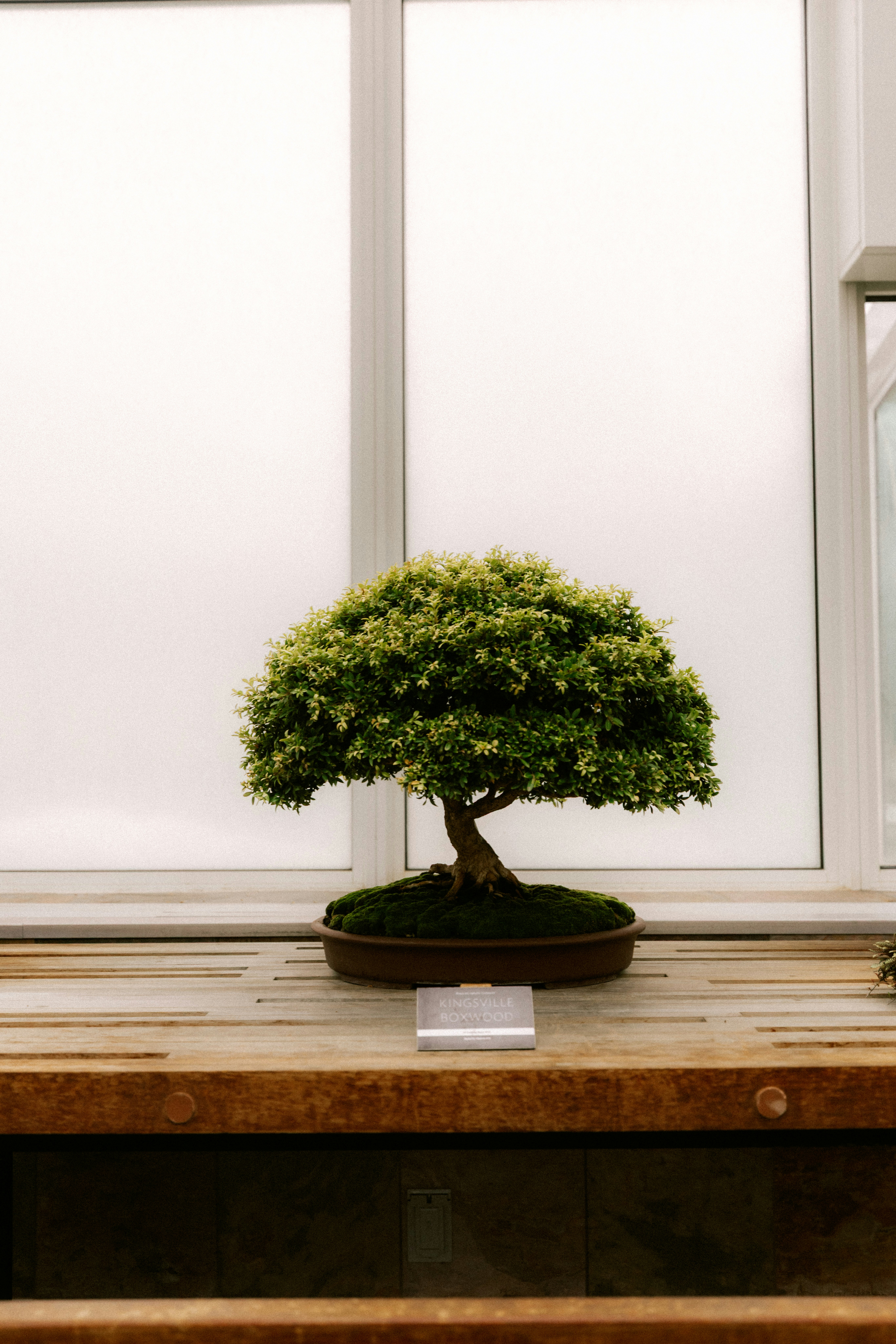
You might think putting a tree on a shelf is a modern apartment-dweller hack, but the art of bonsai display (known as shōhin or bonkei depending on the scale) dates back over a thousand years.
Originally, in the Tang Dynasty of China and later refined in Japan, bonsai were not just plants; they were status symbols for the elite. The display was just as important as the tree. Emperors and warlords would place their prized specimens on lacquered wooden stands or stone plinths in specific rooms to honor guests. The stand elevated the tree, both literally and metaphorically, signifying that this was not just a weed in a pot, but a piece of nature captured in time.
The concept of the display table (dai) evolved to separate the tree from the mundane floor, creating a “stage” for the tree’s story. In the Edo period, the bonkei style emerged, where rocks and miniature landscapes were displayed on shallow trays, often placed on low tables for close inspection.
Fast forward today: We don’t have imperial courts, but we have IKEA shelves and floating wall mounts. The philosophy remains the same: elevation creates focus. When you lift your bonsai off the floor, you invite the viewer to look up to the tree, mimicking the perspective of a giant looking at a mountain.
But here’s the twist: The ancient masters used heavy, solid wood. Why? Because stability was paramount. Today, we have lightweight materials. Does this mean our displays are less “authentic”? Not necessarily, but it changes how we secure our trees. We’ll discuss the best materials for modern stability in the “DIY vs. Store-Bought” section.
For more on the aesthetics of display, check out our deep dive into Bonsai Display and Aesthetics.
🏠 Top 15 Indoor Bonsai Display Ideas to Transform Your Space
Ready to get your hands dirty? We’ve curated 15 distinct display strategies that range from minimalist chic to rustic forest vibes. We’ve tested these in our own greenhouse and living rooms, and we’re sharing the wins (and the few “oops” moments) with you.
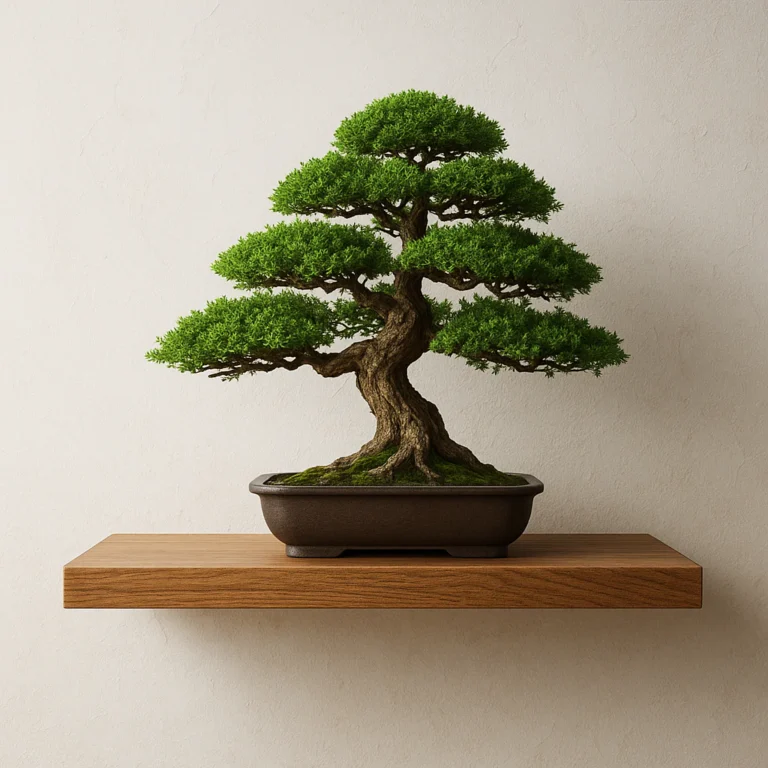
1. The Minimalist Floating Shelf Setup
Perfect for the modern apartment where floor space is at a premium.
- The Vibe: Clean lines, uncluttered, gallery-style.
- Best For: Small species like Jade or Chinese Elm.
- Pro Tip: Install shelves at varying heights to create visual rhythm. Don’t just line them up like soldiers!
- The Catch: Ensure the shelf is anchored into studs. A falling bonsai pot is a disaster waiting to happen.
2. The Multi-Tiered Plant Stand Strategy
The classic solution for the collector.
- The Vibe: Abundant, lush, “green room” energy.
- Best For: Groups of 3-5 trees.
- Why it works: It maximizes vertical space, allowing you to display more trees in a smaller footprint.
- Material Matters: Look for powder-coated metal or treated wood to resist water damage.
3. The Zen Corner with a Low Pedestal
Channel your inner monk.
- The Vibe: Serene, meditative, traditional.
- Best For: A single, statement tree (like a Ficus ginseng).
- How to do it: Place a low, solid wooden or stone plinth in a quiet corner. Add a small rug or tatami mat underneath.
- The Secret: Keep the background plain and uncluttered. The tree is the star; the background is the stage curtain.
4. The Sun-Drenched Windowsill Sanctuary
Nature’s own spotlight.
- The Vibe: Bright, airy, connected to the outdoors.
- Best For: High-light lovers like Juniper (if kept cool) or Ficus.
- Crucial Warning: Windowsills can get scorching hot in summer and freezing cold in winter. Always use a thermal barrier (like a cork mat) under the pot.
5. The Hanging Basket Aesthetic for Trailing Species
Think outside the box (and the pot).
- The Vibe: Whimsical, dynamic, 3D.
- Best For: Trailing species like Ivy or Portulacaria afra (Dwarf Jade).
- How to execute: Use a specialized hanging bonsai pot with a drainage system. Ensure the hook is rated for the weight of the wet soil!
6. The Custom Built-In Bookshelf Nook
Integrate nature into your library.
- The Vibe: Intellectual, cozy, curated.
- Best For: Small, slow-growing trees.
- Design Hack: Leave a dedicated shelf with no books next to your bonsai. This prevents dust accumulation on the leaves and gives the tree room to breathe.
7. The Rotating Lazy Susan for Easy Access
The ultimate convenience hack.
- The Vibe: Functional, interactive.
- Best For: Trees that need frequent rotation for even growth.
- Why we love it: You can spin the tree to the light without moving the whole pot. It’s a game-changer for maintenance.
- Brand Pick: Look for heavy-duty turntables from Gorilla Grip or similar brands designed for kitchen use but perfect for plants.
8. The Dramatic Floor-Standing Plinth
Make a bold statement.
- The Vibe: Grand, imposing, museum-quality.
- Best For: Large, mature indoor specimens.
- Material: Solid oak or slate.
- Caution: This requires floor space. Ensure the plinth is level; a leaning plinth makes the tree look like it’s falling over.
9. The Grouping Technique: Creating a Mini Forest Indors
The Yose-ue style brought inside.
- The Vibe: Lush, immersive, forest floor.
- How to do it: Use a large, shallow tray. Plant 5-7 small trees of varying heights. Add moss and small rocks.
- Tip: Group trees with similar water and light needs. Don’t mix a Ficus with a Juniper in the same tray!
10. The Glass Cloche or Terrarium Micro-Environment
Control the climate.
- The Vibe: Scientific, protected, humid.
- Best For: Tropical species like Carmona or Serissa.
- The Trade-off: Great for humidity, but ventilation is critical. Leave the lid slightly ajar or use a fan to prevent mold.
1. The Wall-Mounted Vertical Garden Grid
Maximize every inch of wall space.
- The Vibe: Urban, modern, space-saving.
- How to do it: Use a grid system with hooks or small shelves.
- Warning: Ensure the wall can support the weight. Use heavy-duty anchors.
12. The Antique Cabinet Repurposing Trick
Give old furniture new life.
- The Vibe: Vintage, eclectic, story-rich.
- How to do it: Take an old curio cabinet, remove the glass doors (for airflow), and line the shelves with slate.
- Bonus: The glass doors can be used to create a mini-greenhouse effect if you close them during the day.
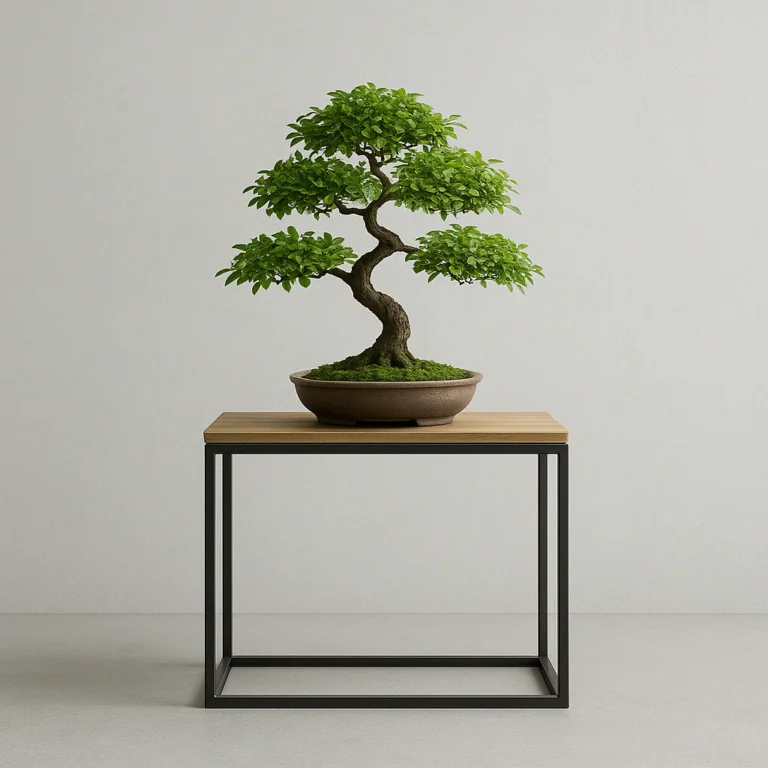
13. The Modern Geometric Wire Stand
Industrial chic meets nature.
- The Vibe: Slek, airy, contemporary.
- Best For: Minimalist interiors.
- Why it works: The open wire design allows for excellent airflow around the pot, reducing the risk of root rot.
14. The Natural Stone or Slate Base Display
Bring the outdoors in.
- The Vibe: Earthy, rugged, authentic.
- How to do it: Place a slab of slate or river rock under the pot.
- Benefit: Stone stays cool, which helps regulate soil temperature.
15. The Seasonal Rotation Station
Keep your display fresh.
- The Vibe: Dynamic, evolving.
- How to do it: Have a “storage” area for trees that are resting or need different light. Rotate them in and out based on the season.
- Why do this? Some trees need a dormant period with less light. Don’t force them to stay in the spotlight year-round.
Still wondering which of these 15 ideas fits your specific home layout? We’ll break down how to measure your space and choose the right style in the “Styling Your Display” section.
🎨 Choosing the Right Pot and Saucer for Your Indoor Display
The pot is the frame for your painting. If the frame is ugly, the art suffers.
Material Matters
- Ceramic: The classic choice. Unglazed pots breathe better, while glazed pots retain moisture.
Pros: Aesthetic variety, good for humidity retention (glazed).
Cons: Heavy, can crack in freezing temps (not an issue indoors usually). - Plastic/Resin: Lightweight and durable.
Pros: Great for hanging displays, cheap, won’t break if dropped.
Cons: Can look cheap, poor breathability. - Terracotta: The breathable king.
Pros: Excellent airflow, prevents overwatering.
Cons: Dries out fast, heavy, can look rustic (which might not fit modern decor).
Size and Shape
- Depth: Shallow pots are traditional but dry out faster. Deep pots are better for beginners as they hold more moisture.
- Color: Match the pot color to the tree’s bark and foliage. A dark pot makes light foliage pop; a light pot grounds a dark, dense tree.
| Pot Type | Best For | Humidity Retention | Durability | Aesthetic Rating |
|---|---|---|---|---|
| Glazed Ceramic | Tropicals, Ficus | High | Medium | ⭐ |
| Unglazed Clay | Junipers, Pines | Low | High | ⭐ |
| Plastic/Resin | Hanging, Travel | Medium | High | ⭐ |
| Terracotta | Beginners, Dry climates | Low | Medium | ⭐ |
👉 CHECK PRICE on:
- Ceramic Bonsai Pots: Amazon | Etsy | Brussel’s Bonsai
- Resin Bonsai Pots: Walmart | Amazon
💡 Lighting Solutions: How to Make Your Bonsai Pop Without Burning It
You can have the most beautiful display in the world, but if your tree is dying from lack of light, it’s just a decoration.
Natural Light vs. Artificial Light
- Natural Light: The gold standard. South-facing windows provide the most intensity.
The Trap: Glass blocks UV rays but lets in heat. In summer, this can cook your roots. - Artificial Light: Essential for rooms with poor natural light.
Full Spectrum LED Grow Lights: These mimic the sun. Look for lights with a PAR value suitable for plants.
Placement: Keep the light 6-12 inches above the canopy.
The “Grow Light” Setup
We recommend the Roleadro or Spider Farmer LED panels for indoor bonsai. They are energy-efficient and don’t emit excessive heat.
Step-by-Step Lighting Setup:
- Assess your natural light: Use a light meter app on your phone.
- Choose your fixture: LED is best for indoor use.
- Set a timer: Bonsai need 12-14 hours of light. Use a smart plug to automate this.
- Adjust height: As the tree grows, raise the light.
Why do some trees look “legy” even with lights? It’s often a spectrum issue. If your light is too yellow (warm), the tree stretches. You need a balanced spectrum (blue and red).
🛠️ DIY vs. Store-Bought: Which Display Stands Are Worth the Hype?
Let’s settle the debate: Build it yourself or buy it?
The Case for DIY
- Customization: You can build exactly what fits your space.
- Cost: Often cheaper if you have scrap wood.
- Satisfaction: There’s a pride in saying, “I made this stand.”
The Case for Store-Bought
- Precision: Factory-made stands are perfectly level and stable.
- Materials: Often use treated woods or metals that resist rot better than DIY pine.
- Time: Instant gratification.
Top Store-Bought Recommendations
| Product | Design | Functionality | Stability | Value |
|---|---|---|---|---|
| IKEA LACK Shelf | Minimalist | High | Medium | ⭐ |
| VIVO Plant Stand | Multi-tier | High | High | ⭐ |
| Custom Wooden Plinth | Traditional | Medium | High | ⭐ |
| Hanging Planter Kit | Modern | High | Medium | ⭐ |
👉 Shop
- IKEA: IKEA Plant Stands
- VIVO: VIVO Plant Stands on Amazon
- Etsy Custom Stands: Custom Bonsai Stands on Etsy
🐾 Pet and Child Safety: Keeping Your Tiny Trees Safe and Sound
We love our furry friends and little ones, but they don’t always understand that a bonsai is not a chew toy.
The Risks
- Toxicity: Many popular bonsai species (like Sago Palm or Oleander) are highly toxic to pets.
- Physical Danger: A falling pot can hurt a cat or a toddler.
- Soil Ingestion: Cats love digging in soil.
Safety Strategies
- Elevation: Use high shelves or hanging baskets.
- Bariers: Place a small fence or decorative rocks around the base.
- Non-Toxic Species: Stick to Ficus, Jade, or Chinese Elm if you have curious pets.
- Secure the Pot: Use adhesive puty or a heavy saucer to prevent tipping.
Did you know? Some “pet-safe” plants can still cause stomach upset if eaten in large quantities. Always check the ASPCA list before bringing a new tree home.
🌬️ Humidity Trays and Airflow: The Unsung Heroes of Indoor Displays
Your display isn’t just about looks; it’s about microclimates.
The Humidity Tray
A simple tray filled with pebbles and water.
- How it works: The pot sits on the pebbles, not in the water. As the water evaporates, it creates a humid pocket around the tree.
- DIY Version: Use a shallow baking sheet, fill with gravel, add water.
- Store-Bought: Look for “self-watering trays” or “humidity trays” from brands like Lechuza.
Airflow
Stagnant air leads to fungus and pests.
- Tip: Don’t crowd your trees. Leave at least 2-3 inches between pots.
- Fan: A small oscillating fan on low setting can mimic a gentle breeze, strengthening the tree’s stems.
🚫 Common Display Mistakes That Kill Bonsai (And How to Avoid Them)
We’ve seen it all. Here are the deadly sins of indoor bonsai display:
- The “Dust Bunny” Effect: Placing trees in corners where they never get cleaned. Dust blocks light!
Fix: Wipe leaves weekly with a damp cloth. - The “Overcrowded Shelf”: Blocking airflow.
Fix: Follow the “one hand width” rule between pots. - The “Direct Sun Scorch”: Putting a tropical tree in a hot south window without aclimation.
Fix: Gradually introduce to bright light. - The “Leaky Saucer”: Water sitting in the saucer for days.
Fix: Empty saucers after watering. Roots hate sitting in water. - The “Static Display”: Never rotating the tree.
Fix: Rotate 90 degrees every week.
Why do some trees look perfect in photos but die in real life? It’s often the hidden factors like humidity and airflow that aren’t visible in a snapshot. We’ll cover how to style for both beauty and health in the next section.
📸 Styling Your Display for Social Media and Home Decor
You want your bonsai to look good on Instagram and in your living room.
Composition Rules
- Rule of Thirds: Place the tree off-center.
- Negative Space: Don’t fill every inch. Let the tree breathe.
- Background: Use a plain wall or a textured backdrop (like a woven mat).
Props and Accessories
- Moss: Adds a lush, forest floor look.
- Rocks: Use small, smooth stones for contrast.
- Miniatures: Add a tiny bridge or figurine for storytelling (but don’t overdo it!).
Lighting for Photos
- Golden Hour: Shoot near a window during sunrise or sunset for soft light.
- No Flash: Avoid direct flash; it washes out the colors.
Ready to take your display to the next level? In the conclusion, we’ll give you our final verdict on the best all-around display strategy for the average home.
🧐 Conclusion
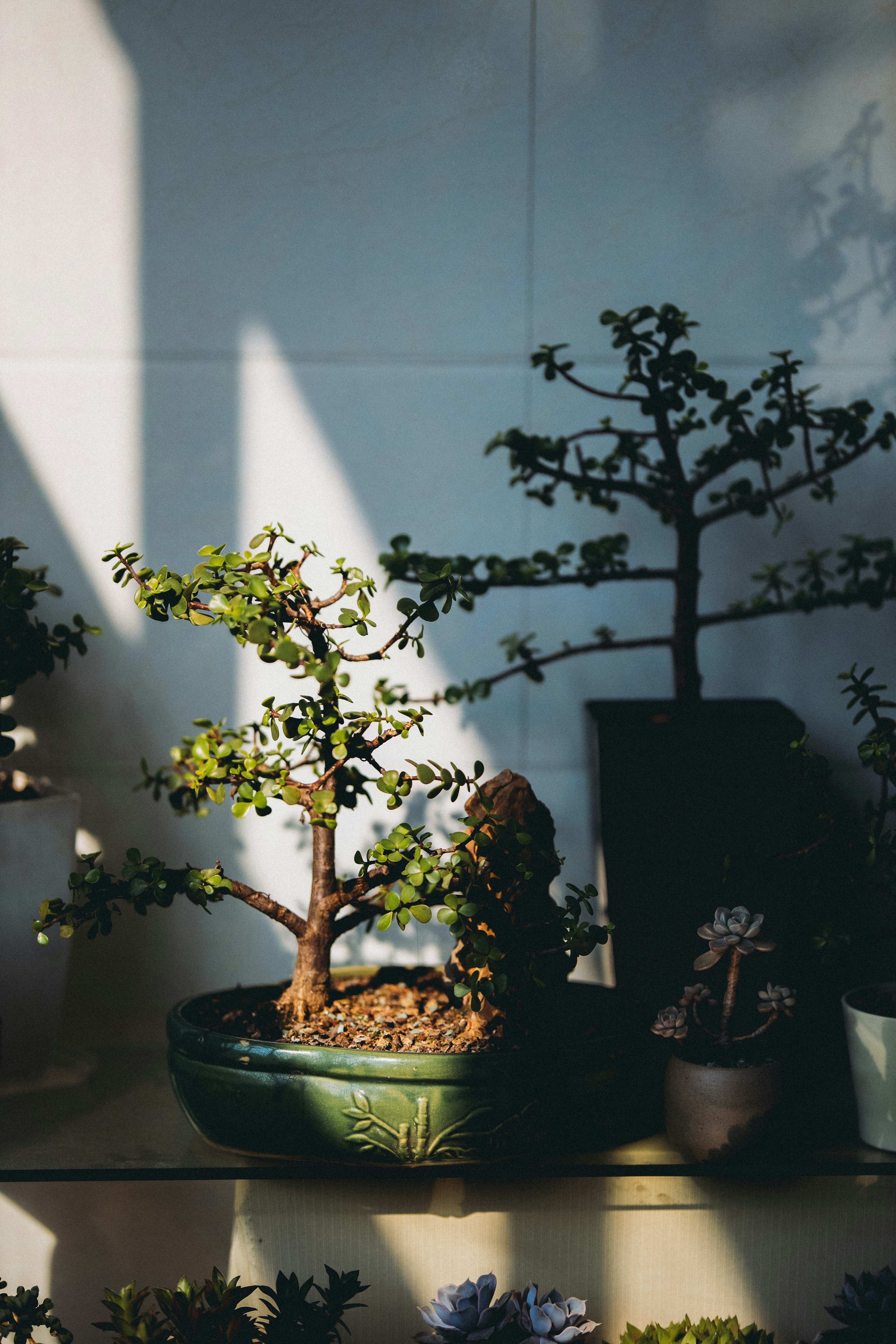
So, we’ve journeyed from the imperial courts of ancient Japan to your modern living room, exploring 15 unique ways to display your indoor bonsai. We’ve tackled the nitty-gritty of lighting, humidity, and safety, and even debated the merits of DIY versus store-bought stands.
The big question we posed at the start: Why do some trees thrive on a windowsill while others die? The answer lies in the holistic approach. It’s not just about the pot or the shelf; it’s about creating a microclimate that mimics the tree’s natural habitat. Whether you choose a minimalist floating shelf or a dramatic floor plinth, the key is balance.
Our Top Recommendation:
For the average home, the Multi-Tiered Plant Stand combined with a humidity tray and full-spectrum LED grow lights is the most versatile and successful setup. It offers flexibility, maximizes space, and ensures your trees get the light and humidity they need.
Final Thought:
Don’t be afraid to experiment. Your display should evolve as your trees grow. Remember, a bonsai is a living art form, and your display is the frame that brings it to life.
🔗 Recommended Links
👉 Shop Your Display Essentials:
- Grow Lights:
Roleadro LED Grow Light: Amazon | Official Site
Spider Farmer SE Series: Amazon | Official Site - Plant Stands:
VIVO Multi-Tier Stand: Amazon | Walmart
IKEA LACK Shelf: IKEA - Bonsai Pots:
Ceramic Pots: Amazon | Etsy
Resin Pots: Walmart - Humidity Trays:
Lechuza Humidity Tray: Amazon | Official Site
Books to Deepen Your Knowledge:
📚 Reference Links
- Bonsai Care Basics: Bonsai Garden™
- Bonsai for Beginners: Bonsai Garden™
- Bonsai Inspiration and Ideas: Bonsai Garden™
- Bonsai Display and Aesthetics: Bonsai Garden™
- Bonsai FAQs: Bonsai Garden™
- Brussels Bonsai (Peter Warren): Bonsai-Techniques, Styles, Display Ideas
- ASPCA Toxic Plant List: ASPCA
- National Gardening Association: Indoor Plant Care
FAQ
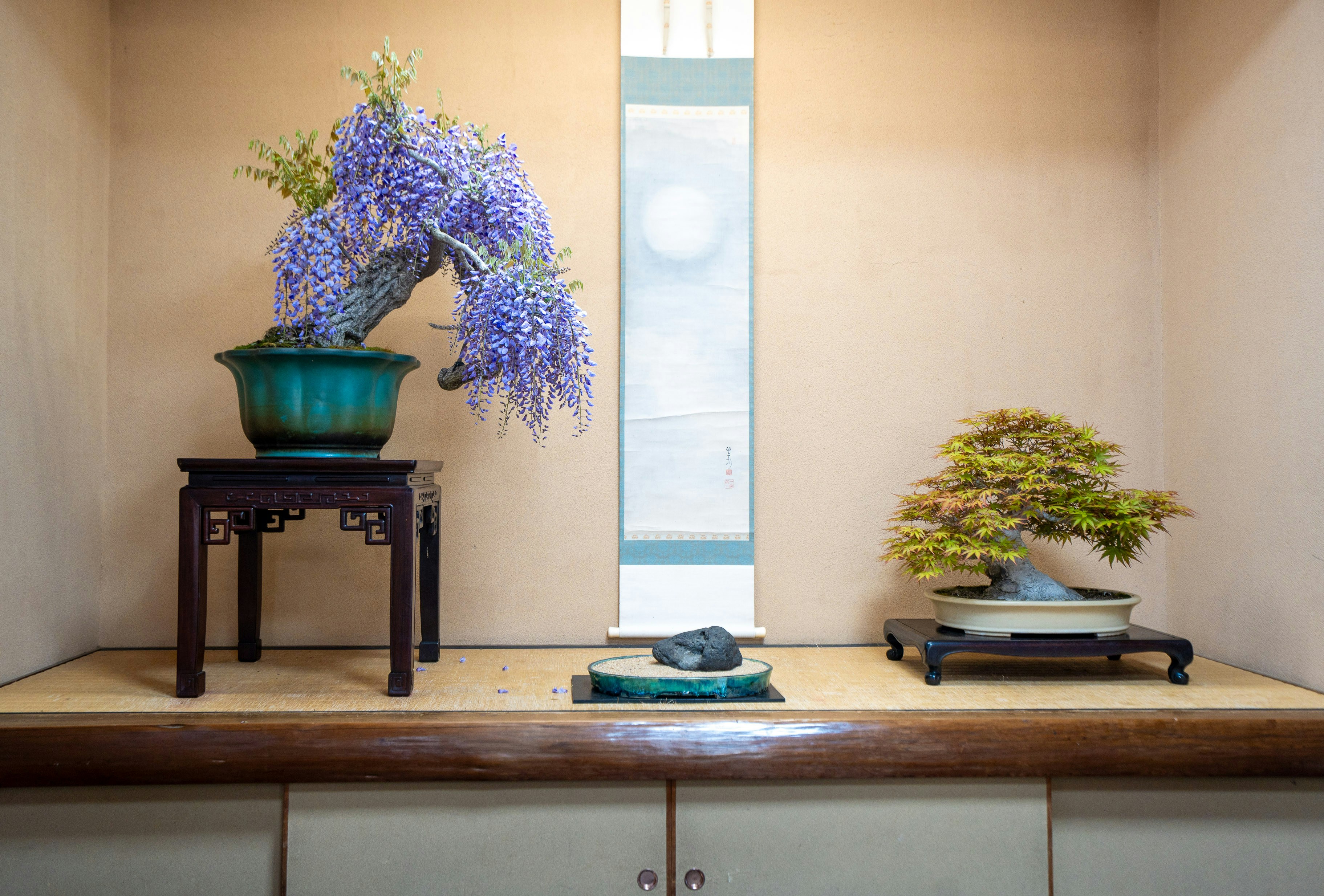
What are the best container styles for indoor bonsai presentations?
The best container style depends on the tree species and your aesthetic. Glazed ceramic pots are excellent for tropical indoor bonsai like Ficus because they retain moisture. Unglazed clay pots are better for species that prefer drier conditions, like Junipers, as they allow more airflow. For a modern look, rectangular resin pots are lightweight and durable.
How do I maintain humidity in an indoor bonsai display area?
Maintaining humidity is crucial for indoor bonsai. The most effective method is using a humidity tray filled with pebbles and water. Place the pot on the pebbles so the base doesn’t touch the water. Additionally, grouping your bonsai together creates a microclimate with higher humidity. You can also use a humidifier in the room or mist the leaves regularly, but avoid misting at night to prevent fungal issues.
What are some creative DIY ideas for bonsai stands?
One creative DIY idea is to repurpose an old ladder as a multi-tiered stand. Another option is to build a floating shelf using reclaimed wood and heavy-duty brackets. You can also use concrete blocks and wooden planks to create an industrial-style stand. The key is to ensure the stand is level and stable to prevent the pots from tipping over.
Read more about “🌳 5+ Outdoor Bonsai Display Ideas for 2026: Turn Your Garden into a Living Gallery”
How can I style a bonsai display with rocks and moss?
To style with rocks and moss, start by placing a layer of moss around the base of the tree to mimic a forest floor. Add small, smooth stones or river rocks to create visual interest and contrast. You can also place a larger rock near the tree to balance the composition. Ensure the rocks are clean and free of pesticides.
What lighting is required for an indoor bonsai display?
Most indoor bonsai require bright, indirect light. A south or east-facing window is ideal. If natural light is insufficient, use full-spectrum LED grow lights for 12-14 hours a day. Position the lights 6-12 inches above the canopy to prevent burning.
Read more about “How to Incorporate Rocks, Water & Plants Into Your Bonsai Garden 🌿 (2025)”
How do I create a bonsai display table for my living room?
To create a display table, choose a sturdy table or stand that fits your space. Place a humidity tray on the table to maintain moisture. Arrange your bonsai at varying heights using small stands or books to create visual depth. Ensure the table is near a light source but not in direct, scorching sunlight.
Read more about “🌿 Is It OK to Keep a Bonsai Indors? (2026 Truth)”
What are the best indoor locations for displaying bonsai trees?
The best locations are bright, indirect light areas like near a south or east-facing window. Avoid drafty areas like doors or air conditioning vents. A quiet corner with a stable temperature is ideal. Ensure the location allows for easy access for watering and maintenance.
Read more about “🌳 25+ Outdoor Bonsai Display Ideas: Master the Art (2026)”
What are the best lighting conditions for an indoor bonsai display?
The best lighting conditions are bright, indirect light for 6-8 hours a day. If using artificial lights, ensure they are full-spectrum and positioned correctly. Avoid direct, harsh sunlight which can scorch the leaves.
Read more about “🍂 7 Essential Fall Bonsai Care Steps for a Thriving Winter (2026)”
How do I choose the right pot for my indoor bonsai arrangement?
Choose a pot that complements the tree’s style and species. Glazed pots are good for moisture retention, while unglazed pots offer better airflow. Ensure the pot has drainage holes and is the right size—not too big or too small. The color should contrast or complement the tree’s foliage.
Read more about “🌳 7 Secrets to Mastering the Clump Bonsai Style (2026)”
What are some creative ways to group different bonsai trees indoors?
Group trees by similar care needs (light, water, humidity). Create a forest scene using a large shallow tray with multiple small trees. Vary the heights and sizes of the trees to create depth. Add moss and rocks to enhance the natural look.
Read more about “🌌 Mastering Negative Space Bonsai Design: The Art of the Void (2026)”
Which indoor bonsai species are best for low light displays?
While most bonsai need bright light, some species tolerate lower light better. Ficus retusa (Chinese Elm) and Jade Plant (Crassula ovata) are relatively tolerant of lower light conditions. However, they still need some bright, indirect light to thrive.
How can I maintain humidity for a group of indoor bonsai trees?
Grouping trees together naturally increases humidity. Use a large humidity tray under the entire group. You can also place a humidifier nearby. Regularly mist the leaves, but avoid over-misting which can lead to fungal issues.
Read more about “🌿 20 Real Bonsai Trees for Your Ultimate Zen Garden (2026)”
What decorative elements complement an indoor bonsai display?
Moss, rocks, and small figurines complement the display. A plain background or a textured wall can enhance the tree’s visual impact. Avoid clutter; the focus should remain on the tree.
Read more about “15 Best Bonsai Planters and Pots to Elevate Your Tree’s Style 🌿 (2026)”
How often should I rotate my indoor bonsai for even growth?
Rotate your indoor bonsai once a week by 90 degrees. This ensures all sides of the tree receive equal light, preventing it from leaning toward the light source.
Read more about “🍣 The Ultimate Bonsai Garden Menu Guide (2026): Sushi, Steak & Secrets”