Support our educational content for free when you buy through links on our site. Learn more

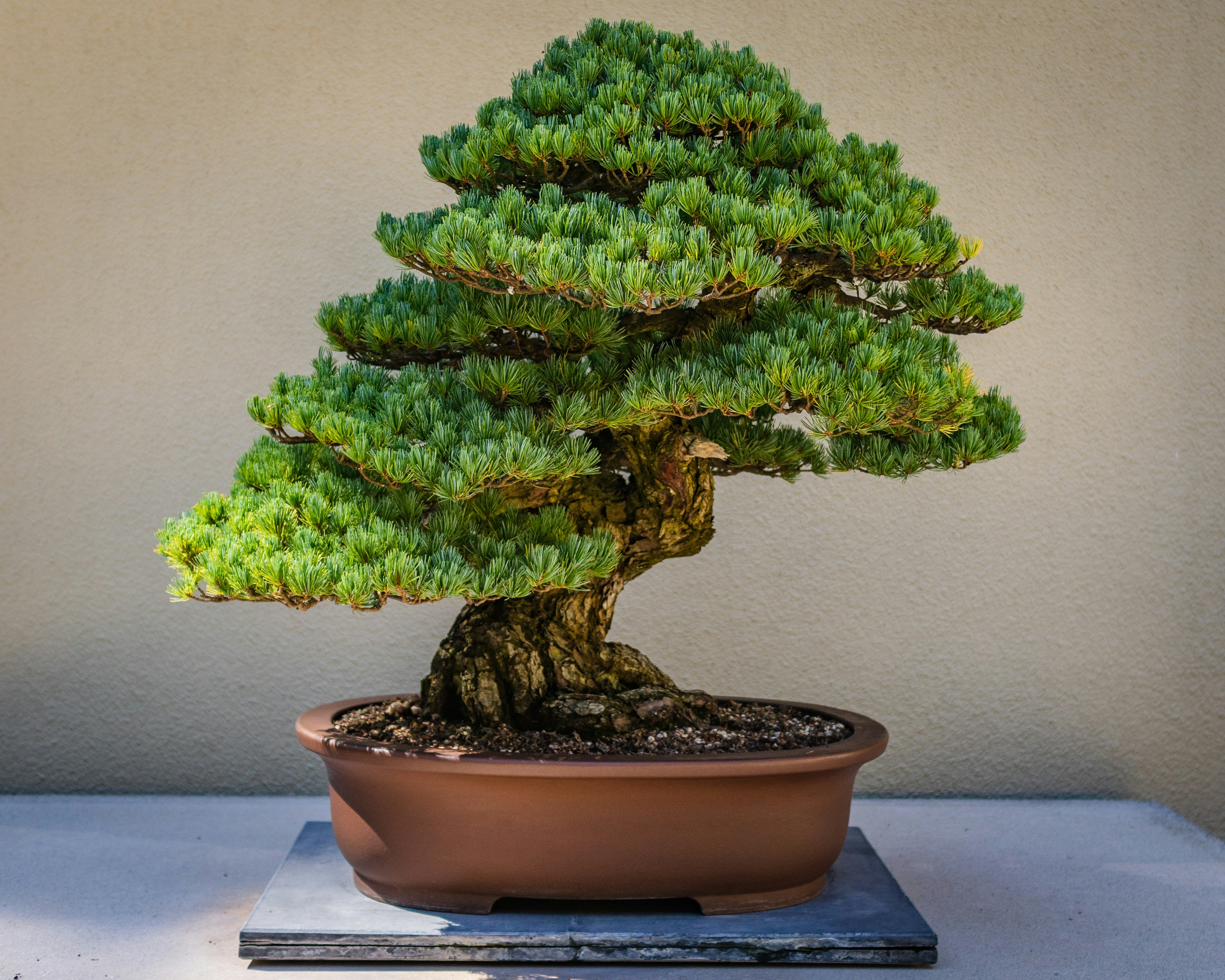
The honest answer to “how many years does it take to grow a bonsai” is that a recognizable, well-shaped tree can appear in just 2 to 5 years if you start with nursery stock, but a truly mature masterpiece grown from seed often requires 10 to 15 years of dedicated care. While the timeline varies wildly based on species and method, the journey is less about rushing the clock and more about understanding the specific growth stages that transform a sapling into a living sculpture.
Many beginners assume bonsai are instant art, only to be shocked when their tree refuses to thicken its trunk overnight. We once watched a novice try to force a slow-growing Japanese Black Pine to mature in three years; the result was a stressed, legy mess that took another decade to recover. The secret isn’t magic fertilizer, but rather matching your expectations to the tree’s natural rhythm.
Ready to stop guessing and start growing with confidence? Let’s break down exactly what to expect at every stage of your bonsai’s life.
Key Takeaways
- Nursery stock offers the fastest path, often yielding a refined look in 2–5 years, whereas growing from seed is a long-term commitment of 10–15+ years.
- Species selection is critical; fast growers like Ficus and Chinese Elm show progress quickly, while pines and oaks demand patience.
- Trunk thickening is the primary bottleneck for “maturity” and is best achieved by growing trees in the ground or large pots before final styling.
- Consistent care—including proper light, watering, and seasonal fertilization—is more effective than any “speed-up” myth.
Table of Contents
- ⚡️ Quick Tips and Facts
- 🌱 A Living Tradition Rooted in Time: The History of Bonsai Aging
- ⏳ Understanding the Bonsai Growth Timeline: Why Patience is Your Best Tool
- 🌳 Factors That Influence Bonsai Growing Time: Species, Climate, and Care
- 🔬 How Long Does It Take For A Bonsai To Grow From Seed? The Slow Road to Glory
- ✂️ Can I Speed Up Bonsai Growing Time? Myths, Methods, and Realistic Expectations
- 🚀 Which Bonsai Trees Grow The Fastest? Top Picks for Impatient Growers
- 👶 Seedling or Starter Stage (Year 0-1): Laying the Foundation
- 🏗️ Growth and Structure Stage (Year 2-3): Building the Backbone
- 🎨 Training and Refinement Stage (Year 3-7): Sculpting the Soul
- 🌲 Mature Aesthetic Stage (Year 8 and Beyond): The Masterpiece Unveiled
- 📏 How Long To Grow A Bonsai Before It Looks Mature? Defining “Mature” in Miniature
- 🌿 What Are The Main Bonsai Tree Growth Stages? A Deep Dive into Development
- 🏆 Top 10 Bonsai Species Ranked by Growth Speed and Time to Maturity
- 🛠️ Essential Tools and Techniques to Optimize Your Bonsai Growth Rate
- 🌍 Regional Climate Impact: How Location Dictates Your Bonsai’s Pace
- 🧬 Pre-Bonsai vs. True Bonsai: When Does the Clock Actually Start?
- 📉 Common Mistakes That Delay Bonsai Maturity (And How to Avoid Them)
- 💡 Conclusion
- 🔗 Recommended Links
- ❓ FAQ
- 📚 Reference Links
⚡️ Quick Tips and Facts
So, you’re curious about the ultimate question in the miniature world: “How many years does it take to grow a bonsai?” Well, my friend, you’ve stumbled upon a question as old as the art itself! The short
answer? It depends. The longer, more satisfying answer is a journey we’re thrilled to guide you through. At Bonsai Garden™, we’ve spent countless hours nurturing these living sculptures, and we can tell you, patience is truly
the secret ingredient. But don’t worry, you’ll see progress faster than you might think!
Here’s a quick snapshot to get your green thumbs tingling:
- From Seed:
This is the marathon, not the sprint! Expect anywhere from 10 to 15 years for a bonsai grown from seed to truly begin to develop a mature, refined shape. Some sources even suggest 5 to 10+ years before
refined shaping is even possible. It’s a commitment, but oh, the satisfaction! - From Nursery Stock: Ah, the popular shortcut! If you start with a young tree from a nursery,
you can often achieve a recognizable, well-trained form within 2 to 5 years. We often recommend this path for beginners to experience quicker gratification and build confidence. - From Cuttings:
Similar to nursery stock, cuttings can offer a head start, often showing significant development within a few years. - Looking “Mature”: This is subjective, but most bonsai will start to look refined and exhibit their intended miniature tree
aesthetic after 3 to 7 years of consistent care. However, achieving true, deep maturity and the “signature elegance” can take 10 to 15 years or longer, even decades. - Fastest Growers: Species like Ficus, Chinese Elm, and Trident Maple can show remarkable progress in just a few years, making them fantastic choices for those eager to see results.
- Key Influencers: The speed of your bonsai’s development is heavily influenced by the species type, the growing environment (especially light and temperature), your watering routine, soil quality, and consistent fertilization. It’s a delicate dance!
Remember, the journey of growing a bonsai is less about the destination and more about the mindful cultivation along the way. Ready to delve deeper into the fascinating timelines and techniques? Let’s
dig in!
🌱 A Living Tradition Rooted in Time: The History of Bons
ai Aging
Before we get too bogged down in numbers, let’s take a moment to appreciate the profound history behind this art form. Bonsai isn’t just about shrinking trees; it’s about capturing the essence of nature, often
symbolizing longevity, strength, and the passage of time. The practice originated in China over a thousand years ago, where it was known as ‘penjing,’ before being refined and popularized in Japan as ‘bonsai’. Imagine
the dedication of those ancient masters, patiently shaping trees over generations!
Here at Bonsai Garden™, we often reflect on this rich heritage. I remember one particularly stubborn Juniper Procumbens Nana that came into our care. It had been neglected for years
, its branches overgrown and its roots pot-bound. We spent months just rehabilitating it, slowly coaxing it back to health. It felt like we were connecting with the very first bonsai artists, understanding their commitment to the tree’s well-
being and its future form. This isn’t just gardening; it’s a living tradition, a conversation with nature that spans centuries.
The beauty of bonsai lies in its ability to tell a story through its form, its aged bark
, and its intricate branching. Each twist and turn is a testament to the artist’s vision and the tree’s resilience. It’s a constant reminder that some of the most beautiful things in life require time, patience, and a gentle
hand. Want to find more inspiration for your own living art? Explore our Bonsai Inspiration and Ideas section!
⏳ Understanding the Bonsai Growth Timeline: Why Patience is Your Best Tool
“How long does a bonsai
tree take to grow?” It’s the question we hear most often from eager newcomers. And honestly, it’s a valid one! We all want to see results, right? But with bonsai, the concept of “growth” isn’t just
about getting bigger; it’s about developing character, ramification, and an aged appearance. The truth is that every bonsai’s journey unfolds at its own pace. Some mature in just a few years, while
others take decades to reach their signature elegance.
Think of it like this: you wouldn’t expect a child to become a wise elder overnight, would you? Bonsai trees, though miniature, follow a similar developmental path
. They need time to thicken their trunks, develop intricate root systems, and for their branches to ramify into a dense canopy. Trying to rush this process often leads to disappointment and, frankly, an unhealthy tree.
Patience and
consistency matter more than perfection. We’ve seen countless beginners get frustrated when their tree doesn’t look like a 50-year-old masterpiece in just a couple of seasons. But the real magic of
bonsai lies in the ongoing process, the subtle changes year after year, and the bond you build with your tree. It’s a journey, not a sprint. And trust us, the rewards of a well-nurtured, aged
bonsai are immeasurable.
🌳 Factors That Influence Bonsai Growing Time: Species, Climate,
and Care
So, what exactly dictates how quickly your miniature masterpiece takes shape? It’s a complex interplay of several crucial elements, and understanding them is key to becoming a successful bonsai artist. Think of yourself as the conductor of a tiny
, botanical orchestra!
1. Species Type: The Genetic Blueprint 🧬
This is perhaps the most significant factor. Different tree species simply grow at different rates. Fast-growing trees naturally reach a “bonsai-like”
appearance quicker than their slow-growing cousins.
- Fast Growers: Chinese Elm, Ficus, Jade, Trident Maple, Japanese Pepper Tree, Metasequoia. These can show significant development
in 2-5 years. - Medium Growers: Many maples, some junipers.
- Slow Growers: Pines (especially Japanese Black Pine), some junipers, oaks. These
can take 5-10+ years to even begin refined shaping.
2. Growing Environment: Sun, Temperature, and Air ☀️🌡️
Just like us, trees thrive in optimal conditions.
- Light:
Consistent sunlight is crucial. Insufficient light directly delays development, leading to weak growth and elongated internodes. Most bonsai need at least 6 hours of direct sunlight daily. - Temperature: A steady, mild climate
is ideal. Extreme fluctuations or prolonged periods of cold (for temperate species) or heat can stress the tree and slow growth. Ensuring temperate species enter full winter dormancy is vital for their long-term health and vigor. - Open Ground vs. Pot Culture: This is a big one! Growing a tree in the open ground allows for the fastest trunk development and overall growth. Transferring to a pot significantly slows growth but is necessary for the final
bonsai form.
3. Watering Routine: The Elixir of Life 💧
Proper watering isn’t just important; it’s critical.
- Underwatering: Leads to dehydration
, stunted growth, and eventually, death. - Overwatering: Causes root rot, suffocating the roots and preventing nutrient absorption.
- Consistency: The golden rule is to water right when the top layer
of soil appears dry, adjusting frequency based on species, pot size, soil type, and climate [cite: First Video]. A balanced care plan creates strong roots, structure, and longevity.
4. Soil Quality:
The Foundation of Health 🌱
Your bonsai’s roots need a happy home!
-
Drainage: Soil must be well-draining to prevent root rot and promote healthy root expansion. We swear by mixes that include Akadama, pumice, and lava rock for excellent aeration and drainage.
-
Nutrient Retention: While well-draining, the soil also needs to retain enough
moisture and nutrients for the tree to absorb. -
Product Recommendation: We’ve had great success with Bonsai Focus Repotting Mix for many of our trees. It provides a balanced environment for root health.
-
Bonsai Focus Repotting Mix: Amazon | Growth Technology Official Website
5. Feeding Consistency: Fueling the Journey 🍽️
Regular fertilization
is like giving your bonsai a healthy, balanced diet.
- Balanced Fertilizer: Essential for speeding up leaf density and branch maturity.
- Seasonal Application: We typically recommend a balanced fertilizer in early
spring to support new growth, and a low-nitrogen variant in summer to maintain strength. - Product Recommendation: For a reliable, balanced feed, we often turn to Miracle-Gro Water Soluble All
-Purpose Plant Food. For a specialized bonsai feed, Bonsai Jack’s Inorganic Bonsai Soil & Fertilizer is a fantastic choice, especially when combined with their gritty mix. - Miracle-Gro Water Sol
uble All-Purpose Plant Food: Amazon | Walmart | Miracle-Gro Official Website - Bonsai Jack’s Inorganic
Bonsai Soil & Fertilizer: Amazon | Bonsai Jack Official Website
6. Pr
uning and Training Techniques: The Artist’s Touch ✂️
Your active involvement in shaping the tree directly impacts its development.
- Regular Trimming: Redirects energy to dense canopy and robust branches, encouraging ramification.
- Major Pruning: Best done in late autumn or winter (dormant season) to minimize stress.
- Root Management: Repotting every 1-2 years or when root
-bound, and trimming roots, encourages a compact structure and supports faster growth.
As a review study on ResearchGate highlights, these growth factors interact closely, meaning even small changes in soil or light conditions can significantly influence bonsai
development over time. It’s all about finding that delicate balance! For more foundational knowledge, check out our Bonsai Care Basics and Bonsai for Beginners sections.
🔬 How Long Does It Take For A Bonsai To Grow From Seed
? The Slow Road to Glory
Ah, the allure of starting from scratch! Growing a bonsai from seed is undeniably one of the most rewarding, albeit time-consuming, paths you can take. It offers full control over the tree’s development from
its very first breath. But let’s be real: this isn’t for the faint of heart or the impatient.
Our team at Bonsai Garden™ has a saying: “Growing from seed is an
act of faith.” You’re planting a tiny speck, often no bigger than a grain of sand, with the hope that one day it will become a magnificent miniature tree. And that hope requires a hefty dose of patience!
The Consensus
on Timelines:
- Most experts agree that it usually takes 10 to 15 years for a bonsai grown from seed to develop a truly mature shape.
- Some sources are even more conservative,
suggesting 5 to 10+ years before refined shaping is even possible, with basic shaping only beginning after at least 3 years.
Think about it: first, the seed needs to germinate (which can take weeks or even months, depending on the species and stratification requirements). Then, it needs to establish a strong root system and grow into a sturdy sapling. Only after several years of robust growth can you even begin the intricate processes of trimming
and training [cite: First Video].
I remember one of our senior gardeners, old Master Hiroshi, once started a Japanese Black Pine from seed. He nurtured that tiny sprout for five years before he even considered its first major pruning.
He’d sit by it, sipping his tea, just observing. “The tree will tell you when it’s ready,” he’d always say. And he was right. That pine, now over 30 years old, is one
of the most stunning specimens in our collection, a testament to his incredible patience.
Why the long wait?
- Root Development: A strong, healthy root system is the bedrock of any bonsai. This takes time to establish
. - Trunk Thickening: To achieve that desirable aged look, the trunk needs to gain girth. This is a slow process, especially in a pot.
- Branch Structure: Developing a complex, ram
ified branch structure from a single stem takes years of careful pruning and wiring.
So, if you’re embarking on the seed-to-bonsai journey, prepare for a long-term commitment. It’s a profound experience, watching
life emerge from nothing and slowly, meticulously, guiding it into an artistic form. It’s not just growing a tree; it’s cultivating a legacy.
✂️ Can I Speed Up Bonsai Growing Time? Myths, Methods, and Realistic Expectations
The burning question, right? We all want to fast
-forward to that perfect, mature bonsai! While there’s no magic potion to instantly age your tree, there are definitely strategies you can employ to accelerate its development – within reason, of course. Let’s separate the myths from the
effective methods.
❌ Myths to Debunk: Don’t Fall for These!
- “Super Growth” Fertilizers: While good fertilizer is crucial, no product will make your bonsai grow five times faster overnight. Over-fertil
izing can actually burn roots and harm your tree. - Constant Pruning for Faster Growth: Pruning is essential for shaping, but excessive, ill-timed pruning can stress the tree and slow its overall development.
- Ignoring
Dormancy: For temperate species, forcing growth year-round by keeping them indoors in winter will weaken them and ultimately hinder long-term development. They need their beauty sleep!
✅ Realistic Methods to Accelerate Your Bonsai’s Journey
These are the tried-and-true techniques we use at Bonsai Garden™ to encourage robust growth:
- Optimal Growing Conditions: The Foundation of Speed
- Consistent Sunlight: This is non-negotiable!
Provide at least 6-8 hours of direct sunlight daily. More light equals more photosynthesis, which equals more energy for growth. - Proper Watering: Ensure your tree is consistently watered right when
the top layer of soil dries out [cite: First Video]. Avoid both drought and waterlogging. A well-hydrated tree can absorb nutrients more efficiently. - Nutrient-Rich, Well-Draining Soil: Use a
high-quality bonsai soil mix that promotes fast root expansion and healthy top growth. Good drainage prevents root rot, which is a major growth inhibitor. - 👉 Shop Bonsai Soil Mixes on: Amazon | Bonsai Jack Official Website
- Ideal
Temperature & Humidity: Maintain a stable, favorable environment for your specific species. Tropical species love warmth and humidity, while temperate ones need distinct seasons.
- Strategic Fertilization: Fueling the Engine ⛽
Regular Feeding Schedule: Follow a consistent fertilizing schedule, especially during the active growing season.
- Balanced Approach: Use a balanced fertilizer in spring to kickstart growth, and a low-nitrogen
variant in summer to maintain strength without excessive leafy growth. - Product Recommendation: We often use Superthrive Vitamin Solution as a supplement to help reduce transplant shock and promote overall vigor, alongside
our regular feeding. - Superthrive Vitamin Solution: Amazon | Walmart | Superthrive Official Website
- Growing in the Ground
(for Trunk Thickening): The Ultimate Boost 🚀
- If your primary goal is to thicken the trunk rapidly, planting your pre-bonsai material in the open ground for several years is the fastest method. This allows the roots to spread freely and the tree to grow vigorously. Once the desired trunk thickness is achieved, you can then dig it up and begin potting and refining it as a bonsai. This is a common technique for professional
growers.
- Aggressive Pruning (with Caution): Redirecting Energy ✂️
- While counterintuitive, strategic, heavy pruning of unwanted branches can redirect the tree’s energy into the remaining desired
branches, promoting their thickening and development. This is a more advanced technique and requires a good understanding of tree physiology. - Major pruning is best done in late autumn or winter during the dormant season to minimize stress and allow for a
strong flush of growth in spring.
- Root Pruning and Repotting: Reinvigorating Growth 🌱
- Regular repotting (every 1-2 years for young, fast-growing trees) and root pruning encourages a compact root ball and stimulates new, vigorous root growth, which in turn supports faster top growth.
Remember, the goal isn’t just speed, but healthy
, sustainable growth. A balanced care plan creates strong roots, structure, and longevity. You’re not just growing a tree; you’re cultivating a robust, resilient miniature ecosystem!
🚀 Which Bonsai Trees Grow The Fastest? Top Picks for Impatient Growers
Alright, we get it. While
patience is a virtue in bonsai, sometimes you just want to see some action! If you’re eager for visible progress in a shorter timeframe, choosing the right species is your secret weapon. Our team at Bonsai Garden™ has experimented with countless trees,
and we’ve got our top recommendations for those who want to see their efforts blossom (or leaf out!) quickly.
Here are some of the fastest-growing bonsai species that offer rewarding development within a few years:
| Species
| Growth Rate | Ideal For | Key Characteristics
|
| Ficus (e.g., Ginseng Ficus) | Very Fast | Beginners, Indoor | Robust, resilient, tolerates indoor conditions and occasional negligence. Develops thick trunks and glossy leaves quickly. Easy to prune and wire.
|
| Trident Maple (Acer Bonsai) | Fast | Beginners
, Outdoor | Develops strong root structure and branch ramification quickly. Ideal for creating dramatic, mature-looking trees relatively fast.
|
| Chinese Elm (Ulmus Bonsai) | Very Fast | Beginners, Indoor | Adaptable, fine branching, small serrated leaves. Thrives in full sun to partial shade. Easy to prune and wire.
|
| Jade (Money Tree) | Very Fast | Beginners, Indoor | Thick glossy leaves, tolerates drier conditions, requires well-draining soil
, bounces back from extensive
|
| Metasequoia (Dawn Redwood) | Fast | Outdoor | Reaches maturity quicker than many other species. Offers
beautiful foliage and a strong, conical form.
|
| Japanese Pepper Tree | Very
Fast | Indoor | Aromatic leaves, feathery foliage, flexible branches for wiring. Thrives in bright sunlight.
|
| Weeping Willow (Salix Bonsai) | Fast | Outdoor | Iconic drooping branches, requires ample water. Rapid growth but needs regular pruning to maintain shape.
|
| Aspen (Populus Bonsai) | Fast | Outdoor | Deciduous, with distinctive white bark. Adaptable to various climates. Requires regular watering
.
|
| Weeping Fig (Ficus Bonsai) | Fast | Indoor | Adaptable, hardy, tolerates minor neglect. Great for beginners.
|
| Willow (Salix Bonsai) | Very Fast | Outdoor | Rapid growth, classic
weeping shape. Needs plentiful water and frequent pruning.
|
| Japanese Maple (Acer Bonsai) | Fast | Outdoor | Distinctive foliage, beautiful fall colors. Requires careful pruning and wiring for optimal shape.