Support our educational content for free when you buy through links on our site. Learn more

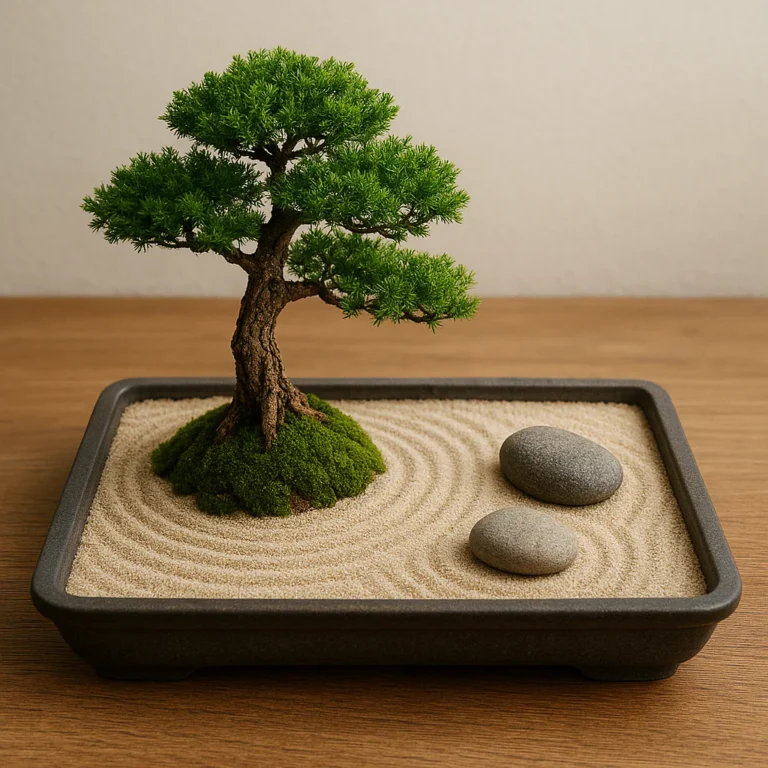
Is your living room missing a soul, or is it just missing a bonsai? We’ve all seen the viral posts about LEGO sets and plastic trees promising instant tranquility, but the real question isn’t about the object—it’s about the process. At Bonsai Garden™, we’ve spent decades with our hands in the soil, and we can tell you this: a bonsai tree isn’t inherently Zen. In fact, a neglected, yellowing Ficus is about as spiritual as a clogged drain! 🌱 The true magic lies in the meditative act of pruning, the patience required to watch a branch grow millimeter by millimeter, and the profound lesson of non-attachment when you have to cut away what you love to save the whole.
In this deep dive, we’re stripping away the myths to reveal the raw, beautiful reality of the bonsai experience. We’ll explore why the Japanese Black Pine embodies the stoic resilience of a Zen master, how the concept of wabi-sabi turns scars into art, and why the “torture” narrative is a complete misunderstanding of nature’s own brutal beauty. We’ll even share a story about a “Sifu” Money Tree that taught us more about letting go than any self-help book ever could. By the end, you’ll know exactly how to transform your gardening hobby into a daily spiritual practice, or why you might want to skip the wire and just enjoy the view.
Key Takeaways
- Bonsai is a Practice, Not a Product: True Zen comes from the mindful ritual of care, not the tree itself; a stressed owner creates a stressed tree.
- The Art of Non-Attachment: Pruning teaches us to let go of control and accept imperfection, miroring core Buddhist principles of wabi-sabi.
- Myth vs. Reality: Contrary to popular belief, bonsai are not tortured; they are thriving trees mimicking the resilience of nature’s harshest environments.
- Species Matter: Not all trees offer the same Zen energy; Japanese Maples teach impermanence, while Pines embody endurance.
- Start Small: You don’t need a $50 masterpiece to find peace; a simple Ficus or Chinese Elm can be your gateway to mindfulness.
Table of Contents
- ⚡️ Quick Tips and Facts
- 🌿 The Origins: How Bonsai Became the Art of Miniature Zen
- 🧘 ♂️ Are Bonsai Trees Actually Zen? Unpacking the Myth and the Reality
- 🧠 The Psychology of Pruning: Why Caring for a Bonsai Calms the Mind
- 🌳 Top 7 Bonsai Species That Embody the Spirit of Zen
- 🛠️ 5 Essential Tools for Creating Your Own Zen Garden Sanctuary
- 🚫 4 Common Mistakes That Ruin Your Zen Experience (And How to Fix Them)
- 🏡 Integrating Bonsai into Modern Home Decor for Maximum Serenity
- 📜 The Philosophy of Wabi-Sabi: Finding Beauty in Imperfection
- 🌱 From Seed to Serenity: A Beginner’s Guide to Growing Your First Zen Tree
- 💰 Is Investing in a Premium Bonsai Worth the Zen?
- 🤔 Frequently Asked Questions About Bonsai and Zen Philosophy
- ✅ Conclusion: Does Your Soul Need a Bonsai?
- 🔗 Recommended Links for the Aspiring Zen Gardener
- 📚 Reference Links and Further Reading
⚡️ Quick Tips and Facts
Before we dive deep into the philosophical rabbit hole (or should we say, the bonsai pot?), let’s get the facts straight. There is a lot of noise out there about these miniature giants, and we at Bonsai Garden™ want to cut through the confusion with some hard truths and a few surprising revelations.
- Myth Buster: Bonsai trees are not genetically dwarfed. If you plant a seed from a bonsai, it will grow into a full-sized tree! 🌳 The miniature size is achieved entirely through root pruning, branch pruning, and specific soil constraints.
- The “Torture” Myth: Contrary to popular belief, a healthy bonsai is not suffering. As one master artist noted, “I never do anything to a tree that I think is going to harm the health of the tree.” It’s about mimicking nature’s resilience, not inflicting pain.
- Indoor vs. Outdoor: Most “indoor” bonsai sold in malls are actually tropical species that can survive indoors temporarily, but true Zen comes from caring for species that match your climate. If you live in a temperate zone, your “indoor” Ficus might be screaming for fresh air! 🌬️
- Leaf Size Science: Why are bonsai leaves so tiny? It’s not magic. Restricted nutrients slow the growth of apical meristems, resulting in fewer cells forming the leaf bump. Broadleaf trees can have leaves 50 times smaller than their full-sized counterparts!
- The Time Commitment: Think of it this way: Caring for a bonsai is more work than a goldfish but less work than a kitten. It requires daily attention, but it’s a meditative chore, not a burden.
Want to know exactly how we transform a regular sapling into a living sculpture? We break down the entire process in our guide on How do you turn a plant into a bonsai tree? 2024.
🌿 The Origins: How Bonsai Became the Art of Miniature Zen
The story of bonsai is a tale of two cultures, a journey that began in the misty mountains of China and found its soul in the temples of Japan.
From Penjing to Bonsai
The roots of our beloved art form stretch back to the 6th century in China, where the practice was known as Penjing. This involved creating miniature landscapes, often featuring rocks, water, and trees, to mimic the grandeur of nature in a small space. 🏔️
Buddhist monks traveling between China and Japan brought these concepts with them. As they settled in Japan, the practice evolved. The Chinese focus on elaborate landscapes shifted toward a singular focus: the tree itself. The Japanese term bonsai literally translates to “tree in a tray.”
The Zen Connection
But when did it become “Zen”? The connection isn’t just about the look; it’s about the process. In the Japanese tradition, particularly within the Kwan Um School of Zen and other Buddhist lineages, the act of caring for a tree became a form of moving meditation.
“Like a skilled Bonsai master, Buddhism will strip us of everything that hinders our spiritual growth.” — JDPSN Linc Rhodes, Indianapolis Zen Center
The aesthetic principles of wabi-sabi (finding beauty in imperfection and transience) and ma (the importance of negative space) became central to bonsai design. It wasn’t just about making a small tree; it was about capturing the essence of ancient forest in a single pot.
For a deeper dive into the history, check out our article on Bonsai Inspiration and Ideas.
🧘 ♂️ Are Bonsai Trees Actually Zen? Unpacking the Myth and the Reality
So, here is the million-dollar question: Are bonsai trees actually Zen?
The short answer? It depends on how you look at them.
The long answer? It’s complicated, and that’s the beauty of it.
The Philosophical Divide
Some purists argue that “Zen” is a specific state of mind, not a physical object. You can have a perfectly shaped Juniper that looks like a million bucks, but if you are stressing about its watering schedule, you are not in a Zen state. In fact, you might be the opposite of Zen! 😫
However, the practice of bonsai is undeniably a vehicle for Zen.
- Non-Attachment: As highlighted in the story of “Sifu” the Money Tree, the tree must be pruned repeatedly. It loses leaves, branches, and even its “fredom” to grow wild. This mirrors the Buddhist concept of non-attachment. We must be willing to “lose some leaves” in our own lives to grow in the right direction.
- The Eightfold Path: Think of the wire we use to shape branches. It’s a temporary constraint, much like the Eightfold Path in Buddhism. It guides the tree (or the practitioner) toward the light, but once the shape is set, the wire is removed. The structure remains, but the constraint is gone.
- Mindfulness: You cannot prune a bonsai while checking your email. You must be present. You must feel the texture of the bark, see the angle of the branch, and listen to the snip of the shears. This forced mindfulness is the gateway to the Zen state.
The “Torture” Debate
Is it ethical? Is it torture?
A common misconception is that bonsai artists are cruel. The reality is that a well-cared-for bonsai is thriving. It is a testament to the tree’s resilience. In nature, trees grow in harsh conditions—cliffs, deserts, rocky outcrops—where they are stunted by wind and lack of nutrients. Bonsai mimics this natural struggle.
As one expert put it: “We do what we want, when we want, how we want under the false pretense that we can enjoy freedom without enduring consequences. This is folly.” The tree accepts the pruning; the human accepts the responsibility.
If you are still skeptical, watch our featured video below where we debunk the “torture” myth and show you the science behind the art.
[Featured Video: The Truth About Bonsai and Torture]
🧠 The Psychology of Pruning: Why Caring for a Bonsai Calms the Mind
Why does trimming a tiny branch make you feel so calm? It’s not just the aesthetics; it’s the neuroscience of it.
The Flow State
When you are wiring a branch, you enter a state of flow. Time seems to disappear. Your brain stops worrying about the past or the future and focuses entirely on the present moment. This is the definition of mindfulness.
The Metaphor of Control
In a world where we often feel out of control, bonsai offers a unique paradox. You have control over the tree’s shape, but you must surrender to its growth. You cannot force a branch to grow where it doesn’t want to. You can only guide it.
- Pruning: Represents cutting away harmful attachments.
- Wiring: Represents the discipline required to straighten our behavior.
- Waiting: Represents the patience required to let life unfold.
Stress Reduction
Studies have shown that interacting with plants lowers cortisol levels. But bonsai takes it a step further. The delicate nature of the work requires a level of focus that acts as a digital detox. No notifications, no scrolling—just you, your shears, and the tree.
For more on the mental benefits, visit our Bonsai Care Basics section.
🌳 Top 7 Bonsai Species That Embody the Spirit of Zen
Not all trees are created equal when it comes to Zen energy. Some species naturally exude a sense of ancient wisdom, while others are more playful. Here are our top 7 picks for the Zen seeker.
| Rank | Species | Zen Vibe | Difficulty | Best For |
|---|---|---|---|---|
| 1 | Japanese Black Pine | Stoic, Resilient, Ancient | Hard | Outdoor gardens, representing endurance |
| 2 | Juniperus Procumbens ‘Nana’ | Serene, Flowing, Classic | Medium | Beginners, indoor/outdoor (climate dependent) |
| 3 | Ficus Retusa | Adaptable, Forgiving, Lush | Easy | Indoor environments, first-time growers |
| 4 | Chinese Elm | Graceful, Flexible, Hardy | Medium | Urban settings, year-round indoor care |
| 5 | Maple (Acer palmatum) | Transient, Beautiful, Seasonal | Hard | Appreciating the cycle of life (wabi-sabi) |
| 6 | Olive Tree | Peaceful, Mediterranean, Timeless | Medium | Warm climates, symbol of peace |
| 7 | Bamboo | Resilient, Flexible, Minimalist | Easy | Modern aesthetics, rapid growth |
Why These Species?
- The Pine: The Japanese Black Pine is the king of bonsai. Its rough bark and twisted branches tell a story of surviving centuries of storms. It embodies the Zen of endurance.
- The Maple: The Japanese Maple changes with the seasons. It teaches us about impermanence. Its leaves turn red, fall off, and return. It’s a visual lesson in the cycle of life.
- The Ficus: Often called the “beginer’s tree,” the Ficus is incredibly forgiving. It teaches us patience and resilience. If you forget to water it, it might drop a leaf, but it will bounce back.
Pro Tip: If you are looking for a tree that truly embodies the “Zen” aesthetic, look for species with small leaves and thick trunks. These features mimic the look of ancient, weathered trees.
🛠️ 5 Essential Tools for Creating Your Own Zen Garden Sanctuary
You can’t practice Zen without the right tools. Just as a monk needs a meditation cushion, a bonsai artist needs specific shears and wire. Here are the 5 essential tools you need to start your journey.
1. Concave Branch Cuters
These are the bread and butter of bonsai. Unlike regular pruning shears that leave a flat cut, concave cuters remove a small chunk of wood, allowing the wound to heal smoothly without leaving a bump.
- Why it matters: A smooth cut is essential for the aesthetic of age. A bumpy scar breaks the illusion of ancient tree.
- Brand Recommendation: Takagi or Satsuki brand cuters are industry standards.
- Where to buy:
Takagi Concave Cutter: Amazon | Walmart | Takagi Official
2. Bonsai Wire (Aluminum and Copper)
Wire is used to shape the branches. Aluminum is softer and easier for beginners; copper is harder and used for thicker, more mature branches.
- Why it matters: Wire allows you to guide the tree’s growth into the desired shape. It’s the physical manifestation of the “Eightfold Path.”
- Brand Recommendation: Yamato or Hikari wire.
- Where to buy:
Yamato Aluminum Wire: Amazon | Etsy | Yamato Official
3. Root Rake
A specialized rake with curved tines used to gently loosen the soil and remove dead roots during repoting.
- Why it matters: Healthy roots equal a healthy tree. This tool helps you prune the root system without damaging the delicate feeder roots.
- Brand Recommendation: Satsuki root rake.
- Where to buy:
Satsuki Root Rake: Amazon | Walmart
4. Bonsai Shears (Long Handle)
For reaching into the dense foliage of larger trees.
- Why it matters: Precision is key. Long handles give you the leverage to make clean cuts deep inside the canopy.
- Brand Recommendation: Miyabi or Kobayashi.
- Where to buy:
Miyabi Bonsai Shears: Amazon | Brand Official
5. Poting Soil Mix (Akadama)
Bonsai soil is not regular poting soil. It needs to drain quickly but hold some moisture. Akadama (a type of baked clay) is the gold standard.
- Why it matters: The right soil mix prevents root rot and encourages fine root growth.
- Brand Recommendation: Yamato Akadama or Bonsai Jack.
- Where to buy:
Yamato Akadama: Amazon | Bonsai Jack
🚫 4 Common Mistakes That Ruin Your Zen Experience (And How to Fix Them)
Even the most dedicated Zen practitioner can stumble. Here are the four most common pitfalls that turn a meditative experience into a nightmare.
1. Over-Watering (The “Love to Death” Syndrome)
The Mistake: You love your tree, so you water it every day.
The Result: Root rot. The roots drown, the tree turns yellow, and it dies.
The Fix: Check the soil before watering. Stick your finger an inch into the soil. If it’s dry, water. If it’s damp, wait.
- Insight: Watering is not about a schedule; it’s about observation.
2. Ignoring the Light
The Mistake: Keeping a sun-loving pine in a dark corner because it “looks nice” there.
The Result: The tree becomes legy, weak, and eventually dies.
The Fix: Know your species. Most bonsai need direct sunlight for at least 4-6 hours a day.
- Insight: A tree in the dark is a tree in despair.
3. Wiring Too Tightly
The Mistake: Wrapping the wire so tight that it cuts into the bark.
The Result: Scarring that ruins the tree’s aesthetic and can girdle the branch.
The Fix: Check your trees weekly. If the wire is starting to bite, remove it immediately.
- Insight: The wire is a guide, not a shackle.
4. Trying to Force Growth
The Mistake: Pruning too aggressively or expecting instant results.
The Result: The tree goes into shock and stops growing.
The Fix: Patience. Bonsai is a marathon, not a sprint. It can take years to shape a branch.
- Insight: “It takes strength to practice non-attachment. It takes courage to prune our spiritual selves.”
For more troubleshooting, check out our Bonsai FAQs.
🏡 Integrating Bonsai into Modern Home Decor for Maximum Serenity
You don’t need a traditional Japanese garden to enjoy the Zen of bonsai. In fact, a bonsai in a modern apartment can be a stunning focal point.
The Art of Display
- Minimalism: Place your bonsai on a simple wooden stand or a stone slab. Let the tree be the star.
- Lighting: Use natural light or a dedicated grow light to highlight the texture of the bark and the shape of the branches.
- Negative Space: Don’t clutter the area around the tree. The empty space (Ma) is just as important as the tree itself.
Seasonal Decor
- Spring: Pair with cherry blossom branches.
- Summer: Use a cool, blue-toned pot.
- Autumn: Add a few fallen leaves around the base.
- Winter: A simple, dark pot against a white wall creates a striking contrast.
For more ideas, visit our Bonsai Display and Aesthetics category.
📜 The Philosophy of Wabi-Sabi: Finding Beauty in Imperfection
Wabi-sabi is the Japanese aesthetic that finds beauty in things that are imperfect, impermanent, and incomplete.
In bonsai, this means:
- Scars: A healed wound on the trunk tells a story of survival.
- Asymetry: A tree that leans to one side looks more natural than a perfectly symetrical one.
- Age: A gnarled, twisted branch is more beautiful than a straight, young one.
When you embrace wabi-sabi, you stop trying to make your tree “perfect.” You start appreciating its unique character. This shift in perspective is the heart of the Zen experience.
🌱 From Seed to Serenity: A Beginner’s Guide to Growing Your First Zen Tree
Ready to start your journey? Here is a step-by-step guide to growing your first bonsai from seed.
Step 1: Choose Your Species
Pick a species that is native to your climate. Ficus or Chinese Elm are great for beginners.
Step 2: Germination
Soak the seeds in water for 24 hours. Plant them in a seedling tray with a well-draining soil mix. Keep them warm and moist.
Step 3: The First Year
Let the seedling grow freely. Do not prune or wire yet. Let it develop a strong root system and a thick trunk.
Step 4: First Pruning
Once the trunk is thick enough, start pruning the branches to establish the basic shape.
Step 5: Wiring
After a few years, you can start wiring the branches to refine the shape.
Step 6: Repoting
Every 2-3 years, repot the tree to refresh the soil and prune the roots.
Remember: This process takes years. The journey is the destination.
💰 Is Investing in a Premium Bonsai Worth the Zen?
You can buy a bonsai for $20 at a big-box store, or you can spend $50+ on a pre-bonsai or a trained specimen. Is it worth it?
The Case for Premium
- Time Saved: A trained bonsai has years of work already done. You skip the “ugly duckling” phase.
- Aesthetic Quality: Premium trees have better trunk taper, branch placement, and root structure.
- Longevity: Older trees are often hardier and more resilient.
The Case for DIY
- The Journey: There is a unique satisfaction in shaping a tree from scratch.
- Cost: It’s much cheaper to start from a seed or a cutting.
- Learning: You learn the art form by doing it.
Our Verdict: If you want instant gratification, buy a premium tree. If you want deep Zen, start from scratch. The process of nurturing a tree from a tiny seed is the ultimate lesson in patience and non-attachment.
🤔 Frequently Asked Questions About Bonsai and Zen Philosophy
Are bonsai trees calming?
Yes. The act of caring for a bonsai requires focus and mindfulness, which naturally reduces stress and promotes a calm state of mind. The visual beauty of the tree also has a soothing effect.
Does a bonsai tree symbolize anything?
Yes. Bonsai symbolizes harmony, balance, and patience. It represents the connection between humanity and nature, and the idea that even the smallest things can hold great beauty.
What is the meaning of bonsai tree in Zen?
In Zen, the bonsai is a meditative tool. It teaches non-attachment, the importance of the present moment, and the beauty of imperfection (wabi-sabi). The process of pruning and shaping is a metaphor for spiritual growth.
What is the spirituality of a bonsai tree?
The spirituality lies in the relationship between the grower and the tree. It is a partnership where the human guides the tree, and the tree teaches the human about patience, resilience, and the cycle of life.
What is the spiritual meaning of bonsai trees?
Bonsai trees represent the microcosm of the universe. They remind us that we can find the infinite in the finite, and that true beauty comes from within, not from external perfection.
How does caring for a bonsai promote mindfulness?
Caring for a bonsai requires you to be fully present. You must observe the tree, feel the soil, and make deliberate decisions. This forced presence trains the mind to stay in the moment, a core tenet of mindfulness.
Are bonsai trees associated with Buddhism or Zen?
Yes. The art of bonsai was heavily influenced by Buddhist monks who brought the practice from China to Japan. It is deeply intertwined with Zen philosophy, particularly the concepts of non-attachment and wabi-sabi.
What are the benefits of growing bonsai for mental health?
Growing bonsai can reduce stress, improve focus, and provide a sense of accomplishment. It also encourages a connection with nature, which is known to boost mental well-being.
✅ Conclusion: Does Your Soul Need a Bonsai?
So, are bonsai trees Zen? Yes and no.
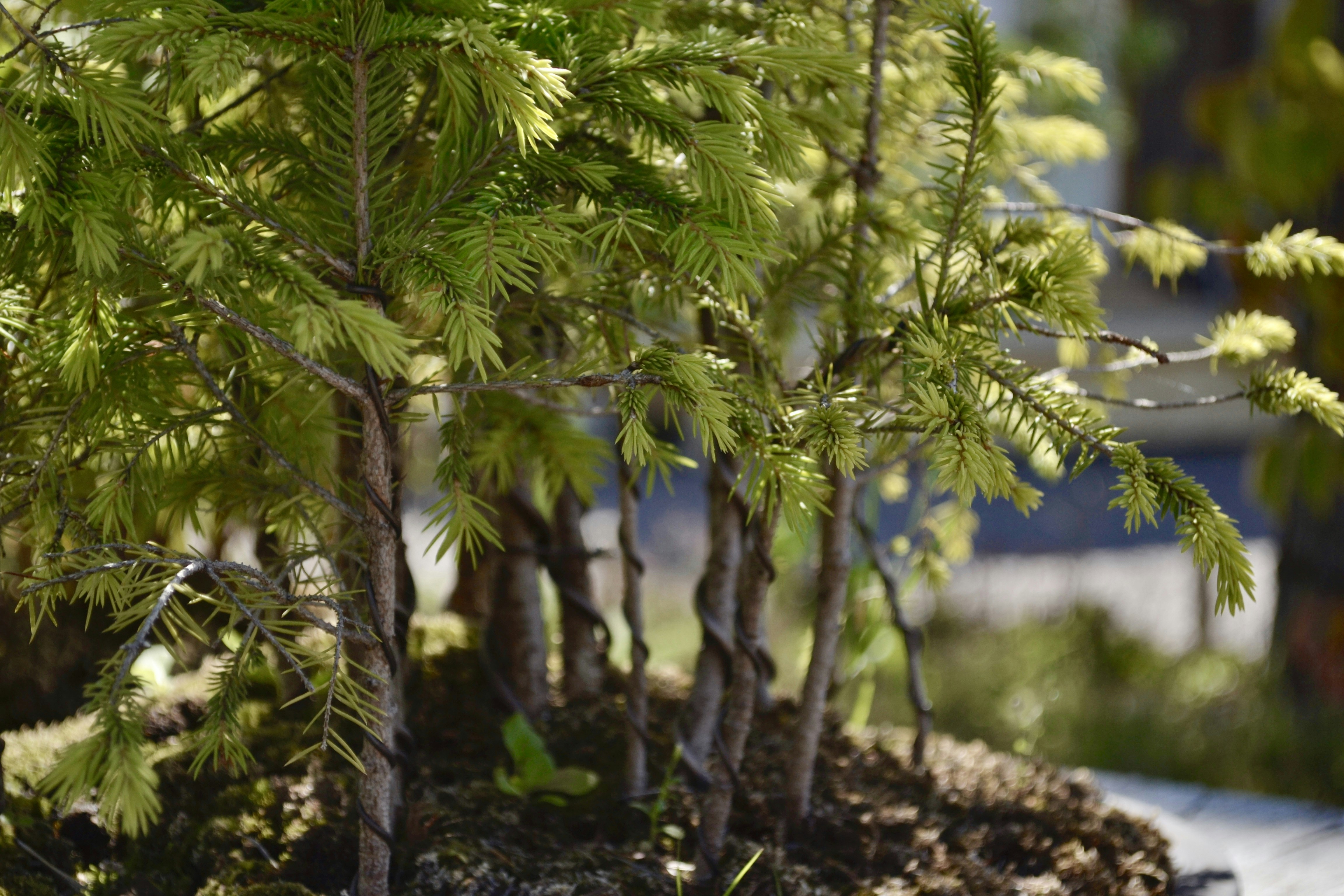
They are not inherently Zen. A dead, neglected bonsai is not Zen. A stressed, over-watered bonsai is not Zen. But the practice of bonsai—the daily ritual of observation, the gentle touch of the shears, the patience required to wait for growth—is a profound path to Zen.
As we saw with the story of “Sifu” the Money Tree, the tree teaches us to let go. It teaches us that growth requires pruning. It teaches us that beauty can be found in the imperfect, the aged, and the constrained.
If you are looking for a quick fix for your stress, a bonsai might not be the answer. But if you are willing to commit to a journey of patience, observation, and non-attachment, then yes, your soul might just need a bonsai.
Final Recommendation: Start small. Get a Ficus or a Chinese Elm. Don’t worry about perfection. Just watch it. Water it. Prune it. And see where the journey takes you.
🔗 Recommended Links for the Aspiring Zen Gardener
Ready to get started? Here are some of our top picks for tools and trees.
Essential Tools
- Takagi Concave Cutter: Amazon | Walmart | Takagi Official
- Yamato Aluminum Wire: Amazon | Etsy | Yamato Official
- Bonsai Jack Soil Mix: Amazon | Bonsai Jack
Books for the Mind
Pre-Bonsai Trees
📚 Reference Links and Further Reading
- Bonsai Garden™ Categories:
- Bonsai Care Basics
- Bonsai for Beginners
- Bonsai Inspiration and Ideas
- Bonsai FAQs
- Bonsai Display and Aesthetics
- External Resources:
- How do you turn a plant into a bonsai tree? 2024
- LEGO Ideas: This Bonsai Tree from Brent Waller is sure to leave you feeling Zen
- Kwan Um School of Zen
- Indianapolis Zen Center
- Bonsai Empire: The History of Bonsai
- American Bonsai Society