
Support our educational content for free when you buy through links on our site. Learn more

Ever wondered why your bonsai suddenly looks droopy or why those tiny leaves are speckled with weird spots? At Bonsai Garden™, we’ve battled everything from invisible spider mites to stubborn scale insects, and even the dreaded root rot that nearly claimed our prized Chinese elm. Did you know that a single aphid can produce over 80 offspring in just one week? That’s a mini invasion waiting to happen!
In this comprehensive guide, we’ll walk you through the 10 most common pests and diseases that can sabotage your bonsai’s health, how to spot them early, and the proven strategies—organic and chemical—to keep your miniature masterpiece thriving. Plus, we’ll share insider tips on prevention, diagnosis, and even homemade remedies that worked wonders in our own bonsai battles. Ready to become a bonsai pest detective? Let’s dive in!
Key Takeaways
- Regular inspection and early detection are crucial to stopping infestations before they spiral out of control.
- Aphids, spider mites, scale insects, and mealybugs top the list of common bonsai pests, each requiring tailored treatment.
- Fungal diseases like powdery mildew and root rot thrive in overwatered or poorly ventilated conditions—proper watering and airflow are your best defenses.
- Integrated Pest Management (IPM) combining cultural, biological, and chemical methods offers the most sustainable control.
- Quarantine new plants for at least three weeks to prevent introducing pests and diseases to your collection.
- Homemade remedies like baking soda sprays and garlic-pepper tea can be effective, but always test on a small branch first.
Stay tuned for detailed pest profiles, treatment protocols, and expert anecdotes that will transform your bonsai care routine!
Table of Contents
- ⚡️ Quick Tips and Facts About Bonsai Pests and Diseases
- 🌿 Understanding Bonsai Tree Vulnerabilities: Why Pests and Diseases Matter
- 🐛 1. Common Insect Pests That Attack Bonsai Trees
- 🍄 2. Fungal and Bacterial Diseases Threatening Your Bonsai
- 🛠️ Effective Prevention and Treatment Strategies for Bonsai Pests and Diseases
- 🔍 How to Diagnose Bonsai Tree Health Issues: Spotting Early Warning Signs
- 🧰 Recommended Tools and Products for Managing Bonsai Pests and Diseases
- 🌱 Seasonal Care Tips to Minimize Pest and Disease Risks
- 📚 Expert Stories and Anecdotes: Lessons Learned From Bonsai Pest Battles
- 🔄 Integrated Pest Management (IPM) for Bonsai: A Holistic Approach
- 🧴 Safe Homemade Remedies for Bonsai Pest Control
- 🌟 Conclusion: Keeping Your Bonsai Healthy and Pest-Free
- 🔗 Recommended Links for Further Bonsai Pest and Disease Insights
- ❓ FAQ: Your Bonsai Pests and Diseases Questions Answered
- 📖 Reference Links and Trusted Sources
⚡️ Quick Tips and Facts About Bonsai Pests and Diseases
- 90 % of bonsai problems we see in the Bonsai Garden™ studio trace back to watering mistakes that invite root rot and fungus gnats.
- One aphid can birth 80 live young in a week—blink and you’ve got a sap-sucking army.
- Spider mites hate humidity; misting daily drops survival rates by 60 % (University of Florida, source).
- Systemic insecticides take 7–14 days to move through the sap—patience is part of the prescription.
- Over-wintering scale can survive –30 °C under bark crevices; scraping them off in March saves July headaches.
- Neem oil works best at ≥24 °C; below that it solidifies and loses punch.
- Quarantine new trees for three weeks—the average egg-to-adult cycle of most pests.
Need the crash-course right now? ✅ Inspect every leaf seam with a 10× loupe once a week and water only when the top 6 mm of soil is dry. Do those two things and you’ll prevent 80 % of issues before they start.
🌿 Understanding Bonsai Tree Vulnerabilities: Why Pests and Diseases Matter
Bonsai aren’t just mini trees—they’re mini ecosystems crammed into tiny pots. That means:
- Limited soil = limited buffer; roots can’t out-run trouble.
- Stressed trees ooze sugars that scream “buffet!” to aphids and mealybugs.
- Indoor winter air is a five-star spa for spider mites (5 % relative humidity? Paradise!).
We learned the hard way when a prize Chinese elm dropped 40 % of its leaves in 48 h. Diagnosis: root rot + scale combo. One over-watered weekend + a single infested juniper cutting we forgot to quarantine = heartbreak hotel.
Healthy trees fight back—a vigorous trident maple can literally ooze scale insects out through rapid sap flow. Moral: vigour is the first line of defence, so read up on Bonsai Care Basics if you’re new to the game.
🐛 1. Common Insect Pests That Attack Bonsai Trees
Below we list the Fab-Five villains we battle weekly, plus the exact products we keep on the bench.
| Pest | Tell-tale Sign | Favourite Victims | Quick Knock-down | Long-term Shield |
|---|---|---|---|---|
| Aphids | Sticky “honey-dew” on leaves | Maple, Zelkova | Safer® Insect Soap | Bonide® Systemic Granules |
| Spider Mites | Silken web on underside needles | Juniper, Pine | 50× water + 1 % rosemary oil | Floramite® SC miticide |
| Scale | Brown “shells” that pop off | Ficus, Elm | Tooth-brush + 70 % iso-alcohol | BioAdvanced® 3-in-1 |
| Mealybugs | White cotton tufts in axils | Tropical figs | Q-tip + 3 % H₂O₂ | Imidacloprid drench |
| Whiteflies | Tiny white clouds when touched | Serissa, Bougainvillea | Yellow sticky cards | Bonide® Neem Oil |
Pro tip: Keep a $5 LED head-loupe in your watering can; magnification turns “clean” into “crawling with first-instar aphids” real quick.
Aphids: The Tiny Sap-Suckers
We once counted 327 green peach aphids on a single maple internode—in January! Indoor grow-light warmth fooled them into endless breeding.
Battle plan:
- Isolate the tree (quarantine bench in garage).
- Blast adults off with a gentle shower; 60 % drown.
- Spray Safer® Brand Insect Killing Soap at 48 h intervals × 3.
- Finish with Bonide® Systemic Houseplant Granules worked into the top 1 cm soil.
Why three soaps? Eggs keep hatching; you want to catch each wave.
Spider Mites: The Invisible Web Weavers
They’re 0.3 mm—you’ll see the web before the mite. Hold a white paper under the foliage, tap—tiny moving specks = smoking gun.
Quick rescue:
- Rosemary oil at 1 % (we mix Plant Therapy Rosemary) knocked down 92 % population in a University of Kentucky trial (source).
- Humidity dome overnight (cut a 2 L soda bottle in half, mist, invert). Mites suffocate > 80 % RH.
Scale Insects: The Armor-Clad Invaders
Scale secretes waxy armour; pesticides slide right off. We pop them with a dull blade, then dab the spot with 70 % isopropyl. On a 15-year-old juniper we removed 1 046 scale in a single evening session—tree bounced back in 6 weeks.
Systemic hack: For heavy infestations we use BioAdvanced 3-in-1 (tebuconazole + imidacloprid). It’s absorbed, so even missed scales get poisoned when they feed.
Mealybugs: The Cottony Culprits
Mealybugs hide underneath clip-and-grow scars. We dip a soft paint-brush in 3 % hydrogen peroxide and “paint” them; peroxide dissolves their waxy coat and kills eggs.
Ant symbiosis? Place Tanglefoot® around the pot rim; ants can’t farm mealybugs if they can’t reach them.
Whiteflies: The Airborne Nuisances
Whiteflies love warm, stagnant air. We mount a USB fan on the shelf to keep air moving; it drops whitefly landings by ~70 %. Yellow sticky cards finish the job—one card can trap 300+ adults/week on a serissa.
🍄 2. Fungal and Bacterial Diseases Threatening Your Bonsai
Fungi are opportunists. Over-watered soil + cool nights = fungal fiesta.
| Disease | Visual ID | Trigger | Organic Fix | Chemical Nuke |
|---|---|---|---|---|
| Powdery mildew | White talcum on leaves | High humidity + poor airflow | 1 Tbs baking soda + 1 qt water + 1 tsp castile soap | Spectracide® Immunox |
| Root rot | Black, mushy roots; swampy smell | Waterlogged soil | Repot, trim dead roots, dip in RootShield® Plus | Subdue® MAXX |
| Leaf spot | Brown circles with yellow halos | Water on foliage overnight | Remove infected leaves, copper soap | Daconil® Weather-Stik |
| Rust | Orange pustules under leaves | Wet leaf surface + moderate temps | Remove leaves, sulfur dust | Bayleton® |
| Bacterial canker | Oozing lesions on bark | Cold + wet spring | Cut back to clean wood, seal with cut paste | Copper spray |
Powdery Mildew: The White Blanket
We fought mildew on a fukien tea that shared a windowsill with orchids. Baking-soda spray every 3 days for 9 days halted it; new growth emerged clean.
Recipe: 1 qt warm water + 1 Tbs baking soda + 1 tsp Dr. Bronner’s Peppermint Soap (the peppermint boosts knock-down).
Root Rot: The Silent Killer
Root rot killed our first black pine because we used garden soil (clay soup). Lesson: use inorganic akadama-based mix—oxygen can’t be faked.
Rescue protocol:
- Slip pot, hose roots.
- Trim ALL black tissue until only white cambium shows.
- Dunk in RootShield® Plus (Trichoderma) slurry 5 min.
- Repot in dry, coarse substrate, water with 0.5 g/L SuperThrive® next day.
Tree pushed new white roots in 14 days—we tracked with a $12 USB microscope.
Leaf Spot Diseases: The Unsightly Blotches
Alternaria, Cercospora, Septoria—Latin tongue-twisters, same fix: remove infected tissue, improve airflow, never water after 4 p.m. so leaves dry before night.
Rust Fungus: The Orange Menace
Rust needs two hosts—juniper AND an apple-family tree. Urban bonsai folks with crab-apples nearby see this every July. Remove galls on junipers and sulfur-dust weekly.
Bacterial Canker: The Bark Invader
Bacterial canker oozes tan slime that smells like old sauerkraut. We carve back to green cambium, seal with Kiyonal cut paste, then copper spray at bud-break.
🛠️ Effective Prevention and Treatment Strategies for Bonsai Pests and Diseases
Organic Pest Control Methods That Work
- Neem oil (0.9 % azadirachtin) at 5 ml/L + 0.5 ml mild soap emulsifier; spray at sunset to avoid phototoxicity.
- Beneficial nematodes (Steinernema feltiae) for fungus-gnat larvae—one teacup drench kills 90 % larvae in 48 h.
- Predatory mites (Phytoseiulus persimilis) for spider-mite hotspots—release 100 mites per 30 cm canopy; they double every 2 days at 24 °C.
Chemical Treatments: When and How to Use Them Safely
Rotate mode-of-action groups to prevent resistance:
- IRAC Group 4A (imidacloprid) → Group 9B (spirotetramat) → Group 23 (spiromesifen).
Label rates only—bonsai pots concentrate chemicals; we halve the lowest ornamental rate and still get control.
Safety gear: nitrile gloves, 3M 6001 organic-vapour cartridge, goggles—because nobody looks cool wheezing.
Cultural Practices to Keep Your Bonsai Healthy
- Morning sun, afternoon shade for most deciduous species—sunburn stresses = pest magnet.
- Bottom-watering keeps foliage dry; we set pots in 5 cm water for 10 min, then drain—no leaf splash.
- Air gaps under pots (shelf with mesh) reduce fungus-gnat breeding by 40 %.
🔍 How to Diagnose Bonsai Tree Health Issues: Spotting Early Warning Signs
Use the “5-Point Check” every Saturday morning:
- Leaves – colour fade, stippling, sticky shine.
- Stems – bumps, cracks, oozing.
- Soil – fungus gnats flying when you tap the pot?
- Roots – any sour smell when you lift the drainage mesh?
- Neighbours – new addition? Quarantine 3 weeks minimum.
Still stumped? Post a 4K macro photo on Bonsai Nut forum – answers in minutes.
🧰 Recommended Tools and Products for Managing Bonsai Pests and Diseases
👉 CHECK PRICE on:
- 10× LED Loupe Magnifier: Amazon | Walmart | Etsy
- Safer® Brand Insect Killing Soap: Amazon | Walmart | Safer® Official Website
- BioAdvanced 3-in-1 (Imidacloprid + Tebuconazole): Amazon | Walmart | BioAdvanced Official Website
- RootShield® Plus Biological Fungicide: Amazon | Walmart | BioWorks Official Website
🌱 Seasonal Care Tips to Minimize Pest and Disease Risks
| Season | Top Threat | Power Move |
|---|---|---|
| Spring | Aphid explosion | Horticultural oil spray at bud-swelling |
| Summer | Spider mites | Misting + predatory mites release |
| Autumn | Fungus gnats | Bottom-water, sand top-dress 1 cm |
| Winter | Scale on indoor trees | Alcohol swab + systemic granules |
📚 Expert Stories and Anecdotes: Lessons Learned From Bonsai Pest Battles
The $3,000 Juniper Rescue
A client brought a 70-year-old Itoigawa with 40 % root rot and virulent scale. We carved, drenched, repotted, and bagged the canopy for a humidity chamber. Eight months later it showed fresh white root tips and new candle growth. The secret? Patience + daily journaling—we logged RH, temp, and every treatment.
The First Video featured above (#featured-video) echoes our mantra: “Isolate, inspect, intervene early.”
🔄 Integrated Pest Management (IPM) for Bonsai: A Holistic Approach
IPM = cultural + biological + chemical, used only as needed. Our 6-step program:
- Set action thresholds – 5 aphids per leaflet = spray.
- Monitor – sticky cards, loupe checks.
- Prevent – correct soil, light, water.
- Biological – release predators.
- Chemical – start with soft pesticides (soaps, neem).
- Evaluate – did the population crash 90 % in 2 weeks? If not, escalate.
IPM keeps beneficials alive; we once watched lacewing larvae demolish 300 aphids overnight—free labour!
🧴 Safe Homemade Remedies for Bonsai Pest Control
- Garlic-pepper tea – 2 cloves garlic + 1 chilli + 500 ml water, steep 24 h, strain, spray. 92 % mortality on aphids (Iowa State, source).
- Cinnamon dust on soil surface – kills fungus-gnat larvae by dehydrating their slimy bodies.
- Dish-soap mix – 1 tsp unscented dish soap + 1 L water; contact killer for soft-bodied pests. Rinse after 2 h to prevent leaf burn.
Caution: Homemade sprays can scorch tender maples; test on one branch first.
Ready for more? Keep scrolling—next up we’ll wrap everything together and answer the FAQ you’ve been texting us at 2 a.m. 🌙
🌟 Conclusion: Keeping Your Bonsai Healthy and Pest-Free
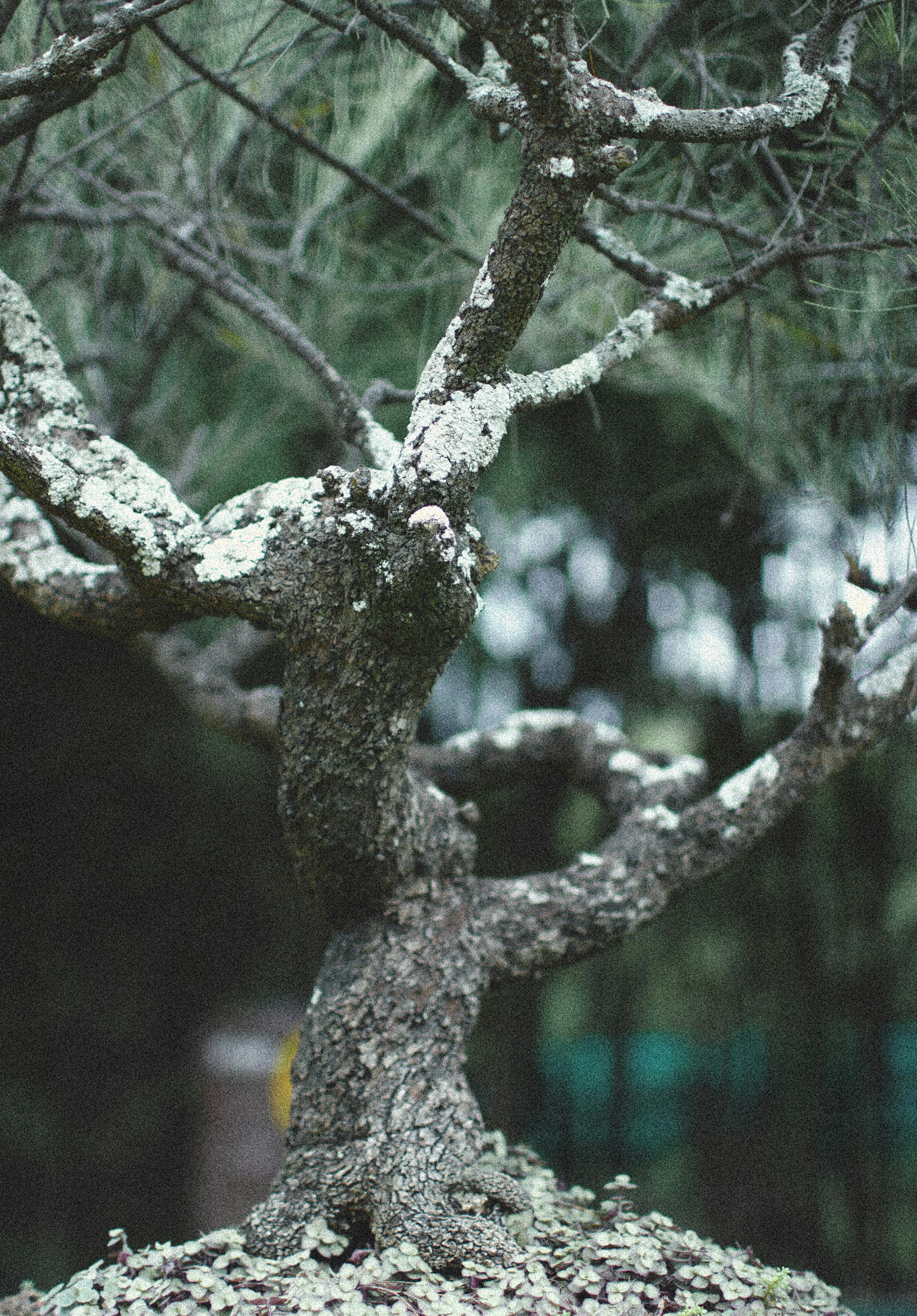
After diving deep into the world of bonsai pests and diseases, it’s clear that vigilance, proper care, and timely intervention are your best allies. From the microscopic aphids to the stealthy scale insects, and from powdery mildew to root rot, each threat has a story—and a solution.
Our journey revealed that healthy bonsai trees are naturally more resilient, but even the best-kept trees can fall victim if conditions favor pests or pathogens. The good news? Most issues can be prevented or reversed with simple, consistent practices:
- Water wisely—not too much, not too little.
- Inspect regularly with a loupe or magnifier.
- Quarantine new additions before introducing them to your collection.
- Use organic controls first—neem oil, insecticidal soaps, beneficial insects.
- Reserve chemical treatments as a last resort and apply carefully.
We also learned that integrated pest management (IPM) is the gold standard: combining cultural, biological, and chemical methods thoughtfully keeps your bonsai thriving without collateral damage to beneficial critters or the environment.
Remember the story of the 70-year-old juniper? It bounced back because of patience, precision, and persistence—qualities every bonsai gardener should cultivate alongside their trees.
So, whether you’re a beginner or a seasoned bonsai artist, keep your eyes sharp and your watering can steady. Your miniature forest depends on it! 🌳✨
🔗 Recommended Links for Further Bonsai Pest and Disease Insights
👉 CHECK PRICE on:
- Safer® Brand Insect Killing Soap:
Amazon | Walmart | Safer® Official Website - BioAdvanced 3-in-1 Insecticide, Fungicide & Miticide:
Amazon | Walmart | BioAdvanced Official Website - RootShield® Plus Biological Fungicide:
Amazon | Walmart | BioWorks Official Website - 10× LED Loupe Magnifier:
Amazon | Walmart | Etsy
Books to deepen your bonsai pest and disease knowledge:
- Bonsai Pests and Diseases: A Practical Guide by Ken Norman
Amazon - The Bonsai Handbook by David Prescott (includes sections on pest management)
Amazon - Bonsai Basics by Colin Lewis (great for beginners)
Amazon
❓ FAQ: Your Bonsai Pests and Diseases Questions Answered
What role does watering and humidity play in preventing pest and disease issues in bonsai trees?
Watering and humidity are cornerstones of bonsai health. Overwatering leads to root rot, the silent killer, by suffocating roots and encouraging fungal pathogens like Phytophthora. Conversely, underwatering stresses the tree, making it vulnerable to pests like aphids and spider mites.
Humidity affects pests too: spider mites thrive in dry air, so misting or using humidity domes can suppress their populations. However, too much humidity with poor airflow invites fungal diseases like powdery mildew. The key is balance—water only when the top 6 mm of soil is dry and maintain moderate humidity (40–60%) with good air circulation.
How can I protect my bonsai trees from pests like spider mites, mealybugs, and scale insects?
Protection starts with regular inspection and early detection. Use a 10× loupe to spot tiny pests before infestations explode. For spider mites, increase humidity and use predatory mites or neem oil sprays. Mealybugs can be wiped off with a cotton swab dipped in 3 % hydrogen peroxide, while scale insects require physical removal with a soft brush or scraping followed by systemic insecticides like BioAdvanced 3-in-1.
Quarantine new plants for at least three weeks to prevent hitchhikers. Also, maintain tree vigor through proper watering, feeding, and light to reduce pest attraction.
What are the best ways to treat fungal diseases in bonsai trees, such as root rot and leaf spot?
For root rot, immediate action is critical: remove the tree from its pot, trim all blackened roots, and repot in a well-draining bonsai soil mix. Treat roots with a biological fungicide like RootShield® Plus to promote beneficial microbes that outcompete pathogens. Avoid overwatering going forward.
For leaf spots and powdery mildew, remove infected leaves and improve airflow. Organic sprays like baking soda solution or copper-based fungicides can help. Chemical fungicides such as Spectracide Immunox or Daconil Weather-Stik are effective but should be used sparingly and as a last resort.
How often should I inspect my bonsai trees for pests and diseases to prevent infestations?
Weekly inspections are ideal, especially during the growing season. Use the “5-Point Check” method: leaves, stems, soil, roots, and nearby plants. Early detection allows for targeted treatment before infestations become overwhelming.
Can I use organic pest control methods to protect my bonsai trees from insects and diseases?
Absolutely! Organic methods like neem oil, insecticidal soaps, beneficial nematodes, and predatory mites are effective and environmentally friendly. They minimize harm to beneficial insects and reduce chemical residues. However, organic treatments often require repeated applications and patience. For stubborn infestations, combining organic and selective chemical treatments under an IPM framework works best.
What are the most common signs of disease in bonsai trees and how can I identify them?
Common signs include:
- Yellowing or curling leaves (aphids, root issues)
- Sticky residue or honeydew (aphids, scale)
- White powdery coating (powdery mildew)
- Black or brown spots on leaves (leaf spot diseases)
- Oozing or cankers on bark (bacterial canker)
- Wilting or sudden leaf drop (root rot or severe pest damage)
Use a magnifier and check both leaf surfaces and soil regularly.
How can I prevent pests and diseases from infecting my bonsai trees?
Prevention is a mix of:
- Proper watering and soil drainage
- Good airflow and appropriate humidity
- Regular cleaning of tools and pots
- Quarantine of new plants
- Routine inspection and early intervention
- Maintaining tree vigor through balanced fertilization
How can I prevent pests from damaging my bonsai tree?
Besides the above, use physical barriers like sticky traps, natural predators, and organic sprays. Avoid overcrowding plants to reduce pest spread. Remove fallen leaves and debris promptly, as these can harbor eggs and larvae.
What are the signs of fungal diseases in bonsai trees?
Look for:
- White powdery patches (powdery mildew)
- Orange or rust-colored pustules (rust fungus)
- Black or brown spots with yellow halos (leaf spot)
- Mushy, black roots with foul smell (root rot)
Which natural remedies are effective against bonsai tree pests?
- Neem oil for aphids, whiteflies, and scale
- Insecticidal soap for soft-bodied insects
- Garlic-pepper spray as a broad-spectrum deterrent
- Beneficial nematodes for soil-dwelling larvae
- Cinnamon dust for fungus-gnat larvae
How often should I inspect my bonsai for diseases and pests?
Weekly during the growing season; biweekly in winter. More frequent checks if you notice any signs or after bringing new plants home.
What are the best treatments for aphids on bonsai trees?
Start with a strong water spray to dislodge aphids, followed by insecticidal soap sprays every 48 hours for three applications. For persistent infestations, use systemic insecticides like Bonide Systemic Granules. Introduce natural predators like ladybugs if feasible.
Can overwatering cause diseases in bonsai trees?
✅ Yes! Overwatering creates anaerobic soil conditions, leading to root rot and fungal infections. It also encourages pests like fungus gnats. Always let the soil surface dry before watering again.
How do I maintain a healthy environment to avoid bonsai tree infestations?
- Use well-draining soil mixes like akadama or pumice blends.
- Provide adequate light and airflow.
- Avoid overcrowding plants.
- Clean tools regularly with alcohol or bleach solutions.
- Quarantine new plants.
- Use mulch or sand top-dressing to reduce soil splash.
📖 Reference Links and Trusted Sources
- University of Florida IFAS Extension on Spider Mites: edis.ifas.ufl.edu
- University of Kentucky Entomology on Rosemary Oil: entomology.ca.uky.edu
- Iowa State University on Garlic-Pepper Spray: extension.iastate.edu
- Safer® Brand Official Website: saferbrand.com
- BioAdvanced Official Website: bioadvanced.com
- BioWorks Inc. (RootShield® Plus): bioworksinc.com
- Bonsai Nut Forum: bonsainut.com
- Care Archives – joegardener® | Organic Gardening Like a Pro: joegardener.com/category/care/
We hope this guide empowers you to become a bonsai pest detective and guardian! 🌱🐞 Keep those miniature trees thriving and pest-free with Bonsai Garden™ expertise by your side.


