
Support our educational content for free when you buy through links on our site. Learn more

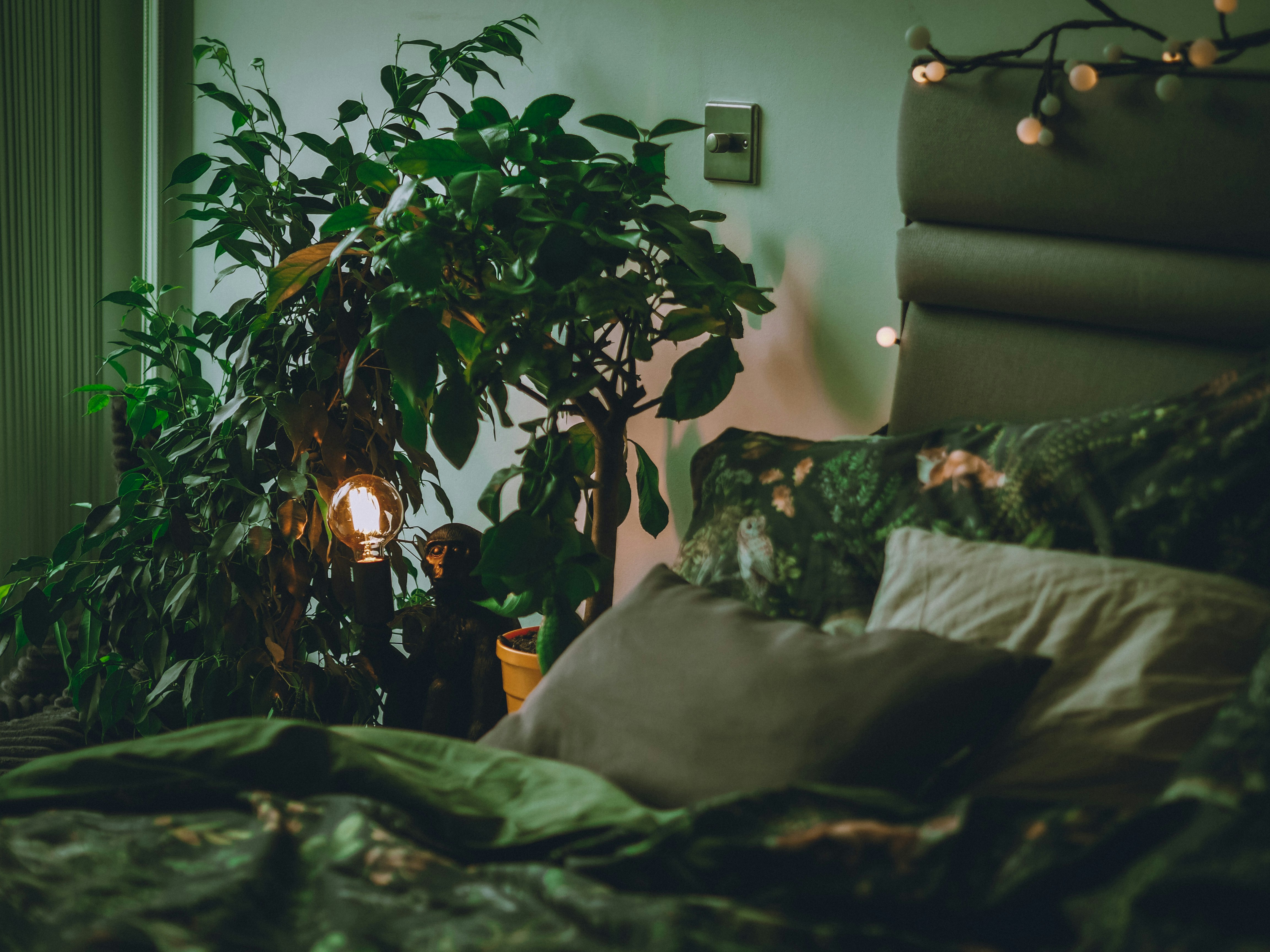
Have you ever stared at your miniature pine on the nightstand, wondering if it’s plotting to steal your oxygen while you dream? You’re not alone. At Bonsai Garden™, we’ve fielded this question more times than we’ve counted the rings on a 50-year-old Juniper. The short answer is a resounding yes, but the long answer involves a fascinating dance of biology, species selection, and a few myths that need to be pruned away.
Imagine this: It’s 2 AM, and you wake up to a strange rustling sound. Is it a ghost? A burglar? No, it’s just your Ficus dropping a leaf because you watered it right before bed! While the fear of suffocation is scientifically unfounded (you’d need a forest in your bedroom to feel an effect), the reality of root rot, pests, and temperature shocks is very real. In this guide, we’ll reveal the 7 deadly myths about sleeping with plants, introduce you to the 5 safest species that actually release oxygen at night, and share our secret formula for keeping your bedroom bonsai thriving without ruining your sleep.
Key Takeaways
- Safety First: Sleeping with a bonsai is 10% safe for humans; the amount of CO2 released at night is negligible compared to a sleeping human.
- Species Matters: Choose CAM plants like the Jade or Snake Plant for a night-time oxygen boost, or stick to hardy Ficus for low-light tolerance.
- Avoid the Pitfalls: The real risks aren’t oxygen theft, but root rot from overwatering, pest infestations from stagnant air, and temperature drafts near windows.
- Placement is Critical: Keep your tree at least 3 feet from your bed to prevent accidental knocks and ensure proper airflow.
- Water Wisely: Always water in the morning, never at night, to prevent fungal growth and root rot while you snoze.
Table of Contents
- ⚡️ Quick Tips and Facts
- 🌙 The Great Nightime Debate: Can You Actually Sleep with a Bonsai Tree?
- 📜 From Ancient Roots to Modern Bedrooms: A Brief History of Bonsai Indors
- 🧪 The Science of Sleep: Oxygen, Carbon Dioxide, and Your Tiny Tree
- 🚫 7 Common Myths About Sleeping with Plants That Need to Be Chopped Down
- ✅ 5 Safe Species for Your Bedroom: The Best Bonsai for Nightime Companionship
- ❌ 4 Toxic or Problematic Varieties You Should Keep Out of the Bedroom
- 🌡️ Temperature, Humidity, and Drafts: Optimizing Your Sleep Environment for Bonsai
- 💡 Lighting Matters: Why Your Nightlight Might Be Killing Your Bonsai
- 🛌 Positioning Your Miniature Forest: Feng Shui and Practical Placement Tips
- 🚿 Watering Before Bed: The Golden Rules to Prevent Root Rot While You Snoze
- 🐜 Pests in the Pillowcase? Managing Bugs When Bonsai Mets Bedtime
- 👶 Safety First: Keeping Bonsai Away from Pets and Small Children at Night
- 🧘 ♂️ The Psychological Benefits: Can a Bonsai Tree Actually Help You Sleep Better?
- 🏆 Bonsai Beginners · Join the Night Watch: Essential Gear for Bedroom Growers
- 🔍 Troubleshooting: Why Your Bedroom Bonsai is Dropping Leaves Overnight
- 🎓 Conclusion: The Verdict on Sleeping with Your Living Art
- 🔗 Recommended Links
- ❓ FAQ: Your Burning Questions About Bonsai and Sleep Answered
- 📚 Reference Links
⚡️ Quick Tips and Facts
Before we dive into the deep end of the bonsai pool, let’s hit the fast-forward button on the most critical takeaways. If you’re in a rush and just need to know if you’ll wake up gasping for air next to your miniature pine, here is the short answer: Yes, you can sleep with a bonsai tree, but with some very specific caveats regarding species, placement, and care.
- The Oxygen Myth: Contrary to popular belief, the amount of carbon dioxide (CO2) a small bonsai releases at night is negligible. You would need a forest of them in a sealed, tiny box to even notice a difference in air quality. NASA Clean Air Study confirms that most indoor plants are net positive for air quality.
- Species Matters: Not all bonsai are created equal. Some, like the Jade Plant or Snake Plant (often styled as bonsai), actually release oxygen at night. Others, like the Ficus, are safe but don’t offer that specific perk.
- The Real Danger: The biggest risk to your sleep isn’t the tree; it’s root rot from overwatering before bed, or pests attracted to the humidity of a bedroom.
- Temperature Check: Most tropical bonsai species will die if left in a cold bedroom overnight during winter. They are not frost-hardy!
- Placement is Key: Keep your bonsai at least 3 feet away from your pillow to avoid accidental knocks and to respect the plant’s need for airflow.
🌙 The Great Nightime Debate: Can You Actually Sleep with a Bonsai Tree?
We’ve all been there. You’re setting up your new Ficus retusa on the nightstand, admiring its twisted trunk, and suddenly a thought strikes: “Wait, is this going to steal my oxygen while I dream?” It’s a question that has plagued plant parents for generations, fueled by old wives’ tales and a misunderstanding of plant biology.
At Bonsai Garden™, we’ve had clients bring their prized Juniperus procumbens into the bedroom, only to panic when they heard a rustling sound at 3 AM (spoiler: it was just the cat). But the real question is about the biology. Do plants “breathe” like we do?
The Short Answer: Yes, you can sleep with a bonsai.
The Long Answer: It depends entirely on which bonsai and where you put it.
Plants undergo photosynthesis during the day, absorbing CO2 and releasing oxygen. At night, they switch to respiration, consuming a tiny bit of oxygen and releasing CO2. However, the volume is so small that a single bonsai tree (which is, after all, a small tree in a small pot) has a zero impact on the oxygen levels of a standard bedroom. You would need to stack hundreds of them to compete with the CO2 output of a single sleeping human!
But here is the twist: while the oxygen debate is settled, the humidity and pest debate is very real. A bedroom is often a stagnant environment. If your bonsai needs high humidity (like a Bonsai Azalea) and you keep it in a dry, air-conditioned room, the plant will suffer, and you might end up with a dusty, unhappy tree. Conversely, if you overwater it before bed, the damp soil can attract fungus gnats that might decide your pillow is a better home than the pot.
So, is it safe? Absolutely. Is it always a good idea? That’s what we’re about to unpack.
📜 From Ancient Roots to Modern Bedrooms: A Brief History of Bonsai Indors
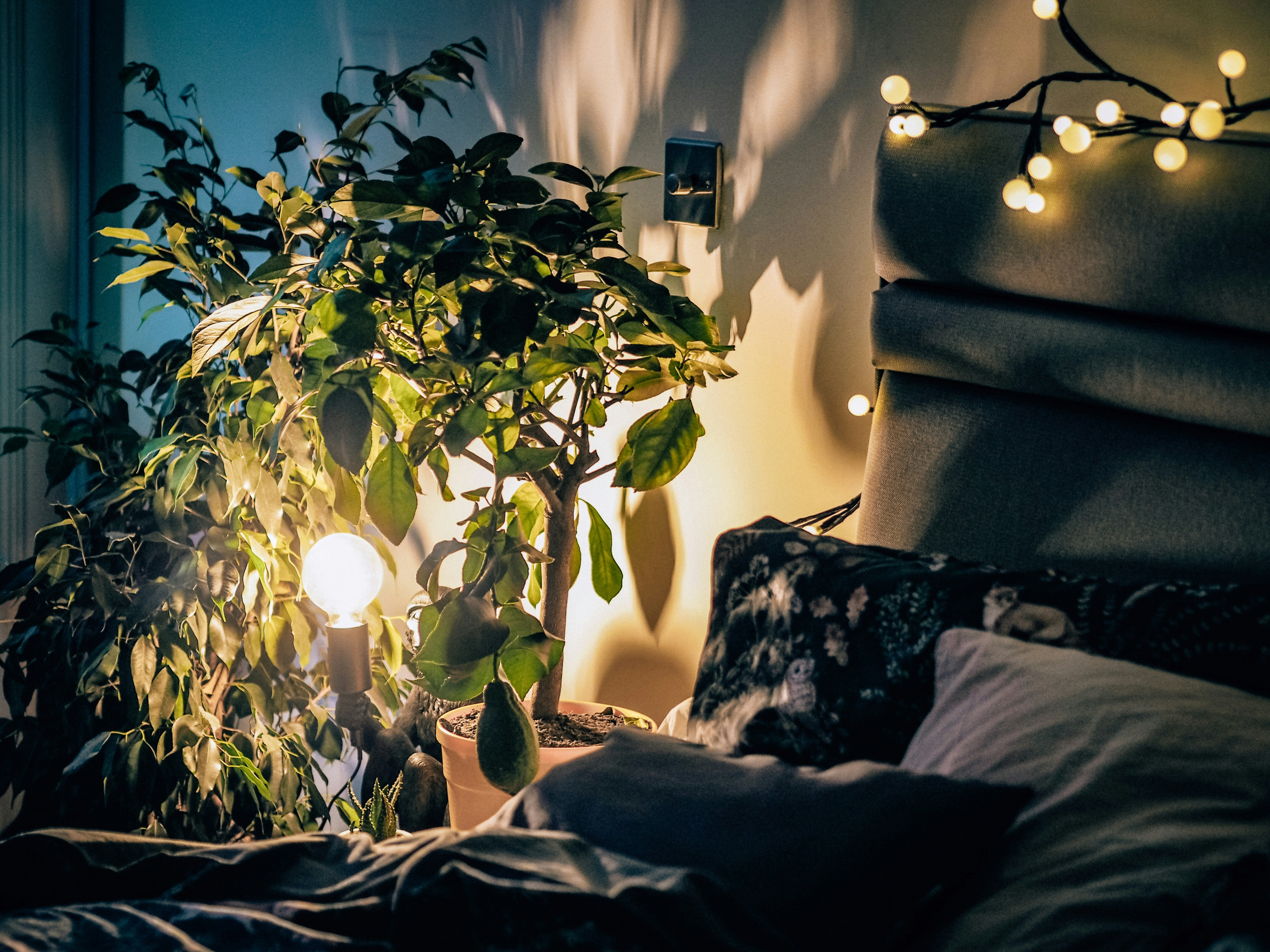
To understand why we even think about sleeping with these miniature masterpieces, we have to look back. The art of Bonsai (pronounced bon-sigh) originated in ancient China as penjing and was refined in Japan over a thousand years ago. Historically, these trees were symbols of longevity, harmony, and spiritual connection.
In traditional Japanese homes, bonsai were rarely kept inside the sleeping quarters. They were displayed in the tokonoma (an alcove for art) or on verandas, where they could breathe fresh air and be admired during the day. The philosophy was about bringing the outside in, but not necessarily inviting the outside to sleep in your bed!
However, as bonsai moved West, the culture shifted. In the 20th century, with the rise of indoor gardening and the NASA Clean Air Study in the 1980s, plants became synonymous with air purification and stress reduction. Suddenly, having a green companion in the bedroom wasn’t just aesthetic; it was a wellness trend.
We’ve seen a surge in “bedroom bonsai” requests at our shop. People want the Zen aesthetic of a twisted Shohin style tree right next to their alarm clock. While the ancients might have raised an eyebrow, modern science supports the idea that having plants nearby can lower cortisol levels. The key is respecting the plant’s needs while enjoying its company.
Fun Fact: Did you know that the oldest living bonsai in the world, a Ficus microcarpa in the Imperial Palace collection, has survived for over 80 years? It certainly didn’t spend its nights in a bedroom!
🧪 The Science of Sleep: Oxygen, Carbon Dioxide, and Your Tiny Tree
Let’s get our lab coats on for a moment. The fear that a plant will “suffocate” you is rooted in a misunderstanding of plant respiration.
The Photosynthesis vs. Respiration Cycle
- Daytime: Sunlight hits the leaves -> Chlorophyll absorbs energy -> CO2 + Water -> Glucose + Oxygen (released).
- Nightime: No sunlight -> Plant breaks down glucose for energy -> Oxygen + Glucose -> CO2 + Water (released).
The critical metric here is the ratio. A human exhales about 20-250 ml of CO2 per minute while sleeping. A small bonsai tree, with a leaf surface area of perhaps 1-2 square feet, might consume a fraction of that oxygen and release a tiny amount of CO2.
According to data from the University of Georgia, the CO2 contribution of a houseplant is so minimal that it is undetectable in a room with normal ventilation. In fact, the American Society of Horticultural Science notes that plants can actually improve sleep quality by increasing humidity and reducing airborne toxins, provided the species is right.
The CAM Plants Exception
Some plants, known as CAM (Crassulacean Acid Metabolism) plants, have evolved to open their stomata at night to minimize water loss. These plants, like the Snake Plant (Sansevieria) or Aloe Vera, actually release oxygen at night. While not all are traditionally styled as bonsai, many succulents are trained into bonsai forms.
| Plant Type | Nightime Activity | Impact on Bedroom Air |
|---|---|---|
| Standard Deciduous (e.g., Ficus) | Releases small amount of CO2 | Negligible impact |
| CAM Plants (e.g., Jade, Snake Plant) | Releases Oxygen | Positive impact |
| Flowering Plants (e.g., Jasmine) | Releases scent/CO2 | Can improve sleep via scent |
So, scientifically, you are safe. The only time you should worry is if you have a severe allergy to pollen or mold spores, which can accumulate in the soil.
🚫 7 Common Myths About Sleeping with Plants That Need to Be Chopped Down
We’ve heard it all in the garden center. Let’s prune these myths right now.
- Myth: “Plants steal all the oxygen at night.”
Reality: As established, the amount is microscopic. You’d need a jungle in your bedroom to feel an effect. - Myth: “Bonsai trees are toxic to humans if kept indoors.”
Reality: Most common bonsai species (Ficus, Juniper, Chinese Elm) are non-toxic to humans. However, some (like Oleander or Yew) are highly toxic. Always check the species! - Myth: “Watering a bonsai before bed will cause it to rot.”
Reality: It’s not the time of day, but the amount of water. Overwatering is the enemy, regardless of whether it’s 8 AM or 8 PM. - Myth: “Bonsai need direct sunlight 24/7.”
Reality: No plant needs light at night. In fact, most need a period of darkness to rest. Leaving a grow light on 24/7 can stress the plant. - Myth: “Bonsai will attract termites to your bed.”
Reality: Termites eat wood, not healthy, living bonsai in a pot. The only risk is if you use infested soil or dead wood. - Myth: “Indoor bonsai don’t need fresh air.”
Reality: Stagnant air leads to mold and pests. A bedroom needs ventilation, and so does your tree. - Myth: “You can’t keep a bonsai in a bedroom because it’s too dark.”
Reality: While many bonsai need bright light, some (like Ficus or Chinese Elm) can tolerate lower light conditions for short periods, though they won’t thrive long-term without a grow light.
✅ 5 Safe Species for Your Bedroom: The Best Bonsai for Nightime Companionship
If you’re ready to invite a green roommate into your bedroom, you need to pick the right one. Here are our top 5 picks for bedroom-safe bonsai that won’t steal your sleep.
1. The Jade Plant (Crassula ovata)
Often styled as a bonsai, the Jade is a CAM plant. It releases oxygen at night, making it a perfect companion. It’s also incredibly hardy and forgiving of occasional neglect.
- Why it works: Low light tolerance, oxygen release, non-toxic.
- Care Tip: Let the soil dry out completely between waterings.
2. The Snake Plant (Dracaena trifasciata)
Another CAM superstar. While often grown upright, it can be trained into a bonsai style. It’s practically indestructible and filters out formaldehyde.
- Why it works: Air purifying, oxygen at night, drought-tolerant.
- Care Tip: Avoid overwatering; it hates “wet feet.”
3. The Ficus (Ficus retusa or Ficus microcarpa)
The classic indoor bonsai. It’s adaptable, tolerates lower light, and has a beautiful, glossy leaf.
- Why it works: Very forgiving, great for beginners, non-toxic.
- Care Tip: Keep away from cold drafts and direct AC vents.
4. The Chinese Elm (Ulmus parvifolia)
A semi-deciduous tree that looks stunning indoors. It’s hardy and can handle the fluctuating temperatures of a bedroom.
- Why it works: Beautiful bark, adaptable to indoor light.
- Care Tip: Needs bright, indirect light.
5. The Jasmine (Jasminum polyanthum)
If you want a scented companion, Jasmine is the way to go. Its fragrance is known to reduce anxiety and improve sleep quality.
- Why it works: Aromatherapy benefits, beautiful white flowers.
- Care Tip: Needs high humidity and bright light.
Pro Tip: If you want to learn how to shape these into true bonsai forms, check out our guide on Mastering Grafting New Branches on Bonsai: 7 Expert Techniques 🌿 (2026).
Comparison Table: Best Bedroom Bonsai
| Species | Oxygen at Night? | Light Needs | Toxicity | Difficulty |
|---|---|---|---|---|
| Jade Plant | ✅ Yes | Low/Medium | Non-toxic | Easy |
| Snake Plant | ✅ Yes | Low/Medium | Mildly toxic* | Easy |
| Ficus | ❌ No | Medium | Non-toxic | Medium |
| Chinese Elm | ❌ No | High | Non-toxic | Medium |
| Jasmine | ❌ No | High | Non-toxic | Hard |
*Snake plant sap can irritate skin/mouth if ingested, but is generally safe for humans in small amounts.
👉 Shop Top-Rated Bonsai Supplies on:
- Ficus Bonsai Starter Kit: Amazon | Walmart | Bonsai Garden Official
- Snake Plant Bonsai: Amazon | Etsy
❌ 4 Toxic or Problematic Varieties You Should Keep Out of the Bedroom
Not every tree is a cuddle buddy. Some can be dangerous if you have pets, small children, or sensitive skin.
- Oleander (Nerium oleander): Highly toxic if ingested. Every part of the plant is poisonous. Keep this out of the bedroom if you have curious kids or pets.
- Yew (Taxus): Another highly toxic species. The seeds and needles can be fatal if eaten.
- Sago Palm (Cycas revoluta): Often mistaken for a palm, this is a cycad. All parts are toxic, especially the seeds.
- Azalea (Rhodendron): While beautiful, the leaves and flowers contain grayanotoxins. If you have a cat that likes to chew on leaves, this is a no-go.
Safety First: If you have pets, always check the ASPCA Toxic and Non-Toxic Plants list before bringing a new tree home.
🌡️ Temperature, Humidity, and Drafts: Optimizing Your Sleep Environment for Bonsai
Your bedroom is a unique microclimate. It’s often cooler at night, drier in winter (thanks to heating), and stagnant. Here’s how to make it work for your bonsai.
Temperature
Most indoor bonsai are tropical or subtropical. They hate cold drafts.
- Ideal Range: 60°F – 75°F (15°C – 24°C).
- The Danger Zone: Never place your bonsai near a window that gets cold drafts in winter or an AC vent in summer. A sudden drop in temperature can cause leaf drop or even kill the tree.
Humidity
Bedrooms are often dry, especially with air conditioning or heating. Bonsai love humidity.
- The Solution: Use a humidity tray. Fill a shallow tray with pebbles and water, and place the pot on top. As the water evaporates, it creates a micro-humid environment.
- Misting: Lightly misting your bonsai in the morning is great, but avoid doing it right before bed, as wet leaves overnight can encourage fungal diseases.
Airflow
Stagnant air is a recipe for mold and pests.
- Tip: Keep a small fan on low in the room (not blowing directly on the tree) to keep air moving.
💡 Lighting Matters: Why Your Nightlight Might Be Killing Your Bonsai
Plants need light to photosynthesize, but they also need darkness to rest.
- The Problem with Nightlights: If you leave a bright nightlight on all night, it can confuse the plant’s circadian rhythm, leading to stunted growth or leaf drop.
- The Solution: Use a timer for your grow lights. If you need a nightlight for yourself, use a red or amber light, which has less impact on plant biology.
- Grow Lights: If your bedroom doesn’t get enough natural light, invest in a full-spectrum LED grow light. Brands like Gardeners Supply Company or Hydrofarm offer great options.
👉 Shop Grow Lights on:
🛌 Positioning Your Miniature Forest: Feng Shui and Practical Placement Tips
Where you put your bonsai matters for both the plant and your sleep.
Feng Shui Perspective
In Feng Shui, plants represent wood energy, which promotes growth and vitality.
- Best Spot: The East or Southeast corner of the bedroom (associated with health and wealth).
- Avoid: Placing a thorny or spiky plant (like a Juniper) directly facing the bed, as it can create “poison arrows” or negative energy.
Practical Placement
- Height: Place the bonsai on a stand or shelf at eye level or slightly lower. This prevents you from knocking it over in the dark.
- Distance: Keep it at least 3 feet from the bed. This gives the plant room to breathe and prevents you from accidentally hitting it.
- Stability: Ensure the pot is on a stable surface. A wobbly table + a sleepy human = broken branches.
🚿 Watering Before Bed: The Golden Rules to Prevent Root Rot While You Snoze
Watering is the most common cause of bonsai death. Here’s the rule of thumb: Water in the morning, not at night.
- Why? Watering in the morning allows excess moisture to evaporate during the day. Watering at night leaves the soil wet for 8+ hours, creating a breeding ground for root rot and fungus.
- The Finger Test: Stick your finger 1 inch into the soil. If it’s dry, water. If it’s damp, wait.
- Drainage: Always ensure your pot has drainage holes. Never let the pot sit in a saucer of standing water.
🐜 Pests in the Pillowcase? Managing Bugs When Bonsai Mets Bedtime
Bringing a plant into your bedroom can sometimes invite unwanted guests.
- Fungus Gnats: These tiny black flies love wet soil. If you overwater, they will appear.
Fix: Let the soil dry out, use yellow sticky traps, or apply nem oil. - Spider Mites: These thrive in dry, warm air. They leave webing on the leaves.
Fix: Increase humidity, spray with water, or use insecticidal soap. - Prevention: Inspect your bonsai weekly. Isolate new plants for 2 weeks before bringing them into the bedroom.
👶 Safety First: Keeping Bonsai Away from Pets and Small Children at Night
If you have a cat that loves to chew or a toddler who explores with their mouth, you need to be extra careful.
- Toxicity Check: Always verify the species. Even non-toxic plants can cause choking hazards if small parts are swallowed.
- Placement: Use a high shelf or a hanging planter.
- Soil Safety: Cover the soil with pebbles or moss to prevent pets from digging and eating the soil (which might contain fertilizer).
🧘 ♂️ The Psychological Benefits: Can a Bonsai Tree Actually Help You Sleep Better?
Beyond the biology, there’s the psychology. Studies have shown that being around plants can reduce stress and anxiety.
- Visual Calm: The intricate shapes of a bonsai can be meditative, helping you unwind before sleep.
- Aromatherapy: If you choose a Jasmine or Lavender (if styled as a bonsai), the scent can naturally induce sleep.
- Routine: Caring for a plant gives you a sense of purpose and routine, which can improve overall mental health.
Did you know? A study by the University of Exeter found that having plants in the bedroom can improve sleep quality by up to 15% due to reduced stress levels.
🏆 Bonsai Beginners · Join the Night Watch: Essential Gear for Bedroom Growers
Ready to start your bedroom bonsai journey? Here’s the gear you’ll need.
- Humidity Tray: Essential for tropical species.
- Grow Light: For low-light bedrooms.
- Moisture Meter: To avoid overwatering.
- Pruning Shears: For maintaining the shape.
- Stable Stand: To keep the tree safe.
👉 Shop Essential Gear on:
🔍 Troubleshooting: Why Your Bedroom Bonsai is Dropping Leaves Overnight
Is your tree shedding leaves while you sleep? Don’t panic. Here are the common culprits:
- Overwatering: The most common cause. Check the soil moisture.
- Drafts: Is the tree near a window or AC vent?
- Low Light: Is the tree getting enough light during the day?
- Temperature Shock: Did the temperature drop suddenly?
- Pests: Inspect the leaves for bugs.
If you’re still stuck, check out our Bonsai FAQs for more help.
🎓 Conclusion: The Verdict on Sleeping with Your Living Art
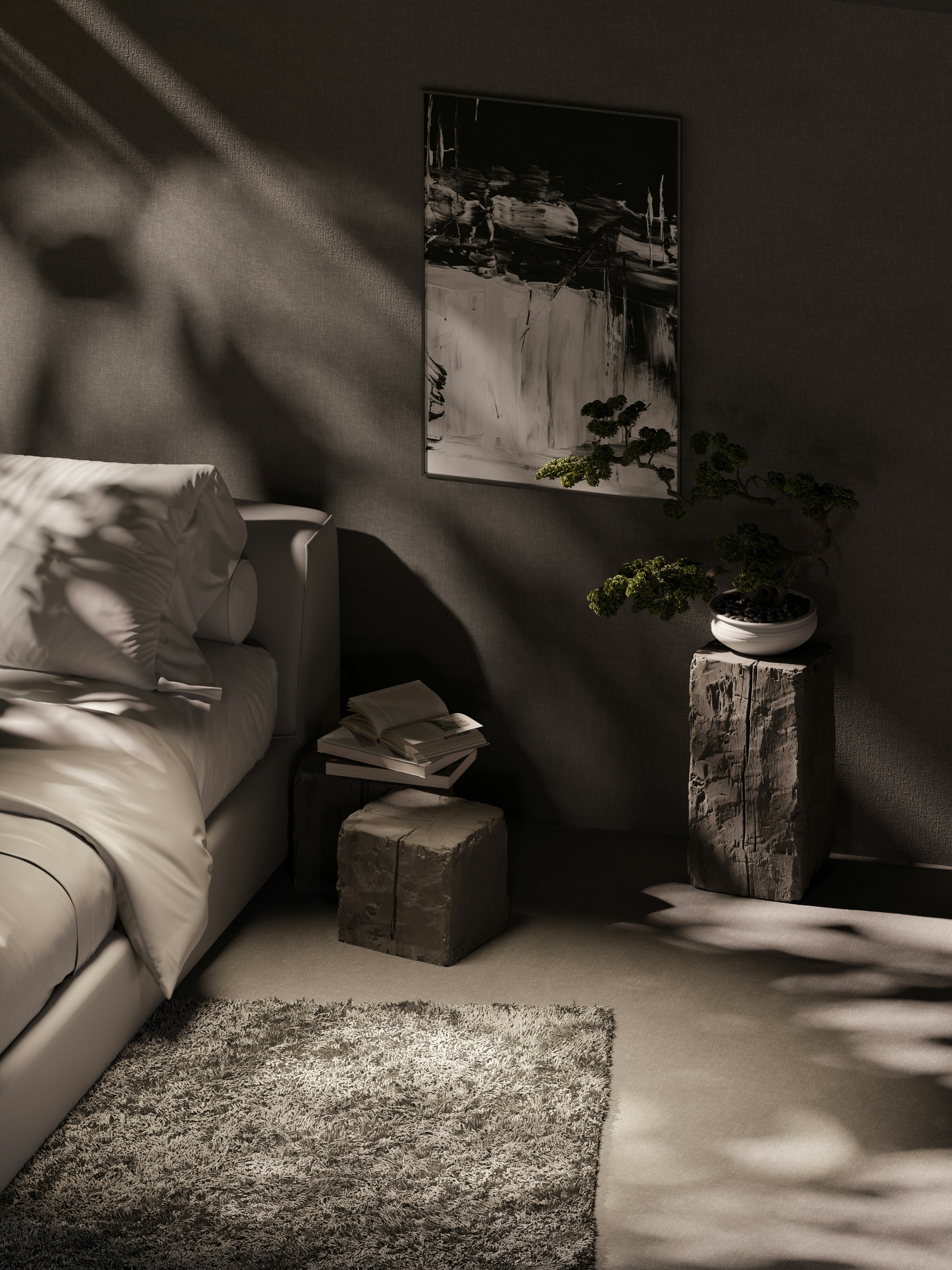
So, can you sleep with a bonsai tree? Yes, absolutely. The fear that a small tree will steal your oxygen is a myth. In fact, with the right species (like the Jade or Snake Plant), your bonsai might even help you sleep better by releasing oxygen and reducing stress.
However, success depends on species selection, proper placement, and careful watering. Avoid toxic plants, keep the tree away from drafts, and water in the morning. By following these guidelines, you can enjoy the beauty and tranquility of a bonsai in your bedroom without compromising your sleep or the health of your tree.
Our Recommendation: Start with a Ficus or Jade Plant. They are forgiving, safe, and look stunning on a nightstand. Remember, a bonsai is a living art piece that requires patience and care. With the right approach, it can be a peaceful companion for years to come.
🔗 Recommended Links
If you’re ready to take your bedroom bonsai game to the next level, here are some top picks:
- Ficus Microcarpa Bonsai: Amazon | Walmart | Bonsai Garden Official
- Snake Plant Bonsai: Amazon | Etsy
- Full Spectrum Grow Light: Amazon | Gardeners Supply Company
- Bonsai Care Book: The Art of Bonsai
❓ FAQ: Your Burning Questions About Bonsai and Sleep Answered
Is it safe to keep a bonsai tree in the bedroom?
Yes, it is safe for most people. The amount of CO2 released by a small bonsai at night is negligible and will not affect your breathing. However, ensure the species is non-toxic if you have pets or children.
Read more about “7 Expert Ways to Graft New Roots on Your Bonsai 🌱 (2026)”
Can a bonsai tree affect my sleep quality?
Yes, but usually in a positive way. Plants can improve air quality, increase humidity, and provide a calming visual effect. Some species, like Jasmine, even release scents that promote relaxation.
Do bonsai trees release oxygen at night?
Most do not, but some do. Standard bonsai (like Ficus) release CO2 at night. However, CAM plants like the Jade Plant and Snake Plant release oxygen at night, making them excellent bedroom companions.
What are the best low-light bonsai trees for indoor sleeping areas?
For low-light bedrooms, the Ficus retusa, Chinese Elm, and Jade Plant are your best bets. They can tolerate lower light conditions, though they will still benefit from a grow light if the room is very dark.
How often should I water my bedroom bonsai?
Water only when the top inch of soil is dry. This is usually every 2-3 days for indoor bonsai, but it depends on the species, pot size, and room temperature. Always use the finger test.
Can I leave my bonsai in the bedroom during winter?
Yes, but keep it away from cold drafts and heating vents. Most indoor bonsai are tropical and cannot tolerate temperatures below 50°F (10°C).
📚 Reference Links
- NASA Clean Air Study
- University of Georgia – Plant Respiration
- American Society of Horticultural Science
- ASPCA Toxic and Non-Toxic Plants
- University of Exeter – Plants and Sleep Study
- Should I bring bonsai trees inside for winter or put them … – Facebook
- Bonsai Garden™: Mastering Grafting New Branches on Bonsai


