
Support our educational content for free when you buy through links on our site. Learn more

Is your miniature forest ready to face the coming freeze, or are you secretly hoping it survives on sheer willpower? At Bonsai Garden™, we’ve seen too many beautiful trees turn into sad, leafless sticks because their owners misunderstood the magic of autumn. Here’s a secret that might shock you: fall isn’t the end of the growing season; it’s the most critical growth spurt of the year! While the world outside slows down, your bonsai is frantically storing energy in its roots, preparing for a spring explosion that depends entirely on what you do right now.
In this comprehensive guide, we’re diving deep into the 7-step Fall Bonsai Care Checklist that separates the thriving masterpieces from the casualties. We’ll reveal why heavy pruning in October is a death sentence, how to distinguish between a tree that needs a cozy garage and one that needs the frost, and the specific fertilizer switch that can save your tropicals from starvation. Whether you’re a seasoned pro or a curious beginner, understanding the “autumn awakening” is the key to unlocking your tree’s full potential. Don’t let a well-meaning mistake kill your favorite tree; let’s get it winter-ready together!
Key Takeaways
- The 25% Rule: Never prune more than 25% of your tree’s foliage in the fall, as heavy cutting strips the energy reserves needed to survive winter.
- Location is Life: Cold-hardy trees must stay outdoors (or in an unheated garage) to enter dormancy, while tropicals must move indoors before the first frost.
- Fertilizer Shift: Switch to a low-nitrogen formula in early fall for temperate trees, but keep feeding tropicals with diluted liquid fertilizer until they are indoors.
- Pest Prevention: Inspect and treat for spider mites and scale before bringing any tree indoors to prevent infesting your entire collection.
- Watering Wisdom: Reduce watering frequency but never stop; always check soil moisture in the morning to prevent root rot from cool, damp conditions.
Table of Contents
- ⚡️ Quick Tips and Facts
- 🍂 The Autumn Awakening: Why Fall is the Most Critical Season for Your Bonsai
- 📅 The 7-Step Fall Bonsai Care Checklist: From September to November
- 1. Mastering the Art of Fall Pruning and Shaping
- 2. The Great Fertilizer Debate: When to Stop and When to Feed
- 3. Watering Wisdom: Adjusting for Cooler Temps and Drying Winds
- 4. Pest Patrol: Spoting and Treating Fall Invaders
- 5. Defoliation Dos and Don’ts for Late Season
- 6. Preparing for Repoting: Is Your Tree Ready?
- 7. The Transition Plan: Moving Indors vs. Staying Outdoors
- 🌡️ Temperature Tolerance: Understanding Your Species’ Winter Hardiness
- 🏠 Indoor vs. Outdoor: Where Should Your Bonsai Sleep for the Winter?
- 🌬️ Wind, Humidity, and Light: Optimizing the Microclimate
- 🍁 Fall Foliage Magic: Encouraging Vibrant Color Changes
- 🛠️ Essential Tools and Products for Fall Maintenance
- 🚫 Common Fall Care Mistakes That Can Kill Your Tree
- 📊 Quick Reference: Fall Care by Species Type
- 🧐 Conclusion: Is Your Bonsai Ready for the Big Freeze?
- 🔗 Recommended Links
- ❓ FAQ: Your Burning Fall Bonsai Questions Answered
- 📚 Reference Links
⚡️ Quick Tips and Facts
Before we dive into the nitty-gritty of getting your miniature forests ready for the big freeze, let’s hit the rewind button on some common misconceptions. Fall isn’t just “summer’s sad ending”; it’s a critical growth spurt that many beginners miss! 🍂
Here is the lowdown from our team at Bonsai Garden™ on what you absolutely need to know right now:
- The “Six-Week” Myth Buster: Just because the air feels crisp doesn’t mean your tree has stopped growing. In fact, many species experience a second growth flush in September that can last up to six weeks! Check out our guide on Bonsai Care Basics to understand why this matters.
- The 25% Rule: Never prune more than 25% of your tree’s foliage in the fall. Why? Because heavy pruning strips the tree of the energy reserves it needs to survive winter. We’ll explain the science behind this later.
- Watering Paradox: Even though it’s cooler, do not stop watering. In fact, fall winds can dry out soil faster than you think, but overwatering is the silent killer of dormant trees.
- Indoor vs. Outdoor: If you think your tropical tree needs a cozy apartment, think again. Most indoor bonsai die from dry heat and low light, not the cold! We’ll break down exactly where to put them.
- Fertilizer Timing: Stop feeding your cold-hardy trees once the first hard freeze hits, but keep feeding tropicals with a diluted solution until they move indoors.
Did you know? A study on deciduous trees shows that leaf color change is actually a survival mechanism, not just a pretty show. The tree is reabsorbing nutrients before dropping the leaves! 🍁
🍂 The Autumn Awakening: Why Fall is the Most Critical Season for Your Bonsai
You might be looking at your bonsai and thinking, “It looks tired, maybe I should just tuck it in for a nap.” Stop right there! 🛑
At Bonsai Garden™, we often tell our students that fall is the “secret weapon” season. While the world outside is winding down, your bonsai is gearing up for a massive energy storage mission. As one of our favorite experts at Bonsai Nut famously put it: “Psychologically you may feel that summer is over, but actually the growing season will extend for another six weeks.”
The Physiology of the Fall Flush
When summer heat breaks, the tree doesn’t immediately go dormant. It enters a phase of secondary growth. This is the tree’s last chance to:
- Thicken branches (the “fattening” phase).
- Store carbohydrates in the roots for spring.
- Harden off new growth so it doesn’t snap in the first frost.
If you prune too hard now, you trick the tree into thinking it needs to regrow leaves immediately. It will try, but the new growth will be soft, green, and deadly vulnerable to frost. It’s like sending a baby out into a snowstorm without a coat! ❄️
Why We Can’t Just “Wait Until Spring”
Many beginners ask, “Why not just leave everything alone until March?”
- Missed Opportunity: You miss the chance to build branch thickness.
- Pest Hiding Spots: Dead leaves and moss harbor mites and fungi that will attack your tree in spring.
- Root Health: Without a proper check-up, root rot can silently kill a tree over winter.
Pro Tip: If you’ve been neglecting your tree all summer, fall is your last chance to fix minor issues before the dormancy lock-down. But remember: A little of everything is good, but drastic work is bad.
📅 The 7-Step Fall Bonsai Care Checklist: From September to November
Ready to get your hands dirty? We’ve broken down the autumn season into a manageable, step-by-step checklist. We’ve numbered these specifically because they represent the critical actions you must take in order.
1. Mastering the Art of Fall Pruning and Shaping
Pruning in fall is a delicate dance. You want to maintain the silhouette without stripping the tree of its energy.
- The 25% Limit: As mentioned, never remove more than a quarter of the foliage.
- Structural vs. Maintenance:
Deciduous: Only remove crossing branches or those ruining the shape. Do not remove brown or scorched leaves yet; let the tree push them off naturally to protect the buds underneath.
Conifers (Pines): This is the time to reduce the current year’s growth. If a whorl has 5 branches, cut it back to 2 or 3. This encourages the tree to focus energy on the remaining branches. - Flowering Trees: Be careful! If your tree flowers on old wood (like some cheries or quinces), do not prune those branches, or you’ll cut off next spring’s blooms.
2. The Great Fertilizer Debate: When to Stop and When to Feed
This is where opinions get spicy. Some say “stop feeding,” others say “feed until frost.” Here is the Bonsai Garden™ consensus:
- Cold-Hy Trees (Maples, Pines, Elms):
September: Continue feeding with a balanced fertilizer (like Jack’s Classic or Humboldt’s Secret) to build reserves.
October: Switch to a low-nitrogen formula. Nitrogen promotes soft growth; you want hard, wody growth now.
November: Stop completely once the first hard freeze hits. - Tropicals (Ficus, Jade, Schefflera):
- Keep feeding with a diluted liquid fertilizer (half strength) until they are moved indoors. They don’t go fully dormant like temperate trees.
Why the difference? Temperate trees need to stop growing to survive freezing temps. Tropicals just slow down. If you stop feeding a Ficus in October, it might starve before spring!
3. Watering Wisdom: Adjusting for Cooler Temps and Drying Winds
Watering in fall is a balancing act. The soil dries slower due to cool temps, but the wind dries it faster.
- The Finger Test: Don’t rely on a schedule. Stick your finger an inch into the soil. If it’s dry, water. If it’s damp, wait.
- Morning Only: Always water in the morning. Watering at night leaves wet foliage overnight, which is a recipe for powdery mildew and fungal rot.
- Rainy Days: If it’s been raining for three days, skip watering. Overwatering in fall is the #1 cause of root rot.
4. Pest Patrol: Spoting and Treating Fall Invaders
Before you move your trees indoors or cover them up, you must inspect them.
- The “Indoor Invasion”: If you bring a tree inside, you are also bringing in spider mites, aphids, and scale.
- Preventative Spray: Use a systemic insecticide (like Bonide Systemic Granules) mixed into the soil before moving indoors. This protects the tree from the inside out.
- Rodent Watch: If you store trees in a garage or shed, mice love to eat bonsai roots and bark. Place rodent traps or bait stations nearby.
5. Defoliation Dos and Don’ts for Late Season
STOP! 🛑 Do not defoliate your tree in the fall!
- The Rule: Defoliation is a summer task. Doing it in fall removes the tree’s solar panels right when it needs them most to store energy.
- Exception: The only exception is if you are removing dead or diseased leaves to prevent fungal spread.
6. Preparing for Repoting: Is Your Tree Ready?
Can you repot in the fall?
- The Golden Rule: No. Unless you have a heated greenhouse.
- The Risk: Repoting exposes roots. If the roots freeze before they heal, the tree dies.
- The Exception: Some experts repot in late September only if they can guarantee 6-8 weeks of warm temps (above 50°F/10°C) for root recovery. For 9% of us, wait until spring.
7. The Transition Plan: Moving Indors vs. Staying Outdoors
This is the big decision. Where does your tree sleep?
- Cold-Hardy Trees: Stay outside! They need the cold to trigger dormancy.
Protection: Bury the pot in the ground, wrap it in burlap, or place it in an unheated garage (not a heated house!). - Tropical Trees: Move indoors.
Location: A south-facing window is best.
Light: You likely need grow lights. We recommend Ott Light® or similar full-spectrum LEDs to compensate for short days.
🌡️ Temperature Tolerance: Understanding Your Species’ Winter Hardiness
Not all trees are created equal when it comes to the cold. Knowing your tree’s hardiness zone is non-negotiable.
| Species Type | Hardiness Zone | Winter Strategy | Critical Temp Limit |
|---|---|---|---|
| Japanese Maple | 5-8 | Outdoors (Protected) | -10°F (-23°C) |
| Chinese Elm | 5-9 | Outdoors (Unheated Garage) | 15°F (-9°C) |
| Ficus (Tropical) | 10-12 | Must be Indors | 50°F (10°C) |
| Juniper | 4-9 | Outdoors | -20°F (-29°C) |
| Pine (White) | 3-8 | Outdoors | -30°F (-34°C) |
Why does this matter?
If you put a Ficus outside in November, it will drop its leaves and die. If you put a Juniper in a heated living room, it will break dormancy, grow weak, and die in spring. Match the tree to the environment!
🏠 Indoor vs. Outdoor: Where Should Your Bonsai Sleep for the Winter?
This is the most common question we get at Bonsai Garden™. “My tree is indoors, but it’s dropping leaves. Is it dying?”
The Indoor Trap
Many people think “Indoor Bonsai” means “Bonsai that lives inside.” Wrong!
- Temperate Trees: These trees (Maples, Pines, Elms) must experience cold to survive. If you keep them in a warm house, they never go dormant. They use up all their energy, get weak, and die.
- The Solution: If you must keep a temperate tree indoors (e.g., in a very cold climate), place it in an unheated garage, shed, or cold frame where temps stay between 35°F and 45°F (2°C – 7°C).
The Tropical Haven
Tropicals (Ficus, Jade, Serissa) are the only ones that truly thrive indoors.
- Light: They need 6-8 hours of direct light. A north-facing window is a death sentence.
- Humidity: Indoor heating dries the air. Use a humidity tray (a tray with pebbles and water) under the pot.
- Airflow: Don’t put them right next to a heater or AC vent.
Story Time: We once had a client who kept his Japanese Maple in a sunny living room. By February, the tree was a skeleton. We moved it to a cold garage, and by April, it exploded with new growth. Cold is not the enemy; warmth in winter is.
🌬️ Wind, Humidity, and Light: Optimizing the Microclimate
Even if you get the temperature right, the microclimate can make or break your tree.
Wind: The Silent Dehydrator
Fall winds are dry and cold. They strip moisture from leaves and soil faster than you can water.
- Action: Move pots to a sheltered spot (against a wall, under an eave).
- Windbreaks: Use burlap screens if your tree is exposed to strong gusts.
Humidity: The Balancing Act
- Outdoor: Usually fine, but watch for dry spells.
- Indoor: Heating systems drop humidity to 20-30%. Most bonsai need 50%+.
Fix: Group plants together, use humidifiers, or mist daily (but don’t wet the soil).
Light: The Energy Source
Days are getting shorter.
- Outdoor: Move deciduous trees to the suniest spot possible to maximize photosynthesis before leaves drop.
- Indoor: Supplement with grow lights. We love the Ott Light® brand for its full spectrum. Set a timer for 12-14 hours a day.
🍁 Fall Foliage Magic: Encouraging Vibrant Color Changes
Want that stunning red and gold display? It’s not just luck; it’s chemistry!
The Science of Color
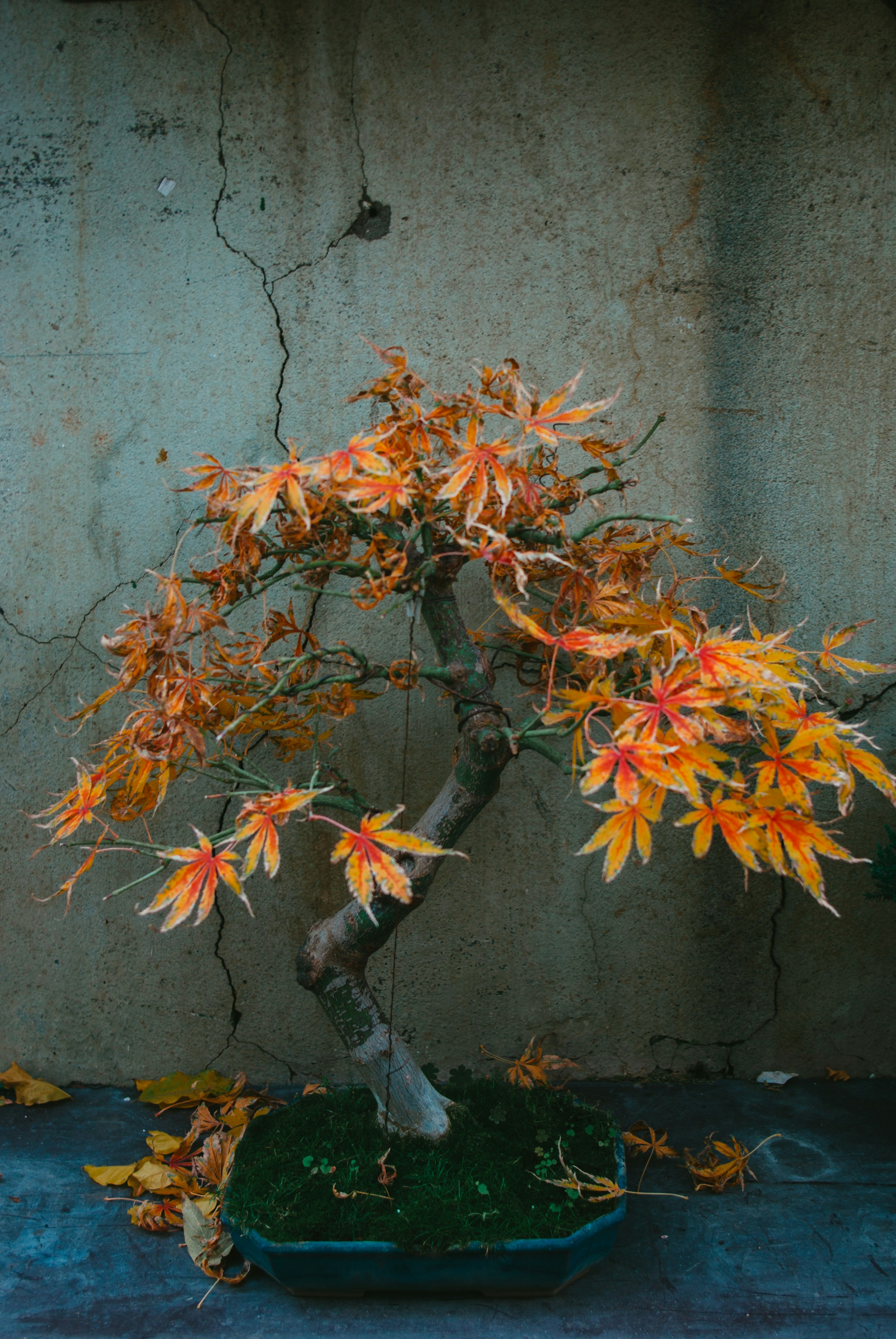
- Chlorophyll Breakdown: As days shorten, chlorophyll (green) breaks down, revealing carotenoids (yellow/orange) and anthocyanins (red).
- The Trigger: Cool nights and bright days are the key.
- Water Management: Do not overwater. Slight stress can intensify colors, but drought stress will just kill the tree.
Species Specifics
- Japanese Maple: Needs cool nights and bright sun.
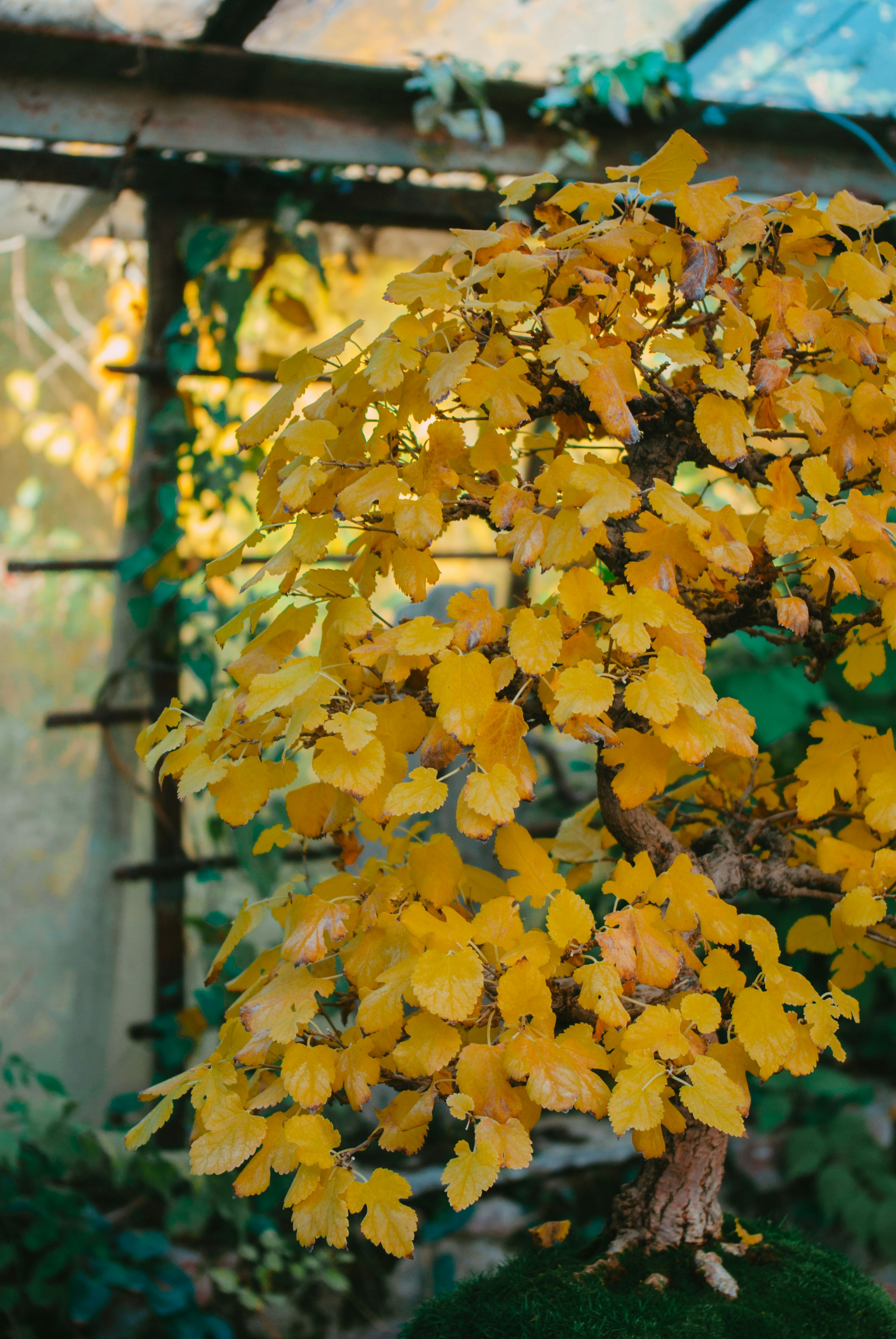
- Chinese Elm: Turns a brilliant yellow.
- Beech: Leaves turn copper and often stay on the tree all winter (marcescence).
Pro Tip: If your leaves are turning brown and crispy, it’s likely scorch from wind or sun, not color change. Move the tree to a slightly shadier spot.
🛠️ Essential Tools and Products for Fall Maintenance
You can’t do this job with just your hands. Here are the tools we swear by at Bonsai Garden™.
Top Picks for Fall Care
| Tool/Brand | Purpose | Why We Love It |
|---|---|---|
| Concave Cuters | Pruning | Leaves a smooth heal, perfect for fall structural work. |
| Systemic Granules | Pest Control | Bonide or Ortho granules protect from the inside. |
| Ott Light® | Grow Light | Full spectrum, energy efficient, perfect for indoor winter. |
| Humidity Tray | Humidity | Essential for indoor tropicals. |
| Burlap Wrap | Protection | Breathable protection against wind and frost. |
👉 CHECK PRICE on:
- Concave Cuters: Amazon | Walmart | Brand Official
- Systemic Insecticide: Amazon | Home Depot
- Ott Light®: Amazon | OttLite Official
🚫 Common Fall Care Mistakes That Can Kill Your Tree
We’ve seen it all. Here are the deadly sins of fall bonsai care.
- Overwatering: “It’s cold, so I’ll water less.” Wrong! If the soil stays sogy, roots rot. Always check the soil first.
- Heavy Pruning: Cutting back 50% of the tree. Result: Tree dies from lack of energy.
- Indoor Heating: Putting a cold-hardy tree in a warm house. Result: Tree breaks dormancy and dies.
- Ignoring Pests: Bringing a mite-infested tree indoors. Result: Your whole collection gets infested.
- Repoting in November: “I’ll just do it quickly.” Result: Frozen roots = dead tree.
Remember: If you’re unsure, do nothing. It’s better to do nothing than to do the wrong thing.
📊 Quick Reference: Fall Care by Species Type
Confused about your specific tree? Here is a cheat sheet.
| Species | Pruning? | Fertilizer? | Watering? | Winter Location |
|---|---|---|---|---|
| Japanese Maple | Light (25% max) | Stop after first frost | Reduce, check soil | Outdoors (Protected) |
| Ficus | Light only | Continue (diluted) | Keep moist | Indors (Bright) |
| Juniper | Remove dead wood | Stop | Moderate | Outdoors |
| Chinese Elm | Light | Stop after frost | Moderate | Outdoors (Unheated) |
| Pine | Reduce whorls | Stop | Moderate | Outdoors |
| Azalea | Light | Stop | Keep moist | Outdoors (Mulched) |
🧐 Conclusion: Is Your Bonsai Ready for the Big Freeze?
So, we’ve covered the six-week growth spurt, the 25% pruning rule, the indoor vs. outdoor debate, and the deadly sins of fall care. But here is the million-dollar question: Is your tree actually ready?
It’s easy to feel overwhelmed. You look at your collection and wonder, “Did I water enough? Did I prune too much? Will the frost kill it?”
Here is the truth: Bonsai are resilient. They have survived for millions of years. Your job isn’t to micromanage every leaf; it’s to provide the basic conditions for them to do what they do best.
- If you followed the 25% rule, your tree has energy.
- If you moved tropicals indoors and hardy trees outside, they are in the right place.
- If you checked for pests, you’ve stopped the invaders.
The Final Verdict: If you’ve done these things, you can relax. The tree will handle the rest. The “big freeze” isn’t a threat; it’s a necessary part of the cycle.
One last thought: Remember that video we mentioned earlier? The one where the presenter talked about the “twisty trunk lines” and the thick stems? That’s the result of patient, consistent care over years. Fall is just one chapter in that story.
Now, go grab a hot cup of tea, look at your trees, and appreciate the beauty of the season. You’ve earned it. ☕🍂
🔗 Recommended Links
Ready to gear up for winter? Here are the products and resources we trust.
Essential Tools & Supplies:
- Concave Cuters: Amazon | Walmart
- Systemic Insecticide Granules: Amazon | Home Depot
- Full Spectrum Grow Lights (Ott Light®): Amazon | OttLite Official
- Humidity Trays: Amazon | Etsy
Books & Guides:
Internal Resources:
- Bonsai Care Basics
- Bonsai for Beginners
- Bonsai Inspiration and Ideas
- Bonsai FAQs
- Bonsai Display and Aesthetics
❓ FAQ: Your Burning Fall Bonsai Questions Answered
Can you repot bonsai trees in the fall season?
Generally, no. Repoting should be avoided in the fall unless you have a heated greenhouse. The tree needs 6-8 weeks of warm weather to heal its roots before winter. If you repot in late fall, the exposed roots will freeze, and the tree will likely die. Wait until spring.
Read more about “How Often Should I Water and Fertilize My Bonsai Trees? 🌿 (2025)”
How do you protect bonsai trees from frost in the fall?
For cold-hardy trees, do not bring them indoors. Instead, place them in an unheated garage, shed, or cold frame. You can also bury the pot in the ground or wrap it in burlap to protect it from wind and extreme cold. Tropical trees must be moved indoors before the first frost.
Read more about “Can I Leave My Bonsai Outside Year-Round? 7 Expert Tips 🌳 (2025)”
What fertilizers are recommended for bonsai during fall?
Use a low-nitrogen, balanced fertilizer (like 5-10-10) in early fall to help the tree store energy. Avoid high-nitrogen fertilizers, as they promote soft growth that won’t survive winter. For tropicals, continue with a diluted liquid fertilizer until they are moved indoors.
How does fall weather affect bonsai tree growth?
Fall triggers a secondary growth flush in many species. The tree uses this time to thicken branches and store carbohydrates. As temperatures drop and days shorten, the tree naturally slows down and prepares for dormancy.
Read more about “🌿 Build Your Ultimate Bonsai Garden: 10 Top Trees & Care Secrets (2026)”
When should you prune bonsai trees in the fall?
Prune only in early fall (September) and limit it to 25% of the foliage. This is for maintenance and structural shaping only. Avoid heavy pruning in late fall, as it can reduce the tree’s winter hardiness.
How do you prepare a bonsai tree for fall?
- Inspect for pests and diseases.
- Prune lightly (max 25%).
- Adjust watering to cooler temps.
- Fertilize with low-nitrogen food.
- Plan your winter location (indoor vs. outdoor).
What are common fall pests and diseases to watch for in bonsai?
Spider mites, aphids, and scale are common. Fungal issues like powdery mildew can also occur due to cool, damp conditions. Inspect your trees before moving them indoors.
Read more about “🌙 Can You Sleep with a Bonsai Tree? The 2026 Truth Revealed”
How can I protect my bonsai from frost damage?
Use burlap wraps, mulch around the base, or move the tree to a protected location (like an unheated garage). Avoid placing trees in direct contact with freezing surfaces.
When is the best time to prune bonsai trees in the fall?
The early fall (September) is the best time. By late October or November, the tree is entering dormancy, and pruning can be harmful.
How does fall weather affect bonsai tree health?
Fall weather triggers dormancy in temperate trees. This rest period is essential for their survival. Without it, the tree may exhaust its energy reserves and die.
Read more about “10 Essential Secrets to Thriving with Your 2 Year Old Bonsai Tree 🌿 (2025)”
Which fertilizers should I use for bonsai care in the fall?
Use a low-nitrogen, balanced fertilizer (e.g., 5-10-10) or an organic slow-release fertilizer. Avoid high-nitrogen formulas.
What are the best watering practices for bonsai in autumn?
Water in the morning only. Check the soil daily; water only when the top inch is dry. Reduce frequency as temperatures drop, but never let the soil dry out completely.
How do you prepare bonsai trees for fall dormancy?
Stop fertilizing cold-hardy trees after the first frost. Ensure they are in a location with the correct temperature range (cold for temperate, warm for tropical). Reduce watering and prune lightly.
📚 Reference Links
- Bonsai West: Fall Bonsai Care Guide
- Bonsai Nut: What to do – autumn?
- Ott Light®: Grow Light Products
- Bonide: Systemic Insecticides
- University of Minnesota Extension: Bonsai Care in Winter
- Royal Horticultural Society: Bonsai Care


