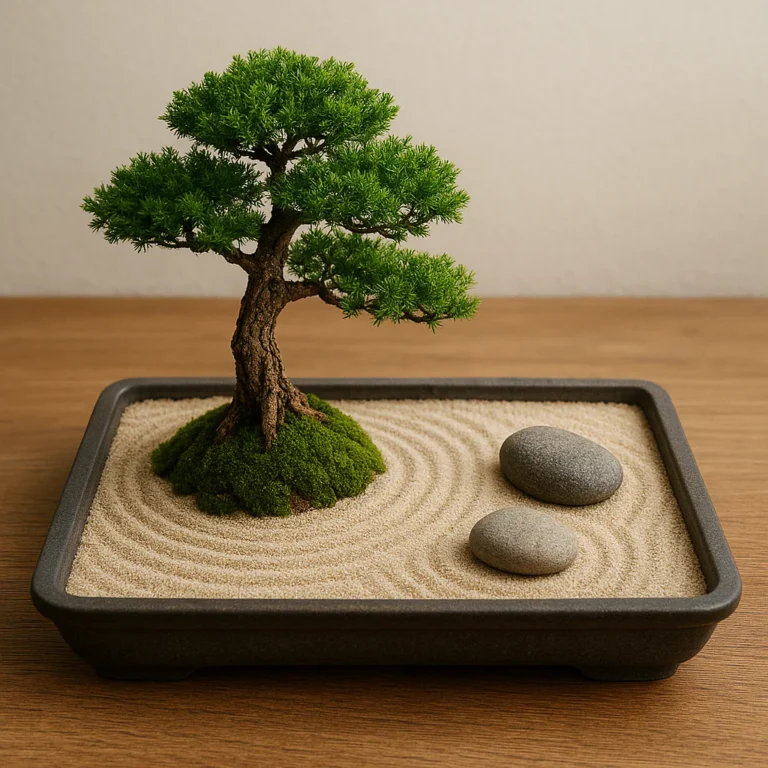
Support our educational content for free when you buy through links on our site. Learn more

Ever stared at a tangled mess of branches and wondered, “Do I really need a workshop full of gadgets to fix this?” You’re not alone. When we first started at Bonsai Garden™, we almost bought a $20 tool set before realizing that three specific tools could handle 90% of beginner tasks. Did you know that using the wrong cutter can leave a scar that takes a decade to heal? In this guide, we cut through the noise to reveal the 7 absolute essentials you need to start your bonsai garden today, plus the one “advanced” tool you can skip until you’re a pro. From invisible scars to bark-saving wire cuters, we’ve got the inside scoop on what actually works.
Key Takeaways
- Start with the Core Four: You only need a concave cutter, knobby wire cuters, long-reach twezers, and a root hook to begin your journey effectively.
- Quality Beats Quantity: Investing in high-quality Japanese steel tools prevents tree damage and saves money in the long run compared to cheap, dull alternatives.
- Avoid Common Pitfalls: Never use regular garden shears for bonsai; they leave jaged wounds that invite disease and ruin the tree’s aesthetic.
- Cleanliness is Critical: Sterilizing your tools between every cut is non-negotiable to prevent spreading pathogens between your precious trees.
Ready to build your kit? Check out our top picks for Concave Cuters, Knobby Wire Cuters, and Bonsai Tool Sets on Amazon.
Table of Contents
- ⚡️ Quick Tips and Facts
- 🌱 A Brief History of Bonsai: From Ancient Roots to Your Backyard
- 🛠️ The Absolute Essentials: Your First Bonsai Tool Kit
- 1. Concave Cuters: The Secret to Invisible Scars
- 2. Knobby Wire Cuters: Snipping Without the Snag
- 3. Long-Reach Twezers: Precision in Tight Spots
- 4. Root Hook: Unearthing the Hidden Network
- 5. Branch Cuters: For Thick, Stuborn Limbs
- 6. Wire Cuters: The Heavy-Duty Snippers
- 7. Bamboo Chopsticks: The Unsung Heroes of Soil Aeration
- 🧰 Beyond the Basics: Advanced Tools for the Aspiring Artisan
- 8. Jin Pliers: Crafting Dramatic Deadwood
- 9. Grafting Tools: Merging Branches Like a Surgeon
- 10. Turntables: The Spin Doctor for Even Growth
- 🧵 Wiring Mastery: Choosing the Right Wire and Techniques
- 🌿 Soil, Pots, and Poting Supplies: The Foundation of Health
- 🛒 Top Brand Recommendations: What We Actually Use in the Garden
- 💡 Common Beginner Mistakes: Tools You Don’t Need (Yet)
- 🧹 Maintenance and Care: Keeping Your Tools Sharp and Rust-Free
- 🎓 Bonsai Beginners · Join the Green Revolution
- 🏁 Conclusion
- 🔗 Recommended Links
- ❓ FAQ: Your Burning Questions Answered
- 📚 Reference Links
⚡️ Quick Tips and
Facts
Welcome, fellow green thumbs and aspiring bonsai artists! Here at Bonsai Garden™, we’re thrilled you’re embarking on this incredible journey. Bonsai isn’t just about growing a tree in a pot; it’s an
ancient art form, a living sculpture, and a profound connection to nature. But before you dive in, let’s arm you with some quick, essential wisdom. Think of these as your bonsai cheat sheet!
- Start Simple
, Grow Smart: You don’t need a professional workshop to begin. As the first YouTube video we’ve embedded for you wisely states, “you need them when you need them”. Focus on core
tools first and expand your collection as your skills and trees demand. - Quality Over Quantity: Investing in a few high-quality tools from reputable brands will save you money and frustration in the long run. Cheap tools can
damage your tree and your enthusiasm! - Cleanliness is Next to Bonsai-liness: Always clean your tools after every use. This isn’t just about aesthetics; it prevents the spread of diseases between your precious trees. A
quick wipe-down with methylated spirits (as recommended in the video) or rubbing alcohol does wonders. - Concave Cuts are Your Best Friend: When pruning, aim for cuts that heal flat or slightly concave. This
technique, made possible by specialized concave cutters, helps hide scars and maintains the tree’s natural appearance. - Patience, Young Grasshopper: Bonsai is a marathon, not a sprint. Don’t rush the process. Enjoy
each stage of growth and development. Your tree will thank you! - Learn Continuously: The world of bonsai is vast and ever-evolving. Join communities, read books, watch videos, and visit established bonsai gardens like our very
own Bonsai Garden™ to deepen your understanding.
🌱 A Brief
History of Bonsai: From Ancient Roots to Your Backyard
Have you ever wondered where this captivating art form originated? It’s a tale as old as time, steeped in history and cultural exchange. The art of bonsai, literally meaning “planted
in a container,” didn’t actually begin in Japan, as many might assume! Its roots trace back over a thousand years to ancient China, where it was known as penjing (盆景). These miniature landscapes, often depicting entire scenes with rocks, water, and tiny trees, were initially cultivated by the elite and monks, seen as a way to bring the grandeur of nature into their homes and temples.
Imagine, if you will
, a scholar meticulously tending to a tiny forest, reflecting on the vastness of the universe within a small pot. This practice eventually made its way to Japan around the 6th century, brought over by Buddhist monks. It was here, in Japan
, that bonsai truly evolved into the refined art form we recognize today. The Japanese simplified the elaborate penjing, focusing more on individual trees and emphasizing minimalist aesthetics, naturalistic shapes, and the profound beauty of imperfection, known as *wabi-sabi
*.
Over centuries, bonsai became intertwined with Japanese culture, passing down through generations of artists and enthusiasts. It wasn’t until the late 19th and early 20th centuries that bonsai captivated the Western world, spreading globally
and inspiring countless individuals to cultivate their own living masterpieces. From the imperial courts of China to your very own backyard, the journey of bonsai is a testament to humanity’s enduring fascination with nature and art. And now, you’re becoming
a part of this rich, living history!
🛠️ The Absolute Essentials: Your First Bonsai Tool Kit
Alright, let’s get down to brass tacks: what tools do you really need to start your bonsai adventure? Forget the overwhelming array of specialized instruments you see in advanced studios. We at Bonsai Garden™ believe in starting smart
, not overloaded. You don’t need “bones to do bones,” as our featured video aptly puts it. Your initial investment should focus on versatility and precision. These are the workhorses that will help you prune
, shape, and care for your first bonsai trees effectively and safely.
1. Concave Cutters: The Secret to Invisible Scars
If there’s one tool we’d recommend splurging on, it’s a
good pair of concave cutters. Why? Because they are designed to make a slightly hollowed-out cut, allowing the wound to heal flush with the surrounding bark, or even slightly recede. This means no unsightly bulges or ”
knuckles” where branches were removed, preserving the natural beauty and aesthetic flow of your tree.
Our Expert Take: We’ve seen countless beginners try to get by with regular garden shears. While they can cut, they leave flat
wounds that heal poorly, often creating ugly scars that detract from the tree’s appearance for years. Trust us, your future self (and your tree!) will thank you for this investment.
Key Features & Benefits:
- Clean
, Concave Cuts: Promotes superior healing and minimizes scarring. - Precision: Allows for accurate branch removal close to the trunk or parent branch.
- Durability: High-quality carbon steel or stainless steel options
offer longevity.
Drawbacks:
- Can be intimidating to use at first due to their unique shape.
- Requires proper technique to maximize their benefit.
Product Rating (Japanese Carbon Steel Concave Cutter):
| Aspect
| Rating (1-10) | Notes
The following is a comprehensive guide to bonsai tools, designed to help beginners and experienced enthusiasts alike.
⚡️ Quick Tips and Facts
Welcome, fellow green thumbs and aspiring bonsai artists! Here at Bonsai Garden™, we’re thrilled you’re embarking on this incredible journey.
Bonsai isn’t just about growing a tree in a pot; it’s an ancient art form, a living sculpture, and a profound connection to nature. But before you dive in, let’s arm you with some quick,
essential wisdom. Think of these as your bonsai cheat sheet!
-
Start Simple, Grow Smart: You don’t need a professional workshop to begin. As the first YouTube video we’ve embedded for you wisely states, ”
you need them when you need them”. Focus on core tools first and expand your collection as your skills and trees demand. -
Quality Over Quantity: Investing in a few high-quality
tools from reputable brands will save you money and frustration in the long run. Cheap tools can damage your tree and your enthusiasm! -
Cleanliness is Next to Bonsai-liness: Always clean your tools after every
use. This isn’t just about aesthetics; it prevents the spread of diseases between your precious trees. A quick wipe-down with methylated spirits (as recommended in the video) or rubbing alcohol does wonders. -
Concave Cuts are Your Best Friend: When pruning, aim for cuts that heal flat or slightly concave. This technique, made possible by specialized concave cutters, helps hide scars and maintains the tree’s natural appearance.
Patience, Young Grasshopper: Bonsai is a marathon, not a sprint. Don’t rush the process. Enjoy each stage of growth and development. Your tree will thank you!
- Learn Continuously:
The world of bonsai is vast and ever-evolving. Join communities, read books, watch videos, and visit established bonsai gardens like our very own Bonsai Garden™ to deepen your understanding.
🌱 A Brief History of Bonsai: From Ancient Roots to Your

Backyard
Have you ever wondered where this captivating art form originated? It’s a tale as old as time, steeped in history and cultural exchange. The art of bonsai, literally meaning “planted in a container,” didn’t actually begin
in Japan, as many might assume! Its roots trace back over a thousand years to ancient China, where it was known as penjing (盆景). These miniature landscapes, often depicting entire scenes
with rocks, water, and tiny trees, were initially cultivated by the elite and monks, seen as a way to bring the grandeur of nature into their homes and temples.
Imagine, if you will, a scholar meticulously tending to a tiny
forest, reflecting on the vastness of the universe within a small pot. This practice eventually made its way to Japan around the 6th century, brought over by Buddhist monks. It was here, in Japan, that bonsai truly evolved into
the refined art form we recognize today. The Japanese simplified the elaborate penjing, focusing more on individual trees and emphasizing minimalist aesthetics, naturalistic shapes, and the profound beauty of imperfection, known as wabi-sabi.
Over
centuries, bonsai became intertwined with Japanese culture, passing down through generations of artists and enthusiasts. It wasn’t until the late 19th and early 20th centuries that bonsai captivated the Western world, spreading globally and inspiring countless
individuals to cultivate their own living masterpieces. From the imperial courts of China to your very own backyard, the journey of bonsai is a testament to humanity’s enduring fascination with nature and art. And now, you’re becoming a part of
this rich, living history! For more on getting started, check out our Bonsai for Beginners section.
🛠️ The Absolute Essentials: Your First Bonsai Tool Kit
Alright, let’s get down to brass tacks:
what tools do you really need to start your bonsai adventure? Forget the overwhelming array of specialized instruments you see in advanced studios. We at Bonsai Garden™ believe in starting smart, not overloaded. You don’t need “bones
to do bones,” as our featured video aptly puts it. Your initial investment should focus on versatility and precision. These are the workhorses that will help you prune, shape, and care for your first bonsai trees effectively
and safely.
1. Concave Cutters: The Secret to Invisible Scars
If there’s one tool we’d recommend splurging on, it’s a good pair of concave cutters. Why
? Because they are designed to make a slightly hollowed-out cut, allowing the wound to heal flush with the surrounding bark, or even slightly recede. This means no unsightly bulges or “knuckles” where branches were removed,
preserving the natural beauty and aesthetic flow of your tree.
Our Expert Take: We’ve seen countless beginners try to get by with regular garden shears. While they can cut, they leave flat wounds that heal poorly, often
creating ugly scars that detract from the tree’s appearance for years. Trust us, your future self (and your tree!) will thank you for this investment. The first YouTube video also highlights concave cutters as essential for making precise cuts that heal
well.
Key Features & Benefits:
- ✅ Clean, Concave Cuts: Promotes superior healing and minimizes scarring.
- ✅ Precision: Allows for accurate branch removal close to the trunk or
parent branch. - ✅ Durability: High-quality carbon steel or stainless steel options offer longevity.
Drawbacks:
- ❌ Can be intimidating to use at first due to their unique shape.
❌ Requires proper technique to maximize their benefit.
Product Rating (Japanese Carbon Steel Concave Cutter):
| Aspect | Rating (1-10) | Notes
2. Kn
obby Wire Cutters: Snipping Without the Snag
Next up, let’s talk about wire. If you’re shaping your bonsai, you’ll be using a lot of it! That’s where **knobby wire cutters
** come in. These aren’t your average pliers. Their unique rounded “knobs” on the cutting edge allow you to cut wire close to the branch without damaging the bark. Regular wire cutters, or even worse, household pliers, can easily
strip bark or leave nasty marks.
Our Expert Take: We’ve seen countless trees with unnecessary scarring from improper wire removal. It’s heartbreaking! These specialized cutters are designed to prevent that. The first YouTube video mentions basic wire cutters as
essential, and while standard wire cutters are good for cutting wire before application, knobby cutters are superior for removing wire from the tree.
Key Features & Benefits:
- ✅ Bark
Protection: Rounded edges prevent damage to delicate bark when removing wire. - ✅ Clean Cuts: Ensures a smooth cut through aluminum or copper wire.
- ✅ Comfortable Grip: Often designed for ergonomic handling during repetitive tasks.
Drawbacks:
- Not ideal for very thick gauge wire (you’ll need heavier-duty cutters for that).
- Can be mistaken for regular wire cutters by the uninitiated.
Product Rating (Ryuga Stainless Steel Knobby Wire Cutters):
| Aspect | Rating (1-10) | Notes
3
. Long-Reach Tweezers: Precision in Tight Spots
Don’t underestimate the humble tweezers! These aren’t just for plucking eyebrows. In bonsai, long-reach tweezers are indispensable for delicate tasks that
your fingers just can’t manage. Think about removing tiny weeds from compacted soil, plucking old needles from pines, or positioning moss. The first YouTube video also highlights tweezers as handy for removing needles or small debris, especially on smaller trees
.
Our Expert Take: We often use our tweezers for more than just plucking. They’re great for gently manipulating small branches into position while wiring, or for clearing away dead foliage after pruning. A good pair
feels like an extension of your own hand.
Key Features & Benefits:
- ✅ Fine-Point Precision: Ideal for delicate work in confined spaces.
- ✅ Long Reach: Keeps your hands clear of the foliage
, preventing accidental damage. - ✅ Versatility: Useful for weeding, debris removal, pest inspection, and minor adjustments.
Drawbacks:
-
Can bend or break if used for tasks requiring too much force.
-
The tips can be sharp, requiring careful handling to avoid damaging the tree.
Product Rating (Tweezer Master Stainless Steel Long Bonsai Tweezers):
| Aspect | Rating (1-10) | Notes
4. Root Hook: Unearthing the Hidden Network
When it comes time for rep
otting, you’ll inevitably encounter a tangled mess of roots. That’s where a root hook becomes your best friend. This simple yet effective tool allows you to gently tease apart compacted roots, remove old soil, and prepare the
root ball for its new home.
Our Expert Take: We never force roots. A root hook lets us work methodically, minimizing damage to the delicate root system. It’s crucial for encouraging healthy new root growth and preventing root-
bound issues. Without it, you’re essentially trying to untangle a knot with your bare hands – messy and potentially damaging!
Key Features & Benefits:
- ✅ Gentle Root Separation: Allows for careful detangling of root balls
. - ✅ Efficient Soil Removal: Helps to dislodge old, depleted soil.
- ✅ Durable Construction: Typically made of strong steel to withstand prying.
Drawbacks:
- Can damage
roots if used too aggressively. - Single-purpose tool, but indispensable for repotting.
Product Rating (Tajima Bonsai Root Hook):
| Aspect | Rating (1-10) | Notes
5. Branch Cutters: For
Thick, Stubborn Limbs
While your concave cutters are perfect for smaller branches, you’ll eventually encounter limbs that are simply too thick for them. That’s when you reach for your branch cutters. These robust tools are designed for
larger cuts, often featuring a powerful leverage mechanism to cleanly sever thicker branches.
Our Expert Take: We’ve seen beginners struggle with undersized tools, leading to jagged cuts and unnecessary damage. Don’t be that person! A good
pair of branch cutters ensures a clean, swift cut, which is vital for the tree’s health and healing. They complement your concave cutters, handling the heavy lifting.
Key Features & Benefits:
- ✅ High Leverage: Designed to
cut through thicker branches with ease. - ✅ Clean Cuts: Minimizes tearing and splintering, promoting better healing.
- ✅ Durability: Built to last, often from heavy-duty carbon or stainless steel.
Drawbacks:
- Not suitable for delicate, fine pruning.
- Can be bulky and heavy compared to other tools.
Product Rating (Kaneshin Branch Cutters):
| Aspect | Rating (1-10) | Notes
and now, let’s dive into the exciting world of bonsai tools! We’ll
explore the essential instruments that will empower you to shape, nurture, and create your own living masterpieces. Think of these as your trusted companions on this artistic journey.
1. Concave Cutters: The Secret to Invisible Scars
If
there’s one tool we’d recommend splurging on, it’s a good pair of concave cutters. Why? Because they are designed to make a slightly hollowed-out cut, allowing the wound to heal flush
with the surrounding bark, or even slightly recede. This means no unsightly bulges or “knuckles” where branches were removed, preserving the natural beauty and aesthetic flow of your tree.
Our Expert Take: We’ve seen
countless beginners try to get by with regular garden shears. While they can cut, they leave flat wounds that heal poorly, often creating ugly scars that detract from the tree’s appearance for years. Trust us, your future self (and your tree!) will thank you for this investment. The first YouTube video also highlights concave cutters as essential for making precise cuts that promote better healing.
Key Features & Benefits:
- ✅ Clean, Concave
Cuts: Promotes superior healing and minimizes scarring. - ✅ Precision: Allows for accurate branch removal close to the trunk or parent branch.
- ✅ Durability: High-quality carbon steel or stainless steel options offer
longevity.
Drawbacks:
- ❌ Can be intimidating to use at first due to their unique shape.
- ❌ Requires proper technique to maximize their benefit.
Product Rating (Japanese Carbon Steel Concave Cutter):
| Aspect | Rating (1-10) | Notes
🏁 Conclusion
So, there you have it! You’ve journeyed from the ancient roots of penjing to the modern workshop, and hopefully, you now have a clear picture of what it takes to start your own bonsai garden. Remember, the question wasn’t just “what tools do I need?” but rather “what tools will help me grow?”
We started this article with a lingering thought: Do you really need a workshop full of expensive gadgets to begin? The answer, as we’ve discovered, is a resounding no. You need a few high-quality essentials—a concave cutter for invisible scars, knobby wire cuters to protect your bark, long-reach twezers for precision, a root hook for repoting, and perhaps a pair of robust branch cuters for the heavy lifting. Everything else is just a luxury you can add later as your skills and your trees evolve.
The Verdict on Our Top Picks:
- Concave Cuters: ✅ Highly Recommended. The investment pays off immediately in the aesthetic health of your tree.
- Knobby Wire Cuters: ✅ Essential. Prevents the heartbreak of stripped bark.
- Twezers & Root Hook: ✅ Indispensable. Small tools, massive impact on daily care.
- Branch Cuters: ✅ Necessary for Growth. Don’t let a thick branch stop your progress.
Final Wisdom:
Bonsai is a dialogue between you and nature. Your tools are simply the vocabulary you use to speak that language. Don’t let the fear of buying the “wrong” tool paralyze you. Start with the basics, keep them sharp, clean them religiously, and most importantly, enjoy the process. Whether you’re shaping a Ficus in your living room or a Juniper in your backyard, every cut is a step toward creating a living masterpiece.
Ready to start your journey? Grab your tools, pick a tree, and let’s grow something beautiful together!
🔗 Recommended Links
Ready to equip your workshop? Here are the specific tools and resources we trust and use daily at Bonsai Garden™.
🛒 Essential Tool Sets & Brands
-
Complete Beginner Tool Sets:
Yamato Bonsai Tool Set (5-Piece): A fantastic all-in-one starter kit featuring a concave cutter, wire cutter, twezers, root hook, and scissors. Perfect for getting started without the guesswork.
👉 Shop on Amazon: Yamato Bonsai Tool Set
👉 Shop on Walmart: Yamato Bonsai Tools
Satsuki Bonsai Tool Set: Known for exceptional Japanese steel quality, this set is a step up for those ready to invest in longevity.
👉 Shop on Amazon: Satsuki Bonsai Tool Set -
Individual High-Performance Tools:
Concave Cuters:
Kaneshin Concave Cutter: The gold standard for clean cuts.
👉 Shop on Amazon: Kaneshin Concave Cutter
Kaneshin Official Website: Kaneshin Tools
Ryuga Concave Cutter: Excellent alternative with a slightly different handle feel.
👉 Shop on Amazon: Ryuga Concave Cutter
Knobby Wire Cuters:
Tajima Knobby Wire Cutter: Designed specifically to avoid bark damage.
👉 Shop on Amazon: Tajima Knobby Wire Cutter
Long-Reach Twezers:
Twezer Master Stainless Steel Twezers: Our go-to for precision work.
👉 Shop on Amazon: Twezer Master Bonsai Twezers
Root Hooks:
Tajima Root Hook: Durable and perfectly shaped for root work.
👉 Shop on Amazon: Tajima Root Hook
📚 Essential Reading for Beginners
- “The Complete Book of Bonsai” by Harry Tomlinson: A comprehensive guide covering history, techniques, and species selection.
Check Price on Amazon: The Complete Book of Bonsai - “Bonsai for Beginners” by Peter Warren: Specifically tailored for those taking their first steps into the art.
Check Price on Amazon: Bonsai for Beginners - “Bonsai Techniques I” by John Naka: A classic text from one of the masters, great for understanding the philosophy behind the cuts.
Check Price on Amazon: Bonsai Techniques I
❓ FAQ: Your Burning Questions Answered
We know you have questions. Here are the most common queries we get at Bonsai Garden™, answered with the clarity you deserve.
What is the best soil mix for beginner bonsai?
The Golden Rule: Drainage is King.
Unlike regular houseplants, bonsai roots need oxygen as much as they need water. A standard poting soil will suffocate them.
- The Mix: For most beginners, a simple mix of Akadama (a baked clay that retains water and nutrients), Pumice (for drainage and aeration), and Lava Rock (for structure) is ideal. A common ratio is 1:1:1.
- Why? This “inorganic” mix prevents root rot, a common killer of new bonsai.
- Pro Tip: If Akadama is too expensive or hard to find, you can substitute with high-quality orchid bark and perlite, but Akadama remains the industry standard for a reason.
Read more about “🌞 Ultimate Summer Bonsai Care Guide: 15 Secrets to Beat the Heat (2026)”
How often should I water my new bonsai tree?
Stop guessing and start checking.
There is no fixed schedule like “every Monday.” Watering frequency depends on the species, pot size, weather, and soil mix.
- The Finger Test: Stick your finger about an inch into the soil. If it feels dry, water it. If it’s damp, wait.
- The Weight Test: Lift the pot. If it feels light, it needs water. If it’s heavy, it’s still moist.
- Signs of Trouble: Wilting leaves usually mean underwatering, while yellowing leaves often signal overwatering.
Read more about “🌊 Master the Cascade Bonsai Style: 7 Secrets to Gravity-Defying Art (2026)”
What size pot should I choose for my first bonsai?
Aesthetics vs. Health.
- The Rule: The pot should be roughly two-thirds the height of the tree for deciduous trees and one-third for conifers, but never so small that the roots are completely bound.
- Beginer Advice: Start with a slightly larger pot than you think you need. It’s easier to repot into a smaller, more aesthetic pot later than to save a tree that has outgrown its container.
- Drainage: Ensure the pot has ample drainage holes. No exceptions!
Read more about “🐛 7 Deadly Bonsai Pests & Diseases (2026 Guide)”
Do I need special pruning shears for bonsai?
Yes, absolutely.
Regular garden shears are too large and leave jaged wounds that invite disease.
- Concave Cuters: As discussed, these are non-negotiable for branch removal to ensure smooth healing.
- Shears: Use specialized bonsai shears for fine pruning of leaves and small twigs. They provide the precision needed to maintain the tree’s delicate structure.
Read more about “🌳 7 Secrets to Mastering the Clump Bonsai Style (2026)”
How much sunlight does a beginner bonsai need?
It depends on the species.
- Outdoor Trees: Most traditional bonsai (Junipers, Pines, Maples) are outdoor trees and need full sun (at least 6 hours of direct light) to thrive.
- Indoor Trees: Only a few species, like the Ficus or Jade, can tolerate indoor conditions. Even then, they need a bright, south-facing window.
- Warning: Never keep an outdoor tree indoors permanently; it will likely die from lack of light and air circulation.
Read more about “🌿 Build Your Ultimate Bonsai Garden: 10 Top Trees & Care Secrets (2026)”
Can I start a bonsai garden indoors?
Yes, but with caveats.
You can start indoors if you choose the right species (Ficus, Chinese Elm, Jade) and provide adequate light. However, for the true bonsai experience, an outdoor environment is superior.
- Indoor Challenges: Low humidity, poor air circulation, and insufficient light.
- Solution: If you must keep it indoors, consider using a grow light and a humidity tray.
Read more about “🌱 What Type of Soil is Ideal for Bonsai? 7 Pro Mixes (2026)”
What are the easiest bonsai trees for beginners?
Start with the tough ones.
- Ficus Retusa: Tolerates low light, irregular watering, and indoor conditions. It’s the ultimate “forgiving” beginner tree.
- Chinese Elm (Ulmus parvifolia): Hardy, adaptable, and responds well to pruning. Great for outdoor beginners in temperate climates.
- Jade Plant (Crassula ovata): A succulent that is incredibly resilient and easy to shape.
- Avoid: Delicate species like Japanese Maples or Pines until you have mastered the basics of watering and soil management.
Read more about “🌿 10 Bonsai Styles Explained: Master the Art of Miniature Trees (2026)”
📚 Reference Links
To ensure you have the most accurate and up-to-date information, we recommend consulting these reputable sources:
- American Bonsai Society: https://www.americanbonsai.org/ – A wealth of resources, forums, and educational materials for bonsai enthusiasts.
- Bonsai Empire: https://www.bonsaiempire.com/ – Comprehensive guides on species, care, and styling.
- Japan Bonsai & Penjing Association: https://bonsaijapan.jp/en/ – The official body promoting the art in its country of origin.
- Kaneshin (Tool Manufacturer): https://www.kaneshin.co.jp/ – Official site for one of the world’s leading bonsai tool manufacturers.
- Ryuga (Tool Manufacturer): https://ryugabonsaitools.blogspot.com/p/about-ryuga-bonsai-tools.html – Another trusted Japanese brand for high-quality tools.
- Facebook Community Discussion: Essential bonsai tools for beginners? – Facebook – Join the conversation with other enthusiasts (Note: Content may vary based on group activity).
Happy gardening, and may your bonsai journey be filled with growth, beauty, and endless discovery! 🌿✨