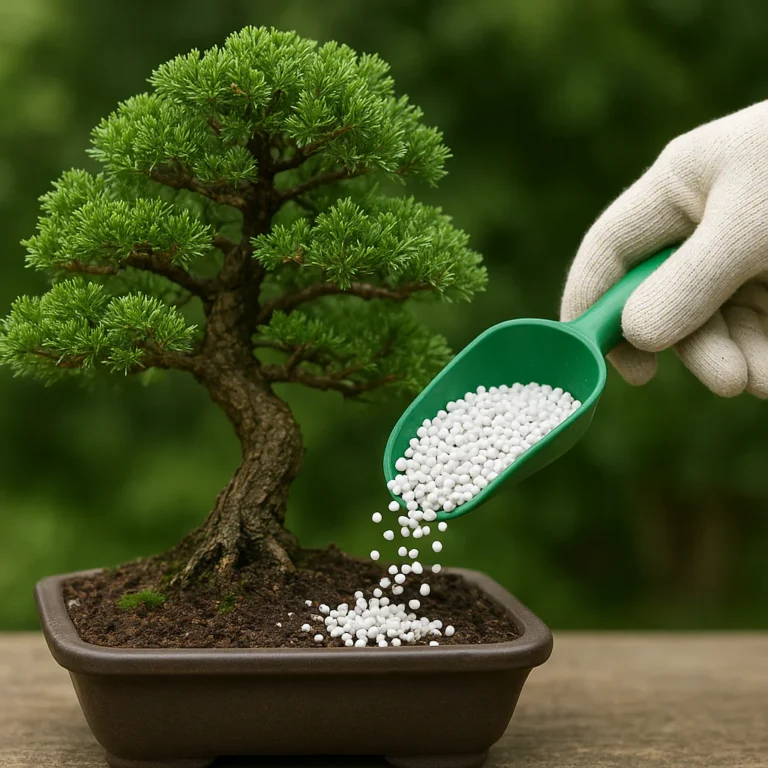
Support our educational content for free when you buy through links on our site. Learn more

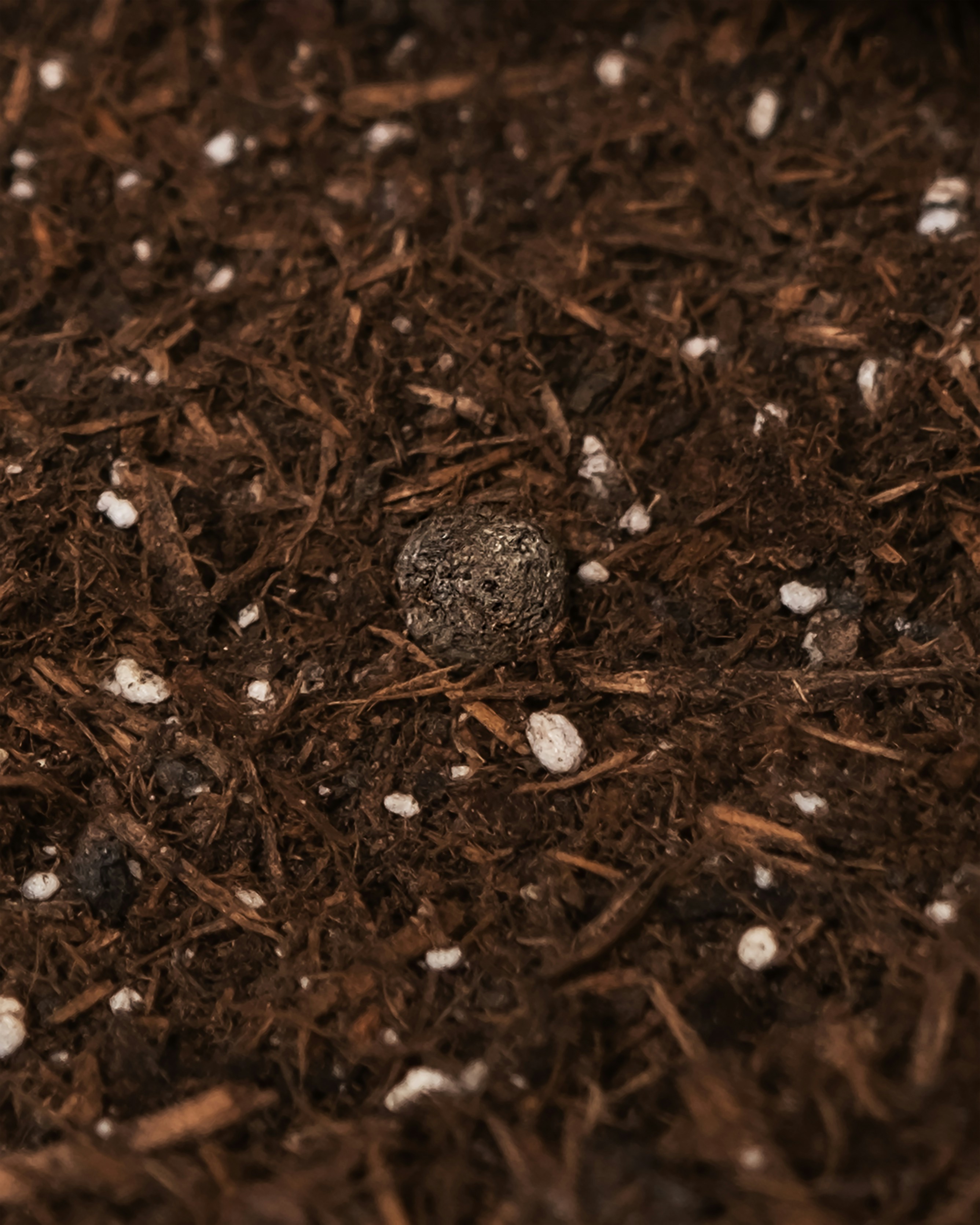
Ever wonder why your “perfect” watering routine still leads to a sad, yellowing bonsai? The culprit is almost never the water—it’s the dirt. Most beginners unknowingly suffocate their trees by using standard poting soil, a mistake that turns a vibrant masterpiece into a root-rot tragedy in weeks. At Bonsai Garden™, we’ve seen it all: from the ancient clay of Japan to modern volcanic rocks, the secret to a thriving bonsai isn’t magic; it’s enginered substrate. In this guide, we reveal the 7 pro-level soil mixtures tailored for every species and growth stage, debunk the myth of the “one-size-fits-all” dirt, and show you exactly how to build a mix that drains like a waterfall yet holds enough moisture to keep your tree happy. Ready to stop guessing and start growing? Let’s dig in.
Key Takeaways
- Ditch the Garden Soil: Standard poting mix compacts instantly in small pots, cutting off oxygen and causing fatal root rot.
- The Golden Ratio: Most trees thrive in a balanced 1:1:1 mix of Akadama, Pumice, and Lava Rock, offering the perfect blend of drainage and retention.
- Species Specificity: There is no single “ideal” soil; Pines need fast-draining mixes, while Azaleas require acidic Kanuma to survive.
- Growth Stage Matters: Use inorganic-heavy mixes for rapid root growth in pre-bonsai, and Akadama-rich blends for stability in refined, mature trees.
- Sift Your Soil: Always remove fine dust particles to ensure proper aeration and prevent compaction over time.
Table of Contents
-
📜 The Ancient Roots of Substrate: From Temple Dirt to Modern Mixes
-
🌱 Why “Normal” Potting Soil is a Death Sentence for Your Bonsai
⚡️ Quick Tips and Facts
Before we dive into the muddy (or rather, rocky) depths of soil science, let’s hit the high notes so you don’t accidentally turn your precious Ficus into a bonsai popsicle.
- ❌ The Golden Rule: Never, ever use standard garden soil or “poting mix” from the grocery store. It compacts like a wet sponge, suffocating roots and causing root rot faster than you can say “bonsai.”
- ✅ The Particle Principle: Bonsai soil isn’t dirt; it’s a substrate. It must be chunky! We’re talking 3mm to 6mm particles to ensure air pockets exist between them.
- 💧 The Water Test: If you water your pot and the water sits on top for more than 5 seconds, your soil is too fine. It needs to drain like a waterfall, not a swamp.
- 🌱 Species Matters: There is no “one size fits all.” A pine tree wants to dry out; an Azalea wants to stay moist. Your soil mix must match the tree’s thirst.
- 🔄 The Breakdown Factor: Organic components (like pine bark) break down over 1–2 years. Inorganic components (like lava rock) last forever. A good mix balances both.
Did you know? The term “Akadama” literally translates to “Red Ball” in Japanese. It’s not just a name; it’s a description of the fired clay’s color and shape!
For a deeper dive into the philosophy of caring for these miniature giants, check out our guide on Bonsai Care Basics.
📜 The Ancient Roots of Substrate: From Temple Dirt to Modern Mixes
You might think the quest for the perfect soil is a modern obsession, but the Japanese masters have been tweaking their substrates for centuries. Originally, bonsai were grown in the ground or in simple earthenware with whatever local soil was available. But as the art form moved into the refined bonsai era, the limitations of native soil became apparent.
In the early 20th century, Japanese growers discovered that Akadama, a specific red clay found near Tokyo, offered a magical balance of water retention and aeration. This discovery revolutionized the hobby. Before Akadama, trees were often stunted or died from root rot in small pots. With Akadama, they could thrive.
However, as the world globalized, so did our soil knowledge. We realized that while Akadama is fantastic, it’s not the only player in the game. Today, we blend ancient wisdom with modern geology. We use pumice from volcanic fields in the US and lava rock from Iceland to create mixes that outperform the old standards.
The Conflict: Some traditionalists argue that only Akadama is “true” bonsai soil. Modern growers, however, argue that availability and cost make a 10% Akadama mix impractical for many.
Our Verdict: Trust the science, not just the tradition. If your tree is healthy and growing, the soil is doing its job, regardless of whether it’s 10% Akadama or a 50/50 blend.
🌱 Why “Normal” Poting Soil is a Death Sentence for Your Bonsai
Let’s be blunt: if you put your bonsai in standard poting soil, you are essentially building a prison for its roots.
Standard poting mixes are designed for container gardening where plants have deep root systems and large volumes of soil to buffer against watering errors. They are full of peat moss, perlite, and compost. When you shrink that environment down to a 6-inch bonsai pot, disaster strikes.
The Compaction Catastrophe
- Waterlogging: Standard soil particles are too fine. When wet, they collapse into a solid mass.
- Oxygen Starvation: Roots need oxygen just as much as they need water. Compacted soil has zero air pockets.
- Root Rot: Without oxygen, roots suffocate and die. The dead roots then rot, releasing toxins that kill the rest of the tree.
- The “Hydrophobic” Effect: Once peat-based soil dries out completely, it becomes hydrophobic (water-repelling). You can pour a bucket of water on it, and it will run right off the sides without weting the root ball.
A Story from the Garden: We once saw a beginner’s Juniper that looked perfect for three months. Then, the owner watered it “normally” with poting soil. Within a week, the needles turned brown and crispy. The soil had turned into a brick. The tree was dead. It wasn’t the watering schedule; it was the soil structure.
For more on avoiding these pitfalls, visit our Bonsai for Beginners section.
🏗️ The Three Pillars of the Perfect Bonsai Substrate
So, what makes a soil mix “ideal”? It comes down to three non-negotiable pillars. If your mix lacks any one of these, your tree will struggle.
1. Drainage (The Escape Route)
Water must flow through the pot instantly. If it pools, you have a problem. This is achieved by using inorganic, porous materials like lava rock and pumice.
2. Aeration (The Breath of Life)
Between the rocks, there must be empty space for air. This allows roots to breathe and prevents anaerobic bacteria from taking over.
3. Water Retention (The Hydration Station)
While we want drainage, we also need the soil to hold some moisture so the tree doesn’t dry out in minutes. This is where Akadama and organic components shine.
| Property | Why It Matters | Best Components |
|---|---|---|
| Drainage | Prevents root rot | Lava Rock, Pumice, Coarse Grit |
| Aeration | Feds roots oxygen | Lava Rock, Pumice, Charcoal |
| Retention | Keeps roots moist | Akadama, Pine Bark, Biochar |
| Structure | Prevents compaction | All inorganic components |
| Nutrient Holding | Feds the tree | Akadama, Biochar, Compost |
💎 The “Big Three” Components Every Enthusiast Needs
To build your own mix, you need to understand the “Holy Trinity” of bonsai soil. These are the ingredients you’ll find in almost every professional mix.
1. Akadama: The Japanese Clay King
Akadama is the heart of traditional bonsai soil. It’s a fired clay that is porous, holds water, and holds nutrients (high CEC – Cation Exchange Capacity).
- Pros: Excellent water retention, holds nutrients, breaks down slowly to provide organic matter.
- Cons: It does break down over 1–2 years, which can clog drainage if not repotted. It can be expensive.
- Grades:
Hard-Fired: Lasts longer, drains faster. Great for pines.
Semi-Fired: Holds more water. Great for maples and tropicals.
Soft-Fired: Breaks down quickly. Good for pre-bonsai growth.
Pro Tip: If you can’t find Japanese Akadama, look for Hard-Fired Clay from other regions, but be aware they may break down faster.
2. Pumice: The Aeration Specialist
Pumice is a volcanic rock that is incredibly lightweight and porous. Unlike Akadama, it does not break down.
- Pros: Infinite lifespan, excellent aeration, holds water in its pores, keeps the soil structure open forever.
- Cons: Doesn’t hold nutrients as well as Akadama (low CEC), can be pricey.
- Best For: Conifers, trees that hate wet feet, and as a long-term structural base.
3. Lava Rock: The Structural Powerhouse
Lava Rock (or scoria) is another volcanic rock, but it’s heavier and has larger, jaged pores.
- Pros: Incredible drainage, adds weight to the pot (stability), doesn’t break down.
- Cons: Very low water retention, can be sharp (wear gloves!), doesn’t hold nutrients.
- Best For: Draining excess water, adding weight to shallow pots.
👉 CHECK PRICE on:
- Akadama: Amazon | Bonsai North America
- Pumice: Amazon | Gardener’s Supply Company
- Lava Rock: Amazon | Home Depot
🧪 7 Pro-Level Substrate Mixtures for Every Growth Stage
Now that you know the ingredients, let’s cook up some recipes. We’ve analyzed the top competing guides and refined them into 7 specific mixtures tailored to different needs.
1. The Classic 1:1:1 All-Purpose Mix
- Recipe: 1 part Akadama, 1 part Pumice, 1 part Lava Rock.
- Best For: Most deciduous trees (Maples, Elms) and general maintenance.
- Why it works: It balances water retention (Akadama) with drainage (Lava) and structure (Pumice). It’s the “safe bet” for beginners.
- Note: As mentioned in the Bonsai Tonight summary, this is a great starting point, but you may need to adjust based on your local climate.
2. The Conifer & Pine Power Blend
- Recipe: 30% Akadama, 35% Pumice, 35% Lava Rock.
- Best For: Pines, Junipers, Spruces.
- Why it works: Conifers hate “wet feet.” This mix is fast-draining and airy. The lower Akadama content prevents the soil from staying too wet for too long.
- Adjustment: If you live in a very dry climate, bump the Akadama to 40%.
3. The Deciduous Thirst-Quencher
- Recipe: 60% Akadama, 20% Pumice, 20% Lava Rock.
- Best For: Japanese Maples, Beech, Elm.
- Why it works: Deciduous trees have higher water demands. The higher Akadama content ensures the soil stays moist longer without drowning the roots.
4. The Tropical Humidity Hero
- Recipe: 50% Akadama, 25% Pumice, 25% Lava Rock + 5% Pine Bark.
- Best For: Ficus, Jade, Serissa.
- Why it works: Tropicals often grow indoors where humidity is lower. The extra Akadama and a touch of organic bark help retain moisture.
- Warning: If growing outdoors in a rainy climate, reduce Akadama to 30%.
5. The Acid-Loving Azalea Special (Kanuma)
- Recipe: 10% Kanuma (or 90% Kanuma + 10% Pumice).
- Best For: Azaleas (Satsuki), Camellias.
- Why it works: Azaleas are acid-loving plants. Kanuma is a yellow clay that is naturally acidic and holds moisture perfectly.
- Fact: As noted in the Bonsai Tonight summary, even a small amount of Kanuma (10%) can make a huge difference for Azaleas, but 10% is often preferred for optimal health.
6. The Pre-Bonsai Growth Accelerator
- Recipe: 30% Akadama, 70% Pumice/Lava (or Perlite).
- Best For: Seedlings, cutings, young trees being trained.
- Why it works: Pre-bonsai need to grow fast. Too much Akadama slows growth. This mix is airy and encourages rapid root expansion.
- Alternative: Some growers use straight Perlite or a mix of Perlite and Peat for cutings to maximize moisture retention during rooting.
7. The Broadleaf Evergreen Balance
- Recipe: 50% Akadama, 25% Pumice, 25% Lava Rock.
- Best For: Holly, Boxwood, Olive.
- Why it works: These trees are tough but need consistent moisture. This mix mimics the “Deciduous” blend but is slightly more aggressive on drainage to prevent root rot in winter.
🌳 Tailoring Soil to Your Tree’s Life Cycle
The soil you use for a 20-year-old masterpiece should be different from the soil you use for a 2-year-old sapling.
Refined Bonsai: Maintaining the Masterpiece
When a tree is in its refined stage, your goal is stability. You want the tree to maintain its shape, not grow wild.
- Strategy: Use a mix with higher Akadama content (50-80% for deciduous).
- Reasoning: The breakdown of Akadama creates a fine soil that holds nutrients well, and the slower drainage keeps the tree from growing too vigorously.
- Repoting: Every 2–3 years.
Pre-Bonsai: Building the Foundation
When a tree is young, your goal is speed. You want thick trunks and massive root systems.
- Strategy: Use a mix with lower Akadama content (10-30%) and more inorganic components or even organic mulches.
- Reasoning: As the Bonsai Tonight summary suggests, “Higher Akadama content slows growth, which is undesirable in early development stages.”
- Repoting: Annually, or even twice a year, to refresh the soil and encourage root growth.
🌸 Specialized Substrates for Unique Species
Not all trees fit into the “Deciduous” or “Conifer” boxes. Let’s look at the specialists.
Tropical Bonsai: Managing Indoor Microclimates
Tropicals like Ficus and Jade are often grown indoors where air is dry and temperatures are stable.
- The Challenge: Indoor heating/AC dries out soil fast, but poor airflow can cause rot.
- The Fix: A mix with moderate Akadama (40-50%) and a splash of organic bark to hold moisture.
- Tip: If your tree is droping, it might be underwatered. If the leaves are yellowing, it might be overwatered. Adjust the Akadama ratio accordingly.
Broadleaf Evergreens: The Middle Ground
Trees like the Coast Live Oak or Holly are tricky. They are evergreen but often need good drainage.
- The Exception: Unhealthy oaks benefit from drier mixes (high pumice). Once the tree is healthy, you can increase Akadama to 50-80% to support the foliage.
- Strategy: Start conservative. If the tree looks stressed, switch to a more draining mix.
Azalea Bonsai: Why pH Matters Most
Azaleas are the divas of the bonsai world. They demand acidic soil (pH 4.5–6.0).
- The Problem: Standard Akadama or pumice can be neutral or slightly alkaline, which locks up nutrients and turns leaves yellow (chlorosis).
- The Solution: Kanuma is the gold standard. It is naturally acidic.
- Alternative: If you can’t find Kanuma, use a mix of Peat Moss and Pumice, but be careful with watering as peat dries out unevenly.
⚠️ Notable Exceptions: When to Break the Rules
Sometimes, the rules don’t apply. Here are the exceptions you need to know.
- Coast Redwoods: These trees are thirsty! Unlike most conifers, they need high Akadama (50-80%) to retain moisture. They dry out incredibly fast.
- Cryptomeria and Hinoki: These Japanese conifers also prefer higher Akadama mixes compared to pines.
- Rock Plantings: When planting multiple trees in a shallow rock, you often need a higher Akadama mix to support the trees for longer periods between repottings.
- The “10% Akadama” Myth: Some growers swear by 10% Akadama mixes. While this works in very hot, dry climates, it can be disastrous in cooler, weter areas where the soil stays wet too long, leading to rot.
🛠️ The Art of Sifting and Preparation
You can buy the best Akadama in the world, but if you don’t sift it, you’re wasting your money.
Why Sift?
Soil comes in bags with a mix of sizes. The tiny dust particles (fines) are the enemy. They clog drainage holes and compact the soil.
- Sift the Components: Use a mesh sieve (usually 3mm or 4mm) to remove the dust.
- Remove Fines: The dust that falls through the sieve? Throw it away.
- Rinse (Optional): Some growers rinse the components to remove remaining dust, but this is time-consuming. Sifting is usually enough.
Video Insight: As highlighted in the first YouTube video summary, “If you don’t want to spend the money on [Akadama], I would recommend using some with perlite… The ericaceous compost on its own can compact pretty quickly.” This reinforces the need to remove fines and use coarse materials.
💧 Watering and Fertilizing Your New Soil
Changing your soil changes your watering routine.
The Watering Shift
- Old Soil (Poting Mix): Water slowly, let it soak in.
- New Soil (Inorganic Mix): Water thoroughly and quickly. The water will run through the pot in seconds. You must water until you see it coming out the bottom, and then do it again to ensure the whole root ball is wet.
- Frequency: You will likely need to water more often (sometimes twice a day in summer) because the soil drains so fast.
Fertilizing 101
- Inorganic Soil: Since materials like Lava Rock and Pumice have low CEC (they don’t hold nutrients), you must fertilize more frequently.
- Organic Soil: Akadama and Pine Bark hold nutrients, so you can fertilize less often.
- Rule of Thumb: In a 1:1:1 mix, fertilize every 2 weeks during the growing season. In a 10% inorganic mix, fertilize every week.
Curiosity Gap: You might wonder, “Can I just use liquid fertilizer?” Yes, but solid organic fertilizers (like Biogold or Hanagokoro) are often preferred because they release nutrients slowly, mimicking the natural breakdown of soil.
✨ Final Thoughts from the Bonsai Garden™ Team
We’ve covered the history, the science, the recipes, and the exceptions. But here is the truth we’ve learned after years of getting our hands dirty: There is no perfect soil.
There is only the soil that works for your tree, in your climate, with your watering habits.
As the experts at Bonsai Tonight wisely said, “Watching for signs of over- or underwatering is the best guide for making adjustments to your basic mixes so you can always make changes until you find what works best for your trees.”
Start with the 1:1:1 mix. Observe your tree. Is it wilting? Add more Akadama. Is it yellowing? Add more Lava Rock. Bonsai is a journey of observation and adaptation.
Ready to see some stunning examples of trees thriving in these mixes? Check out our Bonsai Inspiration and Ideas gallery.
And remember, the soil is just the foundation. The art is in how you nurture the tree above it.
🏁 Conclusion
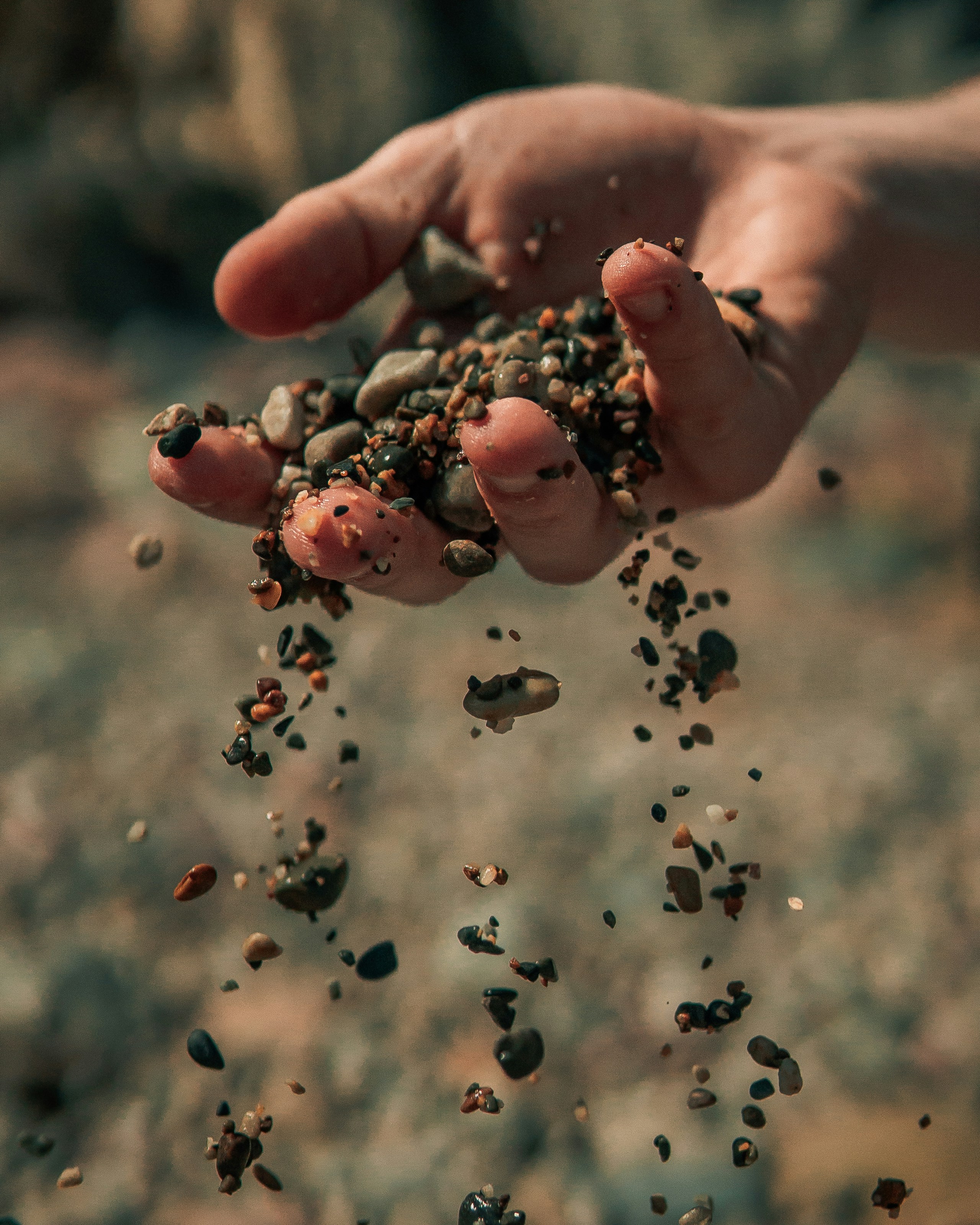
We started this journey by asking a simple question: What type of soil is ideal for growing bonsai trees? By now, you know the answer isn’t a single bag of dirt from the garden center. It’s a carefully engineered substrate designed to balance drainage, aeration, and water retention.
We’ve debunked the myth that “normal” poting soil works (spoiler: it doesn’t, and it kills trees). We’ve explored the Big Three—Akadama, Pumice, and Lava Rock—and how they form the backbone of every successful mix. We’ve even tackled the nuances of Kanuma for acid-lovers and the specific needs of Pre-Bonsai versus Refined Bonsai.
The Verdict:
If you are a beginner, start with the Classic 1:1:1 Mix (1 part Akadama, 1 part Pumice, 1 part Lava Rock). It is the most forgiving and versatile recipe for 90% of species.
- Positives: Balanced drainage, good nutrient retention, suitable for most climates.
- Negatives: Requires repoting every 2–3 years as the Akadama breaks down.
- Confident Recommendation: Go with the 1:1:1 mix. It eliminates the guesswork. Once you master watering with this mix, you can experiment with tweaking the ratios for specific species like Pines or Azaleas.
Remember the story of the Juniper that died from “brick soil”? That tragedy was avoidable. By switching to a particle-based substrate, you give your tree the oxygen it craves and the drainage it needs to thrive. The soil is the foundation; if the foundation is weak, the masterpiece cannot stand.
Final Thought: Don’t be afraid to adjust. If your tree looks thirsty, add more Akadama. If it looks waterlogged, add more Lava Rock. Bonsai is a dialogue between you and the tree, and the soil is the language you speak.
For more inspiration on how to display your newly potted masterpieces, visit our Bonsai Display and Aesthetics category.
🔗 Recommended Links
Ready to upgrade your bonsai game? Here are the specific products and resources we trust at Bonsai Garden™.
🛒 Essential Soil Components
- Akadama (Hard-Fired): The gold standard for water retention.
👉 Shop on Amazon: Hard-Fired Akadama Soil
Brand Official: Bonsai North America – Akadama - Pumice (Volcanic Rock): For infinite structure and aeration.
👉 Shop on Amazon: Pumice for Bonsai Soil
👉 Shop on Etsy: Hand-Sifted Pumice - Lava Rock (Scoria): For drainage and stability.
👉 Shop on Amazon: Black Lava Rock Bonsai
👉 Shop on Home Depot: Landscape Lava Rock - Kanuma (Acidic Clay): Essential for Azaleas and Camellias.
👉 Shop on Amazon: Kanuma Soil for Azaleas
📚 Recommended Books & Guides
- “Bonsai Soil: The Complete Guide” by Peter Warren: A deep dive into the science of substrates.
- Check Price on Amazon
- “The Bonsai Club” by John Naka: Classic techniques including soil management.
- Check Price on Amazon
🌿 Fertilizers & Accessories
- Biogold (Organic Fertilizer): Perfect for slow-release feeding inorganic soils.
👉 Shop on Amazon: Biogold Bonsai Fertilizer
Brand Official: Biogold USA - Hanagokoro (Solid Fertilizer): The Japanese standard for nutrient balance.
- Check Price on Amazon
❓ FAQ: Your Burning Soil Questions Answered
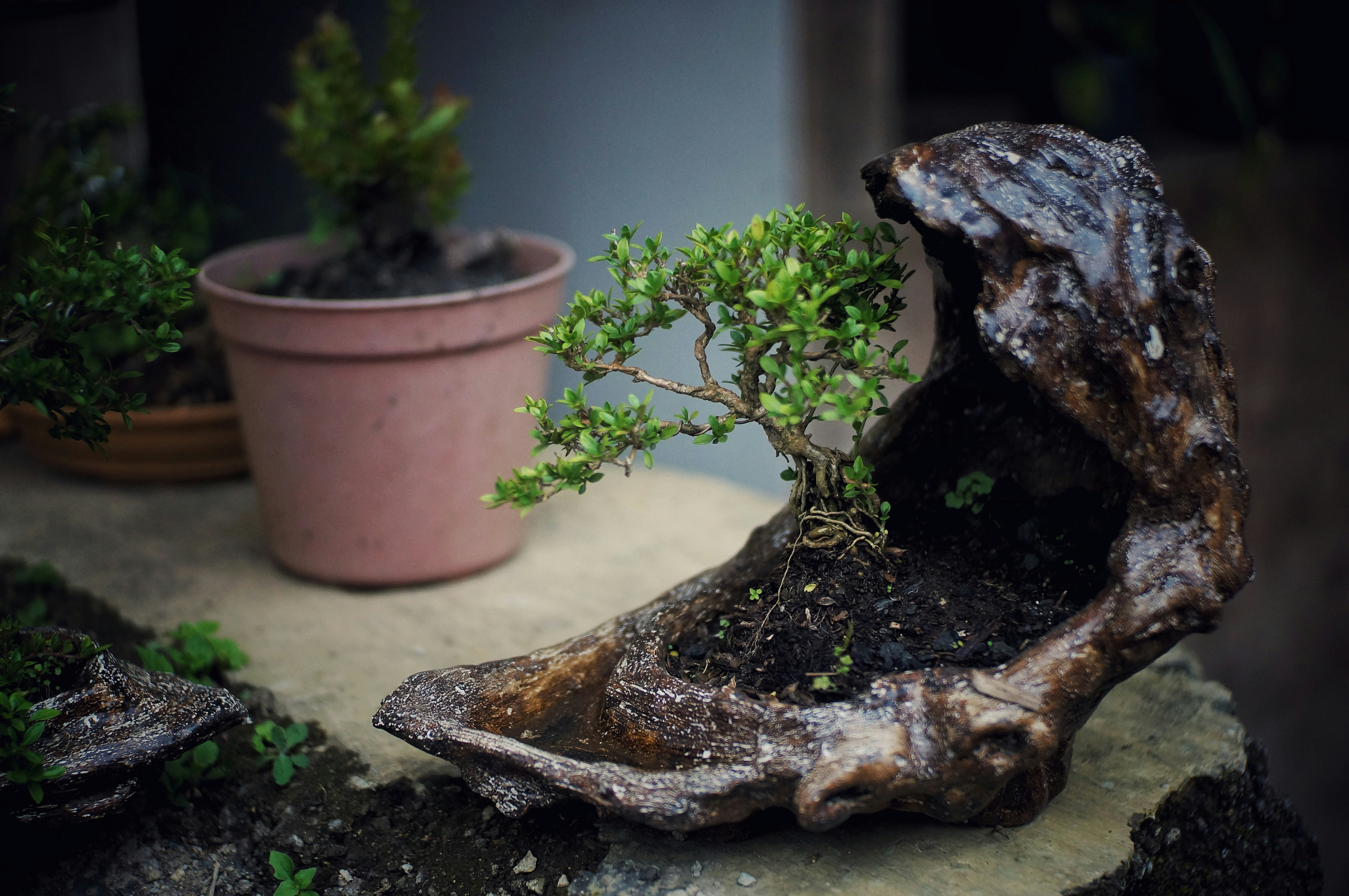
Are there specific soil mixes for different types of bonsai trees?
Yes, absolutely. While a “1:1:1” mix works for many, specific species have unique needs.
- Conifers (Pines/Junipers): Prefer fast-draining mixes with lower Akadama (30-40%) and more Lava/Pumice to prevent root rot.
- Deciduous (Maples/Elms): Thrive in balanced mixes (50-60% Akadama) that hold moderate moisture.
- Tropicals (Ficus/Jade): Need moisture-retentive mixes (50%+ Akadama) often with a touch of organic bark, especially when grown indoors.
- Acid-Lovers (Azaleas/Camellias): Require Kanuma or acidic peat-based mixes to maintain a low pH.
Read more about “🍣 The Ultimate Bonsai Garden Menu Guide (2026): Sushi, Steak & Secrets”
What role does pH level play in bonsai soil quality?
pH determines nutrient availability. Most bonsai trees prefer a slightly acidic to neutral pH (5.5–6.5). If the pH is too high (alkaline), trees like Azaleas cannot absorb iron, leading to chlorosis (yellowing leaves). If the pH is too low, other nutrients become locked out.
- Tip: Akadama and Pumice are generally neutral. Kanuma and Peat Moss are acidic. Lava Rock is neutral.
Read more about “How Long Does It Take to Grow a Bonsai Tree from Seed? ⏳ (2025)”
What drainage properties should bonsai soil have?
Bonsai soil must drain instantly. When you water the pot, water should flow out of the drainage holes within seconds. If water pools on the surface, the soil is too fine or compacted. Good drainage prevents root rot by ensuring oxygen can reach the roots.
Can I use regular garden soil for bonsai trees?
No. Garden soil is too fine and compacts easily in small pots, suffocating roots. It also introduces pests, diseases, and weeds. Always use a particle-based substrate specifically designed for bonsai.
Read more about “🌳 5+ Outdoor Bonsai Display Ideas for 2026: Turn Your Garden into a Living Gallery”
How does soil composition affect bonsai tree growth?
- High Akadama/Organic: Slows growth slightly but improves nutrient retention and water holding. Good for refined trees.
- High Inorganic (Pumice/Lava): Encourages rapid root growth and vigor. Ideal for pre-bonsai and young trees.
- Breakdown: As organic components break down, the soil becomes finer, which can eventually lead to compaction if not repotted.
Read more about “Mastering Bonsai Tree Fertilization and Health in 2026 🌿”
How does soil texture impact bonsai tree health?
Texture dictates the air-to-water ratio.
- Coarse Texture: High air, fast drainage. Prevents rot but risks drying out.
- Fine Texture: Low air, slow drainage. Risks root rot but holds moisture.
- Ideal: A mix of coarse particles (3-6mm) with minimal fines (dust) creates the perfect balance.
Read more about “9 Best Outdoor Bonsai Containers & Care Tips (2025) 🌳”
What soil pH is ideal for bonsai trees?
Most bonsai species thrive in a pH range of 5.5 to 6.5.
- Acidic (4.5–5.5): Required for Azaleas, Camellias, and some Maples.
- Neutral (6.5–7.0): Suitable for Pines, Junipers, and most tropicals.
Read more about “🌳 7 Secrets to Mastering the Clump Bonsai Style (2026)”
How often should bonsai soil be replaced or refreshed?
- Young/Pre-Bonsai: Every 1 year to encourage rapid growth.
- Mature/Refined: Every 2–4 years, depending on the species and pot size.
- Signs it’s time: Roots circling the pot, water draining too slowly, or the soil surface looking cracked and compacted.
How does soil pH impact bonsai tree health?
(See “What role does pH level play…”) Incorrect pH leads to nutrient lockout, causing stunted growth, yellowing leaves, and eventual death. Regular testing with a pH meter is recommended for acid-loving species.
Read more about “Fully Grown Bonsai Tree: 9 Secrets to Stunning Miniature Masterpieces (2025) 🌳”
What type of soil retains moisture but prevents root rot in bonsai?
The ideal balance is achieved with Akadama (for retention) mixed with Pumice and Lava Rock (for drainage). This combination holds water in the pores of the clay while the rocks ensure excess water drains away, preventing the “wet feet” that cause rot.
Read more about “🌲 15 Semi-Cascade Bonsai Secrets to Master the Han-Kengai Style (2026)”
What is the role of akadama in bonsai soil mix?
Akadama is the workhorse of bonsai soil. It provides:
- Water Retention: Holds moisture in its porous structure.
- Nutrient Holding: Has a high CEC (Cation Exchange Capacity), holding onto fertilizer.
- Structure: Breaks down slowly to provide organic matter over time.
Can I use regular poting soil for bonsai trees?
No. Regular poting soil contains peat moss and fine particles that compact in small pots, blocking air and water flow. This leads to root suffocation and rot. Always use a granular, inorganic-based mix.
Read more about “How Long Do Bonsai Trees Really Live? 🤯 …”
How does soil drainage affect bonsai tree growth?
Proper drainage ensures roots have access to oxygen. Without it, roots die and rot, stopping nutrient uptake. Good drainage also allows you to water more frequently, which can stimulate faster growth in young trees.
Read more about “Indoor Bonsai Gardening: 12 Expert Secrets for Thriving Trees 🌿 (2026)”
What are the best soil components for bonsai trees?
The “Big Three” are:
- Akadama: For water and nutrient retention.
- Pumice: For structure and aeration (does not break down).
- Lava Rock: For drainage and weight.
- Suplemental: Pine bark (for moisture), Charcoal (for bacteria control), and Kanuma (for acidity).
Read more about “Why Is Bonsai So Expensive? 🌳 7 Secrets Behind the Price (2026)”
📚 Reference Links
- Bonsai Empire: Bonsai Soil: Recommended Substrate Mixtures – A comprehensive guide on soil characteristics and mixtures.
- Bonsai Tonight: What Kind of Soil Should I Use for My Bonsai? – Detailed breakdown of species-specific mixes and development stages.
- Bonsai North America: Soil Components – Official source for high-quality Akadama, Pumice, and Lava.
- University of California Agriculture and Natural Resources: Root Rot in Container Plants – Scientific background on root rot and drainage.
- Royal Horticultural Society (RHS): Soil pH and Plant Health – Information on how pH affects nutrient availability.
- Biogold USA: Fertilizer Guide – Official resource for organic fertilizing in bonsai.