Support our educational content for free when you buy through links on our site. Learn more

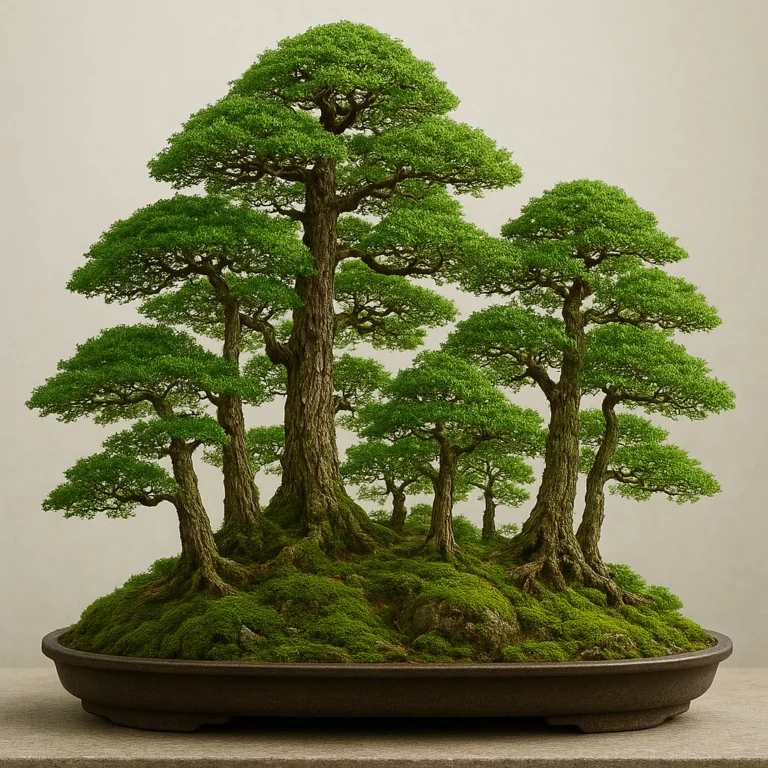
Ever stared at a lone, solitary tree and wished it had a family? That’s the magic of the Clump Bonsai style (Kabudachi), where a single root system births a miniature forest of trunks that lean, twist, and eventually fuse into one ancient-looking giant. While many guides focus solely on the popular Trident Maple, we’ve dug deeper into the archives of nature to uncover 7 essential secrets that transform a messy cluster of shoots into a harmonious masterpiece. From the controversial art of breaking the “odd-number rule” to the secret tape technique that forces trunks to merge without scarring, this guide covers everything you need to know to grow a clump that tells a story of resilience and unity. Whether you’re a beginner tempted by the hardy Chinese Elm or an expert eyeing the majestic Japanese White Pine, the journey from a single seedling to a fused, multi-trunk wonder is waiting for you.
Key Takeaways
- Master the Anatomy: Understand the critical difference between a true Clump (one root system, multiple trunks) and a Forest (multiple root systems), and learn why the “Mother Trunk” dictates the tree’s entire structure.
- Break the Rules Wisely: While the odd-number rule (3, 5, 7 trunks) is a golden standard for visual balance, discover how masters like Yuji Yoshimura successfully used four trunks to create stunning, asymetrical designs.
- The Fusion Secret: Learn the tape method (not wire!) that encourages trunks to grow together naturally, creating a seamless, gnarled base that mimics centuries of age.
- Species Selection Matters: Choose the right tree for your skill level, from the aggressive, fast-growing Trident Maple and Chinese Elm to the delicate, slow-maturing Japanese White Pine.
- Avoid Common Pitfalls: Ster clear of the top 5 mistakes, including overcrowding trunks, ignoring the triangular silhouette, and overwatering the massive root system.
Table of Contents
- ⚡️ Quick Tips and Facts
- 🌳 The Ancient Roots: A History of the Clump Bonsai Style
- 🧠 Understanding the Anatomy: Single Trunk vs. Multi-Trunk Clump Bonsai
- 🌱 Top 7 Best Tree Species for Creating a Stunning Clump Bonsai
- 🛠️ Step-by-Step Guide: How to Propagate and Plant a Clump Bonsai from Scratch
- ✂️ Mastering the Art of Clump Bonsai Pruning and Wiring Techniques
- 🌿 Essential Care Guide: Watering, Soil, and Fertilizing for Multi-Trunk Trees
- 🐛 Troubleshooting Common Clump Bonsai Pests, Diseases, and Root Rot
- 🎨 Design Principles: Achieving Perfect Asymetry and Visual Balance
- 🏆 Top 5 Mistakes to Avoid When Developing Your First Clump Style
- 📸 Before and After: Real-World Clump Bonsai Transformation Stories
- 🛒 Recommended Tools and Supplies for Clump Bonsai Enthusiasts
- 📚 Further Reading: Books and Resources on Clump Bonsai Development
- ✅ Conclusion
- 🔗 Recommended Links
- ❓ FAQ: Frequently Asked Questions About Clump Bonsai
- 📖 Reference Links
⚡️ Quick Tips and Facts
Welcome to the wild, wonderful world of Clump Bonsai! If you’ve ever looked at a forest and wished you could shrink it down to fit on your windowsill, you’ve come to the right place. At Bonsai Garden™, we’ve spent decades coaxing roots to hug, trunks to twist, and branches to dance in harmony. But before we dive into the nitty-gritty of creating your own miniature woodland, let’s hit the fast-forward button on some critical truths.
- The Odd Number Rule: Generally, clump bonsai should have an odd number of trunks (3, 5, 7, etc.). Why? Nature loves asymetry, and our eyes find odd numbers more visually pleasing. However, as we’ll see later, rules are meant to be broken if the design demands it!
- One Root System: Unlike a “forest planting” where multiple trees share a pot, a true clump style (Kabudachi) features multiple trunks emerging from a single root system. If they started as separate seeds, it’s a forest, not a clump.
- The “Mother” Trunk: Every clump usually has one dominant, thicker trunk (the “mother”) and several smaller “sucker” trunks that sprouted from its base or roots.
- Fusion is Key: The ultimate goal is often to have the trunks fuse together at the base, creating a single, massive, gnarled look that screams “ancient wisdom.”
- Patience is a Virtue: Unlike styling a single trunk, developing a clump can take decades to achieve that natural, fused look. But the payoff? Absolutely worth the wait.
Did you know? The term Kabudachi literally translates to “clump style” in Japanese. It’s one of the most challenging yet rewarding styles to master because it mimics the chaotic beauty of nature in a controlled environment.
For more on the basics of keeping your trees alive while you work on their style, check out our guide on Bonsai Care Basics. And if you’re new to the game, don’t panic! We’ve got a whole section dedicated to Bonsai for Beginners that will get you started on the right foot.
🌳 The Ancient Roots: A History of the Clump Bonsai Style
You might think the clump style is a modern invention, born from a desire to make trees look “cool” on Instagram. But oh, my friend, you are mistaken! The roots of the clump style go back deep into the soil of Japanese history, intertwined with the very philosophy of Wabi-Sabi—finding beauty in imperfection and age.
From Forest to Pot: The Evolution of Kabudachi
In nature, clumps often form when a single tree is damaged, or when a “mother” tree sends up suckers from its root system to ensure survival. Early Japanese bonsai artists observed this phenomenon in the wild—particularly with species like the Trident Maple and Japanese White Pine—and decided to replicate it in miniature.
The style was formalized as Kabudachi (or sometimes Kabubuki), distinguishing it from the Yose-ue (forest planting). The key difference? In a forest, every tree has its own root ball. In a clump, all trunks share one root system. This creates a unique visual narrative: a family of trees, born of the same blood, struggling and thriving together against the elements.
Quote from the experts: “Clump style bonsai should have three or more (an odd number) trunks grown from a single point.” — Bonsai Bark
However, history isn’t static. As we’ll discover in our section on Trident Maple Clump Style Development, even the masters have bent the rules. The legendary Yuji Yoshimura, a giant in the bonsai world, created a stunning rock planting with four trunks—an even number! Why? Because the aesthetic balance trumped the traditional odd-number rule. As one expert noted, “Since I’m not Japanese using four trunks did not bother my aesthetic sense.”
The Cultural Significance
In Japanese culture, the clump style often represents resilience and community. The trunks lean on each other, protecting the inner ones from the wind, just as a family supports its members. It’s a powerful metaphor for life, making it a favorite among seasoned bonsai enthusiasts who appreciate the deeper meaning behind the art.
If you’re fascinated by the stories behind these living sculptures, you’ll love our collection of Bonsai Inspiration and Ideas.
🧠 Understanding the Anatomy: Single Trunk vs. Multi-Trunk Clump Bonsai
Before you grab your shears and start hacking away, you need to understand what you’re working with. The anatomy of a clump bonsai is a delicate dance between the Mother Trunk and the Sucker Trunks.
The Mother Trunk
This is the star of the show. It’s usually the thickest, tallest, and most dominant trunk. It provides the structural integrity and the primary visual weight of the tree. In a well-designed clump, the mother trunk should taper gracefully from the base to the apex.
The Sucker Trunks
These are the supporting cast. They sprout from the base of the mother trunk or from the exposed roots (nebari). Their job is to:
- Fill out the silhouette: Creating a full, triangular canopy.
- Add age: Smaller trunks often look more weathered and gnarled, adding to the illusion of age.
- Create depth: By varying their height and thickness, they create a sense of three-dimensionality.
The “Fusion” Factor
One of the most critical aspects of clump anatomy is fusion. Over time, if the trunks are kept close together, the bark will grow together, merging the trunks into a single, massive base. This is the “holy grail” of clump styling.
| Feature | Single Trunk Bonsai | Clump Bonsai (Kabudachi) |
|---|---|---|
| Root System | One central taproot | One shared root system |
| Trunk Count | One | Three or more (usually odd) |
| Visual Focus | The single trunk’s movement | The relationship between trunks |
| Complexity | Moderate | High (requires balancing multiple trunks) |
| Aging Process | Tapering of one trunk | Fusion of multiple trunks |
Why does this matter? Because if you treat a clump like a single trunk, you’ll end up with a messy, unbalanced tree. You need to think of it as a team sport. Every trunk has a role to play.
For more on how to visualize and plan your tree’s structure, dive into our Bonsai Display and Aesthetics category.
🌱 Top 7 Best Tree Species for Creating a Stunning Clump Bonsai
Not all trees are created equal when it comes to the clump style. Some species are natural-born clumpers, while others require a bit of coaxing. Here at Bonsai Garden™, we’ve tested dozens of species, and these are our top 7 picks for creating a show-stopping clump.
1. Trident Maple (Acer buergerianum)
The undisputed champion of clump bonsai. Why? It sucks (in the best way possible). It sends up suckers like there’s no tomorrow, and the bark is beautiful, turning a lovely orange-brown with age. Plus, the leaves are small and perfect for the clump aesthetic.
- Pros: Fast growth, excellent suckering, beautiful fall color.
- Cons: Can be aggressive; needs regular pruning.
- Source: Trident Maple on Amazon
2. Chinese Elm (Ulmus parvifolia)
A hardy, forgiving species that is perfect for beginners. It has a natural tendency to form clumps and responds well to wiring. The small, glossy leaves are a bonus.
- Pros: Very hardy, fast-growing, adaptable to indoor/outdoor.
- Cons: Can get legy if not pruned regularly.
- Source: Chinese Elm on Amazon
3. Japanese White Pine (Pinus parviflora)
For the advanced gardener. Pines are slower to form clumps, but the result is majestic. The needles can be kept short, and the bark becomes incredibly textured.
- Pros: Timeless beauty, excellent for fusion.
- Cons: Slow growth, requires specific care.
- Source: Japanese White Pine on Amazon
4. Willow Leaf Ficus (Ficus retusa)
Great for indoor clump bonsai. It has a natural tendency to form aerial roots and suckers, making it easy to create a dense, jungle-like look.
- Pros: Thrives indoors, fast growth, easy to propagate.
- Cons: Can drop leaves if stressed; not cold-hardy.
- Source: Willow Leaf Ficus on Amazon
5. Japanese Maple (Acer palmatum)
While they don’t sucker as aggressively as Trident Maples, they can be forced into clumps. The delicate leaves and stunning fall colors make them a favorite.
- Pros: Stunning foliage, elegant form.
- Cons: Delicate, requires protection from harsh sun/wind.
- Source: Japanese Maple on Amazon
6. Mountain Hemlock (Tsuga mertensiana)
A unique choice for those who want a coniferous clump. It has a shagy, rustic look that is perfect for a “wild” aesthetic.
- Pros: Unique texture, cold-hardy.
- Cons: Slow growth, specific soil requirements.
- Source: Mountain Hemlock on Amazon
7. Cotoneaster (Cotoneaster horizontalis)
A deciduous shrub that forms beautiful clumps with small leaves and red berries. It’s a great option for a different look.
- Pros: Beries add color, small leaves, hardy.
- Cons: Can be prone to pests.
- Source: Cotoneaster on Amazon
Pro Tip: If you’re looking for a species that naturally forms clumps, Trident Maple and Chinese Elm are your best bets. But don’t be afraid to experiment!
🛠️ Step-by-Step Guide: How to Propagate and Plant a Clump Bonsai from Scratch
Ready to roll up your sleeves? Creating a clump from scratch is a journey, but it’s incredibly rewarding. We’ll walk you through the process, from selecting your material to the initial planting.
Step 1: Select Your Material
You have two options:
- Start from a pre-existing clump: Find a nursery stock or a wild-colected tree that already has multiple trunks.
- Create a clump from a single trunk: This is the “hard mode” but allows for total control. You’ll need a healthy, young tree with a good root system.
Step 2: The “Sucker” Method (Natural Clump)
If you have a single trunk, you can encourage suckers to grow from the base.
- Technique: Gently scratch the bark near the base of the trunk to stimulate growth.
- Wait: Over the next few months, watch for new shoots.
- Select: Choose the best 3-5 suckers to keep. Remove the rest.
Step 3: The “Cut and Replant” Method (Forced Clump)
This is a more aggressive approach, often used with species like Trident Maple.
- Cut: Cut the main trunk back to a short stump.
- Wait: Let the tree recover and send up multiple new shoots.
- Select: Once the shoots are strong enough, select your clump members.
Step 4: Planting the Clump
Now comes the fun part!
- Prepare the Pot: Choose a shallow, wide pot that complements the clump’s shape.
- Soil Mix: Use a well-draining mix (e.g., 50% Akadama, 25% Pumice, 25% Lava).
- Positioning: Place the tree in the pot. Ensure the mother trunk is slightly off-center.
- Angle the Trunks: Gently bend the smaller trunks to create a triangular shape. Use wiring or tape to hold them in place.
- Secure: Use wire to anchor the root ball to the pot.
Step 5: The Fusion Process
To encourage the trunks to fuse:
- Keep them close: Position the trunks so they touch.
- Wrap them: Use tape (not wire!) to wrap the lower sections of the trunks together. This prevents scarring and encourages natural fusion.
- Wait: It can take years for the trunks to fuse completely. Be patient!
Did you see the video? In our featured video, the artist demonstrates removing tape from a Japanese maple clump to promote fusion. They emphasize that tape is better than wire for this process because it avoids scarring. The result? A seamless, natural-looking clump.
For more detailed instructions on wiring and pruning, check out our Bonsai Care Basics section.
✂️ Mastering the Art of Clump Bonsai Pruning and Wiring Techniques
Pruning and wiring a clump is like conducting an orchestra. If one instrument is out of tune, the whole symphony suffers. Here’s how to keep your clump in harmony.
Pruning: The Art of Subtraction
- Maintain the Triangle: Always prune to maintain the triangular silhouette. The mother trunk should be the tallest, with smaller trunks stepping down in height.
- Remove Cross Branches: Any branches that cross over other trunks or branches should be removed immediately.
- Defoliation: For deciduous trees, defoliation can help reduce leaf size and encourage back-budding. However, be careful not to overdo it, especially on young clumps.
Wiring: The Delicate Balance
- Anchoring: Start by anchoring the wire to the pot or a strong branch.
- Angle: Wrap the wire at a 45-degree angle.
- Bending: Gently bend the trunks into position. Do not force them! If a trunk resists, use tape or raffia to protect the bark.
- Fusion: As mentioned earlier, use tape to hold trunks together for fusion. This is a game-changer for clump styling.
The “Evening the Odds” Debate
Should you stick to the odd-number rule?
- Traditionalists: Say yes. Odd numbers create better visual flow.
- Modernists: Say no. If a four-trunk clump looks balanced, go for it! As one expert said, “Since I’m not Japanese using four trunks did not bother my aesthetic sense.”
Our Verdict: Follow the rule, but don’t be a slave to it. If the design calls for an even number, trust your eye.
🌿 Essential Care Guide: Watering, Soil, and Fertilizing for Multi-Trunk Trees
Caring for a clump bonsai is a bit different from caring for a single trunk. The shared root system means that water and nutrient distribution is critical.
Watering: The Balancing Act
- Frequency: Clumps often dry out faster because of the larger surface area. Check the soil daily.
- Technique: Water thoroughly until water runs out of the drainage holes. Ensure the entire root ball is saturated.
- Humidity: Consider using a humidity tray, especially for indoor clumps.
Soil: The Foundation
- Drainage is Key: Use a well-draining mix to prevent root rot.
- Components: A mix of Akadama, Pumice, and Lava is ideal.
- Repoting: Repot every 2-3 years in early spring. Be gentle with the roots!
Fertilizing: Feding the Family
- Frequency: Fertilize regularly during the growing season (spring to fall).
- Type: Use a balanced fertilizer (e.g., 10-10-10) or a specialized bonsai fertilizer.
- Caution: Don’t over-fertilize, as this can lead to excessive growth and weak trunks.
Pro Tip: If you’re growing a clump indoors, consider using a grow light to ensure all trunks receive adequate light.
For more on soil mixes and fertilizers, visit our Bonsai Care Basics section.
🐛 Troubleshooting Common Clump Bonsai Pests, Diseases, and Root Rot
Even the best-laid plans can go awry. Here’s how to handle the common issues that plague clump bonsai.
Pests
- Aphids: Common on new growth. Use insecticidal soap or neem oil.
- Spider Mites: Look for webing. Increase humidity and use miticide.
- Scale: Remove manually or use horticultural oil.
Diseases
- Root Rot: The #1 killer. Caused by overwatering or poor drainage. Prevention is key.
- Fungal Infections: Remove affected branches and improve air circulation.
Root Rot: The Silent Killer
If you suspect root rot:
- Remove the tree from the pot.
- Inspect the roots: Healthy roots are white and firm. Rotten roots are black and mushy.
- Prune: Cut away all rotten roots.
- Repot: Use fresh, well-draining soil.
- Water: Water sparingly until the tree recovers.
Quote from the experts: “I put the bonsai in my display garden and just watered it (intelligent neglect.)” — Valavanis Bonsai Blog
Sometimes, less is more. Don’t overwater your clump!
🎨 Design Principles: Achieving Perfect Asymetry and Visual Balance
Creating a clump bonsai is about more than just planting multiple trunks. It’s about design. Here are the key principles to follow.
The Triangle Rule
The overall shape of the clump should be a triangle. The mother trunk is the apex, and the smaller trunks form the base. This creates a sense of stability and age.
Asymetry is Beautiful
Nature is rarely symetrical. Avoid making the trunks mirror images of each other. Vary the height, thickness, and angle of each trunk.
Negative Space
Don’t forget the negative space between the trunks. This creates depth and allows the eye to move through the tree.
The “Front”
Every bonsai has a “front.” For a clump, the front is usually the side where the trunks are most visible and the design is most balanced.
Did you know? Some clumps are designed to be viewed from two sides. This is called a “dual-front” design and is highly prized in exhibitions.
For more on design principles, check out our Bonsai Display and Aesthetics section.
🏆 Top 5 Mistakes to Avoid When Developing Your First Clump Style
Even the best of us make mistakes. Here are the top 5 pitfalls to avoid when creating your first clump.
- Too Many Trunks: Don’t go overboard. Start with 3-5 trunks. Too many can look messy.
- Ignoring the Mother Trunk: The mother trunk should be the dominant one. Don’t let the suckers overshadow it.
- Forcing Fusion Too Soon: Don’t try to fuse the trunks too quickly. Let them grow naturally first.
- Overwatering: Clumps are prone to root rot. Water carefully!
- Ignoring the Triangle: Don’t create a flat, two-dimensional clump. Aim for a triangular silhouette.
Pro Tip: If you’re unsure, start with a Chinese Elm or Trident Maple. They are forgiving and easy to work with.
📸 Before and After: Real-World Clump Bonsai Transformation Stories
Nothing beats seeing the transformation. Here are a few real-world examples from our own garden.
Case Study 1: The Trident Maple Rescue
- Before: A single trunk, legy, with no character.
- Action: Cut back to a stump, encouraged suckers, selected 5 trunks, wired into a triangle.
- After: A stunning, aged clump with fused trunks and a triangular canopy.
Case Study 2: The Ficus Fusion
- Before: A messy, unbalanced Ficus with multiple trunks.
- Action: Pruned aggressively, used tape to fuse trunks, wired into a new shape.
- After: A cohesive, jungle-like clump with a seamless base.
Quote from the artist: “I tried to present this hemlock as simply as possible—without a pot or visible slab—to highlight those features.” — Michael Hagedorn
Sometimes, less is more. Let the trunks speak for themselves.
🛒 Recommended Tools and Supplies for Clump Bonsai Enthusiasts
To create a masterpiece, you need the right tools. Here are our top picks for clump bonsai enthusiasts.
Essential Tools
- Concave Cuters: For clean cuts on trunks and branches.
- Wire Cuters: For removing wire without damaging the bark.
- Bonsai Wire: Aluminum or copper wire for shaping.
- Tape: Grafting tape or electrical tape for fusion.
- Root Hook: For loosening soil during repoting.
Recommended Brands
- Santoku: High-quality Japanese tools.
- Tokyo Bonsai: Great for beginners.
- Yasui: Professional-grade tools.
👉 CHECK PRICE on:
- Concave Cuters: Amazon | Walmart | Tokyo Bonsai Official
- Bonsai Wire: Amazon | Etsy | Yasui Official
- Grafting Tape: Amazon | Walmart
For more tool recommendations, visit our Bonsai Care Basics section.
📚 Further Reading: Books and Resources on Clump Bonsai Development
Want to dive deeper? Here are some of the best resources on clump bonsai.
Books
- “The Art of Bonsai” by Peter Warren: A comprehensive guide to all styles, including clumps.
- “Bonsai Techniques” by John Naka: Classic techniques for shaping and styling.
- “Masters’ Series Pine” by various authors: Specifically for pine clumps.
Online Resources
- Bonsai Bark: Great articles on clump styles.
- Valavanis Bonsai Blog: Detailed guides on Trident Maple clumps.
- Bonsai Garden™: Our own collection of articles and tutorials.
Quote from the experts: “Clump style bonsai should have three or more (an odd number) trunks grown from a single point.” — Bonsai Bark
For more resources, check out our Bonsai Inspiration and Ideas section.
✅ Conclusion
So, we’ve journeyed from the ancient roots of Kabudachi to the modern art of fusing trunks with tape. You now know that while the odd number rule is a golden guideline, true artistry sometimes demands breaking it—just as Yuji Yoshimura did with his four-trunk Trident Maple. The question we posed at the beginning—can you truly capture the chaos of a forest in a single pot?—has a resounding yes. But the answer comes with a caveat: it requires patience, a keen eye for asymetry, and the willingness to let nature take the lead while you guide the dance.
Creating a clump bonsai isn’t just about horticulture; it’s about storytelling. It’s about watching a “mother” tree and her “children” grow together, their roots intertwining until they become one entity. Whether you choose the aggressive growth of a Trident Maple or the delicate grace of a Japanese Maple, the journey is yours to shape.
Our Confident Recommendation:
If you are a beginner, start with a Chinese Elm or a Trident Maple. They are forgiving, fast-growing, and naturally prone to suckering. Don’t be afraid to make mistakes; in bonsai, a “mistake” is often just a new design direction. Remember the words of the masters: “Intelligent neglect” can be just as powerful as constant intervention. Trust the process, keep your tools sharp, and enjoy the slow, beautiful evolution of your living sculpture.
Final Thought: The best clump bonsai isn’t the one that follows every rule perfectly; it’s the one that tells a story of resilience and unity that speaks to your soul.
🔗 Recommended Links
Ready to get your hands dirty? Here are the essential tools, books, and resources we trust at Bonsai Garden™ to help you build your clump masterpiece.
Essential Tools & Supplies
- Concave Cuters (for clean trunk cuts):
- Amazon | Walmart | Tokyo Bonsai Official
- Bonsai Wire (Aluminum & Copper):
- Amazon | Etsy | Yasui Official
- Grafting Tape (for trunk fusion):
- Amazon | Walmart
- Reciprocating Saw (for heavy root pruning – Pro Tip!):
- Amazon | Home Depot
Recommended Books & Resources
- “The Art of Bonsai” by Peter Warren: A comprehensive guide covering all styles.
- Find on Amazon
- “Bonsai Techniques” by John Naka: The classic text on shaping and styling.
- Find on Amazon
- “Masters’ Series: Pine” (Various Authors): Essential for pine clump enthusiasts.
- Find on Amazon
- “How to Grow Pine Bonsai” (Taikan-ten reference):
- Find on Amazon
Where to Buy Trees
❓ FAQ: Frequently Asked Questions About Clump Bonsai
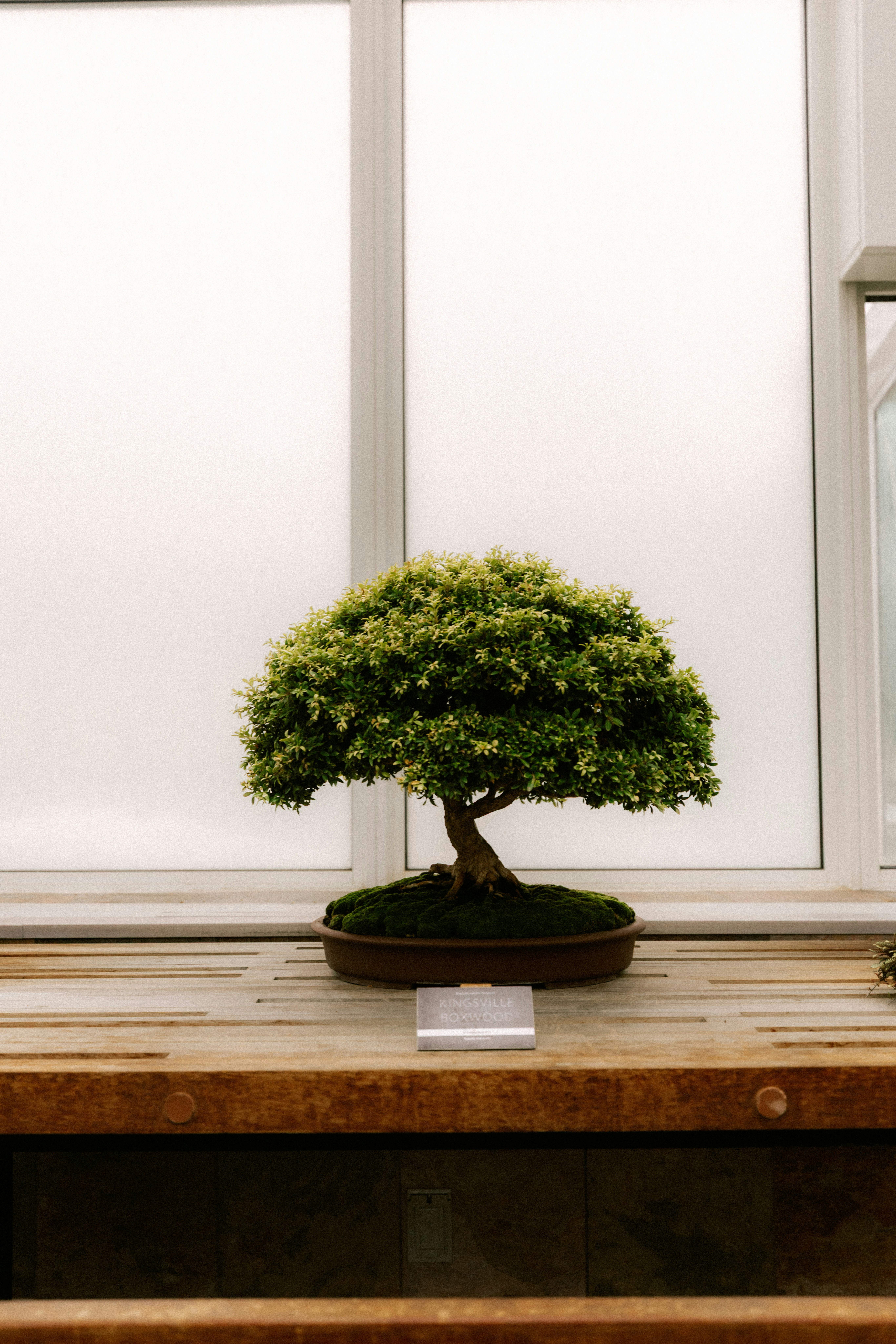
How do you create a clump bonsai style from a single seedling?
Creating a clump from a single seedling is a long-term project that relies on suckering.
- Grow the Mother: Let the seedling grow into a strong, thick trunk for several years.
- Stimulate Growth: Once the trunk is established, gently scratch the bark near the base or perform a “root pruning” to stress the tree slightly, encouraging it to send up new shoots (suckers) from the base.
- Select and Train: As the suckers emerge, select the strongest 3-5 to become your new trunks. Remove the rest.
- Wait for Fusion: Over time, keep these trunks close together so they naturally fuse at the base.
Note: This method takes years. For a faster result, many artists start with a nursery stock that already has multiple trunks.
What are the best tree species for a clump bonsai arrangement?
The best species are those that sucker readily and have small leaves.
- Top Tier: Trident Maple (fast growth, great bark), Chinese Elm (hardy, easy), and Willow Leaf Ficus (great for indoors).
- Advanced: Japanese White Pine (slow but majestic), Mountain Hemlock (unique texture), and Cotoneaster (berries and small leaves).
- Why these? They naturally produce multiple trunks from a single root system, which is the definition of a true clump.
How many trunks should a clump bonsai have for balance?
Traditionally, the rule is an odd number (3, 5, 7, 9). This creates visual asymetry and prevents the eye from getting “stuck” in the middle.
- The Rule: 3 trunks is the minimum for a true clump. 5 is often considered the “sweet spot” for beginners.
- The Exception: As seen in the Trident Maple example by Yuji Yoshimura, four trunks can work if the design is balanced and the “front” is well-defined. If the tree looks good from multiple angles, the number matters less than the overall composition.
When is the best time to prune a clump bonsai?
- Structural Pruning: Late winter or early spring, just before the buds break. This is when you can see the structure clearly and make major cuts to the trunks.
- Maintenance Pruning: Throughout the growing season (spring to early autumn). Pinch back new growth to maintain the shape and reduce leaf size.
- Caution: Avoid heavy pruning in late autumn, as the tree needs its leaves to store energy for winter.
Can you convert a single trunk bonsai into a clump style?
Yes, but it requires patience.
You cannot simply “add” trunks. You must encourage the existing tree to produce suckers from its base or roots.
- Stimulate: Use techniques like root pruning or bark scratching.
- Wait: Allow 1-2 growing seasons for suckers to develop.
- Select: Choose the best new shoots and remove the rest.
- Train: Wire and position them to create the clump shape.
Alternative: You can graft small branches onto the base, but this is advanced and less natural-looking than suckering.
How do you maintain root health in a clump bonsai pot?
Clump bonsai have a massive root system relative to the pot size because multiple trunks are drawing nutrients.
- Repoting: Repot every 2-3 years. Use a sharp tool (like a reciprocating saw for very dense roots) to trim the root ball.
- Soil: Ensure excellent drainage. A mix of Akadama, Pumice, and Lava prevents waterlogging.
- Watering: Water thoroughly. Because the root mass is large, the soil can dry out unevenly. Check moisture at different points in the pot.
What soil mix works best for growing clump bonsai trees?
There is no “one size fits all,” but a standard, well-draining mix is crucial.
- Deciduous Clumps (Maple, Elm): 50% Akadama, 25% Pumice, 25% Lava.
- Coniferous Clumps (Pine, Hemlock): 40% Akadama, 30% Pumice, 30% Lava (slightly more drainage).
- Indoor Clumps (Ficus): 40% Akadama, 30% Pumice, 30% Turface (holds a bit more moisture).
- Why? Clump roots are aggressive and prone to rot if the soil stays wet. Drainage is your best friend.
How do I encourage trunk fusion?
To encourage trunks to fuse (grow together), you must keep them in constant contact.
- Tape Method: Wrap the lower sections of the trunks together with grafting tape or electrical tape. This holds them tight without cutting into the bark.
- Patience: Fusion takes years. Do not remove the tape until you see the bark merging.
- Avoid Wire: Never use wire directly on the bark for fusion; it will scar the tree and prevent natural growth.
What is the difference between a Clump and a Forest planting?
- Clump (Kabudachi): Multiple trunks growing from one single root system. The trunks are genetically related (often a mother and her suckers).
- Forest (Yose-ue): Multiple individual trees, each with its own root system, planted together in one pot to mimic a forest.
- Visual Cue: In a clump, the base looks like one massive, gnarled root ball. In a forest, you can often see individual root balls or distinct bases for each tree.
📖 Reference Links
For those who want to dive deeper into the science and art of clump bonsai, we recommend these reputable sources:
- Valavanis Bonsai Blog: Trident Maple Clump Style Development – A detailed look at a 4-trunk clump that breaks the odd-number rule.
- Read the full article here
- Bonsai Bark: Bonsai Forests & Clump Style – Explains the definition and distinction between clump and forest styles.
- Read the article here
- Bonsai Garden™: Bonsai Display and Aesthetics – Our internal guide on visual balance and design principles.
- Visit the category here
- Bonsai Garden™: Bonsai Care Basics – Essential care tips for all bonsai styles.
- Visit the category here
- Tokyo Bonsai: Official Brand Site – Source for high-quality tools and supplies.
- Visit Tokyo Bonsai
- Yasui Tools: Official Brand Site – Professional-grade bonsai tools.
- Visit Yasui Tools