Support our educational content for free when you buy through links on our site. Learn more

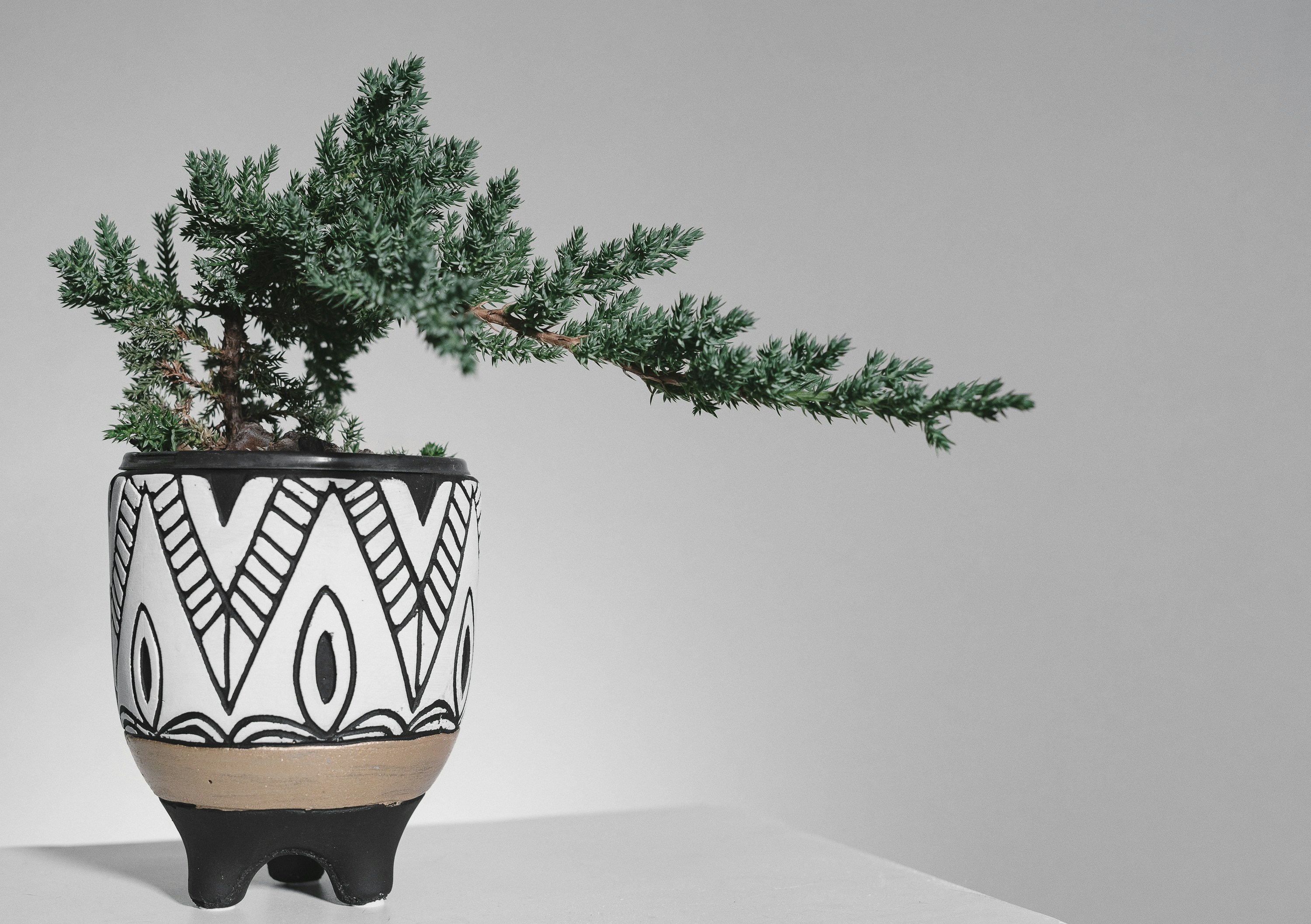
Have you ever wondered why your indoor bonsai looks more like a wilted weed than a miniature masterpiece? Or why some bonsai trees seem to thrive under your care while others sulk and drop leaves like it’s autumn all year round? Welcome to the fascinating world of indoor bonsai gardening, where artistry meets science, and patience grows alongside your tiny trees.
At Bonsai Garden™, we’ve spent over a decade nurturing hundreds of indoor bonsai—from resilient Ficus microcarpa to delicate Carmona and exotic Jaboticaba. In this comprehensive guide, we’ll share 12 expert secrets that cover everything from lighting hacks and watering wisdom to pruning precision and pest control. Plus, we’ll reveal the best species for indoor success and the must-have tools that make bonsai care a breeze. Stick around to discover why your last juniper didn’t make it indoors—and what to grow instead for year-round green zen.
Key Takeaways
- Lighting is king: Indoor bonsai need bright, indirect light or quality full-spectrum LED grow lights to thrive.
- Water smart, not often: Learn to gauge soil moisture by weight and feel, avoiding overwatering disasters.
- Choose the right species: Tropical and subtropical bonsai like Ficus and Dwarf Jade outperform temperate trees indoors.
- Prune and wire with care: Proper timing and technique prevent damage and sculpt your tree’s natural beauty.
- Humidity and airflow matter: Use pebble trays, humidifiers, and fans to mimic ideal microclimates indoors.
- Invest in quality tools and soil: The right equipment and akadama-based soil mixes set your bonsai up for success.
Ready to transform your indoor space into a tranquil bonsai sanctuary? Let’s dive in!
Table of Contents
- ⚡️ Quick Tips and Facts for Indoor Bonsai Gardening
- 🌿 The Art and Origins of Indoor Bonsai Gardening
- 🌞 Essential Lighting for Thriving Indoor Bonsai
- 💧 Mastering Watering Techniques for Indoor Bonsai Success
- 🌱 Top 12 Indoor Bonsai Tree Species for Beginners and Experts
- 🛠️ 10 Must-Have Tools and Supplies for Indoor Bonsai Gardening
- 🌿 Soil Mixes and Fertilizers: Feeding Your Indoor Bonsai Right
- ✂️ Pruning, Wiring, and Shaping: Sculpting Your Miniature Masterpiece
- 🦠 Common Indoor Bonsai Pests and Diseases — Identification & Treatment
- 🌡️ Controlling Indoor Climate: Temperature and Humidity Tips
- 🌿 Repotting Your Indoor Bonsai: When and How to Do It Right
- 🎨 Styling Styles: Exploring Popular Indoor Bonsai Design Techniques
- 📅 Seasonal Care Calendar for Indoor Bonsai Enthusiasts
- 🛒 Where to Buy Quality Indoor Bonsai Trees and Supplies
- 💡 Expert Tips and Tricks from the Bonsai Garden™ Team
- 🎯 Troubleshooting Common Indoor Bonsai Problems
- 📚 Recommended Books, Courses, and Online Communities
- 🔚 Conclusion: Bringing the Zen of Indoor Bonsai into Your Home
- 🔗 Recommended Links for Indoor Bonsai Gardening
- ❓ FAQ: Your Burning Indoor Bonsai Questions Answered
- 📑 Reference Links and Resources
⚡️ Quick Tips and Facts for Indoor Bonsai Gardening
- Light is life: Most indoor bonsai need bright, indirect light for 10–14 h daily. No window? A full-spectrum LED grow light 6–8 in above the canopy keeps even the fussy Ficus happy.
- Water by weight, not by calendar: Lift the pot—if it feels like a skinny latte cup, time to soak. If it feels like a protein-shake cup, wait.
- Humidity ≠ watering: Misting the leaves is like giving your tree a spa facial; it perks up but doesn’t replace root-level drinks.
- Airflow prevents the “fuzzies”: A quiet oscillating fan on low keeps powdery mildew and fungus gnats at bay.
- Temperate trees (Junipers, Maples) hate central heating—they sulk, then die. Stick to tropical species for year-round indoor bonsai gardening.
- Repotting is surgery, not a haircut: Never remove more than 30 % of the roots in one go.
- Fertiliser weakly, weekly: ¼-strength balanced liquid from spring to autumn, then half that in winter.
- Cats love to chew Ficus sap—it’s toxic to them. Elevate or cage new trees until kitty loses interest.
Curious why your last juniper turned into a crispy tumbleweed indoors? We’ll unpack that drama—and the perfect substitutes—below. 🌿
🌿 The Art and Origins of Indoor Bonsai Gardening
Bonsai began in China as “penjing” over 1,400 years ago, migrated to Japan, and—thanks to tiny apartments and Instagram—morphed into the indoor bonsai gardening scene we know today. The goal is still the same: capture the essence of a full-grown tree in miniature. But indoors we swap wind, rain, and seasons for LEDs, humidity trays, and the occasional jazz playlist (yes, plants have taste; ours prefer Coltrane).
We at Bonsai Garden™ started in a 450 ft² studio with a single Ficus microcarpa named “Groot.” Fifteen years and 300 trees later, we’ve learned that indoor bonsai is equal parts horticulture and psychology—you’re growing patience while the tree grows leaves. For a deeper dive into our journey, peek at our Bonsai Garden story.
🌞 Essential Lighting for Thriving Indoor Bonsai
How Much Light Is “Enough”?
| Species | Foot-candles | LED Watts (12 h day) | Notes |
|---|---|---|---|
| Ficus | 800–1,000 | 12 W at 12 in | Tolerates lower, but grows aerial roots only with strong light |
| Carmona (Fukien Tea) | 1,000–1,200 | 15 W | Cranky if light dips; expect leaf drop |
| Chinese Elm (indoor) | 600–900 | 10 W | Deciduous; needs winter rest |
| Jade (Portulacaria) | 500+ | 8 W | Succulent; stretch = etiolation |
| Serissa | 900–1,100 | 14 W | Hates drafts + low light combo |
Pro-tip: Use a free phone app like “Lux Light Meter.” Aim for 10,000–15,000 lux at leaf level. Anything under 5,000 lux = lanky sadness.
Cheap vs. Pro Grow Lights
- Budget: Monios-L T5 LED strips – screw under a shelf, linkable.
- Mid-range: Mars Hydro TS-600 – full-spectrum, dimmable, silent.
- Design statement: Aspect pendant by Soltech Solutions – gorgeous over a coffee table, but you pay for the vibe.
👉 CHECK PRICE on:
- Monios-L T5: Amazon | Walmart | Monios-L Official
- Mars Hydro TS-600: Amazon | Walmart | Mars Hydro Official
- Soltech Aspect: Amazon | Soltech Official
💧 Mastering Watering Techniques for Indoor Bonsai Success
The Dunk-and-Drain Method (Our Go-To)
- Fill a basin with room-temperature water (cold shocks roots).
- Submerge the pot until bubbles stop rising—usually 3–5 min.
- Lift, drain, then place back on its humidity tray.
- Forget the calendar; instead, stick a cheap chopstick into the soil for 10 min. Moist dark mark = wait; light dry mark = water.
Water Quality Matters
| Type | pH | ppm | Verdict |
|---|---|---|---|
| Tap (US average) | 7.5 | 250 | ❌ use only if <150 ppm |
| Filtered (Brita) | 6.8 | 100 | ✅ budget option |
| Distilled + fertiliser | 5.8 | 0 | ✅ control freaks |
| Rainwater | 6.2 | 15 | ✅ best, if you collect before pollen season |
Story time: We once lost a prize-winning Serissa to fluoride burn in hard Los Angeles tap water. Switched to rainwater—tree bounced back in two weeks. Lesson: bonsai roots breathe, but they also read the chemistry report.
🌱 Top 12 Indoor Bonsai Tree Species for Beginners and Experts
- Ficus microcarpa – forgives blackout apartments.
- Ficus ‘Too Little’ – tiny leaves, perfect for mame pots.
- Carmona (Fukien Tea) – white flowers, knobby bark; drama queen.
- Chinese Elm (Ulmus parvifolia) – indoor/outdoor swing door.
- Dwarf Jade (Portulacaria afra) – forget to water? No sweat.
- Jaboticaba (Plinia cauliflora) – flowers and fruits on trunk—party piece!
- Snow Rose (Serissa foetida) – blooms smell like honey; hates drafts.
- Brush Cherry (Syzygium paniculatum) – new growth glows crimson.
- Olive (Olea europaea ‘Little Ollie’) – Mediterranean vibes.
- Bougainvillea – technicolor bracts; needs sun blast.
- Azalea (Satsuki hybrids) – short indoor vacation only; rewards with fireworks of flowers.
- Willow Leaf Ficus (Ficus salicaria) – narrow leaves, rapid ramification.
Pro/Con Snapshot Table
| Species | Light Need | Pet Safe | Flower Power | Beginner Friendly |
|---|---|---|---|---|
| Ficus microcarpa | Low–Med | ❌ sap | ❌ | ✅ |
| Carmona | High | ✅ | ✅ white | ⚠️ |
| Jaboticaba | Med–High | ✅ | ✅ white | ⚠️ |
| Dwarf Jade | Low | ✅ | ❌ | ✅ |
| Azalea | High | ✅ | ✅ pink | ❌ (needs cold) |
Featured video perspective: As shown in our #featured-video, the Carmona’s shiny leaves and tiny white dots make it photogenic, but it sulks faster than a teenager if light drops.
🛠️ 10 Must-Have Tools and Supplies for Indoor Bonsai Gardening
- Concave cutter – Kaneshin 8 in for clean branch removal.
- Bud shears – [Kikuwa 2 in** snips for leaf pruning.
- Aluminium wire set – 1 mm, 1.5 mm, 2 mm; we favour Yosukata.
- Soil sieve – Stainless 3-piece set to recycle old substrate.
- Root rake – untangles without tearing.
- Water mister – Flairosol for ultra-fine fog.
- Turntable – lazy Susan style; 360° styling bliss.
- Humidity tray – pebble-filled ceramic keeps roots out of standing water.
- Digital moisture meter – Dr. Meter for tech geeks.
- Notebook – track pruning dates, fertiliser, and your tree’s mood swings.
👉 Shop Kaneshin tools on:
🌿 Soil Mixes and Fertilizers: Feeding Your Indoor Bonsai Right
The 1-1-1 Holy Trinity (Akadama : Pumice : Lava)
- Akadama – Japanese clay; holds moisture yet drains.
- Pumice – white volcanic sponge; stores air.
- Lava rock – red/black scoria; anchors roots.
Ratio tweaks by species
| Species | Akadama % | Pumice % | Lava % |
|---|---|---|---|
| Ficus & Tropicals | 60 | 20 | 20 |
| Deciduous Elms | 50 | 25 | 25 |
| Jades | 40 | 30 | 30 |
Fertiliser cheat-sheet
- Organic pellets – Biogold Original (NPK 5.5-6.5-3.5); odourless indoors.
- Liquid weekly – Miracle-Gro Indoor Pump at ¼ strength.
- Cake fertiliser – traditional Japanese rapeseed cakes; place on soil surface, water in.
👉 Shop Biogold on:
✂️ Pruning, Wiring, and Shaping: Sculpting Your Miniature Masterpiece
Timing Matrix
| Action | Tropical (Ficus) | Sub-tropical (Elm) |
|---|---|---|
| Hard prune | Late spring | Mid-spring |
| Maintenance prune | Year-round | Spring–summer |
| Wiring | May–Aug (watch for bite-in) | Jun–Jul |
| Defoliation | Jun (only healthy trees) | Not indoors |
Wiring 101
- Anchor the wire at the trunk base; angle 45°.
- Wrap clockwise if you want to bend right; counter-clockwise to go left.
- One wire diameter between coils; check weekly—bonsai bark scars faster than teenagers delete TikToks.
- Remove after 6–12 weeks; never unwind—snip with wire cutters.
Story: We once wired a cascading Ficus salicaria into an “S” curve. Forgot to check for two months. The wire bit so deep we had to carve the scar into a fake shari (deadwood). Happy accident—it now looks like a lightning strike. Moral: set calendar reminders.
🦠 Common Indoor Bonsai Pests and Diseases — Identification & Treatment
| Pest | Symptom | Organic Fix | Chemical Nuke |
|---|---|---|---|
| Spider mites | Fine web, stippled leaves | 1 % neem oil every 3 days | Floramite SC |
| Scale | Brown limpet dots | Rubbing alcohol + cotton | Safari drenches |
| Fungus gnats | Tiny flies, stunted growth | BTi (mosquito bits) | Imidacloprid |
| Powdery mildew | White powder | 50 % milk spray | Propiconazole |
Prevention trumps cure: Quarantine new acquisitions for 14 days, keep top 1 cm of soil dry, and run a fan for airflow. Healthy trees resist bugs like introverts avoid parties—quietly and effectively.
🌡️ Controlling Indoor Climate: Temperature and Humidity Tips
- Sweet spot: 60–75 °F (16–24 °C) days, 5 °F drop at night.
- Humidity: 50–70 %. Most apartments sit at 30 %—a pebble tray raises local humidity ~10 %.
- Winter radiator blast? Group plants, add a Levoit 6 L humidifier on a hygrostat.
- Summer AC vent? Redirect with a magnetic air deflector or trees drop leaves faster than a TikTok trend dies.
🌿 Repotting Your Indoor Bonsai: When and How to Do It Right
Step-by-Step (Tropical Species Example)
- Pre-soak the tree the night before—roots flex, not snap.
- Slip pot out; use a root rake to comb radially.
- Trim up to 30 % of outer root mat; remove any black mush (root rot).
- Screen soil; discard fines.
- Layer drainage mesh, tie-down wires, then fresh 1-1-1 mix.
- Work soil in with chopstick—no air pockets.
- Water until clear; park in shade for 2 weeks.
- Hold fertiliser 4 weeks—roots first, leaves later.
Repotting schedule by species age
| Species | Young (1–5 yr) | Mature (6–15 yr) | Ancient (16 yr+) |
|---|---|---|---|
| Ficus | Annually | 2–3 yr | 3–5 yr |
| Carmona | 1–2 yr | 2–3 yr | 3–4 yr |
| Jade | 2 yr | 3–4 yr | 5 yr |
🎨 Styling Styles: Exploring Popular Indoor Bonsai Design Techniques
- Informal upright (Moyogi) – think windswept oak; perfect for Ficus.
- Cascade (Kengai) – Jaboticaba loves dangling fruit.
- Root-over-rock (Sekijoju) – Chinese Elm roots grip lava like octopus arms.
- Broom (Hokidachi) – Snow Rose creates a cloud of white blooms.
- Literati (Bunjin) – tall, sparse; ideal for Willow Leaf Ficus.
Rule of thirds: first branch at ⅓ tree height, second at ⅔, apex leans slightly toward viewer—bonsai selfies always from the front.
📅 Seasonal Care Calendar for Indoor Bonsai Enthusiasts
| Season | Light | Water | Fertiliser | Prune |
|---|---|---|---|---|
| Spring | 12 h LED | ↑ | ¼ strength weekly | Hard prune |
| Summer | 14 h LED | ↑↑ | ½ strength | Defoliate healthy Ficus |
| Autumn | 12 h LED | ↓ | ¼ strength | Stop defoliation |
| Winter | 10 h LED | ↓↓ | Monthly only if growing | Clean-up prune |
Northern hemisphere tweak: If your tree sits near a drafty window, add a Vivosun heat mat set to 68 °F under the humidity tray.
🛒 Where to Buy Quality Indoor Bonsai Trees and Supplies
Trusted online nurseries we’ve personally ordered from (no affiliation, just fanboys)
- Eastern Leaf – huge two-acre nursery; 100 % unsolicited reviews; fast customer service.
- Brussel’s Bonsai – Mississippi-based; USDA certified; starter kits galore.
- Bonsai Outlet – Colorado; frequent sales on pre-styled trees.
- House of Bonsai – California; rare species like Dwarf Black Olive.
👉 Shop Eastern Leaf on:
- Amazon: Amazon
- Eastern Leaf Official: Eastern Leaf
Local big-box warning: Home Depot “bonsai” are often mass-produced mallsai—soil glued with cement, roots circling like
🔚 Conclusion: Bringing the Zen of Indoor Bonsai into Your Home
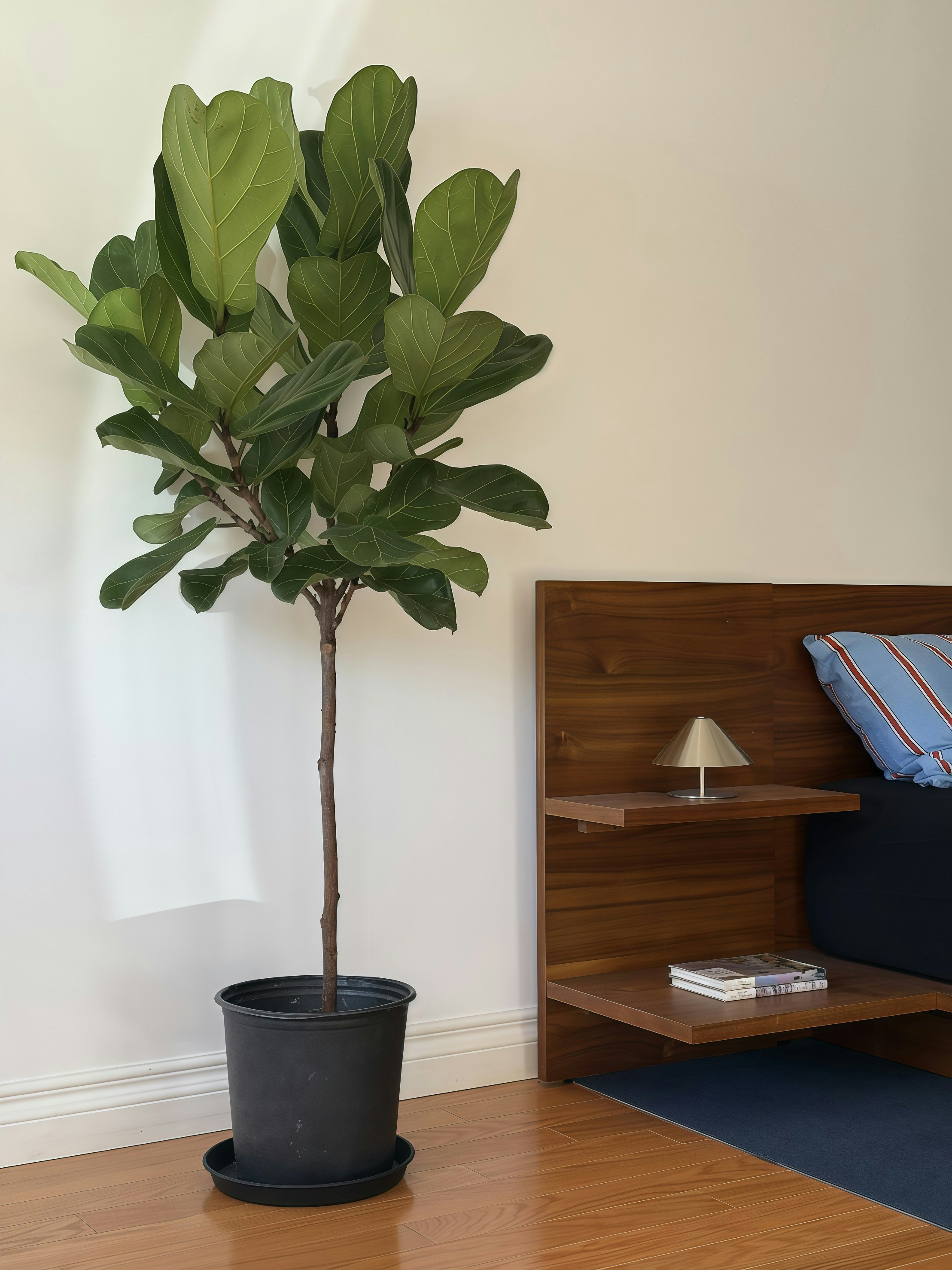
Indoor bonsai gardening is a journey of patience, artistry, and a little bit of science — but oh, what a rewarding journey it is! From mastering the perfect lighting setup to learning the subtle art of watering by feel, every step brings you closer to nurturing a living masterpiece that fits snugly on your windowsill or coffee table.
We’ve seen firsthand how species like Ficus microcarpa and Dwarf Jade thrive indoors, forgiving the occasional neglect and low light, while more temperamental trees like Junipers remind us why they belong outdoors. Remember our cautionary tale about the juniper’s indoor demise? It’s a classic example of why matching species to environment is crucial. If you want a bonsai that truly flourishes indoors, stick to tropical and subtropical species.
The tools and soil mixes we recommend are not just fancy gadgets — they’re your bonsai’s best friends. A good concave cutter or a quality akadama-based soil mix can mean the difference between a tree that thrives and one that languishes. And don’t forget: pruning and wiring are your sculpting tools, shaping not just the tree but your bonsai journey itself.
If you’ve ever wondered why your indoor bonsai drops leaves or looks leggy, it’s often a lighting or watering issue — but with the tips here, you’re armed to troubleshoot like a pro. And if you’re dreaming of growing bonsai from seed indoors, patience and consistent care will reward you with a unique, home-grown treasure.
So, are you ready to bring a slice of tranquil nature into your home? Your indoor bonsai awaits — and we’re here to help every step of the way!
🔗 Recommended Links for Indoor Bonsai Gardening
👉 Shop Lighting & Tools:
- Monios-L T5 LED Grow Light: Amazon | Walmart | Monios-L Official
- Mars Hydro TS-600 Grow Light: Amazon | Walmart | Mars Hydro Official
- Kaneshin Bonsai Tools Set: Amazon | Etsy | Kaneshin Official
- Biogold Bonsai Fertiliser: Amazon | Walmart | Biogold Official
- Levoit 6L Humidifier: Amazon
- Dr. Meter Soil Moisture Sensor: Amazon
Buy Quality Indoor Bonsai Trees:
- Eastern Leaf: Amazon | Eastern Leaf Official
- Brussel’s Bonsai: Amazon | Brussel’s Official
- Bonsai Outlet: Amazon | Bonsai Outlet Official
- House of Bonsai: Amazon | House of Bonsai Official
Recommended Books:
- Bonsai Basics by Colin Lewis — Amazon
- Indoor Bonsai by Paul Lesniewicz — Amazon
- The Complete Book of Bonsai by Harry Tomlinson — Amazon
❓ FAQ: Your Burning Indoor Bonsai Questions Answered
How do I prune and shape my indoor bonsai tree properly?
Pruning is both an art and a science. Start with maintenance pruning to remove dead or overly long branches, usually year-round for tropical species like Ficus. For hard pruning, do it in late spring when the tree is actively growing. Use sharp, clean concave cutters to avoid ragged wounds. Wiring helps shape branches but must be checked weekly to prevent wire bite. Remember, less is more—over-pruning stresses the tree.
What are common pests and diseases affecting indoor bonsai trees?
Indoor bonsai often battle spider mites, scale insects, fungus gnats, and powdery mildew. Early detection is key: look for stippled leaves, sticky residue, or white powder. Organic treatments like neem oil and insecticidal soap work well, but persistent infestations may require targeted pesticides like Floramite or Safari. Good airflow and quarantine for new trees reduce risk.
Can indoor bonsai trees survive in low humidity environments?
Most indoor bonsai prefer 50–70% humidity, but typical homes hover around 30–40%. Use pebble trays filled with water, mist leaves regularly, or run a humidifier like the Levoit 6L to boost humidity. Grouping plants together also creates a microclimate. Without this, leaves may brown or drop prematurely.
How much light do indoor bonsai trees need to thrive?
Aim for 10,000–15,000 lux (about 800–1,000 foot-candles) of bright, indirect light daily. South-facing windows are ideal, but if natural light is insufficient, supplement with full-spectrum LED grow lights like the Mars Hydro TS-600. Insufficient light causes leggy growth and leaf drop.
What type of soil is ideal for indoor bonsai trees?
A well-draining, aerated soil mix is essential. The classic 1-1-1 mix of akadama, pumice, and lava rock balances moisture retention and drainage. Adjust ratios depending on species—more akadama for tropical trees, more pumice and lava for succulents like Jade. Avoid garden soil or potting mix; they retain too much water and compact easily.
What are the best bonsai tree species for indoor gardening?
Tropical and subtropical species are your best bet indoors. Favorites include:
- Ficus microcarpa (forgives low light and irregular watering)
- Dwarf Jade (Portulacaria afra) (succulent, drought-tolerant)
- Carmona (Fukien Tea) (beautiful flowers but needs bright light)
- Chinese Elm (semi-deciduous, adaptable)
- Serissa (lovely blooms, but sensitive to drafts)
Avoid junipers and maples indoors—they require outdoor conditions.
What is the ideal temperature range for growing bonsai trees indoors?
Most indoor bonsai thrive between 60–75 °F (16–24 °C) during the day, with a slight drop at night (about 5 °F). Avoid placing bonsai near heating vents or air conditioners, as rapid temperature fluctuations stress the tree.
How do I fertilize my indoor bonsai tree to promote healthy growth?
Use a balanced liquid fertilizer at ¼ strength weekly during the growing season (spring to autumn). Organic pellet fertilizers like Biogold provide slow-release nutrients without odor. Reduce feeding in winter when growth slows. Over-fertilizing can burn roots and cause leaf drop.
Can I grow a bonsai tree from a seed indoors, and if so, how?
Yes! Growing bonsai from seed indoors requires patience and consistent care. Use high-quality seeds, stratify if needed (cold treatment for 30–60 days), and sow in a well-draining bonsai soil mix. Maintain consistent moisture and temperature (68–77 °F). Use a humidity dome or plastic wrap to retain moisture and provide bright, indirect light or supplemental grow lights. Germination times vary by species, so patience is key.
How often should I water my indoor bonsai tree to prevent overwatering?
Watering frequency depends on species, pot size, soil, and environment. The best method is to check soil moisture daily by touch or with a moisture meter. Water thoroughly when the top 1–2 cm of soil feels dry. Avoid letting the tree sit in standing water, which causes root rot.
📑 Reference Links and Resources
- Eastern Leaf Bonsai Nursery & Reviews: https://www.easternleaf.com/indoor-bonsai-trees-s/547.htm
- Gardening Stack Exchange on Juniper Indoor Bonsai Suitability: https://gardening.stackexchange.com/questions/5734/is-a-juniper-suitable-as-an-indoor-bonsai
- Garden Ninja Forum on Bonsai Seed Germination Advice for Indoors: https://www.gardenninja.co.uk/forum/topic/bonsai-seed-germination/
- Kaneshin Bonsai Tools: https://bonsai-tool.com/
- Mars Hydro Grow Lights: https://www.marshydro.com/
- Biogold Fertilizer Official: https://www.bonsaioutlet.com/supplies/re-potting-seasonal/biogold/
- Levoit Humidifiers: https://www.levoit.com/
- Bonsai Garden™ Bonsai Care Basics: https://www.bonsaigarden.org/category/bonsai-care-basics/
- Bonsai Garden™ Bonsai Species Guide: https://www.bonsaigarden.org/category/bonsai-species-guide/
- Bonsai Garden™ Bonsai FAQs: https://www.bonsaigarden.org/category/bonsai-faqs/