Support our educational content for free when you buy through links on our site. Learn more

Ever walked out to your garden only to find your prized miniature oak looking like it’s been through a war zone? 🌿 One morning, the leaves are pristine; the next, they’re dotted with sticky honeydew or covered in a mysterious white powder. At Bonsai Garden™, we’ve seen it all—from the sneaky invasion of spider mites that turn vibrant green foliage into a dusty gray mess, to the silent, soil-dwelling tragedy of root rot that can kill a decades-old tree in weeks. Did you know that over 60% of bonsai deaths aren’t due to neglect, but to misdiagnosed pest infestations?
In this comprehensive guide, we’re not just listing bugs; we’re giving you the detective skills to spot the enemy before it’s too late. We’ll walk you through 7 common pests and diseases that plague bonsai gardens, reveal the subtle signs you’re missing, and share our team’s battle-tested strategies for both organic and chemical treatments. Whether you’re battling the “invisible web-weavers” or trying to save a tree from fungal galls, we’ve got the answers you need to keep your miniature forest thriving. Ready to turn the tide? Let’s dive in.
Key Takeaways
- Early Detection is Critical: Weekly inspections of leaf undersides and new growth can prevent minor infestations from becoming fatal.
- Identify Before You Treat: Misdiagnosing root rot as underwatering or confusing powdery mildew with dust can lead to ineffective treatments and further damage.
- Prevention Wins: Maintaining proper airflow, avoiding overhead watering, and quarantining new trees are the most effective ways to stop pests and diseases in their tracks.
- Targeted Solutions: Soft-bodied pests like aphids respond well to insecticidal soap, while hard scale often requires manual removal or horticultural oil.
- Holistic Care: A healthy tree is the best defense; ensure your bonsai receives the right light, water, and soil to build natural resilience against invaders.
Table of Contents
- ⚡️ Quick Tips and Facts
- 🌿 A Brief History of Bonsai Pest Management
- 🔍 Identifying the Usual Suspects: Common Bonsai Pests
- 1. Aphids: The Sap-Sucking Suckers
- 2. Spider Mites: The Invisible Web-Weavers
- 3. Scale Insects: The Hard-Shelled Hijackers
- 4. Mealybugs: The Cottony Clingers
- 5. Whiteflies: The Tiny Flying Troublemakers
- 6. Slugs and Snails: The Nightime Niblers
- 7. Caterpillars and Borers: The Structural Saboteurs
- 🦠 Diagnosing the Green Menace: Common Bonsai Diseases
- 1. Root Rot: The Silent Killer
- 2. Powdery Mildew: The White Dusting
- 3. Leaf Spot and Blight: The Brown Spots of Doom
- 4. Sooty Mold: The Black Coating
- 5. Fungal Galls and Rust: The Unwanted Growths
- 🛡️ Prevention is Better Than Cure: Best Practices for a Healthy Garden
- 🧪 Treatment Strategies: Chemical vs. Organic Solutions
- 🏆 Top Brands and Products for Pest Control
- 🏠 DIY Home Remedies for Minor Infestations
- 🌱 Seasonal Care: When to Watch Out for Pests and Diseases
- 🤔 Frequently Asked Questions About Bonsai Pests and Diseases
- 📚 Recommended Links and Further Reading
- 📖 Reference Links
Quick Tips and Facts
Welcome to the front lines of the bonsai battlefield! 🌿 At Bonsai Garden™, we’ve seen it all—from the sneaky aphid to the root-roting fungus. Here is the bottom line for keeping your miniature masterpiece healthy:
- Prevention is King: A healthy tree is your best defense. Ensure proper airflow, light, and watering to keep your bonsai resilient. Learn more about Bonsai Care Basics.
- Identify Before You Treat: Misdiagnosing a pest can lead to unnecessary chemical use. Is it spider mites or just dust? Is it root rot or just underwatering? Check the roots and leaves closely.
- The “Shower” Method: For soft-bodied pests like aphids and mites, a strong spray of warm water is often all you need to knock them off. 💦
- Don’t Panic: If you see something wrong, don’t hesitate. Early intervention is key. Read our FAQs on common issues.
- Natural Allies: Ladybugs and lacewings are your friends. Consider introducing them to your garden ecosystem. 🐞
🌿 A Brief History of Bonsai Pest Management
Long before we had synthetic pesticides and specialized horticultural oils, bonsai masters relied on observation, patience, and natural remedies. In the ancient courts of China and Japan, the health of a bonsai was seen as a reflection of the owner’s discipline and harmony with nature. Pests were not just annoyances; they were tests of character. 🏯
Historically, remedies were derived from the garden itself. Neem oil, derived from the neem tree in India, has been used for centuries in traditional medicine and agriculture. In Japan, nem (nem) and yuzu pels were sometimes used infusions to deter insects. The philosophy was simple: if the tree is strong, the pests will pass it by.
However, as bonsai became a global hobby, the complexity of pests increased. Modern bonsai enthusiasts now have access to a wealth of knowledge and products that were unimaginable to the masters of the Edo period. Yet, the core principle remains unchanged: a stressed tree is a target. Understanding the history helps us appreciate that pest management is not just about killing bugs; it’s about fostering a balanced ecosystem.
🔍 Identifying the Usual Suspects: Common Bonsai Pests
Spoting a pest early is half the battle. Most beginners mistake pest damage for disease or environmental stress. Let’s break down the most common invaders you might encounter in your bonsai garden.
1. Aphids: The Sap-Sucking Suckers
Aphids are the “party crashers” of the bonsai world. They are small, pear-shaped insects that can be green, black, or gray. They love tender new growth and cluster there like little green grapes.
- Signs: Sticky residue (honeydew) on leaves and branches. You might also see black soty mold growing on the honeydew. Ants often farm aphids, protecting them from predators in exchange for the sugary honeydew. 🐜
- Damage: They suck sap, causing leaves to curl, yellow, and drop. Severe infestations can stunt growth.
- Insight from the Pros: According to NE Bonsai, aphids are often attracted to over-fertilized trees, particularly those high in nitrogen. Less fertilizer, fewer aphids.
2. Spider Mites: The Invisible Web-Weavers
Spider mites are tiny arachnids, not insects, which makes them harder to spot. They are often red or brown and thrive in hot, dry conditions.
- Signs: Fine webing on the underside of leaves or between branches. Leaves may look bleached, stipled, or dusty. If you hold a white paper under the foliage and tap the branch, you’ll see tiny moving dots.
- Damage: They pierce leaf cells and drain the chlorophyll, leading to yellowing and premature leaf drop.
- Insight from the Pros: Bonsai Empire notes that spider mites are a common issue for indoor bonsai where humidity is low. Mist your trees regularly to keep humidity up and mites down.
3. Scale Insects: The Hard-Shelled Hijackers
Scale insects are tough customers. They look like small, immobile bumps or discs on stems and leaves. They come in two forms: soft scale (which produces honeydew) and hard scale (which does not).
- Signs: Small, brown, white, or tan bumps that don’t move when you touch them. If you scrape one off with a fingernail, you might see a soft body underneath.
- Damage: They suck sap, weakening the tree. Heavy infestations can kill branches.
- Insight from the Pros: NE Bonsai recommends manual removal for hard scale. Use a cotton swab dipped in isopropyl alcohol to rub them off. It’s labor-intensive but effective.
4. Mealybugs: The Cottony Clingers
Mealybugs look like tiny pieces of white cotton or cotton balls. They love the joints where leaves meet stems and the crevices of bark.
- Signs: White, waxy, cotton-like masses. Like aphids, they produce honeydew, leading to soty mold.
- Damage: They drain sap and can transmit viruses. Their presence often indicates a stressed tree.
- Insight from the Pros: Bonsai Empire highlights that mealybugs are common on indoor bonsai. Isolate affected trees immediately to prevent spread.
5. Whiteflies: The Tiny Flying Troublemakers
Whiteflies are tiny, moth-like insects that fly up in a cloud when you disturb the plant. They congregate on the undersides of leaves.
- Signs: Tiny white insects that flutter away. Yellowing leaves and sticky honeydew are common signs.
- Damage: They suck sap, causing leaves to wilt and turn yellow. They can also spread plant viruses.
- Insight from the Pros: Featured Video Summary suggests that whiteflies thrive in temperate climates and greenhouses. Blasting them with water is a good first step.
6. Slugs and Snails: The Nightime Niblers
Slugs and snails are nocturnal grazers. They leave behind silvery trails and chew irregular holes in leaves.
- Signs: Visible slime trails and holes in leaves, especially in the morning.
- Damage: They can defoliate young trees quickly.
- Insight from the Pros: Use copper tape around pots or beer traps to lure them away. 🍺
7. Caterpillars and Borers: The Structural Saboteurs
Caterpillars eat leaves, while borers tunnel into stems and branches.
- Signs: Chewed leaves, frass (sawdust-like droppings) on branches, and holes in stems.
- Damage: Defoliation and structural damage to the trunk.
- Insight from the Pros: Featured Video Summary recommends using Bacillus thuringiensis (BT) for caterpillars, as it is safe for beneficial insects.
🦠 Diagnosing the Green Menace: Common Bonsai Diseases
Pests are the easy part. Diseases are often silent killers. Here are the most common fungal and bacterial issues.
1. Root Rot: The Silent Killer
Root rot is caused by overwatering and poor drainage. It’s the #1 killer of bonsai.
- Signs: Yellowing leaves, wilting despite wet soil, and a foul smell from the pot. Roots will be brown, mushy, and slimy.
- Treatment: Remove the tree from the pot, wash the roots, and cut away any rotten parts. Repot in fresh, well-draining soil. 🌱
- Insight from the Pros: NE Bonsai emphasizes that never letting the soil get bone dry is important, but never keeping it constantly wet is critical.
2. Powdery Mildew: The White Dusting
Powdery mildew looks like talcum powder on leaves. It thrives in humid, stagnant air.
- Signs: White, powdery spots on leaves and stems. Leaves may curl and drop.
- Treatment: Improve airflow and reduce humidity. Use a fungicide if necessary.
- Insight from the Pros: NE Bonsai notes that powdery mildew is common on Chinese elms. Wipe off mold carefully to avoid spreading spores.
3. Leaf Spot and Blight: The Brown Spots of Doom
Leaf spot is caused by fungi or bacteria. It appears as dark, water-soaked spots on leaves.
- Signs: Brown or black spots with yellow halos. Leaves may drop prematurely.
- Treatment: Remove affected leaves. Use a copper-based fungicide.
- Insight from the Pros: NE Bonsai warns that leaf spot is common on Chinese elms. Avoid weting the foliage when watering to prevent spread.
4. Sooty Mold: The Black Coating
Sooty mold is not a disease itself but a symptom of honeydew-producing pests.
- Signs: Black, sot-like coating on leaves and branches.
- Treatment: Control the underlying pest problem (aphids, scale, mealybugs). Wipe leaves clean.
- Insight from the Pros: NE Bonsai states that soty mold blocks sunlight, reducing photosynthesis. Address the pest, not just the mold.
5. Fungal Galls and Rust: The Unwanted Growths
Fungal galls are abnormal growths on leaves or stems. Rust appears as orange or brown pustules on leaves.
- Signs: Distorted leaves, bumps, orange/brown spots.
- Treatment: Remove affected parts. Use a fungicide.
- Insight from the Pros: NE Bonsai advises that rust is common in humid conditions. Improve airflow to prevent recurrence.
🛡️ Prevention is Better Than Cure: Best Practices for a Healthy Garden
The best way to deal with pests and diseases is to prevent them. Here are our top tips for maintaining a healthy bonsai garden.
- Quarantine New Trees: Always isolate new bonsai for 2-4 weeks before introducing them to your collection. This prevents introducing pests to your healthy trees.
- Proper Watering: Water only when the soil is slightly dry. Overwatering is the fastest way to invite root rot.
- Airflow: Ensure good air circulation around your trees. Stagnant air promotes fungal diseases.
- Clean Tools: Sterilize your tools with isopropyl alcohol between uses to prevent spreading disease.
- Regular Inspections: Check your trees weekly for signs of pests or disease. Early detection is key.
- Balanced Fertilization: Avoid over-fertilizing, which can attract pests like aphids. Use a balanced, slow-release fertilizer.
🧪 Treatment Strategies: Chemical vs. Organic Solutions
When you do need to treat, you have options. Here’s a breakdown of common treatments.
Soft-Bodied Insects (Aphids, Mites, Mealybugs)
- Water Spray: A strong stream of water can knock off many pests.
- Insecticidal Soap: Effective against soft-bodied insects. NE Bonsai recommends treating once a week for three weeks. 🧼
- Nem Oil: A natural pesticide that disrupts the life cycle of pests. Bonsai Empire notes that neem oil is effective but should be applied in the evening to avoid leaf burn.
Hard-Bodied Insects (Scale)
- Manual Removal: Use a cotton swab and isopropyl alcohol to rub off scale insects.
- Horticultural Oil: Smothers scale insects. Apply during the dormant season for best results.
Fungal Diseases
- Fungicides: Copper-based or sulfur-based fungicides are effective. NE Bonsai advises following directions carefully. 📜
- Biological Controls: Introduce beneficial fungi like Trichoderma to combat root rot.
Home Remedy Spray Recipe
For a DIY approach, try this recipe from NE Bonsai:
- Base: ¾ quart of water
- Additives:
- ¼ cup rubbing alcohol
- 1 teaspoon vegetable oil
- 2 squirts of mild Castile liquid soap
- Application: Shake well and spray on affected areas. Test on a small area first to ensure no leaf burn.
🏆 Top Brands and Products for Pest Control
Here are some trusted brands for bonsai pest and disease control.
Product Comparison Table
| Product | Type | Best For | Rating (1-10) | Key Feature |
|---|---|---|---|---|
| Safer Brand Insect Killing Soap | Insecticidal Soap | Aphids, Mites, Mealybugs | 9 | Organic, safe for pets |
| Bonide Neem Oil | Neem Oil | General Pest Control | 8 | Multi-purpose, organic |
| Ortho Home Defense | Insect Killer | Outdoor Pests | 7 | Long-lasting protection |
| Scotts Turf Builder | Fungicide | Fungal Diseases | 6 | Easy application |
| Nem Oil Plus | Neem Oil | Scale, Whiteflies | 9 | Enhanced formula |
Detailed Analysis
Safer Brand Insect Killing Soap
- Design: Simple spray bottle.
- Functionality: Effective against soft-bodied insects.
- Pros: Organic, non-toxic, easy to use.
- Cons: Must be applied directly to pests.
- Verdict: A staple in any bonsai gardener’s arsenal.
👉 CHECK PRICE on:
- Safer Brand Insect Killing Soap: Amazon | Walmart | Brand Official
Bonide Neem Oil
- Design: Concentrated oil in a bottle.
- Functionality: Disrupts pest life cycles.
- Pros: Organic, multi-purpose, effective.
- Cons: Can cause leaf burn if applied in direct sunlight.
- Verdict: Great for general pest control.
👉 CHECK PRICE on:
- Bonide Neem Oil: Amazon | Walmart | Brand Official
Ortho Home Defense
- Design: Spray can.
- Functionality: Kills a wide range of pests.
- Pros: Long-lasting, easy to use.
- Cons: Synthetic, not organic.
- Verdict: Good for severe infestations.
👉 CHECK PRICE on:
- Ortho Home Defense: Amazon | Walmart | Brand Official
🏠 DIY Home Remedies for Minor Infestations
Sometimes, you don’t need a store-bought product. Here are some effective DIY remedies.
Garlic Spray
- Recipe: Blend 4 cloves of garlic with 1 cup of water. Strain and dilute with 1 gallon of water.
- Use: Repels aphids and mites.
- Pros: Natural, easy to make.
- Cons: Smell can be strong.
Neem Oil Spray
- Recipe: Mix 1 teaspoon of neem oil with 1 teaspoon of mild soap and 1 quart of water.
- Use: General pest control.
- Pros: Organic, effective.
- Cons: Must be used promptly.
Alcohol Swabs
- Recipe: Dip a cotton swab in 70% isopropyl alcohol.
- Use: Remove scale and mealybugs manually.
- Pros: Targeted, effective.
- Cons: Labor-intensive.
🌱 Seasonal Care: When to Watch Out for Pests and Diseases
Different seasons bring different challenges.
- Spring: Watch for aphids and scale as new growth emerges. 🌸
- Summer: High humidity can lead to fungal diseases. Ensure good airflow. ☀️
- Fall: Prepare for root rot as watering needs decrease. Reduce watering frequency. 🍂
- Winter: Indoor bonsai are prone to spider mites due to dry air. Mist regularly. ❄️
🤔 Frequently Asked Questions About Bonsai Pests and Diseases
Q: How do I know if my bonsai has root rot?
A: Look for yellowing leaves, wilting despite wet soil, and a foul smell. Check the roots for brown, mushy areas.
Q: Can I use household insecticides on my bonsai?
A: It’s best to use products specifically labeled for bonsai ornamental plants. Household insecticides may contain additives that can harm your tree.
Q: How often should I check my bonsai for pests?
A: Check your bonsai weekly. Early detection is key to preventing infestations.
Q: What is the best way to prevent pests?
A: Maintain a healthy tree with proper watering, fertilization, and airflow. Quarantine new trees for 2-4 weeks.
📚 Recommended Links and Further Reading
- NE Bonsai: Pests and Diseases
- Bonsai Empire: Pests and Diseases
- Bonsai Garden: Bonsai Care Basics
- Bonsai Garden: Bonsai for Beginners
- Bonsai Garden: Bonsai FAQs
📖 Reference Links
- NE Bonsai: Pests and Diseases
- Bonsai Empire: Pests and Diseases
- University of California IPM: Aphids
- University of California IPM: Spider Mites
- University of California IPM: Scale Insects
Conclusion
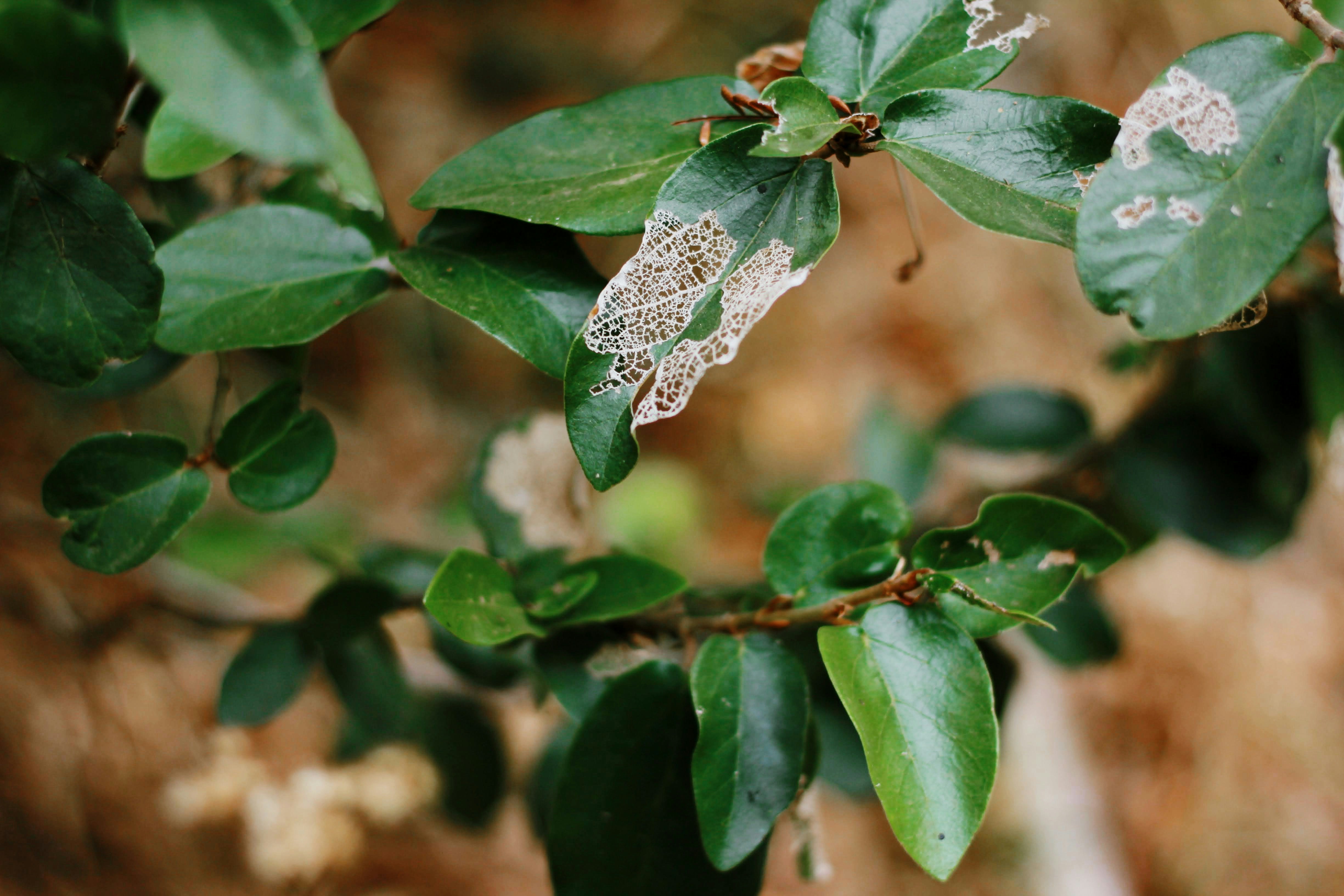
So, did we solve the mystery of the disappearing leaves? 🕵️ ♂️ The answer is a resounding yes, but with a caveat: the battle against pests and diseases is never truly “won,” it is merely managed. Throughout this guide, we’ve uncovered that the difference between a thriving bonsai and a dying one often comes down to vigilance and balance.
We started by asking, “What are the common pests and diseases affecting bonsai gardens?” and we’ve walked you through the usual suspects—from the sneaky aphids and invisible spider mites to the silent killer, root rot. We explored the history of these battles, learned how to spot the tell-tale signs like sticky honeydew or white powdery mildew, and armed you with both chemical and organic weapons of choice.
The Verdict on Treatment:
If you are facing an infestation, don’t panic.
- For soft-bodied insects (aphids, mites, mealybugs): Start with a strong water blast or insecticidal soap (like Safer Brand). If that fails, escalate to nem oil (Bonide).
- For hard scale: Be prepared to get your hands dirty. Manual removal with alcohol swabs is often the only way to win.
- For fungal issues: Improve airflow immediately and treat with a copper-based fungicide.
Our Confident Recommendation:
While chemical treatments have their place, prevention is your most powerful tool. A tree grown in the right light, with proper airflow and correct watering, is a fortress. If you must choose a single product to keep in your arsenal, we recommend Bonide Neem Oil Concentrate. It is versatile, organic, and effective against a wide range of pests and fungal issues. However, remember that no spray is a magic wand; it must be part of a holistic care routine.
Don’t let a few bugs or a brown spot ruin your bonsai journey. With the knowledge you now have, you are equipped to turn any infestation into a minor setback. Your trees are resilient, and so are you. Now, go inspect those leaves! 🌿✨
Recommended Links
Ready to stock up on the best tools for your bonsai care routine? Here are the top-rated products and resources we mentioned, ready for you to explore.
Top Pest Control Products
- Safer Brand Insect Killing Soap Concentrate: Perfect for immediate, organic treatment of aphids and mites.
👉 Shop on: Amazon | Walmart | Brand Official - Bonide Neem Oil Concentrate: The ultimate multi-purpose organic solution for pests and fungi.
👉 Shop on: Amazon | Walmart | Brand Official - Ortho Home Defense Max Insect Killer: For severe outdoor infestations where a stronger barrier is needed.
👉 Shop on: Amazon | Walmart | Brand Official
Essential Reading for Bonsai Enthusiasts
- “The Complete Book of Bonsai” by Harry Tomlinson: A comprehensive guide covering everything from soil to pest management.
Buy on: Amazon - “Bonsai for Beginners” by Peter Warren: Great for understanding the foundational care that prevents pests in the first place.
Buy on: Amazon
FAQ
Here are 7 new search terms related to “What are the common pests and diseases affecting bonsai gardens?”
- Bonsai leaf curl causes and solutions
- How to treat root rot in bonsai trees
- Best organic fungicides for bonsai
- Why are my bonsai leaves turning yellow?
- Bonsai pest identification guide with pictures
- How to get rid of fungus gnats in bonsai soil
- Can I use dish soap on my bonsai for pests?
How often should I inspect my bonsai for pests and diseases?
Weekly inspections are non-negotiable. 🗓️
While it might seem tedious, spending just 5 minutes a week to check the undersides of leaves, the joints of branches, and the soil surface can save your tree. Pests like spider mites and aphids reproduce rapidly; a small cluster today can be a colony tomorrow.
- Spring/Summer: Increase frequency to twice a week during peak growing seasons when new growth attracts pests.
- Fall/Winter: Once a week is usually sufficient, but keep an eye on indoor trees for dry-air pests like mites.
Read more about “10 Common Pests & Diseases That Threaten Your Bonsai Trees 🌿 (2026)”
What are the common symptoms of bonsai tree diseases?
Diseases often manifest differently than pest damage. Look for:
- Discoloration: Yellowing (chlorosis), browning (necrosis), or black spots.
- Texture Changes: Leaves that feel slimy, powdery, or brittle.
- Wilting: Droping leaves that do not perk up after watering (a classic sign of root rot).
- Unusual Growth: Galls, bumps, or distorted new shoots.
- Foul Odors: A rotten smell from the soil or trunk often indicates bacterial or fungal decay.
How do fungal infections affect bonsai plants?
Fungal infections are insidious because they often attack from the inside out.
- Root Rot: Fungi like Phytophthora thrive in waterlogged soil, destroying the root system and preventing water uptake, leading to sudden collapse.
- Leaf Spots & Mildew: These block sunlight and disrupt photosynthesis, weakening the tree over time.
- Bark Diseases: Fungi can penetrate the bark, causing cankers that girdle branches and cut off nutrient flow.
- Prevention: The key is airflow and proper watering. Fungi love stagnant, moist environments.
Read more about “What Are the 10 Basic Requirements for Creating a Bonsai Garden at Home? 🌿”
Which insects are most harmful to bonsai trees?
While all pests are annoying, some are more destructive:
- Spider Mites: They can defoliate a tree in days under hot, dry conditions.
- Scale Insects: Their hard shells protect them from many sprays, and they drain the tree’s sap slowly but surely.
- Root Wevils: The larvae live in the soil and eat the roots, often killing the tree before the owner notices the adult notches on the leaves.
- Aphids: While they seem harmless, they transmit viruses and attract ants that protect them from predators.
How can I prevent diseases in my bonsai garden?
Prevention is a lifestyle, not a one-time fix.
- Quarantine: Isolate new trees for 3-4 weeks.
- Water Wisely: Water only when the topsoil is slightly dry. Never let the pot sit in a saucer of standing water.
- Sanitize: Clean your tools with alcohol between trees to avoid cross-contamination.
- Airflow: Ensure your trees aren’t crowded. Stagnant air is a breeding ground for fungus.
- Healthy Soil: Use a well-draining soil mix (like akadama, pumice, and lava rock) to prevent root rot.
Read more about “🌱 What Type of Soil is Ideal for Bonsai? 7 Pro Mixes (2026)”
What are the signs of pest infestation in bonsai trees?
Beyond the visible bugs, look for these subtle clues:
- Sticky Residue (Honeydew): A shiny, sticky film on leaves or the pot rim.
- Sooty Mold: A black, dusty coating growing on the honeydew.
- Webing: Fine, silky threads between branches or under leaves.
- Cottony Masses: White, fluffy spots in leaf axils (mealybugs).
- Silvery Trails: Shiny slime on leaves or the ground (slugs/snails).
- Chewed Edges: Iregular holes in leaves (caterpillars or beetles).
Read more about “Mastering the Informal Upright Bonsai Style: Secrets & Tips 🌿”
What are effective treatments for common bonsai tree diseases?
- Root Rot: Immediate repoting. Remove the tree, wash roots, cut away all mushy parts, and repot in fresh, sterile, well-draining soil.
- Powdery Mildew: Prune affected leaves, improve airflow, and apply a sulfur or copper-based fungicide.
- Leaf Spot: Remove infected leaves and apply a broad-spectrum fungicide. Avoid weting the foliage when watering.
- Sooty Mold: You cannot treat the mold directly; you must treat the pest producing the honeydew. Once the pests are gone, the mold will wash off.
Can bonsai trees recover from pest damage without chemicals?
Absolutely. In many cases, nature and simple mechanics are enough.
- Water Blasting: A strong stream of water can dislodge aphids, mites, and whiteflies.
- Manual Removal: Picking off scale insects or caterpillars by hand is highly effective for small infestations.
- Beneficial Insects: Introducing ladybugs or lacewings can naturally control aphid populations.
- Home Remedies: A mixture of water, mild soap, and vegetable oil (as detailed in our DIY section) is often sufficient for soft-bodied pests.
- Note: If the infestation is severe, a targeted chemical treatment may be necessary to save the tree, but always start with the gentlest method first.
What are the signs of pest infestation in bonsai leaves?
Leaves are the first line of defense and the first to show distress.
- Stipling: Tiny yellow or white dots where mites have sucked out the cell contents.
- Curling: Leaves that twist or curl inward, often hiding aphids.
- Yellowing: General chlorosis caused by nutrient loss from sap-sucking insects.
- Black Coating: Sooty mold indicating an underlying aphid or scale problem.
- Holes: Iregular chew marks from caterpillars or beetles.
Read more about “5 Secrets to a Stunning Zen Garden with Real Bonsai Tree (2026) 🌿”
How do I prevent fungal infections in bonsai gardens?
- Avoid Overhead Watering: Water at the base of the tree to keep leaves dry.
- Prune for Airflow: Thin out dense foliage to allow air to circulate freely.
- Clean Up Debris: Remove fallen leaves and dead material from the soil surface, as they harbor fungal spores.
- Sterilize Tools: Always clean pruning shears with alcohol before and after use.
- Proper Drainage: Ensure your pots have adequate drainage holes and use a gritty soil mix.
Read more about “What Is a Bonsai Garden? 🌿 Discover the Art of Miniature Forests (2025)”
Which diseases most commonly affect bonsai trees?
- Root Rot: The most common and deadly, caused by overwatering.
- Powdery Mildew: Common in humid, stagnant conditions.
- Leaf Spot: Affects many species, especially Chinese Elms.
- Sooty Mold: A secondary issue caused by pests.
- Rust: Appears as orange pustules, common in humid climates.
What are the best natural remedies for bonsai pests?
- Nem Oil: Disrupts the life cycle of pests and acts as a fungicide.
- Insecticidal Soap: Effective against soft-bodied insects; safe for beneficials if used correctly.
- Garlic Spray: A strong repellent for aphids and mites.
- Diatomaceous Earth: A powder that dehydrates soft-bodied insects; sprinkle on soil for fungus gnats.
- Alcohol Swabs: The gold standard for removing scale and mealybugs manually.
How can I identify pests on my bonsai tree early?
- The “White Paper Test”: Hold a white sheet of paper under the foliage and tap the branch. If tiny moving dots (mites) or white specks (whiteflies) fall, you have an infestation.
- Check the Undersides: Most pests hide on the bottom of leaves. Use a magnifying glass.
- Look for Ants: If you see ants marching up the trunk, they are likely farming aphids or scale. Follow them to the source.
- Monitor New Growth: Pests love tender, new shoots. Inspect these areas daily during spring.
Reference Links
For further verification and deep dives into specific topics, consult these reputable sources:
- NE Bonsai: Comprehensive guide on pests and diseases. NE Bonsai: Pests and Diseases
- Bonsai Empire: Detailed care instructions and pest identification. Bonsai Empire: Pests and Diseases
- University of California IPM: Scientific data on specific pests like Aphids, Spider Mites, and Scale. UC IPM: Pest Management Guidelines
- Safer Brand: Official product information and usage guides. Safer Brand Official Site
- Bonide Products: Technical data sheets for Neem Oil and other treatments. Bonide Official Site
- Bonsai Garden™: Our own resources on Bonsai Care Basics and Bonsai for Beginners.