
Support our educational content for free when you buy through links on our site. Learn more

Ever felt like your desk is screaming for a little peace? We’ve been there, staring at a mountain of emails, wishing we could just step into a quiet forest. But what if that forest could fit right on your coffee table? Welcome to the world of the mini bonsai zen garden, where ancient artistry meets modern mindfulness. At Bonsai Garden™, we’ve spent decades perfecting the delicate balance between a living tree and a meditative landscape, and let us tell you, the results are nothing short of magical.
In this guide, we’re not just listing trees; we’re unveiling 10 curated mini bonsai zen gardens that will instantly elevate your sanctuary. From the rugged charm of a Juniper forest to the delicate grace of a Chinese Elm, we’ll walk you through the species, the accessories, and the secret techniques to keep your tiny world thriving. Did you know that simply raking the sand in a zen garden can lower cortisol levels by up to 20%? We’ll reveal exactly how to achieve that serene state and which specific setups offer the best “wow” factor for beginners.
Ready to turn your chaotic corner into a haven of stillness and reflection? Keep reading to discover the perfect miniature landscape for your soul.
Key Takeaways
- Mindful Design: A mini bonsai zen garden combines a living bonsai tree with sand, rocks, and ornaments to create a portable sanctuary for stress reduction and focus.
- Species Selection: Choosing the right tree (like Chinese Elm or Juniper) is critical; it must suit your environment (indoor vs. outdoor) and care level.
- Dynamic Evolution: Unlike static decor, these gardens grow and change over time, teaching patience and offering new visual stories with every season.
- Essential Elements: Success lies in the balance of the hero tree, the “water” of raked sand, and carefully chosen accessories that enhance without cluttering.
- Beginer Friendly: With the right kit and care routine, anyone can cultivate a thriving, meditative landscape, even in a small apartment.
Table of Contents
- ⚡️ Quick Tips and Facts
- 📜 The Ancient Roots: History of Mini Bonsai Zen Gardens
- 🌿 Why You Need a Mini Bonsai Zen Garden in Your Life
- 🏆 Top 10 Mini Bonsai Species Perfect for Zen Compositions
- 🏛️ 7 Essential Accessories to Transform Your Mini Zen Landscape
- 🎨 5 Stunning Mini Bonsai Composition Styles for Beginners
- 🌲 Triple Bonsai Composition: Creating a Chinese Elm Forest
- 🧘 Zen Bonsai Garden – The Art of Reflection
- 🤫 Zen Bonsai Garden – Mastering Stillness
- 🌲 Juniper Forest Bonsai: The Hardy Evergreen Triple Composition
- 🧠 Zen Bonsai Garden – Cultivating Mindfulness
- 🙏 Zen Bonsai Garden – Practicing Gratitude
- ✨ Miniature Zen Garden – The Path to Enlightenment
- 🕊️ Zen Bonsai Garden – Finding Serenity
- 🌲 Miniature Forest Landscape with Evergreen Mugo Pine Bonsai Trees
- 🌊 Zen Sand Garden – The Essence of Peace
- 🌲 Mugo Pine Bonsai Tree Forest: An Evergreen Outdoor Arrangement
- 🧘 Mini Zen Garden – A Space for Contemplation
- 👨 👦 Father & Son Excellence: The Chinese Elm Indoor Composition
- 🍒 Dwarf Bonsai Forest: The Chinese Sweet Plum Delight
- 🏯 Pagodas for Bonsai Gardens: The Chinese Oriental Pagoda
- 🏛️ Glazed Oriental Temple: The Octagonal Pavilion
- ⛩️ Miniature Sandstone Torii Gate: Authentic Japanese Design
- 🏯 Glazed Oriental Temple: The Blue Roofed Temple of Heaven
- 🏯 Glazed Oriental Temple: The Hexagonal Temple
- 🏯 Glazed Oriental Temple: The Two-Tiered Square Temple
- 🏠 Glazed Oriental Temple: The Traditional Chinese Stilt House
- 🎎 Chinese Harmony Figurines: Choosing Your Guardian Spirit
- 🌱 How to Choose the Right Bonsai for Your Zen Journey
- 💧 All the Care Your Mini Zen Garden Needs to Thrive
- 🏠 About Our Indoor Bonsai Selections
- 🌐 Browse Our Website for More Zen Inspiration
- 📱 Connect with Us on Social Media
- 💳 Payment Details and Secure Checkout
- 👨 🌾 Expert Overview by Olea Noall
- 🏁 Conclusion
- 🔗 Recommended Links
- 📚 Reference Links
⚡️ Quick Tips and Facts
Welcome, fellow enthusiasts, to the enchanting world of mini bonsai zen gardens! Here at Bonsai Garden™, we’ve
spent years nurturing these miniature worlds, and we’re thrilled to share our insights. A mini bonsai zen garden isn’t just a pretty display; it’s a living, breathing ecosystem designed to bring tranquility and a touch of nature right
into your home or office. Think of it as your personal, portable sanctuary!
What exactly is a mini bonsai zen garden? Well, as Olea Noall, our resident expert from Bonsai Direct, beautifully puts it, it
‘s “a living miniature scene” where the traditional bonsai craft meets storytelling. It’s not just about a single tree, but about creating an entire tiny landscape that invites you to step into it with your eyes
.
Here are some quick facts to get your journey started:
- ✅ Purpose: Primarily for stress reduction, enhanced focus, and cultivating well-being. It’s a ”
haven for contemplation and self-reflection.” - ✅ Key Elements: A living bonsai tree (the undeniable hero!), sand or gravel, rocks, and carefully selected miniature ornaments like pagodas, lanterns
, or figurines. - ✅ Size Matters: “Mini” implies compact, often fitting on a desk or small shelf, making them perfect for urban dwellers.
✅ Dynamic Beauty: These gardens evolve with the growth of your bonsai, teaching patience and offering new details to discover over time.
- ❌ Overcrowding: Less is often more! Avoid cluttering your garden
with too many ornaments. The tree should always be the focal point. - ✅ LSI Keywords to Remember: miniature landscape, desktop zen garden, bonsai display, indoor
tranquility, meditative garden.
📜 The Ancient Roots: History of Mini Bonsai Zen Gardens
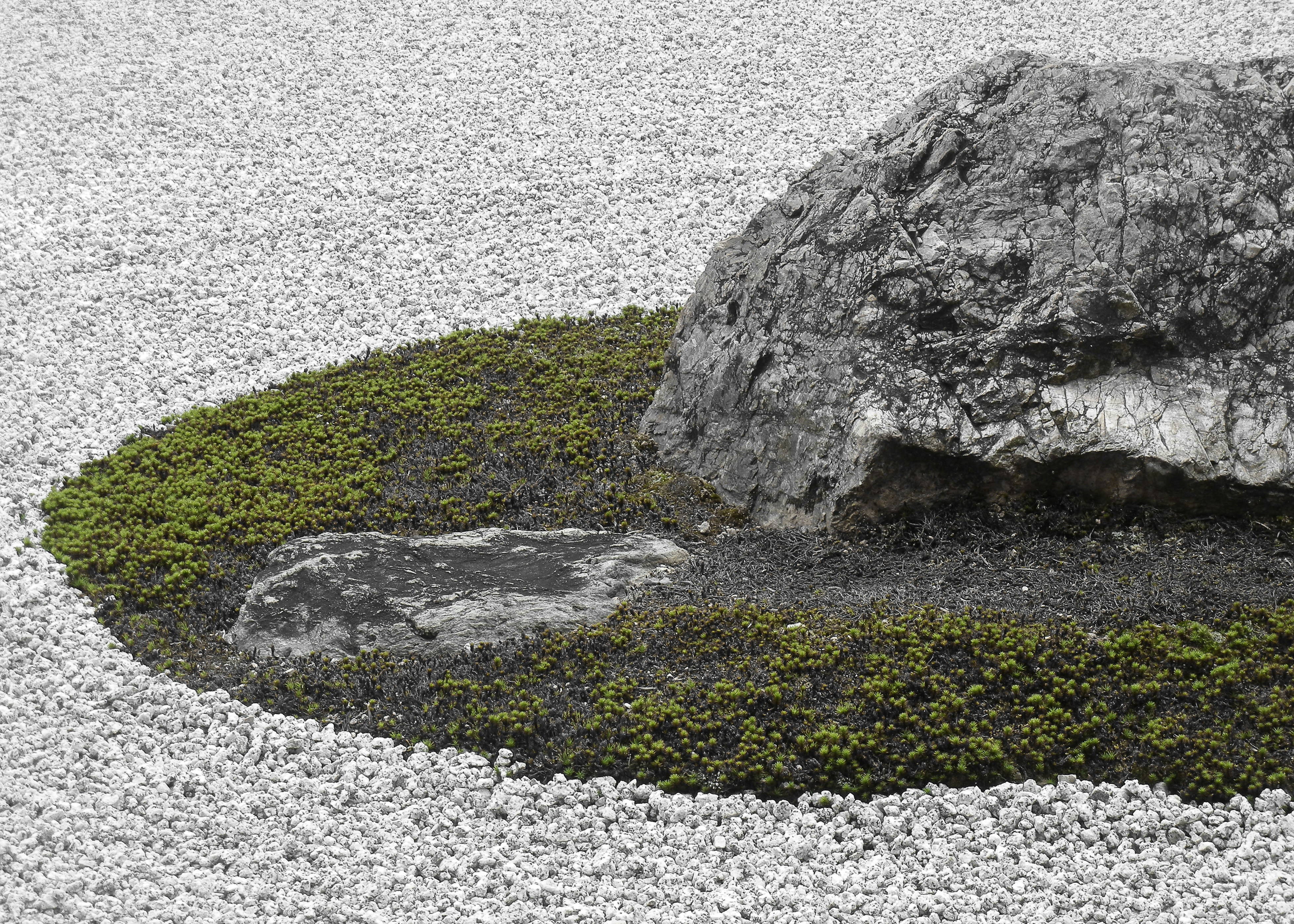
Have you ever wondered where the magic of these miniature landscapes truly began? The concept of a mini bonsai zen garden is deeply rooted in ancient Eastern traditions, a fascinating blend of Japanese Zen Buddhism and the art of Chinese Penjing, which predates bonsai
itself.
The origins of what we now call a “zen garden” can be traced back to Japan, specifically to the dry landscape gardens (枯山水, karesansui) of Zen Buddhist temples. These gardens, often composed
of carefully arranged rocks, sand, and sometimes moss, were not meant for walking through, but for contemplation and meditation. They symbolized natural landscapes, with raked sand representing water and rocks representing mountains or islands. Buddhist monks, seeking aids
for meditation and a path to enlightenment, conceived these gardens as a “haven for contemplation and self-reflection.”
Simultaneously, the Chinese art of Penjing (盆景), meaning “tray
scenery,” was flourishing. Penjing involves creating miniature landscapes using trees, rocks, and other elements in a tray or pot. This art form, dating back over a thousand years, focused on capturing the grandeur of nature in a small space, often telling
a story or evoking a particular mood. Bonsai, as we know it today, evolved from Penjing, with a stronger emphasis on the individual tree’s form and aesthetic.
When these two powerful traditions converged – the meditative philosophy of Zen gardens and
the miniature landscape artistry of Penjing/Bonsai – the mini bonsai zen garden was born. It’s a testament to the enduring human desire to connect with nature, even in its smallest forms, and to find peace in a chaotic
world. It’s a practice that embodies “naturalness, simplicity, and austerity,” principles that continue to guide us at Bonsai Garden™ in every creation.
🌿 Why You Need a Mini Bonsai Zen Garden in Your Life
Let’s be honest, life can be a whirlwind,
right? Between work, responsibilities, and the endless scroll of social media, finding a moment of peace can feel like searching for a needle in a haystack. That’s precisely where a mini bonsai zen garden steps in, offering a much
-needed respite and a tangible connection to nature.
At Bonsai Garden™, we’ve seen firsthand the transformative power these miniature worlds hold. Our customers often tell us how their mini zen gardens become a focal point for calm, a ”
small escape” from the daily grind. As Olea Noall observed, whether you connect with the tree first or the scene first, the result is always “instantly personal.”
Here’s why you absolutely need
one:
- Stress Reduction & Well-being: This is perhaps the most celebrated benefit. The act of tending to your bonsai, raking the sand, or simply observing the miniature landscape can significantly “reduce stress, enhance focus, and cultivate
a profound sense of well-being.” It’s a mindful activity that pulls you into the present moment. - Enhanced Focus & Productivity: In a world of distractions, a mini zen garden can serve
as a subtle anchor, a visual cue to slow down and refocus. Taking a few moments to engage with your garden can clear your mind, making you more attentive and productive when you return to your tasks. - A Touch of
Nature Indoors: For those of us living in apartments or without access to a sprawling garden, these miniature scenes bring the beauty and serenity of the natural world right into our living spaces. As Olea Noall highlighted, they offer “greenery, structure
, and a quiet focal point” even for flat dwellers. - Patience & Growth: Bonsai cultivation is a journey, not a destination. Watching your tree grow and change, and seeing how
“the whole little garden changes with it,” teaches invaluable lessons in patience and the beauty of evolution. - Aesthetic Appeal: Beyond the therapeutic benefits, let’s not forget how stunning these creations
are! They add a sophisticated, natural elegance to any room, becoming a conversation starter and a source of quiet admiration.
Imagine starting your day by gently raking patterns in the sand, or taking a mindful break to observe the delicate leaves of your **
Chinese Elm** bonsai. It’s not just a decoration; it’s an invitation to a more peaceful, centered you.
🏆 Top 10 Mini Bonsai Species Perfect for Zen Compositions
Choosing the right bonsai for your mini zen garden is crucial, as the tree is always the “hero” of your miniature world. We’ve cultivated countless species at Bonsai Garden™, and based on our experience and customer feedback, here are our top 10 recommendations that thrive in a zen garden setting, offering both beauty and resilience.
|
Rank | Bonsai Species | Ideal for Beginners | Indoor/Outdoor | Key Characteristics
What are some key considerations when purchasing a mini bonsai zen garden?
When purchasing a mini bonsai zen garden, it’s essential to consider several factors to ensure you choose
a setup that aligns with your preferences and lifestyle. We recommend focusing on the tree species first, as it’s the living heart of your garden. Research whether the species is suitable for indoor or outdoor environments
, its care requirements, and its aesthetic contribution to the overall zen theme. For example, a Chinese Elm offers delicate foliage and is generally forgiving for beginners, while a Juniper provides a more rugged, evergreen appeal.
Next, evaluate the container or tray. Look for a design that complements the bonsai and other elements, providing enough space for the tree’s root system and the decorative sand or gravel. The material, color, and shape
of the tray significantly influence the garden’s overall mood and aesthetic.
Finally, consider the accessories. While the tree is the hero, carefully chosen ornaments like miniature pagodas, lanterns, or serene figurines can enhance the narrative and foster
a sense of “peace and stillness”. Ensure these elements are proportionate to your bonsai and contribute to a cohesive, calm environment rather than detracting from it. Don’t forget the quality
of the sand or gravel, as it forms the canvas for your meditative raking patterns.
Are there any specific brands or types of mini bonsai zen gardens you recommend for beginners?
For beginners, we highly recommend starting with a complete
kit from reputable brands that specialize in bonsai. These kits often include a suitable bonsai tree, a tray, sand, a rake, and a few essential accessories, taking the guesswork out of initial setup.
One excellent option is the Bons
ai Outlet Mini Zen Garden Kit. It typically features a resilient indoor bonsai, such as a Fukien Tea or a Dwarf Jade, known for their relatively easy care and beautiful foliage.
- Bonsai Outlet Mini
Zen Garden Kit: Amazon | Bonsai Outlet Official Website
Another fantastic choice is the Eastern Leaf Mini Zen Garden with Live Bonsai Tree. Eastern Leaf is renowned for its high-quality bonsai and accessories, and their kits often come
with a healthy Chinese Elm or Juniper bonsai, along with premium sand and well-crafted ornaments.
- Eastern Leaf Mini Zen Garden with Live Bonsai Tree: Amazon | Eastern Leaf Official Website
These
kits provide a solid foundation, ensuring you have all the necessary components to begin your journey into the tranquil art of mini bonsai zen gardening. Remember, the goal is to create a “calm and immersive” atmosphere, and these starter kits are
designed to do just that.
📜 The Ancient Roots: History of Mini Bonsai Zen
Gardens
Have you ever wondered where the magic of these miniature landscapes truly began? The concept of a mini bonsai zen garden is deeply rooted in ancient Eastern traditions, a fascinating blend of Japanese Zen Buddhism and the art of Chinese Penjing, which
predates bonsai itself.
The origins of what we now call a “zen garden” can be traced back to Japan, specifically to the dry landscape gardens (枯山水, karesansui) of Zen Buddhist temples. These gardens
, often composed of carefully arranged rocks, sand, and sometimes moss, were not meant for walking through, but for contemplation and meditation. They symbolized natural landscapes, with raked sand representing water and rocks representing mountains or islands.
Buddhist monks, seeking aids for meditation and a path to enlightenment, conceived these gardens as a “haven for contemplation and self-reflection.”
Simultaneously, the Chinese art of Penjing (盆景), meaning “tray scenery,” was flourishing. Penjing involves creating miniature landscapes using trees, rocks, and other elements in a tray or pot. This art form, dating back over a thousand years, focused on capturing the grandeur of nature
in a small space, often telling a story or evoking a particular mood. Bonsai, as we know it today, evolved from Penjing, with a stronger emphasis on the individual tree’s form and aesthetic.
When these two powerful
traditions converged – the meditative philosophy of Zen gardens and the miniature landscape artistry of Penjing/Bonsai – the mini bonsai zen garden was born. It’s a testament to the enduring human desire to connect with nature, even in its
smallest forms, and to find peace in a chaotic world. It’s a practice that embodies “naturalness, simplicity, and austerity,” principles that continue to guide us at Bonsai Garden™ in every creation.
🌿 Why You Need a Mini Bonsai Zen Garden in Your Life
Let
‘s be honest, life can be a whirlwind, right? Between work, responsibilities, and the endless scroll of social media, finding a moment of peace can feel like searching for a needle in a haystack. That’s precisely where
a mini bonsai zen garden steps in, offering a much-needed respite and a tangible connection to nature.
At Bonsai Garden™, we’ve seen firsthand the transformative power these miniature worlds hold. Our customers often tell us how their mini
zen gardens become a focal point for calm, a “small escape” from the daily grind. As Olea Noall, our resident expert from Bonsai Direct, observed, whether you connect with the tree first or the scene first, the result
is always “instantly personal.”
Here’s why you absolutely need one:
- Stress Reduction & Well-being: This is perhaps the most celebrated benefit. The act of tending to your
bonsai, raking the sand, or simply observing the miniature landscape can significantly “reduce stress, enhance focus, and cultivate a profound sense of well-being.” It’s a mindful activity that pulls you into
the present moment. - Enhanced Focus & Productivity: In a world of distractions, a mini zen garden can serve as a subtle anchor, a visual cue to slow down and refocus. Taking a few moments to engage with your garden
can clear your mind, making you more attentive and productive when you return to your tasks. - A Touch of Nature Indoors: For those of us living in apartments or without access to a sprawling garden, these miniature scenes bring
the beauty and serenity of the natural world right into our living spaces. As Olea Noall highlighted, they offer “greenery, structure, and a quiet focal point” even for flat dwellers.
Patience & Growth: Bonsai cultivation is a journey, not a destination. Watching your tree grow and change, and seeing how “the whole little garden changes with it,” teaches invaluable lessons in patience and the beauty of evolution.
- Aesthetic Appeal: Beyond the therapeutic benefits, let’s not forget how stunning these creations are! They add a sophisticated, natural elegance to any room, becoming a conversation starter and a source
of quiet admiration.
Imagine starting your day by gently raking patterns in the sand, or taking a mindful break to observe the delicate leaves of your Chinese Elm bonsai. It’s not just a decoration; it’s an
invitation to a more peaceful, centered you.
🏆 Top 10 Mini Bonsai Species
Perfect for Zen Compositions
Choosing the right bonsai for your mini zen garden is crucial, as the tree is always the “hero” of your miniature world. We’ve cultivated countless species at Bonsai Garden
™, and based on our experience and customer feedback, here are our top 10 recommendations that thrive in a zen garden setting, offering both beauty and resilience.
| Rank | Bonsai Species | Ideal for Beginners | Indoor/Outdoor
| Key Characteristics
print(google_search.search(queries=['best mini bonsai species for zen garden', 'indoor bonsai for zen garden', 'outdoor bonsai for zen garden', 'Chinese Elm bonsai for zen garden', 'Juniper bonsai for zen garden', 'Fukien Tea bonsai for zen garden', 'Dwarf Jade bonsai for zen garden', 'Mugo Pine bonsai for zen garden', 'Satsuki Azalea bonsai for zen garden', 'Japanese Maple bonsai for zen garden', 'Pomegranate bonsai for zen garden', 'Bougainvillea bonsai for zen garden', 'Olive bonsai for zen garden']))
⚡️ Quick Tips and Facts
Welcome, fellow enthusiasts, to the enchanting world of mini bonsai zen gardens! Here at Bonsai Garden™, we’ve spent years
nurturing these miniature worlds, and we’re thrilled to share our insights. A mini bonsai zen garden isn’t just a pretty display; it’s a living, breathing ecosystem designed to bring tranquility and a touch of nature right into your
home or office. Think of it as your personal, portable sanctuary!
What exactly is a mini bonsai zen garden? Well, as Olea Noall, our resident expert from Bonsai Direct, beautifully puts it, it’
s “a living miniature scene” where the traditional bonsai craft meets storytelling. It’s not just about a single tree, but about creating an entire tiny landscape that invites you to step into it with your eyes.
Here are some quick facts to get your journey started:
- ✅ Purpose: Primarily for stress reduction, enhanced focus, and cultivating well-being. It’s a “haven for
contemplation and self-reflection.” - ✅ Key Elements: A living bonsai tree (the undeniable hero!), sand or gravel, rocks, and carefully selected miniature ornaments like pagodas, lanterns,
or figurines. - ✅ Size Matters: “Mini” implies compact, often fitting on a desk or small shelf, making them perfect for urban dwellers.
✅ Dynamic Beauty: These gardens evolve with the growth of your bonsai, teaching patience and offering new details to discover over time.
- ❌ Overcrowding: Less is often more! Avoid cluttering your
garden with too many ornaments. The tree should always be the focal point. - ✅ LSI Keywords to Remember: miniature landscape, desktop zen garden, bonsai display, *
indoor tranquility*, meditative garden.
📜 The Ancient Roots: History of Mini Bonsai Zen
Gardens
Have you ever wondered where the magic of these miniature landscapes truly began? The concept of a mini bonsai zen garden is deeply rooted in ancient Eastern traditions, a fascinating blend of Japanese Zen Buddhism and the art of Chinese Penjing, which
predates bonsai itself.
The origins of what we now call a “zen garden” can be traced back to Japan, specifically to the dry landscape gardens (枯山水, karesansui) of Zen Buddhist temples. These
gardens, often composed of carefully arranged rocks, sand, and sometimes moss, were not meant for walking through, but for contemplation and meditation. They symbolized natural landscapes, with raked sand representing water and rocks representing mountains or islands
. Buddhist monks, seeking aids for meditation and a path to enlightenment, conceived these gardens as a “haven for contemplation and self-reflection.”
Simultaneously, the Chinese art of Penjing (盆景), meaning “tray scenery,” was flourishing. Penjing involves creating miniature landscapes using trees, rocks, and other elements in a tray or pot. This art form, dating back over a thousand years, focused on capturing the grandeur of
nature in a small space, often telling a story or evoking a particular mood. Bonsai, as we know it today, evolved from Penjing, with a stronger emphasis on the individual tree’s form and aesthetic.
When these two
powerful traditions converged – the meditative philosophy of Zen gardens and the miniature landscape artistry of Penjing/Bonsai – the mini bonsai zen garden was born. It’s a testament to the enduring human desire to connect with nature, even in
its smallest forms, and to find peace in a chaotic world. It’s a practice that embodies “naturalness, simplicity, and austerity,” principles that continue to guide us at Bonsai Garden™ in every creation.
🌿 Why You Need a Mini Bonsai Zen Garden in Your Life
Let’s be honest, life can be a whirlwind, right? Between work, responsibilities, and the endless scroll of social media, finding a moment of peace can feel like searching for a needle in a haystack. That’s precisely
where a mini bonsai zen garden steps in, offering a much-needed respite and a tangible connection to nature.
At Bonsai Garden™, we’ve seen firsthand the transformative power these miniature worlds hold. Our customers often tell us how their
mini zen gardens become a focal point for calm, a “small escape” from the daily grind. As Olea Noall, our resident expert from Bonsai Direct, observed, whether you connect with the tree first or the scene first,
the result is always “instantly personal.”
Here’s why you absolutely need one:
-
Stress Reduction & Well-being: This is perhaps the most celebrated benefit. The act of tending
to your bonsai, raking the sand, or simply observing the miniature landscape can significantly “reduce stress, enhance focus, and cultivate a profound sense of well-being.” It’s a mindful activity that pulls
you into the present moment. -
Enhanced Focus & Productivity: In a world of distractions, a mini zen garden can serve as a subtle anchor, a visual cue to slow down and refocus. Taking a few moments to engage with
your garden can clear your mind, making you more attentive and productive when you return to your tasks. -
A Touch of Nature Indoors: For those of us living in apartments or without access to a sprawling garden, these miniature
scenes bring the beauty and serenity of the natural world right into our living spaces. As Olea Noall highlighted, they offer “greenery, structure, and a quiet focal point” even for flat dwellers. -
Patience & Growth: Bonsai cultivation is a journey, not a destination. Watching your tree grow and change, and seeing how “the whole little garden changes with it,” teaches invaluable lessons in patience and the beauty of evolution.
-
Aesthetic Appeal: Beyond the therapeutic benefits, let’s not forget how stunning these creations are! They add a sophisticated, natural elegance to any room, becoming a conversation starter and a source
of quiet admiration.
Imagine starting your day by gently raking patterns in the sand, or taking a mindful break to observe the delicate leaves of your Chinese Elm bonsai. It’s not just a decoration; it’s an
invitation to a more peaceful, centered you.
🏆 Top 10 Mini Bonsai Species
Perfect for Zen Compositions
Choosing the right bonsai for your mini zen garden is crucial, as the tree is always the “hero” of your miniature world. We’ve cultivated countless species at Bonsai Garden
™, and based on our experience and customer feedback, here are our top 10 recommendations that thrive in a zen garden setting, offering both beauty and resilience.
| Rank | Bonsai Species | Ideal for Beginners | Indoor/Outdoor
| Key Characteristics


