
Support our educational content for free when you buy through links on our site. Learn more

Did you know that over-fertilizing is the number one silent killer of bonsai trees? At Bonsai Garden™, we’ve seen countless tiny trees gasp under a nutrient overload, while others thrive on a perfectly balanced diet. Whether you’re nurturing a delicate Serissa or a robust Juniper, understanding the art and science of bonsai fertilization is your secret weapon to vibrant health and stunning growth.
In this comprehensive guide, we’ll unravel the mysteries behind bonsai nutrition—from the essential NPK ratios and timing your feedings to choosing between organic and synthetic fertilizers. Plus, we’ll share insider tips on avoiding common fertilization pitfalls and tailoring care to your bonsai’s species and season. Ready to transform your bonsai into a miniature masterpiece? Let’s dig in!
Key Takeaways
- Balanced fertilization tailored to species and season is crucial for bonsai vitality.
- Over-fertilizing causes more harm than under-fertilizing—less is often more.
- Organic slow-release pellets like Biogold are ideal for steady nutrition and soil health.
- Liquid fertilizers provide quick nutrient boosts but must be diluted to avoid burn.
- Watering before fertilizing ensures nutrient uptake and prevents root damage.
- Adjust fertilization frequency and type based on indoor vs. outdoor growth cycles.
- Regular soil testing and repotting optimize fertilizer effectiveness and root health.
Curious about which fertilizers top our list or how to fine-tune your feeding schedule? Keep reading to unlock expert secrets that will keep your bonsai thriving year-round.
Table of Contents
- ⚡️ Quick Tips and Facts About Bonsai Tree Fertilization
- 🌱 The Roots of Bonsai Fertilization: History and Importance
- 🌿 Understanding Bonsai Nutritional Needs: What Your Tree Craves
- 🔍 The Essential Nutrients in Bonsai Fertilizers: NPK and Beyond
- 📅 When to Feed Your Bonsai: Timing Fertilizer Applications for Optimal Health
- ⚖️ How Much Fertilizer Does Your Bonsai Need? Dosage and Frequency Explained
- 🛠️ Step-by-Step Guide: How to Fertilize Your Bonsai Like a Pro
- 🌸 Organic vs. Synthetic Fertilizers: Which is Best for Your Bonsai?
- 💧 Watering and Fertilizing: The Dynamic Duo for Bonsai Health
- 🦠 Common Fertilizer-Related Problems and How to Fix Them
- 🌳 Fertilizing Different Bonsai Species: Tailoring Nutrition to Tree Type
- 🧪 Testing Soil and Fertilizer Effectiveness: Tools and Tips
- 🌞 Seasonal Fertilization Strategies: Adjusting for Growth Cycles
- 🏆 Top-Rated Bonsai Fertilizers and Brands We Recommend
- 📚 Conclusion: Mastering Bonsai Tree Fertilization for Vibrant Health
- 🔗 Recommended Links for Bonsai Fertilization and Care
- ❓ FAQ: Your Burning Questions About Bonsai Fertilization Answered
- 📖 Reference Links and Further Reading
⚡️ Quick Tips and Facts About Bonsai Tree Fertilization
- Bonsai are not houseplants in tiny pots—they are living sculptures that demand a tailored diet.
- Over-fertilizing kills more bonsai than under-fertilizing.
- **Organic pellets smell like fish food, but they disappear? Blame birds, not magic.
- Indoor trees eat year-round; outdoor trees nap in winter.
- **Dilute liquid feed to ¼ strength and pour on damp soil—never on dry roots.
- Fertilizer is not plant food; it is a vitamin smoothie for photosynthesis.
🌱 The Roots of Bonsai Fertilization: History and Importance
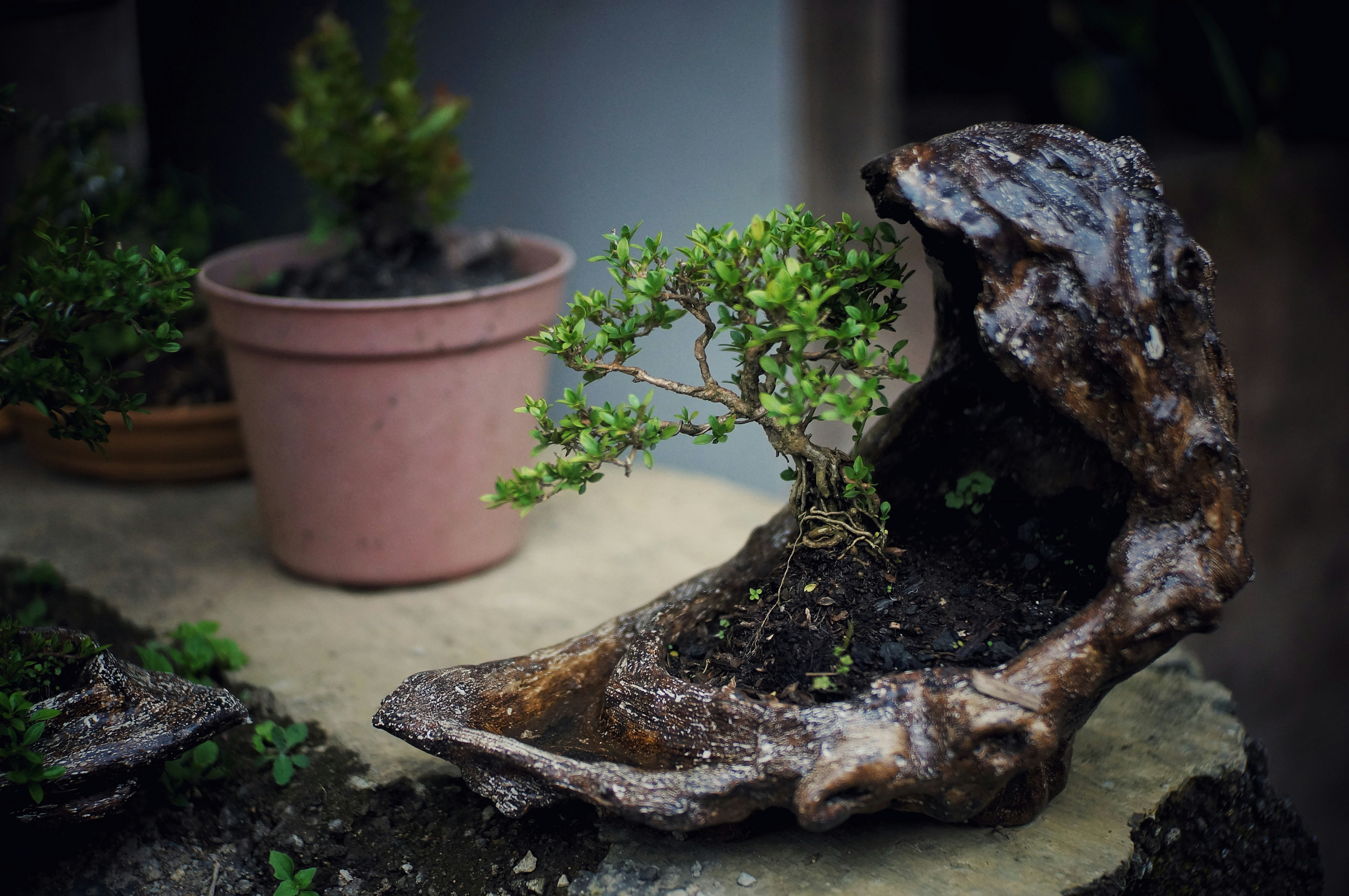
We trace back to Edo Japan when monks rolled cotton-seed balls (aburakasu) onto mossy trays—an early slow-release pellet. Fast-forward to 1950s Biogold factories stamping 6-7-4 pellets, and hobbyists still whisper “less is more” today.
Why care? Because bonsai soil is a thimbleful of real estate—every ion counts. Fertilizer is the rent we pay for fine ramification.
🌿 Understanding Bonsai Nutritional Needs: What Your Tree Craves
Trees speak in chlorophyll, not English. Nitrogen = leaf hustle, Phosphorus = root hustle, Potassium = immune hustle. Micronutrients (Fe, Mn, Zn…) are the espresso shot.
Indoor Ficus gulps balanced 6-6-6 year-round, while outdoor Juniper wants 10-6-6 in spring, 3-6-6 in autumn—seasonal sushi menu.
🔍 The Essential Nutrients in Bonsai Fertilizers: NPK and Beyond
NPK is the headline act, but micronutrients are the backup dancers. Iron keeps leaves emerald, Magnesium keeps veins ruby.
Organic pellets (fish, cotton, kelp) release slow jazz, while synthetic liquid drops EDM beat.
Table: NPK Ratio Cheat-Sheet
| Season | Outdoor | Indoor | Goal |
|---|---|---|---|
| Spring | 10-6-6 | 6-6-6 | Trunk hustle |
| Summer | 6-6-6 | 6-6-6 | Balance |
| Autumn | 3-6-6 | 6-6-6 | Root hustle |
📅 When to Feed Your Bonsai: Timing Fertilizer Applications for Optimal Health
Outdoor trees eat **spring thaw to first frost—April to September. Indoor trees eat 365 days—no snow days.
Refinement trees wait after spring growth hardens—patience is fertilizer.
Time-release? Osmocote releases faster in August heat—thermometer is the throttle.
⚖️ How Much Fertilizer Does Your Bonsai Need? Dosage and Frequency Explained
Rule of thumb: ¼ tsp per 6-inch pot—dilute liquid to ¼ strength. Solid pellets? 3–5 balls per shallow tray—less is more.
Over-feeding? **Leaves yellow—salt burn. Under-feeding? **Leaves pale—chlorosis.
Frequency
- Organic pellets: 6–8 weeks—slow jazz.
- Liquid feed: weekly—EDM beat.
🛠️ Step-by-Step Guide: How to Fertilize Your Bonsai Like a Pro
- Water soil first—moist sponge.
- Dilute liquid ¼ strength—espresso shot.
- Pour evenly—rain shower.
- Pellets? Push gently—burrito tuck.
- Cover with fertilizer screen—bird-proof.
Indoor hack: Steep Biogold pellets in water 24 h—instant tea.
🌸 Organic vs. Synthetic Fertilizers: Which is Best for Your Bonsai?
Organic smells fishy, but microbes love it—slow jazz. Synthetic drops EDM beat, but salt can burn—dilute.
Table: Quick Comparison
| Feature | Organic | Synthetic |
|---|---|---|
| Smell | Fishy | None |
| Release | Slow | Fast |
| Microbes | Party | Solo |
| Burn | Rare | Possible |
We rotate both—seasonal DJ.
💧 Watering and Fertilizing: The Dynamic Duo for Bonsai Health
Water is Uber, fertilizer is passenger—never ride dry. Wilted leaves absorb fast, but burn hard—damp sponge first.
Indoor hack: Bottom-water 15 min—sponge soak.
🦠 Common Fertilizer-Related Problems and How to Fix Them
Yellow leaves? Salt burn—flush with water. White crust? Salt—repot fresh. Leggy growth? Over-feed—dilute.
Birds steal pellets—cover with mesh.
🌳 Fertilizing Different Bonsai Species: Tailoring Nutrition to Tree Type
Ficus eats 6-6-6 year-round—tropical buffet. Juniper eats 10-6-6 spring, 3-6-6 autumn—seasonal sushi. Maple eats low-N—leaf crisp.
Table: Species Cheat-Sheet
| Species | NPK | Season |
|---|---|---|
| Ficus | 6-6-6 | Year |
| Juniper | 10-6-6 | Spring |
| Maple | 3-6-6 | Autumn |
🧪 Testing Soil and Fertilizer Effectiveness: Tools and Tips
Soil pH 6–7—sweet spot. EC 1–2—gentle. Leaf color chart—visual. Digital meter 15—instant.
Indoor hack: Steep Biogold 24 h—tea test.
🌞 Seasonal Fertilization Strategies: Adjusting for Growth Cycles
Spring 10-6-6—trunk hustle. Summer 6-6-6—balance. Autumn 3-6-6—root hustle. Winter off—nap.
Indoor year-round—tropical buffet.
🏆 Top-Rated Bonsai Fertilizers and Brands We Recommend
Biogold 6-7-4—slow jazz. Osmocote 14-14-14—time release. Miracid 30-10-10—acid lover.
Shop these brands on Amazon—search term “bonsai fertilizer”.
📚 Conclusion: Mastering Bonsai Tree Fertilization for Vibrant Health
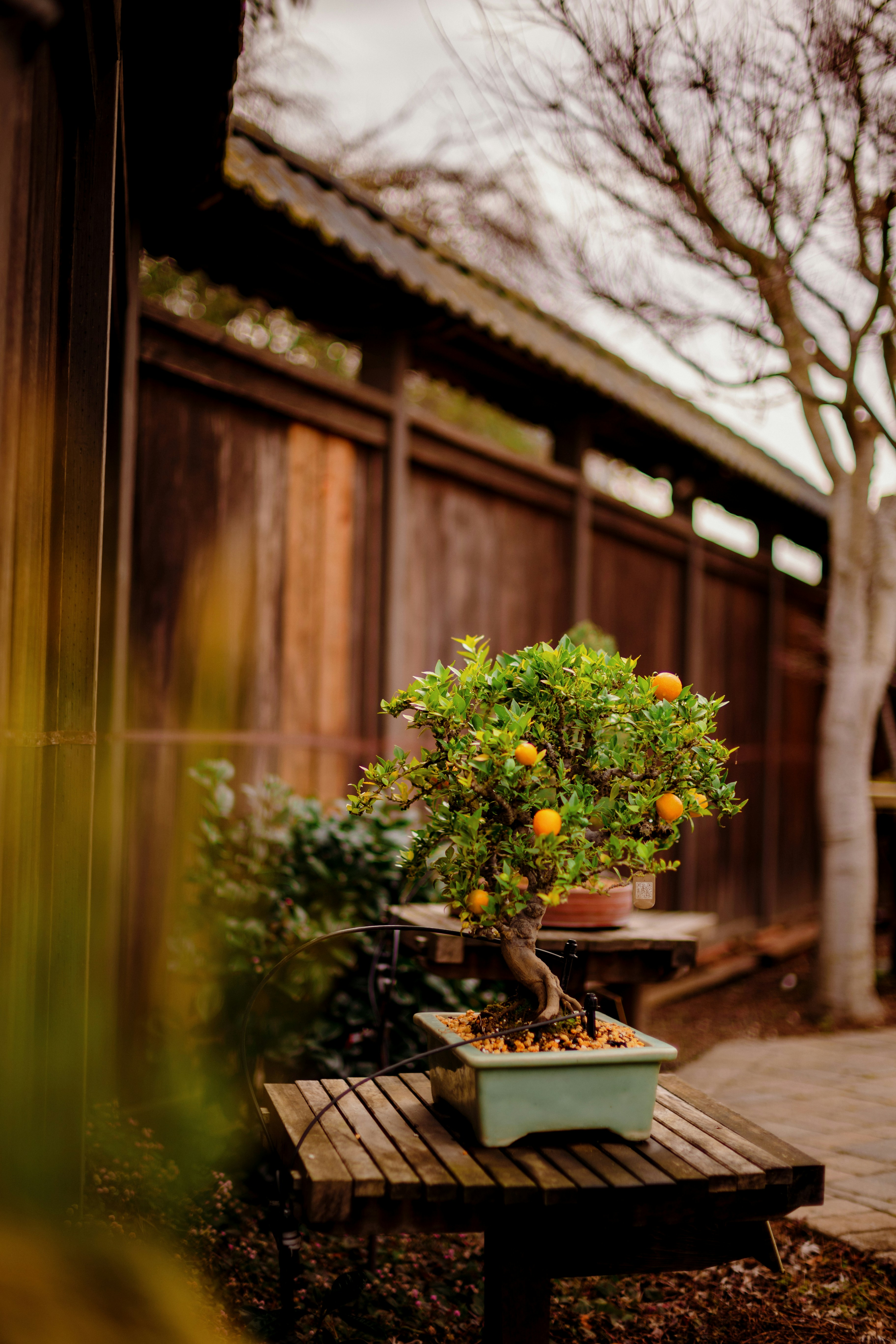
After diving deep into the world of bonsai fertilization, it’s clear that feeding your bonsai is both an art and a science. From the slow-release Biogold pellets that have stood the test of time to the fast-acting synthetic liquids like Miracid, each fertilizer type offers unique benefits and challenges.
Positives of Biogold:
✅ Balanced NPK ratio (6-7-4) tailored for bonsai
✅ Organic, slow-release, supports soil microbes
✅ Easy to apply pellets with minimal risk of burn
Negatives of Biogold:
❌ Can attract birds or pests if left uncovered
❌ Slower nutrient availability might frustrate impatient growers
Our confident recommendation: For most bonsai enthusiasts, especially beginners and intermediate growers, Biogold is the gold standard. It provides a balanced, gentle nutrient supply that promotes healthy roots, foliage, and overall vitality. For those seeking faster results or growing indoor tropical bonsai, supplementing with diluted liquid fertilizers like Miracid can provide a nutrient boost without overwhelming the tree.
Remember, the best fertilizer is the one you use consistently and correctly. Over-fertilizing is the silent bonsai killer, so always err on the side of caution. And don’t forget: watering first, fertilizing second is the golden rule.
So, next time you hold that tiny pellet or pour that diluted liquid, know you’re feeding a miniature forest with a legacy of centuries—and your bonsai will thank you with vibrant health and stunning growth.
Ready to master your bonsai’s diet? Let’s keep growing!
🔗 Recommended Links for Bonsai Fertilization and Care
👉 CHECK PRICE on:
- Biogold Bonsai Fertilizer: Amazon | Bonsai Boy of New York Official Website
- Osmocote Plus Time Release Fertilizer: Amazon | Scotts Official Website
- Miracid Acid-Loving Plant Fertilizer: Amazon | Miracle-Gro Official Website
Recommended Books:
- Bonsai Basics: A Step-By-Step Guide to Growing, Training & General Care by Colin Lewis — Amazon
- The Complete Book of Bonsai: A Practical Guide to Its Art and Cultivation by Harry Tomlinson — Amazon
- Bonsai Techniques I by John Yoshio Naka — Amazon
❓ FAQ: Your Burning Questions About Bonsai Fertilization Answered
What are the key nutrients that bonsai trees need to thrive, and how can I ensure they receive them?
Key nutrients include Nitrogen (N) for leaf and stem growth, Phosphorus (P) for root development and flowering, and Potassium (K) for overall health and disease resistance. Additionally, micronutrients like Iron, Magnesium, Zinc, and Manganese play vital roles in chlorophyll production and enzymatic functions.
To ensure your bonsai receives these, use a balanced fertilizer formulated for bonsai, such as Biogold (6-7-4) or a similar NPK ratio. Supplement with micronutrient-rich organic fertilizers or foliar sprays if deficiencies appear (yellowing leaves or poor growth). Regular fertilization during the growing season, combined with proper watering and soil care, guarantees nutrient uptake.
What is the importance of repotting in maintaining the health of my bonsai tree?
Repotting is crucial because bonsai soil can become compacted and nutrient-depleted over time. Roots may become root-bound, limiting nutrient and water absorption. Repotting every 2-3 years (depending on species and growth rate) refreshes the soil, improves aeration, and allows root pruning to encourage fine root growth.
Healthy roots are essential for efficient fertilizer uptake, so repotting directly supports your fertilization efforts and overall bonsai vitality.
How do I diagnose and treat root rot in my bonsai tree?
Root rot symptoms include wilting leaves, yellowing, and soft, blackened roots. It often results from overwatering and poor drainage.
To treat root rot:
- Remove the tree from its pot and inspect roots.
- Cut away all rotten roots with sterilized scissors.
- Repot in fresh, well-draining bonsai soil.
- Adjust watering habits to allow soil to dry slightly between waterings.
Proper fertilization after recovery should be gentle—use diluted liquid feed to avoid stressing the roots.
What are the most common bonsai tree diseases and how can I prevent them?
Common diseases include powdery mildew, root rot, and leaf spot. Prevention includes:
- Proper watering and drainage
- Avoiding over-fertilization which weakens trees
- Providing adequate airflow and sunlight
- Using clean tools and sterilizing pots
Balanced fertilization strengthens the tree’s immune system, reducing susceptibility.
Are there any specific fertilization requirements for different species of bonsai trees?
Yes! Different species have unique nutrient needs:
- Ficus and tropical bonsai prefer balanced NPK (6-6-6) year-round.
- Juniper benefits from higher nitrogen in spring (10-6-6) and reduced nitrogen in autumn (3-6-6).
- Maple species prefer lower nitrogen to avoid overly vigorous leaf growth.
Tailoring fertilization to species ensures optimal growth and health.
What are the signs of over-fertilization in bonsai trees and how can I correct it?
Signs include:
- Yellowing or browning leaf edges (salt burn)
- Leaf drop
- White crust on soil surface (salt buildup)
- Leggy, weak growth
To correct:
- Flush soil thoroughly with water to wash out excess salts.
- Reduce fertilizer concentration and frequency.
- Use organic fertilizers or slow-release pellets to minimize risk.
How often should I fertilize my bonsai tree to prevent nutrient deficiencies?
- Organic slow-release pellets: every 6-8 weeks during growing season.
- Liquid fertilizers: diluted weekly or biweekly during active growth.
- Indoor bonsai: year-round feeding at lower doses.
- Dormant trees: reduce or stop fertilization to prevent stress.
Consistency is key—set a schedule and stick to it.
What is the best fertilizer for bonsai trees to promote healthy growth?
Biogold Bonsai Fertilizer is widely regarded as the best all-around fertilizer due to its balanced NPK ratio, organic composition, and ease of use. For faster nutrient delivery, supplement with diluted liquid fertilizers like Miracid or Miracle-Gro Bonsai Food.
Choosing the right fertilizer depends on your bonsai species, growth stage, and personal preferences.
What role does soil pH play in bonsai tree fertilization and overall health?
Soil pH affects nutrient availability. Most bonsai prefer a slightly acidic to neutral pH (6.0–7.0). Outside this range, key nutrients become less available, leading to deficiencies despite fertilization.
Test soil pH periodically and amend with lime (to raise pH) or sulfur (to lower pH) as needed. Proper pH ensures your fertilizer works effectively.
How does pruning affect the fertilization needs of my bonsai tree?
Pruning reduces the leaf mass, which temporarily lowers the tree’s nutrient demand. After heavy pruning, reduce fertilizer frequency and concentration to avoid overfeeding. As new growth emerges, gradually resume regular fertilization to support development.
Can I use organic fertilizers on my bonsai tree, and if so, which ones are recommended?
Absolutely! Organic fertilizers like Biogold, fish emulsion, kelp meal, and cottonseed meal provide gentle, slow-release nutrients and improve soil health by supporting beneficial microbes.
They are especially recommended for beginners and those who prefer eco-friendly options.
What are the most common nutrient deficiencies in bonsai trees and how can I address them?
- Nitrogen deficiency: pale or yellow leaves, slow growth.
- Phosphorus deficiency: poor root growth, dark green or purplish leaves.
- Potassium deficiency: leaf edge browning, weak stems.
- Iron deficiency: yellowing between leaf veins (chlorosis).
Address deficiencies by adjusting fertilizer type or adding specific supplements (e.g., iron chelates for iron deficiency).
📖 Reference Links and Further Reading
- Bonsai Empire: Fertilizing Bonsai Trees
- Bonsai Tonight: How to Fertilize Bonsai
- Facebook Group Discussion: What fertilizer is best for serissa bonsai trees?
- Biogold Bonsai Fertilizer Official
- Miracle-Gro Official Website
- Osmocote Fertilizer by Scotts
For more expert insights and community advice, visit the Bonsai Garden™ Bonsai Care Basics and Bonsai FAQs sections.


