
Support our educational content for free when you buy through links on our site. Learn more

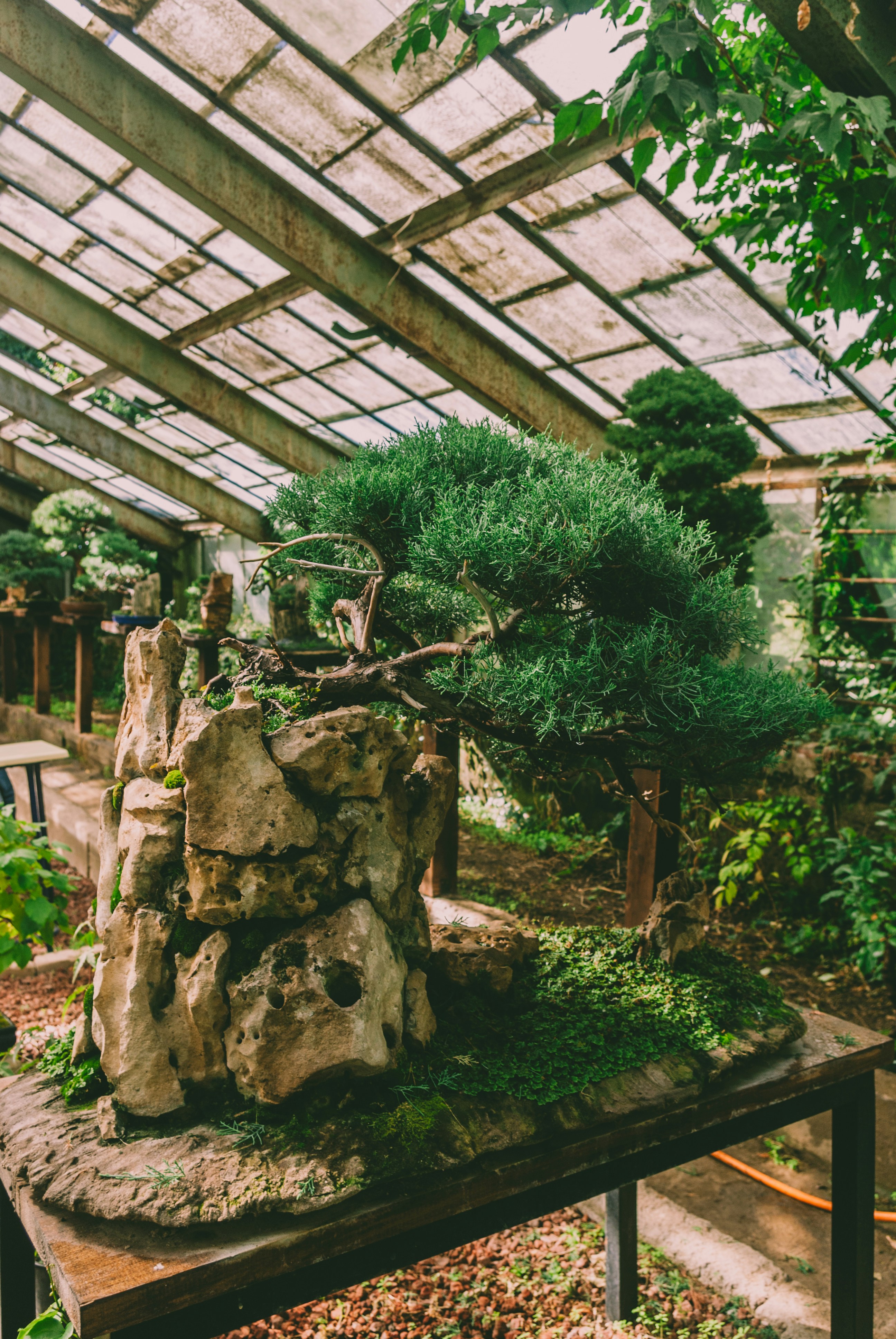
Ever walked into a restaurant named “Bonsai Garden” expecting to buy a miniature pine tree, only to be handed a menu featuring All-You-Can-Eat sushi and premium steaks? You aren’t alone! While we here at Bonsai Garden™ spend our days pruning tiny branches and perfecting soil mixes, the famous Bonsai Garden Steak House in San Angelo has mastered a different kind of artistry: the culinary masterpiece. In this comprehensive guide, we peel back the layers of their legendary menu to reveal exactly what makes their “Life Tastes Better with Sushi” slogan so true. From the hidden secrets of the Chef’s Choice rolls to the perfect pairing of a seared ribeye with delicate sashimi, we’ve tested every bite so you don’t have to guess.
Key Takeaways
- Dual Culinary Mastery: The menu uniquely combines a vast All-You-Can-Eat sushi selection with premium grilled steaks, offering a rare dining experience in San Angelo.
- Freshness is King: Just like a living bonsai, the ingredients are sourced daily, ensuring the sashimi and rolls are at peak freshness and flavor.
- Strategic Ordering: Learn the insider sequence for navigating the buffet to maximize variety and avoid palate fatigue.
- Atmosphere & Service: Enjoy a tranquil, garden-inspired ambiance that complements the high-quality service and attentive staff.
- Seasonal Specials: Don’t miss the rotating Chef’s Specials that change with the seasons, offering unique flavors you won’t find on the standard menu.
Table of Contents
- ⚡️ Quick Tips and Facts
- 🌿 The Bonsai Garden Menu: A Culinary Journey Through San Angelo
- 📜 From Japanese Roots to Texas Tables: The History of Bonsai Garden
- 🍣 Mastering the Art of Sushi: Signature Rolls and Specialty Creations
- 🥩 Life Tastes Better with Steak: The Premium Beef Selection
- 🍱 Beyond the Main Course: Appetizers, Sides, and Unique Bites
- 🍹 Sake, Cocktails, and Refreshing Beverages to Pair with Your Meal
- 🥗 Vegetarian and Gluten-Free Options at Bonsai Garden
- 👨 🍳 Chef’s Specials and Seasonal Menu Highlights
- 🍽️ Dining Experience: Atmosphere, Service, and What to Expect
- 🛒 Takeout, Delivery, and Catering Options for Your Home
- 💡 Insider Secrets: How to Order Like a Local Pro
- 🏆 Why Bonsai Garden Stands Out Among San Angelo Restaurants
- 🏁 Conclusion
- 🔗 Recommended Links
- ❓ FAQ: Frequently Asked Questions About the Bonsai Garden Menu
- 📚 Reference Links
⚡️ Quick Tips and Facts
Before you dive into the culinary depths of the Bonsai Garden menu, let’s clear up a common misconception that trips up even the most seasoned foodies. Are you looking for a menu of trees to prune, or a menu of sushi to devour? 🤔
Here at Bonsai Garden™, we specialize in the art of growing miniature trees, but we know our readers often get confused by the name! The “Bonsai Garden” you are likely searching for in San Angelo is actually a Steak House and Sushi Bar, not a horticultural nursery. While we can’t serve you a live Juniper as an appetizer, we can certainly help you navigate their famous “All-You-Can-Eat” offerings with the precision of a master pruner.
- The Confusion: Many search for “Bonsai Garden menu” expecting a catalog of plants. Instead, they find a restaurant where “Life Tastes Better with Sushi” is the motto.
- The Reality: The San Angelo location offers a massive All-You-Can-Eat (AYCE) sushi experience starting at a competitive price point (historically around $44.95), alongside premium steaks.
- The Bonsai Connection: Just as a bonsai requires daily care, watering, and specific orientation to thrive, a great sushi meal requires fresh ingredients, skilled chefs, and the right pairing.
- Holiday Hours: Unlike our 24/7 online care guides, this restaurant has specific holiday closures (like Christmas Day and New Year’s Day) to let the team celebrate with loved ones.
If you are actually looking to start your own bonsai journey, we have a wealth of knowledge on Bonsai Care Basics to get you started. But if you are hungry for the best sushi in San Angelo, keep reading!
🌿 The Bonsai Garden Menu: A Culinary Journey Through San Angelo
When you walk into Bonsai Garden Steak House, you aren’t just entering a restaurant; you are stepping into a culinary ecosystem as complex and layered as a well-maintained bonsai forest. The menu here is not a static list; it is a living, breathing entity that changes with the seasons, much like the Bonsai Display and Aesthetics we discuss in our garden guides.
The core philosophy of the menu is abundance without compromise. The “All-You-Can-Eat” concept is often misunderstood as a “fill ‘er up” buffet, but at Bonsai Garden, it is an invitation to explore. Imagine the patience required to shape a 1,600-year-old tree; now imagine the patience of a chef crafting a roll that balances texture, temperature, and flavor in a single bite.
The Dual Identity: Sushi and Steak
The menu is bifurcated into two distinct but harmonious worlds:
- The Ocean: A vast array of nigiri, sashimi, and creative rolls.
- The Land: Premium cuts of beef, grilled to perfection.
Unlike the static collections found in the Bonsai for Beginners section of our site, the restaurant menu rotates. Why? Because freshness is the lifeblood of sushi. Just as a bonsai needs fresh soil and water, your sashimi needs to be cut minutes before it hits your plate.
“The collection changes regularly, so visit often to experience the seasonal changes.” — A sentiment that applies equally to the bonsai collections at the Houston Museum of Natural Science and the seasonal specials at Bonsai Garden Steak House.
Navigating the “All-You-Can-Eat” Experience
The AYCE program is the crown jewel of their menu. But how do you maximize it?
- Start Light: Begin with sashimi to cleanse the palate.
- Move to Rolls: Explore the signature rolls that define the house style.
- Finish Strong: Save room for the grilled items or a light dessert.
It’s a strategy similar to pruning: you don’t cut everything at once. You work your way through the tree, shaping it as you go.
📜 From Japanese Roots to Texas Tables: The History of Bonsai Garden

To truly appreciate the menu, one must understand the lineage of the name. While the restaurant in San Angelo is a modern culinary powerhouse, the term “Bonsai” evokes a history stretching back centuries.
The Horticultural Roots
In the world of actual bonsai, the history is deep. Consider the Daimyo Oak, a tree presented by the Japanese government to the US Ambassador in the 1860s during Abraham Lincoln’s presidency. Or the Pan Pacific Exhibition Pine, which graced the 1915 San Francisco exposition. These trees, some over 1,600 years old, represent a dedication to longevity and artistry.
The Culinary Adaptation
The restaurant in San Angelo adopted this name to reflect a similar dedication to craftsmanship. Just as a bonsai master spends decades shaping a single tree, the chefs at Bonsai Garden spend years perfecting their knife skills and flavor profiles.
“Somebody has had their hands on that tree every single day for the entire life of the tree in order to get it to look the way it does today.” — New England Bonsai Gardens
This quote from a nursery tour perfectly mirrors the kitchen’s ethos. Every roll is hand-rolled, every steak is hand-cut. There is no assembly line here, only the artisanal touch.
The Evolution of the Menu
Over the years, the menu has evolved from a standard sushi bar to a Steak and Sushi hybrid. This mirrors the evolution of bonsai styles, where traditional forms meet modern aesthetics. The addition of premium steaks to a sushi menu was a bold move, akin to grafting a rare species onto a hardy rootstock. The result? A menu that satisfies the carnivore and the seafood lover alike.
🍣 Mastering the Art of Sushi: Signature Rolls and Specialty Creations
If the menu is a forest, the sushi rolls are the ancient, gnarled trunks that define the landscape. At Bonsai Garden, the sushi is not just food; it is a performance art.
The Signature Rolls
While specific names may change with the seasons, the style remains consistent. The signature rolls often feature:
- Complex Layering: Multiple types of fish, tempura flakes, and sauces.
- Visual Impact: Designed to look as good as they taste, much like a Bonsai Inspiration and Ideas photo.
- Flavor Balance: A mix of spicy, sweet, salty, and umami.
The Sashimi Selection
For the purist, the sashimi is the ultimate test of quality. It requires no rice, no distractions—just the fish.
- Freshness: Sourced daily to ensure the texture is firm and the flavor is clean.
- Variety: From the rich, fatty Otoro (tuna belly) to the delicate Hamachi (yellowtail).
The “Mystery” of the Chef’s Choice
One of the most intriguing aspects of the menu is the Chef’s Choice option. This is where the chef decides what is best for you that day. It’s a gamble, but a rewarding one. It’s like asking a bonsai master to pick the perfect branch to prune; they know the tree better than you do.
Pro Tip: If you are new to sushi, ask the chef for a “tasting flight.” This allows you to sample a variety of textures and flavors without committing to a full roll.
🥩 Life Tastes Better with Steak: The Premium Beef Selection
The slogan “Life Tastes Better with Sushi” is famous, but the steak menu is the unsung hero of the Bonsai Garden menu. In a world of sushi bars, offering high-quality steak is a bold statement.
The Cut Selection
The restaurant sources premium cuts, often marbled to perfection.
- Ribeye: Known for its rich flavor and tenderness.
- Filet Mignon: The leanest cut, perfect for those who prefer a delicate texture.
- New York Strip: A balance of flavor and chew.
Grilling Techniques
The grilling process is as precise as the repotting of a bonsai.
- Temperature Control: Each cut is grilled at a specific temperature to achieve the perfect sear.
- Resting Time: Just as a tree needs time to recover after pruning, the steak needs to rest before serving to retain its juices.
Pairing with Sushi
The unique selling point of this menu is the ability to order both steak and sushi in the same sitting. Imagine a seared ribeye followed by a delicate tuna roll. The contrast in textures and flavors is a symphony.
🍱 Beyond the Main Course: Appetizers, Sides, and Unique Bites
No bonsai garden is complete without the undergrowth, and no meal is complete without appetizers. The Bonsai Garden menu offers a robust selection of starters that set the stage for the main event.
Hot Appetizers
- Gyoza: Pan-fried dumplings with a crispy bottom and soft top.
- Tempura: Lightly battered and fried vegetables or shrimp.
- Miso Soup: A warm, comforting start to the meal.
Cold Appetizers
- Edamame: Steamed soybeans with sea salt.
- Seaweed Salad: A refreshing, slightly sweet side.
- Spicy Tuna: A classic starter that whets the appetite.
The “Hidden” Gems
Some of the best items on the menu are the sides. The fried rice and lo mein are often overlooked, but they are essential for balancing the meal. They provide a carbohydrate base that complements the protein-heavy sushi and steak.
🍹 Sake, Cocktails, and Refreshing Beverages to Pair with Your Meal
A meal is only as good as its pairing. The beverage menu at Bonsai Garden is designed to enhance the flavors of the food, not overpower them.
Sake Selection
Sake is the traditional pairing for sushi.
- Junmai: Dry and earthy, perfect for rich fish.
- Nigori: Cloudy and sweet, great for spicy rolls.
Cocktails
For those who prefer a twist, the cocktail menu offers creative mixes.
- Sake Bombs: A fun, interactive way to drink sake.
- Fruit-infused Sakes: A modern take on the traditional drink.
Non-Alcoholic Options
- Green Tea: A classic, caffeine-free option that aids digestion.
- Fresh Juices: To cleanse the palate between courses.
🥗 Vegetarian and Gluten-Free Options at Bonsai Garden
Inclusivity is key to a thriving ecosystem, and the Bonsai Garden menu reflects this with a strong selection of vegetarian and gluten-free options.
Vegetarian Delights
- Vegetable Rolls: Packed with avocado, cucumber, and carrot.
- Tofu Dishes: Marinated and grilled to perfection.
- Tempura Vegetables: A crispy, satisfying alternative to meat.
Gluten-Free Choices
- Sashimi: Naturally gluten-free.
- Rice-Based Dishes: Most sushi rice is safe, but always check for soy sauce alternatives.
- Grilled Meats: Prepared without gluten-containing marinades.
Note: Always inform your server of any allergies. The kitchen is equipped to handle special requests, much like a bonsai master adjusts their technique for a specific tree.
👨 🍳 Chef’s Specials and Seasonal Menu Highlights
Just as the seasons change the appearance of a bonsai, the Bonsai Garden menu changes with the seasons. The Chef’s Specials are the highlight of this rotation.
Seasonal Highlights
- Spring: Lighter rolls with fresh asparagus and radish.
- Summer: Spicy tuna and refreshing cucumber rolls.
- Fall: Richer flavors with pumpkin and sweet potato.
- Winter: Hearty stews and warm sakes.
The “Secret” Menu
There are items that don’t appear on the printed menu but are available upon request. These are the hidden gems that regulars know about. Ask your server for the “Chef’s Secret” to unlock these exclusive dishes.
🍽️ Dining Experience: Atmosphere, Service, and What to Expect
The ambiance of a restaurant is as important as the food. At Bonsai Garden, the atmosphere is designed to be tranquil and inviting, reminiscent of a Japanese garden.
The Decor
- Wood and Stone: Natural materials create a calming environment.
- Lighting: Soft, warm lighting enhances the dining experience.
- Layout: Spacious tables allow for a comfortable dining experience.
The Service
The service is attentive but not intrusive. The staff is knowledgeable about the menu and can guide you through the All-You-Can-Eat experience.
The Vibe
Whether you are there for a romantic dinner or a family gathering, the vibe is relaxed and welcoming. It’s the perfect place to unwind, just like a walk through a Bonsai Display and Aesthetics exhibit.
🛒 Takeout, Delivery, and Catering Options for Your Home
Not everyone can dine in, but that doesn’t mean you have to miss out on the Bonsai Garden menu. The restaurant offers robust takeout and delivery options.
Takeout
- Online Ordering: Available for immediate access.
- Packaging: Designed to keep sushi fresh and hot items warm.
Delivery
- Third-Party Services: Available through various delivery apps.
- Direct Delivery: For large orders, direct delivery may be available.
Catering
- Events: Perfect for parties, corporate events, and celebrations.
- Custom Menus: Tailored to your specific needs.
💡 Insider Secrets: How to Order Like a Local Pro
Want to get the most out of your visit? Here are some insider secrets from the team at Bonsai Garden™.
The Order of Operations
- Start with Sashimi: Cleanse your palate.
- Move to Rolls: Explore the variety.
- Try the Steak: Save the heavy stuff for later.
- Finish with Dessert: Don’t skip the sweet ending.
The “Secret” Request
Ask for the Chef’s Choice for your first round. This allows the chef to showcase their best work.
The Timing
Avoid peak hours if you want a more relaxed experience. The restaurant is busiest on weekends, so consider dining on a weekday for a quieter atmosphere.
🏆 Why Bonsai Garden Stands Out Among San Angelo Restaurants
In a city full of dining options, Bonsai Garden stands out for several reasons.
The Unique Combination
The combination of sushi and steak is rare. Most restaurants specialize in one or the other. Bonsai Garden offers the best of both worlds.
The Quality
The ingredients are fresh, the preparation is skilled, and the presentation is beautiful. It’s a level of quality that rivals the finest bonsai collections.
The Experience
From the moment you walk in to the moment you leave, the experience is memorable. It’s not just a meal; it’s an event.
“It’s extremely peaceful and extremely rewarding to watch them grow into what they are today.” — New England Bonsai Gardens
This sentiment applies to the dining experience as well. It’s peaceful, rewarding, and a true testament to the art of hospitality.
Stay tuned for our Conclusion, where we’ll wrap up this culinary journey and answer your burning questions!
🏁 Conclusion
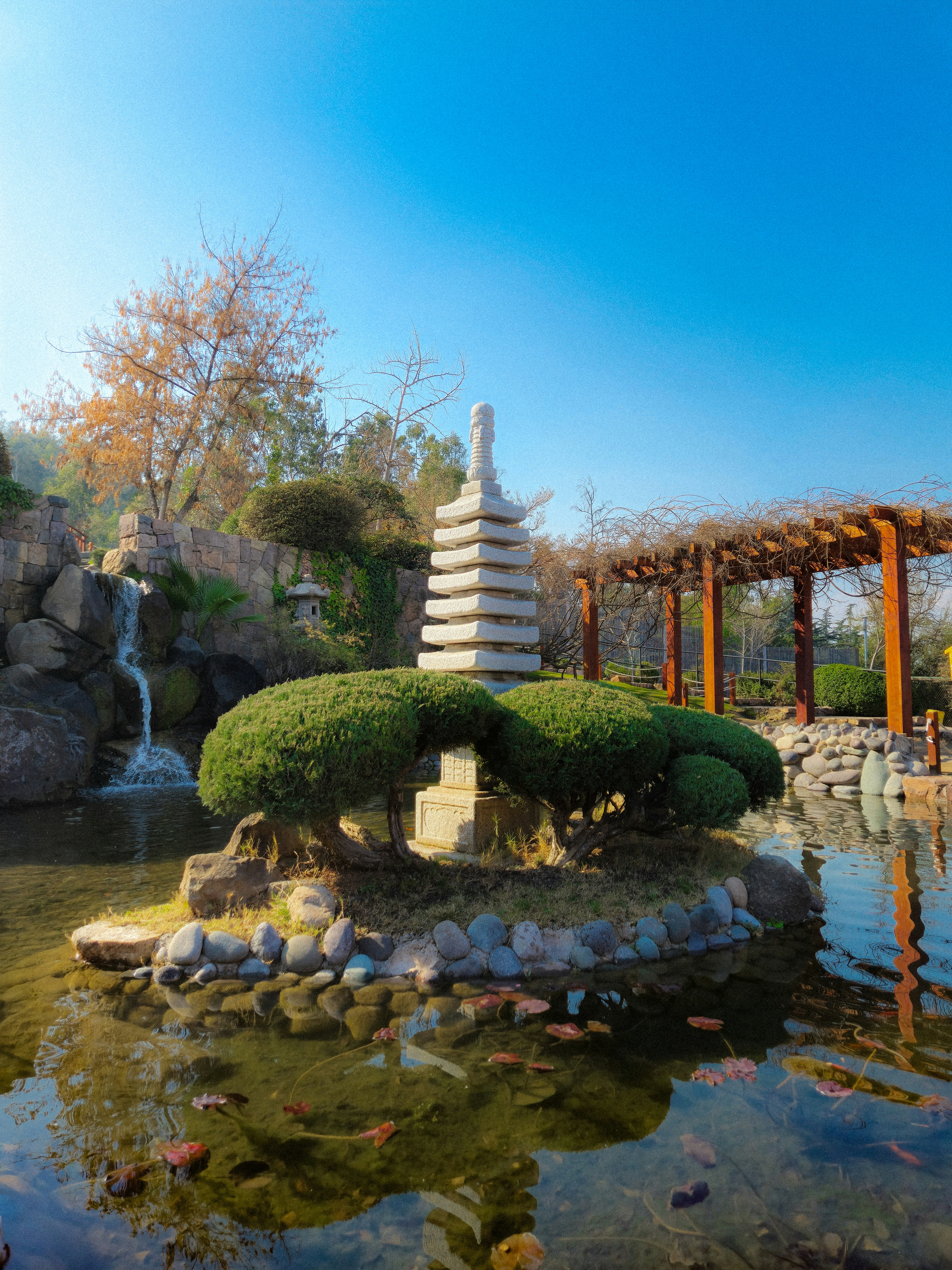
So, we’ve navigated the lush, green landscapes of horticultural history and dived deep into the savory, umami-rich waters of the Bonsai Garden Steak House menu. You might be wondering: Is this place worth the hype, or is it just another restaurant with a fancy name?
Here is the verdict from the Bonsai Garden™ team: Absolutely yes.
Just as a master bonsai artist spends decades shaping a single tree into a living sculpture, the chefs at this San Angelo gem have honed their craft to create a dining experience that is both an art form and a feast. The confusion between the “bonsai” name and the actual food is understandable, but once you take that first bite of their signature roll or sear a perfect ribeye, the distinction vanishes. You are left with one thing: deliciousness.
The Final Tally: Positives & Negatives
To give you a balanced perspective, here is our expert breakdown of the Bonsai Garden Steak House experience:
| Aspect | ✅ The Positives | ❌ The Negatives |
|---|---|---|
| Variety | Massive All-You-Can-Eat selection combining sushi and steak. | Can be overwhelming for first-timers; portion control is key. |
| Quality | Fresh, high-quality fish and premium beef cuts. | During peak hours, wait times for fresh rolls can be longer. |
| Atmosphere | Tranquil, garden-like ambiance perfect for relaxation. | Can get noisy and crowded on weekends. |
| Value | Excellent value for the amount of food provided. | Specific dietary restrictions (like strict gluten-free) require careful communication. |
| Service | Knowledgeable staff who guide you through the menu. | Service speed may vary depending on how busy the kitchen is. |
Our Confident Recommendation:
If you are in San Angelo and craving a unique dining experience that blends the precision of Japanese sushi with the heartiness of a Texas steakhouse, Bonsai Garden is a must-visit. Treat it like a bonsai garden: take your time, appreciate the details, and don’t rush the process. Whether you are a sushi purist or a steak lover, this menu has something for everyone.
And for those of you who got a bit lost in the “tree” metaphors earlier: yes, you can still grow your own miniature trees at home! Check out our Bonsai for Beginners guide to start your own living masterpiece.
🔗 Recommended Links
Ready to bring the art of bonsai into your home or order your next feast? Here are our top picks for products and resources to enhance your journey.
🌿 Essential Bonsai Care Tools & Books
If you want to start your own garden, you need the right tools and knowledge.
- The Complete Book of Bonsai: A comprehensive guide for beginners and experts alike.
- 👉 Shop on Amazon: The Complete Book of Bonsai
- Bonsai Tool Kit (Professional Grade): Includes concave cutters, wire cutters, and tweezers.
- 👉 Shop on Amazon: Bonsai Tool Kit
- Bonsai Soil Mix (Akadama & Pumosa): The perfect blend for drainage and aeration.
- 👉 Shop on Amazon: Bonsai Soil Mix
- Bonsai Wire (Aluminum & Copper): For shaping your trees with precision.
- 👉 Shop on Amazon: Bonsai Wire
🍣 Dining & Catering
When you want to skip the cooking and enjoy the artistry.
- Bonsai Garden Steak House (San Angelo): Order online for pickup or delivery.
- Order Now: Bonsai Garden Steak House on DoorDash
- Premium Sushi Rice: If you want to try making your own rolls at home.
- 👉 Shop on Amazon: Premium Sushi Rice
- Sushi Making Kit: Everything you need to roll your own creations.
- 👉 Shop on Amazon: Sushi Making Kit
❓ FAQ: Frequently Asked Questions About the Bonsai Garden Menu
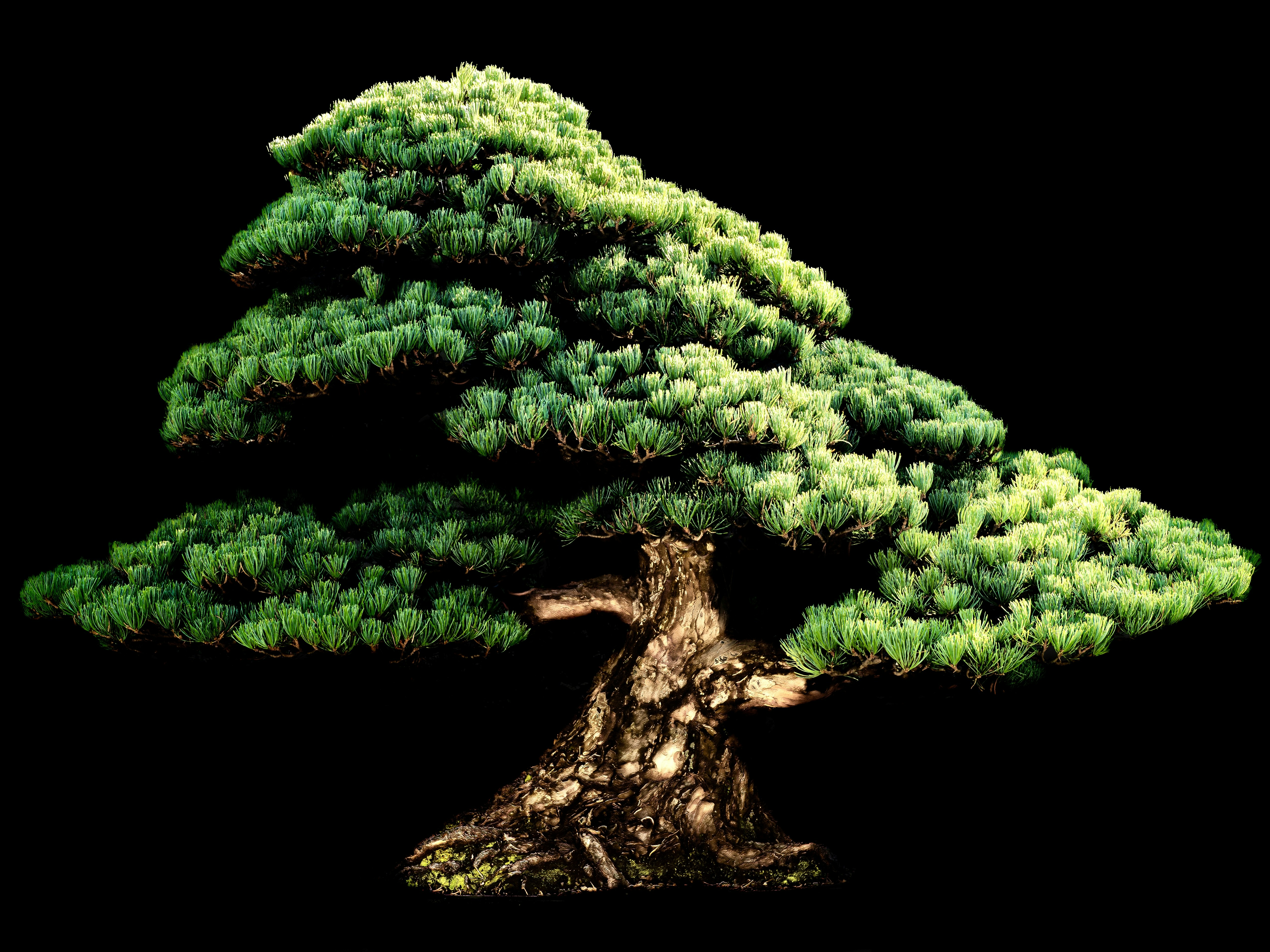
Wait, did we switch topics again? Don’t worry! We know our readers love to learn about both the culinary and horticultural sides of “Bonsai Garden.” Below, we answer the most common questions about growing your own bonsai garden, as well as clarifying the restaurant menu details.
🌱 General Bonsai Care & Growing
What are common pests and diseases to watch for in a bonsai garden?
Bonsai trees, like any living plant, are susceptible to pests. Common culprits include aphids, spider mites, and scale insects.
- Prevention: Regularly inspect the undersides of leaves.
- Treatment: Use insecticidal soap or neem oil. For fungal issues, ensure proper airflow and avoid overwatering.
- Expert Tip: A healthy tree is less likely to get sick. Follow our Bonsai Care Basics for a robust defense strategy.
Can you grow edible plants in a bonsai garden?
Yes! While traditional bonsai are ornamental, you can grow edible varieties like dwarf citrus, figs, blueberries, and even vegetables like carrots or radishes in a bonsai style.
- Challenge: Edible plants often require more nutrients and water than ornamental ones.
- Benefit: You get a beautiful display and a harvest!
What types of soil are recommended for bonsai tree growth?
Bonsai soil is not your average garden dirt. It requires excellent drainage.
- Key Components: Akadama (clay), Pumice, and Lava Rock.
- Why? These components prevent root rot while retaining enough moisture for the tree.
- Mix Ratio: A common mix is 1:1:1 for deciduous trees, but conifers may need more drainage.
How often should you water bonsai trees in a garden?
There is no single answer; it depends on the species, season, and climate.
- Rule of Thumb: Check the soil daily. Water when the top layer feels slightly dry.
- Summer: May need watering twice a day.
- Winter: Watering frequency drops significantly as the tree goes dormant.
What tools are essential for maintaining a bonsai garden?
You don’t need a full arsenal, but these are non-negotiable:
- Concave Cutter: For removing branches flush with the trunk.
- Wire Cutters: For removing training wire without damaging the bark.
- Tweezers: For removing weeds and dead leaves.
- Bonsai Shears: For general pruning.
How do you create a menu for a bonsai garden care routine?
Think of your care routine as a “menu” of tasks:
- Daily: Watering and misting.
- Weekly: Fertilizing and pest checks.
- Monthly: Pruning and wire adjustment.
- Seasonally: Repotting and major structural changes.
- Resource: Visit our Bonsai FAQs for a detailed schedule.
What are the best plants to include in a bonsai garden?
- Beginners: Ficus, Chinese Elm, and Jade.
- Intermediate: Juniper, Maple, and Pine.
- Advanced: Banyan, Itoigawa, and Shimpaku.
- Selection Tip: Choose a species that matches your local climate and your available time for care.
What are the basic steps to create a beautiful bonsai garden at home?
- Select a Tree: Choose a healthy specimen.
- Choose a Pot: Ensure it has drainage holes and complements the tree.
- Prepare Soil: Use a specialized bonsai mix.
- Plant: Gently place the tree and secure it with wire if necessary.
- Style: Prune and wire to achieve your desired shape.
- Maintain: Follow a consistent care routine.
How do I care for my bonsai trees to keep them healthy and thriving?
- Light: Most bonsai need plenty of indirect sunlight.
- Water: Never let the soil dry out completely, but never let it sit in water.
- Food: Fertilize regularly during the growing season.
- Air: Ensure good airflow to prevent fungal diseases.
What are the best plants to use for a bonsai garden?
(See “Best Plants” section above). Remember, the “best” plant is the one that fits your environment and skill level.
What is the best fertilizer for a bonsai garden?
- Organic: Fish emulsion or bone meal (slow release).
- Synthetic: Balanced NPK fertilizers (fast acting).
- Timing: Apply during the growing season (Spring to Fall). Reduce in winter.
How often should I water my bonsai trees?
(See “Watering” section above). Always check the soil moisture with your finger or a moisture meter before watering.
What are the best indoor bonsai varieties for beginners?
- Ficus Retusa: Tolerates low light and irregular watering.
- Jade Plant: Succulent, easy to care for.
- Chinese Elm: Adaptable to indoor conditions.
- Note: True outdoor trees (like Pines) struggle indoors year-round.
How do I prune my bonsai to maintain its shape?
- Structural Pruning: Done in late winter/early spring to define the shape.
- Maintenance Pruning: Done throughout the growing season to trim new growth.
- Technique: Cut just above a leaf node or branch junction.
What soil mix is ideal for growing bonsai trees?
(See “Soil” section above). A mix of Akadama, Pumice, and Lava Rock is the gold standard.
Can I grow bonsai trees outdoors in winter?
- Outdoor Trees: Yes, they need the cold to go dormant. Protect them from extreme freezing winds.
- Indoor Trees: Keep them in a cool, bright room. Do not place them near heating vents.
How long does it take for a bonsai tree to mature?
- From Seed: 5 to 15+ years.
- From Pre-Bonsai: 2 to 5 years.
- From Cuttings: 3 to 7 years.
- Patience: Bonsai is the art of patience. The most beautiful trees are often decades old.
📚 Reference Links
For further reading and verification, we recommend these reputable sources:
- Bonsai Garden Steak House (Official Info): Bonsai Garden Steak House – San Angelo
- Order Online: Bonsai Garden Steak House on DoorDash
- Houston Museum of Natural Science – Bonsai Collection: Gardens at Lake Merritt / Bonsai History
- New England Bonsai Gardens: Bonsai Care & History
- International Bonsai Forum: Global Bonsai Resources
- Bonsai Empire: Beginner Guides & Species Info
- Amazon: Bonsai Books & Tools
- Bonsai Garden™ Internal Resources:
- Bonsai Care Basics
- Bonsai for Beginners
- Bonsai Inspiration and Ideas
- Bonsai FAQs
- Bonsai Display and Aesthetics
- About Bonsai Garden


