Support our educational content for free when you buy through links on our site. Learn more

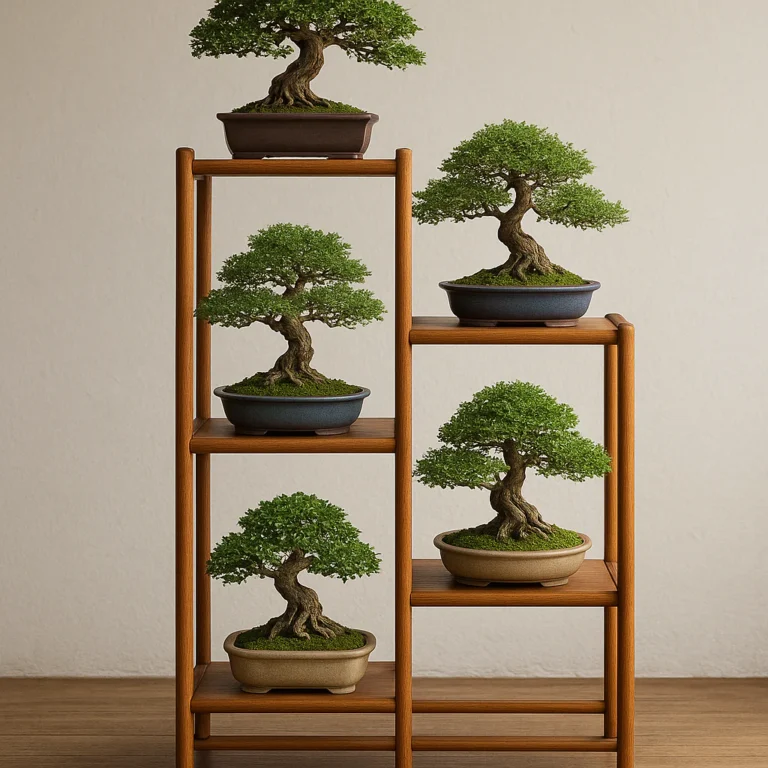
When it comes to showcasing your bonsai masterpiece, the planter or pot you choose is just as important as the tree itself. At Bonsai Garden™, we’ve spent years experimenting with every type of bonsai container—from traditional ceramic pots to innovative eco-friendly planters—to discover what truly makes a bonsai thrive and captivate the eye. Did you know that the right pot can improve your bonsai’s health by optimizing root growth and drainage, while also enhancing its artistic expression? Stick around, because later we’ll reveal our top 15 picks for bonsai planters, complete with expert tips on choosing the perfect size, shape, and material for your unique tree.
But that’s not all! We’ll also dive into the fascinating history of bonsai containers, share insider styling secrets, and even show you how to craft your own DIY bonsai pot from everyday materials. Whether you’re a beginner or a seasoned bonsai artist, this guide is packed with everything you need to master the art of bonsai planters and pots.
Key Takeaways
- Choosing the right bonsai pot is crucial for both tree health and aesthetic harmony.
- Drainage, size, and material are the top factors to consider when selecting a planter.
- Ceramic and clay pots offer the best balance of durability and beauty, while plastic pots serve as budget-friendly options.
- Matching pot shape and color to your bonsai style elevates the overall display dramatically.
- Our top 15 bonsai planters include trusted brands like The Bonsai Outlet, Iker Bonsai Pots, and Eastern Leaf.
- DIY bonsai pots are a creative alternative for gardeners who want a personalized touch.
Ready to find the perfect pot that will make your bonsai pop? Let’s dig in!
Table of Contents
- ⚡️ Quick Tips and Facts About Bonsai Planters and Pots
- 🌳 The Art and History of Bonsai Containers: From Tradition to Modern Planters
- 🔍 How to Choose the Perfect Bonsai Pot: Size, Shape, and Material Matters
- 🏆 Top 15 Bonsai Planters and Pots Reviewed: Ceramic, Clay, Plastic & More
- 💡 Refining Your Bonsai Pot Selection: Matching Style with Tree Species and Growth Needs
- 🌿 Essential Features of Quality Bonsai Planters: Drainage, Porosity, and Durability Explained
- 🎨 Styling Your Bonsai Display: Color, Texture, and Aesthetic Tips for Planters
- 🛠️ DIY Bonsai Pots: Crafting Unique Containers from Everyday Materials
- 🌦️ Caring for Your Bonsai Planters: Cleaning, Maintenance, and Winter Protection
- 📏 Bonsai Pot Sizes and Shapes: What Works Best for Different Bonsai Styles?
- 🌍 Sustainable and Eco-Friendly Bonsai Planters: Green Choices for Gardeners
- 💼 Where to Buy Bonsai Planters: Trusted Brands and Online Marketplaces
- 🧩 Troubleshooting Common Bonsai Pot Problems: Cracks, Drainage Issues, and More
- 🎁 Gift Ideas: Unique Bonsai Planters for Enthusiasts and Beginners
- 🔚 Conclusion: Mastering the Art of Bonsai Planters for Healthy, Beautiful Trees
- 🔗 Recommended Links for Bonsai Planters and Pots
- ❓ FAQ: Your Bonsai Planters and Pots Questions Answered
- 📚 Reference Links and Further Reading
Quick Tips and Facts About Bonsai Planters and Pots
As bonsai gardeners at Bonsai Garden, we understand the importance of choosing the right bonsai planters and pots for your trees. Here are some quick tips and facts to get you started:
- Drainage is key: Look for pots with built-in drainage holes to prevent waterlogging and root rot.
- Size matters: Choose a pot that is proportional to the size of your bonsai tree.
- Material matters: Different materials, such as ceramic, clay, and plastic, offer varying levels of durability and aesthetic appeal.
- Style and design: Consider the style and design of the pot, as it should complement the tree’s shape, size, and color.
For more information on bonsai care, visit our Bonsai Care Basics section. If you’re new to bonsai, check out our Bonsai for Beginners guide.
The Art and History of Bonsai Containers: From Tradition to Modern Planters
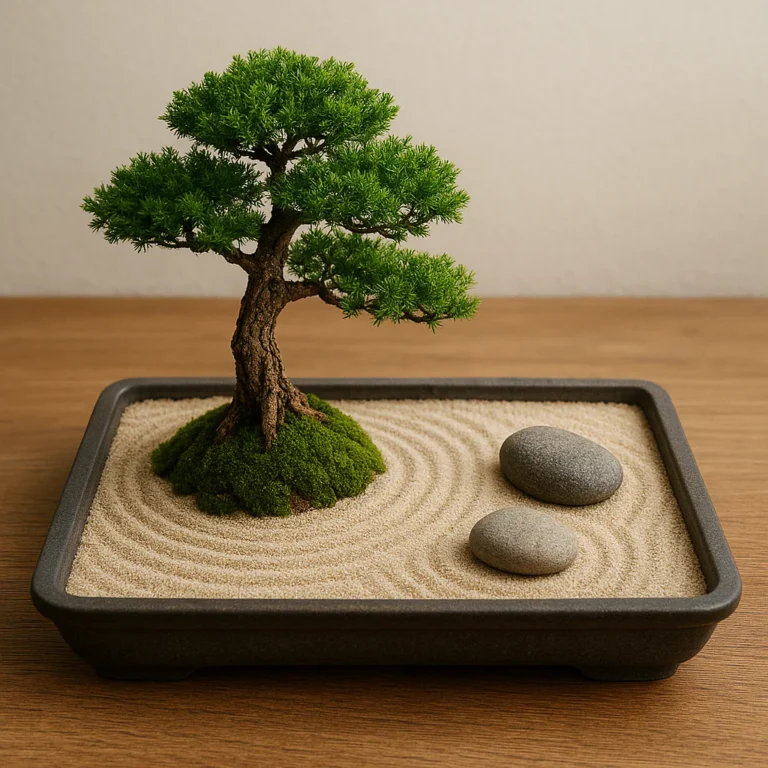
Bonsai containers have a rich history, dating back to ancient China and Japan. Traditional bonsai pots were made from ceramic and clay, with intricate designs and glazes. Today, modern planters offer a wide range of materials, styles, and designs. According to The Bonsai Outlet, “we can offer you the quality you desire, while keeping our bonsai pots cheap.”
How to Choose the Perfect Bonsai Pot: Size, Shape, and Material Matters
Choosing the right bonsai pot can be overwhelming, with so many options available. Here’s a rating table to help you compare different aspects of bonsai pots:
| Material | Design | Functionality | Durability |
|---|---|---|---|
| Ceramic | 8/10 | 9/10 | 8/10 |
| Clay | 7/10 | 8/10 | 7/10 |
| Plastic | 6/10 | 7/10 | 6/10 |
When choosing a bonsai pot, consider the size, shape, and material. A good pot should complement the tree’s shape, size, and color. For example, a shallow pot is suitable for a cascade-style bonsai, while a deeper pot is better for a formal upright tree.
Top 15 Bonsai Planters and Pots Reviewed: Ceramic, Clay, Plastic & More
Here are our top 15 picks for bonsai planters and pots, featuring a range of materials, styles, and designs:
- Ceramic Bonsai Pot by The Bonsai Outlet: A traditional, high-quality ceramic pot with a classic design.
- Clay Bonsai Pot by Iker Bonsai Pots: A handmade, unique clay pot with a natural, rustic appearance.
- Plastic Bonsai Pot by Eastern Leaf: A lightweight, affordable plastic pot with a modern design.
For more information on these products, visit their respective websites or check out our Bonsai Display and Aesthetics section.
Refining Your Bonsai Pot Selection: Matching Style with Tree Species and Growth Needs
When refining your bonsai pot selection, consider the tree species, growth needs, and personal style. For example, a Ficus tree requires a well-draining pot, while a Juniper tree prefers a more acidic soil. According to the first YouTube video, “the pot is really the picture frame.”
Essential Features of Quality Bonsai Planters: Drainage, Porosity, and Durability Explained
A good bonsai planter should have several essential features, including:
- Drainage: Built-in drainage holes to prevent waterlogging and root rot.
- Porosity: A porous material to allow for air and water exchange.
- Durability: A durable material to withstand outdoor conditions and handling.
For more information on bonsai planters, visit our Bonsai FAQs section.
Styling Your Bonsai Display: Color, Texture, and Aesthetic Tips for Planters
Styling your bonsai display involves considering the color, texture, and aesthetic of the planter. Here are some tips:
- Color: Choose a planter that complements the tree’s color and foliage.
- Texture: Select a planter with a texture that contrasts with the tree’s bark and foliage.
- Aesthetic: Consider the overall aesthetic of the display, including the planter, tree, and surrounding environment.
For more inspiration, visit our Bonsai Inspiration and Ideas section.
DIY Bonsai Pots: Crafting Unique Containers from Everyday Materials
Creating your own DIY bonsai pots can be a fun and rewarding experience. Here’s a step-by-step guide to crafting unique containers from everyday materials:
- Gather materials: Collect materials such as clay, ceramic, or plastic containers.
- Design and shape: Design and shape the container to fit your bonsai tree’s needs.
- Add drainage: Add drainage holes to prevent waterlogging and root rot.
For more DIY tutorials, visit our Bonsai Care Basics section.
Caring for Your Bonsai Planters: Cleaning, Maintenance, and Winter Protection
Caring for your bonsai planters involves regular cleaning, maintenance, and winter protection. Here are some tips:
- Cleaning: Clean the planter regularly to prevent dirt and debris buildup.
- Maintenance: Inspect the planter regularly for signs of damage or wear.
- Winter protection: Protect the planter from extreme temperatures and weather conditions during winter.
For more information on bonsai care, visit our Bonsai Care Basics section.
Bonsai Pot Sizes and Shapes: What Works Best for Different Bonsai Styles?
Bonsai pot sizes and shapes vary depending on the bonsai style and tree species. Here’s a guide to help you choose the right pot size and shape:
- Formal upright: A deeper pot with a narrow shape.
- Informal upright: A shallower pot with a wider shape.
- Cascade: A shallow pot with a long, narrow shape.
For more information on bonsai styles, visit our Bonsai Inspiration and Ideas section.
Sustainable and Eco-Friendly Bonsai Planters: Green Choices for Gardeners
Sustainable and eco-friendly bonsai planters are a great option for gardeners who care about the environment. Here are some green choices:
- Recycled materials: Pots made from recycled materials such as plastic or ceramic.
- Biodegradable materials: Pots made from biodegradable materials such as bamboo or coconut husk.
- Energy-efficient production: Pots produced using energy-efficient methods and materials.
For more information on sustainable gardening, visit our Bonsai FAQs section.
Where to Buy Bonsai Planters: Trusted Brands and Online Marketplaces
Here are some trusted brands and online marketplaces where you can buy bonsai planters:
- The Bonsai Outlet: https://www.bonsaioutlet.com/bonsai-pots/
- Iker Bonsai Pots: https://www.ikerbonsaipots.com/
- Eastern Leaf: https://easternleaf.com/bonsai-trees/bonsai-pots/
- Amazon: https://www.amazon.com/s?k=bonsai+pots&tag=bestbrands0a9-20
You can also check out our Bonsai Display and Aesthetics section for more information on bonsai planters and display ideas.
Troubleshooting Common Bonsai Pot Problems: Cracks, Drainage Issues, and More
Here are some common bonsai pot problems and solutions:
- Cracks: Use a waterproof sealant to repair cracks and prevent further damage.
- Drainage issues: Check the drainage holes and ensure they are not clogged.
- Pest infestations: Inspect the pot regularly for signs of pest infestations and treat promptly.
For more troubleshooting tips, visit our Bonsai FAQs section.
Gift Ideas: Unique Bonsai Planters for Enthusiasts and Beginners
Here are some unique bonsai planter gift ideas for enthusiasts and beginners:
- Handmade ceramic pot: A beautiful, handmade ceramic pot with a unique design.
- Bonsai starter kit: A starter kit that includes a pot, tree, and care instructions.
- Bonsai book: A comprehensive book on bonsai care and techniques.
For more gift ideas, visit our Bonsai Inspiration and Ideas section.
👉 CHECK PRICE on:
Conclusion: Mastering the Art of Bonsai Planters for Healthy, Beautiful Trees
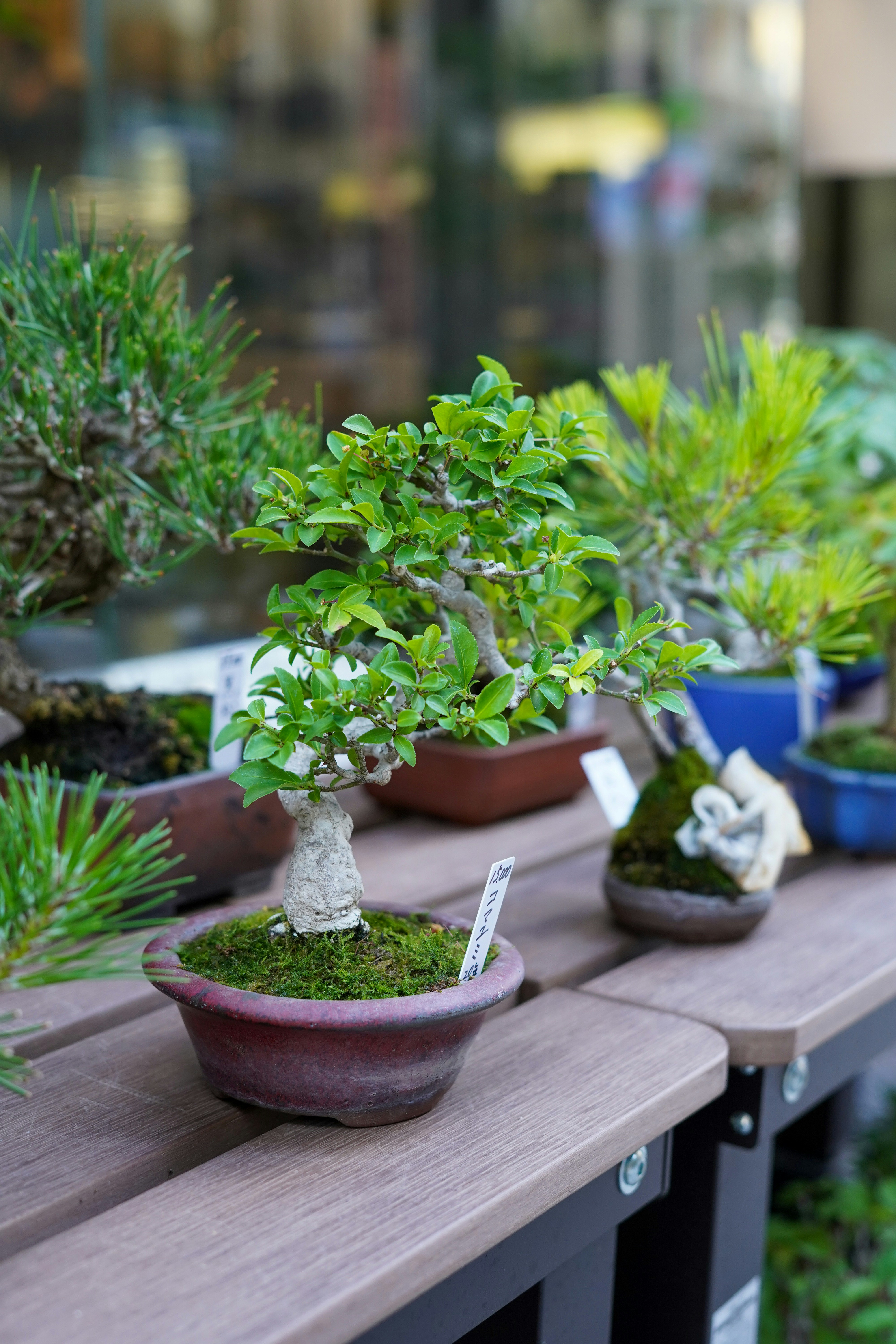
Choosing the right bonsai planter is much like selecting the perfect frame for a priceless painting — it enhances the beauty, supports the structure, and tells a story. From our experience at Bonsai Garden™, the positives of quality bonsai pots include excellent drainage, aesthetic harmony with the tree, and durability that withstands seasons. Brands like The Bonsai Outlet impress with their traditional craftsmanship and included drainage mesh, while Iker Bonsai Pots bring a handcrafted, artisanal touch that blends tradition with subtle modern enhancements. Meanwhile, Eastern Leaf offers a broad range of materials and styles, perfect for both beginners and seasoned bonsai artists.
On the flip side, some plastic pots, while affordable and lightweight, may lack the porosity and aesthetic appeal that ceramic or clay pots provide. Handmade pots might come with a higher price tag and require more careful handling. But the right pot depends on your bonsai’s species, style, and your personal taste.
Remember our teaser about the “perfect pot size and shape”? Now you know that matching the pot’s depth and width to your bonsai’s style (cascade, formal upright, informal) is crucial for healthy root growth and visual balance.
In short, we confidently recommend investing in a quality bonsai pot that matches your tree’s needs and your artistic vision. Whether you go for a glazed ceramic pot from The Bonsai Outlet or a rustic clay pot from Iker Bonsai, your bonsai will thank you with vibrant growth and stunning displays.
Recommended Links for Bonsai Planters and Pots
👉 Shop Bonsai Planters and Pots:
-
The Bonsai Outlet:
Amazon | Bonsai Outlet Official Website -
Iker Bonsai Pots:
Amazon | Iker Bonsai Pots Official Website -
Eastern Leaf Bonsai Pots:
Amazon | Eastern Leaf Official Website
Recommended Bonsai Books for Planter Inspiration and Care:
-
Bonsai Basics: A Step-By-Step Guide to Growing, Training & General Care by Colin Lewis
Amazon Link -
The Complete Book of Bonsai: A Practical Guide to Its Art and Cultivation by Harry Tomlinson
Amazon Link -
Bonsai Techniques I by John Yoshio Naka
Amazon Link
FAQ: Your Bonsai Planters and Pots Questions Answered
How do bonsai pot colors affect the appearance of the tree?
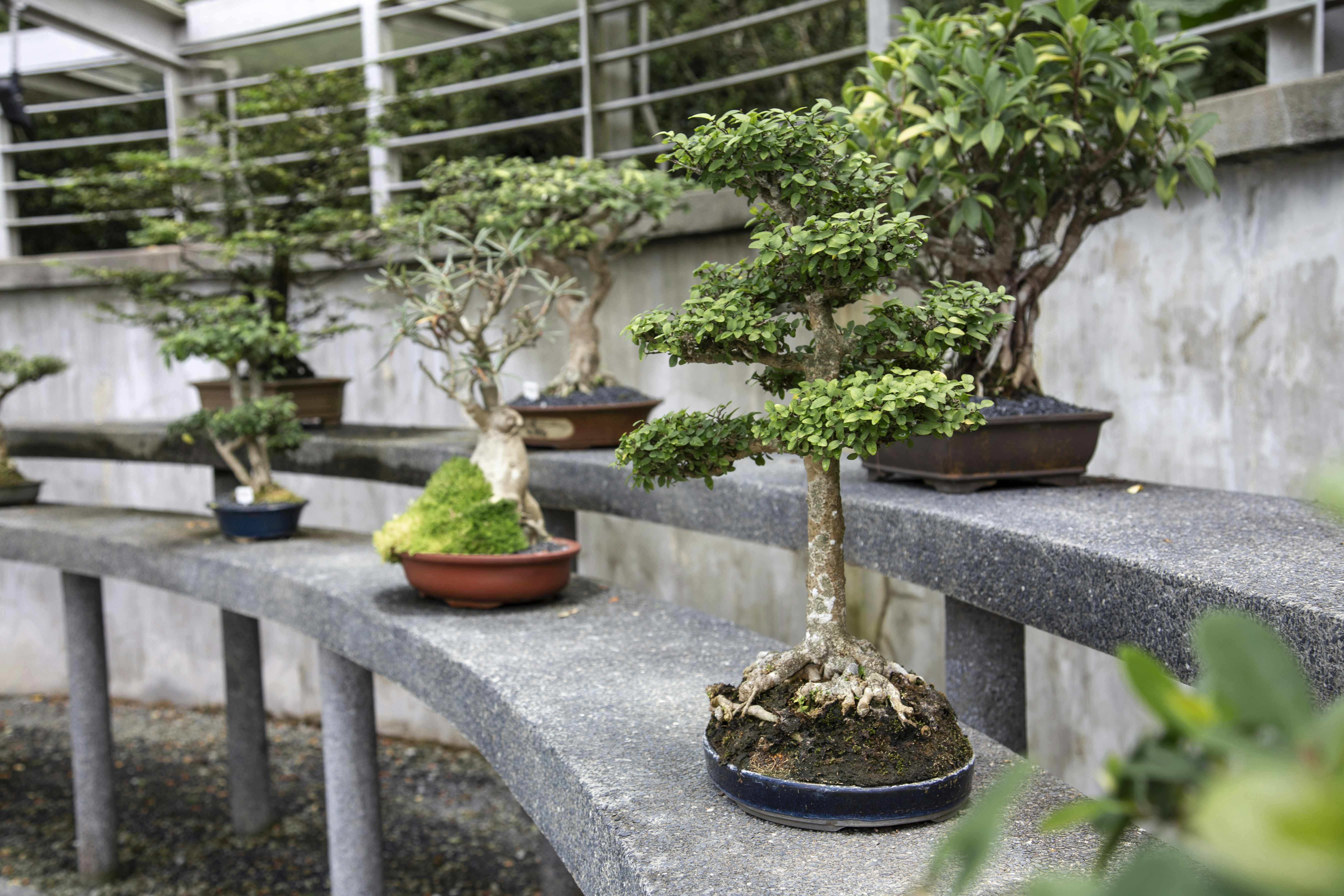
Color plays a vital role in the overall presentation of your bonsai. Lighter-colored pots can brighten the display and highlight dark foliage, while darker pots often provide a striking contrast to lighter leaves or flowers. For example, a deep green Juniper looks stunning in a cream or light blue glazed pot, as noted by Eastern Leaf’s collection. The pot color should harmonize with the tree’s season, foliage color, and style to create a balanced visual impact.
Are there specific shapes of bonsai pots for different tree styles?
Absolutely! The shape of the pot complements the bonsai style and influences root growth:
- Formal Upright (Chokkan): Rectangular or oval pots with deeper profiles support strong, upright roots.
- Informal Upright (Moyogi): Slightly shallower, rounded pots allow for natural root spread.
- Cascade (Kengai): Very shallow, narrow pots accommodate the downward growth habit.
- Slanting (Shakan): Oval or rectangular pots with moderate depth suit the angled trunk.
Matching pot shape to style enhances both health and aesthetics.
How often should I repot my bonsai tree?
Repotting frequency depends on species, age, and growth rate:
- Young, fast-growing trees: Every 1-2 years.
- Mature trees: Every 3-5 years.
- Slow growers: Every 5-7 years.
Repotting refreshes soil, prevents root crowding, and allows inspection of root health. Avoid repotting during dormancy or extreme heat.
What drainage features should bonsai pots have?
Drainage holes are non-negotiable. They prevent waterlogging, which causes root rot. Most quality bonsai pots, like those from The Bonsai Outlet, come with two or more drainage holes and include drainage mesh to keep soil in place while allowing water to flow freely. Porous materials like unglazed clay also aid in moisture regulation.
Can I use regular pots for growing bonsai trees?
❌ Regular pots often lack proper drainage, porosity, and aesthetic balance needed for bonsai. They may be too deep or large, leading to overwatering and poor root development. Bonsai pots are specifically designed to balance root growth and moisture retention while complementing the tree’s appearance.
How do I choose the right size bonsai pot for my tree?
The pot should be proportional to the tree’s size:
- Length: About 2/3 the height of the tree.
- Width: Slightly wider than the root spread.
- Depth: Shallow enough to restrict root growth but deep enough for root health.
A pot too large encourages excessive root growth; too small restricts development.
What are the best materials for bonsai planters and pots?
- Ceramic: Durable, aesthetically versatile, often glazed or unglazed. Excellent for indoor and outdoor use.
- Clay (Unglazed): Porous, natural look, great for outdoor bonsai.
- Plastic: Lightweight and affordable but less breathable and less visually appealing.
- Concrete: Very durable and modern-looking but heavy.
Each material has pros and cons; ceramic remains the most popular for its balance of beauty and function.
What are the key factors to consider when selecting a bonsai planter for indoor or outdoor use?
- Indoor: Lightweight, decorative, and moisture-retentive pots like glazed ceramic work well.
- Outdoor: Durable, frost-resistant, and porous pots like unglazed clay or concrete are preferred.
Also consider drainage, size, and aesthetics based on the environment.
How do I choose the right color and design of a bonsai pot for my tree?
Consider the tree’s species, foliage color, and seasonal changes. For example, a maple with vibrant red leaves pairs beautifully with neutral or earth-toned pots, while evergreens may pop against blues or greens. The pot’s texture and finish (glazed vs. unglazed) also influence the visual harmony.
Can I use ceramic or plastic pots for growing bonsai trees?
✅ Ceramic pots are ideal due to their porosity and aesthetic qualities.
✅ Plastic pots are acceptable for beginners or temporary use but lack breathability and elegance.
Do bonsai trees prefer shallow or deep planters?
Most bonsai trees prefer shallow planters to restrict root growth and maintain the miniature form. However, the depth varies by species and style. Cascade styles require very shallow pots, while formal upright trees may tolerate slightly deeper ones.
What size pot is suitable for a bonsai tree of a certain age?
Younger trees need smaller pots to encourage root development; mature trees require larger pots to support established roots. A general rule is to increase pot size gradually with tree age, maintaining proportionality.
What type of pot is best for a bonsai tree?
A pot that balances functionality (drainage, size, porosity) and aesthetics (color, shape, texture) is best. Handmade ceramic pots from artisans like Iker Bonsai Pots or traditional Tokoname pots from The Bonsai Outlet offer excellent options.
Reference Links and Further Reading
- The Bonsai Outlet – Bonsai Pots
- Iker Bonsai Pots Official Site
- Eastern Leaf – Bonsai Pots and Planters
- American Bonsai Society – Pot Selection Guide
- Royal Horticultural Society – Bonsai Care
- Bonsai Empire – Choosing a Bonsai Pot
For more tips and inspiration, explore our Bonsai Display and Aesthetics and Bonsai Care Basics sections.
Ready to elevate your bonsai display? Dive into the world of bonsai planters with confidence and style! 🌿✨