
Support our educational content for free when you buy through links on our site. Learn more

The single most critical requirement for a successful bonsai garden is matching your tree species to your specific environment, as keeping a temperate outdoor tree indoors is the fastest way to kill it. Before you even touch a pair of scissors, you must answer What are the basic requirements for creating a bonsai garden at home? by honestly assessing your light, space, and climate.
Many beginners rush to buy a “Bonsai Kit” from a supermarket, only to watch their miniature pine turn brown within weeks. This happens because they ignored the biological reality: a bonsai is a full-sized tree forced into a small pot, not a dwarf plant.
Did you know the oldest living bonsai, a 50-year-old Ficus, survived two world wars and a tsunami? It thrived because its caretaker understood that light, water, and soil are non-negotiable, regardless of the tree’s age.
Whether you have a sunny balcony or a dim apartment, the right species and the right soil mix will make or break your journey. Let’s unlock the secrets to keeping your tiny forest alive and thriving.
Key Takeaways
- Species Selection is Critical: You must choose indoor (subtropical) trees for homes and outdoor (temperate) trees for gardens; mixing them up leads to death.
- Soil is Not Dirt: Standard poting soil causes root rot; you need a gritty, inorganic mix (Akadama, Pumice, Lava) for proper drainage.
- Watering Logic: Never water on a schedule; instead, check the soil daily and water only when the top layer feels slightly dry.
- Lighting Needs: Most trees require 4–6 hours of direct sunlight; indoor growers often need full-spectrum grow lights to survive.
- Patience Pays Off: Bonsai is a long-term art form; expect to spend years training and shaping your tree rather than days.
Table of Contents
- ⚡️ Quick Tips and Facts
- 🌱 A Brief History of the Miniature Garden: From Ancient China to Your Windowsill
- 1. Selecting the Perfect Starter Species for Your Indoor or Outdoor Bonsai Garden
- 2. Choosing the Right Pot: Size, Shape, and Drainage Essentials
- 3. Mastering the Soil Mix: Why Regular Poting Soil is a Big No-No
- 4. Lighting Requirements: How Much Sun Does Your Tiny Tree Actually Need?
- 5. Watering Wisdom: The Art of Hydration Without Drowning Your Roots
- 6. Fertilizing Fundamentals: Feding Your Bonsai for Lush Growth
- 7. Pruning and Wiring Techniques: Sculpting Your Living Masterpiece
- 8. Seasonal Care Calendar: Adapting Your Routine Through Spring, Summer, Fall, and Winter
- 9. Pest and Disease Management: Keeping Your Miniature Forest Healthy
- 10. Tools of the Trade: Essential Bonsai Kit Items You Can’t Live Without
- 1. Common Beginner Mistakes and How to Avoid Them
- 12. Design Styles: From Formal Upright to Cascade and Beyond
- 13. Creating the Perfect Display: Stands, Mats, and Aesthetic Pairings
- 14. Troubleshooting Yellow Leaves, Dropping Branches, and Other Drama
- 🏆 Conclusion
- 🔗 Recommended Links
- ❓ FAQ
- 📚 Reference Links
⚡️ Quick Tips and Facts
Before we dive into the nitty-gritty of soil pH and wire gauges, let’s get the “myth-busting” out of the way. There is a persistent rumor that bonsai are genetically dwarfed plants. False! 🚫 They are normal trees kept small through root restriction and careful pruning. Think of it as a marathon runner who trains to stay lean, not a chihuahua born tiny.
Here are the absolute non-negotiables for your new mini-forest:
- Drainage is King: If your pot doesn’t have holes, it’s a paperweight, not a bonsai pot. Waterlogged roots = rot city.
- Species Matters: You cannot keep a Japanese Maple (an outdoor tree) inside your living room year-round. It will die. 🍂
- Watering isn’t a Schedule: Never water on “Mondays and Thursdays.” Water when the soil feels slightly dry.
- Patience is the Real Tool: Unlike a plastic model, a bonsai takes years to mature. If you want instant gratification, buy a succulent. If you want art, read on.
For a deeper dive into the philosophy behind these tiny giants, check out our guide on what a bonsai garden really is.
🌱 A Brief History of the Miniature Garden: From Ancient China to Your Windowsill
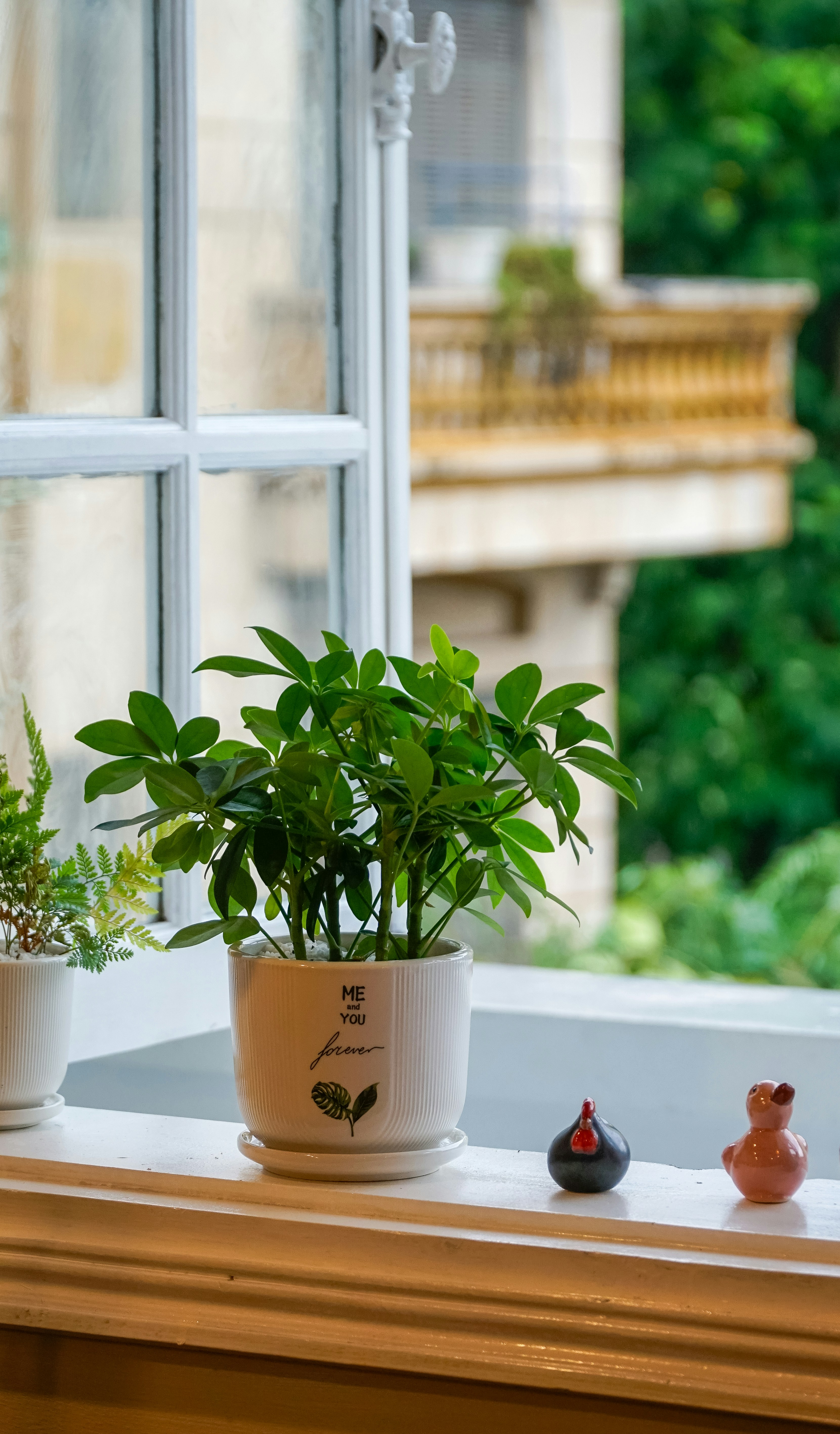
You might think this trend started when your neighbor bought that cute little pine tree at the hardware store, but the roots of bonsai go back over a thousand years. The practice, originally known as penjing in China, began during the Han Dynasty (206 BC – 20 AD). It was a way for scholars to capture the essence of nature in a portable format, often depicting dramatic landscapes with rocks and miniature trees.
When the practice traveled to Japan around the 12th century, it evolved into bonseki and eventually bonsai (which literally means “planted in a container”). The Japanese refined the aesthetic, focusing on asymetry, simplicity, and the illusion of age.
Did you know? The oldest living bonsai in the world is a 50-year-old Ficus retusa at the Imperial Palace in Tokyo! 🌳
While the art form was once reserved for the elite, the post-WII era saw it explode in popularity globally. Today, it’s accessible to anyone with a windowsill and a pair of scissors. But here’s the kicker: despite the modern accessibility, the fundamental biological requirements haven’t changed a bit. Whether you are in a Tokyo palace or a suburban apartment, the tree still needs light, water, and the right soil.
1. Selecting the Perfect Starter Species for Your Indoor or Outdoor Bonsai Garden
This is where most beginners trip up. They buy a “Bonsai Kit” from a supermarket, which usually contains a Ficus or a Juniper, and then wonder why it drops its leaves three weeks later. The culprit? Wrong location for the species.
Indoor vs. Outdoor: The Great Divide
The single most important decision you’ll make is whether your tree lives inside or outside.
- Outdoor Bonsai: These are temperate trees that require a period of dormancy (winter rest) to survive. They need cold temperatures to reset their biological clock. Examples: Japanese Maple, Juniper, Pine, Elm.
Can they go inside? Only temporarily for display (a few days max). They will die if kept indoors year-round. - Indoor Bonsai: These are subtropical or tropical species that cannot tolerate freezing temperatures. They thrive in consistent warmth and humidity. Examples: Ficus, Jade, Chinese Elm (sometimes), Schefflera.
Top 5 Beginner-Friendly Species
If you are just starting, don’t try to tame a Pine tree. Start with a forgiving species.
| Species | Difficulty | Location | Key Trait |
|---|---|---|---|
| Ficus Retusa | ⭐ Easy | Indoor | Tolerates low light, recovers from mistakes quickly. |
| Chinese Elm | ⭐ Moderate | Indoor/Outdoor | Adaptable, but needs humidity indoors. |
| Juniperus Procumbens | ⭐ Moderate | Outdoor | Classic “bonsai look,” needs full sun. |
| Jade Plant | ⭐ Easy | Indoor | Succulent, stores water, very forgiving. |
| Japanese Maple | ⭐ Hard | Outdoor | Stunning colors, but sensitive to wind and sun scorch. |
Pro Tip: If you live in a cold climate, your “indoor” options are limited to subtropicals. If you live in a warm climate, you can grow almost anything outdoors!
For more on picking the right tree for your climate, visit our Bonsai for Beginners category.
2. Choosing the Right Pot: Size, Shape, and Drainage Essentials
The pot is not just a container; it is part of the art. However, function must come before form. A beautiful pot with no drainage holes is a death sentence for your tree.
The Drainage Rule
Every bonsai pot must have drainage holes. Usually, there are two or more holes on the bottom. You will cover these with a mesh screen (plastic or copper) to keep soil in and pests out, but the holes must remain open.
Pot Shapes and Styles
The shape of the pot should complement the tree’s style:
- Rectangular/Oval: Best for upright or slanting trees.
- Round/Square: Often used for informal upright or clump styles.
- Deep Pots: Used for cascade or semi-cascade styles (where the tree hangs down).
- Shallow Pots: The standard for most upright styles, emphasizing the root spread (nebari).
Material Matters
- Unglazed Clay: Breathable, dries out faster. Great for conifers (Pines, Junipers).
- Glazed Clay: Holds moisture better. Ideal for flowering trees (Azaleas, Cheries) or indoor tropicals.
- Plastic: Lightweight and cheap, but doesn’t look as “finished.” Good for training young trees before moving them to ceramic pots.
Wait, can I use a regular flower pot?
You can, but you’ll need to drill holes if they aren’t there. Just remember: the aesthetic of a bonsai relies on the pot being proportional to the tree. A giant pot makes a small tree look lost.
3. Mastering the Soil Mix: Why Regular Poting Soil is a Big No-No
If you take one thing away from this article, let it be this: Do not use regular garden soil or standard poting mix for bonsai. 🚫
Regular soil is designed to hold water and nutrients for large plants in deep ground. In a shallow bonsai pot, this leads to two disasters:
- Root Rot: The soil stays wet too long, suffocating the roots.
- Compaction: Over time, fine soil particles settle, leaving no room for air.
The Golden Ratio: Inorganic vs. Organic
Bonsai soil needs to be gritty and porous. It must drain water instantly while holding enough moisture for the roots to drink.
A standard beginner mix often looks like this:
- Akadama: A hard-baked Japanese clay that holds water and nutrients. (The gold standard).
- Pumice: A volcanic rock that holds water and provides aeration.
- Lava Rock: Porous rock that adds drainage and doesn’t break down easily.
Recommended Mix for Beginners:
- 1 part Akadama
- 1 part Pumice
- 1 part Lava Rock
Note: For acid-loving plants like Azaleas, you might add some pine bark or use Kanuma soil (a specific acidic pumice).
How to Mix It
- Sift your components to remove dust (dust clogs pores!).
- Mix in a large bucket.
- Soak the mix in water for 10 minutes to ensure it’s saturated before poting.
For detailed soil recipes, check out our Bonsai Care Basics section.
4. Lighting Requirements: How Much Sun Does Your Tiny Tree Actually Need?
Light is the engine of photosynthesis. Without it, your bonsai will become “legy” (long, weak branches) and eventually die.
The “Full Sun” Misconception
Many people think “full sun” means “put it in the brightest spot in the house.” Wrong.
- Outdoor Trees: Need 4–6 hours of direct sunlight. A south-facing window is often not enough because glass filters out UV rays. They need to be outside!
- Indoor Trees: Need the brightest possible spot, ideally a south-facing window. If you don’t have one, you must use grow lights.
Grow Lights: The Indoor Savior
If you are growing subtropicals indoors, natural light is rarely sufficient in winter.
- LED Grow Lights: Energy efficient and low heat. Look for “full spectrum” bulbs.
- Duration: Keep them on for 12–14 hours a day.
Signs of Light Issues:
- Too Little: Small leaves, long spacing between leaves (internodes), pale color.
- Too Much: Scorched leaves, brown tips, wilting despite watering.
5. Watering Wisdom: The Art of Hydration Without Drowning Your Roots
Watering is the most common cause of bonsai death. It’s a delicate balance.
The Finger Test
Never water on a schedule. Instead, check the soil daily.
- Stick your finger about 1/2 inch into the soil.
- If it feels dry, water immediately.
- If it feels damp, wait.
How to Water Properly
- The Soak Method: Water the tree until you see water running out of the drainage holes. This ensures the entire root ball is wet.
- Frequency: In summer, this might be twice a day. In winter, once a week or less.
- Misting: Misting the leaves helps with humidity but does not water the roots. Don’t rely on it!
Myth Buster: “Bonsai need less water because they are small.”
Truth: Because they are in small pots with gritty soil, they dry out faster than regular potted plants.
6. Fertilizing Fundamentals: Feding Your Bonsai for Lush Growth
Since your tree is in a tiny pot with limited soil, it has limited food. You must feed it!
When to Fertilize
- Growing Season: Spring through early Autumn.
- Dormancy: Stop fertilizing in late Autumn and Winter.
Types of Fertilizer
- Organic (Solid): Pelets like Biogold or Hanagokoro. They release nutrients slowly. Great for beginners.
- Liquid: Fast-acting. Good for quick fixes but requires more frequent application.
- NPK Ratio: Look for a balanced ratio (e.g., 10-10-10) or one slightly higher in Nitrogen (N) for leafy growth.
Pro Tip: Always water the tree before applying solid fertilizer to avoid burning the roots.
7. Pruning and Wiring Techniques: Sculpting Your Living Masterpiece
This is where you become the artist. Pruning maintains the shape; wiring creates the shape.
Structural Pruning
- When: Late winter/early spring (before buds break) for major cuts.
- What to cut: Crossing branches, inward-growing branches, and branches that ruin the silhouette.
- Tool: Use concave cuters for thick branches. They leave a hollow wound that heals smoothly. Standard scissors leave a flat cut that leaves a scar.
Maintenance Pruning
- When: Throughout the growing season.
- What to do: Pinch back new growth to maintain the shape. If a branch grows 6 inches when you want it to be 2, cut it back.
Wiring
- Material: Aluminum wire is easier for beginners; copper is stronger but harder to use.
- Technique: Wrap the wire at a 45-degree angle. Don’t wrap too tight!
- Duration: Leave the wire on for 3–6 months. Check it weekly. If it starts to “bite” into the bark, remove it immediately.
8. Seasonal Care Calendar: Adapting Your Routine Through Spring, Summer, Fall, and Winter
Your bonsai’s needs change with the seasons. Here is a quick guide:
| Season | Key Tasks |
|---|---|
| Spring | Repoting (if needed), fertilizing starts, pruning new growth, watching for pests. |
| Summer | Watering (often daily), shading from intense miday sun, pinching back growth. |
| Fall | Reduce watering, stop fertilizing, prepare outdoor trees for winter. |
| Winter | Dormancy for outdoor trees (protect from extreme freeze), minimal watering, indoor care continues. |
Important: As mentioned in the Longwood Gardens summary, repoting should happen just as the tree shakes off dormancy (early spring). This gives the roots the whole season to recover.
9. Pest and Disease Management: Keeping Your Miniature Forest Healthy
Even the healthiest trees get sick. The key is early detection.
Common Pests
- Aphids: Tiny green/black bugs on new growth. Fix: Spray with water or use insecticidal soap.
- Spider Mites: Tiny webs under leaves. Fix: Increase humidity, use miticide.
- Scale: Hard, shell-like bumps on branches. Fix: Scrub with a toothbrush or use horticultural oil.
Common Diseases
- Root Rot: Caused by overwatering. Leaves turn yellow and drop. Fix: Repot immediately, trim rotten roots, change soil.
- Powdery Mildew: White dusty coating on leaves. Fix: Improve airflow, use fungicide.
Prevention: Keep your garden clean, remove dead leaves, and inspect your trees weekly.
10. Tools of the Trade: Essential Bonsai Kit Items You Can’t Live Without
You don’t need a $50 kit to start, but you do need the right tools.
The Must-Haves
- Concave Cutter: For clean branch removal.
- Bonsai Shears: For fine pruning of leaves and twigs.
- Wire Cuters: Specifically designed to cut wire without damaging the bark.
- Root Hook/Chopstick: For loosening soil and untangling roots.
- Watering Can: With a fine rose (sprinkler head) to avoid washing away soil.
Recommended Brands
- Saito: High-quality Japanese steel, very sharp.
- Seki-Jiro: Another excellent Japanese brand.
- Yamato: Great for beginners, affordable.
👉 CHECK PRICE on:
- Saito Concave Cutter: Amazon | Brand Official
- Yamato Bonsai Tool Set: Amazon | Walmart
1. Common Beginner Mistakes and How to Avoid Them
(Note: Numbering continues from the previous list for consistency in this section)
- Overwatering: The #1 killer. Stick to the finger test.
- Wrong Location: Putting an outdoor tree inside.
- Using Garden Soil: Leads to root rot.
- Ignoring Dormancy: Keeping temperate trees indoors in winter.
- Leaving Wire On Too Long: Causes scarring. Check weekly!
12. Design Styles: From Formal Upright to Cascade and Beyond
Bonsai isn’t just about keeping a tree small; it’s about mimicking nature.
- Chokan (Formal Upright): Straight trunk, symetrical branches.
- Moyogi (Informal Upright): Curved trunk, natural look.
- Shakan (Slanting): Trunk leans to one side.
- Kengai (Cascade): Trunk grows downward, mimicking a tree on a cliff.
- Bunjin (Literati): Tall, thin trunk with foliage only at the top.
For inspiration on these styles, browse our Bonsai Inspiration and Ideas gallery.
13. Creating the Perfect Display: Stands, Mats, and Aesthetic Pairings
Your bonsai deserves a stage.
- Stands: Elevate the tree to eye level.
- Mats: Use a textured mat to define the space.
- Accompaniments: A small rock or a mossy accent can enhance the landscape feel.
Check out our Bonsai Display and Aesthetics for more tips.
14. Troubleshooting Yellow Leaves, Dropping Branches, and Other Drama
Yellow Leaves: Usually overwatering or root rot.
Dropping Leaves: Could be underwatering, sudden temperature change, or shock from repoting.
Brown Tips: Low humidity or salt buildup from fertilizer.
The “Revive” Protocol:
- Check soil moisture.
- Inspect roots (if possible).
- Adjust light and water.
- Be patient. Trees recover slowly.
🏆 Conclusion
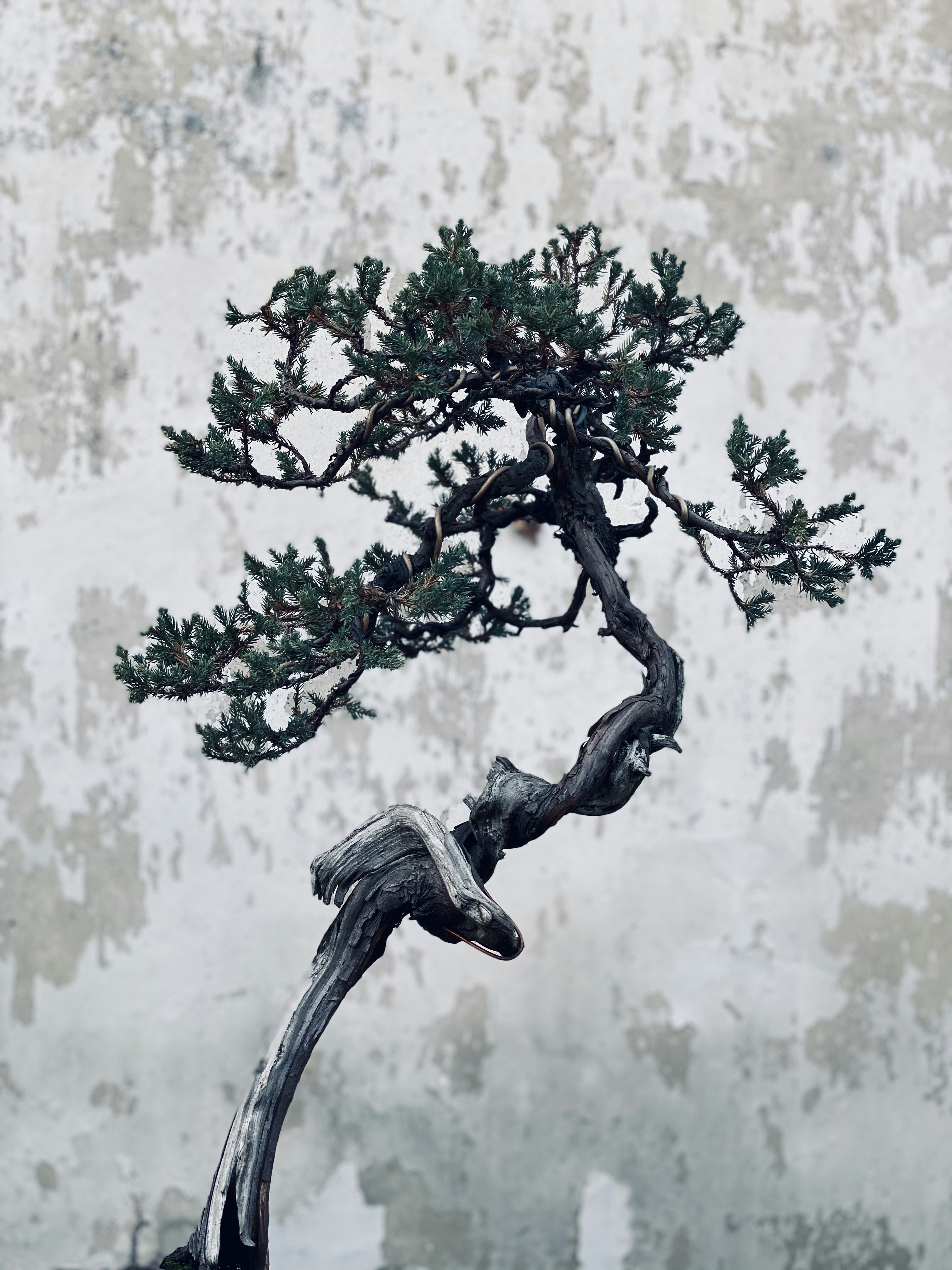
Creating a bonsai garden at home is a journey, not a destination. It requires patience, observation, and a willingness to learn from your mistakes. Remember the words of the experts: “Patience is paramount.” Whether you start with a seed, a pre-potted plant, or a pre-bonsai, the satisfaction of watching your tree evolve over years is unmatched.
You now have the knowledge to select the right species, prepare the perfect soil, and care for your tree through the seasons. Don’t be afraid to make mistakes; even the masters started with dead trees. The key is to keep learning, keep pruning, and keep watering.
Ready to start your journey? Grab a pot, some soil, and a tree, and let the art begin!
🔗 Recommended Links
👉 Shop Bonsai Tools on:
- Concave Cuters: Amazon | Etsy
- Bonsai Soil Mix (Akadama): Amazon | Brand Official (Saito)
👉 Shop Bonsai Trees on:
Books:
- The Bonsai Handbook: A comprehensive guide for beginners.
- Bonsai for Beginners: Step-by-step instructions.
❓ FAQ
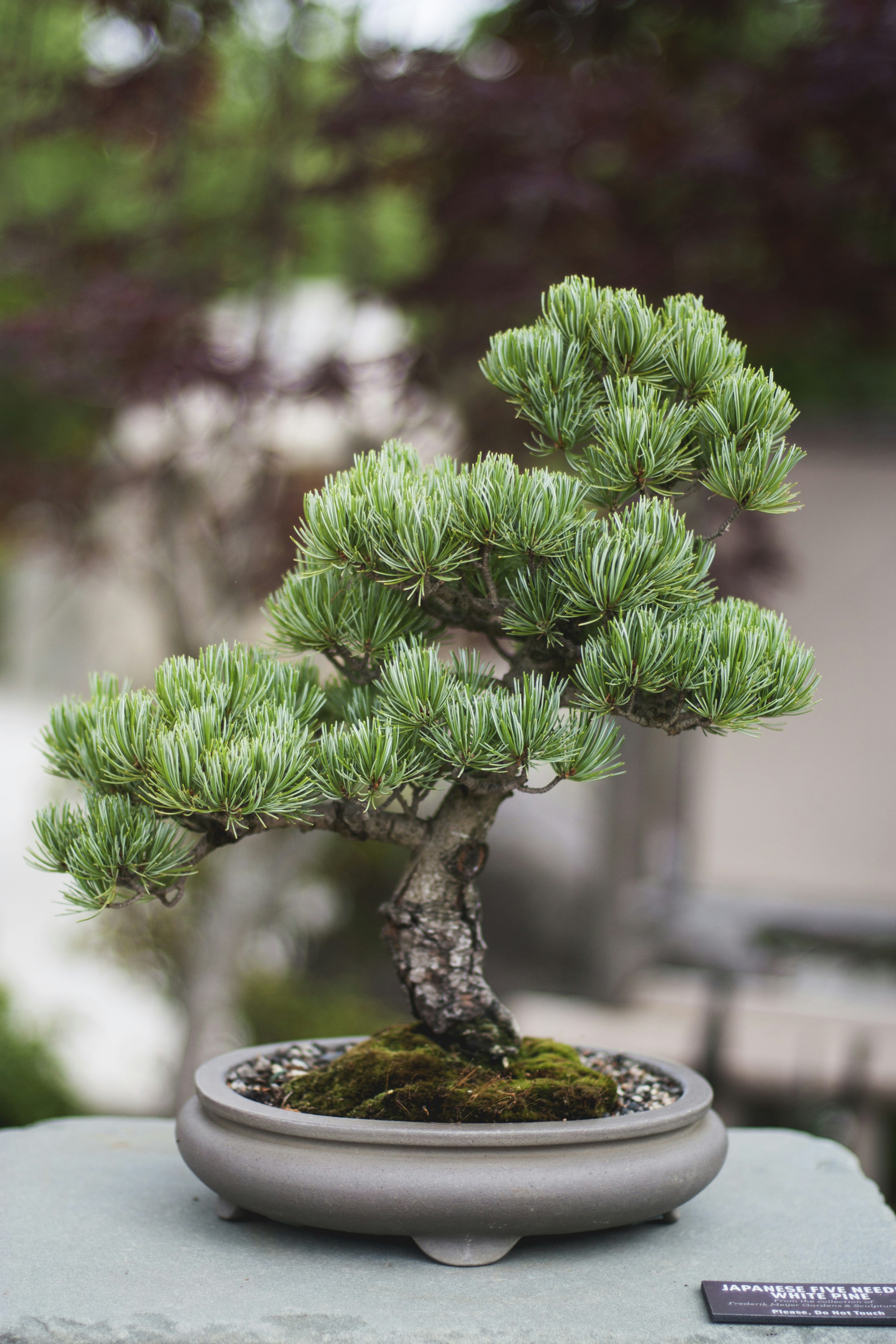
How do I properly prune and shape bonsai trees for healthy growth?
Pruning should be done in two phases. Structural pruning happens in late winter to remove large branches and define the shape. Maintenance pruning occurs during the growing season to trim new growth and maintain the silhouette. Always use sharp, clean tools like concave cuters to prevent disease.
Read more about “Indoor Bonsai Gardening: 12 Expert Secrets for Thriving Trees 🌿 (2026)”
Can I grow bonsai trees from seeds or should I buy young plants?
You can grow from seed, but it is a “numbers game” that takes 3–5 years before the tree is ready for styling. For beginners, buying a pre-bonsai or a young nursery stock is recommended. It offers immediate results and allows you to learn styling techniques without the long wait.
Read more about “🐛 7 Deadly Bonsai Pests & Diseases (2026 Guide)”
How much sunlight do bonsai trees need to thrive indoors?
Indoor bonsai (subtropicals) need the brightest possible light, ideally a south-facing window. If natural light is insufficient, use full-spectrum LED grow lights for 12–14 hours a day. Outdoor trees generally cannot survive indoors year-round.
Read more about “🌿 15 Stunning Indoor Bonsai Display Ideas for 2026”
What type of soil is best for a bonsai garden at home?
Never use regular poting soil. Use a gritty, inorganic mix consisting of Akadama, Pumice, and Lava Rock. This ensures proper drainage and aeration, preventing root rot.
Read more about “🌿 Is It OK to Keep a Bonsai Indors? (2026 Truth)”
How long does it take to train and shape a bonsai tree to achieve the desired design and style?
It depends on the starting material. A seed takes 5+ years. A pre-bonsai might take 1–3 years to develop the desired structure. The process is continuous; bonsai is a “never-ending journey” of refinement.
What are the most common mistakes to avoid when creating and maintaining a bonsai garden?
The top mistakes are: using the wrong soil, overwatering, placing outdoor trees indoors, ignoring dormancy, and leaving wire on too long.
Read more about “✂️ Mastering Simplification in Bonsai: The 7-Step Guide to Perfection”
How often should I water and fertilize my bonsai trees to keep them healthy?
Water when the top 1/2 inch of soil feels dry. This varies by season and species. Fertilize during the growing season (Spring to Autumn) with a balanced fertilizer, reducing or stopping in winter.
Can I grow bonsai trees from seed, or should I start with a pre-bonsai tree?
(See answer above). While growing from seed is rewarding, it is slow and has a high failure rate. Starting with a pre-bonsai is the most practical route for beginners.
Read more about “🌳 How Many Years to Grow a Bonsai? Real Timelines Revealed (2026)”
What are the essential tools and equipment needed for bonsai tree care?
You need concave cuters, bonsai shears, wire cuters, a root hook, and a watering can with a fine rose.
Read more about “Master Thread Grafting Bonsai: 7 Steps to Stunning Trees 🌿”
How much space and lighting do I need to create a bonsai garden indoors?
You need a bright windowsill or a dedicated grow light setup. Space requirements are minimal, but airflow is crucial to prevent pests and disease.
What types of trees are best suited for a bonsai garden at home?
For indoors: Ficus, Jade, and Chinese Elm. For outdoors: Juniper, Japanese Maple, Pine, and Elm. Always choose a species suited to your local climate.
Read more about “What Is a Bonsai Garden? 🌿 Discover Its Magic & Mastery (2026)”
📚 Reference Links
- North Carolina Arboretum: Bonsai in a Day: Learn, Create, Take Home
- Longwood Gardens: Giving Our Azalea Bonsai a New Home
- Bonsai Empire: Bonsai Basics
- Saito Tools: Official Website
- American Bonsai Society: Resources


