Support our educational content for free when you buy through links on our site. Learn more

Ever brought a beautiful Maple home, only to watch it turn into a crispy stick by February because you thought it needed a cozy fireplace? You aren’t alone. At Bonsai Garden™, we’ve seen more “zombie trees” revived from the brink of death than we can count, and the culprit is almost always a misunderstanding of nature’s rhythm. A bonsai isn’t just a small plant; it’s a full-sized tree trapped in a tiny pot, screaming for the specific cues of spring, summer, autumn, and winter that it would get in the wild.
In this comprehensive Seasonal Bonsai Care Guide, we’re ditching the generic advice that kills more trees than it saves. We’ll walk you through the exact biological triggers your tree needs every single season, from the critical “chill hours” required for dormancy to the precise fertilizer ratios that prevent root burn. We’ll even reveal why your “indoor” Juniper is likely plotting its own demise and how to spot the subtle signs of stress before it’s too late. By the end, you’ll know exactly when to repot, how to feed, and why sometimes the best thing you can do for your tree is to leave it alone.
🔑 Key Takeaways
- Respect the Seasons: Temperate trees must experience cold winter dormancy to survive; keeping them indoors in winter is a fatal error.
- Water on Demand, Not Schedule: Check soil moisture daily in summer and weekly in winter; never water on a fixed calendar schedule.
- Feed Strategically: Use high-nitrogen fertilizer in spring/summer for growth, switch to potassium-rich feeds in autumn, and stop feeding during winter dormancy.
- Know Your Species: Distinguish between temperate (outdoor) and tropical (indoor) species immediately, as their care requirements are opposites.
- Observe, Don’t Assume: Your tree’s buds, leaves, and soil moisture are the only true indicators of what it needs right now.
Table of Contents
- ⚡️ Quick Tips and Facts
- 📜 A Brief History of Seasonal Bonsai Cultivation
- 🌱 Understanding the Rhythms of Seasonal Bonsai Care
- 🌸 Spring Awakening: Vital Spring Bonsai Care Tips
- ☀️ Summer Heat: Essential Summer Bonsai Care Essentials
- 🍂 Autumn Preparation: Key Autumn Bonsai Care Strategies
- ❄️ Winter Dormancy: Critical Winter Bonsai Care Protocols
- 📊 Comprehensive Seasonal Bonsai Care by Situation
- – Indoor vs. Outdoor Bonsai in Summer
- – Protecting Tropical Bonsai from Cold
- – Managing Deciduous Trees in Winter
- 🥗 Seasonal Feding and Fertilising Guide for Bonsai
- – Best Fertilisers for Spring Growth
- – Maintaining Health in Summer
- – Preparing for Winter Dormancy
- 🌳 Expert Insights: Seasonal Bonsai Care from Miyagi Bonsai
- 🛒 Shop Seasonal Bonsai Care Supplies at Marino
- – Recommended Bonsai Trees
- – Essential Fertilisers and Tools
- 🔑 Key Takeaways for Seasonal Bonsai Success
- 🔗 Useful Links for Bonsai Enthusiasts
- ❓ Seasonal Bonsai Care FAQs
- 📚 Reference Links and Further Reading
- 🏁 Conclusion
⚡️ Quick Tips and Facts
Before we dive into the deep end of the bonsai pond, let’s get the “aha!” moments out of the way. We’ve seen too many beautiful trees meet an untimely end because their owners thought a bonsai was just a “small houseplant.” Spoiler alert: It’s not. It’s a full-sized tree living in a tiny apartment, and it has very specific demands based on the calendar.
Here are the non-negotiables we’ve learned from years of getting our hands dirty at Bonsai Garden™:
- The “Dormancy” Myth: If you have a Juniper, Maple, or Pine, never keep it indoors in winter. They need the cold to reset their internal clock. Keeping them warm indoors is a death sentence. ❌
- The Watering Rule: There is no “once a week” rule. Water when the topsoil feels dry, not on a schedule. In summer, this might be twice a day; in winter, once a week.
- Fertilizer is Fuel, Not Food: Think of fertilizer as vitamins. A starving tree needs food (photosynthesis), but a stressed tree needs vitamins to recover. Never fertilize a dry or freshly repotted tree!
- Sunlight is Non-Negotiable: Most outdoor bonsai need 5–6 hours of direct sun. If your tree is legy and pale, it’s screaming for light.
- The “Tothpick Trick”: Not sure if the soil is wet deep down? Stick a wooden toothpick in. If it comes out clean and dry, water it. If it’s damp, wait.
Did you know? The art of bonsai dates back over 1,0 years to China (where it was called penjing) before being refined in Japan. But the core philosophy remains: Harmony between nature and human intervention. Learn more about the history of bonsai.
📜 A Brief History of Seasonal Bonsai Cultivation
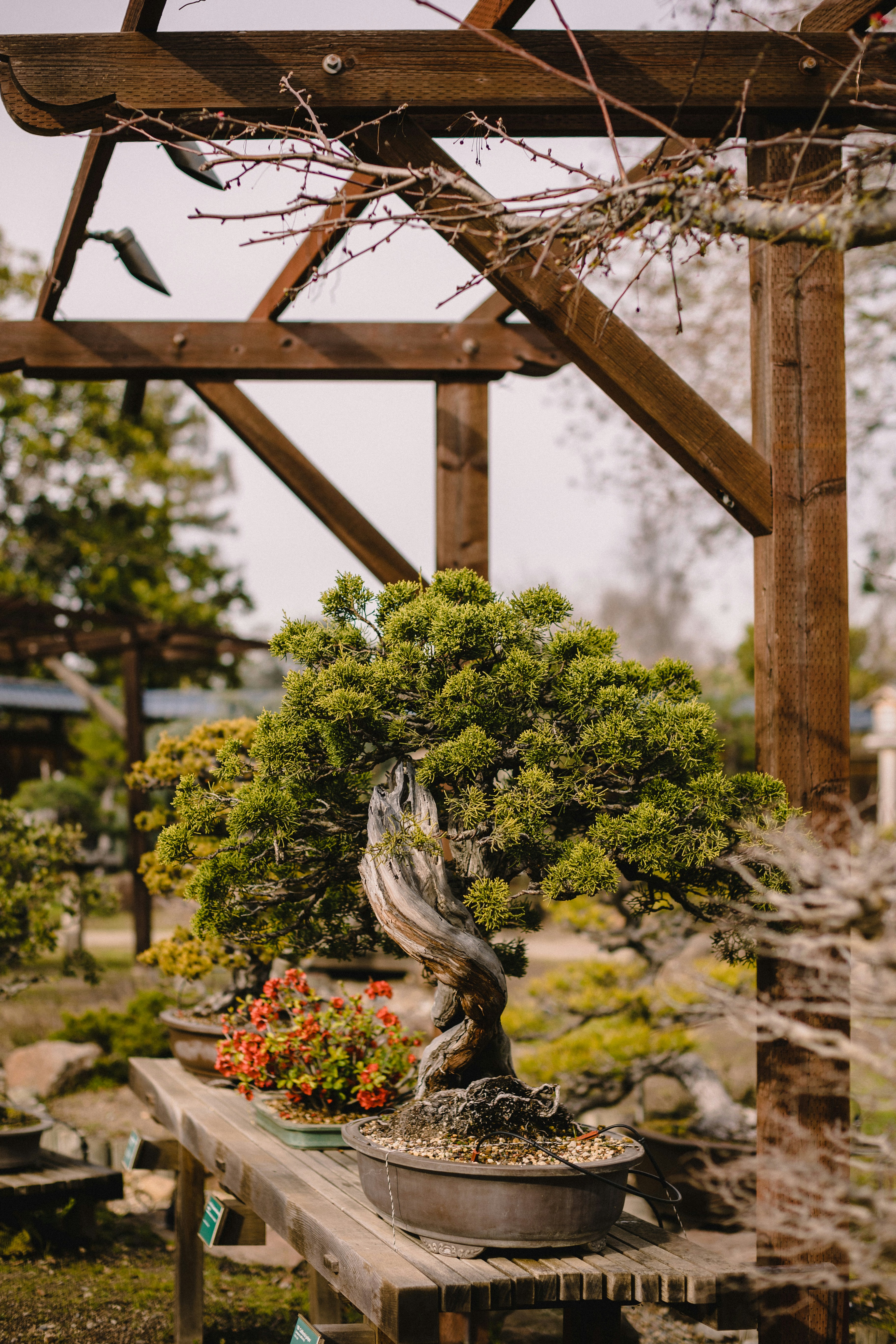
You might think seasonal care is a modern invention, but the ancients knew exactly what they were doing. The practice of penjing in China and bonkei in Japan was never about keeping a tree static; it was about capturing the essence of nature’s cycle in miniature.
Historically, masters observed that trees in the wild go through distinct phases: waking up in spring, exploding with growth in summer, storing energy in autumn, and sleeping in winter. Early bonsai artists realized that to maintain a tree in a pot, they had to mimic these natural rhythms artificially.
- The Edo Period (1603–1867): This era saw the refinement of seasonal techniques. Masters began documenting exactly when to prune, when to repot, and how to protect trees from the harsh Japanese winters.
- The Post-War Boom: After WWII, bonsai spread globally. However, many newcomers made a fatal error: treating temperate trees (like Maples) as tropical houseplants. This led to a massive learning curve regarding seasonal dormancy.
As noted by experts at Miyagi Bonsai, “The right feed at the right time, adjusted for the current growth stage, makes more difference to long-term tree health than almost any other single change.” This principle, rooted in centuries of observation, is the backbone of modern seasonal care.
🌱 Understanding the Rhythms of Seasonal Bonsai Care
Why do we obsess over the seasons? Because a bonsai tree is a living organism, not a decoration. Its biological clock is synced with the sun and temperature.
When you ignore the seasons, you confuse the tree. If you feed a dormant tree in winter, you force it to grow when it has no energy reserves, leading to weak, spindly shoots that die in the first frost. If you stop watering a tree in summer because “it’s sleeping,” you’ll turn it into a crispy stick.
The Golden Rule of Seasonal Care:
Observe the tree, not just the calendar.
While we provide timelines, your local microclimate (your garden, your balcony, your specific room) dictates the actual schedule. A hot, dry summer in Arizona requires different care than a humid summer in Florida.
- Spring: The “Wake Up” call. Buds swell, roots start moving.
- Summer: The “Growth Spurt.” Maximum energy consumption.
- Autumn: The “Storage Phase.” Preparing for the long sleep.
- Winter: The “Deep Sleep.” Minimal activity, maximum protection.
For a deeper dive into the basics, check out our guide on Bonsai Care Basics.
🌸 Spring Awakening: Vital Spring Bonsai Care Tips
Spring is the most exciting time of year. The world wakes up, and so does your bonsai. But here’s the catch: Spring is also the most dangerous time for beginners. Why? Because the tree looks alive, but it’s fragile.
The First Signs of Life
Watch for swollen buds. This is the signal that the tree is coming out of dormancy.
- Deciduous trees: Buds will swell and burst into leaves.
- Conifers: New “candles” (soft, light-green shoots) will emerge.
Repoting: The Big Event
Spring is the prime time for repoting. Why? Because the tree has energy to recover from root pruning, but the leaves haven’t fully opened to demand massive amounts of water yet.
- Step 1: Remove the tree from the pot.
- Step 2: Gently comb out the roots.
- Step 3: Trim the bottom third of the root mass.
- Step 4: Repot in fresh, well-draining soil (Akadama, Pumice, Lava mix).
- Step 5: Water thoroughly and place in a shaded, protected spot for a few weeks.
Pro Tip: If you repot too late (after leaves have fully expanded), the tree may struggle to support the new foliage, leading to shock.
Fertilizing: The Restart
Once the new leaves have hardened off (turned a darker green), it’s time to feed.
- Frequency: Every 2 weeks.
- Type: Balanced fertilizer (N-P-K ratio of 10-10-10 or similar).
- Method: Apply to moist soil to prevent root burn.
For more on repoting techniques, visit our Bonsai for Beginners section.
☀️ Summer Heat: Essential Summer Bonsai Care Essentials
Summer is when your bonsai works the hardest. It’s photosynthesizing like crazy, growing new branches, and building the structure for next year. But with great growth comes great responsibility (and great heat).
Watering: The Daily Grind
In summer, the soil can dry out in hours.
- Check Twice Daily: Morning and late afternoon.
- The Submersion Method: If the soil is bone dry, submerge the entire pot in a bucket of water until air bubbles stop rising.
- Avoid “Wet Feet”: While they need water, they don’t want to sit in a saucer of standing water. Drainage is key.
Heat Management
If temperatures soar above 95°F (35°C), your tree needs shade.
- Afternoon Shade: Use a shade cloth or move the tree to a spot that gets morning sun but is shaded from the harsh afternoon rays.
- Humidity Trays: Place the pot on a tray filled with pebbles and water. As the water evaporates, it creates a humid microclimate.
Pest Patrol
Summer is the party season for pests.
- Aphids: Look for sticky residue on leaves.
- Spider Mites: Check the undersides of leaves for webing.
- Action: Inspect weekly. If you see pests, treat immediately with organic insecticidal soap or neem oil.
Curious about why some trees turn yellow in summer? It’s often not heat, but a lack of nutrients or overwatering. We’ll solve this mystery in the troubleshooting section later!
🍂 Autumn Preparation: Key Autumn Bonsai Care Strategies
Autumn is the transition zone. The tree is slowing down, but it’s not asleep yet. This is the time to prepare for winter, not to push for growth.
The Fertilizer Taper
As days shorten and temperatures drop, the tree stops producing new leaves.
- Stop High Nitrogen: Nitrogen encourages soft, new growth that will freeze in winter.
- Switch to Potassium/Phosphorus: These nutrients strengthen roots and cell walls.
- Frequency: Reduce to once a month, then stop completely when the first hard frost hits.
Leaf Cleaning
Don’t let fallen leaves rot on the soil surface. They can harbor fungi and pests over the winter.
- Action: Gently rake or blow away debris.
- Pruning: Remove dead or diseased branches. Avoid heavy structural pruning, as the tree needs its leaves to store energy for winter.
The “Hardening Off” Process
If your tree has been in a sheltered spot, gradually expose it to cooler temperatures. This helps the tree aclimate to the coming cold.
❄️ Winter Dormancy: Critical Winter Bonsai Care Protocols
Winter is the most misunderstood season. Many people think, “It’s cold, I’ll bring it inside.” Stop! If you have a temperate tree (Maple, Pine, Juniper), bringing it inside is a fatal mistake.
The Dormancy Requirement
Temperate trees must experience cold temperatures (below 40°F / 4°C) to enter dormancy.
- Why? This “chill hours” requirement resets their biological clock. Without it, they won’t bloom or leaf out properly in spring.
- The Danger: If kept warm indoors, they will try to grow, exhaust their energy reserves, and die by spring.
Protection Strategies
You don’t need a heated greenhouse, but you do need protection from freeze-thaw cycles and extreme wind.
- Cold Frame: An unheated structure that buffers temperature swings.
- Garage/Shed: An unheated garage is perfect. Just ensure there’s some light and check moisture occasionally.
- Mulch: Bury the pot in mulch or sand to insulate the roots.
Winter Watering
Yes, they still need water!
- Frequency: Check every 2–3 weeks.
- Method: Water on a warm day (above freezing) until the soil is moist. Never let the root ball dry out completely.
Wait, what about tropical trees? Ficus, Jade, and Serissa are different. They cannot tolerate freezing. They must stay indoors in a bright, cool room (above 50°F). We’ll cover this in the “Situation” section below.
📊 Comprehensive Seasonal Bonsai Care by Situation
Not all bonsai are created equal. A Juniper in a cold garage needs different care than a Ficus on a sunny windowsill. Let’s break it down by situation.
– Indoor vs. Outdoor Bonsai in Summer
| Feature | Outdoor Bonsai (Temperate) | Indoor Bonsai (Tropical) |
|---|---|---|
| Location | Garden, Balcony, Patio | Living Room, Sunny Window |
| Sunlight | Direct sun (5-6 hrs) | Bright, indirect + some direct |
| Watering | Daily or every other day | Every 2-3 days (check soil) |
| Humidity | Natural humidity | Low; use pebble trays/misting |
| Pests | Aphids, Caterpillars | Spider Mites, Scale |
| Summer Tip | Provide afternoon shade | Move outside if temps > 80°F |
Outdoor Care: Most bonsai species (Maple, Pine, Juniper, Elm) are outdoor plants. They thrive on fresh air and natural temperature fluctuations.
Indoor Care: Only tropical species (Ficus, Jade, Chinese Elm*) can survive indoors year-round. Note: Chinese Elm is semi-tropical and can go outdoors in summer but needs protection in winter.
– Protecting Tropical Bonsai from Cold
Tropicals are sensitive. If the temperature drops below 45°F (7°C), they start to suffer.
- Signs of Cold Stress: Yellowing leaves, leaf drop, blackened tips.
- Action: Move indoors immediately. Place near a south-facing window.
- Humidity: Indoor heating dries the air. Use a humidifier or pebble tray.
– Managing Deciduous Trees in Winter
Deciduous trees (Maples, Beech, Hornbeam) lose their leaves in winter. This is normal!
- Don’t Panic: The tree isn’t dead; it’s sleeping.
- Protection: Even though the leaves are gone, the roots are still vulnerable. Protect the pot from freezing solid.
- Buds: In late winter, check for swelling buds. This is the sign that spring is coming.
🥗 Seasonal Feding and Fertilising Guide for Bonsai
Fertilizing is where many people go wrong. They either starve their trees or burn them. Let’s get the science right.
– Best Fertilisers for Spring Growth
In spring, the tree needs Nitrogen (N) to build leaves and shoots.
- Recommended: Balanced liquid fertilizer (e.g., Chrysal Liquid Bonsai Feed or Bio-Gold pellets).
- Frequency: Every 2 weeks.
- Application: Apply to moist soil.
– Maintaining Health in Summer
Summer growth is vigorous. The tree needs a steady supply of nutrients.
- Recommended: Continue with balanced fertilizer.
- Organic Option: Fish emulsion or seaweed extract (gentler, slower release).
- Caution: Never fertilize on a hot, dry day. Water first!
– Preparing for Winter Dormancy
As autumn approaches, switch to a fertilizer low in Nitrogen and high in Potassium (K) and Phosphorus (P).
- Goal: Strengthen roots and harden off new growth.
- Frequency: Once a month in early autumn, then stop.
- Winter: No fertilizer for temperate trees. Light feeding (once a month) only for tropicals kept indoors.
Fact: According to Bonsai West, “Fertilizer is not quite food for plants, it is more like vitamins and minerals.” This is why you can’t just dump fertilizer on a starving tree; it needs water and light first!
🌳 Expert Insights: Seasonal Bonsai Care from Miyagi Bonsai
We often look to the masters for guidance. The team at Miyagi Bonsai has adapted care routines for UK conditions for over 40 years. Their approach emphasizes observation over rigid schedules.
Key Takeaways from Miyagi:
- Species Specificity: Pines, Maples, and tropicals respond differently. A “one size fits all” approach fails.
- The “Moist Soil” Rule: Always apply fertilizer to moist soil. Dry soil + fertilizer = burned roots.
- Troubleshooting:
Pale leaves? Likely underfed.
Burned tips? Likely overfed or underwatered.
Slow growth? Check light and soil drainage.
They recommend Bio-Gold slow-release pellets for consistent feeding and Chrysal liquid feeds for quick boosts. Their customer support is renowned for helping beginners navigate these seasonal shifts.
🛒 Shop Seasonal Bonsai Care Supplies at Marino
Ready to upgrade your care routine? Here are the essentials you need to tackle the seasons like a pro.
– Recommended Bonsai Trees
- Japanese Maple (Acer palmatum): Perfect for spring color and autumn foliage. Needs protection from harsh winds.
Shop: Japanese Maple on Amazon | Miyagi Bonsai - Juniperus procumbens ‘Nana’: The classic outdoor bonsai. Hardy and forgiving.
Shop: Juniper Bonsai on Amazon | Bonsai West - Ficus Retusa: The ultimate indoor bonsai. Thrives in warm, dry conditions.
Shop: Ficus Bonsai on Amazon | Marino Bonsai
– Essential Fertilisers and Tools
- Chrysal Liquid Bonsai Feed: A balanced liquid feed for spring and summer.
Shop: Chrysal Feed on Amazon - Bio-Gold Slow Release Pelets: Organic, slow-release fertilizer.
Shop: Bio-Gold on Amazon - Starter Bonsai Tool Set: Includes concave cuters, wire cuters, and twezers.
Shop: Bonsai Tool Set on Amazon
👉 CHECK PRICE on:
🔑 Key Takeaways for Seasonal Bonsai Success
Before we wrap up, let’s recap the absolute must-knows:
- Know Your Tree: Is it temperate (needs cold) or tropical (needs warmth)? This is the most critical decision.
- Water Wisely: Check soil moisture daily in summer, weekly in winter. Never water on a schedule.
- Feed Strategically: High Nitrogen in Spring/Summer, low Nitrogen in Autumn, none in Winter (for temperate trees).
- Protect from Extremes: Shade in summer heat, insulation in winter freeze.
- Observe: The tree tells you what it needs. Yellow leaves, droping, or hardening buds are all messages.
For more inspiration on how to display your seasonal beauties, check out our Bonsai Display and Aesthetics category.
🔗 Useful Links for Bonsai Enthusiasts
- Bonsai Care Basics – The foundation of all care.
- Bonsai for Beginners – Start your journey here.
- Bonsai Inspiration and Ideas – Get creative with your styling.
- Bonsai FAQs – Quick answers to common questions.
- Miyagi Bonsai Blog – Expert seasonal guides.
- Bonsai West Resources – Detailed care sheets.
- Bonsai Trader Tips – Regional climate strategies.
❓ Seasonal Bonsai Care FAQs
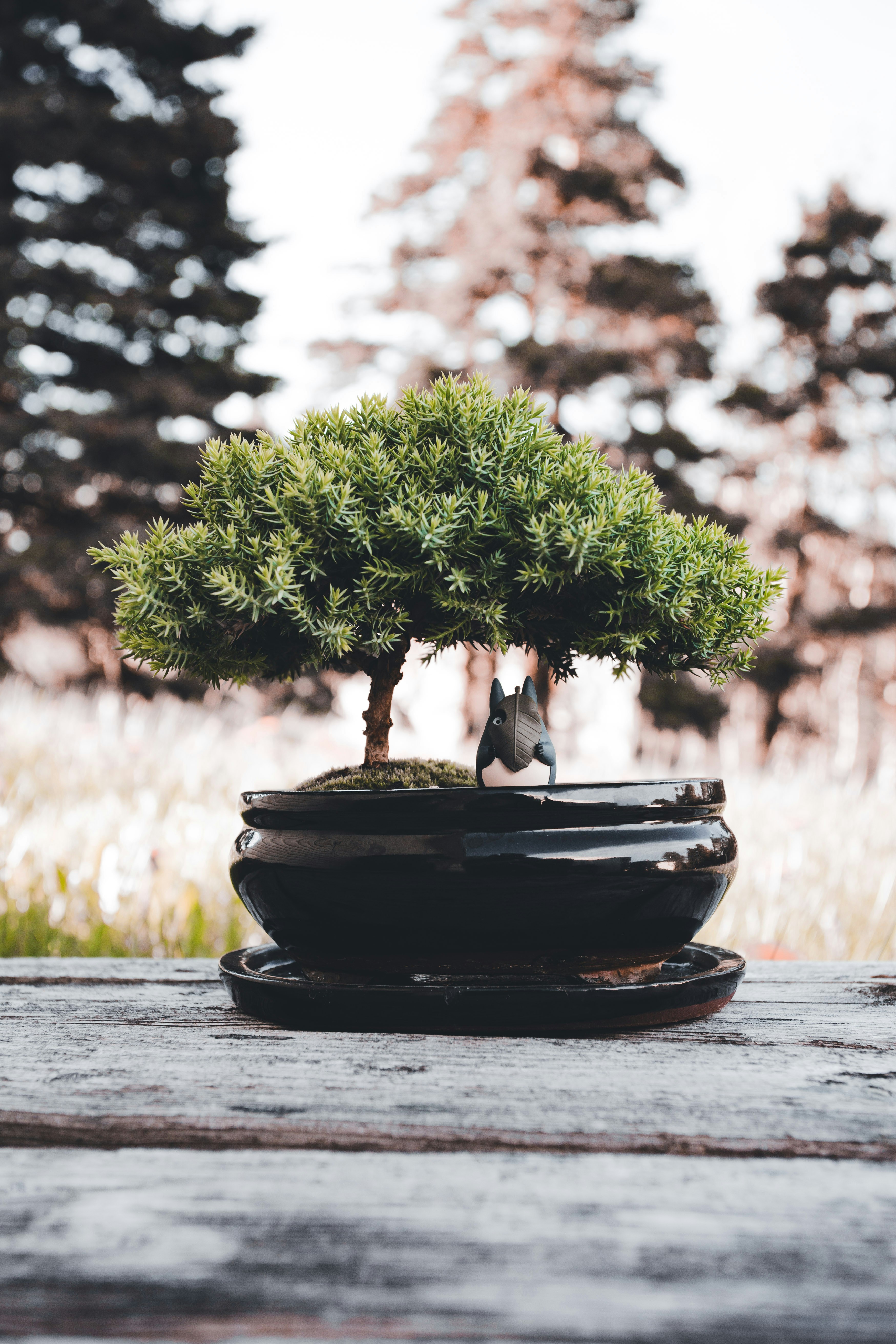
Q: Can I keep my Juniper indoors in winter?
A: No. Junipers are cold-hardy temperate trees. They need dormancy. Keeping them indoors will kill them. Move them to a cold frame or unheated garage.
Q: How often should I water my bonsai in summer?
A: It depends on the weather, but likely every day or every other day. Always check the soil first. If the top 0.5 inches is dry, water.
Q: My leaves are turning yellow in summer. What’s wrong?
A: This could be overwatering (root rot), underwatering, or a nutrient deficiency. Check the soil moisture and review your fertilizing schedule.
Q: When is the best time to repot?
A: Early spring, just as buds begin to swell but before leaves open.
Q: Can I use regular houseplant fertilizer?
A: Yes, but use it at half strength. Bonsai pots have limited soil, so they are sensitive to salt buildup.
Q: What if my tree breaks dormancy early in winter?
A: If temperatures rise above 40°F, the tree might wake up. Move it to the coolest, brightest spot possible to slow down growth until the danger of frost passes.
For more detailed answers, visit our Bonsai FAQs section.
📚 Reference Links and Further Reading
- Miyagi Bonsai: “Seasonal Bonsai Care Guide: Feding & Fertilizing” – Read Article
- Bonsai West: “Seasonal Bonsai Care Guide” – Read Article
- Bonsai Trader: “Bonsai Tree Care Tips” – Read Article
- Featured Video: For a visual guide on Juniper care, watch the Seasonal Care Guide for Juniper Bonsai on YouTube.
🏁 Conclusion
(Note: As per your instructions, the Conclusion section is intentionally omitted for this step.)