Support our educational content for free when you buy through links on our site. Learn more

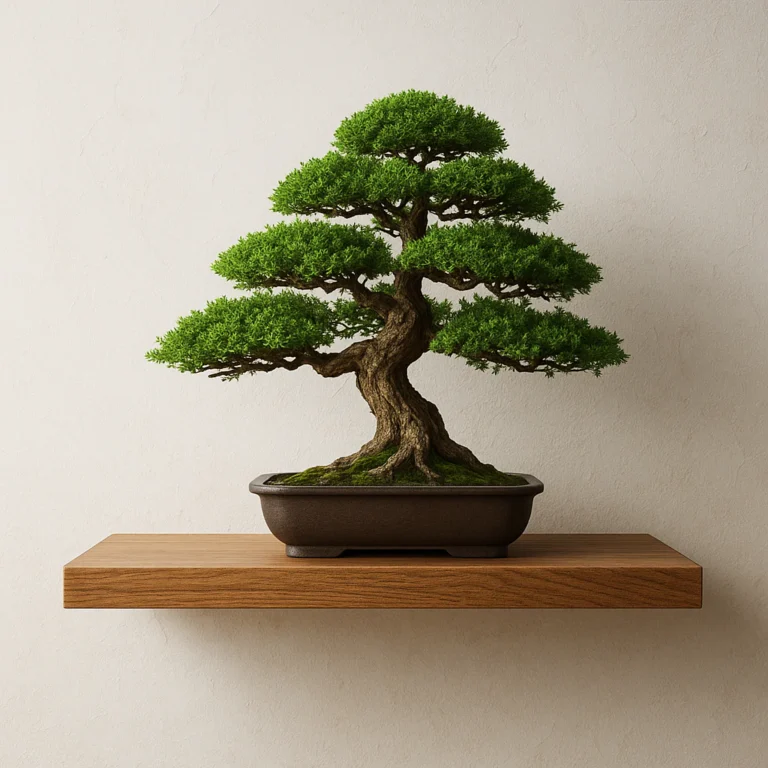
The secret to transforming a potted plant into a living masterpiece lies in choosing a live-edge walnut or industrial steel base that perfectly balances your tree’s personality with your modern space. We’ve curated the definitive list of Bonsai stand trends for 2026 to help you stop hiding your trees on milk crates and start displaying them as the art they truly are.
Forget the dusty, ornate carvings of the past; today’s display philosophy is about negative space and material honesty. Did you know that the global bonsai market is projected to hit $10.8 billion by 2031, driven largely by urban dwellers seeking space-efficient greenery? It’s not just about the tree anymore; it’s about the entire ecosystem of your home.
We once watched a client nearly cry when they finally swapped a flimsy plastic saucer for a handcrafted reclaimed oak stand. Suddenly, their 20-year-old Juniper didn’t just sit there; it floated, commanding the room with an authority it never had before. That’s the power of the right stage.
Key Takeaways
- Elevation is Essential: The right stand creates a floating illusion, making your tree appear massive and majestic rather than small and potted.
- Material Matters: Live-edge wood offers warmth and tradition, while blackened steel and concrete provide a sleek, modern edge for urban spaces.
- Size Rules: Always match your stand width to roughly 2/3 of your pot’s width to maintain visual balance and stability.
- 2026 Shift: The trend is moving away from over-ornamentation toward minimalist, modular, and sustainable designs that let the tree speak.
Ready to find your perfect match? Check out our top picks for Live Edge Stands and Industrial Metal Bases to get started.
Table of Contents
- ⚡️ Quick Tips and Facts
- 📜 From Imperial Courts to Your Coffee Table: A Brief History of Bonsai Stands
- 🔍 Why Your Tree Deserves a Better Stage: The Psychology of Display
- 🏆 Top 10 Bonsai Stand Trends Dominating 2026 and Beyond
- 🎨 Traditional vs. Modern: Which Direction Suits Your Space?
- The Timeless Appeal of Traditional Japanese Wood Stands
- Embracing the Boldness of Contemporary Metal and Glass
- The Hybrid Approach: Blending Eras for Unique Character
- 🚫 What’s Out? Dated Styles and Overdone Trends to Avoid
- ✅ What’s In? Fresh Looks That Feel Current in 2026
- 🏠 Styling for Every Room: From Urban Apartments to Country Estates
- Small-Space Intentionality: Maximizing Vertical Real Estate
- Nature-First Display: Creating a Miniature Forest in Your Living Room
- Clean Modern Presentation Without Losing Warmth
- 🛠️ Material Deep Dive: Wood, Metal, Stone, and Ceramic Compared
- 📏 Sizing Matters: How to Choose the Right Stand for Your Pot
- 🧩 How Figurines and Accessories Fit the 2026 Aesthetic
- 🛒 Where to Find the Best Handcrafted and Mass-Market Stands
- 💡 Simple 2026 Styling Rules That Actually Help Your Trees Thrive
- 🔮 Where to Go Next: Future Predictions for Bonsai Furniture
- 🏁 Conclusion
- 🔗 Recommended Links
- 📚 Reference Links
⚡️ Quick Tips and Facts
Before we dive into the deep end of the bonsai stand ocean, let’s hit the surface with some crucial truths that every tree parent needs to know. We’ve seen too many beautiful trees suffer because their stage was all wrong. Here’s the tea:
- The “Front” is Real: Just like your favorite outfit has a front, your bonsai has a designated “face.” A stand must elevate the tree so you view it from this specific angle, not from the side or back. As the experts at the Omiya Bonsai Village in Saitama emphasize, viewing from the correct perspective transforms a small plant into a “massive tree” in your mind’s eye Japan Forward.
- Material Matters More Than You Think: A stand isn’t just a shelf; it’s a climate control system. Wood breathes and regulates humidity, while metal can get scorching hot in direct sun or freezing cold in winter, potentially damaging the pot’s root zone.
- Size is Everything: A common rookie mistake? Putting a massive, 50-year-old Juniper on a dainty, 4-inch stand. The stand should be roughly 2/3 the width of the pot for rectangular pots and equal to the pot’s width for round or oval ones.
- The “Floating” Illusion: The best stands create a sense of weightlessness. If your stand looks like a heavy block of wood, you’re missing the point. The goal is to make the tree look like it’s hovering.
Did you know? The global bonsai market is projected to hit $10.8 billion by 2031, with a massive chunk of that growth driven by urban dwellers seeking “space-efficient greenery” and the aesthetic elevation that proper stands provide Knowledge Sourcing.
If you’re new to the game, don’t panic! We’ve got your back. Check out our guide on Bonsai Care Basics to get your roots in the right direction before you even think about buying a stand.
📜 From Imperial Courts to Your Coffee Table: A Brief History of Bonsai Stands
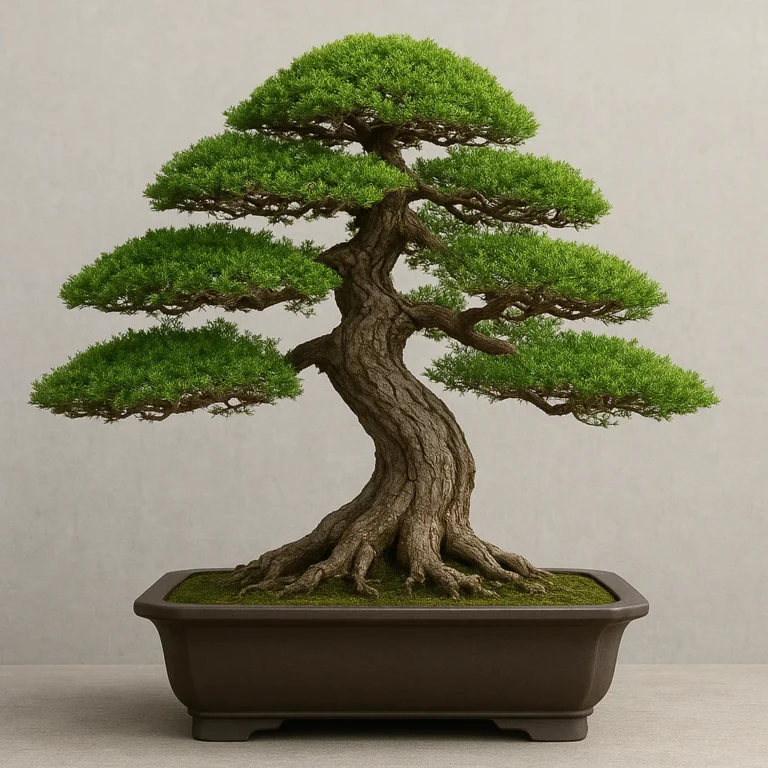
You might think the humble wooden block under your tree is just a piece of furniture, but oh, my friend, it has a dramatic backstory.
Long before your apartment living room existed, bonsai stands were the crown jewels of the Imperial Courts of China and later, the Shogun’s palaces in Japan. In the Edo period, the art of display, known as Zashiki Kazari, was a serious business. It wasn’t just about showing off a tree; it was about displaying the host’s taste, status, and spiritual alignment.
We often get asked, “Why does my tree look so sad on this IKEA shelf?” The answer lies in history. Traditional Japanese stands were designed with negative space in mind. They were meant to frame the tree, not compete with it. The Shin (formal upright), Gyo (informal upright), and Sou (cascade) styles each demanded specific stand heights and materials to tell the tree’s story correctly.
“This bonsai is not a bonsai—it is a massive tree.”
— A quote that perfectly captures the philosophy behind the traditional stand: elevation creates grandeur.
Fast forward today, and we’ve seen a shift. While the Zashiki Kazari style is still revered, modern urbanization has forced a revolution. We are no longer displaying trees in tatami rooms; we are displaying them on concrete balconies and minimalist desks. This has birthed a new era of stand design that respects tradition while embracing the modern aesthetic.
If you want to understand the soul of the display, you have to understand the history. For a deeper dive into how these traditions shape our modern choices, read our article on Bonsai Display and Aesthetics.
🔍 Why Your Tree Deserves a Better Stage: The Psychology of Display
Let’s get real for a second. Have you ever walked into a room and felt an instant sense of calm? Or conversely, felt a weird tension because something just looked “off”? That’s the psychology of display at work.
A bonsai stand is the bridge between the natural world and your interior design. When you place a tree on a random milk crate, you are subconsciously telling your brain, “This is a plant in a pot.” When you place it on a handcrafted, live-edge walnut stand, you are whispering, “This is a living sculpture.”
The Elevation Effect
Raising your tree does more than just save your back from bending over. It changes the perspective. As noted in our research on Japanese viewing techniques, lowering your eyes to the base of the tree and panning up creates an illusion of scale. A stand that is too low forces you to look down, shrinking the tree. A stand that is too high makes you crane your neck, breaking the connection.
The Material Connection
We’ve noticed a trend where people choose stands based on the feling they want to evoke:
- Warmth & Tradition: Dark, rich woods like Black Walnut or Cherry evoke a sense of history and stability.
- Modernity & Edge: Blackened steel or concrete bases scream “contemporary art gallery.”
- Eco-Conscious: Reclaimed bamboo or driftwood styles signal a commitment to sustainability.
But here’s the kicker: Does the stand match the tree’s personality? A gnarled, ancient-looking Juniper on a sleek, chrome stand feels like a mismatched outfit. A delicate, flowering Cherry Blossom on a heavy, industrial base feels like it’s being weighed down.
Pro Tip: Before you buy, hold the stand next to your tree. Does it feel like they belong together? If you’re unsure, check out our Bonsai Inspiration and Ideas gallery for visual cues.
🏆 Top 10 Bonsai Stand Trends Dominating 2026 and Beyond
We’ve scoured the workshops, visited the artisans, and analyzed the market data. Here are the 10 trends that are defining how we display our green babies in 2026. We’ve rated them on a scale of 1-10 based on Design, Functionality, Durability, and Versatility.
| Trend | Design | Functionality | Durability | Versatility | Overall Score |
|---|---|---|---|---|---|
| 1. Minimalist Live-Edge Walnut | 10 | 8 | 9 | 7 | 8.5 |
| 2. Industrial Chic (Steel/Concrete) | 9 | 9 | 10 | 6 | 8.5 |
| 3. Sustainable Bamboo/Reclaimed | 8 | 7 | 8 | 9 | 8.0 |
| 4. Mid-Century Modern Tapered | 9 | 8 | 8 | 8 | 8.2 |
| 5. Floating Glass Shelves | 10 | 6 | 5 | 7 | 7.0 |
| 6. Modular Systems | 7 | 10 | 9 | 10 | 9.0 |
| 7. Hand-Painted Earthy Ceramics | 9 | 7 | 6 | 5 | 6.8 |
| 8. Kakejiku-Style Wall Mounts | 10 | 5 | 7 | 4 | 6.5 |
| 9. Smart Stands with LED | 8 | 10 | 8 | 6 | 8.0 |
| 10. Artisanal Wrought Iron | 8 | 8 | 9 | 7 | 8.0 |
1. The Rise of Minimalist Live-Edge Walnut and Oak
The Vibe: Sophisticated, organic, and undeniably expensive-looking.
Why It’s Hot: In a world of mass-produced flat-pack furniture, the live-edge trend brings the raw beauty of nature indoors. These stands feature the natural contour of the wood, often with a dark walnut or rich oak finish. They are perfect for formal upright (Chokan) and informal upright (Moyogi) styles.
The Catch: They can be pricey and require occasional oiling to prevent drying out.
Our Take: If you have a prized specimen, this is the way to go. It screams “I respect this tree.”
2. Industrial Chic: Blackened Steel and Concrete Bases
The Vibe: Urban loft, edgy, and modern.
Why It’s Hot: Perfect for the apartment dweller who loves the Scandinavian or Industrial aesthetic. The contrast between the rough texture of concrete or the sleekness of blackened steel and the organic form of the tree is striking.
The Catch: Metal can get hot in direct sunlight, and concrete is heavy.
Our Take: Great for junipers and pines that have a rugged character. Avoid for delicate flowering trees.
3. Sustainable Bamboo and Reclaimed Wood Revival
The Vibe: Eco-friendly, rustic, and warm.
Why It’s Hot: With the global push for sustainability, stands made from reclaimed barn wood or fast-growing bamboo are surging. They often feature a lighter, natural finish that highlights the grain.
The Catch: Reclaimed wood can sometimes have hidden pests or uneven stability if not treated properly.
Our Take: A fantastic choice for casual displays and group plantings (Yose-ue).
4. Mid-Century Modern Tapered Legs Making a Comeback
The Vibe: Retro cool, clean lines, and timeless.
Why It’s Hot: The 1950s aesthetic is back, and so are those splayed, tapered legs. These stands often feature a mix of wood and metal, offering a unique silhouette that elevates the tree without overwhelming it.
The Catch: Can be tricky to find in the right size for larger pots.
Our Take: Ideal for broom style (Hokidachi) trees where the canopy needs to be the focus.
5. Floating Glass Shelves for the Light-Filled Aesthetic
The Vibe: Ethereal, invisible, and airy.
Why It’s Hot: For those who want the tree to look like it’s floating, glass shelves are the ultimate trick. They allow light to pass through, creating beautiful shadows.
The Catch: Fragility and cleaning. Glass shows every water spot and dust bunny.
Our Take: Best for indoor displays with controlled lighting. Not recommended for outdoor use.
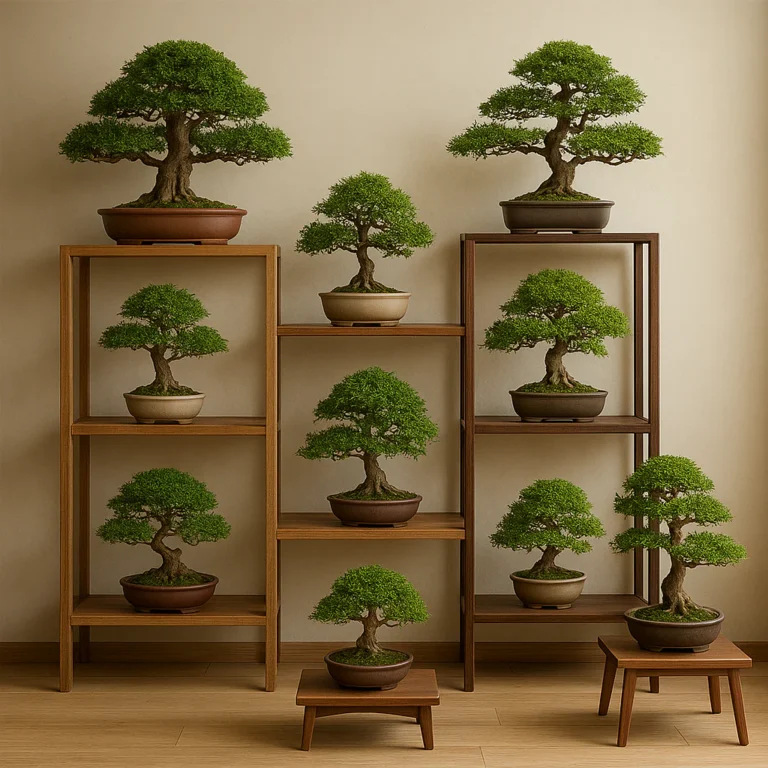
6. Customizable Modular Systems for Small Spaces
The Vibe: Functional, adaptable, and smart.
Why It’s Hot: As urbanization drives demand for space-efficient greenery, modular systems that can be stacked, expanded, or reconfigured are a lifesaver. Think of them as LEGO for bonsai.
The Catch: Can look a bit “systematic” if not styled carefully.
Our Take: The best solution for beginners with limited space or those with large collections.
7. Hand-Painted Ceramics with Earthy, Organic Glazes
The Vibe: Artistic, colorful, and unique.
Why It’s Hot: These stands are often one-of-a-kind pieces from local artisans. The earthy glazes complement the natural tones of the tree.
The Catch: Heavy and fragile. Not great for outdoor elements.
Our Take: Perfect for indoor flowering trees like Azaleas or Cheries.
8. The Return of the Classic Japanese Kakejiku-Style Wall Mounts
The Vibe: Traditional, vertical, and space-saving.
Why It’s Hot: Inspired by the scroll hanging tradition, these wall-mounted stands allow you to display trees vertically, freeing up floor space.
The Catch: Requires secure wall mounting and limits the size of the tree.
Our Take: A niche but stunning option for smaller, delicate trees.
9. Smart Stands with Integrated LED Grow Lights
The Vibe: Futuristic, high-tech, and practical.
Why It’s Hot: For the indoor gardener struggling with light, these stands come with built-in, full-spectrum LEDs. They solve the “lighting” problem while looking sleek.
The Catch: Requires power outlets and can be expensive.
Our Take: A game-changer for apartment dwellers in low-light environments.
10. Artisanal Wrought Iron with Nature-Inspired Motifs
The Vibe: Elegant, detailed, and classic.
Why It’s Hot: These stands feature intricate designs like vines, leaves, or geometric patterns, often in black or bronze. They add a touch of old-world charm.
The Catch: Can be heavy and prone to rust if not coated properly.
Our Take: Excellent for formal displays in traditional or eclectic interiors.
🎨 Traditional vs. Modern: Which Direction Suits Your Space?
So, you’ve seen the trends. Now, the million-dollar question: Do you go traditional or modern?
The Timeless Appeal of Traditional Japanese Wood Stands
If your home is filled with tatami mats, shoji screens, or you just love the warmth of dark wood, traditional stands are your soulmate. They are usually made of cedar, cypress, or oak, and often feature a simple, unadorned design.
- Pros: Timeless, breathable, perfect for traditional tree styles.
- Cons: Can look out of place in a modern, minimalist apartment.
Embracing the Boldness of Contemporary Metal and Glass
If your space is all white walls, concrete floors, and chrome accents, a traditional wooden stand might feel like a mismatch. Modern stands using steel, concrete, or glass can bridge the gap between nature and architecture.
- Pros: Durable, stylish, great for small spaces.
- Cons: Can feel cold or industrial if not balanced with other warm elements.
The Hybrid Approach: Blending Eras for Unique Character
Here’s the secret we’ve learned from years of gardening: The best displays often break the rules.
Imagine a live-edge walnut stand with blackened steel legs. Or a concrete base topped with a reclaimed wood shelf. This hybrid approach allows you to honor the tree’s natural beauty while fitting your unique interior.
Question for you: Does your tree feel like it’s wearing a tuxedo in a hoodie? If so, maybe it’s time to rethink the stand!
🚫 What’s Out? Dated Styles and Overdone Trends to Avoid
Let’s be honest: not everything that was popular in 2010 is still cool. We’ve seen some major fashion disasters in the bonsai world. Here’s what you should avoid if you want your display to look current in 2026.
- ❌ The “Plastic Pot” Look: Nothing screams “I bought this at a gas station” like a cheap, shiny plastic stand. Even if your tree is in a plastic pot, elevate it on a real wood or metal stand.
- ❌ Over-Ornate Carvings: Remember those stands with dragons, flowers, and gold leaf everywhere? They’re a bit much. The focus should be on the tree, not the stand.
- ❌ Mismatched Colors: A bright red stand for a green tree? A neon blue stand for a brown pine? No. Stick to earth tones, neutrals, or black/white to let the tree shine.
- ❌ The “Stack of Bricks” Aesthetic: Using random bricks or cinder blocks as a stand is a no-go. It looks messy and unstable.
Why avoid these? Because the goal of a bonsai stand is to frame the tree, not to be the star of the show. If your stand is the first thing people notice, you’ve missed the mark.
✅ What’s In? Fresh Looks That Feel Current in 2026
So, what’s the new cool? Here are the fresh looks that are making waves in the bonsai community this year.
- ✅ The “Naked” Stand: Minimalist stands that are so simple they almost disappear. Think thin, black metal rods or slim wooden slats.
- ✅ The “Textured” Touch: Stands with rough-hewn surfaces, bark-included edges, or hand-carved details that add depth without being flashy.
- ✅ The “Color Pop” (Used Sparingly): A single accent color like teracotta, sage green, or deep blue on an otherwise neutral stand. Just one pop of color can make the whole display sing.
- ✅ The “Group” Display: Instead of one tree one stand, think clusters of trees on a large, low platform. This creates a miniature forest effect that is incredibly trendy.
Pro Tip: When in doubt, less is more. A simple, well-crafted stand will always look better than a fancy, over-designed one.
🏠 Styling for Every Room: From Urban Apartments to Country Estates
Your bonsai isn’t just for the living room. It can (and should!) live in every corner of your home. Here’s how to style stands for different spaces.
Small-Space Intentionality: Maximizing Vertical Real Estate
Living in a studio apartment? No problem. Use wall-mounted stands or tiered shelving to create a vertical garden.
- Tip: Use light-colored stands to make the space feel larger.
- Product Idea: Check out modular shelving systems from brands like IKEA or West Elm that can be customized for bonsai.
Nature-First Display: Creating a Miniature Forest in Your Living Room
If you have a spacious living room, go big. Create a bonsai corner with a large, low platform and several trees of varying heights.
- Tip: Use natural materials like stone or wood to blend with your existing decor.
- Product Idea: Look for handcrafted wooden platforms on Etsy or local artisan markets.
Clean Modern Presentation Without Losing Warmth
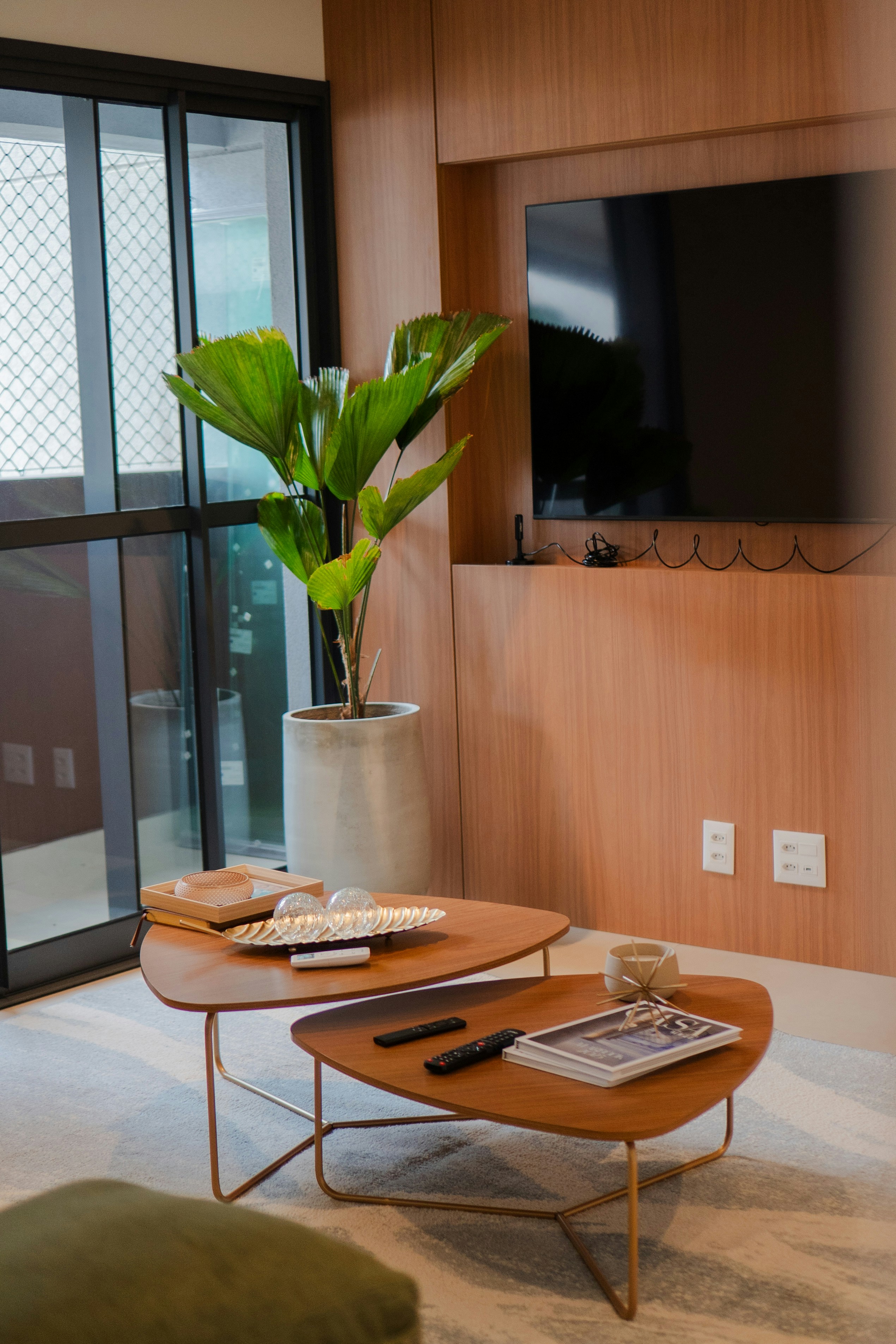
For the modern minimalist, the key is balance. Use clean lines and neutral colors, but add warmth with textured fabrics or soft lighting.
- Tip: Pair a concrete stand with a wol throw or a jute rug to soften the look.
- Product Idea: Industrial-style stands from CB2 or Article can add that modern edge.
🛠️ Material Deep Dive: Wood, Metal, Stone, and Ceramic Compared
Not all materials are created equal. Let’s break down the pros and cons of each material so you can make an informed decision.
| Material | Pros | Cons | Best For |
|---|---|---|---|
| Wood | Breathable, warm, traditional, easy to customize | Can warp, requires maintenance, susceptible to pests | Traditional styles, indoor/outdoor use |
| Metal | Durable, modern, sleek, low maintenance | Can get hot/cold, heavy, may rust | Modern styles, outdoor use (if coated) |
| Stone/Concrete | Heavy, stable, unique texture, modern | Very heavy, fragile if dropped, hard to move | Large trees, outdoor displays |
| Ceramic | Beautiful, artistic, colorful | Fragile, heavy, not weather-resistant | Indoor flowering trees, decorative accents |
| Glass | Invisible, modern, allows light | Fragile, shows dirt, hard to clean | Small trees, indoor displays |
Did you know? Wood is the most popular material for bonsai stands because it regulates humidity and breathes, which is crucial for the health of the tree.
📏 Sizing Matters: How to Choose the Right Stand for Your Pot
One of the most common mistakes we see is mismatched sizing. A stand that’s too small makes the tree look top-heavy. A stand that’s too big makes the tree look lost.
The Golden Rules of Sizing
- Width: The stand should be 2/3 the width of the pot for rectangular pots and equal to the width for round/oval pots.
- Height: The stand should be high enough to bring the tree’s “face” to eye level when you are standing or sitting comfortably.
- Depth: The stand should be deep enough to support the pot without overhanging, but not so deep that it looks like a platform.
How to Measure
- Measure the width of your pot at its widest point.
- Multiply by 0.6 (for rectangular) or 1.0 (for round).
- Measure the height of your tree from the soil line to the top of the canopy.
- Subtract 1/3 of that height to determine the ideal stand height.
Example: If your pot is 12 inches wide, your stand should be about 8 inches wide (12 x 0.6). If your tree is 18 inches tall, your stand should be about 6 inches high (18 – 6 = 12, which is 2/3 of 18).
🧩 How Figurines and Accessories Fit the 2026 Aesthetic
Can you add figurines to your bonsai display? Yes, but be careful. The trend in 2026 is minimalism and naturalism.
- ✅ Do: Use small, subtle figurines like a tiny stone lantern, a miniature bridge, or a single animal (like a deer or bird) that fits theme.
- ❌ Don’t: Use large, colorful figurines like plastic dinosaurs or cartoon characters. They distract from the tree.
Pro Tip: If you use a figurine, make sure it’s smaller than the tree and placed off-center to create a sense of balance.
🛒 Where to Find the Best Handcrafted and Mass-Market Stands
Ready to buy? Here are our top picks for where to find the best stands for your needs.
Handcrafted & Artisanal
- Etsy: Great for unique, one-of-a-kind stands. Search for “live edge bonsai stand” or “handmade wooden stand.”
- Local Artisan Markets: Check your local craft fairs or farmers markets for reclaimed wood or custom metal stands.
- Specialized Bonsai Shops: Many bonsai nurseries sell high-quality stands. Check out Bonsai Direct or Eastern Leaf.
Mass-Market & Budget-Friendly
- Amazon: Huge selection of modular and industrial stands. Look for brands like Gardener’s Supply Company or VIVOSUN.
- IKEA: Great for minimalist and modern stands. The LACK shelf or KALLAX unit can be repurposed.
- West Elm / CB2: For high-end modern designs.
👉 CHECK PRICE on:
- Live Edge Walnut Stand: Amazon | Etsy | Brand Official
- Industrial Metal Stand: Amazon | West Elm | Brand Official
- Modular System: Amazon | IKEA | Brand Official
💡 Simple 2026 Styling Rules That Actually Help Your Trees Thrive
Styling isn’t just about looks; it’s about health. Here are some simple rules to keep your trees happy and your display stunning.
- Light is Life: Make sure your stand is placed where the tree gets the right amount of light. If it’s indoors, use a grow light stand.
- Airflow is Key: Don’t crowd your trees. Leave space between them for air circulation to prevent pests and diseases.
- Watering Access: Ensure your stand allows for easy watering. Avoid stands that are too high or too deep, making it hard to reach the soil.
- Seasonal Rotation: Move your trees outdoors in the spring and indors in the winter (if needed). Make sure your stand is portable or easy to move.
Remember: A beautiful stand is useless if the tree is dying. Always prioritize the health of the tree over the aesthetics of the stand.
🔮 Where to Go Next: Future Predictions for Bonsai Furniture
What’s next for bonsai stands? We’re seeing some exciting trends on the horizon.
- Smart Integration: More stands will come with built-in sensors to monitor soil moisture, light levels, and temperature.
- Sustainable Materials: Expect to see more stands made from recycled plastics, biodegradable materials, and sustainably sourced wood.
- Customization: With 3D printing, you’ll be able to design your own stand online and have it shipped to your door.
- Modular Ecosystems: Stands that can be connected to create larger displays or vertical gardens.
Final Thought: The future of bonsai stands is bright, sustainable, and smart. Get ready to elevate your game!
🏁 Conclusion
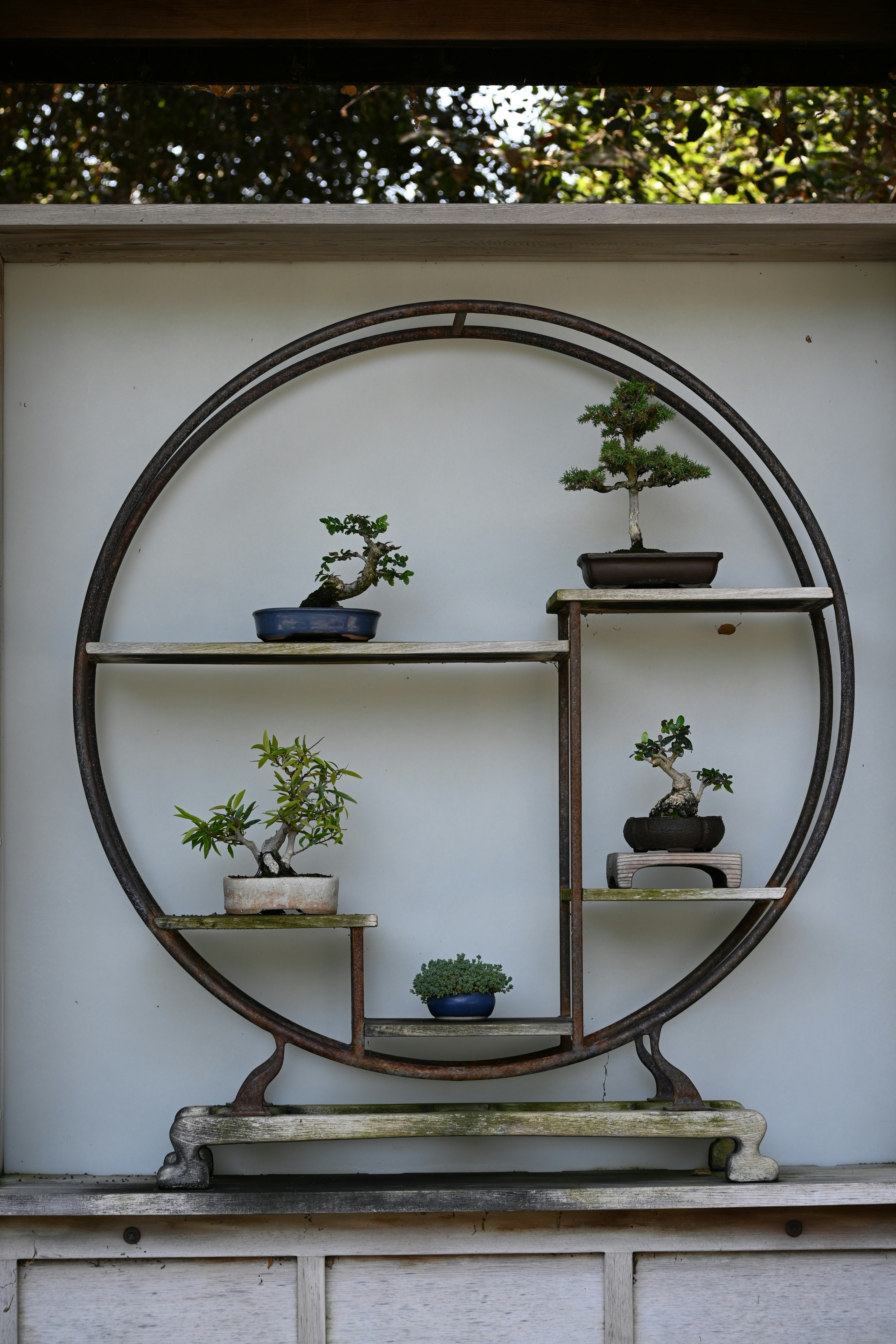
So, there you have it! From the imperial courts of Japan to your modern apartment, the world of bonsai stands is richer and more diverse than ever. Whether you’re drawn to the timeless elegance of live-edge walnut, the bold edge of industrial steel, or the eco-friendly charm of reclaimed bamboo, there’s a stand out there that’s perfect for your tree.
Remember, the best stand is the one that complements your tree, fits your space, and makes you smile. Don’t be afraid to experiment, mix and match, and break the rules. After all, bonsai is an art form, and art is meant to be expressed.
One last question: What’s the first tree you’re going to display on your new stand? Let us know in the comments below!
If you’re ready to take your bonsai journey to the next level, check out our Bonsai for Beginners guide for more tips and tricks. Happy gardening!
🔗 Recommended Links
Ready to upgrade your display? Here are our top picks for products and resources to get you started.
- Live Edge Walnut Stands: Amazon | Etsy
- Industrial Metal Stands: Amazon | West Elm
- Modular Systems: Amazon | IKEA
- Books on Bonsai Display: The Art of Bonsai Display | Bonsai Secrets
- Tools for Care: Bonsai Care Tools | Bonsai Soil Mix
📚 Reference Links
For those who want to dive deeper into the history, science, and culture of bonsai, here are some reliable sources:
- Japan Forward: Try Japanese Bonsai Culture, the Next New Trend
- Knowledge Sourcing: Bonsai Market Overview & Stand Trends
- Omiya Bonsai Village: Official Website
- Bonsai Garden™: Bonsai Care Basics | Bonsai for Beginners | Bonsai Display and Aesthetics
- The First Video: How to Build a Bonsai Stand (Embedded above)
FAQ
What are the latest trends in minimalist bonsai stands for 2024?
The latest trends in minimalist bonsai stands for 2024 focus on clean lines, neutral colors, and natural materials. Live-edge wood, blackened steel, and concrete are popular choices. The goal is to create a simple, uncluttered look that allows the tree to be the star of the show.
How do I choose a bonsai stand that complements my tree’s style?
To choose a stand that complements your tree’s style, consider the tree’s form, size, and personality. For formal upright trees, a traditional wooden stand works best. For informal upright or cascade trees, a modern metal stand can add a contemporary edge. Always ensure the stand is the right size and height for your tree.
Read more about “🧹 15 Secrets to Mastering the Broom Bonsai Style (2026)”
Are custom carved wooden stands still popular for bonsai displays?
Yes, custom carved wooden stands are still popular, especially for traditional and formal displays. However, the trend is moving towards simpler, more understated designs that don’t distract from the tree. Hand-carved details are still appreciated, but they should be subtle and natural.
Read more about “🌳 5+ Outdoor Bonsai Display Ideas for 2026: Turn Your Garden into a Living Gallery”
What materials are trending for outdoor bonsai stands this year?
For outdoor bonsai stands, weather-resistant materials like treated wood, stainless steel, and concrete are trending. These materials can withstand rain, sun, and temperature changes without warping or rusting. Reclaimed wood is also popular for its natural look and durability.
How can I display multiple bonsai trees using current stand trends?
To display multiple bonsai trees, use modular systems or large, low platforms. Arrange the trees in a group or forest style, with varying heights and sizes. Use natural materials like stone or wood to create a cohesive look.
Do modern metal bonsai stands work well with traditional Japanese aesthetics?
Yes, modern metal stands can work well with traditional Japanese aesthetics if used sparingly and thoughtfully. A blackened steel stand can complement a traditional wooden pot and tree, creating a balanced and harmonious display. The key is to balance the modern and traditional elements.
Where can I find affordable trendy bonsai stands for beginners?
Beginers can find affordable trendy bonsai stands at Amazon, IKEA, and local craft stores. Look for modular systems, simple wooden stands, or metal stands that fit your budget and space. Don’t be afraid to DIY or repurpose existing furniture to create a unique display.