Support our educational content for free when you buy through links on our site. Learn more

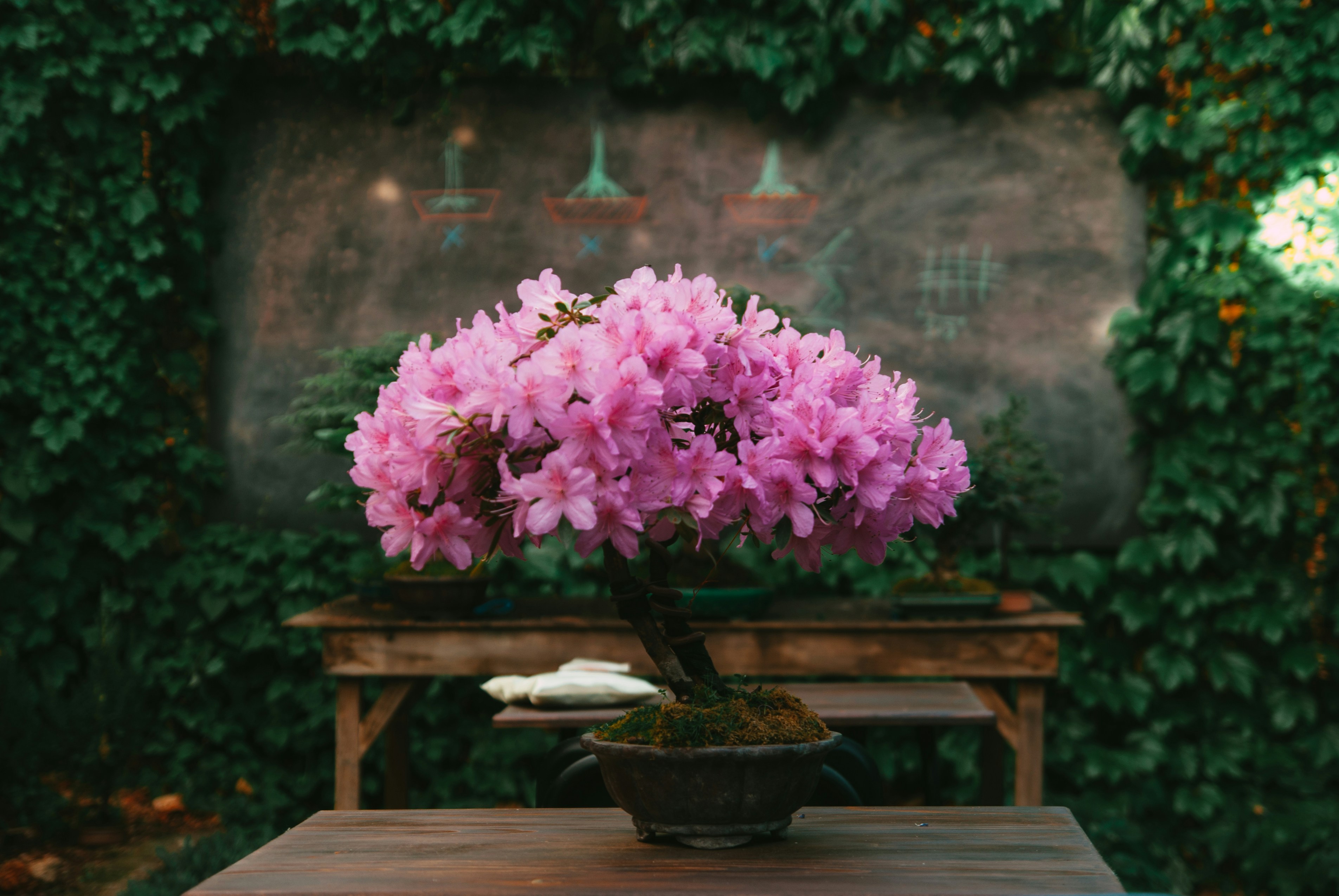
Spring is the season of miracles, but for your bonsai, it’s also the season of high stakes. One wrong move—a premature repot, a missed frost warning, or a watering error—and years of patience can vanish in a single week. We’ve all been there: staring at a tree that looked perfect in March, only to find it brown and lifeless by May. But here’s the secret the masters keep quiet: spring isn’t about forcing growth; it’s about supporting the tree’s natural awakening.
In this comprehensive guide, we’re pulling back the curtain on the 90-day spring maintenance calendar that separates thriving forests from sad sticks. From the precise moment to repot your maple before its buds burst to the organic defenses you need against the spring pest explosion, we cover every nuance. We’ll even reveal the specific temperature threshold that triggers a “bring it inside” alarm and the exact fertilizer ratio that sparks explosive green growth without burning roots. Ready to turn your bonsai into a spring masterpiece? Let’s dive in.
Key Takeaways
- Timing is Everything: Repot deciduous trees before leaves open and conifers when “candles” are 1 inch long to avoid shock.
- The 34°F Rule: Never leave cold-hardy trees outside if temperatures drop below 34°F (1°C); frost can kill new growth instantly.
- Watering Shift: Transition from weekly winter watering to daily (or twice-daily) checks as the sun intensifies and sap rises.
- Pest Vigilance: Spring is the “New Year’s Eve” for aphids and spider mites; inspect daily and treat early with organic sprays.
- Gradual Aclimatization: Move trees outdoors slowly over 2-3 weeks to prevent sunscald and temperature shock.
Table of Contents
- ⚡️ Quick Tips and Facts
- 🌱 The Awakening: A Brief History of Spring Bonsai Care
- 🌡️ Mastering the Spring Thaw: Temperature, Light, and Aclimatization
- 💧 The Art of Spring Watering: Hydration Without Drowning
- ✂️ The Great Spring Repoting Guide: Timing, Soil, and Root Pruning
- 🌿 Strategic Pruning and Wiring: Shaping Your Tree for the Growing Season
- 🌸 Fertilizing for Explosive Growth: Nutrients, Timing, and Techniques
- 🐛 Spring Pests and Fungal Foes: Early Detection and Organic Defense
- 📅 The Ultimate 90-Day Spring Bonsai Maintenance Calendar
- 🌳 Species-Specific Spring Care: Deciduous, Coniferous, and Tropical
- 🏡 Indoor vs. Outdoor: Navigating the Great Spring Migration
- 🛠️ Essential Tools for Spring Bonsai Maintenance
- 🧐 Troubleshooting Common Spring Mishaps: Yellow Leaves, Bud Drop, and More
- 📝 Summary of Spring Care Tips
- 🏁 Conclusion
- 🔗 Recommended Links
- ❓ FAQ
- 📚 Reference Links
⚡️ Quick Tips and Facts
Welcome to the most critical time of the year for your miniature forest! If you’ve ever wondered why your bonsai looks like a sad, brown stick in March but explodes into a green masterpiece by May, you’re about to find out. Spring isn’t just a season; it’s the Great Awakening.
Here is the rapid-fire intel you need before we dive into the deep end:
- The 34°F Rule: ❌ Never leave cold-hardy trees outside if the temperature drops below 34°F (1°C). Even one night of frost can undo months of care. ✅ Bring them in!
- Watering Reality Check: Your tree’s thirst increases exponentially as the sun gets stronger. What took 10 minutes to water in winter might take 30 minutes now.
- The “Finger Test” is King: Forget expensive moisture meters. If you can’t feel the soil moisture with your finger, you’re guessing. Trust your finger, not the gadget.
- Repoting Window: Most deciduous trees need to be repotted before their leaves fully open. If you wait until the leaves are out, you’re asking for trouble!
- Pest Party: Spring is the “New Year’s Eve” for aphids and spider mites. They wake up hungry. Inspect daily.
Pro Tip from the Team: We once lost a beautiful Acer palmatum because we assumed “spring” meant “warm.” A late frost hit at 3 AM, and by 7 AM, the buds were black. Always check the nightly forecast, not just the daytime high!
For a deeper dive into the basics that apply year-round, check out our guide on Bonsai Care Basics.
🌱 The Awakening: A Brief History of Spring Bonsai Care
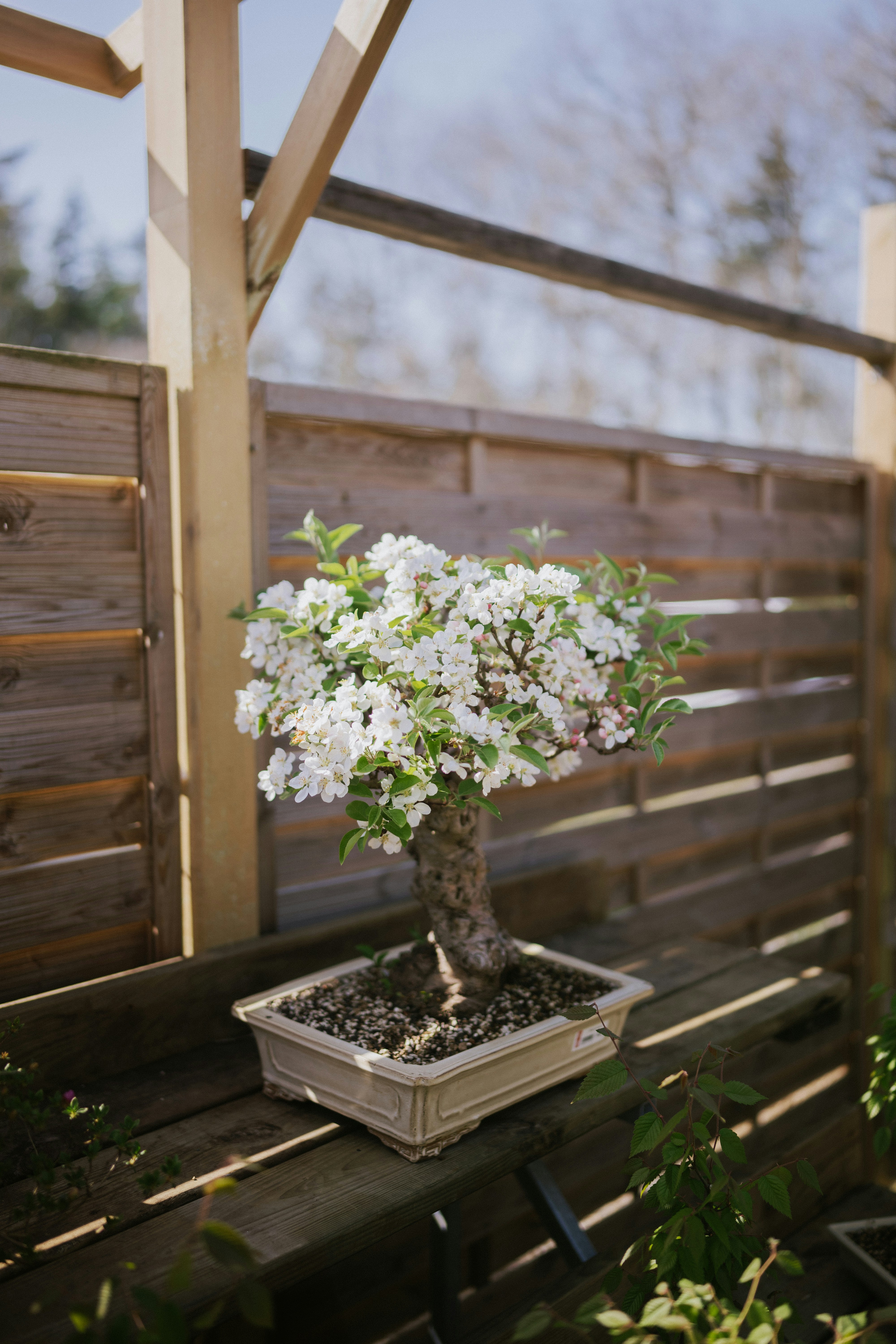
Why do we obsess over spring? It’s not just because the flowers look pretty. The history of spring bonsai care is rooted in the ancient Japanese philosophy of syncing with nature’s rhythm.
In the Edo period, bonsai masters didn’t have digital thermometers or hydroponic nutrients. They watched the bud swell. They knew that the sap rising in the roots was the signal to act. If you repotted too early, the tree froze. Too late, the tree starved.
Today, we have technology, but the biological clock remains the same. As we transition from the dormancy of winter, the tree shifts from “survival mode” to “growth mode.” This is the most delicate phase. The tree has stored energy from the previous year, and spring is the moment it decides how to spend that savings account.
- The Misconception: Many beginners think spring is the time to force growth.
- The Reality: Spring is the time to support the growth the tree wants to do naturally.
At Bonsai Garden™, we’ve seen trees recover from years of neglect simply because we finally got the timing of the spring awakening right. It’s a dance, not a command.
🌡️ Mastering the Spring Thaw: Temperature, Light, and Aclimatization
So, you’ve survived winter. Your tree is still alive! Now, do you just throw it outside and hope for the best? Absolutely not.
The Temperature Tightrope
The transition from indoor warmth to outdoor chill is a shock to the system.
- Cold-Hardy Trees (Maples, Pines, Junipers): These guys love the cold, but they hate the freeze in spring.
The Strategy: Keep them in a cold frame or a sheltered spot until the risk of hard frost is gone.
The Threshold: As noted by experts at Bonsai West, if temps drop below 34°F, bring them in. No exceptions. - Tropical Trees (Ficus, Serissa, Carmona): These are the “couch potatoes” of the bonsai world. They hate anything below 50°F (10°C).
The Strategy: Wait until the second week of May (in the Northern Hemisphere) before moving them out.
The Art of Aclimatization
You wouldn’t sprint a marathon after sitting on the couch for six months, right? Your bonsai is the same.
- Week 1: Place the tree in full shade outdoors.
- Week 2: Move it to partial sun (morning sun, afternoon shade).
- Week 3+: Gradually introduce it to full sun.
Why? Sudden exposure to full spring sun can scorch the leaves and bark, causing “sunburn” that looks like brown, crispy patches.
Light: The Fuel of Spring
Spring days are getting longer, but the light intensity is increasing rapidly.
- Indoor Trees: If you keep a tropical indoors, move it to the brightest window possible (South-facing is best in the Northern Hemisphere).
- Outdoor Trees: Most species need 4-6 hours of direct sunlight.
Exception: Some Maples prefer dappled light to prevent leaf scorch.
For more on how light affects your tree’s health, visit our Bonsai for Beginners section.
💧 The Art of Spring Watering: Hydration Without Drowning
“Water, water everywhere, but not a drop to drink.” This is the paradox of spring watering. The tree is drinking like a camel, but the soil dries out faster than you can blink.
The Frequency Shift
In winter, you might water once a week. In spring, you might need to water twice a day.
- The “Finger Test”: Stick your finger about an inch into the soil. If it feels dry, water immediately. If it feels damp, wait.
- The “Dunking” Method: For indoor trees or those in small pots, submerge the entire pot in a bucket of water for 5-10 minutes. This ensures the root ball is fully saturated.
Signs of Trouble
| Symptom | Cause | Solution |
|---|---|---|
| Wilting leaves | Under-watering (Roots dry) | Water immediately; check drainage. |
| Yellowing leaves | Over-watering (Root rot) | Stop watering; check for drainage holes. |
| Crispy leaf edges | Low humidity / Wind | Mist the foliage; move to shelter. |
| Mold on soil | Too much moisture / Poor airflow | Reduce watering; improve ventilation. |
Expert Insight: We’ve seen beginners panic and water a “wilting” tree, only to kill it with root rot. Wilting in spring often means the roots are dry, not wet. But if the soil is sogy and the tree wilts, it’s drowning. Learn the difference!
✂️ The Great Spring Repoting Guide: Timing, Soil, and Root Pruning
This is the big one. The surgery that can make or break your tree.
When to Repot?
Timing is everything.
- Deciduous Trees (Elms, Maples, Beech): Repot when the buds are swelling but before they open. This is usually late March to early April.
- Conifers (Pines, Junipers): Repot when the candles (new shoots) are about 1 inch long but before the needles expand.
- Tropicals: Repot in late spring (May/June) when the weather is consistently warm.
The Step-by-Step Repoting Process
- Remove the Tree: Gently tap the pot and slide the tree out. Do not pull by the trunk!
- Root Inspection: Look for a dense mat of roots circling the pot. This is a sign it’s time.
- Root Pruning:
- Use sharp root shears (like the Sakura brand).
- Trim the outer roots by 1/3 to 1/2 of the root ball.
Crucial: Do not remove more than 60% of the roots, or the tree will starve.
- Soil Mix: Use a well-draining mix. A classic blend is:
- 1 part Akadama (hard-baked clay)
- 1 part Pumice
- 1 part Lava Rock
Tip: For beginners, pre-mixed soils like Bonsai Soil Mix by Bonsai Boy are a safe bet.
- Replanting: Place the tree in the new pot, spread the roots, and fill with soil. Do not press the soil down too hard; you want air pockets.
- Watering: Water thoroughly until the water runs clear.
Warning: Never repot a weak or sick tree in spring. It needs to recover first. As Bonsai Empire states, “Any intervention must have a specific purpose. To obtain noticeable results, it is very important to work on vigorous plants.”
Recommended Tools
- Root Rake: For gently loosening the root ball.
- Concave Cuters: For clean cuts on thick roots.
- Chopsticks: For removing old soil without damaging roots.
👉 Shop Root Rakes on: Amazon | Bonsai Boy of NY
🌿 Strategic Pruning and Wiring: Shaping Your Tree for the Growing Season
Spring is the time to shape, but you must be careful not to stunt the tree’s growth.
Pruning: The “Pinch” vs. The “Cut”
- Deciduous Trees: Wait until the new shoots have 4-6 leaves. Then, cut back to the second leaf. This encourages ramification (branching).
- Pines: Do not use scissors! Use your fingers to gently twist and break the “candle” (new shoot) in half. This prevents the needles from turning black.
- Junipers: Trim the new growth with scissors, cutting parallel to the branch.
Wiring: Flexibility is Key
Spring sap flow makes branches more flexible, making it the perfect time to wire.
- The Rule: Wire only healthy, vigorous trees.
- The Technique: Wrap the wire at a 45-degree angle.
- The Danger: New growth expands rapidly. Check your wires weekly! If you leave them on too long, they will scar the bark permanently.
Did You Know? According to Mistral Bonsai, wiring in spring allows for easier shaping, but you must avoid breaking new buds. It’s a delicate balance!
For inspiration on how to shape your tree, check out our Bonsai Inspiration and Ideas gallery.
🌸 Fertilizing for Explosive Growth: Nutrients, Timing, and Techniques
Spring is the “growth spurt” phase. Your tree needs fuel.
When to Start?
- Cold-Hardy Trees: Start fertilizing in late April, once the leaves have fully opened.
- Tropical Trees: Start in May, once the tree is aclimated to outdoor temperatures.
What to Use?
- Organic Fertilizers: Slow-release pellets like Green Dragon or Hiryo Gold are excellent. They provide a steady stream of nutrients.
- Liquid Fertilizers: For a quick boost, use a diluted liquid fertilizer (like Miracle-Gro or Bonsai First Aid) every 2 weeks.
The N-P-K Ratio
- Nitrogen (N): Promotes leaf and shoot growth. High in spring.
- Phosphorus (P): Supports root development.
- Potassium (K): Strengthens the tree against disease.
Pro Tip: Don’t fertilize a freshly repotted tree for 3-4 weeks. The roots are too sensitive and will burn.
👉 Shop Fertilizers on: Amazon | Bonsai Boy of NY
🐛 Spring Pests and Fungal Foes: Early Detection and Organic Defense
Spring is the “New Year’s Eve” for pests. They wake up hungry.
Common Spring Pests
- Aphids: Tiny green or black bugs that cluster on new shoots. They suck sap and excrete sticky honeydew.
- Spider Mites: Invisible to the naked eye, they cause stipling (tiny yellow dots) on leaves.
- Scale: Hard, shell-like bumps on branches.
Common Fungal Issues
- Powdery Mildew: White, dusty coating on leaves (common on Apples and Elms).
- Black Spot: Dark spots on leaves (common on Elms in rainy springs).
Prevention and Treatment
- Inspection: Check the undersides of leaves daily.
- Water Spray: A strong jet of water can knock off aphids and mites.
- Organic Sprays: Use Nem Oil or Insecticidal Soap. Apply every 5-7 days until the infestation is gone.
- Systemic Insecticides: For severe infestations, use a systemic product like Bayer Advanced.
Expert Advice: As Bonsai West suggests, “Healthy trees are less prone to infestation outdoors.” Moving your tree outside and providing good airflow is the best defense!
📅 The Ultimate 90-Day Spring Bonsai Maintenance Calendar
Let’s break it down by month. This is your roadmap to a thriving spring.
April: The Awakening
- Week 1-2: Monitor temperatures. Bring trees in if below 34°F.
- Week 3-4: Move cold-hardy trees outside to a sheltered spot. Begin repoting deciduous trees.
- Tasks: Inspect for pests. Start watering more frequently.
May: The Growth Spurt
- Week 1-2: Move tropical trees outside (after last frost).
- Week 3-4: Begin fertilizing. Start wiring and pruning.
- Tasks: Watch for aphids. Water daily.
June: The Stabilization
- Week 1-2: Finish repoting tropicals.
- Week 3-4: Pinch new growth on deciduous trees. Remove old wires.
- Tasks: Monitor for fungal issues. Adjust watering as days get hotter.
Note: This calendar is a general guide. Always adjust based on your local climate and the specific needs of your tree species.
🌳 Species-Specific Spring Care: Deciduous, Coniferous, and Tropical
Not all trees are created equal. Here’s how to handle the big three.
Deciduous Trees (Maples, Elms, Beech)
- Spring Focus: Repoting and pruning.
- Special Care: Watch for “bud blast” (buds that don’t open). This is often a sign of root issues.
- Watering: They drink heavily once leaves open.
Conifers (Pines, Junipers, Spruces)
- Spring Focus: Candle pruning and wiring.
- Special Care: Do not prune until the candles are half-expanded.
- Watering: They prefer slightly drier soil than deciduous trees.
Tropicals (Ficus, Serissa, Carmona)
- Spring Focus: Aclimatization and repoting.
- Special Care: Keep them indoors until the weather is consistently warm.
- Watering: They need high humidity. Mist regularly.
For more details on specific species, visit our Bonsai FAQs.
🏡 Indoor vs. Outdoor: Navigating the Great Spring Migration
This is the most common question we get: “Should I keep my tree inside or outside?”
The Golden Rule
Most bonsai are outdoor trees. They need the natural cycle of seasons to thrive.
- Outdoor Trees: Maples, Pines, Junipers, Elms.
- Indoor Trees: Ficus, Carmona, Serissa (only if you can provide high light and humidity).
The Migration Strategy
- Start Slow: Move the tree outside for a few hours a day.
- Gradual Increase: Increase the time outdoors by 2 hours each day.
- Full Time: Once the weather is stable, leave it outside.
Warning: Never move a tropical tree from a warm house to a cold night. The shock can kill it instantly.
🛠️ Essential Tools for Spring Bonsai Maintenance
You can’t do surgery without a scalpel. Here are the must-haves for spring.
| Tool | Purpose | Recommended Brand |
|---|---|---|
| Concave Cuters | Removing branches cleanly | Sakura or Kamado |
| Root Rake | Losening soil and roots | Sakura |
| Wire Cuters | Removing wire without damage | Kamado |
| Bonsai Scissors | Pinching and fine pruning | Sakura |
| Chopsticks | Aeration and soil removal | Bamboo |
👉 Shop Tools on: Amazon | Bonsai Boy of NY
🧐 Troubleshooting Common Spring Mishaps: Yellow Leaves, Bud Drop, and More
Even the best gardeners have bad days. Here’s how to fix common spring problems.
Yellow Leaves
- Cause: Over-watering or nutrient deficiency.
- Fix: Check soil moisture. If wet, stop watering. If dry, fertilize.
Bud Drop
- Cause: Temperature shock or lack of water.
- Fix: Ensure consistent watering and protect from wind.
Wilting
- Cause: Root rot or underwatering.
- Fix: Check roots. If black and mushy, it’s rot. If dry and brittle, it’s underwatering.
Remember: A stressed tree is a slow-growing tree. Don’t panic. Diagnose the problem, fix it, and give it time.
📝 Summary of Spring Care Tips
Let’s recap the essentials:
- Timing: Repot before leaves open.
- Water: Check daily; use the finger test.
- Fertilize: Start in late April/May.
- Pests: Inspect daily; treat early.
- Placement: Aclimatize gradually.
Spring is a time of hope and growth. With the right care, your bonsai will reward you with a stunning display of life.
🏁 Conclusion
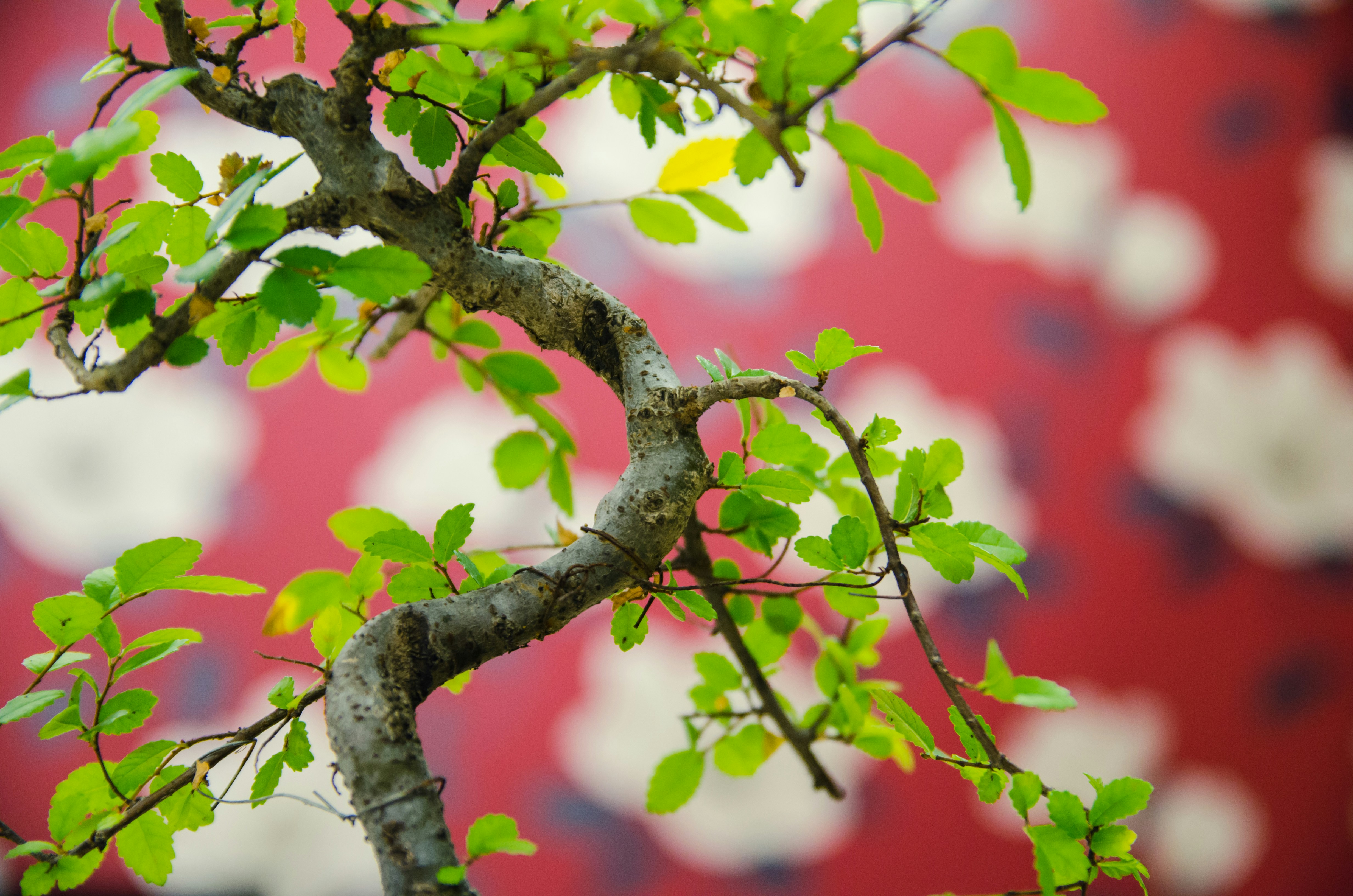
Spring is the heartbeat of the bonsai year. It’s the moment when the dormant tree wakes up, stretches its roots, and reaches for the sky. But as we’ve learned, this awakening is delicate. It requires patience, observation, and a deep respect for nature’s rhythm.
We’ve covered everything from the 34°F frost rule to the art of pinching pine candles. We’ve seen how a simple mistake in timing can cost a tree its life, and how a little extra attention can turn a struggling sapling into a masterpiece.
The big question remains: Are you ready to take your bonsai care to the next level? The answer lies in your daily routine. Will you check the weather? Will you inspect the leaves? Will you trust your finger over a meter?
If you do, your bonsai will thrive. If you don’t, well… let’s just say you’ll have a lot of questions for next spring!
Final Recommendation: Start small. Pick one tree. Master its spring cycle. Then move on to the next. Bonsai is a journey, not a destination.
🔗 Recommended Links
Essential Products & Brands
- Organic Fertilizers:
Green Dragon Bonsai Food: Amazon | Bonsai Boy of NY
Hiryo Gold: Bonsai Empire - Tools:
Sakura Bonsai Tool Set: Amazon
Kamado Tools: Kamado Official - Soil Mixes:
Bonsai Soil Mix: Amazon
Books & Resources
❓ FAQ
How much sunlight does a bonsai tree need during spring?
Most bonsai need 4-6 hours of direct sunlight daily. However, some species like Maples prefer dappled light to prevent leaf scorch. Always aclimate your tree gradually to full sun.
Read more about “Mastering Bonsai Tree Care: 12 Essential Tips for Thriving Trees 🌳 …”
What fertilizers are recommended for bonsai trees in spring?
Organic slow-release fertilizers like Green Dragon or Hiryo Gold are excellent for spring. They provide a steady stream of nutrients. Liquid fertilizers like Miracle-Gro can be used for a quick boost, but dilute them to half strength.
How do I protect my bonsai from pests during spring?
Inspect daily for signs of aphids, spider mites, and scale. Use a strong jet of water to knock them off, or apply organic sprays like Neem Oil. Systemic insecticides can be used for severe infestations.
Should I repot my bonsai tree in spring or wait until summer?
Spring is the ideal time for most deciduous and coniferous trees. Repot before the leaves open or when the candles are half-expanded. Tropicals can be repotted in late spring.
Read more about “🌞 Ultimate Summer Bonsai Care Guide: 15 Secrets to Beat the Heat (2026)”
When is the best time to prune bonsai trees in spring?
Prune after the new shoots have developed 4-6 leaves for deciduous trees. For pines, prune the candles when they are about 1 inch long.
Can I repot my bonsai tree in early spring?
Yes, but only if the buds are swelling. If the leaves have already opened, it’s too late for most species.
What are common pests to watch for on bonsai trees in spring?
Aphids, spider mites, and scale are the most common. They thrive in the mild weather of spring.
How do I fertilize my bonsai during the spring season?
Start fertilizing in late April or May, once the leaves have fully opened. Use a balanced fertilizer with a higher nitrogen content to support growth.
Read more about “Mastering Whip Grafting Bonsai: Secrets to Stunning Tree Art 🌿 (2026)”
When is the ideal time to prune bonsai trees in spring?
See the answer above. It depends on the species. Generally, wait until the new growth has hardened off slightly.
What is the best soil mix for spring bonsai care?
A well-draining mix of Akadama, Pumice, and Lava Rock is ideal. This ensures good aeration and prevents root rot.
Read more about “🌿 Seasonal Bonsai Care Guide: 4-Step Mastery for 2026”
How often should I water my bonsai tree in spring?
Daily or even twice a day, depending on the weather. Always check the soil moisture with your finger before watering.
📚 Reference Links
- Bonsai West: Spring Bonsai Care
- Mistral Bonsai: How to Care for Bonsai in Spring
- Bonsai Empire: Bonsai Maintenance Calendar
- Bonsai Garden™: Bonsai Care Basics
- Bonsai Garden™: Bonsai for Beginners
- Bonsai Garden™: Bonsai Inspiration and Ideas
- Bonsai Garden™: Bonsai FAQs
- Bonsai Garden™: Bonsai Display and Aesthetics
- Bonsai Garden™: Bonsai Garden