Support our educational content for free when you buy through links on our site. Learn more

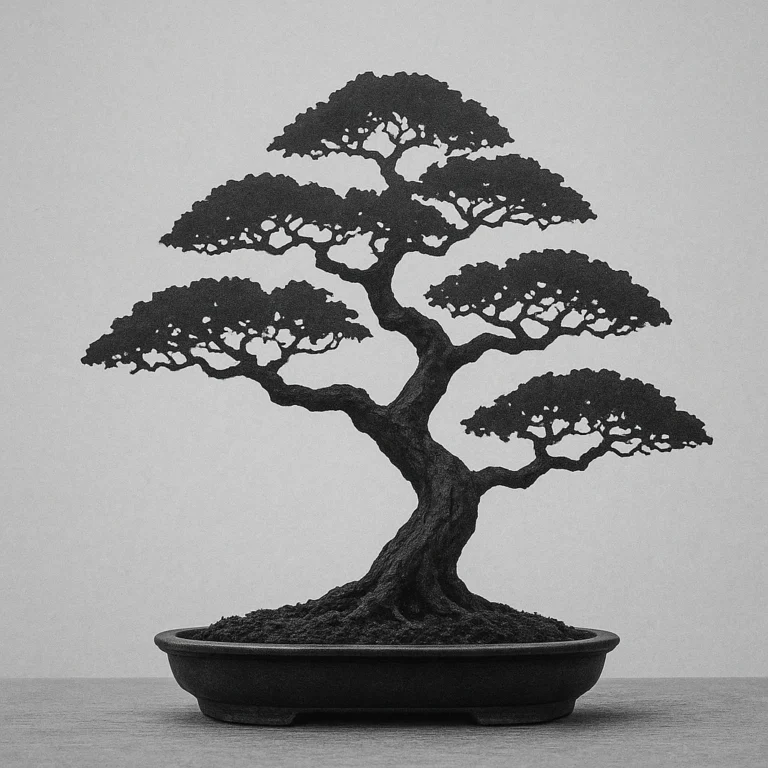
If you’ve ever admired a bonsai tree that looks effortlessly natural yet perfectly balanced, chances are it was styled in the Informal Upright or Moyogi style. This timeless bonsai form captures the graceful twists and turns of a tree shaped by gentle winds and the passage of time—never stiff, always alive. But how do you create that perfect serpentine trunk with balanced branches? And what species thrive best in this style?
At Bonsai Garden™, we’ve spent years nurturing Moyogi bonsai, learning the art of coaxing nature’s relaxed elegance into miniature masterpieces. In this comprehensive guide, we’ll walk you through everything from the history and defining features of the Informal Upright style to expert pruning, wiring techniques, and troubleshooting common challenges. Plus, we’ll reveal styling variations and display tips that will make your bonsai the star of any collection.
Did you know that the Moyogi style is often considered the most accessible for beginners, yet offers endless creative possibilities for pros? Stick around to discover how to bring this living sculpture to life—your bonsai journey starts here!
Key Takeaways
- Informal Upright (Moyogi) bonsai feature a gently curved trunk with visible taper and alternating branches growing from the outside of curves.
- This style mimics trees shaped naturally by wind and time, offering a relaxed yet balanced aesthetic.
- Ideal species include Japanese Maple, Juniper, Pine, Elm, and Azalea—each bringing unique character to the Moyogi form.
- Proper pruning, wiring, and care are essential to maintain the natural flow and health of your bonsai.
- Common challenges include wiring scars and improper tapering, but patience and observation lead to success.
- Creative twists like deadwood features and multi-trunk designs can elevate your Moyogi bonsai to an art piece.
Ready to sculpt your own natural masterpiece? Let’s dive in!
Table of Contents
- ⚡️ Quick Tips and Facts About Informal Upright Bonsai Style
- 🌳 The Art and History of Informal Upright Bonsai (Moyogi) Style
- 🌿 Understanding Bonsai Shapes and Styles: Where Informal Upright Fits In
- 🔍 1. Identifying the Key Characteristics of Informal Upright Bonsai
- 🎨 2. Designing Your Informal Upright Bonsai: Tips and Techniques
- 🛠️ 3. Essential Tools and Materials for Crafting Informal Upright Bonsai
- 🌱 4. Choosing the Best Tree Species for Informal Upright Bonsai Style
- 💧 5. Watering, Feeding, and General Care for Informal Upright Bonsai
- ✂️ 6. Pruning and Wiring Techniques to Perfect Your Informal Upright Bonsai
- 🌞 7. Light and Environmental Requirements for Healthy Informal Upright Bonsai
- 🦠 8. Common Pests and Diseases Affecting Informal Upright Bonsai and How to Combat Them
- 📏 9. Styling Variations and Creative Twists on the Informal Upright Bonsai
- 🌟 10. Showcasing Your Informal Upright Bonsai: Display Tips and Presentation
- 🧰 Troubleshooting Common Challenges in Informal Upright Bonsai Cultivation
- 📚 Recommended Books, Videos, and Resources for Informal Upright Bonsai Enthusiasts
- 🎯 Conclusion: Mastering the Informal Upright Bonsai Style
- 🔗 Recommended Links for Further Bonsai Exploration
- ❓ FAQ: Your Informal Upright Bonsai Questions Answered
- 📖 Reference Links and Credible Sources
⚡️ Quick Tips and Facts About Informal Upright Bonsai Style
Welcome to the world of the Informal Upright Bonsai style, also known as Moyogi—a style that perfectly captures the natural elegance of trees shaped by the whims of nature. At Bonsai Garden™, we’ve nurtured countless Moyogi bonsai, and here’s a quick cheat sheet to get you started:
- ✅ Trunk Shape: Upright with gentle, natural curves forming an ‘S’ shape.
- ✅ Tapering: Visible taper from thick base to slender apex.
- ✅ Branch Placement: Branches grow from the outside of trunk curves, alternating sides for balance.
- ✅ Apex Alignment: The top of the tree aligns vertically over the base for stability and harmony.
- ✅ Suitable Species: Pines, Maples, Junipers, Elms, and many deciduous or coniferous trees with natural curves.
- ✅ Care Essentials: Moderate watering, seasonal pruning, careful wiring, and pest vigilance.
- ❌ Not for: Those seeking rigid, formal symmetry or extreme windswept looks.
Fun Fact: The Moyogi style mimics trees that have grown in open spaces, gently shaped by wind and sun—not harsh storms or human intervention. It’s nature’s relaxed elegance in miniature form! 🌿
Want to dive deeper? Keep reading as we unravel the history, styling secrets, and care tips that will turn your bonsai into a living masterpiece. Curious about the tools or species? We’ve got you covered! And if you’re wondering how to avoid common pitfalls, stay tuned for our troubleshooting section.
For a great intro, check out our Bonsai Garden™ overview to see how we approach bonsai artistry.
🌳 The Art and History of Informal Upright Bonsai (Moyogi) Style
The Informal Upright style, or Moyogi (pronounced “moy-oh-gee”), is one of the most beloved bonsai forms worldwide. But where did it come from, and why does it resonate so deeply with bonsai enthusiasts?
Origins Rooted in Nature and Tradition
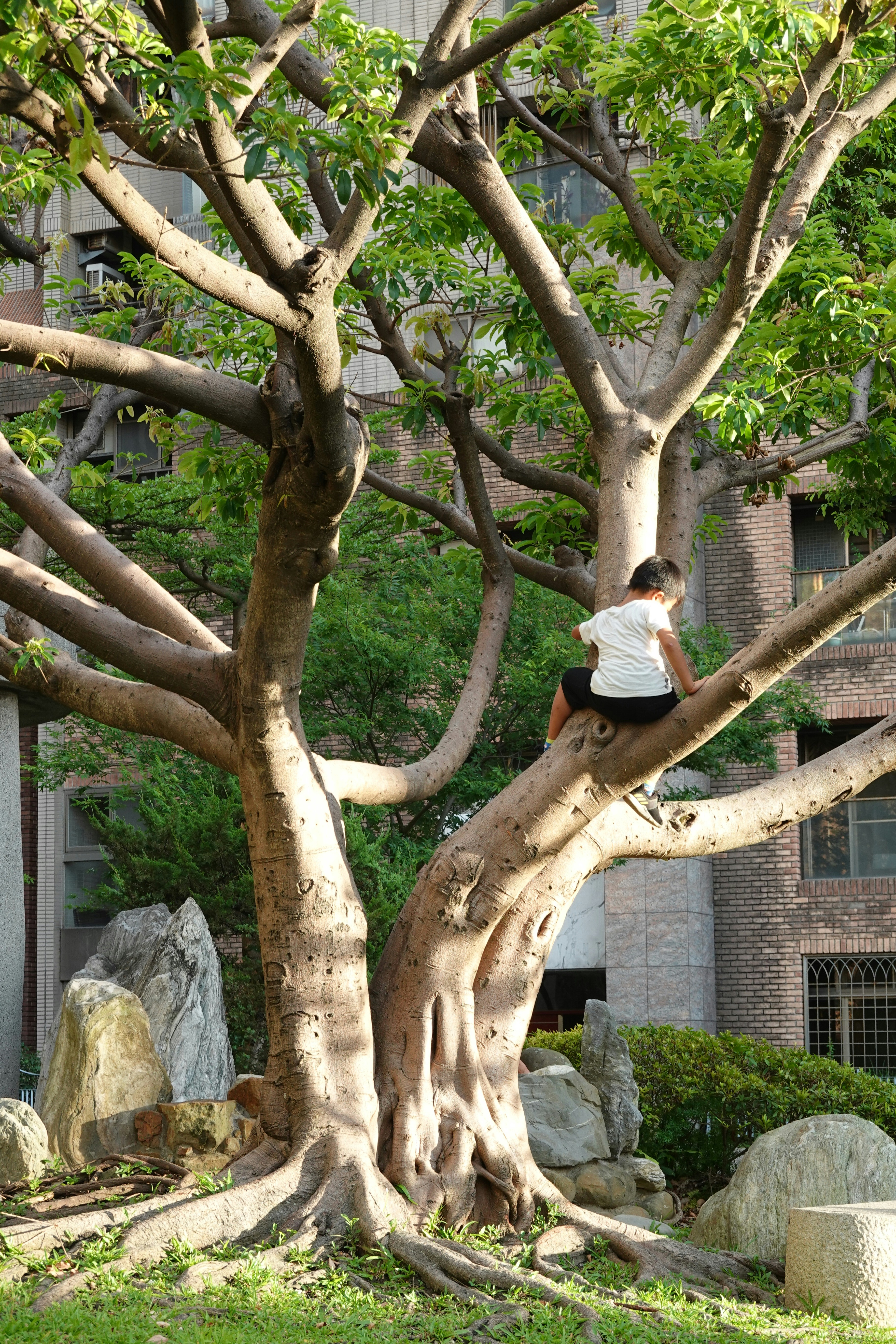
The Moyogi style is inspired by trees that grow in the wild, shaped by gentle environmental forces rather than strict human design. Imagine a pine tree on a hillside, its trunk bending gracefully to dodge rocks or catch more sunlight. This natural shaping is what Moyogi seeks to replicate.
Historically, bonsai artists in Japan developed this style to celebrate the beauty of imperfection and natural asymmetry, contrasting with the more rigid Formal Upright (Chokkan) style. It’s a style that embraces movement, age, and resilience.
Why Moyogi Matters in Bonsai Art
- Symbolism: Represents trees that have endured time and weather, embodying strength and grace.
- Accessibility: Easier for beginners to create than Formal Upright because the trunk’s curves allow more flexibility.
- Popularity: One of the most common bonsai styles, favored for its natural look and versatility.
A Quote to Ponder
“The Moyogi style is a reflection of nature in its everyday form.” — Bonsai Empire
This style connects modern bonsai artists with centuries of tradition, reminding us that bonsai is as much about storytelling as it is about horticulture.
🌿 Understanding Bonsai Shapes and Styles: Where Informal Upright Fits In
Before we dive into Moyogi specifics, let’s zoom out and see how it fits into the grand bonsai family. Bonsai shapes are like characters in a play—each with distinct personalities and stories.
The Bonsai Style Hierarchy
| Style Category | Description | Example Styles | Moyogi’s Place |
|---|---|---|---|
| Formal Upright | Straight, symmetrical trunk and branches | Chokkan | Moyogi is a relaxed alternative |
| Informal Upright | Curved trunk with natural bends | Moyogi | Emphasizes natural movement |
| Slanting | Trunk grows at an angle | Shakan | Different from upright, more dynamic |
| Cascade | Trunk cascades downward | Kengai | Dramatic, waterfall-like |
| Windswept | Trunk and branches shaped by wind | Fukinagashi | Extreme environmental shaping |
Moyogi stands out because it balances naturalism with structure. It’s neither rigid nor wildly chaotic—just the right amount of curve and flow.
Why Choose Informal Upright?
- It suits many species and environments.
- Offers a 3D visual appeal with alternating branches.
- Allows for creative expression while maintaining bonsai principles.
For beginners, we recommend exploring Bonsai for Beginners to build a solid foundation before tackling Moyogi.
🔍 1. Identifying the Key Characteristics of Informal Upright Bonsai
What exactly makes a bonsai “Informal Upright”? Let’s break down the anatomy of a Moyogi tree.
Trunk Features
- Curves: The trunk bends gently, forming an ‘S’ or serpentine shape.
- Tapering: The trunk must visibly taper from thick base to thin apex—no uniform thickness allowed!
- Branch Growth: Branches sprout from the outside of each curve, never the inside, creating natural balance.
Branch Placement and Structure
- Branches alternate sides, never directly opposite each other.
- Lower branches are thicker and longer; upper branches are thinner and shorter.
- The apex (top) aligns vertically over the base for stability.
Root and Nebari
- Roots spread evenly in a radial pattern to anchor the tree.
- Nebari (surface roots) should be visible and balanced, enhancing the tree’s aged appearance.
Table: Moyogi vs. Formal Upright (Chokkan)
| Feature | Moyogi (Informal Upright) | Chokkan (Formal Upright) |
|---|---|---|
| Trunk Shape | Curved, serpentine | Straight, vertical |
| Branch Placement | Alternating, from outside curves | Symmetrical, opposite sides |
| Tapering | Visible, natural | Visible, strict |
| Apex Alignment | Over base, balanced | Directly above base |
| Visual Style | Natural, relaxed | Formal, rigid |
🎨 2. Designing Your Informal Upright Bonsai: Tips and Techniques
Designing a Moyogi bonsai is like composing a symphony—each curve and branch plays a vital role.
Step-by-Step Design Process
- Select a Suitable Tree: Choose a species with natural trunk movement or flexible young wood.
- Visualize the Front: The front is the side where the apex aligns over the base, and branches are best displayed.
- Prune the Trunk: If needed, create gentle curves by pruning or wiring. Avoid sharp bends.
- Wire the Trunk and Branches: Use aluminum or annealed copper wire to shape the trunk and branches. Monitor wiring to prevent bark damage.
- Balance Branches: Ensure branches alternate sides and vary in thickness and length.
- Create Negative Space: Leave gaps between branches to enhance depth and air circulation.
- Refine Apex: The top should taper and be smaller than lower branches.
Pro Tips from Bonsai Garden™
- Patience is key! Trunk shaping can take years.
- Keep the taper visible by selecting or creating a thicker base.
- Don’t over-wire—check wiring every few months.
- Use jin and shari (deadwood techniques) sparingly to add character.
🛠️ 3. Essential Tools and Materials for Crafting Informal Upright Bonsai
Creating a Moyogi bonsai requires the right gear. Here’s our expert toolkit:
| Tool | Purpose | Recommended Brand/Model |
|---|---|---|
| Concave Cutter | Clean branch removal | ARS 160DX |
| Bonsai Wire | Shaping trunk and branches | Copper or Aluminum Wire (1-3 mm) |
| Root Rake | Root pruning and soil removal | Bonsai Tool Set by Kiyoharu |
| Pruning Shears | Leaf and small branch trimming | Felco F-2 Pruners |
| Soil Scoop | Soil replacement and repotting | Bonsai Soil Scoop by Greenpro |
| Turntable | Rotate tree easily during styling | Bonsai Turntable by Mr. Bonsai |
Why These Tools Matter
- Concave cutters create smooth wounds that heal quickly, preserving tree health.
- Wiring is crucial for shaping Moyogi’s signature curves but requires finesse.
- Root tools help maintain a healthy nebari and prevent root rot.
👉 CHECK PRICE on:
🌱 4. Choosing the Best Tree Species for Informal Upright Bonsai Style
Not all trees are created equal when it comes to Moyogi. Here’s what we recommend:
Top Species for Moyogi Style
| Species | Type | Why It Works for Moyogi | Notes |
|---|---|---|---|
| Japanese Maple | Deciduous | Natural curves, vibrant seasonal color | Needs protection from harsh sun |
| Juniper | Conifer | Flexible branches, hardy | Ideal for beginners |
| Pine (e.g., Black Pine) | Conifer | Classic bonsai species, strong taper | Requires more care |
| Elm (Chinese or Trident) | Deciduous | Good branch ramification, natural bends | Fast grower |
| Azalea | Deciduous | Beautiful flowers, flexible trunk | Needs acidic soil |
Choosing Your Tree
- Young saplings are easier to shape but take longer to age.
- Older trees have natural taper and character but less pliability.
- Consider your climate and indoor/outdoor conditions.
For detailed species care, visit our Bonsai Care Basics section.
💧 5. Watering, Feeding, and General Care for Informal Upright Bonsai
Moyogi bonsai thrive with attentive care. Here’s how to keep yours happy:
Watering
- Keep soil moist but not soggy. Overwatering leads to root rot; underwatering stresses the tree.
- Water when the topsoil feels dry to the touch.
- Use a watering can with a fine rose to avoid soil displacement.
Feeding
- Use a balanced bonsai fertilizer like Biogold or Miracle-Gro Bonsai Fertilizer during growing season (spring to early fall).
- Reduce feeding in winter when growth slows.
Soil and Repotting
- Use well-draining bonsai soil mixes (Akadama, pumice, lava rock).
- Repot every 2-3 years to refresh soil and prune roots.
Environmental Care
- Provide indirect sunlight or morning sun with afternoon shade.
- Protect from extreme temperatures and wind.
✂️ 6. Pruning and Wiring Techniques to Perfect Your Informal Upright Bonsai
Pruning and wiring are the sculptor’s tools for Moyogi bonsai.
Pruning
- Remove dead or crossing branches to maintain shape and health.
- Trim new shoots to encourage ramification (branching).
- Prune progressively—avoid drastic cuts that shock the tree.
Wiring
- Start wiring the trunk first to create the gentle S-curve.
- Use aluminum wire for beginners—it’s easier to manipulate.
- Wire branches individually, bending slowly to avoid snapping.
- Check wiring every 4-6 weeks; remove before it scars the bark.
Pro Tip: Wiring is an art—too tight and you risk damage; too loose and the shape won’t hold.
🌞 7. Light and Environmental Requirements for Healthy Informal Upright Bonsai
Light is life for your Moyogi bonsai. Here’s what we recommend:
- Light: Bright, indirect sunlight for most species. Maples prefer partial shade; pines thrive in full sun.
- Temperature: Protect from frost and extreme heat. Ideal range is 50°F to 80°F (10°C to 27°C).
- Humidity: Bonsai appreciate higher humidity—consider misting or humidity trays indoors.
- Airflow: Good ventilation prevents fungal diseases.
Adjust care seasonally—trees need more light and water in summer, less in winter.
🦠 8. Common Pests and Diseases Affecting Informal Upright Bonsai and How to Combat Them
Even the best care can’t prevent all problems. Here’s what to watch for:
| Pest/Disease | Symptoms | Treatment |
|---|---|---|
| Aphids | Sticky residue, curled leaves | Neem oil spray, insecticidal soap |
| Spider Mites | Fine webbing, yellowing leaves | Increase humidity, miticide |
| Scale Insects | Hard bumps on branches | Manual removal, horticultural oil |
| Root Rot | Wilting, black mushy roots | Improve drainage, repot immediately |
| Powdery Mildew | White powder on leaves | Fungicide spray, increase airflow |
Routine Inspection: Check your bonsai weekly for early signs of trouble.
📏 9. Styling Variations and Creative Twists on the Informal Upright Bonsai
Moyogi is versatile—let’s explore some creative spins:
- Jin and Shari: Adding deadwood features to simulate age and hardship.
- Seasonal Styling: Highlight seasonal changes—flowering azaleas or fiery maples.
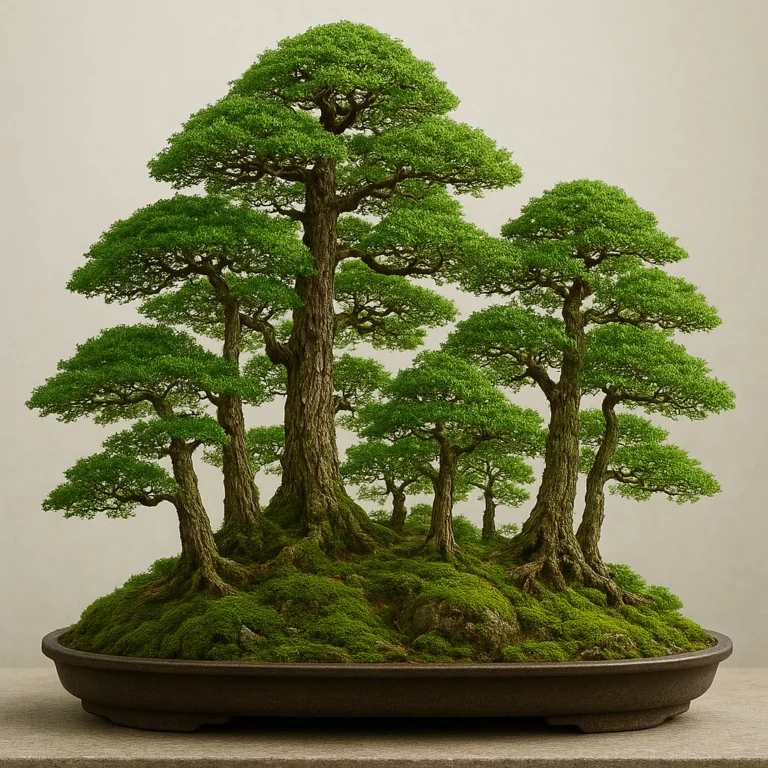
- Multi-Trunk Moyogi: Two or more trunks with gentle curves for dramatic effect.
- Pot Selection: Choose pots that complement the tree’s movement—oval or round shapes work well.
Experimentation is part of the fun! Just remember to keep the natural flow and avoid forced shapes.
🌟 10. Showcasing Your Informal Upright Bonsai: Display Tips and Presentation
A stunning Moyogi bonsai deserves a prime spot.
Display Essentials
- Use a simple, elegant stand that doesn’t overpower the tree.
- Position the front of the tree facing viewers, with the apex aligned over the base.
- Consider seasonal accent plants or scrolls for traditional displays.
Lighting for Display
- Soft, diffused lighting highlights curves and textures.
- Avoid harsh direct light that can cast distracting shadows.
For inspiration, explore our Bonsai Display and Aesthetics articles.
🧰 Troubleshooting Common Challenges in Informal Upright Bonsai Cultivation
Even bonsai pros face hurdles. Here’s how to tackle common Moyogi issues:
| Problem | Cause | Solution |
|---|---|---|
| Trunk not tapering | Young tree, poor pruning | Select older stock, prune base |
| Branches growing inside curves | Incorrect wiring or pruning | Rewire, prune offending branches |
| Wiring scars | Wire left on too long | Check and remove wiring regularly |
| Sparse foliage | Over-pruning, poor nutrition | Adjust pruning, fertilize |
| Pest infestations | Poor hygiene, environmental stress | Regular inspection, treatment |
Remember, patience and observation are your best tools!
📚 Recommended Books, Videos, and Resources for Informal Upright Bonsai Enthusiasts
Want to become a Moyogi master? Here are some top resources:
| Resource Type | Title / Channel | Why It’s Great | Link |
|---|---|---|---|
| Book | Bonsai Basics by Colin Lewis | Clear, beginner-friendly, covers styles | Amazon |
| Book | The Bonsai Handbook by David Prescott | Detailed styling and care instructions | Amazon |
| Video | Bonsai Empire’s Moyogi Style Tutorial | Step-by-step visual guide | YouTube |
| Website | Bonsai Garden™ (that’s us!) | Expert advice, community, and inspiration | bonsaigarden.org |
Featured Video Insight
The first YouTube video in this article beautifully demonstrates the Moyogi style’s serpentine trunk and branch placement. It highlights how the style is easier to create than Formal Upright due to its natural curves—a perfect watch for beginners and pros alike!
That’s a wrap on the essentials before we dive into the Conclusion! Ready to master the Moyogi style? Stay tuned for our final thoughts and expert recommendations. Meanwhile, explore our Bonsai FAQs for quick answers to common questions.
🎯 Conclusion: Mastering the Informal Upright Bonsai Style
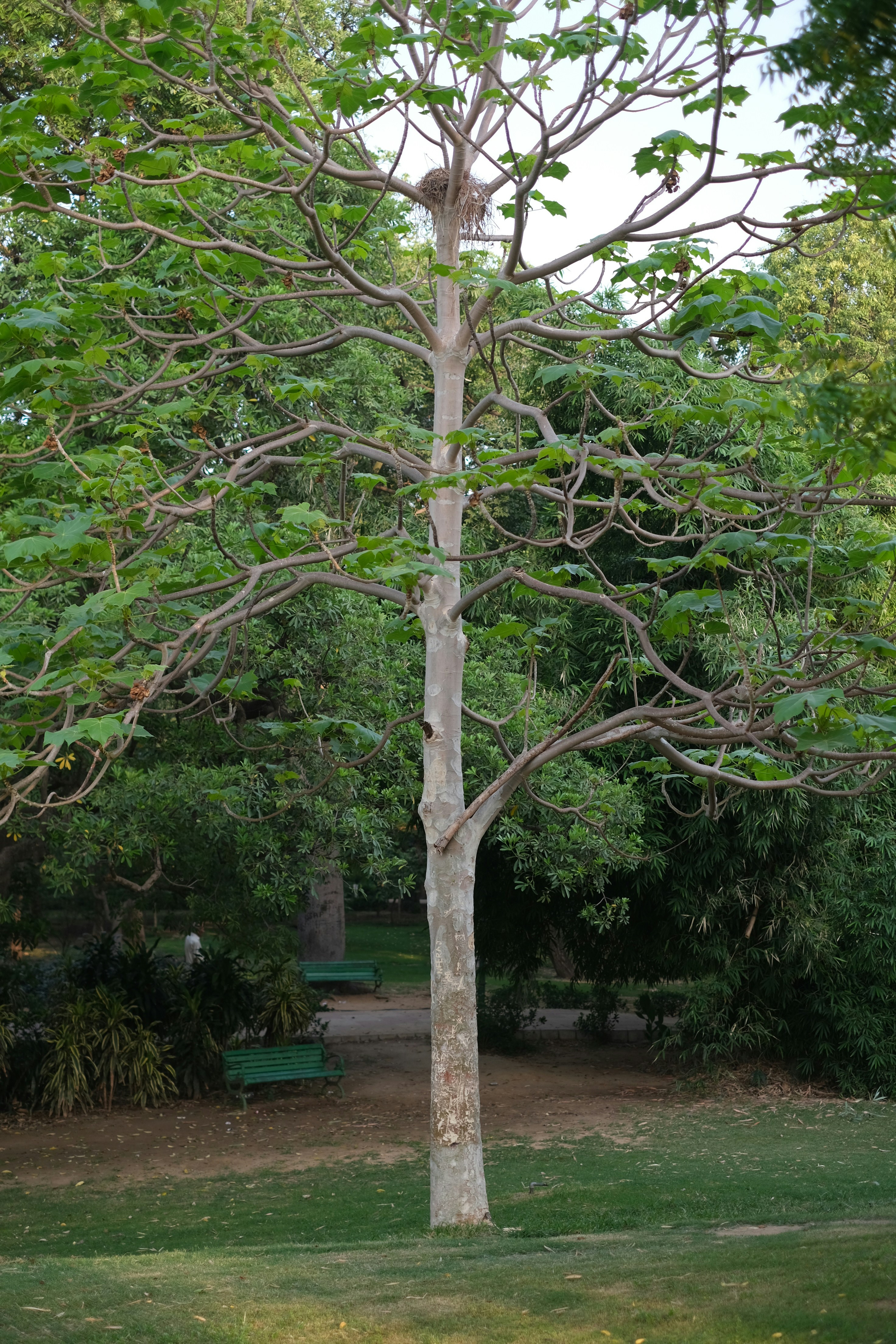
After our deep dive into the Informal Upright (Moyogi) bonsai style, it’s clear why this form is a favorite among bonsai enthusiasts—from beginners to seasoned pros. Its natural, flowing trunk lines and balanced branch placement make it a living tribute to trees shaped by gentle winds and time.
What makes Moyogi special?
- The serpentine trunk with visible tapering creates a sense of movement and age.
- Branches alternate gracefully from the outside of curves, giving a 3D, natural look.
- It’s versatile, suiting a wide range of species like pines, maples, and junipers.
- The style balances artistic freedom with bonsai principles, making it accessible yet rewarding.
Challenges? Patience is key. Shaping the trunk and maintaining proper wiring takes time and care. Watch out for wiring scars and avoid over-pruning. But with consistent watering, feeding, and seasonal care, your Moyogi bonsai will thrive and tell its unique story.
If you’ve wondered how to achieve that perfect taper or how to balance branch placement, now you have the tools and knowledge to start confidently. Remember, bonsai is a journey, not a race—each curve and branch is a chapter in your tree’s life.
Ready to bring your Moyogi bonsai to life? Dive into the tools, species, and care tips we shared, and you’ll be styling your tree like a pro in no time.
🔗 Recommended Links for Further Bonsai Exploration
Here are some top products and resources to help you craft your perfect Informal Upright bonsai:
-
ARS 160DX Concave Cutter:
Amazon | ARS Official Website -
Kiyoharu Bonsai Tool Set:
Amazon | Kiyoharu Official Site -
Copper Bonsai Wire (1-3 mm):
Amazon -
Biogold Bonsai Fertilizer:
Amazon -
Miracle-Gro Bonsai Fertilizer:
Amazon -
Recommended Books:
❓ FAQ: Your Informal Upright Bonsai Questions Answered
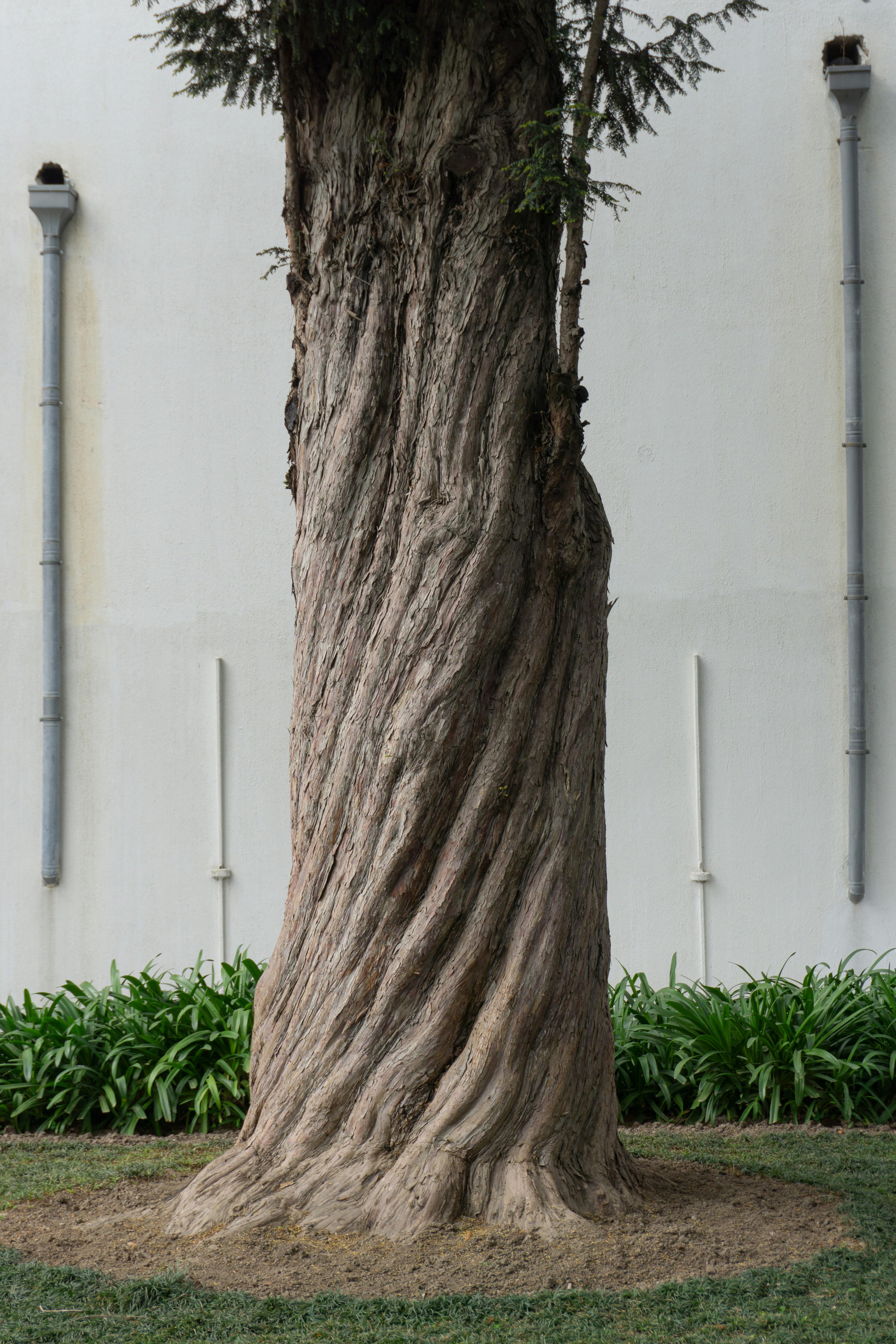
What soil and watering techniques work best for informal upright bonsai trees?
Soil: Use a well-draining bonsai soil mix combining Akadama, pumice, and lava rock. This mix retains moisture but prevents waterlogging, essential for healthy roots.
Watering: Water thoroughly when the topsoil feels dry. Avoid letting the soil dry out completely or become soggy. Use a watering can with a fine rose to prevent soil displacement.
How do you wire branches in the informal upright bonsai style?
- Use aluminum or annealed copper wire sized appropriately (1-3 mm).
- Start wiring from the trunk’s base upward, shaping gentle S-curves.
- Wire branches individually, bending slowly to avoid snapping.
- Branches should grow from the outside of trunk curves, alternating sides.
- Check wiring every 4-6 weeks and remove before it scars the bark.
What are common mistakes to avoid when growing an informal upright bonsai?
- Over-wiring or leaving wire on too long causing bark damage.
- Pruning too aggressively, which stresses the tree and reduces vigor.
- Ignoring tapering—trees with uniform trunk thickness don’t capture Moyogi’s essence.
- Poor watering practices leading to root rot or dehydration.
- Neglecting pest and disease inspections.
How often should you prune an informal upright bonsai?
Prune regularly during the growing season (spring to early fall) to maintain shape and encourage ramification. Light pruning can be done monthly, while structural pruning is best in early spring. Avoid heavy pruning in winter.
Which tree species are best suited for the informal upright bonsai style?
Ideal species include:
- Japanese Maple (Acer palmatum)
- Juniper (Juniperus spp.)
- Pine (Pinus spp.)
- Elm (Ulmus spp.)
- Azalea (Rhododendron spp.)
These species have natural trunk movement and branch flexibility suited to Moyogi’s curves.
How do you shape an informal upright bonsai tree?
- Select a tree with natural trunk bends or create curves by wiring.
- Shape the trunk into gentle S-curves with visible tapering.
- Position branches alternately on the outside of trunk curves.
- Use pruning and wiring to refine shape over time.
- Maintain balance so the apex aligns over the base.
What is the difference between Informal Upright and Formal Upright bonsai styles?
| Feature | Informal Upright (Moyogi) | Formal Upright (Chokkan) |
|---|---|---|
| Trunk Shape | Curved, serpentine | Straight, vertical |
| Branch Placement | Alternating, from outside curves | Symmetrical, opposite sides |
| Visual Style | Natural, relaxed | Formal, rigid |
| Difficulty Level | More forgiving for beginners | Requires precise symmetry |
📖 Reference Links and Credible Sources
- Bonsai Empire: Informal Upright Style
- BonsaiAble: Informal Upright Bonsai Guide
- Cincinnati Bonsai Society: Informal Upright Moyogi
- ARS Tools Official Site
- Kiyoharu Bonsai Tools
- Bonsai Garden™ – Bonsai Care Basics
- Bonsai Garden™ – Bonsai for Beginners
- Bonsai Garden™ – Bonsai Display and Aesthetics
Ready to embrace the natural elegance of the Informal Upright style? Your Moyogi bonsai awaits its story—one curve, one branch at a time. 🌳✨