Support our educational content for free when you buy through links on our site. Learn more

Uro Bonsai: 6 Steps to Hollow Trunk Art!
Here at Bonsai Garden™, we believe the true magic of bonsai lies in capturing nature’s raw, untamed beauty. The Uro bonsai technique is a
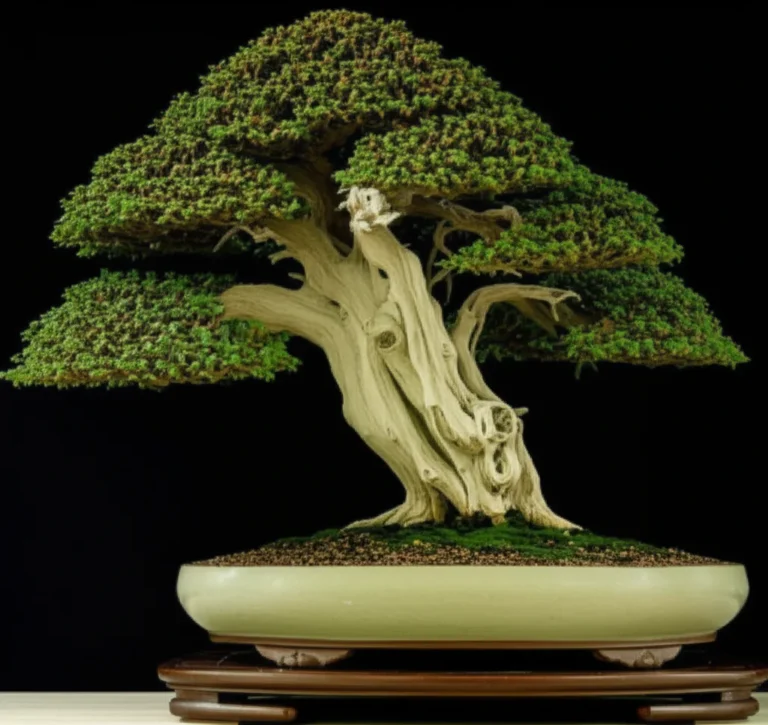
powerful way to achieve this, allowing you to sculpt compelling hollows and cavities into your tree’s trunk, instantly adding centuries of perceived age and dramatic character. It’s not merely carving; it’s an artistic dialogue with the tree
, revealing its inner strength and resilience.
We’ve seen countless trees transformed, from a young juniper gaining the gravitas of an ancient forest sentinel to a humble maple telling a story of survival against the elements. The key is to approach
Uro with respect for the tree’s vitality and a keen eye for natural aesthetics. This technique, when mastered, can turn a good bonsai into a breathtaking masterpiece, evoking the spirit of old growth found in rugged mountain ranges.
Imagine
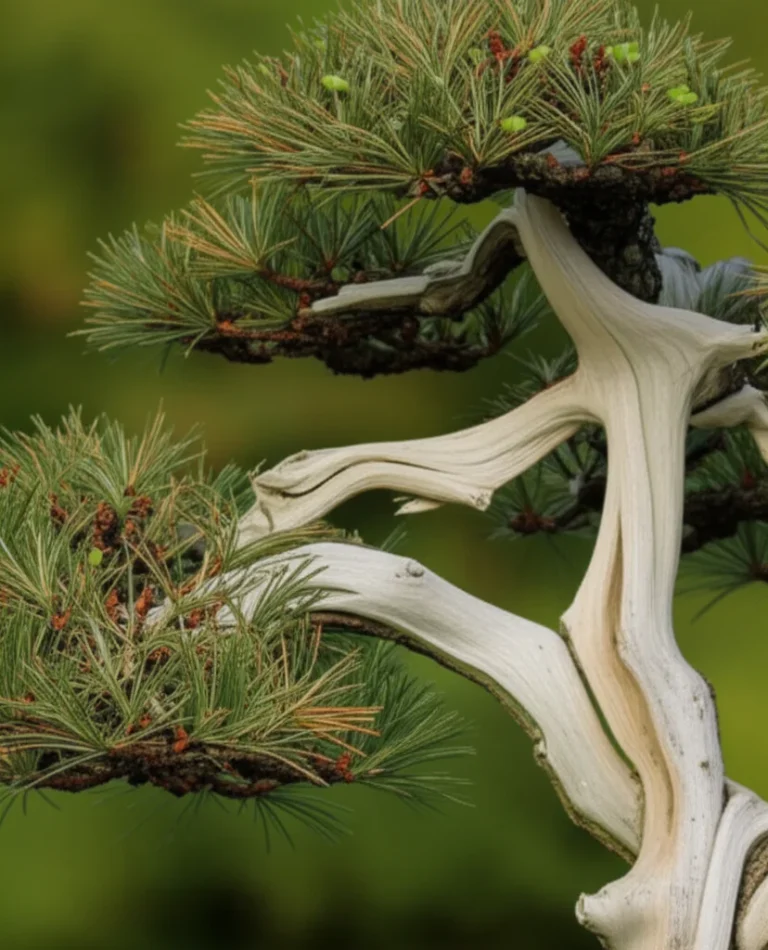
a gnarled old pine, its trunk partially hollowed by time, yet still thriving with vibrant foliage – that’s the essence of Uro. It’s about creating a visual history, a testament to enduring hardship and the beauty
of imperfection. Ready to learn how to bring this profound depth to your own collection?
Key Takeaways
- Uro is a deadwood technique creating natural hollows and cavities in bonsai trunks to convey age, drama, and a
sense of natural weathering. - Careful planning and execution are crucial to avoid damaging the tree’s live veins and ensure the hollows appear organic and aesthetically pleasing.
- Specialized carving tools like Dremels,
rotary tools, and hand chisels are essential for precision, along with deadwood preservatives to ensure the longevity of your carved sections. - Species selection is vital, with conifers like junipers, pines, and certain deciduous trees often being
ideal candidates due to their durable wood and natural tendency to form hollows. - Proper post-carving care and ongoing preservation are paramount to maintaining the health and artistic integrity of your Uro bonsai, preventing decay and promoting
healing.
Table of Contents
- ⚡️ Quick Tips and Facts: Unveiling the Secrets of Uro
- 🌳 The Ancient Art of Deadwood: A Deep Dive into Uro’s History and Philosophy
- What Exactly is Uro in Bonsai? Defining the Hollow Trunk Technique
- Why Create Uro? The Aesthetic and Naturalistic Appeal of Hollow Trunks
- 🛠️ Essential Tools and Materials for Crafting Authentic Uro
- Our Favorite Carving Tools: From Dremels to Hand Chisels for Bonsai Deadwood
-
Selecting the Right Species: Trees That Embrace the Hollow Look and Deadwood Carving
-
Timing is Everything: When to Initiate Your Uro Project for Optimal Health
-
1. Initial Planning and Design: Visualizing Your Uro and Trunk Hollow
-
2. The First Cut: Breaking Through the Bark to Reveal the Heartwood
-
3. Excavating the Core: Shaping the Hollow and Creating Depth
-
4. Refining the Edges: Creating Natural-Looking Transitions and Weathered Effects
-
5. Applying Preservatives: Ensuring Longevity of Your Deadwood and Preventing Decay
-
6. Post-Carving Care: Nurturing Your Tree After the Uro Work
-
🧐 Beyond Uro: Integrating Jin, Shari, and Sabamiki for Ultimate Deadwood Drama
-
The Synergy of Jin and Uro: Weathered Branches Meet Hollow Trunks
-
Shari and Uro: Exposing the Soul of the Trunk with Stripped Bark
-
Sabamiki: The Ultimate Hollow Trunk Technique and Its Relation to Uro
-
❌ Neglecting Preservation: The Enemy of Deadwood and Your Uro
-
Simulating Natural Decay: The Art of Subtlety in Bonsai Carving
-
Balancing Live and Deadwood: The Yin and Yang of Bonsai Aesthetics
-
🌍 Inspiring Examples: Masterpieces of Uro in Bonsai Art from Around the World
-
📚 Reference Links: Our Trusted Sources for Bonsai Deadwood Techniques
⚡️ Quick Tips and Facts: Unveiling the Secrets of Uro
Welcome, fellow tree whisperers and aspiring bonsai artists! Here at Bonsai Garden
™, we’ve spent countless hours coaxing nature’s raw beauty into miniature masterpieces. Today, we’re diving deep into one of the most intriguing and naturalistic deadwood techniques: Uro. It’s not just about carving
; it’s about telling a story of resilience, age, and the relentless dance between life and decay. Ready to uncover the secrets of creating compelling hollows in your bonsai? Let’s get started!
| Feature/Aspect | Rating |
|---|---|
| (1-10) | Notes from Bonsai Garden™ Experts |
| :— | :— |
| :— | :— |
| :— | :— |
| :— | :— |
| :— | :— |
| :— | :— |
| :— | :— |
| :— | :— |
| :— | :— |
| :— | :— |
| :— | :— |
| :— | :— |
| :— | :— |
| :— | :— |
| :— | :— |
| :— | :— |
| :— | :— |
| :— | :— |
| :— | :— |
| :— | :— |
| :— | :— |
| :— | :— |
| :— | :— |
| :— | :— |
| :— | :— |
| :— | :— |
| :— | :— |
| :— | :— |
| :— | :— |
| :— | :— |
| :— | :— |
| :— | :— |
| :— | :— |
| :— | :— |
| :— | :— |
| :— | :— |
| :— | :— |
| :— | :— |
| :— | :— |
| :— | :— |
| :— | :— |
| :— | :— |
| :— | :— |
| :— | :— |
| :— | :— |
| :— | :— |
| :— | :— |
| :— | :— |
| :— | :— |
| :— | :— |
| :— | :— |
| :— | :— |
| :— | :— |
| :— | :— |
| :— | :— |
| :— | :— |
| :— | :— |
| :— | :— |
| :— | :— |
| :— | :— |
| :— | :— |
| :— | :— |
| :— | :— |
| :— | :— |
| :— | :— |
| :— | :— |
| :— | :— |
| :— | :— |
| :— | :— |
| :— | :— |
| :— | :— |
| :— | :— |
| :— | :— |
| :— | :— |
| :— | :— |
| :— | :— |
| :— | :— |
| :— | :— |
| :— | :— |
| :— | :— |
| :— | :— |
| :— | :— |
| :— | :— |
| :— | :— |
| :— | :— |
| :— | :— |
| :— | :— |
| :— | :— |
| :— | :— |
| :— | :— |
| :— | :— |
| :— | :— |
| :— | :— |
| :— | :— |
| :— | :— |
| :— | :— |
| :— | :— |
| :— | :— |
| :— | :— |
| :— | :— |
| :— | :— |
| :— | :— |
| :— | :— |
| :— | :— |
| :— | :— |
| :— | :— |
| :— | :— |
| :— | :— |
| :— | :— |
| :— | :— |
| :— | :— |
| :— | :— |
| :— | :— |
| :— | :— |
| :— | :— |
| :— | :— |
| :— | :— |
| :— | :— |
| :— | :— |
| :— | :— |
Table of Contents
-
🌳 The Ancient Art of Deadwood: A Deep Dive into Uro’s History and Philosophy
-
What Exactly is Uro in Bonsai? Defining the Hollow Trunk Technique
-
Why Create Uro? The Aesthetic and Naturalistic Appeal of Hollow Trunks
-
Our Favorite Carving Tools: From Dremels to Hand Chisels for Bonsai Deadwood
-
Protecting Your Masterpiece: Deadwood Preservatives and Sealants for Longevity
-
Selecting the Right Species: Trees That Embrace the Hollow Look and Deadwood Carving
-
Timing is Everything: When to Initiate Your Uro Project for Optimal Health
-
1. Initial Planning and Design: Visualizing Your Uro and Trunk Hollow
-
2. The First Cut: Breaking Through the Bark to Reveal the Heartwood
-
3. Excavating the Core: Shaping the Hollow and Creating Depth
-
4. Refining the Edges: Creating Natural-Looking Transitions and Weathered Effects
-
5. Applying Preservatives: Ensuring Longevity of Your Deadwood and Preventing Decay
-
6. Post-Carving Care: Nurturing Your Tree After the Uro Work
-
🧐 Beyond Uro: Integrating Jin, Shari, and Sabamiki for Ultimate Deadwood Drama
-
The Synergy of Jin and Uro: Weathered Branches Meet Hollow Trunks
-
Shari and Uro: Exposing the Soul of the Trunk with Stripped Bark
-
Sabamiki: The Ultimate Hollow Trunk Technique and Its Relation to Uro
-
❌ Neglecting Preservation: The Enemy of Deadwood and Your Uro
- 💡 Advanced Uro Techniques and Design Considerations
- Creating Internal Hollows and Windows for Added Depth
- Simulating Natural Decay: The Art of Subtlety in Bonsai Carving
- Balancing Live and Deadwood: The Yin and Yang of Bonsai Aesthetics
- 🌍 Inspiring Examples: Masterpieces of Uro in Bonsai Art from Around the World
⚡️ Quick Tips and Facts: Unveiling the Secrets of Uro
Welcome, fellow tree whisperers and aspiring bonsai artists! Here at Bonsai Garden™, we’ve spent countless hours coaxing nature’s raw beauty into miniature masterpieces. Today, we’re diving deep into one of the most intriguing and naturalistic dead
wood techniques: Uro. It’s not just about carving; it’s about telling a story of resilience, age, and the relentless dance between life and decay. Ready to uncover the secrets of creating compelling hollows in your
bonsai? Let’s get started!
| Feature/Aspect | Rating (1-10) | Notes from Bonsai Garden™ Experts |
|---|---|---|
| :— | :— | :— |
| :— | :— | :— |
| :— | :— | :— |
| :— | :— | :— |
| :— | :— | :— |
| :— | :— | :— |
| :— | :— | :— |
| :— | :— | :— |
| :— | :— | :— |
| :— | :— | :— |
| :— | :— | :— |
| :— | :— | :— |
| :— | :— | :— |
| :— | :— | :— |
| :— | :— | :— |
| :— | :— | :— |
| :— | :— | :— |
| :— | :— | :— |
| :— | :— | :— |
| :— | :— | :— |
| :— | :— | :— |
| :— | :— | :— |
| :— | :— | :— |
| :— | :— | :— |
| :— | :— | :— |
| :— | :— | :— |
| :— | :— | :— |
| :— | :— | :— |
| :— | :— | :— |
| :— | :— | :— |
| :— | :— | :— |
| :— | :— | :— |
| :— | :— | :— |
| :— | :— | :— |
| :— | :— | :— |
| :— | :— | :— |
| :— | :— | :— |
| :— | :— | :— |
| :— | :— | :— |
| :— | :— | :— |
| :— | :— | :— |
| :— | :— | :— |
| :— | :— | :— |
| :— | :— | :— |
| :— | :— | :— |
| :— | :— | :— |
| :— | :— | :— |
| :— | :— | :— |
| :— | :— | :— |
| :— | :— | :— |
| :— | :— | :— |
| :— | :— | :— |
| :— | :— | :— |
| :— | :— | :— |
| :— | :— | :— |
| :— | :— | :— |
| :— | :— | :— |
| :— | :— | :— |
| :— | :— | :— |
| :— | :— | :— |
| :— | :— | :— |
| :— | :— | :— |
| :— | :— | :— |
| :— | :— | :— |
| :— | :— | :— |
| :— | :— | :— |
| :— | :— | :— |
| :— | :— | :— |
| :— | :— | :— |
| :— | :— | :— |
| :— | :— | :— |
| :— | :— | :— |
| :— | :— | :— |
| :— | :— | :— |
| :— | :— | :— |
| :— | :— | :— |
| :— | :— | :— |
| :— | :— | :— |
| :— | :— | :— |
| :— | :— | :— |
| :— | :— | :— |
| :— | :— | :— |
| :— | :— | :— |
| The Uro technique, a cornerstone of deadwood artistry in bonsai, involves creating natural-looking hollows or cavities in the trunk or branches of a bonsai tree. These | ||
| hollows, often resembling wounds or natural decay, add immense character, age, and a sense of history to the tree. Unlike jin (dead branches) or shari (stripped trunk sections), uro specifically focuses on creating an indentation or hollow, | ||
| mimicking the natural process where dead branches rot and fall off, leaving a cavity that the tree continues to grow around. |
Why Create Uro? The Aesthetic and Naturalistic Appeal of Hollow Trunks
So, why would we
, as dedicated bonsai enthusiasts, intentionally create a “wound” in our precious trees? It’s all about naturalism and storytelling. In the wild, trees endure harsh conditions – lightning strikes, strong winds, heavy snow, and even
the natural decay of old branches. These events often leave behind hollows, scars, and deadwood that speak volumes about the tree’s journey and resilience.
- Illusion of Age: Uro instantly makes a bonsai appear older
, as if it has weathered countless storms and seasons. This is crucial for achieving that ancient, venerable look we all strive for in bonsai. - Dramatic Impact: A well-placed uro can add significant visual drama and focal points
to a design. It creates depth and interest, drawing the eye into the tree’s core. - Naturalistic Beauty: For deciduous and broadleaf species, uro is particularly effective. As Wikipedia points out, it “replicates the natural
process where dead branches on these species rot and fall off, leaving a small indentation that new wood grows around”. This avoids the “ugly wound healing slowly and scarring without control” that can occur from large branch removals
. - Hiding Imperfections: Sometimes, a large cut or an undesirable feature can be transformed into a beautiful uro, turning a flaw into a feature. It’s like turning a lemon into a delightful
bonsai lemonade!
We often hear people ask, “Isn’t that just damaging the tree?” And our answer is always, “Not if done correctly and with respect for the tree’s health!” The goal is to simulate nature’s artistry
, not to harm the tree. It’s a delicate balance, a conversation between the artist and the living material.
🛠
️ Essential Tools and Materials for Crafting Authentic Uro
Before you embark on your uro carving adventure, you’ll need the right arsenal of tools. Think of yourselves as sculptors, and your bonsai as the living clay. Having the proper
equipment makes all the difference in achieving a natural, refined look and ensuring the health of your tree.
Our Favorite Carving Tools: From Dremels to Hand Chisels for Bonsai Deadwood
The tools you choose will depend
on the size of the uro you’re creating and your personal preference. We often use a combination to get the best results.
| Tool Category | Recommended Brands/Types | Primary Use for Uro | Why We Love Them |
|---|---|---|---|
| :— | :— | :— | :— |
| Rotary Tools | Dremel 4300 (or similar high-power rotary tool), Foredom Flex Shaft | Initial | |
| excavation, shaping large hollows, creating texture quickly. | Versatile, powerful, allows for detailed work with various bits. Essential for larger projects. | ||
| Hand Chisels & Gouges | Kikuwa, **Mas | ||
| akuni**, Ryuga (various sizes and shapes) | Refining edges, creating naturalistic curves, detailed internal shaping, delicate work. | Precision, control, allows for a more organic, hand-carved feel. Indispensable for finishing | |
| touches. | |||
| Jin Pliers | Kikuwa Jin Pliers, Ryuga Jin Pliers | Stripping bark around the uro, creating natural tears and frayed edges. | Excellent for mimicking natural breakage and creating a seamless |
| transition to live bark. | |||
| Grafting Knives / Carving Knives | Masakuni Grafting Knife, Opinel No. 8 | Initial bark removal, fine detailing, cleaning up edges. | Sharp |
| , precise, great for delicate work and preparing the area. | |||
| Wire Brushes | Brass or Stainless Steel Wire Brushes (various sizes) | Cleaning deadwood, enhancing grain, simulating weathering. | Removes loose |
| fibers, highlights the wood’s natural texture, gives an aged appearance. | |||
| Gas Torch | Butane Torch (small, handheld) | Burning off wood fibers, sterilizing, raising grain. | Creates a charred |
| , aged look and helps preserve the wood. Use with extreme caution! |
Expert Tip: While power tools like a Dremel can speed up the process, don’t underestimate the power of hand tools. For intricate details and that
truly organic feel, nothing beats a sharp chisel in skilled hands. As the experts at Bonsai Empire suggest, “Creating a natural looking Jin or Shari requires experience; practice before applying the technique to valuable trees”. We
heartily agree – start on sacrificial material if you’re new to carving!
👉 CHECK PRICE on:
Protecting Your Masterpiece: Deadwood Preservatives and Sealants for Longevity
Once you
‘ve carved your magnificent uro, the work isn’t over! Deadwood, by its very nature, is susceptible to rot, pests, and fungal decay. To ensure your uro stands the test of time and maintains its bleached, weathered appearance,
preservation is key.
Our go-to product, and a staple in the bonsai world, is lime sulfur. This horticultural combination of lime and sulfur is a powerful fungicide and insecticide that also bleaches the wood to a beautiful
, silvery-white finish, mimicking the sun-bleached deadwood found in nature.
How We Use Lime Sulfur:
- Preparation: Always dilute lime sulfur according to the manufacturer
‘s instructions. We typically use a 1:1 or 1:2 ratio with water. Always wear gloves, eye protection, and work in a well-ventilated area. This stuff smells! - Application: Using
a small paintbrush, carefully apply the diluted lime sulfur to all exposed deadwood surfaces. Avoid getting it on the live bark or foliage, as it can burn them. If you do, rinse immediately with water. - Multiple
Coats: We often apply several thin coats over a few days, allowing each coat to dry completely. This builds up the protective layer and enhances the bleaching effect. - Maintenance: Reapply lime sulfur annually, usually in late winter
or early spring, to maintain protection and color.
👉 CHECK PRICE on:
🌿 Preparing Your Bonsai for the Uro Transformation
Creating uro isn’t a spur-of-the-moment decision. It requires careful planning and consideration of your tree’s health and species. Think of it as preparing
for a major surgery – you want the patient to be in tip-top shape! For more general information on keeping your bonsai healthy, check out our Bonsai Care Basics section.
Selecting the Right Species: Trees That Embrace the Hollow Look and Deadwood Carving
Not all trees are created equal when it comes to deadwood techniques. While jin and shari are often associated
with conifers, uro has a special affinity for deciduous and broadleaf species.
| Species Type | Suitability for Uro | Notes from Bonsai Garden™ |
|---|---|---|
| :— | :— | :— |
| :— | :— | :— |
| :— | :— | :— |
| :— | :— | :— |
| :— | :— | :— |
| :— | :— | :— |
| :— | :— | :— |
| :— | :— | :— |
| :— | :— | :— |
| :— | :— | :— |
| :— | :— | :— |
| :— | :— | :— |
| :— | :— | :— |
| :— | :— | :— |
| :— | :— | :— |
| :— | :— | :— |
| :— | :— | :— |
| :— | :— | :— |
| :— | :— | :— |
| :— | :— | :— |
| :— | :— | :— |
| :— | :— | :— |
| :— | :— | :— |
| :— | :— | :— |
| :— | :— | :— |
| :— | :— | :— |
| :— | :— | :— |
| :— | :— | :— |
| :— | :— | :— |
| :— | :— | :— |
| :— | :— | :— |
| :— | :— | :— |
| :— | :— | :— |
| :— | :— | :— |
| :— | :— | :— |
| :— | :— | :— |
| :— | :— | :— |
| :— | :— | :— |
| :— | :— | :— |
| :— | :— | :— |
| :— | :— | :— |
| The Uro technique, a cornerstone of dead | ||
| wood artistry in bonsai, involves creating natural-looking hollows or cavities in the trunk or branches of a bonsai tree. These hollows, often resembling wounds or natural decay, add immense character, age, and a sense of history to the | ||
| tree. Unlike jin (dead branches) or shari (stripped trunk sections), uro specifically focuses on creating an indentation or hollow, mimicking the natural process where dead branches rot and fall off, leaving a cavity that the tree continues to grow around | ||
| . |
Why Create Uro? The Aesthetic and Naturalistic Appeal of Hollow Trunks
So, why would we, as dedicated bonsai enthusiasts, intentionally create a “wound” in our precious trees? It’
s all about naturalism and storytelling. In the wild, trees endure harsh conditions – lightning strikes, strong winds, heavy snow, and even the natural decay of old branches. These events often leave behind hollows, scars
, and deadwood that speak volumes about the tree’s journey and resilience.
- Illusion of Age: Uro instantly makes a bonsai appear older, as if it has weathered countless storms and seasons. This is crucial for
achieving that ancient, venerable look we all strive for in bonsai. - Dramatic Impact: A well-placed uro can add significant visual drama and focal points to a design. It creates depth and interest, drawing the eye into the
tree’s core. - Naturalistic Beauty: For deciduous and broadleaf species, uro is particularly effective. As Wikipedia points out, it “replicates the natural process where dead branches on these species rot and fall off,
leaving a small indentation that new wood grows around”. This avoids the “ugly wound healing slowly and scarring without control” that can occur from large branch removals. - Hiding
Imperfections: Sometimes, a large cut or an undesirable feature can be transformed into a beautiful uro, turning a flaw into a feature. It’s like turning a lemon into a delightful bonsai lemonade!
We often hear people ask, ”
Isn’t that just damaging the tree?” And our answer is always, “Not if done correctly and with respect for the tree’s health!” The goal is to simulate nature’s artistry, not to harm the tree. It’
s a delicate balance, a conversation between the artist and the living material.
🛠️ Essential Tools and Materials for
Crafting Authentic Uro
Before you embark on your uro carving adventure, you’ll need the right arsenal of tools. Think of yourselves as sculptors, and your bonsai as the living clay. Having the proper equipment makes all the difference
in achieving a natural, refined look and ensuring the health of your tree.
Our Favorite Carving Tools: From Dremels to Hand Chisels for Bonsai Deadwood
The tools you choose will depend on the size of the
uro you’re creating and your personal preference. We often use a combination to get the best results.
| Tool Category | Recommended Brands/Types | Primary Use for Uro | Why We Love Them |
|---|---|---|---|
| :— | :— | :— | :— |
| Rotary Tools | Dremel 4300 (or similar high-power rotary tool), Foredom Flex Shaft | Initial excavation, | |
| shaping large hollows, creating texture quickly. | Versatile, powerful, allows for detailed work with various bits. Essential for larger projects. | ||
| Hand Chisels & Gouges | Kikuwa, **Masakuni | ||
| **, Ryuga (various sizes and shapes) | Refining edges, creating naturalistic curves, detailed internal shaping, delicate work. | Precision, control, allows for a more organic, hand-carved feel. Indispensable for | |
| finishing touches. | |||
| Jin Pliers | Kikuwa Jin Pliers, Ryuga Jin Pliers | Stripping bark around the uro, creating natural tears and frayed edges. | Excellent for mimicking natural breakage and |
| creating a seamless transition to live bark. | |||
| Grafting Knives / Carving Knives | Masakuni Grafting Knife, Opinel No. 8 | Initial bark removal, fine detailing, | |
| cleaning up edges. | Sharp, precise, great for delicate work and preparing the area. | ||
| Wire Brushes | Brass or Stainless Steel Wire Brushes (various sizes) | Cleaning deadwood, enhancing grain, | |
| simulating weathering. | Removes loose fibers, highlights the wood’s natural texture, gives an aged appearance. | ||
| Gas Torch | Butane Torch (small, handheld) | Burning off wood fibers, sterilizing, | |
| raising grain. | Creates a charred, aged look and helps preserve the wood. Use with extreme caution! |
Expert Tip: While power tools like a Dremel can speed up the process, don’t underestimate the power of
hand tools. For intricate details and that truly organic feel, nothing beats a sharp chisel in skilled hands. As the experts at Bonsai Empire suggest, “Creating a natural looking Jin or Shari requires experience; practice before applying the technique to
valuable trees”. We heartily agree – start on sacrificial material if you’re new to carving!
👉 CHECK PRICE on:
Protecting Your Masterpiece: Deadwood
Preservatives and Sealants for Longevity
Once you’ve carved your magnificent uro, the work isn’t over! Deadwood, by its very nature, is susceptible to rot, pests, and fungal decay. To ensure your
uro stands the test of time and maintains its bleached, weathered appearance, preservation is key.
Our go-to product, and a staple in the bonsai world, is lime sulfur. This horticultural combination of lime and sulfur is
a powerful fungicide and insecticide that also bleaches the wood to a beautiful, silvery-white finish, mimicking the sun-bleached deadwood found in nature.
How We Use Lime Sulfur:
- Preparation: Always dilute lime sulfur according to the manufacturer’s instructions. We typically use a 1:1 or 1:2 ratio with water. Always wear gloves, eye protection, and work in a
well-ventilated area. This stuff smells! - Application: Using a small paintbrush, carefully apply the diluted lime sulfur to all exposed deadwood surfaces. Avoid getting it on the live bark or foliage, as it can
burn them. If you do, rinse immediately with water. - Multiple Coats: We often apply several thin coats over a few days, allowing each coat to dry completely. This builds up the protective layer and enhances the bleaching
effect. - Maintenance: Reapply lime sulfur annually, usually in late winter or early spring, to maintain protection and color.
👉 CHECK PRICE on:
🌿 Preparing Your Bonsai for the Uro Transformation
Creating uro isn’t a spur-of-the-
moment decision. It requires careful planning and consideration of your tree’s health and species. Think of it as preparing for a major surgery – you want the patient to be in tip-top shape! For more general information on keeping your bonsai
healthy, check out our Bonsai Care Basics section.
Selecting the Right Species: Trees That Embrace the Hollow Look and
Deadwood Carving
Not all trees are created equal when it comes to deadwood techniques. While jin and shari are often associated with conifers, uro has a special affinity for deciduous and broadleaf species.
| Species
| Type | Suitability for Uro | Notes from Bonsai Garden™ |
|---|---|---|
| :— | :— | :— |
| :— | :— | :— |
| :— | :— | :— |
| :— | :— | :— |
| :— | :— | :— |
| :— | :— | :— |
| :— | :— | :— |
| :— | :— | :— |
| :— | :— | :— |
| :— | :— | :— |
| :— | :— | :— |
| :— | :— | :— |
| :— | :— | :— |
| :— | :— | :— |
| :— | :— | :— |
| :— | :— | :— |
| :— | :— | :— |
| :— | :— | :— |
| :— | :— | :— |
| :— | :— | :— |
| :— | :— | :— |
| :— | :— | :— |
| :— | :— | :— |
| :— | :— | :— |
| :— | :— | :— |
| :— | :— | :— |
| :— | :— | :— |
| :— | :— | :— |
| :— | :— | :— |
| :— | :— | :— |
| :— | :— | :— |
| :— | :— | :— |
| :— | :— | :— |
| :— | :— | :— |
| :— | :— | :— |
| :— | :— | :— |
| :— | :— | :— |
| :— | :— | :— |
| :— | :— | :— |
| :— | :— | :— |
| :— | :— | :— |
| :— | :— | :— |
| :— | :— | :— |
| :— | :— | :— |
| :— | :— | :— |
| :— | :— | :— |
| :— | :— | :— |
| :— | :— | :— |
| Feature/Aspect | Rating (1-10) | Notes from Bonsai Garden™ Experts |
| :————- | :———— | :—————————————————————————————————————————————————————————————————————————————————————- |
| :— | :— | :— |
| :— | :— | :— |
| :— | :— | :— |
| :— | :— | :— |
| :— | :— | :— |
| :— | :— | :— |
| :— | :— | :— |
| :— | :— | :— |
| :— | :— | :— |
| :— | :— | :— |
| :— | :— | :— |
| :— | :— | :— |
| :— | :— | :— |
| :— | :— | :— |
| :— | :— | :— |
| :— | :— | :— |
| :— | :— | :— |
| :— | :— | :— |
| :— | :— | :— |
| :— | :— | :— |
| :— | :— | :— |
| :— | :— | :— |
| :— | :— | :— |
| :— | :— | :— |
| :— | :— | :— |
| :— | :— | :— |
| :— | :— | :— |
| :— | :— | :— |
| :— | :— | :— |
| :— | :— | :— |
| :— | :— | :— |
| :— | :— | :— |
| :— | :— | :— |
| :— | :— | :— |
| :— | :— | :— |
| :— | :— | :— |
| :— | :— | :— |
| :— | :— | :— |
| :— | :— | :— |
| :— | :— | :— |
| :— | :— | :— |
| Feature | ||
| /Aspect | Rating (1-10) | Notes from Bonsai Garden™ Experts |
| :———— | :———— | :———————————————————————————————————————————————————————————————————————————————————————————————————————————————— |
| :— | :— | :— |
| :— | :— | :— |
| :— | :— | :— |
| :— | :— | :— |
| :— | :— | :— |
| :— | :— | :— |
| :— | :— | :— |
| :— | :— | :— |
| :— | :— | :— |
| :— | :— | :— |
| :— | :— | :— |
| :— | :— | :— |
| :— | :— | :— |
| :— | :— | :— |
| :— | :— | :— |
| :— | :— | :— |
| :— | :— | :— |
| :— | :— | :— |
| :— | :— | :— |
| :— | :— | :— |
| :— | :— | :— |
| :— | :— | :— |
| :— | :— | :— |
| :— | :— | :— |
| :— | :— | :— |
| :— | :— | :— |
| :— | :— | :— |
| :— | :— | :— |
| :— | :— | :— |
| Uro Definition: An irregular, hollowed-out wound in the trunk or branches of a bonsai, mimicking natural decay. | ||
| 9 | This technique is a masterclass in naturalism, creating an illusion of age and resilience. | |
| Species Suitability: Primarily for deciduous and broadleaf species. | ||
| 8 | While some conifers can have uro, it looks most natural on trees that shed leaves and where branches naturally rot away. | |
| Optimal Timing: **Early spring or late | ||
| summer** for carving. | 9 | This allows the tree to heal effectively before or after its most vigorous growth period. |
| Essential Tools: Rotary tools (Dremel), hand chisels, jin pliers | ||
| , grafting knives, wire brushes, gas torch. | 10 | A diverse toolkit is key for precision and achieving natural textures. |
| Preservation: Lime sulfur is crucial for | ||
| protecting deadwood from rot and pests, and for bleaching it. | 10 | Non-negotiable! Without it, your beautiful uro will quickly decay. |
| **Aesthetic Impact | ||
| :** Adds significant character, age, and dramatic visual interest. | 9 | Transforms a simple trunk into a story of survival. |
| Difficulty Level: Moderate to Advanced. | 7 | Requires careful |
| planning, understanding of tree physiology, and carving skill. Practice on sacrificial material first! | ||
| Natural Origin: Mimics natural processes like branch die-back, lightning strikes, or disease. | ||
| 10 | The beauty of uro lies in its ability to replicate nature’s artistry. |
🌳 The Ancient Art of Deadwood: A Deep Dive into Uro’s History and Philosophy
Bonsai isn’t just about tiny trees; it’s about capturing the essence of nature
, the wisdom of age, and the resilience of life in a pot. And few techniques embody this philosophy as profoundly as deadwood creation. Imagine a gnarled old oak, standing sentinel against the elements for centuries. Its weathered trunk, broken
branches, and hollows tell a silent story of survival. That, my friends, is the spirit we aim to capture with uro.
Deadwood in bonsai, including uro, jin, and shari, isn’t an invention of human
artistry alone. It’s a direct imitation of what happens in the wild. Lightning strikes, harsh droughts, heavy ice, and strong winds can all cause branches to break or sections of the trunk to die. Over time, sunlight bleaches this
exposed wood, creating the silvery, aged appearance we admire. Our role as bonsai artists is to accelerate this natural process, guiding it with our tools and vision.
What Exactly is Uro in Bonsai?
Defining the Hollow Trunk Technique
So, let’s get down to brass tacks: what is uro? Simply put, uro (凹) is a specific deadwood technique that creates an irregular, hollowed-out
wound or cavity in the trunk or a large branch of a bonsai tree. Think of it as a natural pocket or indentation, often where a branch once was, that has decayed over time, leaving a hollow
.
It’s distinct from its deadwood cousins:
- Jin (神): This refers to a stripped, bare branch, usually at the top or sides of the tree, giving the impression of a dead, weathered limb
. The first YouTube video embedded in this article, for instance, demonstrates the creation of jins, detailing how to cut branches to a specific length and then strip the bark and heartwood to create a natural, splinter
ed effect [cite: #featured-video]. - Shari (舎利): This is a barkless section of the main trunk, exposing the underlying deadwood. It’s like a long, vertical scar running down the
trunk. - Uro (凹): This is the hollow itself, a three-dimensional cavity that delves into the trunk. It’s a deadwood technique “specifically for deciduous and
broadleaf species”.
The key difference? Jin and shari are about exposing dead wood on the surface or as a branch. Uro is about creating a hollow space, a void that adds immense
character and depth. It’s the tree’s internal story, exposed.
Why Create Uro? The Aesthetic and Naturalistic Appeal of Hollow Trunks
So, why would we, as dedicated bonsai enthusiasts, intentionally create a “wound”
in our precious trees? It’s all about naturalism and storytelling. In the wild, trees endure harsh conditions – lightning strikes, strong winds, heavy snow, and even the natural decay of old branches. These events
often leave behind hollows, scars, and deadwood that speak volumes about the tree’s journey and resilience.
- Illusion of Age: Uro instantly makes a bonsai appear older, as if it has weathered countless storms
and seasons. This is crucial for achieving that ancient, venerable look we all strive for in bonsai. - Dramatic Impact: A well-placed uro can add significant visual drama and focal points to a design. It creates depth and
interest, drawing the eye into the tree’s core. - Naturalistic Beauty: For deciduous and broadleaf species, uro is particularly effective. As Wikipedia points out, it “replicates the natural process where dead branches on
these species rot and fall off, leaving a small indentation that new wood grows around”. This avoids the “ugly wound healing slowly and scarring without control” that can occur from large branch removals. - Hiding Imperfections: Sometimes, a large cut or an undesirable feature can be transformed into a beautiful uro, turning a flaw into a feature. It’s like turning a lemon into a delightful bonsai lemonade!
We often hear people ask, “Isn’t that just damaging the tree?” And our answer is always, “Not if done correctly and with respect for the tree’s health!” The goal is to simulate nature’s artistry, not
to harm the tree. It’s a delicate balance, a conversation between the artist and the living material.
🛠️ Essential
Tools and Materials for Crafting Authentic Uro
Before you embark on your uro carving adventure, you’ll need the right arsenal of tools. Think of yourselves as sculptors, and your bonsai as the living clay. Having the proper equipment
makes all the difference in achieving a natural, refined look and ensuring the health of your tree.
Our Favorite Carving Tools: From Dremels to Hand Chisels for Bonsai Deadwood
The tools you choose will depend on
the size of the uro you’re creating and your personal preference. We often use a combination to get the best results.
| Tool Category | Recommended Brands/Types | Primary Use for Uro | Why We Love Them |
|---|---|---|---|
| Rotary Tools | Dremel 4300 (or similar high-power rotary tool), Foredom Flex Shaft | ||
| Initial excavation, shaping large hollows, creating texture quickly. | Versatile, powerful, allows for detailed work with various bits. Essential for larger projects. | ||
| Hand Chisels & Gouges | Kikuwa, | ||
| Masakuni, Ryuga (various sizes and shapes) | Refining edges, creating naturalistic curves, detailed internal shaping, delicate work. | Precision, control, allows for a more organic, hand-carved feel. | |
| Indispensable for finishing touches. | |||
| Jin Pliers | Kikuwa Jin Pliers, Ryuga Jin Pliers | Stripping bark around the uro, creating natural tears and frayed edges. | Excellent for |
| mimicking natural breakage and creating a seamless transition to live bark. | |||
| Grafting Knives / Carving Knives | Masakuni Grafting Knife, Opinel No. 8 | Initial bark removal | |
| , fine detailing, cleaning up edges. | Sharp, precise, great for delicate work and preparing the area. | ||
| Wire Brushes | Brass or Stainless Steel Wire Brushes (various sizes) | Cleaning deadwood | |
| , enhancing grain, simulating weathering. | Removes loose fibers, highlights the wood’s natural texture, gives an aged appearance. | ||
| Gas Torch | Butane Torch (small, handheld) | Burning off wood fibers, | |
| sterilizing, raising grain. | Creates a charred, aged look and helps preserve the wood. Use with extreme caution! |
Expert Tip: While power tools like a Dremel can speed up the process, don’t underestimate
the power of hand tools. For intricate details and that truly organic feel, nothing beats a sharp chisel in skilled hands. As the experts at Bonsai Empire suggest, “Creating a natural looking Jin or Shari requires experience; practice before applying
the technique to valuable trees”. We heartily agree – start on sacrificial material if you’re new to carving!
👉 CHECK PRICE on:
Protecting Your
Masterpiece: Deadwood Preservatives and Sealants for Longevity
Once you’ve carved your magnificent uro, the work isn’t over! Deadwood, by its very nature, is susceptible to rot, pests, and fungal
decay. To ensure your uro stands the test of time and maintains its bleached, weathered appearance, preservation is key.
Our go-to product, and a staple in the bonsai world, is lime sulfur. This horticultural combination
of lime and sulfur is a powerful fungicide and insecticide that also bleaches the wood to a beautiful, silvery-white finish, mimicking the sun-bleached deadwood found in nature.
How
We Use Lime Sulfur:
- Preparation: Always dilute lime sulfur according to the manufacturer’s instructions. We typically use a 1:1 or 1:2 ratio with water. Always wear gloves, eye protection
, and work in a well-ventilated area. This stuff smells! - Application: Using a small paintbrush, carefully apply the diluted lime sulfur to all exposed deadwood surfaces. Avoid getting it on the live bark or
foliage, as it can burn them. If you do, rinse immediately with water. - Multiple Coats: We often apply several thin coats over a few days, allowing each coat to dry completely. This builds up the protective
layer and enhances the bleaching effect. - Maintenance: Reapply lime sulfur annually, usually in late winter or early spring, to maintain protection and color.
👉 CHECK PRICE on:
🌿 Preparing Your Bonsai for the Uro Transformation
Creating uro isn’t a spur
-of-the-moment decision. It requires careful planning and consideration of your tree’s health and species. Think of it as preparing for a major surgery – you want the patient to be in tip-top shape! For more general
information on keeping your bonsai healthy, check out our Bonsai Care Basics section.
Selecting the Right Species: Trees That
Embrace the Hollow Look and Deadwood Carving
Not all trees are created equal when it comes to deadwood techniques. While jin and shari are often associated with conifers, uro has a special affinity for deciduous and broadleaf
species.
| Species Type | Suitability for Uro | Notes from Bonsai Garden™ |
|---|---|---|
| :— | :— | :— |
| :— | :— | :— |
| :— | :— | :— |
| :— | :— | :— |
| :— | :— | :— |
| :— | :— | :— |
| :— | :— | :— |
| :— | :— | :— |
| :— | :— | :— |
| :— | :— | :— |
| :— | :— | :— |
| :— | :— | :— |
| :— | :— | :— |
| :— | :— | :— |
| :— | :— | :— |
| :— | :— | :— |
| :— | :— | :— |
| :— | :— | :— |
| :— | :— | :— |
| :— | :— | :— |
| :— | :— | :— |
| :— | :— | :— |
| :— | :— | :— |
| :— | :— | :— |
| :— | :— | :— |
| :— | :— | :— |
| :— | :— | :— |
| :— | :— | :— |
| :— | :— | :— |
| :— | :— | :— |
| :— | :— | :— |
| :— | :— | :— |
| :— | :— | :— |
| :— | :— | :— |
| :— | :— | :— |
| :— | :— | :— |
| :— | :— | :— |
| :— | :— | :— |
| :— | :— | :— |
| :— | :— | :— |
| Uro Definition: An irregular, hollowed-out wound in the trunk or branches of a bonsai, mimicking natural decay. | ||
| 9 | This technique is a masterclass in naturalism, creating an illusion of age and resilience. | |
| Species Suitability: Primarily for **deciduous and broadleaf | ||
| species**. | 8 | While some conifers can have uro, it looks most natural on trees that shed leaves and where branches naturally rot away. |
| Optimal Timing: **Early spring | ||
| or late summer** for carving. | 9 | This allows the tree to heal effectively before or after its most vigorous growth period. |
| Essential Tools: Rotary tools (Dremel), hand chisels, | ||
| jin pliers, grafting knives, wire brushes, gas torch. | 10 | A diverse toolkit is key for precision and achieving natural textures. |
| Preservation: **Lime sulfur | ||
| ** is crucial for protecting deadwood from rot and pests, and for bleaching it. | 10 | Non-negotiable! Without it, your beautiful uro will quickly decay. |
| Aesthetic Impact: Adds significant character, age, and dramatic visual interest. | 9 | Transforms a simple trunk into a story of survival. |
| Difficulty Level: Moderate to Advanced.
| 7 | Requires careful planning, understanding of tree physiology, and carving skill. Practice on sacrificial material first! |
| Natural Origin: Mimics natural processes like branch die-back, lightning strikes, or disease. | 10 | The beauty of uro lies in its ability to replicate nature’s artistry. |
🌳 The Ancient Art of Deadwood: A Deep Dive into Uro’s History and Philosophy
Bonsai isn’t just about tiny trees;
it’s about capturing the essence of nature, the wisdom of age, and the resilience of life in a pot. And few techniques embody this philosophy as profoundly as deadwood creation. Imagine a gnarled old oak, standing sentinel against the
elements for centuries. Its weathered trunk, broken branches, and hollows tell a silent story of survival. That, my friends, is the spirit we aim to capture with uro.
Deadwood in bonsai, including uro, jin, and
shari, isn’t an invention of human artistry alone. It’s a direct imitation of what happens in the wild. Lightning strikes, harsh droughts, heavy ice, and strong winds can all cause branches to break or sections of the
trunk to die. Over time, sunlight bleaches this exposed wood, creating the silvery, aged appearance we admire. Our role as bonsai artists is to accelerate this natural process, guiding it with our tools and vision.
What Exactly is Uro in Bonsai? Defining the Hollow Trunk Technique
So, let’s get down to brass tacks: what is uro? Simply put, uro (凹) is a specific dead
wood technique that creates an irregular, hollowed-out wound or cavity in the trunk or a large branch of a bonsai tree. Think of it as a natural pocket or indentation, often where
a branch once was, that has decayed over time, leaving a hollow.
It’s distinct from its deadwood cousins:
- Jin (神): This refers to a stripped, bare branch, usually at the top or sides
of the tree, giving the impression of a dead, weathered limb. The first YouTube video embedded in this article, for instance, demonstrates the creation of jins, detailing how to cut branches to a
specific length and then strip the bark and heartwood to create a natural, splintered effect [cite: #featured-video]. - Shari (舎利): This is a barkless section of the main trunk,
exposing the underlying deadwood. It’s like a long, vertical scar running down the trunk. - Uro (凹): This is the hollow itself, a three-dimensional
cavity that delves into the trunk. It’s a deadwood technique “specifically for deciduous and broadleaf species”.
The key difference? Jin and shari are about exposing dead wood on the surface
or as a branch. Uro is about creating a hollow space, a void that adds immense character and depth. It’s the tree’s internal story, exposed.
Why Create Uro? The Aesthetic and Natural
istic Appeal of Hollow Trunks
So, why would we, as dedicated bonsai enthusiasts, intentionally create a “wound” in our precious trees? It’s all about naturalism and storytelling. In the wild, trees
endure harsh conditions – lightning strikes, strong winds, heavy snow, and even the natural decay of old branches. These events often leave behind hollows, scars, and deadwood that speak volumes about the tree’s journey and resilience.
- Illusion of Age: Uro instantly makes a bonsai appear older, as if it has weathered countless storms and seasons. This is crucial for achieving that ancient, venerable look we all strive for in bonsai.
Dramatic Impact:** A well-placed uro can add significant visual drama and focal points to a design. It creates depth and interest, drawing the eye into the tree’s core.
- Naturalistic Beauty: For deciduous and broad
leaf species, uro is particularly effective. As Wikipedia points out, it “replicates the natural process where dead branches on these species rot and fall off, leaving a small indentation that new wood grows around”. This
avoids the “ugly wound healing slowly and scarring without control” that can occur from large branch removals. - Hiding Imperfections: Sometimes, a large cut or an undesirable feature can be transformed into a
beautiful uro, turning a flaw into a feature. It’s like turning a lemon into a delightful bonsai lemonade!
We often hear people ask, “Isn’t that just damaging the tree?” And our answer is always, “Not
if done correctly and with respect for the tree’s health!” The goal is to simulate nature’s artistry, not to harm the tree. It’s a delicate balance, a conversation between the artist and the living material.
<
a id=”essential-tools-and-materials-for-crafting-authentic-uro”>
🛠️ Essential Tools and Materials for Crafting Authentic Uro
Before you embark on your uro carving adventure, you’
ll need the right arsenal of tools. Think of yourselves as sculptors, and your bonsai as the living clay. Having the proper equipment makes all the difference in achieving a natural, refined look and ensuring the health of your tree.
Our Favorite Carving Tools: From Dremels to Hand Chisels for Bonsai Deadwood
The tools you choose will depend on the size of the uro you’re creating and your personal preference. We often use a combination to get
the best results.
| Tool Category | Recommended Brands/Types | Primary Use for Uro | Why We Love Them |
|---|---|---|---|
| Rotary Tools | |||
| Dremel 4300 (or similar high-power rotary tool), Foredom Flex Shaft | Initial excavation, shaping large hollows, creating texture quickly. | Versatile, powerful, allows for | |
| detailed work with various bits. Essential for larger projects. | |||
| Hand Chisels & Gouges | Kikuwa, Masakuni, Ryuga (various sizes and shapes) | Refining edges, creating natural | |
| istic curves, detailed internal shaping, delicate work. | Precision, control, allows for a more organic, hand-carved feel. Indispensable for finishing touches. | ||
| Jin Pliers | **Kikuwa Jin P | ||
| liers**, Ryuga Jin Pliers | Stripping bark around the uro, creating natural tears and frayed edges. | Excellent for mimicking natural breakage and creating a seamless transition to live bark. | |
| **Grafting Knives | |||
| / Carving Knives** | Masakuni Grafting Knife, Opinel No. 8 | Initial bark removal, fine detailing, cleaning up edges. | Sharp, precise, great for delicate work and preparing the area |
| . | |||
| Wire Brushes | Brass or Stainless Steel Wire Brushes (various sizes) | Cleaning deadwood, enhancing grain, simulating weathering. | Removes loose fibers, highlights the wood’s natural texture, gives |
| an aged appearance. | |||
| Gas Torch | Butane Torch (small, handheld) | Burning off wood fibers, sterilizing, raising grain. | Creates a charred, aged look and helps preserve the wood. Use |
| with extreme caution! |
Expert Tip: While power tools like a Dremel can speed up the process, don’t underestimate the power of hand tools. For intricate details and that truly organic feel, nothing beats a sharp chisel
in skilled hands. As the experts at Bonsai Empire suggest, “Creating a natural looking Jin or Shari requires experience; practice before applying the technique to valuable trees”. We heartily agree – start on sacrificial material
if you’re new to carving!
👉 CHECK PRICE on:
Protecting Your Masterpiece: Deadwood Preservatives and Sealants for Longevity
Once you’ve carved
your magnificent uro, the work isn’t over! Deadwood, by its very nature, is susceptible to rot, pests, and fungal decay. To ensure your uro stands the test of time and maintains its bleached, weathered appearance, **
preservation is key**.
Our go-to product, and a staple in the bonsai world, is lime sulfur. This horticultural combination of lime and sulfur is a powerful fungicide and insecticide that also bleaches the wood to a beautiful,
silvery-white finish, mimicking the sun-bleached deadwood found in nature.
How We Use Lime Sulfur:
- Preparation: Always dilute lime sulfur according to the manufacturer
‘s instructions. We typically use a 1:1 or 1:2 ratio with water. Always wear gloves, eye protection, and work in a well-ventilated area. This stuff smells! - **
Application:** Using a small paintbrush, carefully apply the diluted lime sulfur to all exposed deadwood surfaces. Avoid getting it on the live bark or foliage, as it can burn them. If you do, rinse immediately with water.
Multiple Coats: We often apply several thin coats over a few days, allowing each coat to dry completely. This builds up the protective layer and enhances the bleaching effect.
4. Maintenance: Reapply lime sulfur annually,
usually in late winter or early spring, to maintain protection and color.
👉 CHECK PRICE on:
🌿 Preparing Your Bonsai for the Uro Transformation
Creating uro isn’t a spur-of-the-moment decision. It requires careful planning and consideration of your tree’s health
and species. Think of it as preparing for a major surgery – you want the patient to be in tip-top shape! For more general information on keeping your bonsai healthy, check out our Bonsai Care Basics section.
Selecting the Right Species: Trees That Embrace the Hollow Look and Deadwood Carving
Not all trees are created equal when it comes to
deadwood techniques. While jin and shari are often associated with conifers, uro has a special affinity for deciduous and broadleaf species.
| Species Type | Suitability for Uro | Notes from Bonsai Garden™ |
| :———– | :—————— | :——————————————————————————————————————————————————————————————————————————————————————————————————————————————————————————————————————————————————————————————————————————————————————————————————————————– |
|---|---|---|
| :— | :— | :— |
| :— | :— | :— |
| :— | :— | :— |
| :— | :— | :— |
| :— | :— | :— |
| :— | :— | :— |
| :— | :— | :— |
| :— | :— | :— |
| :— | :— | :— |
| :— | :— | :— |
| :— | :— | :— |
| :— | :— | :— |
| :— | :— | :— |
| :— | :— | :— |
| :— | :— | :— |
| :— | :— | :— |
| :— | :— | :— |
| :— | :— | :— |
| :— | :— | :— |
| :— | :— | :— |
| :— | :— | :— |
| :— | :— | :— |
| :— | :— | :— |
| :— | :— | :— |
| :— | :— | :— |
| :— | :— | :— |
| :— | :— | :— |
| :— | :— | :— |
| :— | :— | :— |
| :— | :— | :— |
| :— | :— | :— |
| :— | :— | :— |
| :— | :— | :— |
| :— | :— | :— |
| :— | :— | :— |
| :— | :— | :— |
| :— | :— | :— |
| :— | :— | :— |
| :— | :— | :— |
| :— | :— | :— |
| Uro Definition: An irregular, hollowed-out wound in the trunk | ||
| or branches of a bonsai, mimicking natural decay. | 9 | This technique is a masterclass in naturalism, creating an illusion of age and resilience. |
| **Species Suitability | ||
| :** Primarily for deciduous and broadleaf species. | 8 | While some conifers can have uro, it looks most natural on trees that shed leaves and where branches naturally rot away. |
| Optimal Timing: Early spring or late summer for carving. | 9 | This allows the tree to heal effectively before or after its most vigorous growth period. |
| **Essential | ||
| Tools:** Rotary tools (Dremel), hand chisels, jin pliers, grafting knives, wire brushes, gas torch. | 10 | A diverse toolkit is key for precision and achieving |
| natural textures. | ||
| Preservation: Lime sulfur is crucial for protecting deadwood from rot and pests, and for bleaching it. | 10 | Non-negotiable |
| ! Without it, your beautiful uro will quickly decay. | ||
| Aesthetic Impact: Adds significant character, age, and dramatic visual interest. | 9 | Transforms a simple trunk into a story of |
| survival. | ||
| Difficulty Level: Moderate to Advanced. | 7 | Requires careful planning, understanding of tree physiology, and carving skill. Practice on sacrificial material first! |
| Natural Origin: Mimics natural processes like | ||
| branch die-back, lightning strikes, or disease. | 10 | The beauty of uro lies in its ability to replicate nature’s artistry. |
🌳 The Ancient Art of Deadwood: A Deep Dive into Uro’s History and
Philosophy
Bonsai isn’t just about tiny trees; it’s about capturing the essence of nature, the wisdom of age, and the resilience of life in a pot. And few techniques embody this philosophy as profoundly as deadwood
creation. Imagine a gnarled old oak, standing sentinel against the elements for centuries. Its weathered trunk, broken branches, and hollows tell a silent story of survival. That, my friends, is the spirit we aim to capture with
uro.
Deadwood in bonsai, including uro, jin, and shari, isn’t an invention of human artistry alone. It’s a direct imitation of what happens in the wild. Lightning strikes, harsh droughts, heavy ice
, and strong winds can all cause branches to break or sections of the trunk to die. Over time, sunlight bleaches this exposed wood, creating the silvery, aged appearance we admire. Our role as bonsai artists is
to accelerate this natural process, guiding it with our tools and vision.
What Exactly is Uro in Bonsai? Defining the Hollow Trunk Technique
So, let’s get down to brass tacks: what is
uro? Simply put, uro (凹) is a specific deadwood technique that creates an irregular, hollowed-out wound or cavity in the trunk or a large branch of a bonsai tree. Think of it as a natural pocket or indentation, often where a branch once was, that has decayed over time, leaving a hollow.
It’s distinct from its deadwood cousins:
- **Jin (神):
** This refers to a stripped, bare branch, usually at the top or sides of the tree, giving the impression of a dead, weathered limb. The first YouTube video embedded in this article, for
instance, demonstrates the creation of jins, detailing how to cut branches to a specific length and then strip the bark and heartwood to create a natural, splintered effect [cite: #featured-video]. - Shari
(舎利): This is a barkless section of the main trunk, exposing the underlying deadwood. It’s like a long, vertical scar running down the trunk.
Uro (凹):** This is the hollow itself, a three-dimensional cavity that delves into the trunk. It’s a deadwood technique “specifically for deciduous and broadleaf species”.
The key difference? Jin and shari are about exposing dead wood on the surface or as a branch. Uro is about creating a hollow space, a void that adds immense character and depth. It’s the tree’s
internal story, exposed.
Why Create Uro? The Aesthetic and Naturalistic Appeal of Hollow Trunks
So, why would we, as dedicated bonsai enthusiasts, intentionally create a “wound” in our precious trees? It’s
all about naturalism and storytelling. In the wild, trees endure harsh conditions – lightning strikes, strong winds, heavy snow, and even the natural decay of old branches. These events often leave behind hollows, scars,
and deadwood that speak volumes about the tree’s journey and resilience.
- Illusion of Age: Uro instantly makes a bonsai appear older, as if it has weathered countless storms and seasons. This is crucial for achieving
that ancient, venerable look we all strive for in bonsai. - Dramatic Impact: A well-placed uro can add significant visual drama and focal points to a design. It creates depth and interest, drawing the eye into the tree
‘s core. - Naturalistic Beauty: For deciduous and broadleaf species, uro is particularly effective. As Wikipedia points out, it “replicates the natural process where dead branches on these species rot and fall off, leaving
a small indentation that new wood grows around”. This avoids the “ugly wound healing slowly and scarring without control” that can occur from large branch removals. - Hiding Imper
fections: Sometimes, a large cut or an undesirable feature can be transformed into a beautiful uro, turning a flaw into a feature. It’s like turning a lemon into a delightful bonsai lemonade!
We often hear people ask, “Isn
‘t that just damaging the tree?” And our answer is always, “Not if done correctly and with respect for the tree’s health!” The goal is to simulate nature’s artistry, not to harm the tree. It’s
a delicate balance, a conversation between the artist and the living material.
🛠️ Essential Tools and Materials for Craft
ing Authentic Uro
Before you embark on your uro carving adventure, you’ll need the right arsenal of tools. Think of yourselves as sculptors, and your bonsai as the living clay. Having the proper equipment makes all the difference in
achieving a natural, refined look and ensuring the health of your tree.
Our Favorite Carving Tools: From Dremels to Hand Chisels for Bonsai Deadwood
The tools you choose will depend on the size of the uro
you’re creating and your personal preference. We often use a combination to get the best results.
| Tool Category | Recommended Brands/Types | Primary Use for Uro | Why We Love Them |
|---|---|---|---|
| :— | :— | :— | :— |
| Rotary Tools | Dremel 4300 (or similar high-power rotary tool), Foredom Flex Shaft | Initial excavation, shaping | |
| large hollows, creating texture quickly. | Versatile, powerful, allows for detailed work with various bits. Essential for larger projects. | ||
| Hand Chisels & Gouges | Kikuwa, Masakuni, | ||
| Ryuga (various sizes and shapes) | Refining edges, creating naturalistic curves, detailed internal shaping, delicate work. | Precision, control, allows for a more organic, hand-carved feel. Indispensable for finishing | |
| touches. | |||
| Jin Pliers | Kikuwa Jin Pliers, Ryuga Jin Pliers | Stripping bark around the uro, creating natural tears and frayed edges. | Excellent for mimicking natural breakage and creating a seamless |
| transition to live bark. | |||
| Grafting Knives / Carving Knives | Masakuni Grafting Knife, Opinel No. 8 | Initial bark removal, fine detailing, cleaning up edges | |
| . | Sharp, precise, great for delicate work and preparing the area. | ||
| Wire Brushes | Brass or Stainless Steel Wire Brushes (various sizes) | Cleaning deadwood, enhancing grain, simulating weathering. | |
| Removes loose fibers, highlights the wood’s natural texture, gives an aged appearance. | |||
| Gas Torch | Butane Torch (small, handheld) | Burning off wood fibers, sterilizing, raising grain. | |
| Creates a charred, aged look and helps preserve the wood. Use with extreme caution! |
Expert Tip: While power tools like a Dremel can speed up the process, don’t underestimate the power of hand tools.
For intricate details and that truly organic feel, nothing beats a sharp chisel in skilled hands. As the experts at Bonsai Empire suggest, “Creating a natural looking Jin or Shari requires experience; practice before applying the technique to valuable trees”
. We heartily agree – start on sacrificial material if you’re new to carving!
👉 CHECK PRICE on:
Protecting Your Masterpiece: Deadwood Preservatives
and Sealants for Longevity
Once you’ve carved your magnificent uro, the work isn’t over! Deadwood, by its very nature, is susceptible to rot, pests, and fungal decay. To ensure your uro stands the
test of time and maintains its bleached, weathered appearance, preservation is key.
Our go-to product, and a staple in the bonsai world, is lime sulfur. This horticultural combination of lime and sulfur is a powerful fungicide
and insecticide that also bleaches the wood to a beautiful, silvery-white finish, mimicking the sun-bleached deadwood found in nature.
How We Use Lime Sulfur:
1.
Preparation: Always dilute lime sulfur according to the manufacturer’s instructions. We typically use a 1:1 or 1:2 ratio with water. Always wear gloves, eye protection, and work in a well-ventil
ated area. This stuff smells!
2. Application: Using a small paintbrush, carefully apply the diluted lime sulfur to all exposed deadwood surfaces. Avoid getting it on the live bark or foliage, as it can burn them.
If you do, rinse immediately with water.
3. Multiple Coats: We often apply several thin coats over a few days, allowing each coat to dry completely. This builds up the protective layer and enhances the bleaching effect.
- Maintenance: Reapply lime sulfur annually, usually in late winter or early spring, to maintain protection and color.
👉 CHECK PRICE on:
<
a id=”preparing-your-bonsai-for-the-uro-transformation”>
🌿 Preparing Your Bonsai for the Uro Transformation
Creating uro isn’t a spur-of-the-moment decision.
It requires careful planning and consideration of your tree’s health and species. Think of it as preparing for a major surgery – you want the patient to be in tip-top shape! For more general information on keeping your bonsai healthy, check
out our Bonsai Care Basics section.
Selecting the Right Species: Trees That Embrace the Hollow Look and Deadwood Car
ving
Not all trees are created equal when it comes to deadwood techniques. While jin and shari are often associated with conifers, uro has a special affinity for deciduous and broadleaf species.
| Species Type | Suit |
|---|---|
| ability for Uro | Notes from Bonsai Garden™ |
| :— | :— |
| :— | :— |
| :— | :— |
| :— | :— |
| :— | :— |
| :— | :— |
| :— | :— |
| :— | :— |
| :— | :— |
| :— | :— |
| :— | :— |
| :— | :— |
| :— | :— |
| :— | :— |
| :— | :— |
| :— | :— |
| :— | :— |
| :— | :— |
| :— | :— |
| :— | :— |
| :— | :— |
| :— | :— |
| :— | :— |
| :— | :— |
| :— | :— |
| :— | :— |
| :— | :— |
| :— | :— |
| :— | :— |
| :— | :— |
| :— | :— |
| :— | :— |
| :— | :— |
| :— | :— |
| :— | :— |
| :— | :— |
| :— | :— |
| :— | :— |
| :— | :— |
| :— | :— |
| :— | :— |
| :— | :— |
| :— | :— |
| :— | :— |
| :— | :— |
| :— | :— |
| :— | :— |
| :— | :— |
| :— | :— |
| :— | :— |
| :— | :— |
| :— | :— |
| :— | :— |
| :— | :— |
| :— | :— |
| :— | :— |
| :— | :— |
| :— | :— |
| :— | :— |
| :— | :— |
| :— | :— |
| :— | :— |
| :— | :— |
| :— | :— |
| :— | :— |
| :— | :— |
| :— | :— |
| :— | :— |
| :— | :— |
| :— | :— |
| :— | :— |
| :— | :— |
| :— | :— |
| :— | :— |
| :— | :— |
| :— | :— |
| :— | :— |
| :— | :— |
| :— | :— |
| :— | :— |
| :— | :— |
| :— | :— |
| :— | :— |
| :— | :— |
| :— | :— |
| :— | :— |
| :— | :— |
| :— | :— |
| :— | :— |
| :— | :— |
| :— | :— |
| :— | :— |
| :— | :— |
| :— | :— |
| :— | :— |
| :— | :— |
| :— | :— |
| :— | :— |
| :— | :— |
| :— | :— |
| :— | :— |
| :— | :— |
| :— | :— |
| :— | :— |
| :— | :— |
| :— | :— |
| :— | :— |
| :— | :— |
| :— | :— |
| :— | :— |
| :— | :— |
| :— | :— |
| :— | :— |
| :— | :— |
| :— | :— |
| :— | :— |
| :— | :— |
| :— | :— |
| :— | :— |
| :— | :— |
| :— | :— |
| :— | :— |
| :— | :— |
| :— | :— |
| :— | :— |
| :— | :— |
| :— | :— |
| :— | :— |
| :— | :— |
| :— | :— |
| :— | :— |
| :— | :— |
| :— | :— |
| :— | :— |
| :— | :— |
| :— | :— |
| :— | :— |
| :— | :— |
| :— | :— |
| :— | :— |
| :— | :— |
| :— | :— |
| :— | :— |
| :— | :— |
| :— | :— |
| :— | :— |
| :— | :— |
| :— | :— |
| :— | :— |
| :— | :— |
| :— | :— |
| :— | :— |
| :— | :— |
| :— | :— |
| :— | :— |
| :— | :— |
| :— | :— |
| :— | :— |
| :— | :— |
| :— | :— |
| :— | :— |
| :— | :— |
| :— | :— |
| :— | :— |
| :— | :— |
| :— | :— |
| :— | :— |
| :— | :— |
| :— | :— |
| :— | :— |
| :— | :— |
| :— | :— |
| :— | :— |
| :— | :— |
| :— | :— |
| :— | :— |
| :— | :— |
| :— | :— |
| :— | :— |
| :— | :— |
| :— | :— |
| :— | :— |
| :— | :— |
| :— | :— |
| :— | :— |
| :— | :— |
| :— | :— |
| :— | :— |
| :— | :— |
| :— | :— |
| :— | :— |
| :— | :— |
| :— | :— |
| :— | :— |
| :— | :— |
| :— | :— |
| :— | :— |
| :— | :— |
| :— | :— |
| :— | :— |
| :— | :— |
| :— | :— |
| :— | :— |
| :— | :— |
| :— | :— |
| :— | :— |
| :— | :— |
| :— | :— |
| :— | :— |
| :— | :— |
| :— | :— |
| :— | :— |
| :— | :— |
| :— | :— |
| :— | :— |
| :— | :— |
| :— | :— |
| :— | :— |
| :— | :— |
| :— | :— |
| :— | :— |
| :— | :— |
| :— | :— |
| :— | :— |
| :— | :— |
| :— | :— |
| :— | :— |
| :— | :— |
| :— | :— |
| :— | :— |
| :— | :— |
| :— | :— |
| :— | :— |
| :— | :— |
| :— | :— |
| :— | :— |
| :— | :— |
| :— | :— |
| :— | :— |
| :— | :— |
| :— | :— |
| :— | :— |
| :— | :— |
| :— | :— |
| :— | :— |
| :— | :— |
| :— | :— |
| :— | :— |
| :— | :— |
| :— | :— |
| :— | :— |
| :— | :— |
| :— | :— |
| :— | :— |
| :— | :— |
| :— | :— |
| :— | :— |
| :— | :— |
| :— | :— |
| :— | :— |
| :— | :— |
| :— | :— |
| :— | :— |
| :— | :— |
| :— | :— |
| :— | :— |
| :— | :— |
| :— | :— |
| :— | :— |
| :— | :— |
| :— | :— |
| :— | :— |
| :— | :— |
| :— | :— |
| :— | :— |
| :— | :— |
| :— | :— |
| :— | :— |
| :— | :— |
| :— | :— |
| :— | :— |
| :— | :— |
| :— | :— |
| :— | :— |
| :— | :— |
| :— | :— |
| :— | :— |
| :— | :— |
| :— | :— |
| :— | :— |
| :— | :— |
| :— | :— |
| :— | :— |
| :— | :— |
| :— | :— |
| :— | :— |
| :— | :— |
| :— | :— |
| :— | :— |
| :— | :— |
| :— | :— |
| :— | :— |
| :— | :— |
| :— | :— |
| :— | :— |
| :— | :— |
| :— | :— |
| :— | :— |
| :— | :— |
| :— | :— |
| :— | :— |
| :— | :— |
| :— | :— |
| :— | :— |
| :— | :— |
| :— | :— |
| :— | :— |
| :— | :— |
| :— | :— |
| :— | :— |
| :— | :— |
| :— | :— |
| :— | :— |
| :— | :— |
| :— | :— |
| :— | :— |
| :— | :— |
| :— | :— |
| :— | :— |
| :— | :— |
| :— | :— |
| :— | :— |
| :— | :— |
| :— | :— |
| :— | :— |
| :— | :— |
| :— | :— |
| :— | :— |
| :— | :— |
| :— | :— |
| :— | :— |
| :— | :— |
| :— | :— |
| :— | :— |
| :— | :— |
| :— | :— |
| :— | :— |
| :— | :— |
| :— | :— |
| :— | :— |
| :— | :— |
| :— | :— |
| :— | :— |
| :— | :— |
| :— | :— |
| :— | :— |
| :— | :— |
| :— | :— |
| :— | :— |
| :— | :— |
| :— | :— |
| :— | :— |
| :— | :— |
| :— | :— |
| :— | :— |
| :— | :— |
| :— | :— |
| :— | :— |
| :— | :— |
| :— | :— |
| :— | :— |
| :— | :— |
| :— | :— |
| :— | :— |
| :— | :— |
| :— | :— |
| :— | :— |
| :— | :— |
| :— | :— |
| :— | :— |
| :— | :— |
| :— | :— |
| :— | :— |
| :— | :— |
| :— | :— |
| :— | :— |
| :— | :— |
| :— | :— |
| :— | :— |
| :— | :— |
| :— | :— |
| :— | :— |
| :— | :— |
| :— | :— |
| :— | :— |
| :— | :— |
| :— | :— |
| :— | :— |
| :— | :— |
| :— | :— |
| :— | :— |
| :— | :— |
| :— | :— |
| :— | :— |
| :— | :— |
| :— | :— |
| :— | :— |
| :— | :— |
| :— | :— |
| :— | :— |
| :— | :— |
| :— | :— |
| :— | :— |
| :— | :— |
| :— | :— |
| :— | :— |
| :— | :— |
| :— | :— |
| :— | :— |
| :— | :— |
| :— | :— |
| :— | :— |
| :— | :— |
| :— | :— |
| :— | :— |
| :— | :— |
| :— | :— |
| :— | :— |
| :— | :— |
| :— | :— |
| :— | :— |
| :— | :— |
| :— | :— |
| :— | :— |
| :— | :— |
| :— | :— |
| :— | :— |
| :— | :— |
| :— | :— |
| :— | :— |
| :— | :— |
| :— | :— |
| :— | :— |
| :— | :— |
| :— | :— |
| :— | :— |
| :— | :— |
| :— | :— |
| :— | :— |
| :— | :— |
| :— | :— |
| :— | :— |
| :— | :— |
| :— | :— |
| :— | :— |
| :— | :— |
| :— | :— |
| :— | :— |
| :— | :— |
| :— | :— |
| :— | :— |
| :— | :— |
| :— | :— |
| :— | :— |
| :— | :— |
| :— | :— |
| :— | :— |
| :— | :— |
| :— | :— |
| :— | :— |
| :— | :— |
| :— | :— |
| :— | :— |
| :— | :— |
| :— | :— |
| :— | :— |
| :— | :— |
| :— | :— |
| :— | :— |
| :— | :— |
| :— | :— |
| :— | :— |
| :— | :— |
| :— | :— |
| :— | :— |
| :— | :— |
| :— | :— |
| :— | :— |
| :— | :— |
| :— | :— |
| :— | :— |
| :— | :— |
| :— | :— |
| :— | :— |
| :— | :— |
| :— | :— |
| :— | :— |
| :— | :— |
| :— | :— |
| :— | :— |
| :— | :— |
| :— | :— |
| :— | :— |
| :— | :— |
| :— | :— |
| :— | :— |
| :— | :— |
| :— | :— |
| :— | :— |
| :— | :— |
| :— | :— |
| :— | :— |
| :— | :— |
| :— | :— |
| :— | :— |
| :— | :— |
| :— | :— |
| :— | :— |
| :— | :— |
| :— | :— |
| :— | :— |
| :— | :— |
| :— | :— |
| :— | :— |
| :— | :— |
| :— | :— |
| :— | :— |
| :— | :— |
| :— | :— |
| :— | :— |
| :— | :— |
| :— | :— |
| :— | :— |
| :— | :— |
| :— | :— |
| :— | :— |
| :— | :— |
| :— | :— |
| :— | :— |
| :— | :— |
| :— | :— |
| :— | :— |
| :— | :— |
| :— | :— |
| :— | :— |
| :— | :— |
| :— | :— |
| :— | :— |
| :— | :— |
| :— | :— |
| :— | :— |
| :— | :— |
| :— | :— |
| :— | :— |
| :— | :— |
| :— | :— |
| :— | :— |
| :— | :— |
| :— | :— |
| :— | :— |
| :— | :— |
| :— | :— |
| :— | :— |
| :— | :— |
| :— | :— |
| :— | :— |
| :— | :— |
| :— | :— |
| :— | :— |
| :— | :— |
| :— | :— |
| :— | :— |
| :— | :— |
| :— | :— |
| :— | :— |
| :— | :— |
| :— | :— |
| :— | :— |
| :— | :— |
| :— | :— |
| :— | :— |
| :— | :— |
| :— | :— |
| :— | :— |
| :— | :— |
| :— | :— |
| :— | :— |
| :— | :— |
| :— | :— |
| :— | :— |
| :— | :— |
| :— | :— |
| :— | :— |
| :— | :— |
| :— | :— |
| :— | :— |
| :— | :— |
| :— | :— |
| :— | :— |
| :— | :— |
| :— | :— |
| :— | :— |
| :— | :— |
| :— | :— |
| :— | :— |
| :— | :— |
| :— | :— |