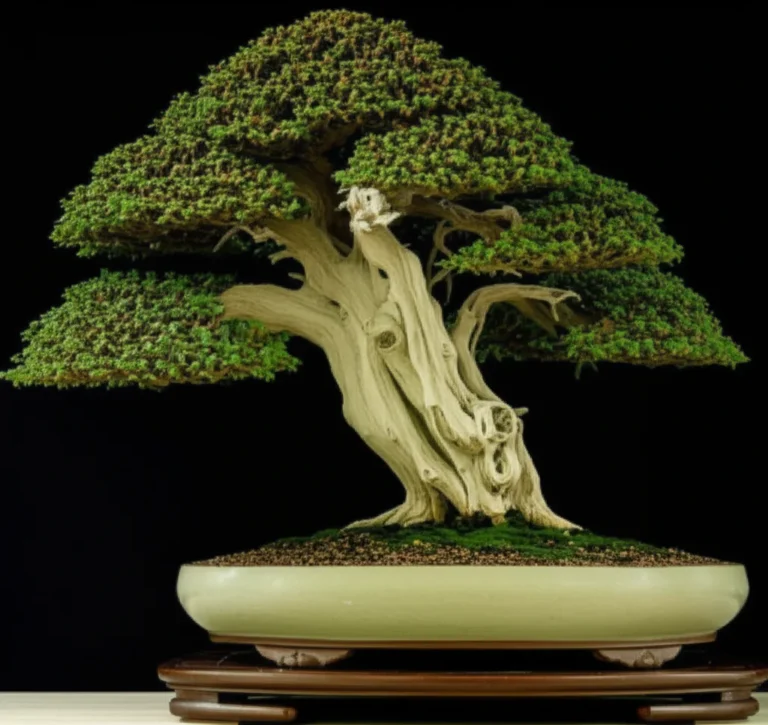
Support our educational content for free when you buy through links on our site. Learn more

Have you ever stared at your bonsai and wished you could magically add a branch exactly where it’s missing? Or heal that stubborn wound on the trunk that just won’t close? Welcome to the fascinating world of thread grafting bonsai—a technique that’s part horticultural wizardry, part artistic magic. At Bonsai Garden™, we’ve seen this method transform ordinary trees into breathtaking living sculptures by literally threading new life through the heart of the tree.
In this guide, we’ll unravel the secrets behind thread grafting, share 7 essential steps to master it, and reveal expert tips that will boost your success rate. Plus, we’ll dive into the best tools, ideal species, and troubleshooting hacks. Did you know that thread grafting often yields a stronger, more natural-looking union than traditional grafts? Stick around to discover how to wield this technique like a pro and elevate your bonsai artistry to new heights.
Key Takeaways
- Thread grafting involves drilling a hole through the trunk or branch and threading a live scion to create a natural, strong union.
- Best performed in late winter or early spring on deciduous species like maples and elms.
- Requires precise tools: a sharp drill, grafting knife, cut paste, and wiring for securing the graft.
- Offers high success rates and versatile applications: filling gaps, improving nebari, and healing wounds.
- Patience is essential—grafts can take 6–12 months or longer to fully establish.
- Avoid thread grafting on conifers due to poor wound healing and sensitivity.
- Practice on less valuable material first to build confidence before tackling prized bonsai.
Ready to thread your way to bonsai brilliance? Let’s get started!
Table of Contents
- ⚡️ Quick Tips and Facts About Thread Grafting Bonsai
- 🌳 The Art and Science Behind Thread Grafting in Bonsai
- 🧵 What Is Thread Grafting? Understanding the Technique and Its Benefits
- 🌱 7 Essential Steps for Successful Thread Grafting on Your Bonsai
- 🔧 Best Tools and Materials for Thread Grafting Bonsai Trees
- 🌿 Top 5 Bonsai Species That Thrive with Thread Grafting
- 💡 Troubleshooting Thread Grafting: Common Problems and How to Fix Them
- 📅 When Is the Best Time to Perform Thread Grafting on Bonsai?
- 📏 Thread Grafting vs. Other Grafting Techniques: Pros and Cons
- 🎥 Must-Watch Thread Grafting Bonsai Tutorials and YouTube Channels
- 🧑 🌾 Expert Tips and Tricks from Bonsai Garden™ for Thread Grafting Success
- 🌐 Online Communities and Forums to Connect with Thread Grafting Enthusiasts
- 📚 Recommended Books and Resources on Bonsai Grafting Techniques
- 🧪 Scientific Insights: How Thread Grafting Affects Bonsai Growth and Health
- 🎉 Inspiring Thread Grafting Success Stories from Bonsai Garden™
- 🔚 Conclusion: Mastering Thread Grafting for Bonsai Brilliance
- 🔗 Recommended Links for Thread Grafting Bonsai Enthusiasts
- ❓ FAQ: Your Burning Questions About Thread Grafting Bonsai Answered
- 📑 Reference Links and Further Reading on Thread Grafting Bonsai
⚡️ Quick Tips and Facts About Thread Grafting Bonsai
Welcome, fellow tree whisperers, to Bonsai Garden™! We’re thrilled you’re diving into the fascinating world of thread grafting. It’s a technique that sounds intricate but, with a bit of patience and know-how, can transform your bonsai. Think of it as giving your tree a strategic “piercing” for a stunning new look! 🌳✨
Here are some rapid-fire facts to get your green thumbs tingling:
- What it is: Thread grafting involves drilling a hole through a part of your bonsai (trunk or branch) and threading a live branch (scion) from the same or a compatible tree through it. This creates a new connection, allowing the scion to fuse and grow where you need it most.
- Why do it? It’s a fantastic way to fill gaps in your tree’s design, add branches where none exist, improve nebari (surface roots), or even heal large wounds. It’s like a targeted growth spurt!
- Best Time: Generally, late winter to early spring, just before buds swell, is ideal for deciduous trees. This allows the tree to heal and fuse during its active growth period.
- Compatibility is Key: You can typically only graft within the same species. Trying to graft an oak onto a pine? ❌ That’s a recipe for disappointment!
- Tools of the Trade: A sharp drill, a grafting knife, cut paste, and wiring are your best friends for this operation.
- Patience, Young Grasshopper: Grafting isn’t instant gratification. It can take months to years for a successful union to fully establish and for the scion to thicken.
- Not for All: While great for many deciduous and tropical species, it’s generally not recommended for conifers like junipers or pines, as they don’t tolerate the necessary defoliation well.
Ready to unravel the mysteries of this powerful bonsai technique? Let’s dig deeper!
🌳 The Art and Science Behind Thread Grafting in Bonsai
At Bonsai Garden™, we believe that every bonsai is a living sculpture, and sometimes, a little artistic intervention is needed to guide its masterpiece potential. Thread grafting is one of those powerful techniques that bridges the gap between artistic vision and horticultural science. It’s not just about sticking two pieces of wood together; it’s about understanding the tree’s biology to achieve stunning aesthetic results.
A Brief History of Grafting in Horticulture
Grafting itself is an ancient practice, dating back thousands of years. Early civilizations, from the Chinese to the Greeks, discovered that they could combine plants to leverage the best traits of each. While the specific “thread grafting” technique for bonsai is a more refined application, it builds on centuries of horticultural wisdom. It’s a testament to human ingenuity and our enduring partnership with nature. For a deeper dive into the history of grafting, check out this fascinating article on the origins of grafting from the National Library of Medicine.
Why Thread Grafting is a Game-Changer for Bonsai Artists
Imagine you have a magnificent trident maple, years in the making, but there’s one glaring flaw: a large, unsightly wound on the trunk, or a section completely devoid of branches, throwing off its entire balance. This is where thread grafting shines! As Adam from Adamaskwhy.com eloquently puts it, “This whole area is lacking a branch, roots, and has a big wound that will probably not heal.” Thread grafting offers a direct solution to these common dilemmas.
The primary goals of thread grafting in bonsai are:
- Aesthetic Improvement:
- Filling Gaps: Creating new branches where they are needed to achieve a balanced, harmonious design.
- Improving Nebari: Guiding new roots to form in specific areas, enhancing the tree’s stability and aged appearance.
- Healing Wounds: Encouraging callus formation around a wound by introducing new vascular tissue, helping it to close faster and more cleanly.
- Structural Enhancement:
- Strengthening Weak Areas: Adding a new branch can help distribute sap flow and vigor to a previously weak section of the trunk.
- Redesigning Branch Placement: Correcting poorly placed branches or even replacing entire sections of foliage with more desirable varieties, as Bonsai Empire notes.
- Accelerated Development:
- By introducing a vigorous scion, you can often speed up the development of a specific feature on your bonsai, rather than waiting years for a bud to naturally appear and grow.
It’s a powerful tool in our arsenal, allowing us to guide nature’s hand with precision and purpose. Want to learn more about fundamental bonsai care? Visit our Bonsai Care Basics section!
🧵 What Is Thread Grafting? Understanding the Technique and Its Benefits
So, what exactly is this “thread grafting” we keep raving about? Forget needles and thread for sewing; in bonsai, “threading” refers to the act of passing a live branch through another part of the tree. It’s a bit like giving your tree a biological tunnel system!
The Core Concept: Fusion Through Proximity
At its heart, thread grafting is an approach grafting technique. This means you’re joining two actively growing plant parts while they are still attached to their respective root systems (or in this case, one part is still attached to the same tree, just being routed through another part of it). The magic happens when the cambium layers of the scion (the threaded branch) and the stock (the trunk or branch it’s threaded through) are brought into close, sustained contact.
Here’s the simplified process:
- Drill a hole: A hole is carefully drilled through the target area of your bonsai.
- Thread the scion: A healthy, flexible branch (the scion) from the same tree (or a compatible donor) is gently pulled through this hole.
- Secure and wait: The scion is secured, and the tree is left to grow. Over time, the cambium layers of the scion and the stock fuse together, creating a new, integrated branch.
Bonsai Nut highlights the importance of “tight contact for successful grafting,” and we couldn’t agree more. This intimate connection is what allows the vascular systems to merge.
The Unbeatable Benefits of Thread Grafting
Why choose thread grafting over other methods? We’ve seen firsthand the incredible transformations it can bring.
- High Success Rate: Compared to some other grafting methods, thread grafting often boasts a higher success rate because both the scion and the stock remain connected to their original root systems, reducing stress and increasing the chances of a successful union.
- Natural Integration: Once fused, the new branch looks incredibly natural, as if it grew there all along. The scar tissue eventually becomes almost invisible, especially on deciduous trees.
- Versatility: It’s incredibly versatile for addressing various design needs:
- Adding a Branch: Need a branch at a specific height or angle where no bud exists? Thread it!
- Improving Taper: By threading a branch through a thick section of trunk, you can encourage thickening above the graft, helping to improve the tree’s overall taper.
- Filling a Hollow: A threaded branch can grow into a hollow or wound, helping the tree to compartmentalize and heal.
- Minimal Damage (Relatively): While drilling a hole sounds drastic, it’s a controlled injury. The tree’s natural healing mechanisms are robust, especially when supported by proper aftercare. Bonsai Nut notes it “minimizes damage compared to other grafting methods.”
- Stronger Union: Because the scion is physically threaded through the stock, the resulting union can be incredibly strong and durable, less prone to breaking than some surface grafts.
Think of it as a carefully planned surgical procedure for your tree, yielding beautiful, long-term results. Curious about other ways to shape your bonsai? Explore our Bonsai Inspiration and Ideas!
🌱 7 Essential Steps for Successful Thread Grafting on Your Bonsai
Alright, let’s get down to brass tacks! You’re ready to perform some thread grafting magic. This isn’t a race; it’s a delicate dance between you and your tree. Follow these steps carefully, and you’ll be well on your way to a successful graft.
Step 1: Preparation is Paramount – Selecting Your Scion and Stock
This is where the journey begins. A successful graft starts with healthy material.
- Choose Your Scion:
- Source: Ideally, use a vigorous, flexible branch from the same tree you’re grafting onto. This ensures genetic compatibility and often leads to the highest success rates. If using a separate plant, ensure it’s the same species and healthy.
- Size: The scion branch should be thin enough to thread through your chosen drill bit, but not so thin that it’s fragile. A good rule of thumb is a branch from the previous season’s growth, about 6-8 inches long, as Bonsai Empire suggests.
- Health: Look for a branch free of pests, diseases, or damage. It should have healthy buds.
- Prepare Your Stock:
- Location: Identify the exact spot on the trunk or branch where you want the new branch to emerge. Consider the future design of your bonsai.
- Health: Ensure the stock area is healthy, free of rot, and actively growing.
Step 2: Drilling the Perfect Hole – Precision is Key
This is the most intimidating part for many, but with a steady hand, you’ll nail it!
- Select Your Drill Bit: Choose a drill bit that is slightly larger than the diameter of your scion branch. This allows for easy threading without excessive damage. You want a snug fit, but not so tight you strip the bark.
- The Drill: A small, handheld drill or a Dremel tool can work well. For larger trunks, a standard electric drill might be necessary.
- Drill with Care:
- Mark your entry and exit points.
- Drill slowly and steadily, ensuring the hole is straight through the desired section. Avoid tearing the bark.
- Clean out any sawdust from the hole.
Step 3: Threading the Scion – Gentle Does It!
Now for the “thread” part of thread grafting!
- Defoliate (if necessary): For deciduous trees, you’ll likely need to remove all leaves from the scion branch to make threading easier and prevent damage. As the first YouTube video (which you can find at #featured-video) points out, this is why conifers are generally unsuitable for this technique.
- Careful Insertion: Gently push and pull the scion branch through the drilled hole. Take your time to avoid snapping or damaging the branch. You might need to twist it slightly.
- Positioning: Once threaded, ensure enough length is protruding from both the entry and exit points to work with.
Step 4: Securing the Graft – Making the Connection
This is where the fusion process truly begins.
- Clean the Wounds: Use a sharp grafting knife to clean the edges of the entry and exit wounds. The video emphasizes “sharp edges” for optimal cambium contact.
- Apply Pressure: The goal is to bring the cambium layers of the scion and the stock into close contact.
- Wedge Method: As demonstrated in the video, a small wedge (like a bamboo chopstick splinter or toothpick) can be “jammed into the exit wound” to apply pressure, “smushing” the grafted branch and the trunk together.
- Wiring/Taping: Bonsai Empire suggests securing with aluminum wire and grafting tape. This can help hold the scion firmly in place against the stock. We often use a combination of a small wedge and a bit of wire to gently pull the scion tight against the hole.
- Seal with Cut Paste: This is crucial! Apply a good quality cut paste (putty preferred, as the video suggests) to both the entry and exit wounds. This prevents moisture loss, keeps pests out, and promotes healing. We highly recommend Kiyonal Cut Paste or Green Dream Cut Paste.
Step 5: Post-Graft Care – The Waiting Game
The hard part’s done, now for the patience!
- Protection: Keep the grafted area protected from harsh conditions – strong winds, intense direct sun, and frost. A shaded spot for a few weeks can be beneficial.
- Regular Watering: Maintain consistent moisture in the soil. A healthy, well-hydrated tree is a happy healing tree.
- Monitor: Regularly check the graft for signs of success (swelling, new growth on the scion) or failure (shriveling, discoloration).
Step 6: The Big Reveal – Severing the Connection
This is the moment of truth, usually 6-12 months after grafting, sometimes longer.
- Signs of Success: The scion should be visibly swollen and thickened where it passes through the stock. New growth on the scion is a great indicator. The video suggests the “exit” side becoming thicker than the “entry” section.
- Severing: Once you’re confident the graft has taken, carefully cut the scion branch below the entry point into the stock. Make a clean, angled cut.
- Seal Again: Apply cut paste to the cut end of the scion to prevent dieback.
Step 7: Shaping and Developing the New Branch
Congratulations, you have a new branch!
- Wiring: Once the graft is strong, you can begin to wire and shape the new branch into your desired design.
- Pruning: Treat it like any other branch, pruning to encourage ramification and taper.
Remember, “Grafting can be tricky, so start experimenting on inexpensive material to gain experience first,” advises Bonsai Empire. We couldn’t agree more! Practice makes perfect. For more on beginner techniques, check out our Bonsai for Beginners guide.
🔧 Best Tools and Materials for Thread Grafting Bonsai Trees
Just like a chef needs the right knives, a bonsai artist needs the right tools for thread grafting. Having quality equipment not only makes the job easier but also significantly increases your chances of success by making clean cuts and minimizing stress on the tree. Here at Bonsai Garden™, we’ve tried countless tools over the years, and these are our tried-and-true favorites.
1. The Drill: Precision Power
A good drill is non-negotiable. You need something that offers control and can make a clean, precise hole without tearing the bark.
| Aspect | Rating (1-10) | Notes
🔚 Conclusion: Mastering Thread Grafting for Bonsai Brilliance
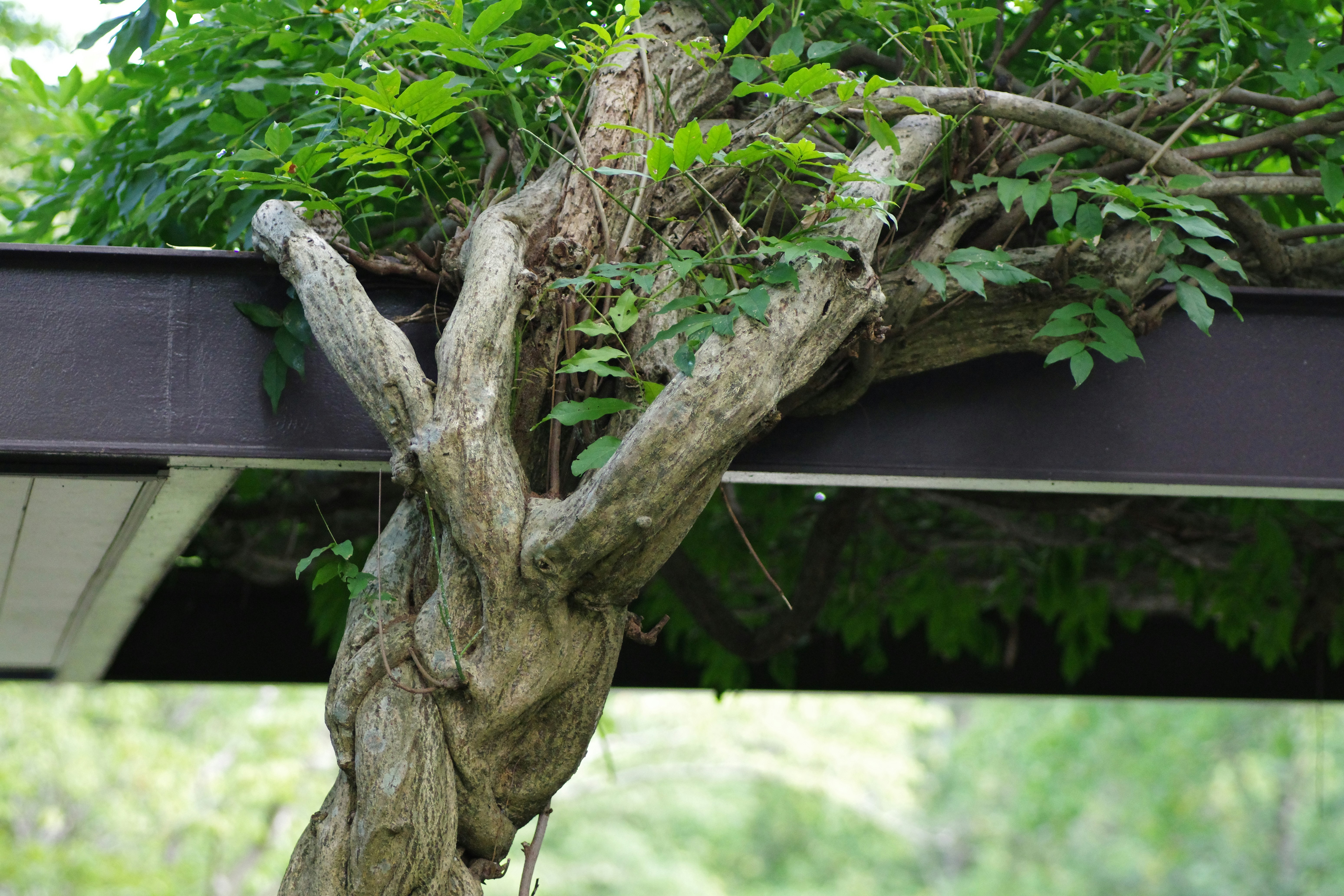
Thread grafting is truly one of the most fascinating and rewarding techniques in the bonsai artist’s toolkit. As we’ve explored, it’s not just a method—it’s a blend of art, science, and patience that allows you to reshape, heal, and enhance your bonsai in ways that nature alone might take decades to achieve. From filling unsightly wounds to adding perfectly placed branches, thread grafting offers a powerful way to accelerate your bonsai’s journey toward aesthetic perfection.
Our deep dive into the 7 essential steps demystified the process, showing that with the right tools, timing, and care, even beginners can attempt this technique with confidence. The stories from Adam’s blog and insights from Bonsai Empire remind us that success hinges on precision, cambium contact, and patience—qualities every bonsai gardener cultivates over time.
While thread grafting requires some investment in tools like a quality drill, grafting paste, and wiring, the benefits far outweigh the effort. The union formed is strong, natural-looking, and can transform your bonsai’s structure dramatically.
If you’ve ever wondered whether thread grafting is worth the effort, we can confidently say: ✅ Yes! It’s a game-changer for serious bonsai enthusiasts who want to push their art to the next level.
So, grab your drill, select that perfect scion, and get ready to thread your way to bonsai brilliance. Your tree—and your creative spirit—will thank you.
🔗 Recommended Links for Thread Grafting Bonsai Enthusiasts
Ready to gear up? Here are some of our top picks for thread grafting tools and resources, plus a few books to deepen your bonsai wisdom:
- Drills for Bonsai Grafting:
- Cut Paste and Sealants:
- Wiring and Grafting Tape:
- Recommended Books:
- Bonsai Techniques I by John Yoshio Naka — Amazon Link
- The Bonsai Workshop by Herb L. Gustafson — Amazon Link
- Bonsai Heresy by Peter Chan — Amazon Link
❓ FAQ: Your Burning Questions About Thread Grafting Bonsai Answered
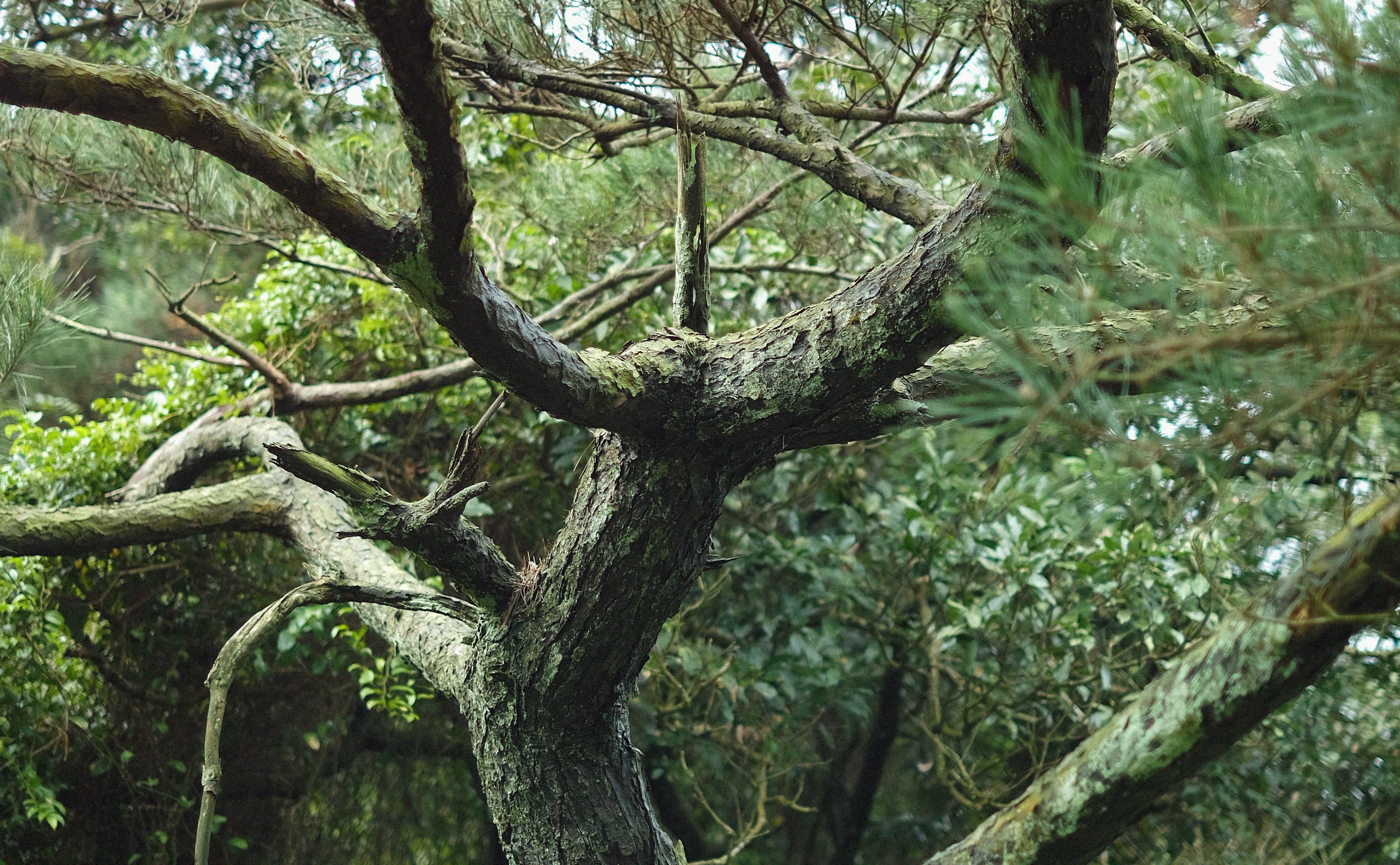
What is thread grafting in bonsai cultivation?
Thread grafting is a specialized grafting technique where a live branch (scion) is threaded through a hole drilled in the trunk or branch (stock) of the same or a compatible bonsai tree. This method encourages the cambium layers of both parts to fuse, creating a strong, natural-looking union. Unlike traditional grafting, thread grafting allows the scion to maintain its original root connection during the healing process, increasing success rates.
How do you perform thread grafting on a bonsai tree?
Performing thread grafting involves several precise steps:
- Select a healthy scion branch and prepare the stock area.
- Drill a hole slightly larger than the scion’s diameter through the stock.
- Gently thread the scion branch through the hole.
- Secure the graft with wedges, wire, and grafting tape to ensure tight cambium contact.
- Seal the wounds with cut paste to prevent moisture loss and infection.
- Provide careful aftercare, including protection from harsh elements and consistent watering.
- After several months, once the graft has taken, sever the scion below the entry point and continue shaping.
This step-by-step approach maximizes the chance of a successful graft.
What are the benefits of thread grafting for bonsai trees?
Thread grafting offers numerous benefits:
- High success rate due to both scion and stock maintaining root connections during healing.
- Natural integration of new branches, resulting in minimal scarring.
- Versatility in fixing design flaws, filling gaps, and healing wounds.
- Stronger unions compared to surface grafts.
- Accelerated development of desired features on your bonsai.
It’s a powerful technique for serious bonsai artists aiming for precision and artistry.
Can thread grafting improve the shape of a bonsai?
Absolutely! Thread grafting allows you to add branches exactly where you want them, improving the overall silhouette and balance of your bonsai. It can also help thicken areas of the trunk or branches, enhancing taper and visual interest. This technique is especially useful when natural branch placement is sparse or uneven.
What tools are needed for thread grafting bonsai?
Essential tools include:
- A sharp drill with appropriate drill bits for clean holes.
- A grafting knife for precise cuts and wound cleaning.
- Cut paste or grafting sealant to protect wounds.
- Aluminum wire and grafting tape to secure the graft.
- Optional: small wedges (bamboo splinters or toothpicks) to apply pressure.
Investing in quality tools improves your grafting success and makes the process smoother.
How long does it take for a thread graft to heal on a bonsai?
Healing time varies depending on species, tree health, and environmental conditions but generally ranges from 6 months to over a year. You’ll notice swelling and thickening around the graft site, and new growth on the scion indicates success. Patience is key; rushing the process can jeopardize the graft.
Are there specific bonsai species best suited for thread grafting?
Thread grafting works best on deciduous species like maples, elms, and hornbeams, which tolerate defoliation and heal wounds well. Tropical species with flexible branches can also be suitable. However, conifers like junipers and pines are generally not recommended for thread grafting due to their sensitivity and poor wound healing.
Can thread grafting be used to improve nebari (surface roots)?
Yes! By threading scions near the base of the trunk or through root areas, you can encourage new root growth and improve nebari. This technique requires careful placement and aftercare but can dramatically enhance the aged appearance of your bonsai.
Is thread grafting suitable for beginners?
While not the simplest grafting method, beginners with steady hands and patience can attempt thread grafting on less valuable material to gain experience. We recommend practicing on inexpensive or young trees before moving to prized specimens.
📑 Reference Links and Further Reading on Thread Grafting Bonsai
- Adam’s detailed thread grafting post: The Inevitable Thread Grafting Post
- Bonsai Empire’s grafting basics and thread grafting guide: Bonsai Empire – Grafting Trees
- Bonsai Nut forum discussion on thread grafting: Thread Grafting ? | Bonsai Nut
- National Library of Medicine article on grafting history: Origins of Grafting
- Kiyonal Cut Paste official site: Kiyonal
- Green Dream Cut Paste info: Green Dream Bonsai
For more expert tips and community support, Bonsai Nut and Bonsai Empire are invaluable resources where enthusiasts share experiences and advice.
We hope this comprehensive guide has inspired you to try thread grafting and elevate your bonsai artistry. Remember, every great bonsai starts with a single cut—and sometimes a carefully threaded branch! 🌿🧵✨