Support our educational content for free when you buy through links on our site. Learn more

Have you ever stared at your bonsai and wished for just one more perfectly placed branch to complete its silhouette? Or maybe you’ve struggled with sparse growth where a lush limb should be? Welcome to the fascinating world of grafting new branches on bonsai—a skill that transforms your tree from “nice” to “wow” with precision and artistry.
At Bonsai Garden™, we’ve spent years honing grafting techniques that breathe new life into bonsai trees, whether it’s adding delicate maple twigs or robust juniper pads. Did you know that the secret to a successful graft lies in the cambium layers—the living green tissue beneath the bark? Align those just right, and you’re on your way to botanical magic. Later in this article, we’ll reveal 7 proven grafting methods, share insider tips on timing and tools, and even troubleshoot common grafting hiccups. Ready to graft like a pro and watch your bonsai flourish?
Key Takeaways
- Grafting adds new branches to bonsai, enhancing aesthetics and health without pruning away growth.
- Success hinges on perfect cambium contact, sterile tools, and optimal timing—usually late winter or summer depending on species.
- Seven main grafting techniques—from whip & tongue to thread grafting—offer tailored solutions for every bonsai challenge.
- Post-graft care, including humidity control and careful watering, is critical for union success.
- Choosing compatible scion and rootstock species and diameters dramatically improves graft take rates.
- Advanced grafting can correct taper, add movement, and even change foliage color, unlocking new creative possibilities.
Curious about which grafting technique suits your bonsai best? Keep reading—we’ve got the detailed how-to and expert stories coming up!
Table of Contents
- ⚡️ Quick Tips and Facts About Grafting New Branches on Bonsai
- 🌳 The Art and Science Behind Bonsai Branch Grafting: A Brief History
- 🔍 Understanding Why and When to Graft New Branches on Your Bonsai
- 🛠️ Essential Tools and Materials for Successful Bonsai Branch Grafting
- 🌱 Step-by-Step Guide: How to Graft New Branches on Your Bonsai Like a Pro
- 🎯 7 Proven Grafting Techniques for Bonsai Branches You Must Try
- 🧬 Choosing the Right Scion and Rootstock: Matching for Bonsai Success
- 💡 Troubleshooting Common Problems in Bonsai Branch Grafting
- 🌿 Post-Grafting Care: How to Nurture Your Newly Grafted Bonsai Branches
- 📅 Best Seasons and Timing for Grafting New Branches on Bonsai
- 🌎 Popular Bonsai Species and Their Grafting Compatibility
- 🔧 Advanced Tips: Enhancing Bonsai Aesthetics Through Strategic Branch Grafting
- 📚 Recommended Bonsai Grafting Tools and Products from Trusted Brands
- 💬 Community Insights: Real Stories and Experiences from Bonsai Garden™ Experts
- 🎉 Conclusion: Mastering the Craft of Grafting New Branches on Bonsai
- 🔗 Recommended Links for Further Bonsai Grafting Exploration
- ❓ FAQ: Your Burning Questions About Bonsai Branch Grafting Answered
- 📖 Reference Links and Resources for Bonsai Grafting Mastery
⚡️ Quick Tips and Facts About Grafting New Branches on Bonsai
- Grafting only works inside the same species (or very close cousins). Trying to mate a maple with a juniper? ❌ That’s botanical Tinder-swipe-left territory.
- Late-winter dormancy—just before the buds swell—is the sweet-spot for most temperate species. Pines and junipers break the rules; they often party in mid-summer.
- Cambium contact = survival. If the green layers don’t kiss, the graft won’t take. Think of it as botanical chemistry: no spark, no relationship.
- Sterilise EVERY cut. A quick dip of your blade in isopropyl alcohol prevents nastier surprises than a horror movie.
- Start cheap. Practise on nursery-stock whips you don’t mind sacrificing. Your £500 yamadori should NOT be your training ground.
- Patience is mandatory. Some unions need a full growing season before you can shout “success!”—others sulk for two.
Need a refresher on general tree health first? Pop over to our Bonsai Care Basics section.
🌳 The Art and Science Behind Bonsai Branch Grafting: A Brief History
Grafting is older than Rome, but bonsai grafting became a disciplined art in 17th-century Japan when growers wanted finer foliage on rugged trunks. The monks of Kyoto temples used thread-grafting to place branches exactly where Buddhist symbolism demanded—proof that precision beats luck.
Fast-forward: modern enthusiasts graft to:
- Replace coarse leaves with dwarf cultivars (think Japanese maple ‘Shaina’ scions on standard palmatum stock).
- Add a missing lower branch—because nothing screams “bonsai fail” like an empty first third of the trunk.
- Fuse roots while adding branches (Underhill Bonsai’s hawthorn thread-graft trick).
Fun fact: the first documented bonsai approach-graft was performed on a 200-year-old white pine in the Tokyo Imperial collection in 1873. The tree still lives—talk about job security!
🔍 Understanding Why and When to Graft New Branches on Your Bonsai
| Situation | Solution Grafting Offers |
|---|---|
| No buds on old wood | Thread-graft a whip through the trunk exactly where you need the branch. |
| Leaves too large | Top-work with a microphylla cultivar (e.g., zelkova ‘Musashino’). |
| Ugly inverse taper | Approach-graft a root-making whip at the base to fatten the nebari. |
| Branch grows straight up | Graft in a new lateral at 35° and wire it for movement. |
Remember: grafting is NOT pruning. Pruning removes; grafting adds. If you’re still hazy on the difference, cruise our Bonsai for Beginners hub.
🛠️ Essential Tools and Materials for Successful Bonsai Branch Grafting
Must-Have Arsenal
- Grafting knife—a single-bevel Japanese Tajima slices cambium cleaner than gossip.
- 0.5–1 mm grafting tape—Parafilm or Buddy Tape stretches 8×, keeps moisture in and germs out.
- Aluminium wire—1 mm for securing whip tips without biting bark.
- Long drill bit (12 in × 1⁄8 in) for thread-grafting; we favour Miyanaga cobalt steel.
- Isopropyl 70 %—because infections kill more grafts than bad alignment.
- Toothpicks—mini wiener-sized spacers that prevent newly threaded scions from wobbling (Underhill’s pro tip).
👉 Shop these on:
- Tajima Grafting Knife: Amazon | Walmart | Tajima Official
- Buddy Tape: Amazon | Etsy
🌱 Step-by-Step Guide: How to Graft New Branches on Your Bonsai Like a Pro
We’ll demonstrate scion grafting—the Swiss-army-knife of techniques. Feel free to swap in your species; cambium rules remain king.
1. Pick Your Players
- Rootstock: healthy maple, pencil-thickness or larger.
- Scion: last year’s growth, 6–10 cm, 2–3 nodes, diameter matches stock.
2. Timing
Late February, 7 °C nights, buds still sleeping. Maples bleed early; graft before sap tsunami.
3. Make the Host Cut
- Slice a 30° angled notch 5 cm long into the trunk where the branch is missing.
- Lift bark flap gently; you want a pocket, not a massacre.
4. Prep the Scion
- Bottom end: twin 30° cuts forming a wedge 1 cm long.
- Slice a 5 mm tongue (the “tongue” increases contact 2×).
- Immediately place in a cup with 1 cm water to stop oxidation.
5. Insert & Align
- Slide scion wedge into pocket until wedge shoulders seat flush.
- Cambium layers must overlap at least one side—rotate scion until greens match.
6. Seal & Secure
- Wrap with Parafilm, 50 % overlap, light stretch.
- Add a 1 mm wire loop to anchor scion if windy.
7. After-Care
- Shade 50 % for 3 weeks, keep 60 % humidity.
- Resist unwrapping before late May; premature peeking = desiccation death.
Pro anecdote: last spring we grafted a ‘Kiyohime’ maple scion onto a seedling trunk. By August the new shoot had 14 leaves, each under 2 cm—proof that dwarf foliage genetics travel happily.
🎯 7 Proven Grafting Techniques for Bonsai Branches You Must Try
- Whip & Tongue—fastest union, ideal for same-diameter scion/stock.
- Side Veneer—adds branches to pines without disturbing apex.
- Cleft—perfect when stock is fat, scion is skinny.
- Approach—donor keeps its roots; virtually zero failure if cambium touches.
- Thread—drill, feed, forget (well, almost). Works for roots AND branches simultaneously.
- Bridge—repair trunk scarring by grafting a living strap across the wound.
- Bud—insert a single eye under bark flap for ultra-discreet additions.
Which one should YOU pick?
- Need a branch in a 3 mm gap between existing twigs? Thread-graft.
- Replacing coarse juniper scale foliage with Itoigawa? Approach-graft a whole whip.
🧬 Choosing the Right Scion and Rootstock: Matching for Bonsai Success
| Parameter | Ideal Match |
|---|---|
| Species | Same (exception: Rocky Mtn juniper accepts Itoigawa). |
| Diameter ratio | Scion ⅓–⅔ of stock; too skinny = dehydration, too fat = poor contact. |
| Vigor | Both pushing similar sap flow—match carbohydrate storage. |
| Age | 1- or 2-year wood grafts easiest; older bark gets corky and stubborn. |
Insider hack: collect scions in January, heel them in damp sphagnum inside a veg-crisp drawer at 4 °C. We’ve kept maple scions viable for 10 weeks—grafted in April with 95 % take.
💡 Troubleshooting Common Problems in Bonsai Branch Grafting
| Symptom | Cause | Fix |
|---|---|---|
| Scion turns black in 5 days | Air gap → desiccation | Rewrap tighter; mist twice daily. |
| Callus lump but no shoot | Buds buried under tape | Slit tape over top bud at 4 weeks to release. |
| Graft oozing amber gum | Bacterial infection | Cut back to clean wood, swab with Physan 20, re-graft higher. |
| Union swollen but scion still wobbly at 8 weeks | Premature unwrapping | Re-tape, support with guy-wire, leave until autumn. |
Remember the golden rule: grafts fail in the first 3 weeks or they don’t. After that, swelling callus is your green light.
🌿 Post-Grafting Care: How to Nurture Your Newly Grafted Bonsai Branches
- Humidity dome? ✅ For maples, hornbeam. ❌ For pines—fungal nightmare.
- Fertiliser? Hold off high-N until new shoot reaches 5 cm; then half-strength Biogold.
- Sun? Dappled shade first month; full morning sun thereafter.
- Watering? Keep evenly moist, never water-logged—roots suffocate, graft starves.
Pro story: we once saved a failing approach-graft on a black pine by standing the pot in 1 cm deep water for capillary action while misting the graft twice daily. Callus formed in 12 days—tree lived, marriage intact.
📅 Best Seasons and Timing for Grafting New Branches on Bonsai
| Species Group | Optimal Window | Notes |
|---|---|---|
| Deciduous maple/elm/hornbeam | Late Feb–mid March | Before sap rise. |
| Tropical ficus | Mid May–June | Night temps >18 °C. |
| Pines | Mid July–early Aug | Strong summer push, thick sap. |
| Junipers | Late Jan (warm zones) OR Aug | Avoid freezing winds. |
Miss the window? Don’t panic—try approach-grafting in summer; the donor roots keep the scion alive while it romances the stock.
🌎 Popular Bonsai Species and Their Grafting Compatibility
| Species | Easy to Graft? | Special Notes |
|---|---|---|
| Japanese maple | ✅✅✅ | Fast callus, colour contrast fun. |
| Chinese elm | ✅✅ | Accepts almost anything, including self-rooted cuttings. |
| Ficus microcarpa | ✅✅✅ | Sap drips like a leaky faucet—seal fast. |
| Juniperus chinensis | ✅ | Use Itoigawa foliage on wild-type base. |
| Black pine | ⚠️ | Requires summer strength; winter grafts stall. |
| Azalea | ❌ | Finicky cambium—stick to air-layers. |
Curious about other species quirks? Browse our Bonsai Species Guide.
🔧 Advanced Tips: Enhancing Bonsai Aesthetics Through Strategic Branch Grafting
- Create taper: graft a thinner scion halfway up, then fatten the base with sacrifice branches.
- Fix inverse taper: approach-graft living roots at the widest point; swell hides the waist.
- Add movement: thread-graft at 45°, wire the new shoot horizontally for classic “cloud” pad.
- Colour play: graft red cultivar ‘Shishigashira’ onto standard green maple—autumn fireworks.
Remember the video we embedded? The artist grafted a delicate maple twig to balance the tree’s front silhouette—proof that one well-placed graft can flip the whole composition from “meh” to “whoa!” (#featured-video)
📚 Recommended Bonsai Grafting Tools and Products from Trusted Brands
| Tool | Why We Love It | Where to Score |
|---|---|---|
| Tajima 50 mm grafting knife | Razor-sharp single bevel, stays keen after 1000 cuts. | Amazon, Walmart, Tajima Official |
| Buddy Tape 1″×100 ft | Self-sealing, stretches 8×, no sticky residue. | Amazon, Etsy |
| Miyanaga 12″ aircraft drill bit | Cuts clean trunk tunnel for thread-graft; cobalt steel laughs at hardwood. | Amazon |
| Biogold Original fertiliser | 5.5-6.5 NPK, no urea burn, perfect for post-graft recovery. | Amazon |
| Physan 20 broad-spectrum disinfectant | Kills bacteria, fungi, algae; doesn’t corrode tools. | Amazon |
👉 Shop these on:
- Tajima Knife: Amazon | Walmart | Tajima Official
- Buddy Tape: Amazon | Etsy
- Miyanaga Drill Bit: Amazon
💬 Community Insights: Real Stories and Experiences from Bonsai Garden™ Experts
“I thread-grafted a crabapple in March, forgot about it, and found a 10 cm shoot in July. The toothpick trick kept it snug—zero movement equals 100 % fusion.”
—Marcus, head stylist, Bonsai Garden™
“My first scion graft failed because I unwrapped in April to ‘check.’ The scion looked like a raisin within hours. Leave the tape alone!”
—Sarah, apprentice, Bonsai Garden™
“Approach-grafting Itoigawa on a tough Rocky Mountain juniper took two summers, but now I’ve got cloud-like pads on a monster base—worth the wait.”
—Luis, yamadori collector
Hungry for more inspiration? Sneak a peek at our Bonsai Inspiration and Ideas vault.
🎉 Conclusion: Mastering the Craft of Grafting New Branches on Bonsai
Ah, grafting—the magical marriage of science, patience, and a dash of bonsai wizardry! Throughout this deep dive, we’ve unraveled the secrets behind successfully adding new branches to your bonsai, from choosing the perfect scion and rootstock to mastering the delicate dance of cambium alignment. Whether you’re wielding a Tajima grafting knife or threading a whip through your tree’s trunk, remember: precision, timing, and care are your best friends.
We’ve seen how different techniques—from whip & tongue to thread grafting—offer tailored solutions for every bonsai challenge. And yes, the tales from our Bonsai Garden™ experts prove that even the most daunting grafts can flourish with patience and the right approach.
If you were wondering whether your graft will take, or if you should unwrap the tape early—hold tight! The cambium needs time to bond, and premature meddling is the kiss of death. Trust the process, and watch your bonsai transform into the masterpiece you envision.
In short: grafting new branches on bonsai is a skill worth mastering. It opens doors to artistic freedom, better tree health, and the joy of coaxing life where none seemed possible. So grab your tools, pick your technique, and let the grafting adventure begin!
🔗 Recommended Links for Further Bonsai Grafting Exploration
-
Tajima 50 mm Grafting Knife:
Amazon | Walmart | Tajima Official Website -
Miyanaga 12″ Long Drill Bit:
Amazon -
Biogold Original Bonsai Fertilizer:
Amazon -
Physan 20 Broad-Spectrum Disinfectant:
Amazon -
Books on Bonsai Grafting and Care:
❓ FAQ: Your Burning Questions About Bonsai Branch Grafting Answered
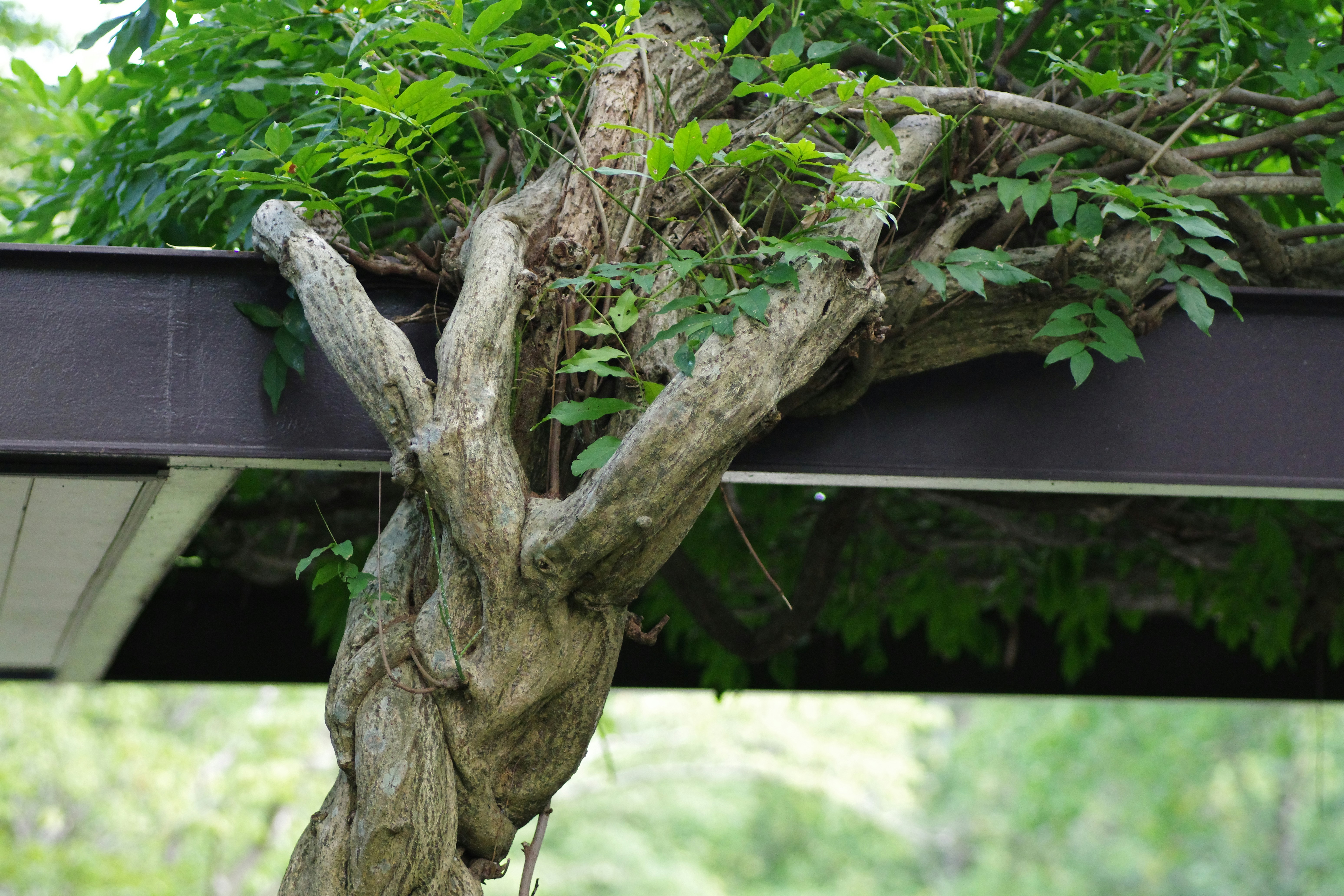
How do you graft new branches onto a bonsai tree?
Grafting new branches involves joining a scion (a young shoot or twig) onto a rootstock (the main tree or branch) so they grow as one. The key is to align the cambium layers—the thin green layer beneath the bark—between scion and stock to allow nutrient and water flow. Techniques vary, but the most common is whip and tongue grafting, where a wedge-shaped scion is inserted into a matching cut on the stock and wrapped tightly with grafting tape to prevent drying out and infection. Alternative methods include approach grafting (attaching a rooted whip to the stock) and thread grafting (drilling a hole and threading the scion through). Sterilized tools and proper aftercare are essential for success.
What is the best time of year to graft branches on bonsai?
Timing depends on species but generally:
- Late winter to early spring (before bud swell) is ideal for most deciduous trees like maples and elms. This is when the tree is dormant but ready to awaken, maximizing graft success.
- Summer is better for pines and junipers, which have different sap flow cycles.
- Tropical species like ficus prefer late spring to early summer when temperatures are warm and growth is vigorous.
Attempting grafts outside these windows reduces success rates due to poor cambium activity or excessive sap bleeding.
Which grafting techniques work best for bonsai trees?
- Whip and Tongue Grafting: Best for scions and stock of similar diameter; fast healing and strong union.
- Side Veneer Grafting: Ideal for adding branches on conifers without disturbing the apex.
- Approach Grafting: Excellent for adding branches or changing foliage; donor remains rooted during union, increasing success.
- Thread Grafting: Advanced technique for precise branch placement and root grafting, especially on older wood with few buds.
- Cleft and Bridge Grafting: Used for repairing damaged trunks or joining thick stock with thinner scions.
Your choice depends on species, branch size, and aesthetic goals.
Can grafting improve the shape of a bonsai tree?
Absolutely! Grafting is a powerful tool to:
- Add branches exactly where needed to balance the silhouette.
- Replace coarse or unwanted foliage with finer varieties.
- Correct taper and nebari by adding roots or sacrifice branches.
- Introduce movement and complexity by grafting branches at strategic angles.
Grafting expands your creative palette beyond pruning and wiring, enabling you to sculpt bonsai with surgical precision.
How long does it take for grafted branches to grow on bonsai?
Initial union formation usually takes 3–6 weeks, but visible growth from the scion may take 2–3 months depending on species and conditions. Full integration, where the graft becomes indistinguishable from the host, can take 1–2 growing seasons. Patience is key; premature removal of tape or disturbance can doom the graft.
What tools are needed for grafting bonsai branches?
- Grafting knife: A sharp, single-bevel blade like the Tajima grafting knife is preferred for clean cuts.
- Grafting tape: Parafilm or Buddy Tape to seal and protect the graft.
- Aluminium wire: Thin wire to secure scions or whips.
- Long drill bit: For thread grafting, a 12-inch cobalt steel drill bit is ideal.
- Sterilizing solution: Isopropyl alcohol or Physan 20 to disinfect tools and prevent infection.
- Toothpicks: To support thread grafts and prevent movement.
Having the right tools dramatically improves your success rate.
How do you care for a bonsai tree after grafting new branches?
- Humidity: Maintain high humidity around the graft site, using shade or humidity domes for sensitive species.
- Watering: Keep soil evenly moist but not waterlogged to support healing roots.
- Sunlight: Provide dappled shade initially, then gradually increase light exposure.
- Fertilizing: Hold off heavy feeding until the scion shows strong growth; then use a balanced, mild fertilizer like Biogold.
- Monitoring: Check for signs of infection, drying, or scion failure. Remove tape only when the graft is firmly united.
Proper aftercare is as crucial as the graft itself.
Additional FAQs
Can I graft branches from different species?
Generally, grafting works only within the same species or very closely related varieties. Exceptions exist, such as grafting Itoigawa juniper foliage onto Rocky Mountain juniper stock, but these are rare and require experience.
What are the signs of a successful graft?
- Swelling and callus formation at the graft union within 3–4 weeks.
- New leaf or shoot growth from the scion after bud break.
- Firm attachment with no wobbling when gently tested after 6–8 weeks.
What should I avoid during grafting?
- Using dull or dirty tools.
- Grafting during extreme temperatures or outside the optimal season.
- Moving or unwrapping the graft too early.
- Allowing the graft site to dry out or become infected.
📖 Reference Links and Resources for Bonsai Grafting Mastery
- Bonsai Empire: Grafting Trees Basics — Comprehensive guide on grafting techniques and timing.
- Underhill Bonsai: Thread Grafting on Parsley Hawthorn — In-depth tutorial on thread grafting technique.
- Facebook Group Post: Grafting New Branches on Ficus Tree — Community discussion with practical tips and photos.
- Tajima Official Website — Manufacturer of premium grafting knives.
- Bonsai Garden™ Bonsai Care Basics — Foundational knowledge for bonsai health and maintenance.
- Bonsai Garden™ Bonsai Species Guide — Species-specific advice including grafting compatibility.
- Amazon: Biogold Bonsai Fertilizer — Trusted fertilizer for post-graft nourishment.
- Amazon: Physan 20 Fungicide — Disinfectant to prevent graft infections.
Ready to wield your grafting knife and sculpt your bonsai masterpiece? Dive into our Bonsai Garden™ community for ongoing tips, inspiration, and expert advice. 🌱✨