
Support our educational content for free when you buy through links on our site. Learn more

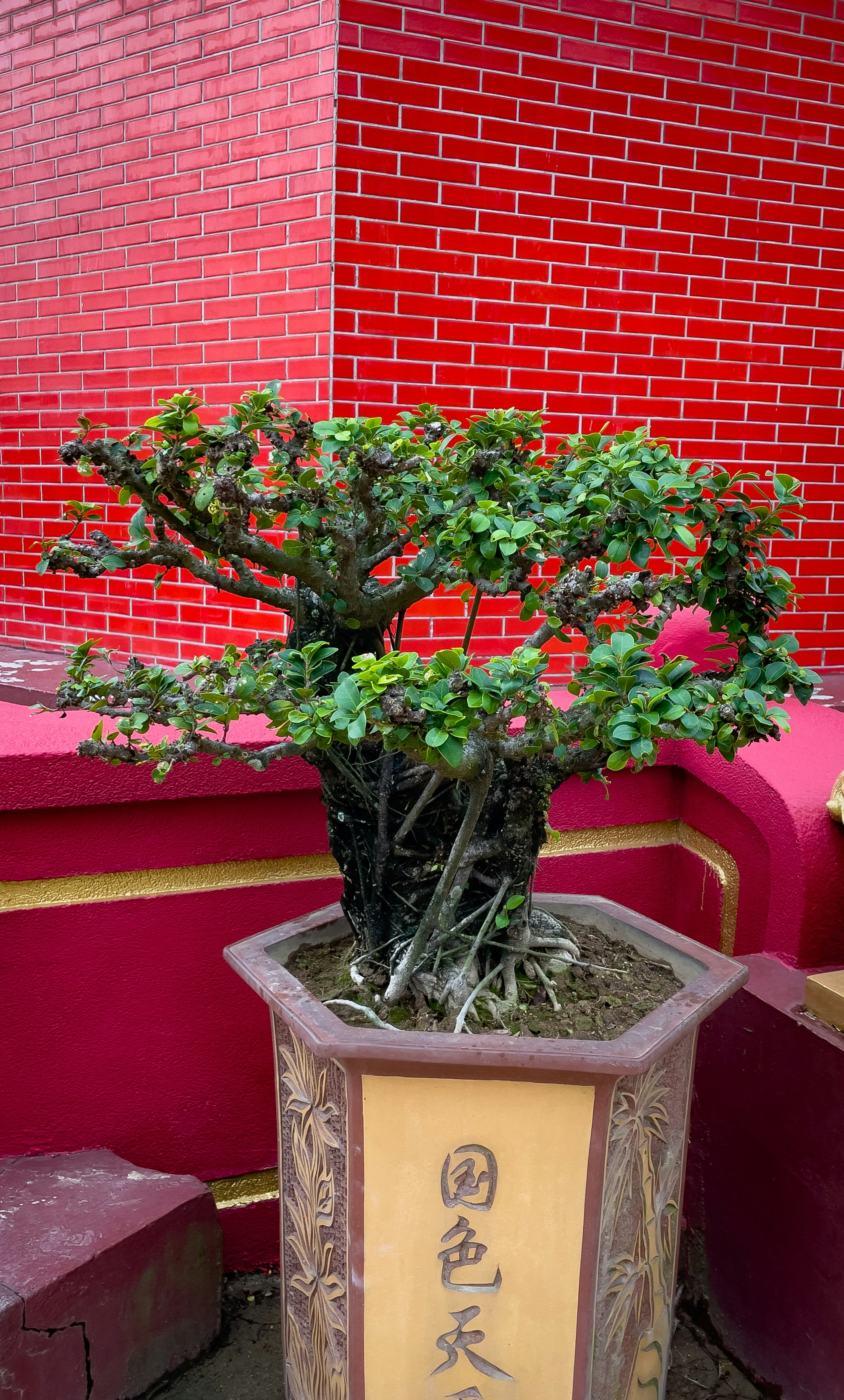
Imagine nurturing a miniature tree that captures the grandeur of ancient forests—right on your patio! Outdoor bonsai trees are living sculptures that thrive through the seasons, but they demand a special kind of care. Did you know that over 70% of bonsai failures come down to improper watering and climate mismatch? At Bonsai Garden™, we’ve distilled decades of hands-on experience into 7 essential care tips that will keep your outdoor bonsai thriving year-round.
From choosing the perfect species for your USDA zone to mastering the art of watering, fertilizing, pruning, and winter protection, this guide covers every angle. Plus, we’ll share expert secrets on pest control and advanced shaping techniques that transform your bonsai from a simple plant into a breathtaking masterpiece. Curious about how to protect your bonsai during a sudden frost or which soil mix ensures healthy roots? Stick around—your bonsai’s best season is just ahead!
Key Takeaways
- Select species suited to your climate to ensure your bonsai thrives outdoors through all seasons.
- Master watering by checking soil moisture daily—avoid both drought stress and root rot.
- Feed your bonsai with diluted fertilizer regularly during growing seasons for sustained vigor.
- Prune and wire carefully to shape your tree’s growth and maintain its miniature grandeur.
- Repot every 2-5 years with well-draining bonsai soil mixes to refresh roots and soil health.
- Protect your bonsai from extreme weather using shelters, mulch, or cold frames in winter.
- Monitor for pests and diseases early, using organic treatments like neem oil to keep your tree healthy.
Ready to equip yourself with the best tools and supplies? Check out our top-rated bonsai watering cans, fertilizers, and pruning tools to get started!
Table of Contents
- ⚡️ Quick Tips for Thriving Outdoor Bonsai & Fascinating Facts
- 🌳 The Ancient Art of Outdoor Bonsai: A Journey Through Time
- 🌿 Choosing Your Green Companion: Selecting the Perfect Outdoor Bonsai Species
- 💧 Nurturing Your Outdoor Masterpiece: 7 Essential Care Techniques for Longevity
- 1. The Thirst Quencher: Mastering Outdoor Bonsai Watering
- 2. Feast for the Roots: Fertilizing Your Outdoor Bonsai for Vigorous Growth
- 3. Sun, Shade, & Shelter: Optimal Placement for Outdoor Bonsai Health
- 4. The Art of the Snip: Pruning & Shaping Your Outdoor Bonsai
- 5. Root Refresh: Repotting Your Outdoor Bonsai for Continued Vitality
- 6. Pest Patrol & Disease Defense: Keeping Your Outdoor Bonsai Bug-Free & Healthy
- 7. Winter Wonderland: Protecting Your Outdoor Bonsai During Colder Months
- 📈 Beyond the Basics: Advanced Techniques & Troubleshooting Common Outdoor Bonsai Challenges
- 🛠️ Your Bonsai Toolkit: Essential Gear for the Dedicated Outdoor Gardener
- 🧘♀️ The Zen of Bonsai: Cultivating Patience, Mindfulness, and a Deeper Connection with Nature
- ✨ Your Journey Continues: Embracing the Lifelong Art of Outdoor Bonsai
- 🔗 Our Top Picks: Recommended Resources for Outdoor Bonsai Enthusiasts
- ❓ Your Burning Questions Answered: Outdoor Bonsai FAQs
- 📚 Dive Deeper: Reliable Sources & Further Reading
Here at Bonsai Garden™, we’ve seen it all. From the triumphant revival of a frost-bitten Japanese Maple to the tragic demise of an over-loved Juniper (yes, you can love them to death!). Caring for an outdoor bonsai is less of a chore and more of a conversation—a decades-long dialogue between you, a tree, and the seasons. It’s a journey filled with tiny victories and profound lessons. So, grab your watering can, pull up a stool, and let’s dig into the secrets of raising a magnificent outdoor bonsai that will turn your patio or garden into a living art gallery.
⚡️ Quick Tips for Thriving Outdoor Bonsai & Fascinating Facts
Before we plunge into the nitty-gritty, let’s get you started with some rapid-fire wisdom. Think of this as your bonsai cheat sheet. Mastering these fundamentals is the first step in our Bonsai Care Basics and will save you a world of heartache later.
| Quick Tip | Why It Matters (The “Aha!” Moment) |
|---|---|
| Water When the Soil is Dry | Ditch the calendar! As Bonsai Empire wisely states, “never water on a routine.” Your tree’s thirst changes daily with the weather. Sticking a finger or a wooden chopstick an inch into the soil is the most reliable test. |
| Morning Sun, Afternoon Shade | This is the golden rule for most species. It provides ample energy for photosynthesis without scorching delicate leaves during the hottest part of the day, a sentiment echoed by the experts at Bonsai Boy. |
| Choose a Tree for Your Climate | Don’t try to grow a tropical Ficus in a snowy climate. Pick a species native or hardy to your USDA Plant Hardiness Zone. A happy tree is an easy tree! |
| Dormancy is Not Death! 🥶 | Deciduous trees need a cold winter rest to survive. It’s a vital part of their life cycle. Panicking and bringing them into a warm house in January is a common, and fatal, mistake. |
| Fertilize “Weakly, Weekly” | During the growing season, a diluted fertilizer solution applied more frequently is much safer and more effective than a single, powerful dose that can burn the roots. |
Fascinating Bonsai Facts to Impress Your Friends
- The word “Bonsai” (盆栽) is Japanese and literally translates to “planted in a container.”
- The oldest known living bonsai tree is a Ficus retusa Linn, located at the Crespi Bonsai Museum in Italy, and is believed to be over 1,000 years old. Wow!
- Bonsai is not a specific type of tree; rather, it is the art of growing any tree or shrub species in a container and shaping it to look like a mature, yet miniature, version of its full-sized counterpart.
🌳 The Ancient Art of Outdoor Bonsai: A Journey Through Time
Ever wonder how this whole “tiny tree” thing started? It wasn’t with Mr. Miyagi! The practice actually began over a thousand years ago in China, under the name “penjing” (盆景), or “tray scenery.” These were often more sprawling, naturalistic landscapes in a pot. It was the Japanese, however, who adopted the practice and refined it into the art of bonsai as we know it today—a focused, disciplined pursuit of perfecting a single tree’s form.
This history is crucial because it informs the most fundamental split in the bonsai world: indoor vs. outdoor. As FTD.com points out, “Indoor bonsai are usually subtropical species that enjoy a stable temperature all year round.” Think Ficus or Jade. Outdoor bonsai, our focus today, are the true traditionalists—species like Maple, Pine, and Juniper that are hardy and must live outside to experience the seasons. They need the chill of winter to trigger dormancy and the warmth of spring to burst forth with new life. Bringing a Japanese Maple inside for the winter is like telling a bear it can’t hibernate; it messes with its fundamental biology. Embracing this outdoor life is the key to unlocking some truly stunning Bonsai Inspiration and Ideas.
🌿 Choosing Your Green Companion: Selecting the Perfect Outdoor Bonsai Species
Alright, let’s play matchmaker! Choosing your first (or next) outdoor bonsai is a bit like adopting a pet. You need to consider its personality, its needs, and whether your home is the right fit. Get this part right, and you’re halfway to success. Our Bonsai Species Guide has even more options, but these are our tried-and-true favorites.
1. Deciduous Delights: Best Outdoor Bonsai for Seasonal Splendor
These are the drama queens of the bonsai world, and we mean that in the best way possible! They offer a year-round performance: delicate spring leaves, lush summer canopies, breathtaking fall colors, and stark, beautiful silhouettes in winter.
| Species | Why We Love It ❤️ | Key Challenge |
|---|---|---|
| Japanese Maple (Acer palmatum) | Unbeatable fall color—fiery reds, oranges, and yellows. Delicate, palmate leaves create a stunning canopy. | Can be sensitive to intense sun and wind, which may scorch the leaves. |
| Chinese Elm (Ulmus parvifolia) | Tough as nails! It’s forgiving for beginners, grows relatively fast, and develops a great “S” curve trunk. | Can be too vigorous, requiring frequent pruning to maintain its shape. |
| Ginkgo (Ginkgo biloba) | A living fossil! Its unique fan-shaped leaves turn a brilliant, uniform gold in the fall. Very pest-resistant. | Can be slow to develop fine branches (ramification). Patience is a must. |
2. Evergreen Elegance: Hardy Conifers for Year-Round Beauty
If you want that classic, rugged, ancient look all year long, a conifer is your go-to. They embody the wabi-sabi aesthetic of finding beauty in imperfection and age.
| Species | Why We Love It 🌲 | Key Challenge |
|---|---|---|
| Juniper (Juniperus) | The quintessential bonsai for beginners. Hardy, easy to wire and shape, and develops beautiful deadwood features (jin and shari). | Hates “wet feet.” Overwatering is the #1 killer of Junipers. Excellent drainage is non-negotiable. |
| Japanese Black Pine (Pinus thunbergii) | The king of conifers. Powerful, masculine, and iconic. Develops rugged, dark bark with age. | Requires specific, advanced techniques like decandling to manage needle size and growth. Not for the faint of heart! |
| Dwarf Alberta Spruce (Picea glauca ‘Conica’) | Naturally compact growth and tiny needles make it a perfect candidate for a miniature Christmas tree look. Very cold hardy. | Dislikes extreme heat and dry conditions. Does not “back bud” on old wood, so pruning mistakes are permanent. |
3. Climate Considerations: Matching Your Bonsai to Your Zone (USDA Hardiness Zones)
This is the single most important decision you’ll make. Bonsai Empire correctly emphasizes that “the primary consideration is matching the tree species to the conditions you can provide.” You must know your USDA Plant Hardiness Zone. This tells you the average lowest winter temperature in your area.
- Cold Climates (Zones 3-6): You need iron-clad warriors. Think Larch, Juniper, Jack Pine, and Spruce. Even these will need winter protection (more on that later!).
- Temperate Climates (Zones 7-8): This is the sweet spot! You can grow almost anything: Japanese Maples, Elms, Pines, Junipers, you name it.
- Warm Climates (Zones 9-11): You can grow beautiful subtropicals like Olive, Pomegranate, and some Elms. However, you may struggle with species that require a significant cold period, like certain Maples or Cherries.
Where to Find Your Future Masterpiece: Reputable Nurseries & Online Retailers
Where you buy your tree matters. A healthy, well-cared-for tree from a reputable source gives you a massive head start.
- ✅ Specialty Bonsai Nurseries: This is the best option. Places like Brussels Bonsai in Mississippi or Bonsai Boy of New York live and breathe bonsai. Their stock is healthy and properly identified.
- ✅ Local Garden Centers: You can sometimes find “pre-bonsai” stock in the shrub section. Look for plants with thick trunks and low branches—these are diamonds in the rough!
- ❌ Big Box Stores / Non-Specialty Online Retailers: Be cautious. These trees are often mass-produced, poorly potted in terrible soil, and may be mislabeled (e.g., selling an indoor Ficus as an outdoor Juniper).
Ready to start your search? Here are some great places to look for starter trees and kits.
👉 Shop Bonsai Starter Kits on:
💧 Nurturing Your Outdoor Masterpiece: 7 Essential Care Techniques for Longevity
You’ve chosen your tree. It’s sitting on your porch, looking majestic. Now what? Now the real fun begins! This is the daily, weekly, and seasonal dance of bonsai care. Don’t be intimidated; it’s a rhythm you’ll learn. And remember, a perfect display can make your care routine even more enjoyable, so check out our favorite outdoor bonsai display ideas for inspiration.
1. The Thirst Quencher: Mastering Outdoor Bonsai Watering
If there’s one skill to master, it’s this. More bonsai die from improper watering than anything else. As FTD.com notes, under-watering is a huge risk because the shallow soil dries out fast. But overwatering is just as deadly, leading to root rot.
Understanding Your Tree’s Hydration Needs
The golden rule, as we and our friends at Bonsai Boy will tell you, is to water thoroughly when the top inch of soil feels dry to the touch.
- Check daily, sometimes twice on hot, windy days.
- When you water, do it properly. Gently soak the soil until water pours freely from the drainage holes at the bottom of the pot. This ensures the entire root mass is hydrated and flushes out accumulated salts.
- Let it drain completely. Never let your bonsai sit in a saucer of water.
Tools of the Trade: Watering Cans & Moisture Meters
A regular garden hose nozzle is too harsh; it will blast away your precious soil.
- A watering can with a fine rose is perfect. The gentle shower mimics rainfall. The Haws brand makes beautiful and functional cans that are a joy to use.
- A moisture meter can be a great training tool for beginners. It takes the guesswork out of the equation.
👉 Shop Watering Essentials on:
- Haws Watering Can: Amazon | Haws Official Website
- XLUX Soil Moisture Meter: Amazon | Walmart
2. Feast for the Roots: Fertilizing Your Outdoor Bonsai for Vigorous Growth
Bonsai soil has very few nutrients, so we have to provide them. Think of it as packing a lunch for your tree.
Organic vs. Chemical Fertilizers: What’s Best?
- ✅ Organic (e.g., Biogold, fish emulsion): We’re big fans of organic. They are slow-release, improve soil structure, and are very difficult to overdo. The downside? They can sometimes smell a bit… earthy.
- ⚠️ Chemical (e.g., Miracle-Gro, Dyna-Gro): These are fast-acting and precise. However, you must follow the instructions carefully, usually diluting to half or quarter strength for bonsai. As FTD.com warns, fertilizing dry soil can severely burn the roots. Always water your tree first!
Seasonal Feeding Schedules
Your tree’s appetite changes with the seasons. Here’s a simple guide:
| Season | Goal | Fertilizer Type |
|---|---|---|
| Spring | Fuel vigorous new growth | Balanced or slightly higher Nitrogen (N) |
| Summer | Maintain health & strength | Balanced (e.g., 10-10-10) |
| Autumn | Harden off for winter, promote root health | Low Nitrogen (N), higher Phosphorus (P) & Potassium (K) |
| Winter | Dormancy | None! Let the tree rest. |
👉 Shop Top-Rated Bonsai Fertilizers on:
3. Sun, Shade, & Shelter: Optimal Placement for Outdoor Bonsai Health
Where your bonsai lives on your patio or in your garden is critical. Most species, especially deciduous trees, thrive with at least 4-6 hours of direct morning sun, followed by dappled afternoon shade. Conifers like Pines and Junipers can often take full sun all day, but only if they are kept well-watered.
Protecting from Extreme Weather: Frost, Heatwaves, & Strong Winds
Your little tree is more vulnerable than its giant cousins in the ground.
- Heatwaves: On scorching days, move your trees to a shadier spot. Placing them on a humidity tray (a shallow tray with pebbles and water) can also help, as Bonsai Empire suggests.
- Strong Winds: Wind dries out soil incredibly fast and can break delicate branches. A sheltered spot next to a wall or fence is ideal.
- Late Spring Frosts: A sudden frost after your tree has leafed out can be devastating. If a late frost is forecast, cover your tree with a cloth overnight or bring it into a cool garage.
4. The Art of the Snip: Pruning & Shaping Your Outdoor Bonsai
This is where the artistry comes in! Pruning isn’t just about keeping the tree small; it’s about creating the illusion of a grand, ancient tree. It’s a skill you’ll develop over time, so don’t be afraid to start. Our Bonsai for Beginners section can help you build confidence.
Structural Pruning vs. Maintenance Pruning
As FTD.com explains, there are two main types of pruning:
- Maintenance Pruning: This is the regular trimming you’ll do during the growing season. You’re pinching back new shoots to encourage denser foliage and maintain the tree’s established shape.
- Structural Pruning: This is the heavy lifting. It involves removing larger, primary branches to define the tree’s fundamental style. This is best done in late winter or early spring when the tree is dormant and you can clearly see the branch structure.
Wiring Wonders: Guiding Growth with Care
Wiring is how we create those beautiful, flowing lines in branches that would otherwise grow straight up.
- Use anodized aluminum wire for deciduous trees and annealed copper wire for conifers.
- Wrap the wire around the branch at a 45-degree angle, firmly but not tightly.
- Gently bend the branch into the desired position.
- Crucially, watch the wire! As the branch thickens, the wire will start to cut in. Remove it before it leaves a permanent scar.
5. Root Refresh: Repotting Your Outdoor Bonsai for Continued Vitality
So, why do we have to repot? Imagine wearing the same pair of shoes for five years. Things get a little cramped! Repotting gives your tree a fresh, nutrient-rich environment and prevents it from becoming “pot-bound,” where the roots become a dense, tangled mass that can’t absorb water or nutrients.
When to Repot: Signs Your Bonsai Needs a New Home
Bonsai Boy suggests a general schedule: every 2-3 years for deciduous trees and 4-5 years for evergreens. Look for these signs:
- ✅ The tree lifts out of the pot with the soil in one solid mass.
- ✅ Roots are circling densely around the edge of the soil ball.
- ✅ Water drains very slowly or sits on top of the soil.
Choosing the Right Soil Mix: The Perfect Blend
Forget potting soil from a bag! Bonsai need a special, fast-draining mix. A classic, professional-grade mix consists of three main components:
- Akadama: A hard-baked Japanese clay that holds water and nutrients but breaks down over time, indicating when it’s time to repot.
- Pumice: A lightweight volcanic rock full of tiny pockets that hold air and water.
- Lava Rock: Adds structure and improves drainage, preventing the soil from compacting.
You can buy pre-mixed bonsai soil or mix your own to tailor it to your specific tree and climate.
👉 Shop Bonsai Soil & Components on:
6. Pest Patrol & Disease Defense: Keeping Your Outdoor Bonsai Bug-Free & Healthy
Living outside means your tree is part of an ecosystem, which includes bugs! A healthy, well-cared-for tree is its own best defense, but sometimes you need to intervene.
Common Pests & Organic Solutions
Inspect your tree regularly, especially the undersides of leaves.
- Aphids: Small, green or black insects that cluster on new growth.
- Spider Mites: Tiny pests that create fine webbing and cause stippling on leaves.
- Scale: Bumpy, immobile insects that latch onto stems and branches.
For most infestations, a simple, organic solution is best. We swear by Neem Oil and Insecticidal Soap. They are effective and safe for the tree and beneficial insects when used correctly.
Identifying & Treating Fungal Diseases
The most common disease is root rot, caused by overwatering and poor drainage. The best cure is prevention! Other issues like powdery mildew (a white, dusty coating on leaves) can occur in humid, stagnant conditions. Improving air circulation often solves the problem.
👉 Shop Pest Control Solutions on:
7. Winter Wonderland: Protecting Your Outdoor Bonsai During Colder Months
“Do I bring it inside for winter?” This is the #1 question we get, and for outdoor trees, the answer is a resounding NO! They need the cold for dormancy. However, their roots are in a shallow pot, exposed to freezing temperatures in a way that ground-grown trees are not. So, we need to protect them.
Cold-Hardy Species vs. Tender Varieties
A Juniper hardy to Zone 4 can handle a lot more cold than a Japanese Maple rated for Zone 6. Know your tree’s limits. The goal is to protect the roots from deep, prolonged freezes, not to keep the tree warm.
Winterizing Techniques: Shelters, Mulch, & More
Here are the best methods, straight from the playbook of seasoned growers like the folks at Bonsai Boy:
| Protection Method | How It Works | Best For |
|---|---|---|
| Unheated Garage/Shed | Provides a buffer from the harshest temperatures and wind, keeping the roots just above or at freezing. | The easiest and most reliable method for most people in cold climates. |
| Burying in the Ground | You “plant” the entire pot in a garden bed and cover it with a thick layer of mulch (like wood chips or leaves). The ground’s geothermal energy insulates the roots. | Extremely effective, especially for very cold climates (Zones 3-5). |
| Cold Frame | A simple box with a clear top, built against the house. It creates a protected microclimate. | Great for hobbyists with several trees, offering easy access for winter watering. |
Remember: Even in dormancy, your tree needs water. Check the soil every few weeks and water if it’s dry. A frozen, dry root ball is a dead root ball.
📈 Beyond the Basics: Advanced Techniques & Troubleshooting Common Outdoor Bonsai Challenges
Feeling confident? Let’s peek behind the curtain at what separates a nice tree from a breathtaking one. Don’t worry if these seem daunting; they’re goals to grow into. If you run into trouble, our Bonsai FAQs page is a great place to look for answers.
Ramification & Fine Branching: Achieving That Mature Look
Ramification is the development of fine, twiggy branches that create a dense, full canopy. You achieve this through years of meticulous maintenance pruning. Every time you trim a shoot, it typically forks into two new shoots. Repeating this process over and over creates that delicate, cloud-like foliage pad that screams “ancient tree.”
Dealing with Dieback: Diagnosing & Recovering from Setbacks
It happens to everyone. A branch just… dies. Why? The cause is almost always below the surface.
- Root Problems: A damaged, rotten, or pot-bound root system can’t support the foliage above it.
- Pest/Disease: A severe scale infestation or a canker can cut off sap flow.
- Stress: Extreme drought or a harsh winter can cause the tree to sacrifice a branch to save the whole.
The Scratch Test: Use your thumbnail to gently scratch the bark of the affected branch. If it’s green underneath, there’s still life! If it’s brown and dry, that part is gone. Prune back to the nearest living tissue.
Bonsai Emergencies: What to Do When Things Go Wrong
- You dropped it! 😱 Don’t panic. Gently place the tree and any large soil pieces back in the pot. If the pot is shattered, place it in a temporary plastic pot. Water it and move it to a shady, protected spot to recover from the shock for a few weeks.
- You forgot to water and it’s bone dry! Immediately submerge the entire pot in a bucket of water up to the rim. Let it soak for 10-15 minutes until the air bubbles stop. Drain completely and monitor closely.
- You used full-strength fertilizer! Oh no! The best you can do is flush the soil. Water the tree thoroughly, let it drain for 10 minutes, and then water it thoroughly again. Repeat this 3-4 times to wash out as much of the excess fertilizer as possible.
🛠️ Your Bonsai Toolkit: Essential Gear for the Dedicated Outdoor Gardener
You don’t need a hundred tools, but a few high-quality, specialized tools will make your work cleaner, easier, and better for the tree. Think of it as buying good kitchen knives—they make all the difference.
Must-Have Pruning Shears & Concave Cutters
- Bonsai Shears: These look like scissors with large handles. They are for trimming small twigs and leaves. Their design gives you excellent control for delicate work.
- Concave Cutters: This is the magic tool. When you remove a branch, a regular pruner leaves a stub. A concave cutter scoops out a small divot, which heals over into a smooth, barely-visible scar. This is essential for creating a seamless trunk line. Brands like Joshua Roth offer excellent tools for all levels, while legendary Japanese brands like Kaneshin are the gold standard for serious enthusiasts.
Repotting Essentials: Sieves, Hooks, & Drainage Mesh
- Soil Sieves: A set of nesting sieves allows you to separate your soil components into different particle sizes, ensuring a perfect, airy mix.
- Root Hook/Rake: A simple but vital tool for gently untangling the root ball during repotting.
- Drainage Mesh: Small plastic or fiberglass screens you place over the drainage holes to keep your soil from washing out.
Watering Wands & Moisture Meters: Precision Hydration
We’ve mentioned these before, but they’re worth repeating. A watering wand with a fine spray head is a godsend for gently soaking your trees, and a moisture meter is the best friend of any beginner still learning to “feel” when their tree is thirsty.
👉 Shop Complete Bonsai Tool Kits on:
🧘♀️ The Zen of Bonsai: Cultivating Patience, Mindfulness, and a Deeper Connection with Nature
Let’s get real for a moment. Why do we do this? Why do we spend so much time fussing over these little trees? Because bonsai is more than just horticulture. It’s a moving meditation.
When you’re pruning, you’re not just cutting branches; you’re making decisions that will last for years. When you’re watering, you’re not just hydrating a plant; you’re paying close attention to its daily needs. It forces you to slow down, to observe, to be present.
I’ll never forget a little Trident Maple I was working on. I was so impatient, wanting it to develop faster. I wired it too aggressively, pruned it too hard, and it responded by… doing nothing. It just sat there, sulking for a whole season. It taught me the most valuable lesson in bonsai: the tree is on its own schedule, not yours. By learning to work with its natural pace, you cultivate a deep sense of patience and respect that spills over into every other part of your life.
✨ Your Journey Continues: Embracing the Lifelong Art of Outdoor Bonsai
So, what’s the secret to outdoor bonsai tree care? Is it the perfect soil mix? The most expensive tool? The rarest species?
Nope. The secret is consistency. It’s the daily check for water. It’s the seasonal rhythm of feeding and repotting. It’s the patient observation, year after year. You are not just a gardener; you are a custodian of a living, breathing piece of art.
Your journey is just beginning. There will be triumphs and, yes, there will be failures. Every single one of us at Bonsai Garden™ has a story about a tree we lost. But each one taught us something new. Embrace the process, be patient with yourself and your tree, and enjoy the profound connection you are building with the natural world, one tiny branch at a time.
🎯 Conclusion: Your Outdoor Bonsai Adventure Awaits!
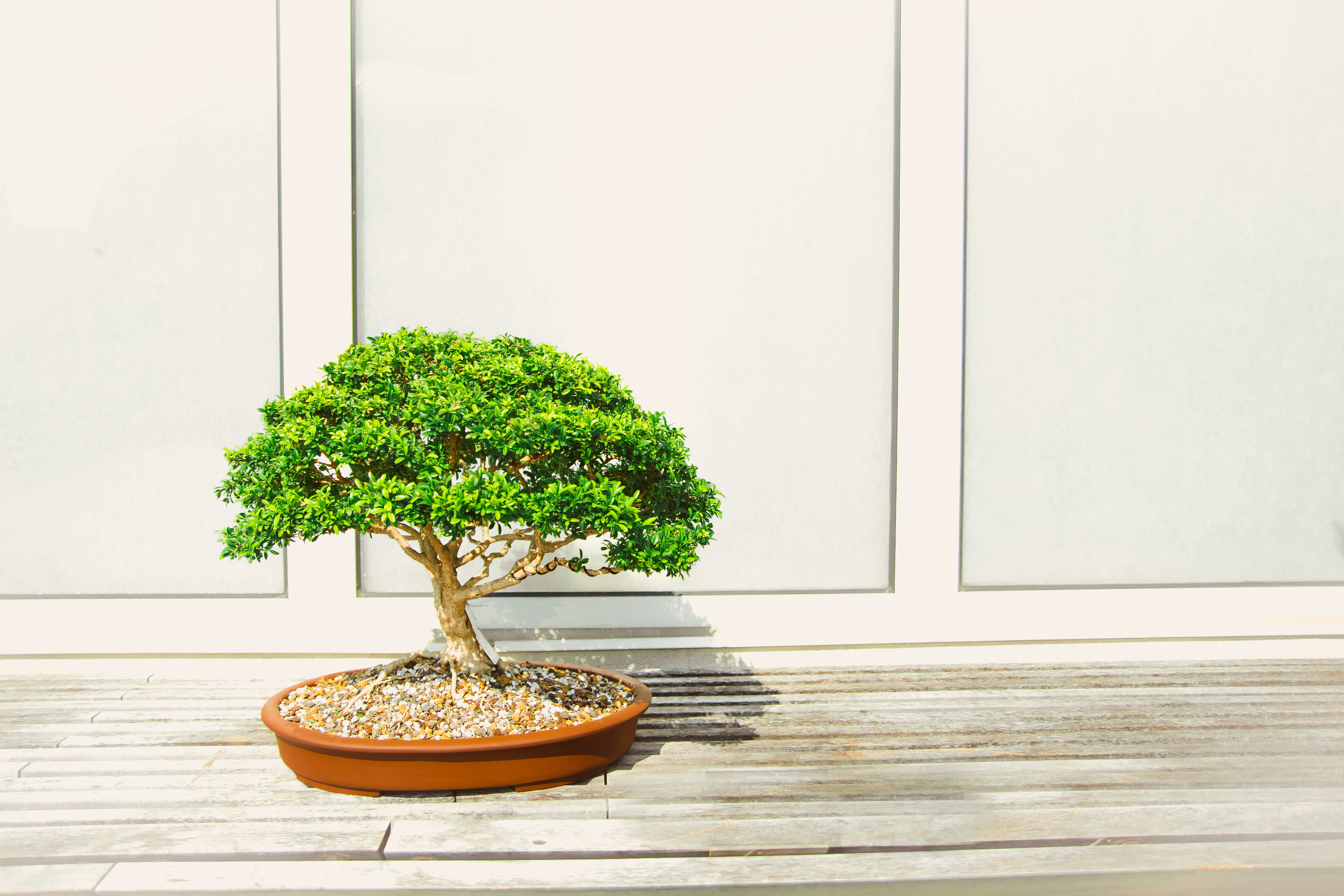
We’ve journeyed through the fascinating world of outdoor bonsai care—from selecting the perfect species tailored to your climate, mastering watering and fertilizing, to advanced shaping techniques and winter protection. The key takeaway? Patience, consistency, and attentiveness are your best tools. Your bonsai isn’t just a plant; it’s a living artwork that evolves with you.
Remember the question we teased earlier: What’s the secret to outdoor bonsai care? It’s not a magic fertilizer or a miracle tool—it’s your commitment to understanding your tree’s unique needs and rhythms. Whether you’re nurturing a fiery Japanese Maple or a stoic Juniper, the dance of care is the same: observe, respond, and respect nature’s pace.
If you’re just starting out, don’t be overwhelmed. Begin with hardy species like Juniper or Chinese Elm, invest in quality tools like concave cutters from Kaneshin or pruning shears from Joshua Roth, and embrace the learning curve. Your bonsai will reward you with years of beauty, tranquility, and a deep connection to nature.
So, what are you waiting for? Your outdoor bonsai masterpiece is calling!
🔗 Recommended Links: Gear Up for Success
Ready to get your hands dirty? Here are our top picks for tools, fertilizers, and supplies that will make your bonsai journey smoother and more enjoyable.
-
Haws Watering Can:
Amazon | Haws Official Website -
Kaneshin Concave Cutters:
Kaneshin Official Website -
Joshua Roth Bonsai Shears:
Joshua Roth Official Website -
Bonsai Soil Components (Akadama, Pumice, Lava Rock):
Amazon | Etsy
Must-Read Books for Outdoor Bonsai Enthusiasts
-
Bonsai Basics: A Step-By-Step Guide to Growing, Training & General Care by Colin Lewis
Amazon Link -
Outdoor Bonsai: A Practical Guide by Peter Warren
Amazon Link -
The Complete Book of Bonsai: A Practical Guide to Its Art and Cultivation by Harry Tomlinson
Amazon Link
❓ Your Burning Questions Answered: Outdoor Bonsai FAQs
What are the best outdoor conditions for growing a bonsai tree?
Outdoor bonsai thrive when their environment mimics their natural habitat as closely as possible. Most species require:
- Adequate sunlight: Typically, 4-6 hours of morning sun with afternoon shade is ideal. Conifers like Juniper and Pine can tolerate full sun but need careful watering.
- Good air circulation: Prevents fungal diseases and helps keep pests at bay.
- Protection from extreme weather: Shelter from strong winds, late frosts, and intense heat is essential.
- Humidity: Outdoor bonsai benefit from higher humidity levels, especially in dry or paved areas. Using humidity trays or misting can help maintain moisture around the foliage.
By matching your bonsai’s species requirements to your local climate and microclimate, you set the stage for healthy growth.
Read more about “🌿 Ultimate Indoor Bonsai Garden Guide: 15 Expert Tips for 2025”
How often should I water my outdoor bonsai tree in different seasons?
Watering frequency depends on species, pot size, soil type, and weather conditions, but here’s a general guide:
- Spring & Summer: Water daily or every other day during hot, dry spells. Check soil moisture daily. Water thoroughly until it drains out the bottom.
- Autumn: Reduce watering frequency as growth slows. Water when the top inch of soil feels dry.
- Winter: Water sparingly during dormancy—roughly every 2-3 weeks or when soil is dry but not frozen. Avoid overwatering, which can cause root rot.
Remember, bonsai soil dries faster than garden soil due to shallow pots. Always check moisture before watering—never water on a fixed schedule.
Read more about “Can I Leave My Bonsai Outside Year-Round? 7 Expert Tips 🌳 (2025)”
What are the most common pests and diseases that affect outdoor bonsai trees and how to prevent them?
Common pests:
- Aphids: Sap-sucking insects that cluster on new growth.
- Spider mites: Tiny arachnids causing stippling and webbing.
- Scale insects: Hard or soft-bodied insects that attach to branches and leaves.
Prevention & treatment:
- Regularly inspect your tree, especially the undersides of leaves.
- Maintain good air circulation and avoid overcrowding.
- Use organic treatments like Neem Oil or Insecticidal Soap at the first sign of infestation.
- Avoid over-fertilizing, which can attract pests.
Common diseases:
- Root rot: Caused by overwatering and poor drainage.
- Powdery mildew: White fungal coating on leaves, often due to high humidity and poor airflow.
Prevention:
- Use well-draining soil mixes.
- Water properly and avoid waterlogging.
- Prune to improve airflow.
How can I protect my outdoor bonsai tree from extreme weather conditions such as frost, heat, and wind?
Frost protection:
- Keep cold-hardy species outdoors but shield roots from freezing by burying pots in mulch or placing them in unheated garages or sheds.
- Use frost cloths or covers during unexpected late frosts.
- Avoid bringing outdoor bonsai indoors for winter dormancy; this disrupts their natural cycle.
Heat protection:
- Move trees to shaded areas during heatwaves.
- Use humidity trays and mist foliage to increase humidity.
- Water more frequently, but avoid waterlogging.
Wind protection:
- Place bonsai near windbreaks like walls or fences.
- Avoid placing trees in exposed, windy spots.
- Wind dries soil quickly, so monitor watering closely.
📚 Reference Links
- Bonsai Empire: Outdoor Bonsai Tree Species & Care
- Bonsai Boy: Outdoor Bonsai Care
- FTD.com: Bonsai Tree Care for Beginners
- USDA Plant Hardiness Zone Map
- Kaneshin Bonsai Tools Official Website
- Joshua Roth Bonsai Tools
- Haws Watering Cans
- Bonide Neem Oil
- Garden Safe Insecticidal Soap
We hope this guide lights your path to bonsai mastery. Remember, every great bonsai started as a humble seedling or sapling—just like your journey. Happy growing! 🌱


