Support our educational content for free when you buy through links on our site. Learn more

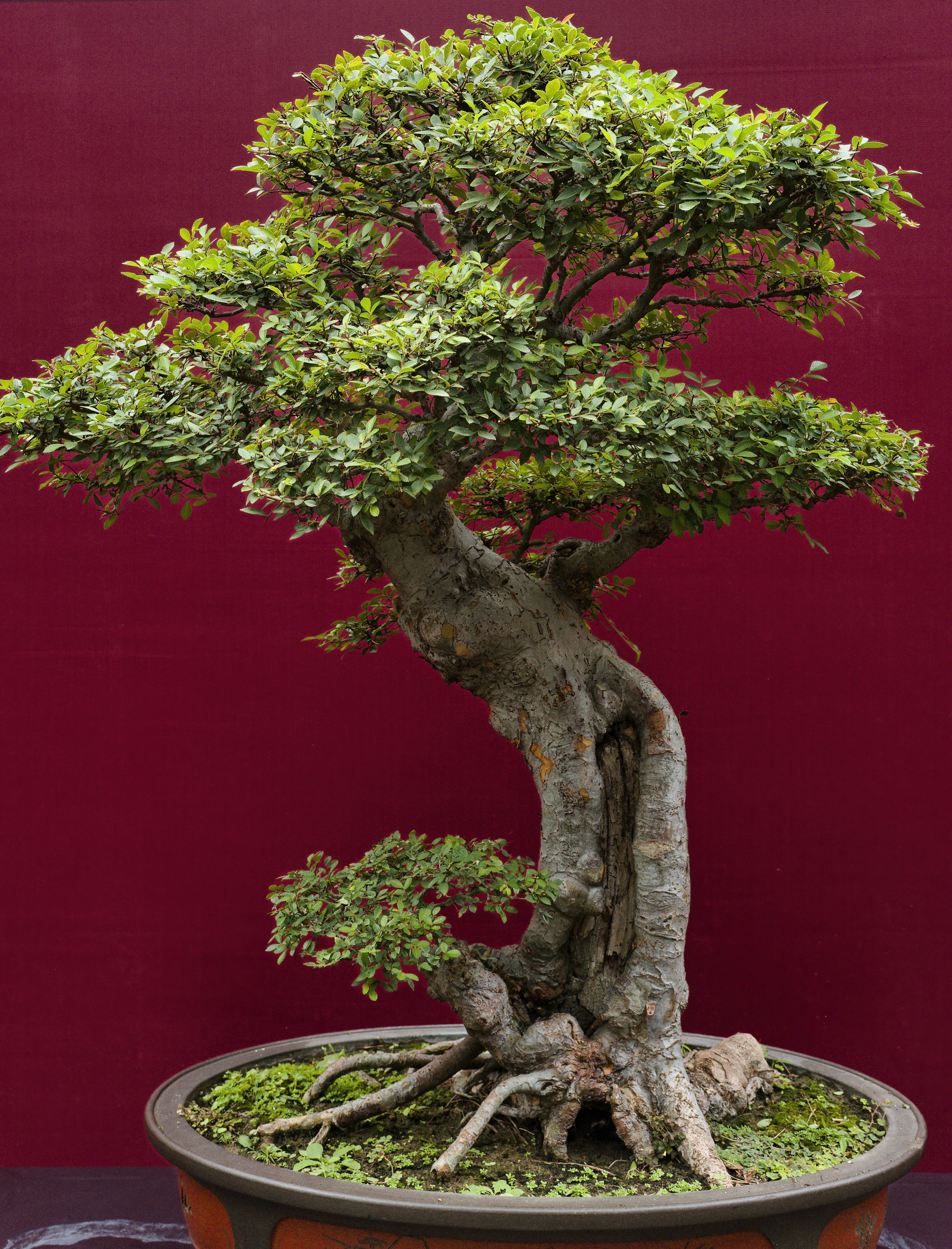
Have you ever marveled at a bonsai tree standing tall and proud, its trunk perfectly straight and branches arranged with military precision? That’s the magic of the Formal Upright bonsai style, or Chokkan—the epitome of elegance and discipline in bonsai art. But don’t be fooled by its seemingly simple silhouette; crafting a flawless Formal Upright bonsai is a journey that demands patience, skill, and a keen eye for detail.
In this comprehensive guide, we’ll walk you through everything you need to know—from the history and defining features of the style, to the best tree species, essential pruning and wiring techniques, and even pot selection. Plus, we’ll reveal the secret behind achieving that perfect taper that makes your bonsai look like a miniature ancient giant. Curious how sacrificial branches and aggressive top pruning play into this? Stick around, because we’re spilling all the bonsai secrets you won’t want to miss!
Key Takeaways
- Formal Upright (Chokkan) bonsai features a perfectly vertical, tapering trunk with balanced, tiered branches.
- Conifers like Japanese Black Pine and Dawn Redwood are ideal species for this style.
- Achieving a strong nebari (root flare) is crucial for stability and aesthetics.
- Pruning sacrificial branches and wiring at a 45-degree angle help maintain the iconic straight silhouette.
- Choosing the right pot and soil mix enhances the tree’s health and visual impact.
- Patience is key: developing a refined Formal Upright bonsai can take years but the results are stunning.
Ready to transform your bonsai into a majestic Formal Upright masterpiece? Let’s get started!
Welcome to the inner sanctum of Bonsai Garden™! We’ve spent decades getting our hands dirty, whispering to junipers, and occasionally arguing with a stubborn larch. If you’ve ever looked at a towering Redwood and thought, “I want that, but on my coffee table,” you’re in the right place. Today, we’re diving deep into the Chokkan, or the Formal Upright bonsai style. It’s the “black tie” of the bonsai world—elegant, disciplined, and deceptively difficult to perfect.
Ever wondered why some trees look like they’re standing at military attention while others look like they’ve had one too many sakes? Stay tuned, because by the end of this guide, you’ll know exactly how to achieve that perfect, tapering silhouette.
Table of Contents
- ⚡️ Quick Tips and Facts
- 📜 The Zen of the Straight Line: History of Chokkan
- 🌲 Beyond the Basics: Bonsai Shapes and Styles Compared
- 📐 Anatomy of Perfection: Defining the Formal Upright Aesthetic
- 🌳 Top 12 Best Tree Species for Formal Upright Styling
- 🛠 15 Essential Steps to Creating a Formal Upright Bonsai from Scratch
- ✂️ Pruning and Wiring Techniques for Chokkan Mastery
- 🏺 Choosing the Right Pot: Framing Your Masterpiece
- ⚠️ Common Pitfalls: Why Your Tree Isn’t Looking “Formal” Yet
- 🌿 Conclusion
- 🔗 Recommended Links
- ❓ FAQ
- 📚 Reference Links
⚡️ Quick Tips and Facts
Before we get our shears out, let’s look at the “cheat sheet” for the Formal Upright bonsai style.
| Feature | Requirement for Chokkan |
|---|---|
| Trunk Line | Must be perfectly vertical; no curves allowed! ❌ |
| Taper | Trunk must be thick at the base and thin at the top. ✅ |
| Nebari | Surface roots should radiate 360° for stability. |
| Branching | Starts about 1/3 up the trunk; follows a 1-2-3 pattern. |
| Best Species | Conifers (Larch, Pine, Spruce, Juniper). |
| Vibe | Strength, majesty, and reaching for the heavens. ☁️ |
Pro Tip: If your trunk has even a slight “wiggle,” it’s technically an Informal Upright (Moyogi). The Chokkan is all about that unwavering verticality.
📜 The Zen of the Straight Line: History of Chokkan
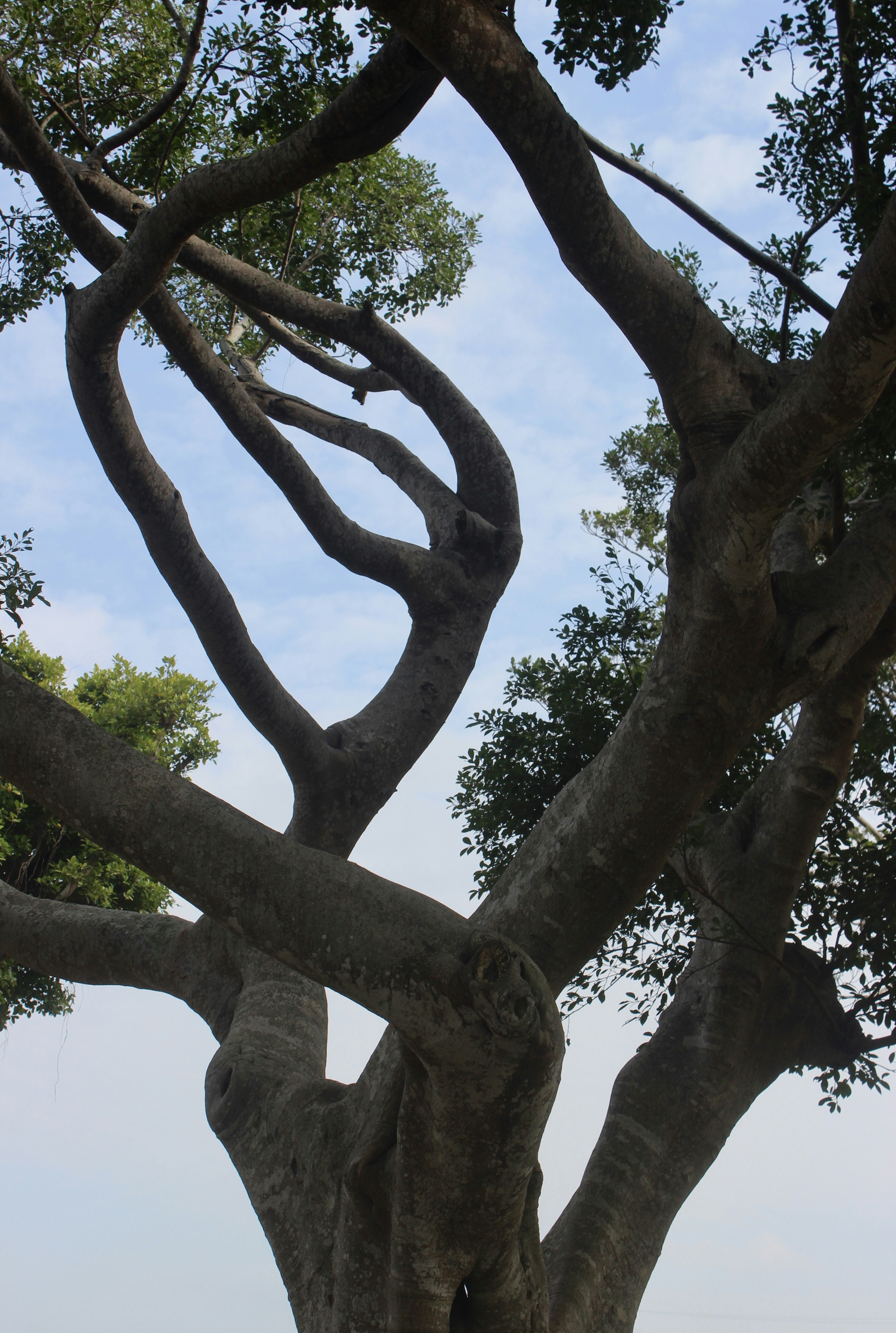
In the ancient Japanese art of bonsai, the Formal Upright style (Chokkan) represents the tree in its most idealized, heroic form. Think of a lone Pine standing on a mountain plain, untouched by heavy snow or distorting winds.
Historically, this style reflects the concept of Shin—the formal or “true” path. While the Chinese Penjing style often embraces wild, twisted forms, the Japanese Chokkan is a testament to human discipline and nature’s symmetry. We’ve found that beginners often underestimate this style because it looks “simple.” Trust us, making a tree grow perfectly straight while maintaining a natural taper is like trying to teach a cat to sit—it takes immense patience!
🌲 Beyond the Basics: Bonsai Shapes and Styles Compared
Where does the Chokkan fit in the grand hierarchy of bonsai shapes and styles?
- Chokkan (Formal Upright): The subject of our masterclass. Straight trunk, balanced branches.
- Moyogi (Informal Upright): The “relaxed” cousin. The trunk has curves but the apex still sits over the base.
- Shakan (Slanting): The tree looks like it’s leaning away from a storm.
- Kengai (Cascade): The tree grows downward, below the rim of the pot.
The Formal Upright is often considered the most “regal” because it demands a perfect Nebari (root flare). Without a strong base, a straight tree looks like a stick stuck in the mud. We always tell our students: “The roots are the foundation of your tree’s soul.”
📐 Anatomy of Perfection: Defining the Formal Upright Aesthetic
To achieve that “wow” factor, you need to understand the geometry of the Chokkan. It’s not just a straight stick!
- The Taper: This is non-negotiable. The trunk must be thickest at the soil line and gradually thin out as it reaches the apex (the top).
- Branch Placement:
- First Branch: Usually the thickest and longest, placed about 1/3 of the way up on either the left or right.
- Second Branch: On the opposite side, slightly higher.
- Third Branch (Back Branch): This creates depth. Without it, your bonsai looks like a 2D cardboard cutout! ❌
- The Apex: The very top should lean slightly toward the viewer, like a polite bow. 🙇 ♂️
🌳 Top 12 Best Tree Species for Formal Upright Styling
Not every tree wants to be a soldier. While you can try this with a Maple, conifers are the undisputed kings of the Formal Upright bonsai style. We’ve ranked our favorites based on how well they hold their shape.
- Japanese Black Pine (Pinus thunbergii): The gold standard. Rugged bark and masculine energy.
- Japanese White Pine: Softer needles, very elegant.
- Dawn Redwood (Metasequoia): Naturally wants to grow straight. Great for beginners!
- Bald Cypress: Perfect for that “swamp king” look.
- European Larch: Deciduous conifer that looks stunning in winter.
- Norway Spruce: Very hardy and takes wiring well.
- Juniperus procumbens ‘Nana’: The classic “mall bonsai” can actually be a great Chokkan if trained early.
- Cedar of Lebanon: Majestic and slow-growing.
- Sargent’s Juniper: Beautiful foliage density.
- Ginkgo Biloba: A unique choice; its “flame” shape fits the formal vibe.
- Cryptomeria (Japanese Cedar): Naturally columnar.
- Trident Maple: One of the few deciduous trees that can pull off a formal look if the taper is aggressive.
🛠 15 Essential Steps to Creating a Formal Upright Bonsai from Scratch
The Facebook group “Creating formal upright bonsai from saved tree?” mentions a few tips, but we’re going to give you the ultimate 15-step blueprint. Whether you’re starting with nursery stock or a “saved” tree, follow this:
- Select a Straight Subject: Look for a central leader that is already mostly vertical.
- Expose the Nebari: Clear away the top inch of soil to find the best root flare. This is your “front.”
- Identify the Apex: Choose the highest point. If it’s too tall, prune back to a lower branch and wire it upward to create a new leader.
- The 1/3 Rule: Remove all branches on the bottom third of the trunk.
- Establish the “Number One” Branch: Pick the strongest branch for your primary side.
- Balance with the “Number Two”: Pick the opposite side branch.
- Add the “Back Branch”: Crucial for 3D depth!
- Prune for Taper: Cut back the top more aggressively than the bottom to encourage thickness at the base.
- Wire the Trunk: Even if it’s straight, a heavy-gauge wire (we love Joshua Roth aluminum wire) helps ensure it stays that way during growth spurts.
- Level the Branches: In Chokkan, branches should be horizontal or slightly drooping to suggest age.
- Refine the Foliage Pads: Use Tiny Roots thinning shears to create distinct “clouds” of foliage.
- Check for “Bar Branches”: Never have two branches growing from the same height on opposite sides. ❌
- Repot into Training Pot: Use a high-drainage mix like Bonsai Jack #111 Universal Bonsai Soil.
- Fertilize for Girth: Use a slow-release organic fertilizer like Bio-Gold to thicken the trunk.
- Patience, Grasshopper: Let the tree grow for a season before the next heavy pruning.
✂️ Pruning and Wiring Techniques for Chokkan Mastery
Wiring a Formal Upright is an exercise in precision. We recommend using anodized aluminum wire for beginners and annealed copper for the pros.
- The 45-Degree Angle: Always wrap your wire at a 45-degree angle to the branch. Too tight and you’ll scar the bark; too loose and it won’t hold.
- Downward Pressure: To give a young tree the appearance of an ancient giant, wire the branches to grow slightly downward before curving back up at the tips.
- Structural Pruning: Don’t be afraid to cut! We once had a Juniper that looked like a bush. After we removed 60% of the branches, the “hidden” Chokkan emerged. It’s about what you leave, not what you take.
🏺 Choosing the Right Pot: Framing Your Masterpiece
The pot is the frame of your living painting. For a Formal Upright bonsai style, the rules are strict:
- Shape: Rectangular or oval pots are best. They provide a sense of stability.
- Color: Unglazed earth tones (browns, grays, deep reds) for conifers. Glazed pots are usually reserved for deciduous trees.
- Placement: Never plant a Chokkan in the dead center of a rectangular pot! Place it slightly to the left or right of the center line to create “active space.”
We highly recommend checking out Yixing clay pots for that authentic, breathable environment your roots crave.
⚠️ Common Pitfalls: Why Your Tree Isn’t Looking “Formal” Yet
- The “Popsicle” Look: If your branches are all the same length, your tree looks like a lollipop. Vary the lengths!
- Weak Nebari: If the tree looks like it’s “floating” on the soil, it loses its majesty. Use a root hook during repotting to spread those roots out.
- Wire Scarring: Check your wires every 4-6 weeks. A straight trunk with spiral scars is a tragedy. ❌
- Lack of Taper: If the top is as thick as the bottom, it’s just a stick. You must prune the top more often to slow its thickening.
🌿 Conclusion
Mastering the Formal Upright bonsai style is a journey of discipline. It’s about finding the perfect balance between nature’s chaos and human artistry. Remember, a true Chokkan isn’t just a straight tree; it’s a symbol of resilience and reaching for the light.
So, did you figure out the secret to that perfect taper? It’s all in the “sacrificial branches” and aggressive top-pruning! Now, go grab your shears and find the “soldier” hiding in your nursery stock.
🔗 Recommended Links
- Bonsai Jack #111 Universal Bonsai Soil (2 Quarts) – Our go-to for healthy roots.
- Joshua Roth 6-Piece Bonsai Tool Kit – Professional grade tools for precise cuts.
- Tiny Roots Anodized Aluminum Training Wire – Easy to apply and holds shape perfectly.
❓ FAQ
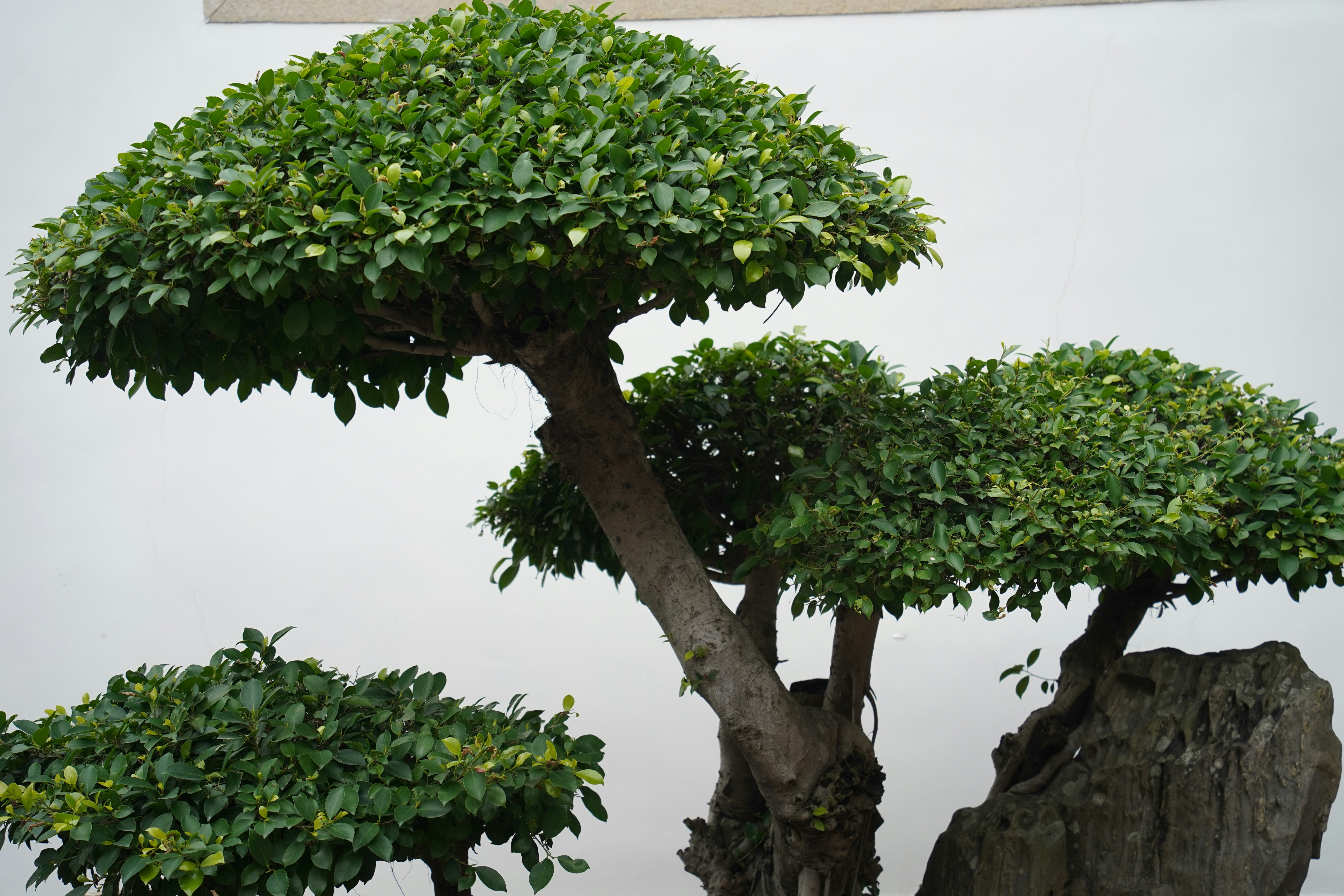
Q: Can I make a Formal Upright out of a Ficus? A: You can, but it’s tough. Ficus tend to grow aerial roots and have curvy trunks. It’s much easier to achieve the Chokkan look with a Larch or Pine.
Q: How long does it take to develop a good Chokkan? A: From a seedling? 10-15 years. From high-quality nursery stock? You can have a “rough draft” in an afternoon, but true refinement takes 3-5 years.
Q: Why is my tree leaning? A: It’s likely reaching for the sun! Rotate your pot 180 degrees every week to ensure even growth and maintain that vertical trunk.
📚 Reference Links
- Bonsai Empire: Formal Upright Style Guide
- The Spruce: How to Grow and Care for Bonsai Trees
- American Bonsai Society
Happy Gardening from the Bonsai Garden™ Team! 🌳✨
⚡️ Quick Tips and Facts
| Feature | Requirement for Chokkan |
|---|---|
| Trunk Line | Must be perfectly vertical; no curves allowed! ❌ |
| Taper | Trunk must be thick at the base and thin at the top. ✅ |
| Nebari | Surface roots should radiate 360° for stability. |
| Branching | Starts about 1/3 up the trunk; follows a 1-2-3 pattern. |
| Best Species | Conifers (Larch, Pine, Spruce, Juniper). |
| Vibe | Strength, majesty, and reaching for the heavens. ☁️ |
Pro Tip: If your trunk has even a slight “wiggle,” it’s technically an Informal Upright (Moyogi). The Chokkan is all about that unwavering verticality.
📜 The Zen of the Straight Line: History of Chokkan
In the ancient Japanese art of bonsai, the Formal Upright style (Chokkan) represents the tree in its most idealized, heroic form. Think of a lone Pine standing on a mountain plain, untouched by heavy snow or distorting winds.
Historically, this style reflects the concept of Shin—the formal or “true” path. While the Chinese Penjing style often embraces wild, twisted forms, the Japanese Chokkan is a testament to human discipline and nature’s symmetry. We’ve found that beginners often underestimate this style because it looks “simple.” Trust us, making a tree grow perfectly straight while maintaining a natural taper is like trying to teach a cat to sit—it takes immense patience!
🌲 Beyond the Basics: Bonsai Shapes and Styles Compared
Where does the Chokkan fit in the grand hierarchy of bonsai shapes and styles?
- Chokkan (Formal Upright): The subject of our masterclass. Straight trunk, balanced branches.
- Moyogi (Informal Upright): The “relaxed” cousin. The trunk has curves but the apex still sits over the base.
- Shakan (Slanting): The tree looks like it’s leaning away from a storm.
- Kengai (Cascade): The tree grows downward, below the rim of the pot.
The Formal Upright is often considered the most “regal” because it demands a perfect Nebari (root flare). Without a strong base, a straight tree looks like a stick stuck in the mud. We always tell our students: “The roots are the foundation of your tree’s soul.”
📐 Anatomy of Perfection: Defining the Formal Upright Aesthetic
To achieve that “wow” factor, you need to understand the geometry of the Chokkan. It’s not just a straight stick!
- The Taper: This is non-negotiable. The trunk must be thickest at the soil line and gradually thin out as it reaches the apex (the top).
- Branch Placement:
- First Branch: Usually the thickest and longest, placed about 1/3 of the way up on either the left or right.
- Second Branch: On the opposite side, slightly higher.
- Third Branch (Back Branch): This creates depth. Without it, your bonsai looks like a 2D cardboard cutout! ❌
- The Apex: The very top should lean slightly toward the viewer, like a polite bow. 🙇 ♂️
🌳 Top 12 Best Tree Species for Formal Upright Styling
Not every tree wants to be a soldier. While you can try this with a Maple, conifers are the undisputed kings of the Formal Upright bonsai style. We’ve ranked our favorites based on how well they hold their shape.
- Japanese Black Pine (Pinus thunbergii): The gold standard. Rugged bark and masculine energy.
- Japanese White Pine: Softer needles, very elegant.
- Dawn Redwood (Metasequoia): Naturally wants to grow straight. Great for beginners!
- Bald Cypress: Perfect for that “swamp king” look.
- European Larch: Deciduous conifer that looks stunning in winter.
- Norway Spruce: Very hardy and takes wiring well.
- Juniperus procumbens ‘Nana’: The classic “mall bonsai” can actually be a great Chokkan if trained early.
- Cedar of Lebanon: Majestic and slow-growing.
- Sargent’s Juniper: Beautiful foliage density.
- Ginkgo Biloba: A unique choice; its “flame” shape fits the formal vibe.
- Cryptomeria (Japanese Cedar): Naturally columnar.
- Trident Maple: One of the few deciduous trees that can pull off a formal look if the taper is aggressive.
🛠 15 Essential Steps to Creating a Formal Upright Bonsai from Scratch
The Facebook group “Creating formal upright bonsai from saved tree?” mentions a few tips, but we’re going to give you the ultimate 15-step blueprint. Whether you’re starting with nursery stock or a “saved” tree, follow this:
- Select a Straight Subject: Look for a central leader that is already mostly vertical.
- Expose the Nebari: Clear away the top inch of soil to find the best root flare. This is your “front.”
- Identify the Apex: Choose the highest point. If it’s too tall, prune back to a lower branch and wire it upward to create a new leader.
- The 1/3 Rule: Remove all branches on the bottom third of the trunk.
- Establish the “Number One” Branch: Pick the strongest branch for your primary side.
- Balance with the “Number Two”: Pick the opposite side branch.
- Add the “Back Branch”: Crucial for 3D depth!
- Prune for Taper: Cut back the top more aggressively than the bottom to encourage thickness at the base.
- Wire the Trunk: Even if it’s straight, a heavy-gauge wire (we love Joshua Roth aluminum wire) helps ensure it stays that way during growth spurts.
- Level the Branches: In Chokkan, branches should be horizontal or slightly drooping to suggest age.
- Refine the Foliage Pads: Use Tiny Roots thinning shears to create distinct “clouds” of foliage.
- Check for “Bar Branches”: Never have two branches growing from the same height on opposite sides. ❌
- Repot into Training Pot: Use a high-drainage mix like Bonsai Jack #111 Universal Bonsai Soil.
- Fertilize for Girth: Use a slow-release organic fertilizer like Bio-Gold to thicken the trunk.
- Patience, Grasshopper: Let the tree grow for a season before the next heavy pruning.
✂️ Pruning and Wiring Techniques for Chokkan Mastery
Wiring a Formal Upright is an exercise in precision. We recommend using anodized aluminum wire for beginners and annealed copper for the pros.
- The 45-Degree Angle: Always wrap your wire at a 45-degree angle to the branch. Too tight and you’ll scar the bark; too loose and it won’t hold.
- Downward Pressure: To give a young tree the appearance of an ancient giant, wire the branches to grow slightly downward before curving back up at the tips.
- Structural Pruning: Don’t be afraid to cut! We once had a Juniper that looked like a bush. After we removed 60% of the branches, the “hidden” Chokkan emerged. It’s about what you leave, not what you take.
🏺 Choosing the Right Pot: Framing Your Masterpiece
The pot is the frame of your living painting. For a Formal Upright bonsai style, the rules are strict:
- Shape: Rectangular or oval pots are best. They provide a sense of stability.
- Color: Unglazed earth tones (browns, grays, deep reds) for conifers. Glazed pots are usually reserved for deciduous trees.
- Placement: Never plant a Chokkan in the dead center of a rectangular pot! Place it slightly to the left or right of the center line to create “active space.”
We highly recommend checking out Yixing clay pots for that authentic, breathable environment your roots crave.
⚠️ Common Pitfalls: Why Your Tree Isn’t Looking “Formal” Yet
- The “Popsicle” Look: If your branches are all the same length, your tree looks like a lollipop. Vary the lengths!
- Weak Nebari: If the tree looks like it’s “floating” on the soil, it loses its majesty. Use a root hook during repotting to spread those roots out.
- Wire Scarring: Check your wires every 4-6 weeks. A straight trunk with spiral scars is a tragedy. ❌
- Lack of Taper: If the top is as thick as the bottom, it’s just a stick. You must prune the top more often to slow its thickening.
🌿 Conclusion
Mastering the Formal Upright bonsai style—or Chokkan—is much like training a disciplined samurai: it demands patience, precision, and respect for natural form. While it may look deceptively simple with its straight trunk and balanced branches, achieving that perfect taper and harmonious branch placement is an art form in itself. Remember our earlier teaser about the secret to taper? It’s all about sacrificial branches and aggressive top pruning to encourage girth at the base while keeping the apex slender.
From our experience at Bonsai Garden™, the key to success lies in selecting the right species (conifers are your best friends here), nurturing a strong nebari, and wiring with care to maintain that iconic verticality. Don’t be discouraged if your tree wobbles or looks more “popsicle” than “majestic pine” at first—every bonsai has its journey!
If you’re ready to embark on this rewarding path, equip yourself with quality tools like Joshua Roth’s aluminum wire, nutrient-rich soil such as Bonsai Jack #111 Universal Bonsai Soil, and a patient mindset. The Formal Upright style is not just a bonsai shape; it’s a symbol of strength, resilience, and timeless elegance.
🔗 Recommended Links
-
Joshua Roth 6-Piece Bonsai Tool Kit:
Amazon | Joshua Roth Official Website -
Tiny Roots Anodized Aluminum Training Wire:
Amazon -
Bonsai Jack #111 Universal Bonsai Soil (2 Quarts):
Amazon -
Bio-Gold Organic Bonsai Fertilizer:
Amazon -
Recommended Books:
❓ FAQ
What are the key characteristics of the Formal Upright bonsai style?
The Formal Upright style (Chokkan) is defined by a straight, vertical trunk that tapers gradually from a thick base to a slender apex. Branches are arranged in a balanced, tiered fashion, with the lowest branches being the longest and the upper branches shorter and closer together. A well-developed nebari (surface root flare) provides stability and visual grounding. This style symbolizes strength, stability, and natural elegance.
How do you shape a bonsai tree into the Formal Upright style?
Shaping a Formal Upright bonsai involves:
- Selecting a tree with a naturally straight leader or training one through wiring.
- Pruning lower branches below one-third of the trunk to emphasize taper.
- Establishing a primary branch on one side about one-third up the trunk, with secondary and back branches arranged to create depth and balance.
- Applying wiring to maintain vertical trunk alignment and branch positioning.
- Encouraging trunk thickening at the base by pruning the apex more aggressively.
This process requires patience and regular maintenance to refine the tree’s silhouette.
Which tree species are best suited for the Formal Upright bonsai style?
Conifers dominate this style due to their natural growth habits and ability to develop strong trunks and nebari. Top picks include:
- Japanese Black Pine (Pinus thunbergii)
- Japanese White Pine
- Dawn Redwood (Metasequoia)
- Bald Cypress
- European Larch
- Norway Spruce
- Juniperus procumbens ‘Nana’
Deciduous trees like Trident Maple and Ginkgo Biloba can also work but require more skill to maintain taper and verticality.
What are common pruning techniques for maintaining a Formal Upright bonsai?
- Structural pruning: Remove branches that disrupt the straight trunk line or symmetry.
- Sacrificial branches: Use temporary branches to thicken the trunk base, then prune them once the desired girth is achieved.
- Pinching and thinning: Maintain foliage pads to create distinct “clouds” and prevent overcrowding.
- Apex pruning: Regularly trim the top to slow its growth, promoting taper.
How long does it take to develop a Formal Upright bonsai tree?
From seedling to refined bonsai, expect 10-15 years for full development. Using nursery stock or a “saved” tree can shorten this to 3-5 years for a rough formal upright shape, but refinement and maturity take time and consistent care.
What soil and watering requirements are ideal for Formal Upright bonsai?
Use a well-draining bonsai soil mix like Bonsai Jack #111 Universal Bonsai Soil to prevent root rot and encourage healthy root growth. Water when the topsoil feels dry but avoid letting the soil dry out completely. Conifers generally prefer slightly acidic, aerated soil and consistent moisture without waterlogging.
How do you prevent common problems when growing a Formal Upright bonsai?
- Wire scarring: Check and adjust wiring every 4-6 weeks to prevent damage.
- Weak nebari: During repotting, spread roots evenly and prune judiciously to encourage a strong root flare.
- Lack of taper: Prune the apex more aggressively and use sacrificial branches to thicken the base.
- Uneven growth: Rotate the tree regularly to ensure balanced light exposure and vertical growth.
📚 Reference Links
- Bonsai Empire: Formal Upright Style Guide
- Brooklyn Botanic Garden: Bonsai Styles
- Facebook Group: Creating formal upright bonsai from saved tree?
- Joshua Roth Official Website
- Bonsai Jack Official Site
- Tiny Roots Bonsai Wire on Amazon
Ready to start your Formal Upright bonsai journey? Check out our Bonsai Care Basics and Bonsai for Beginners guides for expert tips and inspiration! 🌳✨