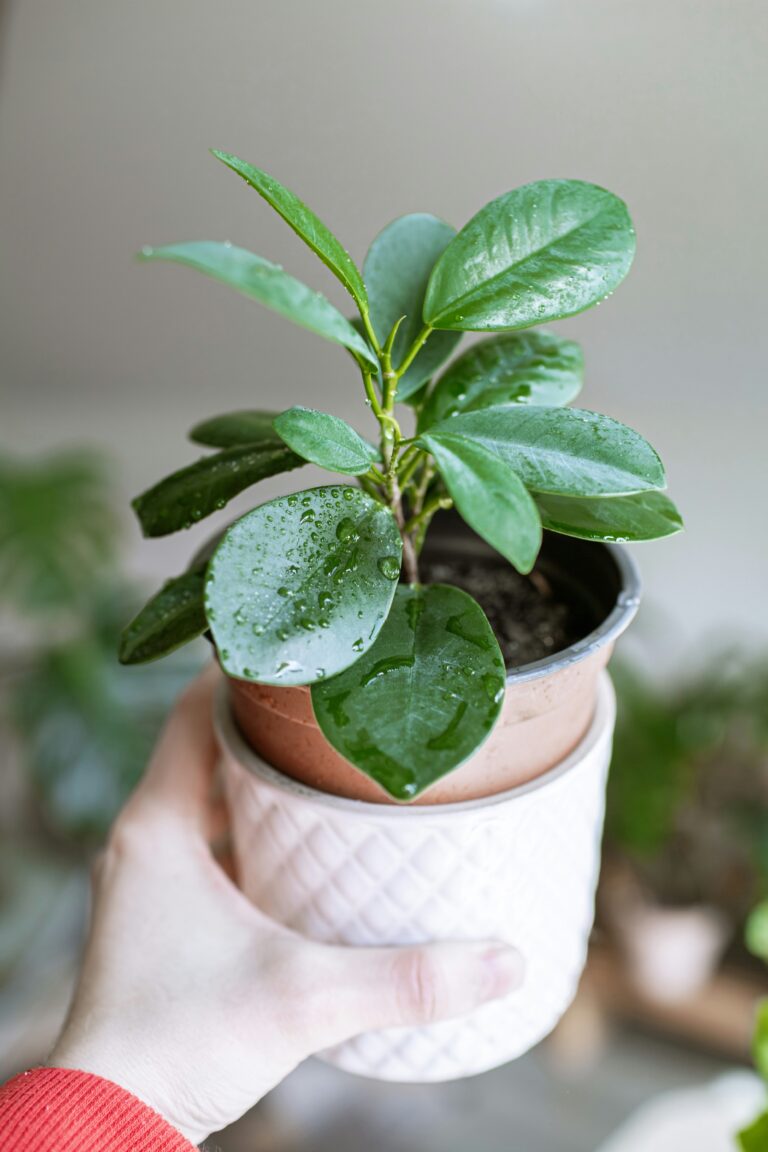
Support our educational content for free when you buy through links on our site. Learn more

Have you ever wondered if you can grow a weeping willow bonsai from cuttings? Well, you’re in luck! At Bonsai Garden™, we specialize in growing bonsai trees and have extensive experience with propagating weeping willow bonsai from cuttings. In this comprehensive guide, we will walk you through the process step by step, providing you with all the information you need to successfully grow your own weeping willow bonsai from cuttings.
Table of Contents
- Quick Answer
- Quick Tips and Facts
- Background: Propagating Weeping Willow Bonsai from Cuttings
- Step-by-Step Guide: Growing Weeping Willow Bonsai from Cuttings
- Choosing the Right Cuttings
- Preparing the Cuttings
- Rooting the Cuttings
- Potting and Caring for the Bonsai
- Frequently Asked Questions (FAQ)
- Conclusion
- Recommended Links
- Reference Links
Quick Answer
Yes, you can grow a weeping willow bonsai from cuttings. It is a relatively simple and rewarding process that allows you to create a beautiful bonsai tree from scratch. By following the step-by-step guide in this article, you will be able to propagate weeping willow cuttings successfully and nurture them into stunning bonsai specimens.
CHECK PRICE on: Weeping Willow Bonsai Trees | Bonsai Tools and Supplies
Quick Tips and Facts
- Weeping willows (Salix babylonica) are fast-growing deciduous trees known for their graceful, cascading branches.
- Propagating weeping willow bonsai from cuttings is a cost-effective way to create new trees.
- Willow cuttings root easily and can be successfully propagated.
- Proper care and attention are essential for successful propagation and growth of weeping willow bonsai from cuttings.
- Weeping willow bonsai require adequate sunlight, water, and nutrients for healthy growth.
Background: Propagating Weeping Willow Bonsai from Cuttings
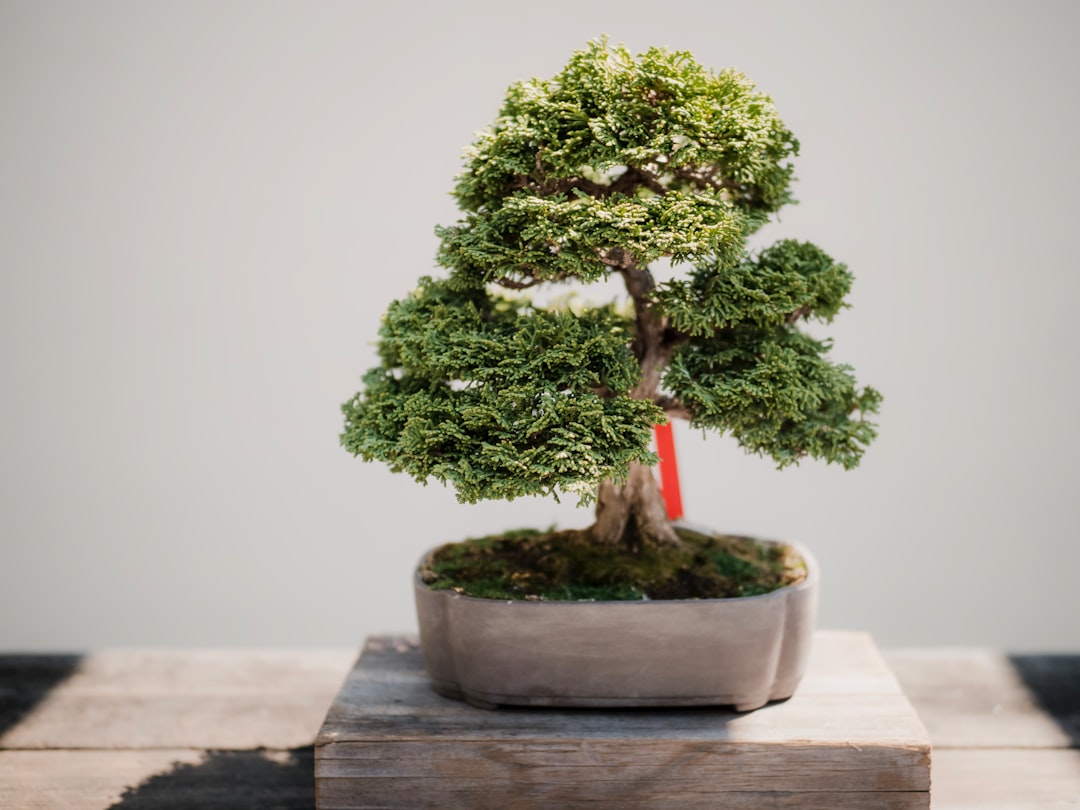
Before we dive into the step-by-step guide, let’s take a moment to understand the background of propagating weeping willow bonsai from cuttings. Weeping willows, scientifically known as Salix babylonica, are popular choices for bonsai enthusiasts due to their elegant and cascading branches. These trees can be easily propagated from cuttings, making them an excellent choice for bonsai beginners.
Propagating weeping willow bonsai from cuttings involves taking a small section of a branch and encouraging it to develop roots. Once the cutting has rooted, it can be potted and cared for as a bonsai tree. This method allows you to create new trees that are genetically identical to the parent tree, ensuring the desired characteristics are preserved.
Now that we have a better understanding of the process, let’s jump into the step-by-step guide on growing weeping willow bonsai from cuttings.
Step-by-Step Guide: Growing Weeping Willow Bonsai from Cuttings
Growing weeping willow bonsai from cuttings involves several key steps, from choosing the right cuttings to potting and caring for the bonsai. In this section, we will walk you through each step in detail, providing you with the knowledge and guidance you need to succeed.
1. Choosing the Right Cuttings
The first step in growing weeping willow bonsai from cuttings is selecting the right cuttings. Here are some tips to help you choose the best cuttings:
- Select healthy branches: Look for branches that are free from diseases, pests, and damage. Healthy branches have smooth bark and vibrant foliage.
- Choose semi-hardwood cuttings: Semi-hardwood cuttings are taken from the current season’s growth that has started to mature. They are more likely to root successfully compared to softwood or hardwood cuttings.
- Opt for young branches: Young branches are more flexible and easier to work with. They also tend to root more quickly than older branches.
2. Preparing the Cuttings
Once you have chosen the right cuttings, it’s time to prepare them for rooting. Follow these steps:
- Trim the cuttings: Using clean and sharp pruning shears, trim the cuttings to a length of 6 to 8 inches. Make a clean cut just below a leaf node.
- Remove lower leaves: Strip off the lower leaves from the bottom half of the cutting. This will prevent the leaves from rotting when the cutting is placed in water or soil.
- Optional: Apply rooting hormone: If desired, you can dip the cut end of the cutting in a rooting hormone powder or gel. This can help stimulate root growth, increasing the chances of successful rooting.
3. Rooting the Cuttings
Now that the cuttings are prepared, it’s time to encourage them to develop roots. There are two common methods for rooting weeping willow cuttings: water propagation and soil propagation. Let’s explore both methods:
Water Propagation
- Fill a container with clean water: Choose a container that is tall enough to accommodate the cuttings with their lower ends submerged in water.
- Place the cuttings in the water: Insert the cuttings into the container, ensuring that the lower ends are submerged in water while the upper parts remain above the waterline.
- Change the water regularly: To prevent the growth of bacteria and algae, change the water every few days. This will help keep the cuttings healthy and increase the chances of successful rooting.
- Wait for roots to develop: Roots should start to develop within a few weeks. Once the roots are approximately 1 inch long, the cuttings are ready to be potted.
Soil Propagation
- Prepare a rooting medium: Fill a small pot or tray with a well-draining rooting medium, such as a mixture of perlite and peat moss.
- Insert the cuttings into the soil: Make small holes in the rooting medium and gently insert the cuttings, ensuring that at least half of the cutting is buried in the soil.
- Water the cuttings: After planting the cuttings, water them thoroughly to settle the soil and provide moisture.
- Place the pot in a warm and bright location: Weeping willow cuttings root best in warm and bright conditions. Place the pot in a location that receives indirect sunlight and maintains a temperature between 65°F and 75°F (18°C to 24°C).
- Mist the cuttings regularly: To maintain humidity around the cuttings, mist them with water regularly. This will help prevent the cuttings from drying out and promote root development.
- Wait for roots to develop: Roots should start to develop within a few weeks. Once the roots are approximately 1 inch long, the cuttings are ready to be potted.
4. Potting and Caring for the Bonsai
Once the cuttings have developed roots, it’s time to pot them and care for them as bonsai trees. Follow these steps:
- Choose a suitable bonsai pot: Select a pot that is appropriate for the size of your bonsai tree. Ensure that the pot has drainage holes to prevent waterlogging.
- Prepare the potting mix: Use a well-draining bonsai soil mix or a mixture of bonsai soil, perlite, and peat moss.
- Gently remove the cutting from the water or soil: Carefully lift the rooted cutting from the water or soil, taking care not to damage the delicate roots.
- Plant the cutting in the bonsai pot: Place the cutting in the center of the pot and gently spread out the roots. Add the potting mix around the roots, ensuring that the cutting is stable and upright.
- Water the bonsai thoroughly: After potting, water the bonsai thoroughly to settle the soil and provide moisture to the roots.
- Place the bonsai in a suitable location: Weeping willow bonsai thrive in bright, sunny locations. Choose a spot that receives at least 6 hours of sunlight per day.
- Water and fertilize regularly: Weeping willow bonsai require regular watering to keep the soil moist but not waterlogged. Fertilize the bonsai every 4 to 6 weeks during the growing season with a balanced bonsai fertilizer.
- Prune and shape the bonsai: Regular pruning and shaping are essential to maintain the desired form and size of the bonsai. Prune back new growth to encourage branching and maintain the overall shape of the tree.
By following these steps and providing proper care, you will be able to grow a beautiful weeping willow bonsai from cuttings.
Frequently Asked Questions (FAQ)

How long does it take for weeping willow cuttings to root?
Weeping willow cuttings typically take around 2 to 4 weeks to develop roots. However, the exact timing can vary depending on various factors such as temperature, humidity, and the health of the cuttings.
Will willow cuttings root in water?
Yes, willow cuttings can root in water. Water propagation is a popular method for rooting willow cuttings. By placing the cuttings in a container of clean water and changing the water regularly, you can encourage the development of roots.
Can you make a bonsai weeping willow?
Yes, you can create a bonsai weeping willow. By following the step-by-step guide in this article, you can grow a weeping willow bonsai from cuttings. With proper care and attention, you can shape and train the bonsai into a stunning miniature tree.
How do you grow a bonsai tree from a cutting?
Growing a bonsai tree from a cutting involves several key steps, including selecting the right cutting, preparing it for rooting, encouraging root development, and potting and caring for the bonsai. By following the step-by-step guide in this article, you can successfully grow a bonsai tree from a cutting.
Read more about “Bonsai Cuttings in Water: A Comprehensive Guide …”
Conclusion

Growing weeping willow bonsai from cuttings is a rewarding and enjoyable process. By following the step-by-step guide in this article, you can propagate weeping willow cuttings successfully and nurture them into stunning bonsai specimens. Remember to choose healthy cuttings, prepare them properly, encourage root development, and provide proper care and attention to your bonsai. With time and patience, you will be able to create a beautiful weeping willow bonsai that brings joy and tranquility to your space.
Happy bonsai gardening!
Recommended Links
- Bonsai Care Basics
- Bonsai for Beginners
- Bonsai Species Guide
- Indoor Bonsai
- Bonsai Inspiration and Ideas
CHECK PRICE on: Weeping Willow Bonsai Trees | Bonsai Tools and Supplies
Reference Links