Support our educational content for free when you buy through links on our site. Learn more

Watering and fertilizing bonsai trees might seem straightforward, but anyone who’s tried it knows it’s more like a delicate dance than a simple chore. Too much water? Your bonsai could drown. Too little fertilizer? Growth stalls and leaves yellow. At Bonsai Garden™, we’ve spent years perfecting this balance, and in this guide, we’ll reveal exactly how often you should water and feed your bonsai trees in a garden setting to keep them thriving year-round.
Did you know that bonsai trees can dry out in just a day or two during hot summer months, yet need barely any water during winter dormancy? Or that over-fertilizing is one of the top killers of bonsai, often caused by well-meaning gardeners? Stick around as we unpack the secrets behind watering frequency, the best fertilizer types, seasonal adjustments, and even some pro tips on tools and techniques that can transform your bonsai care routine. Plus, we’ll share an intriguing story about advanced gardeners using chemical injectors to acidify water—something you might never have considered but could revolutionize your approach!
Key Takeaways
- Water your bonsai only when the top inch of soil feels dry—daily checks beat rigid schedules every time.
- Fertilize consistently during the growing season (spring to mid-autumn) using either organic pellets like Biogold or liquid synthetics like Dyna-Gro Foliage-Pro.
- Avoid overwatering and overfertilizing—both can cause root rot and leaf yellowing.
- Adjust watering and feeding routines seasonally to match your bonsai’s growth cycle and environmental conditions.
- Use proper tools such as long-spouted watering cans and soil moisture meters to improve precision and ease.
- Observe your bonsai’s signals—wilting, leaf color changes, and soil moisture are your best guides.
Ready to upgrade your bonsai care? Check out our recommended products for watering and fertilizing below:
- Biogold Organic Fertilizer: Amazon | Etsy
- Dyna-Gro Foliage-Pro Liquid Fertilizer: Amazon | Walmart
- Haws Watering Can: Amazon | Etsy
Table of Contents
- ⚡️ Quick Tips and Facts on Watering and Fertilizing Bonsai Trees
- 🌱 Understanding Bonsai Tree Watering and Fertilizing: A Gardeners’ Guide
- 💧 How Often Should You Water Your Bonsai? Factors That Influence Frequency
- 🌿 Signs Your Bonsai Needs Water: Avoiding Overwatering and Underwatering
- 🌞 Seasonal Changes and Their Impact on Bonsai Watering Schedules
- 🔍 The Essential Nutrients: What Bonsai Fertilizer Should Contain
- 📅 When and How Often to Fertilize Your Bonsai for Optimal Growth
- 🧴 Choosing the Right Fertilizer Type: Organic vs. Synthetic for Bonsai Trees
- 🌿 Step-by-Step Guide: How to Properly Fertilize Your Bonsai Tree
- 💡 Tips for Combining Watering and Fertilizing Routines Without Stressing Your Bonsai
- 🌧️ Managing Bonsai Care During Rainy and Dry Seasons: Watering and Feeding Adjustments
- 🛠️ Tools and Products We Recommend for Watering and Fertilizing Bonsai
- 🌟 Common Mistakes to Avoid When Watering and Fertilizing Your Bonsai
- 📊 Tracking Your Bonsai’s Health: How to Monitor Water and Nutrient Needs
- 🎉 Conclusion: Mastering the Art of Watering and Fertilizing Your Bonsai Trees
- 🔗 Recommended Links for Bonsai Watering and Fertilizing Resources
- ❓ FAQ: Your Burning Questions About Bonsai Watering and Fertilizing Answered
- 📚 Reference Links and Further Reading
⚡️ Quick Tips and Facts on Watering and Fertilizing Bonsai Trees
Welcome, fellow tree whisperers! Before we dive deep into the Zen of watering and feeding your miniature masterpieces, here are some quick takeaways from our decades of experience at Bonsai Garden™.
- The Finger Test is Your Best Friend: Forget rigid schedules! The best way to know if your bonsai needs water is to stick your finger about an inch into the soil. If it’s dry, it’s time to water.
- Water Thoroughly, Not Frequently: When you do water, drench the soil completely until water runs out of the drainage holes. This ensures the entire root system gets a drink.
- Fertilize During the Growing Season: Your bonsai is hungriest from early spring to mid-autumn. This is the prime time to provide nutrients. 🌿
- NPK What?!: Fertilizers have three main numbers: Nitrogen (N), Phosphorus (P), and Potassium (K). N is for leafy growth, P is for roots and flowers, and K is for overall health.
- Less is More: Over-fertilizing can be a death sentence for your bonsai, burning its delicate roots. Always err on the side of caution. As Bonsai Empire notes, “Never overfeed your trees, as this will have serious consequences for their health.”
- Soil Matters, A Lot: The type of soil mix you use dramatically affects how often you need to water. A well-draining mix is crucial to prevent root rot.
- Observe, Observe, Observe: Your tree will tell you what it needs. Droopy leaves? Could be too little or too much water. Yellowing leaves? Might be a nutrient deficiency. Pay attention!
🌱 Understanding Bonsai Tree Watering and Fertilizing: A Gardeners’ Guide
So, you’ve embarked on the incredible journey of bonsai. Welcome to the club! It’s an art form that blends horticulture and artistry, creating a living sculpture. But let’s be real, keeping these tiny trees happy can feel like solving a riddle wrapped in an enigma, especially when you’re setting up your first bonsai garden. The two biggest questions we hear from newcomers are about watering and fertilizing.
Think of your bonsai pot as a tiny, self-contained island. Unlike a tree in the ground with roots that can stretch far and wide for resources, your bonsai is completely dependent on you for its every need. The limited soil volume means it can dry out incredibly fast and exhaust its nutrient supply quicker than you can say “Ficus.”
This is where you, the diligent caretaker, come in. Mastering watering and fertilizing isn’t just a chore; it’s a dialogue between you and your tree. It’s about learning its language and responding to its needs. For a fantastic visual guide on these topics, the first YouTube video embedded in this article, “All About Watering, Soil, & Fertilizing for Bonsai Beginners,” is a must-watch for anyone just starting out.
💧 How Often Should You Water Your Bonsai? Factors That Influence Frequency
If you’re looking for a magic number, like “water every three days,” I’m sorry to disappoint you. It simply doesn’t exist! A rigid schedule is the fastest way to an unhappy (or worse, a dead) bonsai. Instead, let’s become detectives and look at the clues.
Several key factors determine how thirsty your tree is:
- Species of the Tree: A Juniper in full sun will have very different water needs than a Japanese Maple in the shade. Our Bonsai Species Guide can help you understand your specific tree’s preferences.
- Size of the Pot: Smaller pots hold less soil and dry out much faster than larger ones. It’s simple physics, my friend!
- Soil Composition: A gritty, fast-draining soil mix (like an akadama or lava rock blend) will need watering more often than a denser, more organic mix.
- Time of Year: A tree in the peak of its summer growth will guzzle water compared to its dormant state in winter.
- Climate and Weather: Is it hot, dry, and windy? You might be watering daily. Is it cool and humid? You might go several days between waterings.
The Golden Rule: Check your trees daily. The “finger test” is non-negotiable. Once you get a feel for your trees, you’ll develop an intuition for their needs.
🌿 Signs Your Bonsai Needs Water: Avoiding Overwatering and Underwatering
Your bonsai communicates its needs through subtle (and sometimes not-so-subtle) signs. Learning to read them is a core skill in our Bonsai Care Basics.
The Telltale Signs of Thirst (Underwatering)
- Dry Soil: The most obvious clue! The topsoil looks light in color and feels dry to the touch.
- Wilting or Drooping Leaves: The leaves lose their turgidity and start to look sad and limp.
- Brittle Foliage: Leaves or needles might feel crispy.
- Lightweight Pot: A dry bonsai pot will feel noticeably lighter than a well-watered one.
The Dangers of Drowning (Overwatering)
This is the silent killer! Many beginners, in their eagerness to care for their tree, literally love it to death by overwatering.
- Yellowing Leaves: This is a classic sign. The leaves may turn yellow and drop off.
- Root Rot: The most serious consequence. The soil stays waterlogged, starving the roots of oxygen. They turn black, mushy, and smell foul. 🤢
- Fungus or Mold on the Soil Surface: A sign that the soil is staying too wet for too long.
- Wilting: Confusing, right? A tree with rotted roots can’t absorb water, so it wilts, making you think it’s thirsty. This is why the finger test is crucial before you water!
| Symptom | Underwatering ✅ | Overwatering ❌ |
|---|---|---|
| Soil | Dry, light-colored, pulling from pot edge | Constantly damp, may have mold |
| Leaves | Wilting, dry, crispy, brittle | Yellowing, wilting, dropping |
| Roots | Healthy, firm, white/tan | Black, mushy, foul-smelling |
| Pot Weight | Feels very light | Feels consistently heavy |
🌞 Seasonal Changes and Their Impact on Bonsai Watering Schedules
Your bonsai’s life revolves around the seasons. Adjusting your care routine is essential for its long-term health.
- Spring: 🌸 As your tree wakes up from dormancy, it pushes out new growth. Its water needs will increase steadily. Start checking daily.
- Summer: ☀️ This is peak thirst season! During hot, windy days, you may need to water once or even twice a day, especially for smaller trees.
- Autumn: 🍂 As growth slows and the days get shorter, the tree’s water consumption will decrease. Be careful not to overwater during this transition.
- Winter: ❄️ When the tree is dormant, it needs very little water. Water only enough to keep the roots from completely drying out. For many outdoor trees, this might mean watering only every few weeks, depending on rain and snow.
🔍 The Essential Nutrients: What Bonsai Fertilizer Should Contain
Alright, let’s talk food! Fertilizing replenishes the nutrients that your bonsai uses up and that are washed out of the pot with watering. Think of it as serving your tree a balanced meal.
The Big Three: N-P-K
As we mentioned, the three numbers on a fertilizer bag represent the percentage of Nitrogen (N), Phosphorus (P), and Potassium (K).
- Nitrogen (N): The Growth Engine. This is for the green stuff—leaves and stems. Great for a young tree you want to develop quickly.
- Phosphorus (P): The Foundation Builder. Promotes healthy root development, as well as flowering and fruiting.
- Potassium (K): The General Manager. This nutrient is crucial for the tree’s overall health, disease resistance, and metabolic functions.
While traditionally, different NPK ratios were recommended for different seasons, Bonsai Empire points out a modern shift in thinking: “Experts are increasingly recommending using the same NPK ratio throughout the Bonsai growth cycle.” This simplifies the process, focusing instead on adjusting the amount and frequency of a single, balanced fertilizer.
Don’t Forget the Micronutrients!
Beyond the big three, bonsai also need trace amounts of other elements like iron, manganese, and zinc to thrive. Most quality bonsai fertilizers will include these. A lack of iron, for example, can cause chlorosis, where leaves turn yellow but the veins stay green.
📅 When and How Often to Fertilize Your Bonsai for Optimal Growth
Timing is everything. Fertilizing at the wrong time can be ineffective or even harmful.
- The Golden Rule: Fertilize consistently throughout the growing season, which for most outdoor trees is from early spring through mid-autumn.
- Frequency: This depends entirely on the product you use.
- Liquid Fertilizers: Typically applied every 1-2 weeks.
- Solid Organic Fertilizers (like cakes): Applied every 1-2 months.
- Important Exceptions:
- ❌ DO NOT fertilize a recently repotted tree. Give it at least a month to recover and establish new roots.
- ❌ DO NOT fertilize a sick or stressed tree. It’s like trying to force-feed someone with the flu. Diagnose the problem first!
- ❌ DO NOT fertilize a dormant tree. It’s not actively growing and can’t use the nutrients.
For indoor bonsai, which often don’t have a true dormancy period, you can typically fertilize year-round, but reduce the frequency during the lower-light winter months.
🧴 Choosing the Right Fertilizer Type: Organic vs. Synthetic for Bonsai Trees
The great debate: organic or synthetic? Honestly, both can work wonderfully. It often comes down to personal preference and your specific goals. Here at the garden, we use both!
Organic Fertilizers
These are derived from natural sources like fish emulsion, cottonseed meal, or processed pellets like the famous Japanese brand, Biogold.
- Pros:
- ✅ Slow-release: Nutrients are broken down by microorganisms in the soil, providing a gentle, steady feed.
- ✅ Low risk of root burn.
- ✅ Improves soil structure over time.
- Cons:
- ❌ Can be a bit smelly (we’re looking at you, fish emulsion!).
- ❌ May attract pests or grow mold on the soil surface.
- ❌ Nutrient content can be less precise.
Biogold is a fantastic choice and a favorite among enthusiasts. It’s easy to use—you just place the pellets on the soil surface.
👉 Shop Biogold on: Amazon | Etsy
Synthetic Fertilizers
These are chemically manufactured to provide precise nutrient ratios. They are often sold in liquid form, like Dyna-Gro Foliage-Pro.
- Pros:
- ✅ Fast-acting: Nutrients are immediately available to the tree.
- ✅ Precise NPK ratios.
- ✅ Odorless and easy to apply when diluted in water.
- Cons:
- ❌ Higher risk of fertilizer burn if not diluted correctly.
- ❌ Can lead to a buildup of salts in the soil over time, requiring regular flushing.
- ❌ Does not improve soil health.
The experience shared on Bonsai Tonight highlights the utility of liquid synthetics like Dyna-Gro Foliage-Pro when used with a chemical injector for large collections, but also notes the complexity: “The problem is that different trees have different fertilizer needs throughout the year.” This is a powerful reminder that even with advanced tools, observation and adaptability are key.
👉 Shop Dyna-Gro on: Amazon | Walmart | Dyna-Gro Official Website
🌿 Step-by-Step Guide: How to Properly Fertilize Your Bonsai Tree
Ready to feed your tree? Let’s walk through it.
Using Liquid Fertilizer
- Read the Label: This is the most important step! Every brand has a different concentration. “Follow the instructions listed on your fertilizer packaging,” as advised by Bonsai Empire.
- Dilute, Dilute, Dilute: Mix the recommended amount of fertilizer into your watering can. Our pro tip? Use it at half-strength, especially if you’re new to this. You can always add more later; you can’t undo fertilizer burn.
- Water First: Never apply liquid fertilizer to dry soil. Water your tree thoroughly with plain water first, wait a few minutes, and then apply the fertilizer solution. This prevents the fine roots from being shocked or burned.
- Apply Evenly: Pour the solution over the entire soil surface until it runs out of the drainage holes.
Using Solid Organic Fertilizer (e.g., Biogold Pellets)
- Read the Label: Again, check the packaging for the recommended amount based on the size of your pot.
- Place on Soil: Evenly space the pellets or cakes on the surface of the soil. Some people like to press them in slightly.
- Use Fertilizer Baskets (Optional): Little plastic baskets like these fertilizer covers can hold the pellets. This keeps them from being washed away, prevents birds from stealing them, and looks a bit tidier.
- Water as Usual: Every time you water, the pellets will slowly break down, releasing their nutrients into the soil.
- Replace as Needed: After a month or two, the pellets will have disintegrated. Simply remove any remnants and apply a new batch.
💡 Tips for Combining Watering and Fertilizing Routines Without Stressing Your Bonsai
Juggling these two tasks can feel complex, but it doesn’t have to be.
- Fertilize on a Watering Day: The easiest method is to incorporate fertilizing into your watering routine. If you’re using liquid fertilizer, it’s a natural fit.
- Designate a “Fertilizer Friday”: Pick one day a week (or every other week) during the growing season to be your fertilizing day. This makes it easy to remember.
- Keep a Journal: Especially when you’re starting out, jot down when you watered and fertilized. This helps you track your routine and see what’s working. You can find some great Bonsai Inspiration and Ideas for journal layouts.
- Don’t Sweat the Small Stuff: If you miss a fertilizer application by a day or two, your tree will be fine. Consistency over time is more important than perfect adherence to a schedule.
🌧️ Managing Bonsai Care During Rainy and Dry Seasons: Watering and Feeding Adjustments
Mother Nature doesn’t always play by our rules. Here’s how to adapt.
During a Rainy Spell
- Problem: The soil stays constantly wet, risking root rot.
- Solution:
- Move your trees to a sheltered location, like under an eave or on a covered porch, where they are protected from excessive rain.
- Ensure your soil mix is extremely well-draining. This is your number one defense.
- Hold off on manual watering.
- If using solid fertilizer, the rain will do the work of breaking it down for you. If using liquid, you may need to wait for a dry spell to apply it.
During a Heatwave or Dry Spell
- Problem: The soil dries out at an alarming rate, stressing the tree.
- Solution:
- Check your trees multiple times a day.
- Consider moving them to a spot that gets morning sun but is protected from the harsh afternoon heat.
- You can place the bonsai pot in a shallow tray of water for 10-15 minutes (a technique called immersion watering) to ensure complete soil saturation. Do not leave it sitting in water permanently!
- Misting the foliage can help increase humidity but is not a substitute for watering the roots.
🛠️ Tools and Products We Recommend for Watering and Fertilizing Bonsai
Having the right gear makes the job easier and more enjoyable. Here are a few of our favorites from the Bonsai Garden™ workshop.
Essential Watering Tools
A good watering can is a must. You’re looking for one with a long spout and a fine “rose” nozzle that produces a gentle shower, so you don’t blast the soil out of your pot.
- Haws Watering Cans: The classic choice. Beautifully crafted and perfectly balanced. A bit of an investment, but they last a lifetime.
- Japanese Copper Watering Cans: Another high-end option prized by enthusiasts for their craftsmanship.
| Product | Design | Functionality | Durability | Our Rating |
|---|---|---|---|---|
| Haws Watering Can | 9/10 | 10/10 | 10/10 | 9.7/10 |
| Basic Plastic Can | 6/10 | 7/10 | 7/10 | 6.7/10 |
👉 Shop Watering Cans on: Amazon | Walmart | Etsy
Advanced Tools for the Serious Hobbyist
For those with large collections or very specific water needs (like high pH water), you might explore more advanced solutions. The Bonsai Tonight article gives a fascinating look into using a Dosatron chemical injector to acidify water and apply liquid fertilizer.
- Dosatron Injector: This tool hooks up to your hose and automatically mixes a concentrate (like vinegar or liquid fertilizer) into the water stream at a precise ratio. It’s a serious piece of equipment for serious growers.
- Soil Moisture Meter: A simple probe you stick in the soil to get a reading on the moisture level. It can be a helpful tool for beginners who are still developing their “finger test” skills.
👉 Shop Advanced Tools on:
- Dosatron D14MZ2: Dosatron Official Website
- Soil Moisture Meter: Amazon | Walmart
🌟 Common Mistakes to Avoid When Watering and Fertilizing Your Bonsai
We’ve all been there! Part of learning is making mistakes. Here are some common pitfalls we see in our Bonsai for Beginners workshops that you can hopefully avoid.
- Watering on a Schedule: We’ve said it before, and we’ll say it again. Don’t do it! Check your soil every day.
- Shallow Watering: Just sprinkling the top of the soil is a big no-no. The deep roots get nothing, and you encourage weak, shallow root growth. Water until it drains from the bottom.
- Using “Softened” Water: Water from a home water softener contains sodium, which is toxic to plants. Use tap water, filtered water, or rainwater instead.
- Fertilizing a Dry Tree: This is a recipe for root burn. Always water with plain water first.
- “More is Better” Mentality: Over-fertilizing is far more dangerous than under-fertilizing. If in doubt, dilute more or wait another week.
- Forgetting to Flush the Soil: Especially when using synthetic fertilizers, it’s a good idea to flush the soil with plenty of plain water once a month during the growing season to wash out accumulated salts.
📊 Tracking Your Bonsai’s Health: How to Monitor Water and Nutrient Needs
Your bonsai is a long-term project. Keeping track of its progress and your care routine is immensely helpful.
- Visual Inspection: Look at your tree every day. Are the leaves a healthy color? Is the new growth vigorous? Are there any signs of pests or disease?
- Keep a Bonsai Journal: Note down when you water, when you fertilize, when you prune, and when you repot. Take photos periodically to track its development. This record is invaluable for learning what works for each specific tree.
- Feel the Soil: Make the finger test a daily ritual. You’ll quickly learn how the soil feels when it’s wet, damp, and dry.
- Test Your Water pH: If you’re having persistent issues with yellowing leaves (especially on pines and azaleas), your water might be too alkaline. A simple pH test kit can tell you. This is the very issue that led the author of the Bonsai Tonight article to experiment with acidifying his water, proving that sometimes you have to dig deeper to solve a problem. It’s a testament to the idea that there’s “no simple solution to keeping bonsai healthy.”
This journey of observation and response is the true art of bonsai. It’s not just about a pretty tree; it’s about the relationship you build with it. If you have more questions, our Bonsai FAQs section is a great place to look for answers.
🎉 Conclusion: Mastering the Art of Watering and Fertilizing Your Bonsai Trees
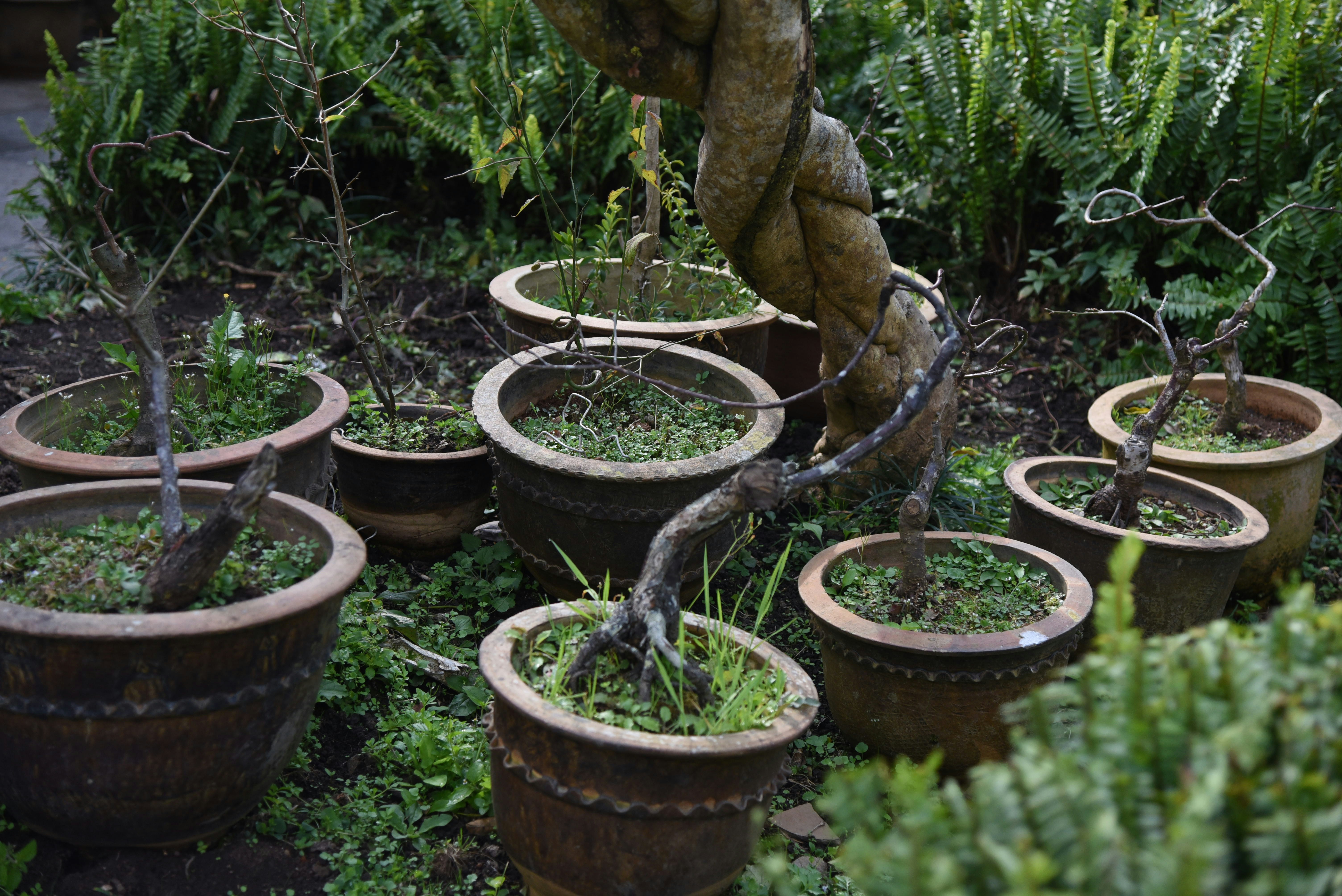
Congratulations! You’ve just unlocked the secrets to nurturing your bonsai with the perfect balance of water and nutrients. From the daily finger test to choosing the right fertilizer and adjusting your care through the seasons, you now have a comprehensive toolkit to keep your miniature tree thriving.
Remember, bonsai care is as much an art as it is a science. There’s no one-size-fits-all schedule—your tree’s needs will evolve with its species, pot size, environment, and even your own gardening style. The key is observation, patience, and responsiveness.
If you’re considering fertilizers, both organic options like Biogold and synthetic liquids like Dyna-Gro Foliage-Pro have their merits. Organic fertilizers provide a gentle, slow-release feed that improves soil health, while synthetics offer precise nutrient delivery and quick results. Our advice? Experiment and see what your tree prefers, but always follow product instructions carefully to avoid overfeeding.
And what about that intriguing tale of acidifying water with a chemical injector? It’s a fascinating example of how advanced gardeners tailor their approach to their collection’s unique needs. While such technology isn’t necessary for most hobbyists, it underscores the importance of water quality and nutrient balance in bonsai health.
In short: water deeply but only when needed, fertilize thoughtfully during the growing season, and listen closely to your bonsai’s subtle signals. Your patience and care will reward you with a miniature tree that’s not just alive, but flourishing.
🔗 Recommended Links for Bonsai Watering and Fertilizing Resources
Ready to gear up? Here are some of our top picks for watering and fertilizing tools and supplies, plus a couple of excellent reads to deepen your bonsai knowledge.
-
Dyna-Gro Foliage-Pro Liquid Fertilizer:
Amazon | Walmart | Dyna-Gro Official Website -
Dosatron Chemical Injector (Model D14MZ2):
Dosatron Official Website -
Recommended Books:
Bonsai Basics by Colin Lewis — Amazon
The Complete Book of Bonsai by Harry Tomlinson — Amazon
❓ FAQ: Your Burning Questions About Bonsai Watering and Fertilizing Answered
How do I know when my bonsai tree needs watering?
The best indicator is the finger test: insert your finger about an inch into the soil. If it feels dry at that depth, it’s time to water. Visual cues like wilting or drooping leaves can also signal thirst, but beware—overwatering can cause similar symptoms. Always check the soil moisture first to avoid drowning your bonsai. For more tips, see our Bonsai Care Basics.
Read more about “9 Best Outdoor Bonsai Containers & Care Tips (2025) 🌳”
What type of fertilizer is best for bonsai trees?
Both organic and synthetic fertilizers can be effective. Organic fertilizers like Biogold release nutrients slowly and improve soil health, making them ideal for beginners or those who prefer a natural approach. Synthetic fertilizers such as Dyna-Gro Foliage-Pro provide precise nutrient ratios and act quickly but require careful dilution to avoid root burn. Your choice depends on your bonsai species, your gardening style, and how much control you want over feeding. Remember, consistent fertilization during the growing season is key.
Read more about “Can You Grow Bonsai Trees Indoors? 7 Must-Know Facts (2025) 🌿”
Can overwatering harm my bonsai tree?
Absolutely! Overwatering is one of the most common causes of bonsai decline. It can lead to root rot, a condition where roots suffocate and decay due to lack of oxygen. Symptoms include yellowing leaves, wilting despite wet soil, and mold on the soil surface. To prevent this, always check soil moisture before watering and ensure your pot has excellent drainage.
Read more about “What Are the 8 Disadvantages of Bonsai Trees? 🌿 (2025)”
How does the season affect watering and fertilizing bonsai trees?
Seasonal changes dramatically influence your bonsai’s needs. In spring and summer, trees are actively growing and require more frequent watering and regular fertilizing. During autumn, growth slows, so reduce watering and fertilizing accordingly. In winter, most outdoor bonsai enter dormancy and need minimal water and no fertilizer. Indoor bonsai may require year-round care but with reduced feeding in lower light months. Adjusting your routine with the seasons helps mimic natural cycles and keeps your bonsai healthy.
Read more about “7 Essential Outdoor Bonsai Tree Care Tips You Can’t Miss 🌳 (2025)”
How often should I fertilize my bonsai during the growing season?
Frequency depends on fertilizer type. Liquid fertilizers are generally applied every 1-2 weeks, while solid organic fertilizers like pellets or cakes can be applied every 1-2 months. Always follow the product’s instructions and avoid fertilizing newly repotted or stressed trees.
Read more about “How to Incorporate Bonsai Trees into Your Outdoor Garden 🌳 (2025)”
Is tap water safe for watering bonsai?
Most tap water is fine, but avoid water from softeners containing sodium, which can harm plants. If your tap water is very hard or alkaline, consider using filtered or rainwater. Testing your water’s pH can help identify potential issues.
Read more about “Discover 15 Best Bonsai Gardens for Sale in 2025 🌿”
📚 Reference Links and Further Reading
- Bonsai Empire: Fertilizing Bonsai Trees — Comprehensive guide on fertilizer types and schedules.
- Bonsai Tonight: Insights from Using a Chemical Injector to Acidify Water — Detailed experiment with water acidification and fertilizing techniques.
- Dyna-Gro Official Website — Manufacturer info on a popular liquid fertilizer.
- Dosatron Official Website — Details on the chemical injector used for fertilizer and acidifier application.
- Biogold Bonsai Fertilizer Information — Trusted organic fertilizer for bonsai enthusiasts.
- American Bonsai Society — A great resource for bonsai growers of all levels.
We hope this guide helps you cultivate a thriving bonsai garden full of vitality and beauty. Remember, every bonsai has its own story — and with your care, it will be a story worth telling. 🌳✨