Support our educational content for free when you buy through links on our site. Learn more

If you’ve ever stared at your bonsai and wondered, “How do I keep this miniature marvel looking sharp and balanced year-round?” — you’re in the right place. Pruning and training bonsai trees is both an art and a science, blending patience, precision, and a bit of botanical wizardry. At Bonsai Garden™, we’ve shaped hundreds of bonsai, from wild junipers to delicate maples, and we’re here to spill the secrets that keep them thriving and stunning in any garden.
Did you know that the right pruning technique can extend your bonsai’s life by decades? Or that wiring isn’t just about bending branches but about storytelling through shape? In this article, we’ll walk you through everything from the essential tools you need, to seasonal pruning schedules, advanced styling techniques, and how to troubleshoot common shape problems. Plus, we’ll share personal tales of bonsai triumphs and near-disasters that will keep you hooked until the very last leaf is trimmed.
Key Takeaways
- Regular pruning and wiring are essential to maintain your bonsai’s miniature, balanced shape.
- Understanding your bonsai species’ growth patterns helps you prune at the right time and in the right way.
- Use sharp, sterilized tools like Seki Edge shears and ARS concave cutters for clean cuts and healthy trees.
- Seasonal pruning schedules optimize growth and prevent stress—early spring for structure, summer for pinching, and fall for cleanup.
- Advanced techniques like defoliation and deadwood creation add character but require experience and care.
- Post-pruning care—watering, fertilizing, and protection—is critical for recovery and long-term health.
Ready to transform your bonsai into a living masterpiece? Let’s dive in!
Table of Contents
- ⚡️ Quick Tips and Facts for Pruning and Training Bonsai Trees
- 🌳 The Art and Science of Bonsai Pruning: A Brief History and Background
- 🛠️ Essential Bonsai Tools for Pruning and Training: What You Need to Get Started
- 1️⃣ Understanding Bonsai Tree Growth Patterns: Why Shape Matters
- 2️⃣ Step-by-Step Guide to Pruning Bonsai Trees: Techniques That Work
- 3️⃣ Wiring and Training Your Bonsai: Sculpting Nature with Style
- 4️⃣ Seasonal Pruning Tips: When and How to Trim for Optimal Shape
- 5️⃣ Common Mistakes to Avoid When Pruning and Training Bonsai
- 🌿 Advanced Techniques: Defoliation, Jin, and Shari for Bonsai Mastery
- 🌞 Caring for Your Bonsai Post-Pruning: Watering, Fertilizing, and Protection
- 🌱 Troubleshooting Bonsai Shape Issues: How to Fix Overgrowth and Imbalance
- 🎨 Inspiring Bonsai Styles to Try: From Formal Upright to Windswept
- 🌍 Bonsai in the Garden: Integrating Your Miniature Trees into Outdoor Spaces
- 📚 Recommended Books and Resources for Bonsai Pruning and Training
- 🔗 Useful Online Communities and Forums for Bonsai Enthusiasts
- ✅ Conclusion: Mastering the Art of Bonsai Pruning and Training
- 🔗 Recommended Links for Further Bonsai Learning
- ❓ FAQ: Your Burning Questions About Bonsai Pruning and Training Answered
- 📑 Reference Links and Credible Sources
⚡️ Quick Tips and Facts for Pruning and Training Bonsai Trees
Welcome to the magical world of bonsai pruning and training! At Bonsai Garden™, we’ve spent countless hours shaping these miniature masterpieces, and we’re here to share the most essential tips and facts to keep your bonsai looking sharp and stunning. Whether you’re a newbie or a seasoned grower, these nuggets will help you maintain your bonsai’s shape like a pro.
Quick Bonsai Pruning & Training Essentials
- ✅ Prune regularly to maintain shape and encourage ramification (branching).
- ✅ Use sharp, clean tools to make precise cuts and avoid damaging your tree.
- ✅ Focus on removing dead, diseased, or crossing branches first.
- ✅ Wire branches carefully to train shape, but don’t leave wiring on too long to avoid scarring.
- ✅ Understand your bonsai species’ growth habits and seasonal cycles.
- ✅ Patience is key: shaping bonsai is a slow art, not a race.
- ✅ Post-pruning care is crucial: water, fertilize, and protect your bonsai to recover.
Fun Fact:
Did you know that bonsai trees can live for hundreds of years? Proper pruning and training not only maintain their shape but also contribute to their longevity and health. 🌳
Want to dive deeper? Check out our Bonsai Care Basics for more foundational knowledge.
🌳 The Art and Science of Bonsai Pruning: A Brief History and Background
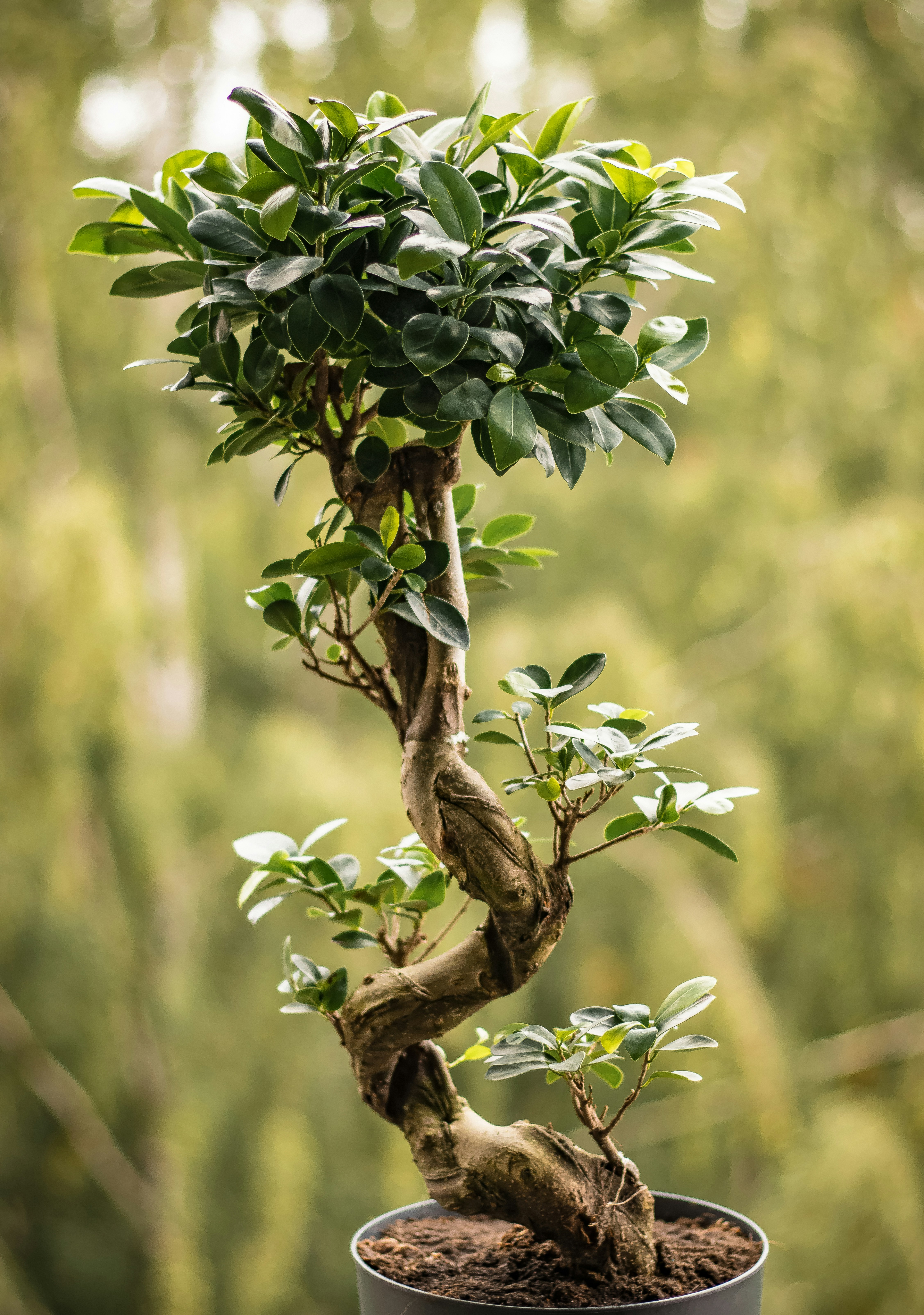
Before we get our hands dirty, let’s take a quick stroll down bonsai’s leafy lane. Bonsai is an ancient Japanese art form dating back over a thousand years, inspired by Chinese penjing. The goal? To capture the grandeur of full-sized trees in miniature form — a living sculpture that reflects nature’s beauty and the grower’s vision.
Why Pruning and Training Are Bonsai’s Heartbeat
- Pruning controls size and encourages dense, fine branching.
- Training (wiring, clipping) sculpts the tree’s silhouette and branch placement.
- Together, they balance aesthetics and health, ensuring your bonsai looks natural yet refined.
Historical Tidbit:
Early bonsai masters used simple tools and natural materials like bamboo for wiring. Today, we have precision stainless steel tools and anodized aluminum wire, making shaping easier and safer for the tree.
For a fascinating read on bonsai history and techniques, visit the Bonsai Garden™ Bonsai Inspiration and Ideas section.
🛠️ Essential Bonsai Tools for Pruning and Training: What You Need to Get Started
You wouldn’t sculpt a statue without chisels, right? Same goes for bonsai! Having the right tools is half the battle won.
Bonsai Tool Rating Table (1-10 Scale)
| Tool Type | Design | Functionality | Durability | Ease of Use | Overall Score |
|---|---|---|---|---|---|
| Bonsai Shears | 9 | 9 | 8 | 9 | 8.8 |
| Concave Cutters | 8 | 10 | 9 | 8 | 8.8 |
| Branch Cutters | 8 | 9 | 8 | 8 | 8.3 |
| Wiring Pliers | 7 | 8 | 7 | 7 | 7.3 |
| Root Rake | 7 | 7 | 7 | 7 | 7.0 |
Our Top Tool Picks
- Bonsai Shears: The go-to for trimming leaves and small branches. Brands like Seki Edge and Yoshiharu offer razor-sharp, ergonomic models.
- Concave Cutters: Perfect for cutting branches close to the trunk, leaving a smooth wound that heals beautifully. We swear by ARS concave cutters.
- Branch Cutters: For thicker branches, these heavy-duty cutters from Okatsune are a must-have.
- Wiring Pliers: To bend and cut bonsai wire without damaging it. Look for stainless steel pliers with cushioned grips.
- Root Rake: Essential during repotting to gently untangle roots.
Pro Tip:
Always sterilize your tools before pruning to prevent disease spread. A quick wipe with rubbing alcohol does wonders!
👉 Shop bonsai tools on Amazon:
1️⃣ Understanding Bonsai Tree Growth Patterns: Why Shape Matters
To prune and train effectively, you’ve got to know how your bonsai grows. Different species have unique growth habits — some shoot out new growth rapidly, others grow slowly and steadily.
Growth Patterns to Know
- Apical Dominance: The top bud suppresses lower buds, so pruning the apex encourages side branches.
- Ramification: The process of developing fine branching, crucial for a dense canopy.
- Leaf Size Reduction: Achieved through pruning and defoliation to maintain scale.
Why Shape Is More Than Skin-Deep
Your bonsai’s shape isn’t just about looks — it affects:
- Light penetration: Proper branch spacing ensures all parts get sunlight.
- Air circulation: Prevents fungal diseases.
- Structural balance: Avoids stress on branches and trunk.
Our Experience:
We once had a juniper bonsai that grew wildly until we understood its apical dominance. After carefully pruning the top, it branched out beautifully, creating a lush, balanced canopy.
For species-specific growth insights, visit our Bonsai Species Guide.
2️⃣ Step-by-Step Guide to Pruning Bonsai Trees: Techniques That Work
Ready to snip? Here’s a detailed walkthrough from Bonsai Garden™ experts on how to prune your bonsai like a seasoned artist.
Step 1: Assess Your Tree’s Shape and Health
- Identify the front of your bonsai (the best angle to display).
- Look for dead, diseased, or crossing branches to remove.
- Visualize the desired silhouette.
Step 2: Clean Up Unwanted Growth
- Remove weak or spindly branches.
- Cut back overly vigorous shoots.
- Thin out crowded areas to improve airflow.
Step 3: Shape the Tree
- Prune back to a bud or branch growing in the desired direction.
- Maintain a tapering form — thicker branches at the base, finer at the tips.
- Use concave cutters for larger branches to promote healing.
Step 4: Pinch and Trim New Growth
- Use bonsai shears to pinch back fresh shoots regularly.
- This encourages ramification and denser foliage.
Step 5: Post-Pruning Care
- Water thoroughly.
- Avoid fertilizing immediately after heavy pruning.
- Monitor for stress signs.
Pro Tip:
Don’t prune more than 30% of the foliage at once to avoid shocking your bonsai.
3️⃣ Wiring and Training Your Bonsai: Sculpting Nature with Style
Pruning shapes the structure; wiring sculpts the form. Wiring lets you bend and position branches to create your artistic vision.
Wiring Basics
- Use anodized aluminum or annealed copper wire — aluminum is beginner-friendly.
- Start wiring from the trunk or main branches, moving to smaller branches.
- Wrap wire at a 45-degree angle, snug but not tight.
How Long to Leave Wire On?
- Typically 4-6 weeks, but depends on species and growth rate.
- Check regularly to prevent wire cutting into bark.
Wiring Tools We Recommend
- Okatsune Bonsai Wire Cutters: Designed to cut wire cleanly without damaging branches.
- Seki Edge Pliers: Great for bending wire precisely.
Training Tips
- Wire branches to create natural curves and movement.
- Avoid forcing branches into unnatural positions.
- Combine wiring with pruning for best results.
Anecdote:
One of our favorite projects was a maple bonsai wired into a dramatic windswept style. It took several wiring sessions and careful pruning, but the final effect was breathtaking — a miniature storm captured in wood and leaves!
4️⃣ Seasonal Pruning Tips: When and How to Trim for Optimal Shape
Timing is everything in bonsai pruning. Different seasons call for different approaches.
| Season | Pruning Focus | Tips |
|---|---|---|
| Early Spring | Structural pruning before growth starts | Remove large branches, shape silhouette |
| Late Spring | Pinching new growth | Encourage ramification |
| Summer | Light pruning, wiring adjustments | Avoid heavy cuts to reduce stress |
| Fall | Clean up dead leaves, minor shaping | Prepare for dormancy |
| Winter | Minimal pruning (species-dependent) | Rest period; structural pruning for some |
Why Seasonal Pruning Matters
- Pruning in early spring promotes vigorous growth.
- Summer pruning prevents overgrowth.
- Fall pruning helps prepare for winter dormancy.
Species-Specific Notes
- Deciduous trees like maples respond well to early spring pruning.
- Evergreens like junipers prefer light pruning in summer.
For detailed seasonal care, check out our Bonsai Care Basics.
5️⃣ Common Mistakes to Avoid When Pruning and Training Bonsai
Even the best gardeners slip up sometimes. Here are the pitfalls we’ve seen and how to dodge them.
| Mistake | Why It’s a Problem | How to Avoid |
|---|---|---|
| Over-pruning | Stresses the tree, slows growth | Prune gradually, max 30% foliage removal |
| Using dull tools | Ragged cuts invite disease | Sharpen and sterilize tools regularly |
| Leaving wiring on too long | Wire scars and damages bark | Check wiring every 2 weeks |
| Ignoring species needs | Wrong timing or technique harms growth | Research species-specific care |
| Pruning without a plan | Unbalanced or unnatural shape | Visualize desired shape before cutting |
Our Story:
We once rushed to prune a ficus bonsai heavily in summer and nearly lost it to shock. Lesson learned: patience and timing are everything!
🌿 Advanced Techniques: Defoliation, Jin, and Shari for Bonsai Mastery
Ready to level up? These advanced methods add drama and realism to your bonsai.
Defoliation
- Removing all leaves to stimulate new, smaller leaf growth.
- Best done in mid-summer on deciduous species.
- Requires careful aftercare to avoid stress.
Jin and Shari
- Jin: Creating deadwood on branches by stripping bark to simulate age.
- Shari: Exposing deadwood on the trunk.
- Adds character and the illusion of weathered age.
Tools for Deadwood Techniques
- Dremel rotary tools for precise carving.
- Wire brushes for texture.
Caution:
These techniques are for experienced growers — improper use can harm your bonsai.
🌞 Caring for Your Bonsai Post-Pruning: Watering, Fertilizing, and Protection
Pruning is just half the story. Aftercare ensures your bonsai recovers and thrives.
Watering
- Keep soil moist but not soggy.
- Pruned bonsai may need more frequent watering due to reduced foliage.
Fertilizing
- Hold off fertilizing for 1-2 weeks after heavy pruning.
- Use balanced bonsai fertilizers like Biogold or Dyna-Gro Bonsai Pro.
Protection
- Avoid direct harsh sunlight immediately after pruning.
- Shield from strong winds and pests.
Our Experience:
After pruning, we always place bonsai in a shaded, humid spot for a few days — it’s like a spa day for the tree!
🌱 Troubleshooting Bonsai Shape Issues: How to Fix Overgrowth and Imbalance
Sometimes your bonsai grows wild or lopsided despite your best efforts. Here’s how to get back on track.
Overgrowth
- Solution: Hard pruning during dormancy to reset shape.
- Follow with wiring and regular maintenance.
Imbalance or Crowding
- Remove crossing branches.
- Thin out dense areas to improve airflow and light.
Sparse Areas
- Encourage growth by pruning competing branches.
- Consider grafting or layering for new branches.
When to Repot
- Root health affects shape — repot every 2-3 years to refresh soil and prune roots.
🎨 Inspiring Bonsai Styles to Try: From Formal Upright to Windswept
Want to know what shape to aim for? Here are some classic bonsai styles to inspire your pruning and training.
| Style Name | Description | Pruning & Training Focus |
|---|---|---|
| Formal Upright | Straight trunk, balanced branches | Symmetrical pruning, strong apex |
| Informal Upright | Slightly curved trunk, natural look | Wiring for gentle bends |
| Slanting | Trunk slants to one side | Wiring to maintain angle |
| Cascade | Trunk cascades downward over pot edge | Wiring and pruning to maintain flow |
| Windswept | Branches swept to one side by wind | Aggressive wiring, asymmetrical pruning |
Explore these styles in our Bonsai Inspiration and Ideas for visual guides and tips.
🌍 Bonsai in the Garden: Integrating Your Miniature Trees into Outdoor Spaces
Your bonsai isn’t just a plant — it’s a living sculpture that can enhance your garden’s charm.
Placement Tips
- Choose a spot with filtered sunlight.
- Avoid extreme weather exposure.
- Use decorative pots and stands to complement your garden’s theme.
Seasonal Care Outdoors
- Protect from frost in winter.
- Monitor for pests common in your region.
Our Favorite Outdoor Bonsai
- Juniper and pine species thrive outdoors and develop stunning natural shapes.
📚 Recommended Books and Resources for Bonsai Pruning and Training
Want to become a bonsai guru? These books are our go-to references:
- “Bonsai Basics” by Colin Lewis — A beginner-friendly guide with clear pruning instructions.
- “The Complete Book of Bonsai” by Harry Tomlinson — Covers advanced training techniques.
- “Bonsai Techniques I & II” by John Yoshio Naka — From the legendary bonsai master himself.
- “Bonsai: The Art of Growing and Keeping Miniature Trees” by Peter Chan — Beautiful photos and practical advice.
🔗 Useful Online Communities and Forums for Bonsai Enthusiasts
Learning from others is priceless. Join these vibrant communities:
- Bonsai Nut Forum: https://bonsainut.com/
- Bonsai Empire Forum: https://bonsaiempire.com/forum
- Reddit r/Bonsai: https://www.reddit.com/r/Bonsai/
- Facebook Groups: Search “Bonsai Garden™” for local and international groups.
Engage with fellow enthusiasts, share photos, and get expert advice!
For a beginner-friendly demonstration of pruning and training techniques, don’t miss the first YouTube video embedded in this article. It offers practical tips on identifying the bonsai front, choosing pruning directions, and using bonsai shears effectively.
We’re just getting started! Ready to master the art of bonsai pruning and training? Stay tuned for the conclusion and FAQs coming up next. Meanwhile, explore our Bonsai FAQs for quick answers to common questions.
✅ Conclusion: Mastering the Art of Bonsai Pruning and Training
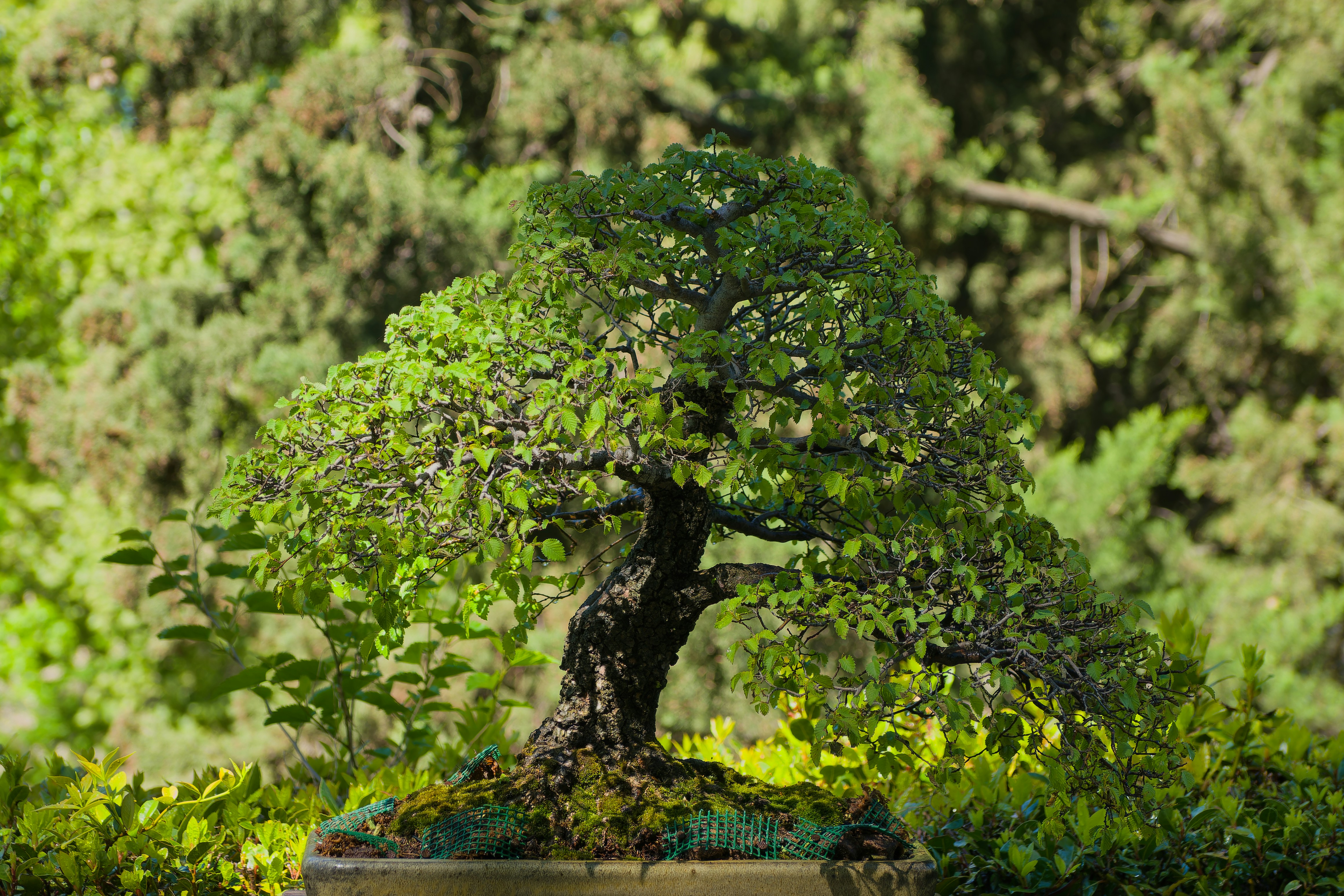
And there you have it — a comprehensive roadmap to pruning and training your bonsai trees to maintain their exquisite shape in your garden! From understanding growth patterns to wielding your tools like a bonsai samurai, we’ve covered the essentials and advanced techniques that will elevate your bonsai artistry.
Remember: bonsai is a journey, not a destination. Patience, observation, and gentle guidance are your best allies. Prune regularly but thoughtfully, wire carefully but not too tightly, and always respect your tree’s natural growth habits. With consistent care and attention, your bonsai will thrive, telling a story of nature’s beauty and your nurturing hand.
No more wondering which branches to trim or when to wire — now you’re equipped with the knowledge and confidence to shape your bonsai like a pro. And if you ever feel stuck, remember the bonsai community is vast and welcoming, ready to help you grow alongside your trees.
Happy pruning and training! 🌿✨
🔗 Recommended Links for Further Bonsai Learning and Shopping
Bonsai Tools & Supplies
- Seki Edge Bonsai Shears: Amazon | Seki Edge Official Website
- ARS Concave Cutters: Amazon | ARS Official Website
- Okatsune Branch Cutters: Amazon | Okatsune Official Website
- Okatsune Bonsai Wire Cutters: Amazon
- Biogold Bonsai Fertilizer: Amazon
- Dyna-Gro Bonsai Pro Fertilizer: Amazon
Recommended Bonsai Books
- Bonsai Basics by Colin Lewis: Amazon
- The Complete Book of Bonsai by Harry Tomlinson: Amazon
- Bonsai Techniques I & II by John Yoshio Naka: Amazon
- Bonsai: The Art of Growing and Keeping Miniature Trees by Peter Chan: Amazon
❓ FAQ: Your Burning Questions About Bonsai Pruning and Training Answered
What are common mistakes to avoid when pruning and training bonsai?
Avoid over-pruning, which stresses the tree and slows growth. Use sharp, sterilized tools to prevent ragged cuts that invite disease. Don’t leave wiring on too long — it can scar bark. Also, avoid pruning without a clear plan; visualize your desired shape first. Lastly, respect species-specific needs and pruning seasons to prevent shock.
Can wiring help in shaping bonsai trees, and how is it done?
Absolutely! Wiring is a primary training method to bend and position branches. Use anodized aluminum or annealed copper wire, wrapping it at a 45-degree angle around branches. Start from the trunk or main branches, moving outward. Leave wire on for 4-6 weeks, checking regularly to avoid cutting into bark. Wiring sculpts natural curves and balances the silhouette.
How do I identify which branches to trim on my bonsai?
Focus on removing dead, diseased, crossing, or inward-growing branches. Thin crowded areas to improve airflow and light penetration. Prune branches that disrupt the desired silhouette or balance. Always cut back to a healthy bud or branch growing in the direction you want.
When is the ideal time to prune bonsai trees during the year?
Generally, early spring is best for structural pruning before new growth starts. Late spring and summer are for pinching and light pruning to encourage ramification. Fall is for cleaning up dead leaves and minor shaping. Winter pruning depends on species; some deciduous trees tolerate it, but evergreens usually rest.
What techniques can I use to train bonsai branches effectively?
Besides wiring, use pinching to remove new shoots and encourage dense branching. Advanced techniques include defoliation (removing leaves to reduce leaf size) and deadwood creation (jin and shari) for artistic effect. Combine pruning and wiring for best results.
How often should I prune my bonsai to keep its shape?
Frequency depends on species and growth rate. Fast growers may need pruning every few weeks during the growing season, while slow growers require less frequent trimming. Regular observation is key — prune when new growth disrupts the shape.
How much sunlight and shade does a bonsai tree need to maintain its shape and health in a garden environment?
Most bonsai prefer filtered sunlight or partial shade, especially during hot afternoons. Species like junipers and pines enjoy full sun, while tropical bonsai may need more shade. Proper light encourages healthy growth and vibrant foliage.
Can I grow a bonsai tree from a seed, and if so, what are the steps to follow?
Yes! Growing bonsai from seed is rewarding but requires patience. Steps:
- Select seeds from species suitable for bonsai.
- Stratify seeds if needed (cold treatment).
- Sow in well-draining bonsai soil.
- Keep moist and warm until germination.
- Transplant seedlings carefully and begin shaping after a few years.
What are the different styles of bonsai trees and how do I choose the right one for my garden?
Classic styles include Formal Upright, Informal Upright, Slanting, Cascade, and Windswept. Choose based on your aesthetic preference, species characteristics, and garden space. For example, cascade styles suit small pots near water features, while formal upright fits traditional settings.
How can I protect my bonsai tree from pests and diseases in an outdoor garden setting?
Regularly inspect your bonsai for pests like aphids, spider mites, and scale. Use insecticidal soaps or neem oil as organic treatments. Maintain good airflow and avoid overwatering to prevent fungal diseases. Quarantine new plants before introducing them.
What are the most common mistakes to avoid when pruning a bonsai tree for the first time?
Beginners often prune too aggressively or at the wrong time, causing stress. Another mistake is not sterilizing tools, leading to infections. Avoid wiring too tightly or leaving wire on too long. Always research your bonsai species and plan your cuts.
How often should I water my bonsai tree to keep it healthy and thriving in a garden?
Watering frequency depends on species, pot size, soil, and weather. Generally, water when the topsoil feels slightly dry. Bonsai in smaller pots dry out faster. During hot weather or after pruning, increase watering frequency. Avoid letting roots sit in waterlogged soil.
What are the basic tools needed for pruning and training a bonsai tree?
Essential tools include:
- Bonsai shears for trimming leaves and small branches.
- Concave cutters for larger branches.
- Branch cutters for thick branches.
- Wiring pliers for bending and cutting wire.
- Root rake for repotting.
Sterilize tools before use to keep your bonsai healthy.
📑 Reference Links and Credible Sources
- Why Should You Prune | Pruning Basics and Easy Tips | joegardener® — A deep dive into pruning principles and techniques.
- Seki Edge Official Website — Trusted bonsai tool manufacturer.
- ARS USA Official Website — Makers of premium concave cutters.
- Okatsune Official Website — Renowned Japanese bonsai tools.
- Bonsai Empire — Comprehensive bonsai care and styling guides.
- Bonsai Nut Forum — Active bonsai community and resources.
- American Bonsai Society — Educational resources and events.
For more expert tips and community support, visit Bonsai Garden™.