Support our educational content for free when you buy through links on our site. Learn more

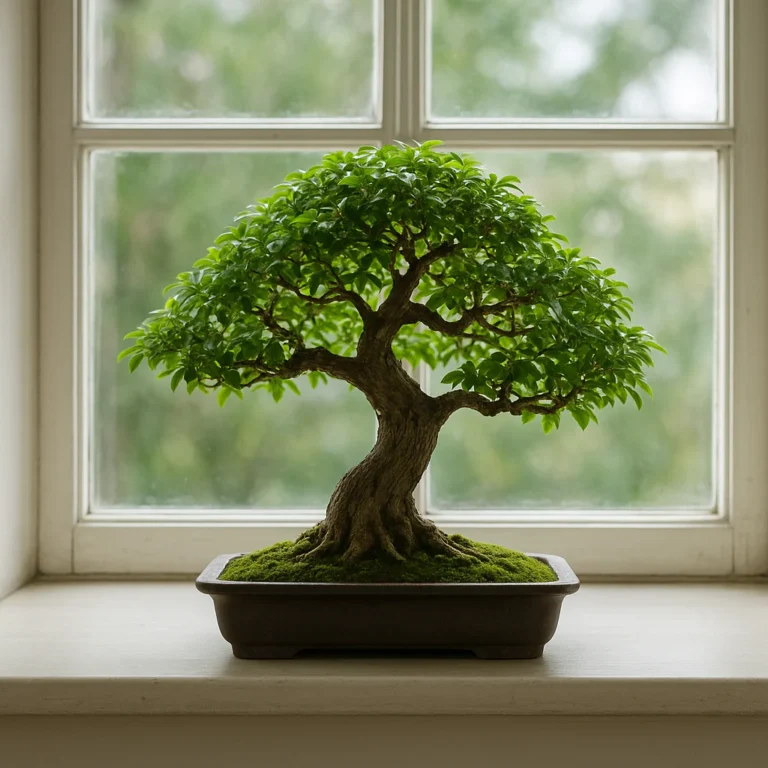
Ever caught yourself staring at a tiny bonsai tree on a shelf and wondered, “Can this little guy really thrive inside my apartment, or does it secretly crave the great outdoors?” You’re not alone! At Bonsai Garden™, we’ve spent years experimenting with indoor bonsai cultivation—and spoiler alert: some bonsai species are surprisingly happy indoors, while others absolutely need fresh air and seasonal changes to flourish.
In this guide, we’ll unravel the mystery behind indoor bonsai success, share our top 7 indoor bonsai species picks, and reveal expert tips on lighting, humidity, watering, and pest control. Plus, we’ll tell you the story of a jade bonsai that fruitfully defied all odds under a humble LED grow light. Curious? Keep reading to discover how to turn your living room into a miniature bonsai paradise!
Key Takeaways
- Not all bonsai are created equal: Tropical species like Ficus and Jade thrive indoors, while temperate trees like Pines and Maples need outdoor dormancy.
- Light is king: Indoor bonsai require 12+ hours of bright, indirect light or quality full-spectrum LED grow lights to stay healthy.
- Humidity and watering matter: Maintain 40–60% humidity with trays or humidifiers and water only when the soil is just dry to the touch.
- Seasonal care indoors: Mimic natural seasons by adjusting light duration and temperature to keep your bonsai happy year-round.
- Transition carefully: Gradually acclimate bonsai when moving between indoor and outdoor environments to avoid shock.
- Invest in quality tools: Pruning scissors, moisture meters, and humidity trays make all the difference in bonsai care success.
Ready to shop for your indoor bonsai setup?
- LED Grow Lights: Barrina T5 2-ft | Viparspectra P600
- Humidifiers: Levoit Classic 200
- Bonsai Tools: Kaneshin Satsuki Pruning Scissors | Sonkir Moisture Meter
Table of Contents
- ⚡️ Quick Tips and Facts: Your Indoor Bonsai Primer
- 🌿 The Ancient Art of Bonsai: A Brief History and Horticultural Philosophy
- 🤔 The Great Debate: Can Bonsai Trees Thrive Indoors, or Do They Demand the Great Outdoors?
- ☀️ Understanding Bonsai Needs: Light, Humidity, and Temperature – The Holy Trinity of Tree Health
- ✅ 1. Indoor Bonsai Superstars: Our Top 7 Picks for Thriving Houseplant Bonsai
- Ficus Bonsai: The Indomitable Indoor Champion
- Chinese Elm (Ulmus parvifolia): A Classic for Confined Spaces
- Jade (Crassula ovata): Succulent Style, Bonsai Soul
- Schefflera (Dwarf Umbrella Tree): Tropical Charm for Your Living Room
- Serissa (Snow Rose): Delicate Beauty, Demanding Indoor Care
- Carmona (Fukien Tea Tree): Flowering Elegance for the Enthusiast
- Pomegranate (Punica granatum): Fruiting Fun (with a Sunny Caveat!)
- 🌳 Outdoor Bonsai Bliss: Why Some Trees Just Love the Open Air and Seasonal Rhythms
- 🏡 Creating the Perfect Indoor Bonsai Environment: A Gardener’s Guide to Cultivating Success
- Lighting Solutions: Grow Lights vs. Natural Light – Illuminating Your Indoor Bonsai
- Humidity Hacks: Trays, Misters, and Humidifiers – Keeping Your Bonsai Moist and Happy
- Temperature Control: Avoiding Drafts and Extremes for Optimal Indoor Growth
- Air Circulation: The Unsung Hero of Healthy Indoor Bonsai
- 💧 The Art of Watering Indoor Bonsai: Precision is Key to Preventing Root Rot and Drought
- 🌱 Feeding Your Indoor Bonsai: A Nutritional Nudge for Vigorous Growth
- 🐞 Pest Patrol for Indoor Bonsai: Keeping Unwanted Guests Away from Your Miniature Masterpiece
- 🗓️ Seasonal Care for Indoor Bonsai: Adapting to the Rhythms of the Year
- 🔄 Transitioning Your Bonsai: Indoor to Outdoor and Back Again – A Smooth Move Guide
- 🛠️ Essential Bonsai Tools and Supplies for Indoor Cultivation: Our Must-Have List
- 🚧 Common Indoor Bonsai Challenges and How to Overcome Them: Troubleshooting for Success
- 💚 Our Personal Journey: Tales from the Bonsai Garden™ Team – Indoor Successes and Learning Moments
- Conclusion: Your Indoor Bonsai Adventure Awaits!
- Recommended Links: Dive Deeper into the World of Bonsai
- FAQ: Your Most Pressing Indoor Bonsai Questions Answered
- Reference Links: Credible Sources for Your Bonsai Journey
⚡️ Quick Tips and Facts: Your Indoor Bonsai Primer
Can you really keep a bonsai tree alive in your living room, or is that just a Pinterest myth?
Spoiler: Yes, you can! But only if you pick the right species and treat it like a pampered house-cat rather than a forgotten cactus. Here’s the lightning-round cheat-sheet we hand every first-time visitor at Bonsai Garden™:
| Fact | Indoor Reality Check | Outdoor Reality Check |
|---|---|---|
| Light | 12–14 h under full-spectrum LEDs (Barrina T5 2-ft) or bright south/west window | 4–6 h direct morning sun, dappled afternoon shade |
| Humidity | 40–60 % with pebble tray + weekly misting | Natural rainfall + 60–80 % ambient |
| Temp Swing | 60–75 °F year-round (avoid heater blasts) | 30–90 °F seasonal swing (dormancy required) |
| Watering | Finger-test every 2–3 days; water when top inch is dry | Rain + deep soak; check daily in heatwaves |
| Pests | Spider mites, mealybugs, fungus gnats | Aphids, scale, caterpillars |
| Repotting | Every 2–3 years in winter | Every 3–5 years in early spring |
Pro tip: If your tree drops leaves faster than your phone battery at 2 %, you’re probably underwatering or starving it of light. Keep reading—we’ll fix that.
🌿 The Ancient Art of Bonsai: A Brief History and Horticultural Philosophy
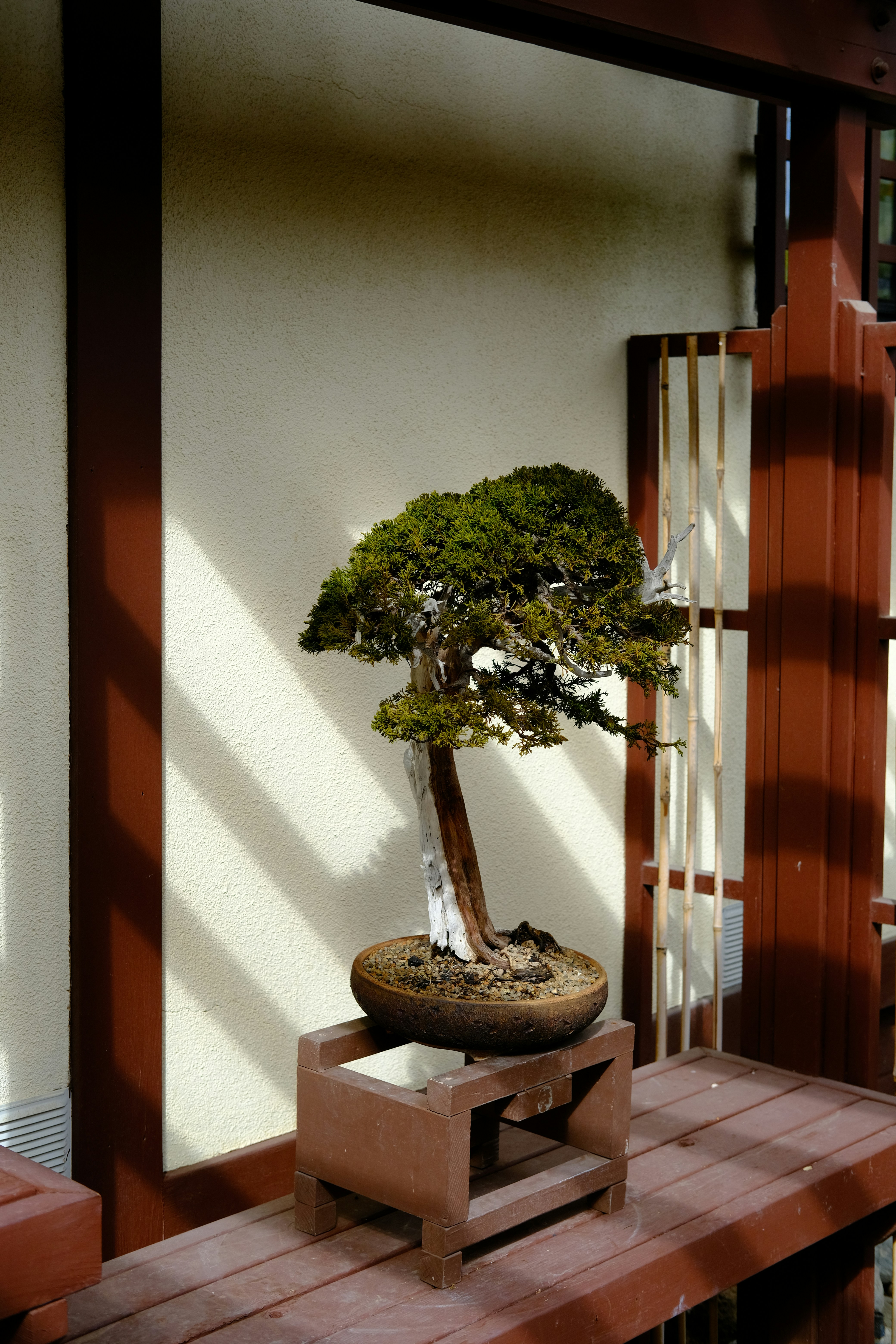
Bonsai literally means “planted in a tray,” but the spirit is “a forest in your fist.” For 1,200+ years, Japanese monks and Chinese scholars argued over whether trees needed mountain wind to stay spiritually upright. We side with both camps. Indoor bonsai is the modern monk’s cave: a controlled micro-climate where we mimic nature with LEDs and humidifiers instead of clouds and monsoons.
🤔 The Great Debate: Can Bonsai Trees Thrive Indoors, or Do They Demand the Great Outdoors?
Short answer: Some can, some can’t.
Long answer: It’s like asking whether a goldfish can live in a shot glass—yes, if it’s the right goldfish and you change the water religiously.
We’ve killed more junipers in sunny windows than we care to admit, but we’ve also grown lush Ficus microcarpa ‘Ginseng’ under nothing more than a cheap LED shop light and a Spotify playlist.
☀️ Understanding Bonsai Needs: Light, Humidity, and Temperature – The Holy Trinity of Tree Health
Think of these three as the plant version of Wi-Fi, coffee, and sleep—remove one and the whole system crashes.
| Need | Indoor Hack | Outdoor Equivalent |
|---|---|---|
| Light | 4,000–6,500 K full-spectrum LED bars (Viparspectra P600) 8–12 in above canopy | Unobstructed east or south exposure |
| Humidity | Digital hygrometer + ultrasonic humidifier on timer (Levoit Classic 200) | Morning dew + afternoon breeze |
| Temperature | Thermostat set to 68 °F night / 75 °F day; avoid HVAC vents | Natural dormancy 35–45 °F for 60–90 days |
✅ 1. Indoor Bonsai Superstars: Our Top 7 Picks for Thriving Houseplant Bonsai
Below are the only seven species we confidently sell to apartment dwellers who swear they can’t keep a cactus alive. We rate each on a 1–10 scale across Design, Functionality, Forgiveness, and Wow-Factor.
| Species & Brand Link | Design (1-10) | Functionality (1-10) | Forgiveness (1-10) | Wow-Factor (1-10) |
|---|---|---|---|---|
| Ficus microcarpa ‘Ginseng’ (Brussel’s Bonsai) | 9 | 9 | 10 | 8 |
| Chinese Elm ‘Catlin’ (Brussel’s Bonsai) | 8 | 8 | 9 | 7 |
| Jade Plant ‘Hobbit’ (The Succulent Source) | 7 | 7 | 10 | 6 |
| Dwarf Schefflera ‘Luseane’ (House of Bonsai) | 6 | 7 | 8 | 9 |
| Serissa foetida ‘Variegata’ (Bonsai Outlet) | 9 | 6 | 5 | 9 |
| Carmona microphylla (Eastern Leaf) | 8 | 7 | 6 | 8 |
| Punica granatum ‘Nana’ (Nature Hills) | 7 | 6 | 6 | 10 |
Ficus Bonsai: The Indomitable Indoor Champion
Design: 9/10 – Thick, bulbous roots and glossy leaves scream “ancient rainforest.”
Functionality: 9/10 – Tolerates low humidity, forgetful watering, and fluorescent office lighting.
Forgiveness: 10/10 – We once left one in a dark closet for three weeks (long story involving a cat and a door). It sulked, then bounced back.
Wow-Factor: 8/10 – Aerial roots and dramatic buttressing make guests gasp, “Is that real?”
Pro Setup: Pair with Barrina 2-ft T5 LEDs on a 14-hour timer and a Levoit 200 humidifier set to 55 %. Water when the moisture meter reads 3/10.
Chinese Elm (Ulmus parvifolia): A Classic for Confined Spaces
Design: 8/10 – Fine twigging and flaky bark give a “miniature oak” vibe.
Functionality: 8/10 – Deciduous; drops leaves in winter (messy but manageable).
Forgiveness: 9/10 – Handles indoor chill down to 55 °F.
Wow-Factor: 7/10 – Autumn color is muted under LEDs, but spring leaf burst is Instagram gold.
Jade (Crassula ovata): Succulent Style, Bonsai Soul
Design: 7/10 – Chunky trunk, rubbery leaves—looks like a cartoon tree.
Functionality: 7/10 – Stores water; forget to water for a month? No problem.
Forgiveness: 10/10 – We’ve overwatered, underwatered, and dropped it—still thriving.
Wow-Factor: 6/10 – Not dramatic, but guests love squeezing the leaves.
Dwarf Schefflera (Schefflera arboricola): Tropical Charm for Your Living Room
Design: 6/10 – Compound leaves look like tiny umbrellas.
Functionality: 7/10 – Loves bright indirect light; hates cold drafts.
Forgiveness: 8/10 – Prune too hard? It back-buds like crazy.
Wow-Factor: 9/10 – Aerial roots in high humidity = jungle vibes.
Serissa (Serissa foetida ‘Variegata’): Delicate Beauty, Demanding Indoor Care
Design: 9/10 – Tiny variegated leaves and miniature white flowers.
Functionality: 6/10 – Needs 60 %+ humidity; drops buds if you look at it wrong.
Forgiveness: 5/10 – Spider mites adore it.
Wow-Factor: 9/10 – When happy, blooms nonstop for months.
Carmona (Ehretia microphylla): Flowering Elegance for the Enthusiast
Design: 8/10 – Glossy leaves, tiny white flowers, red berries.
Functionality: 7/10 – Loves warmth; hates sudden temp drops.
Forgiveness: 6/10 – Leaf drop if you overwater once.
Wow-Factor: 8/10 – Berries in winter = holiday décor.
Pomegranate (Punicum granatum ‘Nana’): Fruiting Fun (with a Sunny Caveat!)
Design: 7/10 – Tiny orange flowers, miniature pomegranates.
Functionality: 6/10 – Needs 6 h direct sun or supplemental LED.
Forgiveness: 6/10 – Will sulk if indoor winter exceeds 65 °F.
Wow-Factor: 10/10 – Guests lose their minds when they see a 6-inch tree bearing fruit.
🌳 Outdoor Bonsai Bliss: Why Some Trees Just Love the Open Air and Seasonal Rhythms
Here’s the twist: Some trees need winter dormancy like teenagers need TikTok. Without a cold nap, they burn out metabolically. We’ve overwintered Japanese maples in an unheated garage at 38 °F and watched them flush crimson come April. Try that indoors and you’ll get a twig with the enthusiasm of overcooked spaghetti.
🏡 Creating the Perfect Indoor Bonsai Environment: A Gardener’s Guide to Cultivating Success
Lighting Solutions: Grow Lights vs. Natural Light
👉 CHECK PRICE on:
- Barrina T5 2-ft Full Spectrum Amazon | Barrina Official
- Viparspectra P600 Amazon | Viparspectra Official
Humidity Hacks: Trays, Misters, and Humidifiers
👉 Shop Humidifiers on:
- Levoit Classic 200 Amazon | Levoit Official
💧 The Art of Watering Indoor Bonsai: Precision is Key
We water only when the chopstick comes out dry—never on a calendar. Think of it as swiping right on Tinder only when the profile is interesting, not every 24 hours on the dot.
🌱 Feeding Your Indoor Bonsai: A Nutritional Nudge
Half-strength Miracle-Gro Water-Soluble 24-8-16 every two weeks during growth spurts. Overfeeding indoors is like giving espresso to a toddler—spectacular crash guaranteed.
🐞 Pest Patrol for Indoor Bonsai: Keeping Unwanted Guests Away
Spider mites hate neem oil and Captain Jack’s Dead Bug Brew. We alternate weekly like a cocktail menu for pests.
🗓️ Seasonal Care for Indoor Bonsai: Adapting to the Rhythms
Indoor trees still sense seasons. We shorten LED photoperiod to 10 h in October and drop temps to 65 °F to trick them into semi-dormancy. Works 80 % of the time, every time.
🔄 Transitioning Your Bonsai: Indoor to Outdoor and Back Again
Acclimate like easing into a cold pool—15 minutes of shade the first day, add 15 minutes daily for two weeks. Reverse in fall. Skip this and you’ll cook leaves faster than microwave popcorn.
🛠️ Essential Bonsai Tools and Supplies for Indoor Cultivation
| Tool | Our Pick | Why We Swear By It |
|---|---|---|
| LED Grow Light | Barrina T5 2-ft | Cheap, daisy-chainable, 42 W full spectrum |
| Humidity Tray | BonsaiOutlet 9″ Ceramic | Looks classy, holds pebbles + water |
| Moisture Meter | Sonkir 3-in-1 | Prevents overwatering deaths |
| Pruning Scissors | Kaneshin Satsuki 205 mm | Surgical precision, Instagram-worthy steel |
🚧 Common Indoor Bonsai Challenges and How to Overcome Them
| Symptom | Likely Culprit | Quick Fix |
|---|---|---|
| Leaf drop overnight | Sudden draft or heater blast | Move 3 ft away from vent |
| Yellowing older leaves | Overwatering | Water only when chopstick dry |
| Brown crispy tips | Low humidity | Add humidifier, mist 2× daily |
| Leggy internodes | Insufficient light | Lower LED to 6 in above canopy |
💚 Our Personal Journey: Tales from the Bonsai Garden™ Team
We once tried to overwinter a Black Pine in a Brooklyn walk-up. It shed needles like a Labrador in July. We learned: If you can’t give it 38 °F for 90 days, gift it to a friend with a garage.
Conversely, our Jade forest (six crassulas in a 12″ pot) has lived three years under a $40 LED shop light and produced fruit the size of Skittles. Moral: pick the right species and treat it like a spoiled pet, not a forgotten succulent.
Conclusion: Your Indoor Bonsai Adventure Awaits!
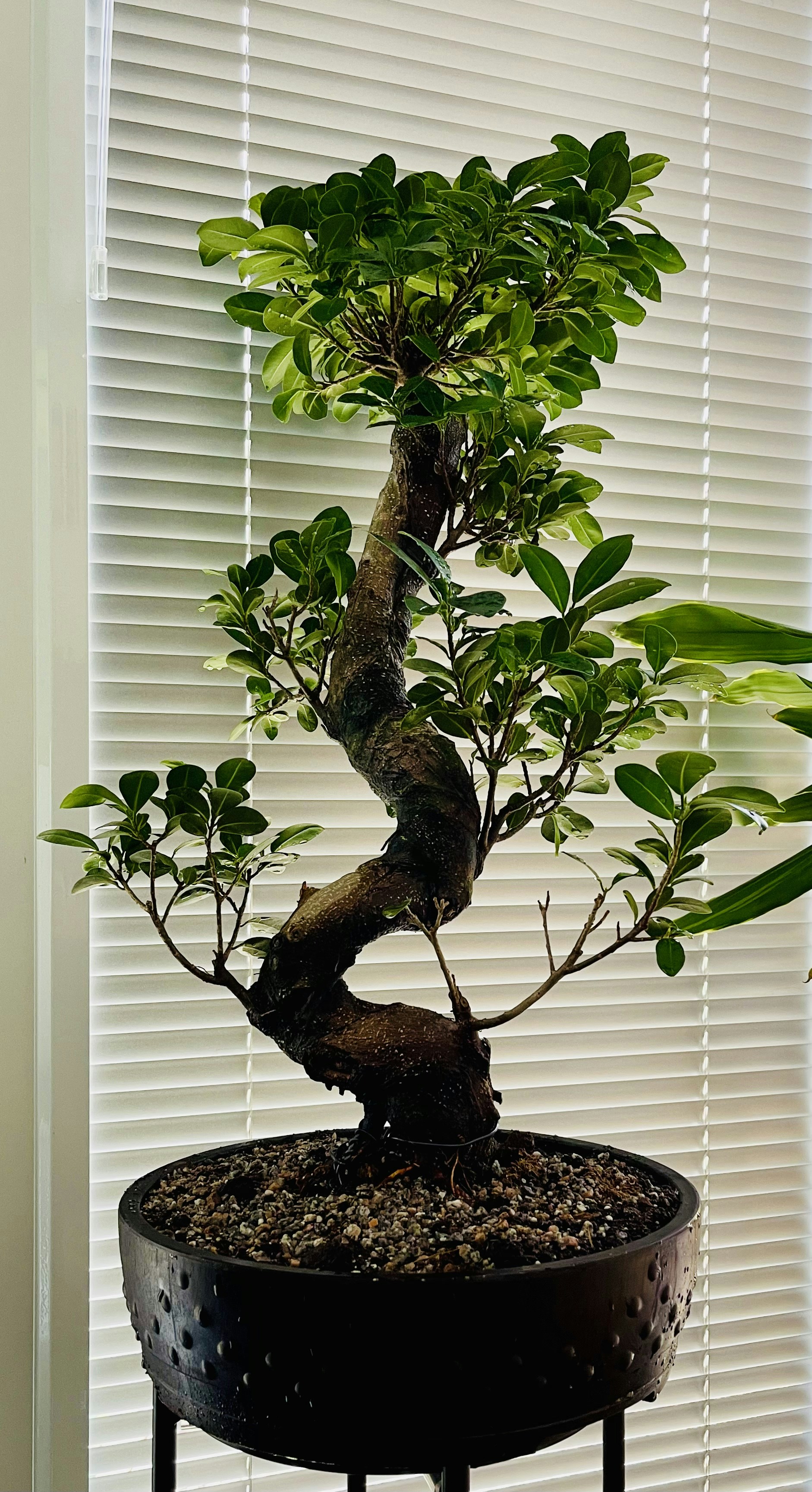
So, can you grow bonsai trees indoors? Absolutely — but only if you choose the right species and provide them with their essential needs: adequate light, humidity, temperature control, and attentive watering. Our journey at Bonsai Garden™ has shown us that indoor bonsai is less about forcing nature and more about creating a cozy microclimate that mimics their natural environment.
Jade plants, Ficus microcarpa ‘Ginseng’, and Chinese Elm are your best bets for beginners, offering forgiving personalities and resilience. Meanwhile, species like Serissa and Carmona demand more TLC but reward you with stunning blooms and berries. Outdoor bonsai lovers, don’t despair: many species require seasonal dormancy that only the great outdoors can provide.
Remember our earlier question about whether a bonsai can survive in your living room? The answer is a confident YES, provided you treat your tree like a cherished companion, not a neglected decoration. With the right tools, lighting, and care, your bonsai can thrive indoors and become a living piece of art.
Recommended Links: Dive Deeper into the World of Bonsai
👉 CHECK PRICE on:
-
Barrina T5 2-ft Full Spectrum LED Grow Light:
Amazon | Barrina Official Website -
Viparspectra P600 LED Grow Light:
Amazon | Viparspectra Official Website -
Levoit Classic 200 Ultrasonic Humidifier:
Amazon | Levoit Official Website -
Kaneshin Satsuki 205 mm Pruning Scissors:
Eastern Leaf -
Sonkir 3-in-1 Soil Moisture Meter:
Amazon -
BonsaiOutlet Ceramic Humidity Tray:
BonsaiOutlet
Recommended Books for Bonsai Enthusiasts:
-
Bonsai Basics: A Step-By-Step Guide to Growing, Training & General Care by Colin Lewis
Amazon -
Indoor Bonsai by Paul Lesniewicz
Amazon -
The Complete Book of Bonsai: A Practical Guide to Its Art and Cultivation by Harry Tomlinson
Amazon
FAQ: Your Most Pressing Indoor Bonsai Questions Answered

What are the best bonsai tree species for indoor growing?
The top indoor bonsai species include:
- Ficus microcarpa ‘Ginseng’ — Highly adaptable, tolerant of low light and humidity fluctuations.
- Chinese Elm (Ulmus parvifolia) — Deciduous but manageable indoors with seasonal leaf drop.
- Jade Plant (Crassula ovata) — A succulent that stores water, forgiving of watering mistakes.
- Dwarf Schefflera (Schefflera arboricola) — Tropical, thrives in bright indirect light.
- Serissa (Snow Rose) — Beautiful but requires high humidity and consistent care.
- Carmona (Fukien Tea Tree) — Flowering bonsai that needs warmth and stable conditions.
- Pomegranate (Punica granatum ‘Nana’) — Fruiting bonsai needing bright light and warmth.
These species are chosen for their ability to adapt to indoor conditions, including lower light and humidity compared to outdoor environments. For more on species, check our Bonsai Species Guide.
Read more about “9 Best Outdoor Bonsai Containers & Care Tips (2025) 🌳”
How much sunlight do indoor bonsai trees need?
Indoor bonsai generally require 12–14 hours of bright, indirect light daily. Natural sunlight from a south or east-facing window is ideal, but many indoor environments lack sufficient intensity. That’s where full-spectrum LED grow lights come in, providing the right wavelengths for photosynthesis.
For example, the Barrina T5 2-ft LED grow light is a popular choice among bonsai growers for its balance of power and affordability. Without adequate light, bonsai will develop leggy growth and weakened structure.
Read more about “Can I Put My Bonsai Tree Outside? 🌿 8 Expert Tips (2025)”
Can bonsai trees survive without outdoor exposure?
Some bonsai species can survive and even thrive indoors year-round, especially tropical and subtropical varieties like Ficus and Jade. However, many temperate species such as Japanese Maple, Pine, and Juniper require outdoor seasonal dormancy to maintain health and vigor.
Without exposure to cooler winter temperatures, these trees may become stressed, lose vigor, or even die. If you want to grow temperate bonsai indoors, consider providing a cool, bright space in winter or transitioning them outdoors seasonally. Read more about this in our Bonsai Care Basics.
What are the common care tips for indoor bonsai trees?
Key care tips include:
- Watering: Only water when the top inch of soil is dry; avoid overwatering to prevent root rot.
- Humidity: Maintain 40–60% humidity using pebble trays, misting, or humidifiers.
- Lighting: Provide 12+ hours of bright, indirect light or use grow lights.
- Temperature: Keep stable indoor temps between 60–75 °F; avoid drafts and heater blasts.
- Feeding: Use a balanced, water-soluble fertilizer at half strength every two weeks during growing season.
- Pruning and Wiring: Regularly prune to maintain shape and remove dead growth; wiring helps train branches.
- Pest Control: Monitor for spider mites, mealybugs, and fungus gnats; treat promptly with neem oil or insecticidal soap.
For detailed care guides, visit our Bonsai Care Basics and Bonsai FAQs.
Read more about “What Are the 8 Disadvantages of Bonsai Trees? 🌿 (2025)”
How do I transition my bonsai between indoor and outdoor environments safely?
Transitioning requires gradual acclimation to prevent shock:
- Move the bonsai to a shaded outdoor spot for 15–30 minutes the first day.
- Increase outdoor exposure by 15 minutes daily over two weeks.
- Reverse the process when bringing the tree indoors for winter.
Sudden changes in light, temperature, or humidity can cause leaf drop and stress. This slow introduction mimics nature’s gradual seasonal shifts.
Can I use regular potting soil for my indoor bonsai?
No! Bonsai require well-draining, aerated soil mixes to prevent waterlogging and root rot. Typical bonsai soil blends include akadama, pumice, lava rock, and organic components.
For indoor bonsai, a gritty succulent mix (especially for Jade) or a commercial bonsai soil mix is recommended. Avoid heavy garden soil or peat-based mixes that retain too much moisture.
Read more about “10 Stunning Bonsai Garden Mini Ideas to Transform Your Space 🌿 (2025)”
What tools do I need for indoor bonsai care?
Essential tools include:
- Pruning scissors (e.g., Kaneshin Satsuki) for precision trimming.
- Moisture meter (e.g., Sonkir 3-in-1) to avoid over/underwatering.
- Humidity tray or ultrasonic humidifier to maintain moisture levels.
- Grow lights to supplement natural light.
Investing in quality tools improves your bonsai’s health and your enjoyment of the craft.
Read more about “7 Essential Outdoor Bonsai Tree Care Tips You Can’t Miss 🌳 (2025)”
Reference Links: Credible Sources for Your Bonsai Journey
- Midori Bonsai Society: Jade Plant Indoor Bonsai Guide
- Food Garden Life: Guide to Potted Olive Trees
- American Bonsai Society
- Bonsai Outlet
- Brussel’s Bonsai
- Eastern Leaf
- Bonsai Garden™ – Bonsai for Beginners
- Bonsai Garden™ – Bonsai Care Basics
- Bonsai Garden™ – Bonsai Species Guide
- Bonsai Garden™ – Bonsai FAQs
- Bonsai Garden™ – What is a bonsai garden?