Support our educational content for free when you buy through links on our site. Learn more

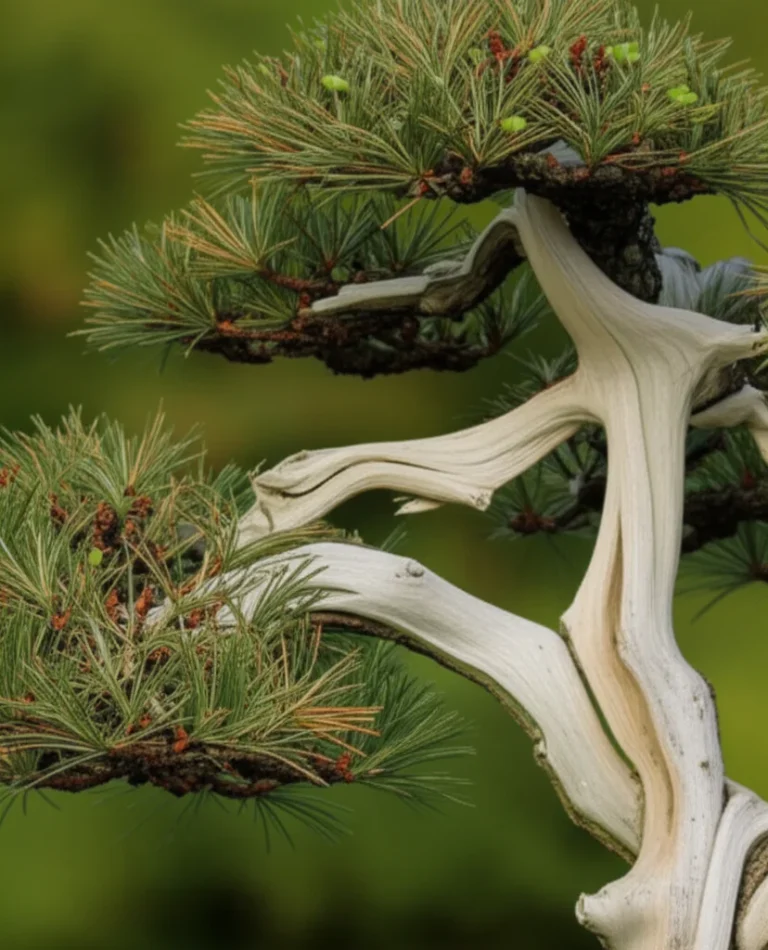
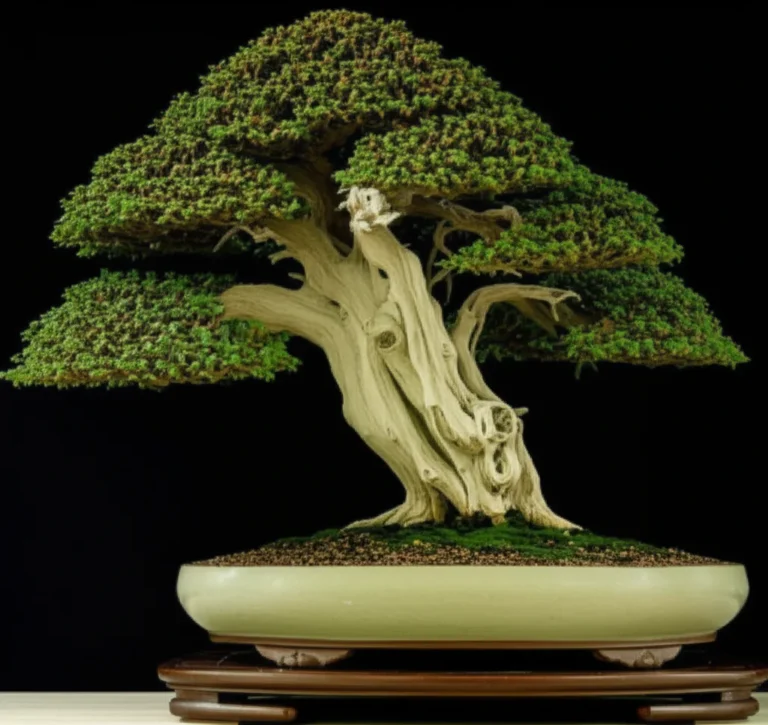
Have you ever stared at a bonsai and thought, “It looks nice, but where’s the story?” At Bonsai Garden™, we believe every bonsai should whisper tales of ancient storms, scorching suns, and relentless winds. That’s the magic of deadwood bonsai techniques—the art of sculpting your tree’s scars into breathtaking features like Jin, Shari, and Uro.
In this comprehensive guide, we’ll walk you through 12 expert methods to create and preserve deadwood that looks authentically weathered and artistically stunning. From traditional pliers-and-peel Jin creation to the game-changing use of superglue for wood hardening, you’ll learn how to turn your bonsai into a miniature masterpiece of survival and beauty. Plus, we’ll share insider tips on avoiding common pitfalls and choosing the right tools to make your deadwood last for decades.
Ready to carve your bonsai’s epic saga? Keep reading to discover how to wield your tools like a bonsai surgeon and breathe life into the “dead” parts of your tree.
Key Takeaways
- Deadwood techniques (Jin, Shari, Uro) add age and character by mimicking natural weathering and damage.
- Proper tools like Kaneshin Jin Pliers and Dremel rotary tools are essential for precise carving and shaping.
- Preservation with lime sulfur and superglue protects deadwood from rot and enhances its dramatic white patina.
- Species choice matters: Evergreens like Junipers and Pines are best suited for deadwood styling.
- Avoid common mistakes such as cutting off sap flow or creating unnatural shapes to keep your bonsai healthy and realistic.
Unlock the secrets to creating stunning deadwood that tells your bonsai’s story for years to come!
Welcome to the workshop at Bonsai Garden™! We’ve spent decades getting our hands dirty, occasionally nicking our thumbs, and perfecting the art of making a twenty-year-old tree look like it’s survived a thousand years of Himalayan blizzards. 🏔️
Ever looked at a pristine, green bonsai and thought, “It’s lovely, but it looks a bit… pampered?” We get it. Sometimes a tree needs a little “scaring” to show its true soul. That’s where deadwood bonsai techniques come in. It’s the art of the “beautiful death”—creating Jin, Shari, and Uro to tell a story of survival.
Are you ready to stop being a gardener and start being a sculptor? Let’s dive into the weathered, bleached, and rugged world of deadwood.
Table of Contents
- ⚡️ Quick Tips and Facts
- 🕰️ The Art of the Ancient: History and Philosophy of Deadwood
- 🌲 Understanding the Anatomy: Jin, Shari, and Uro Explained
- 🛠️ The Bonsai Surgeon’s Toolkit: Must-Have Carving Gear
- 12 Pro Techniques for Creating Masterful Deadwood
- 1. The Pliers and Peel: Traditional Jin Creation
- 2. The Knife and Scrape: Precision Shari Work
- 3. Power Carving: Using Dremels and Die Grinders
- 4. The Blowtorch Method: Burning for Texture
- 5. Creating Uro: The Art of the Hollow Trunk
- 6. Sabamiki: The Dramatic Split-Trunk Technique
- 7. Using Superglue to Harden and Preserve Deadwood
- 8. The Wire-Brush Weathering Effect
- 9. Natural Weathering vs. Forced Aging
- 10. Creating “Thread” Shari on Small Specimens
- 11. The Phoenix Graft (Tanuki) Shortcut
- 12. Advanced Grain Following with Hand Chisels
- 🧪 Preservation and Aftercare: Keeping the Dead Alive
- ❌ Common Deadwood Disasters and How to Avoid Them
- Conclusion
- Recommended Links
- FAQ
- Reference Links
⚡️ Quick Tips and Facts
Before you start hacking away at your favorite Juniper, let’s get the basics down. Deadwood isn’t just about killing parts of the tree; it’s about controlled aging.
| Feature | Description | Expert Tip |
|---|---|---|
| Jin | A dead branch or the “spike” of a dead top. | Always leave a “stub” longer than you think; you can’t put wood back! |
| Shari | A strip of deadwood running down the trunk. | Never wrap Shari 100% around the trunk, or you’ll kill the tree. ❌ |
| Uro | A hollowed-out scar where a branch once was. | Use a Dremel 4300 for realistic textures. |
| Lime Sulfur | A chemical used to bleach and preserve wood. | Apply on damp wood for better absorption. ✅ |
| Best Species | Junipers, Pines, and Yews. | Deciduous trees rot faster; they need extra hardener. |
Quick Fact: In nature, deadwood is caused by lightning, heavy snow, or boring insects. In bonsai, we are the “lightning.” ⚡️
🕰️ The Art of the Ancient: History and Philosophy of Deadwood
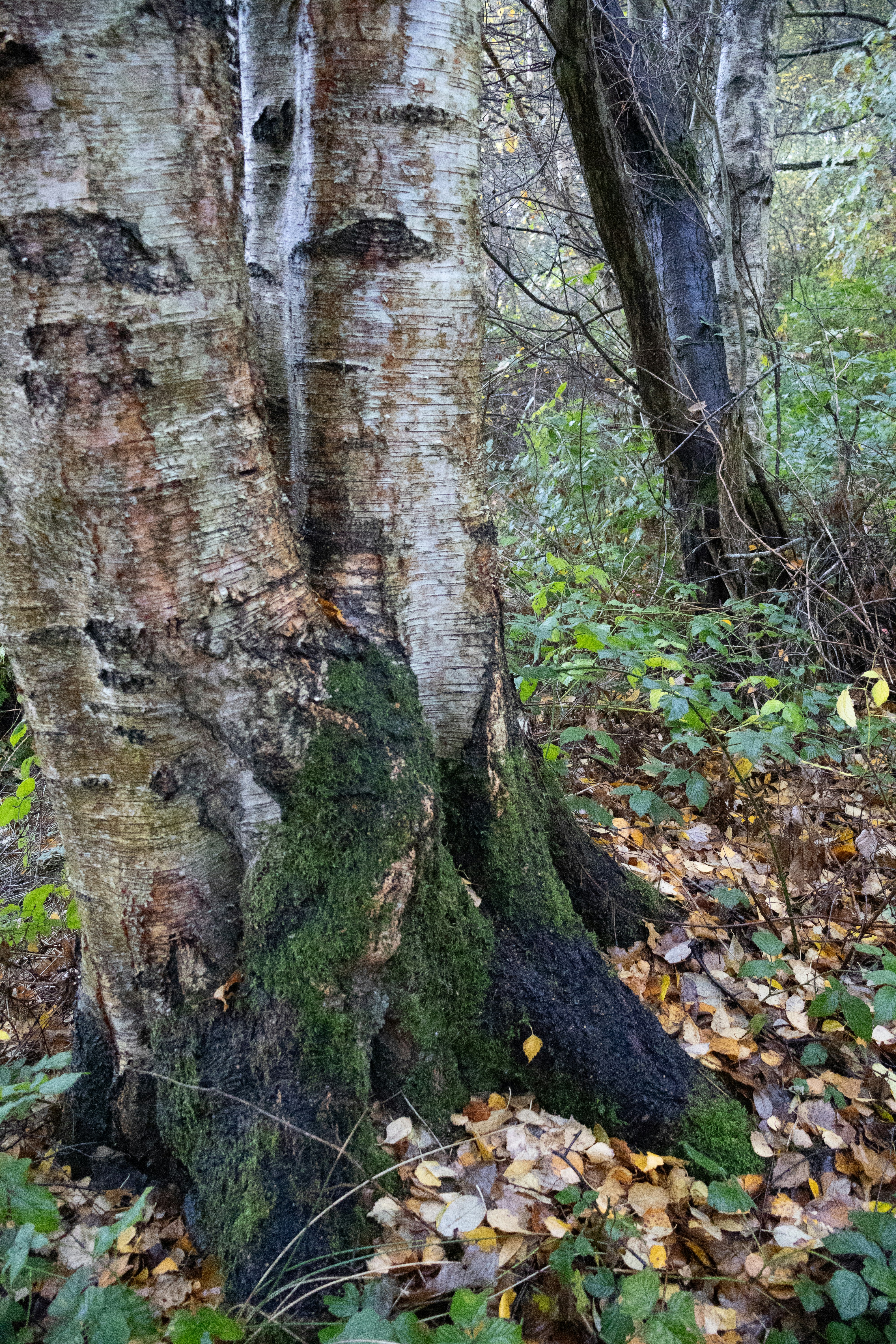
Why do we do this? Is it just because we like playing with power tools? (Well, maybe a little.) But the real reason is Wabi-sabi. This Japanese aesthetic finds beauty in imperfection, impermanence, and the passage of time.
Historically, Buddhist monks and early bonsai practitioners noticed that the most majestic trees in the mountains—the ones that had survived centuries—were often half-dead. These “veteran” trees showed their struggle through bleached white wood contrasting against dark, living bark. This contrast is the heart of deadwood bonsai techniques. We aren’t just making a tree look old; we are honoring its resilience.
🌲 Understanding the Anatomy: Jin, Shari, and Uro Explained
To the uninitiated, it’s just “dead stuff.” To us at Bonsai Garden™, it’s a vocabulary of survival.
Creating Jin
A Jin is a dead branch. It looks like a finger of bone reaching out from the foliage. It suggests that a storm once snapped this limb, and the sun has since bleached it dry.
Creating Shari
Shari is deadwood on the main trunk. It usually starts from a Jin and works its way down, following the flow of the sap. It’s the “spine” of the tree’s history.
Creating Uro
Uro are small hollows. Think of them as the “belly buttons” of the tree. They occur where a branch has rotted away completely, leaving a weathered cavity.
🛠️ The Bonsai Surgeon’s Toolkit: Must-Have Carving Gear
You wouldn’t perform surgery with a butter knife, right? (Please say no.) Here is what we keep in our professional kit:
- Jin Pliers: Essential for crushing and peeling bark. We recommend Kaneshin Jin Pliers for their legendary Japanese steel.
- Graving Chisels: For manual, detailed grain work.
- Power Tools: The Dremel 8220 is our go-to for cordless freedom.
- Wire Brushes: Brass and steel brushes to clean out loose fibers.
- Blowtorch: A small butane torch for “cleaning up” fuzzy wood fibers.
- Lime Sulfur: The magic potion for that bone-white finish.
12 Pro Techniques for Creating Masterful Deadwood
We’ve seen some articles mention a few ways to use superglue, but we’re going deeper. Here are 12 definitive techniques to master the deadwood look.
1. The Pliers and Peel: Traditional Jin Creation
Don’t just cut a branch off. Use your Jin pliers to crush the end of the branch. This loosens the bark. Then, grab a strip of bark and pull it toward the tip. This creates a natural, jagged look rather than a clean, “man-made” cut.
2. The Knife and Scrape: Precision Shari Work
Use a sharp marking knife to outline your Shari. Pro Tip: Always follow the natural “veins” of the tree. If you cut across the sap flow, you risk killing the branches above.
3. Power Carving: Using Dremels and Die Grinders
For larger trees, hand tools take forever. We use carving bits like the Samurai or Terrier attachments. They allow you to create deep “canyons” in the wood that mimic decades of erosion.
4. The Blowtorch Method: Burning for Texture
After carving, the wood often looks “fuzzy.” We lightly run a butane torch over the wood. This burns off the tiny splinters. Afterward, scrub it with a wire brush. The result? A smooth, aged texture that looks like it’s been sandblasted by the wind. 💨
5. Creating Uro: The Art of the Hollow Trunk
Don’t just drill a hole. Make it irregular. Use a round carving bit to create a “nest” shape. Ensure the bottom of the Uro angles outward so water doesn’t collect and cause unwanted rot. ✅
6. Sabamiki: The Dramatic Split-Trunk Technique
This is for the bold! Sabamiki involves hollowing out the trunk so much that it looks like the tree was split by lightning. It requires a steady hand and a deep understanding of where the living “veins” are.
7. Using Superglue to Harden and Preserve Deadwood
While some suggest this as a minor tip, we consider it a game-changer. For deciduous trees (like Maples or Elms) whose wood is softer and prone to rot, we use thin Cyanoacrylate (CA) glue.
- How to do it: Apply Starbond Thin CA Glue to the dry deadwood. It soaks deep into the fibers and plasticizes them, making the wood rock-hard and water-resistant.
8. The Wire-Brush Weathering Effect
Once you’ve carved your Shari, use a circular wire brush on a drill. Run it with the grain. This eats away the softer “springwood” and leaves the harder “summerwood” ridges, creating an instant 50-year aging effect.
9. Natural Weathering vs. Forced Aging
Sometimes, the best technique is patience. We often carve the wood and then leave it untreated for a year. The sun and rain do the initial “distressing,” and then we finish it with lime sulfur.
10. Creating “Thread” Shari on Small Specimens
On Shohin (miniature) bonsai, a massive Shari looks ridiculous. We use a dental pick to create “thread Shari”—tiny, hairline cracks of deadwood that add immense detail without overwhelming the small scale.
11. The Phoenix Graft (Tanuki) Shortcut
Can’t wait 50 years? A Tanuki involves taking a beautiful piece of found driftwood and “grafting” a young living tree into a groove carved into the deadwood. It’s “cheating” in some circles, but we call it “artistic acceleration.” 😉
12. Advanced Grain Following with Hand Chisels
The masters in Omiya, Japan, rarely use power tools for the final finish. They use hand chisels to follow the natural grain of the wood. If the wood wants to twist, let it twist! This creates a flow that power tools often ignore.
🧪 Preservation and Aftercare: Keeping the Dead Alive
Once you’ve carved your masterpiece, you have to protect it. Deadwood is, well, dead. And dead wood rots.
The Lime Sulfur Ritual:
- Clean the wood: Use water and a stiff brush.
- Wet the wood: This prevents the sulfur from splotching.
- Apply: Use a dedicated (and cheap!) brush. Warning: It smells like rotten eggs. 🥚
- Dry: Let it sit in the sun. It will turn from a nasty orange to a brilliant, ghostly white.
Maintenance Table:
| Action | Frequency | Why? |
|---|---|---|
| Re-apply Lime Sulfur | Once a year | Prevents fungal decay and maintains color. |
| Check for Soft Spots | Every 6 months | If it’s mushy, you need wood hardener (Superglue!). |
| Clean the “Callus” | Annually | The living bark will try to grow over the Shari. Trim it back to keep the deadwood visible. |
❌ Common Deadwood Disasters and How to Avoid Them
We’ve made these mistakes so you don’t have to:
- The “Ice Cream Scoop” Look: Avoid making perfectly round holes. Nature is jagged and messy.
- Killing the Tree: If you create a Shari that cuts off the sap flow to a major branch, that branch will die. Map out your “live veins” with a marker first. ✅
- Over-Sulfuring: Don’t get lime sulfur on the soil or the living bark. It’s toxic to the roots and will turn the bark an ugly yellow.
- Ignoring the Species: Don’t put a massive Jin on a Maple. Deciduous trees rarely hold onto dead branches in nature; it looks “fake.” Stick to subtle Uro for broadleaf trees.
Conclusion
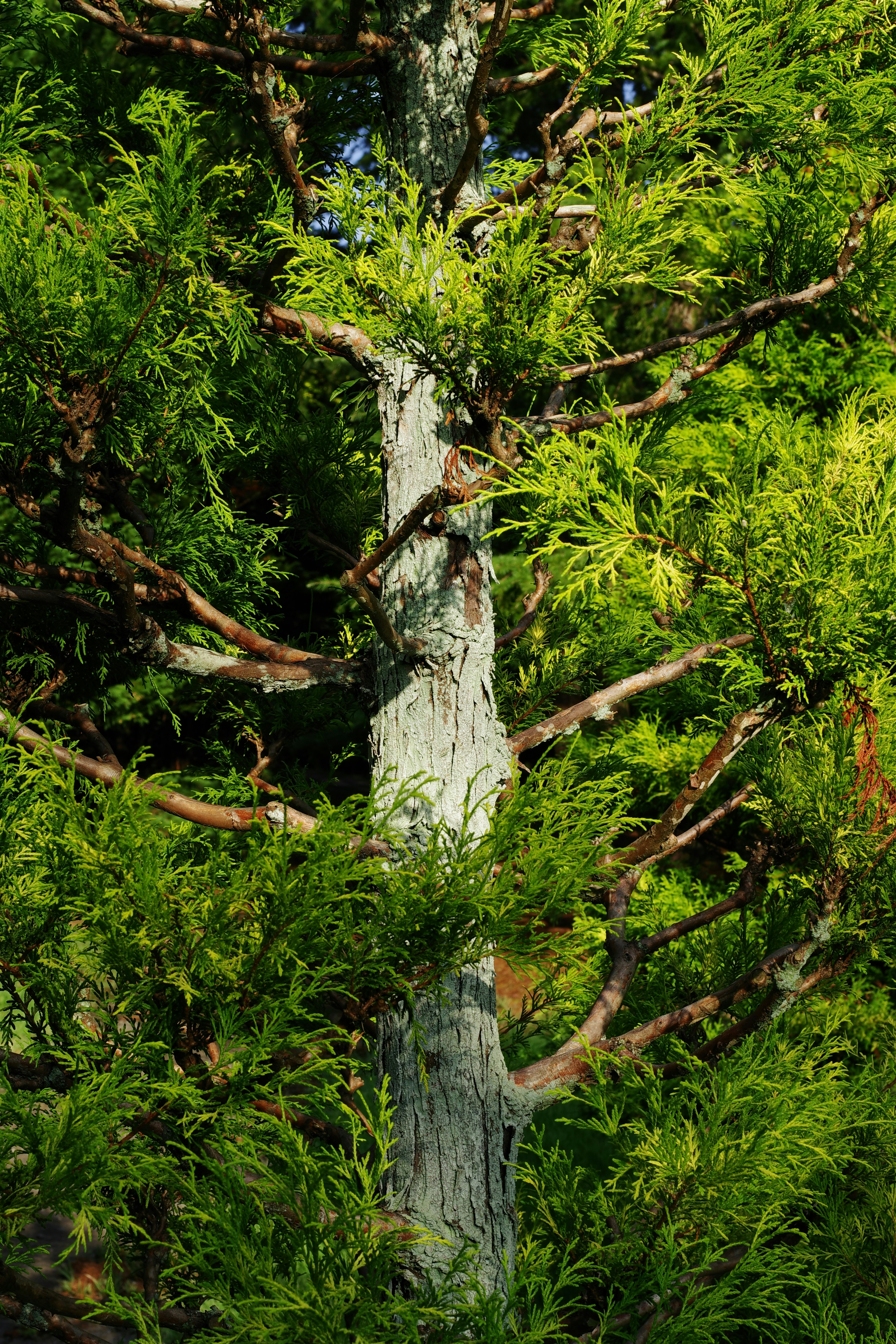
Creating deadwood is where bonsai moves from horticulture to high art. It’s about capturing the drama of the elements in a ceramic pot. Whether you’re using the pliers and peel method for a rugged Juniper Jin or the superglue hardening technique to preserve a delicate Elm Uro, remember: you are telling the tree’s story.
So, did you decide which tree you’re going to “age” first? Just remember our golden rule at Bonsai Garden™: You can always take more wood off, but you can never glue it back on (unless it’s a Tanuki, but that’s a story for another day!).
Now, go grab your Dremel and make some history! 🌳✨
Recommended Links
- Bonsai Empire – Deadwood Advanced Guide
- Dremel Official Site – Woodcarving Basics
- Graham Potter’s Kaizen Bonsai – Carving Videos
FAQ
Q: Does creating deadwood hurt the tree? A: If done correctly, no! As long as you leave enough living bark (the “live vein”) to transport water and nutrients, the tree will be perfectly healthy.
Q: Can I use regular wood bleach instead of lime sulfur? A: We don’t recommend it. Lime sulfur acts as both a bleach and a fungicide. Regular bleach can be too harsh and won’t prevent rot as effectively.
Q: How long does it take for lime sulfur to turn white? A: Usually within 24 to 48 hours of sun exposure. It starts orange/yellow and fades to white.
Q: My deadwood is turning green. What do I do? A: That’s algae! Scrub it off with a toothbrush and water, let it dry, and re-apply your lime sulfur. ✅
Reference Links
- Bonsai4Me: Using Superglue To Harden Deadwood
- International Bonsai Magazine: The History of Shins and Sharimiki
- American Bonsai Society: Techniques for Conifers
⚡️ Quick Tips and Facts
Welcome to the heart of deadwood bonsai techniques! Before you grab your tools and start peeling bark like a bonsai surgeon, let’s arm you with some essential quick tips and facts from the seasoned pros here at Bonsai Garden™.
The Deadwood Trinity: Jin, Shari, and Uro
| Term | Definition | Expert Tip |
|---|---|---|
| Jin | Dead branch or dead tip of a trunk branch. | Leave a stub longer than you think—you can always trim later, but you can’t regrow deadwood! |
| Shari | Deadwood strip on the trunk, exposing wood beneath bark. | Avoid wrapping Shari all the way around the trunk; it can kill the tree by cutting off sap flow. |
| Uro | Hollow or cavity where a branch once was. | Shape the cavity irregularly to mimic natural weathering and avoid water pooling. |
Species Suitability
- Evergreens (Junipers, Pines, Yews): ✅ Best candidates for deadwood techniques because they naturally retain deadwood and resist rot.
- Deciduous Trees (Maples, Elms): ❌ Tend to rot quickly; deadwood must be subtle (e.g., small Uro hollows) and carefully preserved.
Timing Is Everything
- Best seasons: Early spring or late summer when the tree’s healing capacity is highest.
- Why? Wounds heal faster, reducing infection risk and helping the tree seal off live tissue.
Tools You’ll Need
- Jin Pliers: For crushing and peeling bark.
- Graving Chisels: For detailed carving.
- Power Tools: Dremel rotary tools for speed and precision.
- Lime Sulfur: To bleach and preserve deadwood.
- Superglue (Cyanoacrylate): For hardening soft or fragile deadwood.
Quick Fact
Did you know? In nature, deadwood forms from lightning strikes, ice damage, or insect infestation, then bleaches over years of sun exposure. In bonsai, we create this story manually—and that’s where the magic happens! 🌟
🕰️ The Art of the Ancient: History and Philosophy of Deadwood
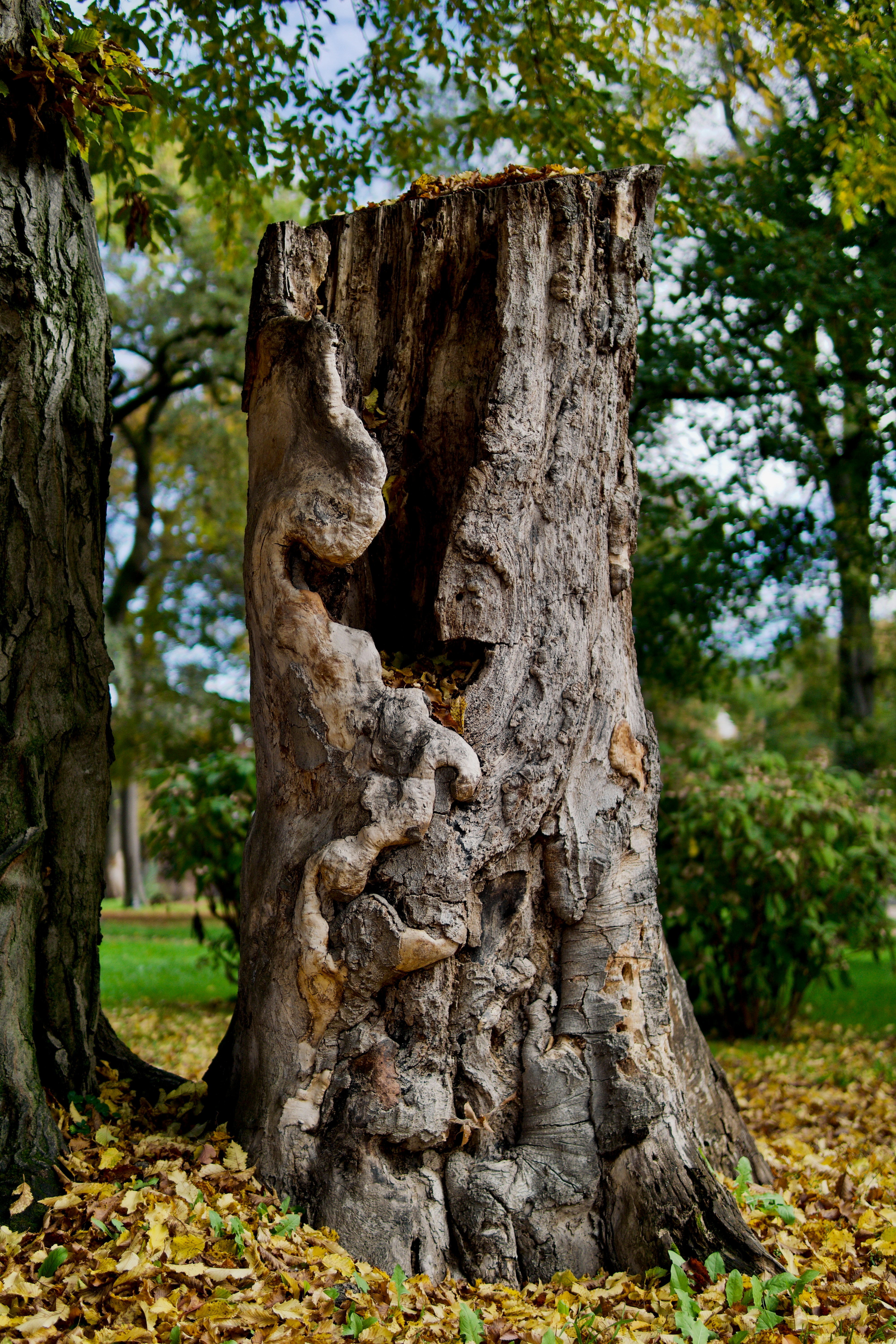
Deadwood bonsai techniques are more than just aesthetics—they’re a philosophy. At Bonsai Garden™, we believe deadwood tells the story of survival, capturing the spirit of trees that have weathered storms, droughts, and time.
Wabi-Sabi: Beauty in Imperfection
The Japanese concept of Wabi-Sabi celebrates impermanence and imperfection. Deadwood embodies this by showing the tree’s scars and struggles, making it look ancient and wise.
Historical Roots
- Early bonsai masters observed that the most majestic trees in the wild often had weathered deadwood.
- Deadwood was a natural sign of age and resilience.
- The practice evolved to replicate nature’s artistry in miniature form.
Why Deadwood?
- Adds character: Makes your bonsai look like it’s survived centuries.
- Conceals flaws: Hides scars or awkward branch removals.
- Enhances style: Complements rugged, windswept, or literati bonsai styles.
🌲 Understanding the Anatomy: Jin, Shari, and Uro Explained
Let’s dive deeper into the three pillars of deadwood bonsai:
Jin: The Weathered Finger
- What is Jin? A dead branch stripped of bark and wood fibers, left bare to mimic natural branch death.
- How to create: Use Jin pliers to crush the bark, then peel it back carefully.
- Why? It suggests a branch snapped off in a storm, bleached by sun and wind.
Shari: The Trunk’s Storyline
- What is Shari? A strip of deadwood running vertically along the trunk.
- Creation: Carve away bark and cambium, exposing the wood beneath.
- Significance: Represents bark stripped by lightning or animals, showing the tree’s battle scars.
Uro: The Hollow Wound
- What is Uro? A hollow or cavity where a branch once grew but has rotted away.
- How to create: Hollow out the wood with carving tools, making sure to avoid water traps.
- Effect: Adds depth and realism, especially on deciduous species.
🛠️ The Bonsai Surgeon’s Toolkit: Must-Have Carving Gear
You wouldn’t perform surgery with a butter knife, right? Neither should you sculpt deadwood without the right tools. Here’s the gear we swear by at Bonsai Garden™.
Tool Ratings Table
| Tool | Design | Functionality | Durability | Ease of Use | Overall |
|---|---|---|---|---|---|
| Kaneshin Jin Pliers | 9/10 | 10/10 | 9/10 | 8/10 | 9/10 |
| Dremel 8220 Rotary Tool | 8/10 | 9/10 | 8/10 | 9/10 | 8.5/10 |
| Graving Chisels | 9/10 | 9/10 | 8/10 | 7/10 | 8.5/10 |
| Lime Sulfur (Bonide) | 7/10 | 8/10 | N/A | 10/10 | 8/10 |
| Starbond Thin CA Glue | 8/10 | 9/10 | 9/10 | 7/10 | 8.5/10 |
Kaneshin Jin Pliers
- Features: Japanese steel, ergonomic grip, sharp crushing edges.
- Benefits: Crushes bark fibers cleanly, making peeling easier and more natural-looking.
- Drawbacks: Requires practice to avoid over-crushing.
Dremel 8220 Rotary Tool
- Features: Cordless, variable speed, multiple carving attachments.
- Benefits: Speeds up carving, especially for Sabamiki and Uro.
- Drawbacks: Noise and dust; requires safety gear.
Graving Chisels
- Features: Hand-forged steel blades, various sizes.
- Benefits: Precision carving following wood grain.
- Drawbacks: Steeper learning curve.
Lime Sulfur (Bonide)
- Features: Bleaches and preserves deadwood.
- Benefits: Prevents rot, gives that iconic white patina.
- Drawbacks: Strong odor; toxic if misused.
Starbond Thin CA Glue
- Features: Thin cyanoacrylate glue for wood hardening.
- Benefits: Penetrates deep, hardens soft deadwood.
- Drawbacks: Fumes require ventilation; sticky to handle.
12 Pro Techniques for Creating Masterful Deadwood
Ready to get your hands dirty? Here are the 12 definitive techniques that will elevate your deadwood game from amateur to master level.
1. The Pliers and Peel: Traditional Jin Creation
Step-by-step:
- Select a dead or dying branch to convert into Jin.
- Use Kaneshin Jin Pliers to crush the bark at the base of the branch.
- Grip the loosened bark with pliers or fingers and peel it back toward the tip.
- Remove all loose bark, exposing the deadwood beneath.
- Use a knife to clean ragged edges.
Why this works: Crushing loosens the bark fibers without damaging the wood, creating a natural, jagged look that mimics nature’s handiwork.
2. The Knife and Scrape: Precision Shari Work
How to create Shari:
- Use a sharp marking knife or graving chisel to outline the Shari area.
- Scrape away bark and cambium carefully, exposing the wood.
- Follow the natural grain and veins of the tree to avoid killing live tissue.
- Remove any loose fibers with a wire brush.
Pro Tip: Mark the live sap flow with a pencil before carving to avoid mistakes.
3. Power Carving: Using Dremels and Die Grinders
Why use power tools?
- Saves hours of manual labor.
- Allows deep carving for Sabamiki or large Uro cavities.
- Enables detailed grain work with specialized bits.
Recommended bits:
- Samurai carving bits for rough shaping.
- Terrier burr bits for fine grain texture.
Safety: Always wear eye protection and a dust mask!
4. The Blowtorch Method: Burning for Texture
How to do it:
- After carving, lightly run a butane torch over the deadwood.
- This burns off tiny splinters and raises the grain.
- Follow with a wire brush to remove charred fibers.
Result: A smooth, weathered texture resembling natural erosion.
5. Creating Uro: The Art of the Hollow Trunk
Steps:
- Identify a branch scar or natural hollow spot.
- Use a Dremel or hand chisel to hollow out the cavity.
- Shape the cavity irregularly to mimic natural decay.
- Angle the bottom outward to prevent water pooling.
- Treat with lime sulfur and/or superglue for preservation.
6. Sabamiki: The Dramatic Split-Trunk Technique
What is Sabamiki?
- A hollowed, split trunk style that simulates lightning or storm damage.
- Requires carving a deep groove or split along the trunk.
How to create:
- Use power tools to carve the split.
- Remove bark and cambium carefully.
- Preserve with lime sulfur and superglue.
Warning: Sabamiki is advanced and risky; improper technique can kill the tree.
7. Using Superglue to Harden and Preserve Deadwood
Why superglue?
- Traditional wood hardeners sometimes fail on soft or pulpy deadwood.
- Thin cyanoacrylate glue penetrates deeply and hardens wood fibers.
- Makes deadwood rock-hard and resistant to rot.
How to apply:
- Ensure deadwood is dry; use a blowtorch if needed.
- Drip thin CA glue (e.g., Starbond Thin CA Glue) onto the wood.
- Let it soak and harden.
- Wire brush to remove gloss if desired.
Pro Tip: Apply in a well-ventilated area due to fumes.
8. The Wire-Brush Weathering Effect
Technique:
- Use a wire brush on a drill or by hand.
- Brush with the grain to remove softer springwood.
- Leaves harder summerwood ridges, creating a textured, aged look.
Tools: Brass or steel wire brushes.
9. Natural Weathering vs. Forced Aging
Natural Weathering:
- Carve and leave the deadwood exposed to sun and rain for months.
- Sun bleaches wood; rain erodes soft fibers.
- Results in authentic aging but takes time.
Forced Aging:
- Use lime sulfur, blowtorch, and wire brushes.
- Accelerates aging process.
- Ideal for impatient artists or indoor bonsai.
10. Creating “Thread” Shari on Small Specimens
For Shohin and Mame bonsai:
- Use a dental pick or fine carving knife.
- Create thin, hairline Shari strips.
- Adds subtle detail without overwhelming scale.
11. The Phoenix Graft (Tanuki) Shortcut
What is Tanuki?
- Grafting a living tree onto a piece of deadwood.
- Creates instant aged appearance.
Controversy:
- Traditionalists consider it “cheating.”
- Popular outside Japan as a creative shortcut.
How to do it:
- Carve groove in deadwood.
- Insert young tree trunk.
- Secure with nails or wire.
- Encourage roots to grow into deadwood.
12. Advanced Grain Following with Hand Chisels
Why hand chisels?
- Power tools can ignore wood grain, causing unnatural cuts.
- Hand chisels allow you to follow natural twists and curves.
- Creates organic flow and realism.
Tip: Study the grain direction before carving.
🧪 Preservation and Aftercare: Keeping the Dead Alive
Deadwood is dead—but it still needs care! Without preservation, it will rot, crack, or crumble.
The Lime Sulfur Ritual
| Step | Action | Details |
|---|---|---|
| 1 | Clean the wood | Use water and a stiff brush to remove dirt and loose fibers. |
| 2 | Wet the wood | Damp wood absorbs lime sulfur better and prevents splotches. |
| 3 | Apply lime sulfur | Use a dedicated brush; apply evenly. |
| 4 | Dry in sun | Lime sulfur changes from orange to white as it dries. |
Why Lime Sulfur? It bleaches and kills fungi and insects, preserving the wood and giving it that iconic white patina.
Maintenance Schedule
| Task | Frequency | Purpose |
|---|---|---|
| Re-apply lime sulfur | Annually | Maintain color and protection. |
| Inspect for soft spots | Every 6 months | Detect rot early; treat with superglue if needed. |
| Remove callus growth | Annually | Prevent living bark from covering deadwood. |
Superglue for Fragile Wood
For soft or pulpy deadwood, especially on deciduous species, apply thin cyanoacrylate glue after lime sulfur treatment. This hardens the wood fibers and prevents decay.
❌ Common Deadwood Disasters and How to Avoid Them
Even experts slip up. Here are the classic pitfalls and how to dodge them:
| Disaster | Cause | How to Avoid |
|---|---|---|
| Ice Cream Scoop Look | Perfectly round, unnatural holes | Carve irregular, jagged shapes to mimic nature. |
| Killing the Tree | Cutting off sap flow with Shari | Map live veins before carving; leave enough bark. |
| Over-Sulfuring | Lime sulfur on live bark or soil | Mask live bark; avoid soil contact. |
| Wrong Species Choice | Applying large Jin on deciduous trees | Use subtle Uro or avoid deadwood on broadleaf species. |
| Soft Rot | Not hardening deadwood | Use superglue or wood hardener on soft wood. |
Featured Video Perspective
In the first YouTube video embedded earlier (#featured-video), the presenter emphasizes the importance of preserving deadwood to avoid it becoming a nightmare. They recommend six methods, cautioning against some, and highlight lime sulfur as a natural preservative despite its yellowish hue. The video also stresses cleaning deadwood thoroughly before treatment and suggests doing nothing can sometimes be the best approach—especially for species with naturally stable deadwood.
This aligns with our advice: Know your tree species, prepare your deadwood carefully, and choose preservation methods wisely.
👉 CHECK PRICE on:
- Kaneshin Jin Pliers: Amazon | Etsy
- Dremel 8220 Rotary Tool: Amazon | Walmart
- Starbond Thin CA Glue: Amazon | Starbond Official Website
- Bonide Lime Sulfur: Amazon | Home Depot
For more detailed care tips, check out our Bonsai Care Basics and Bonsai for Beginners guides. Curious about species that best suit deadwood? Dive into our Bonsai Species Guide.
Ready to sculpt your masterpiece? Keep reading for the final touches in our conclusion!
Conclusion
After journeying through the rugged terrain of deadwood bonsai techniques with us at Bonsai Garden™, you’re now equipped with the knowledge, tools, and insider tips to transform your bonsai into a living testament of endurance and artistry. From the delicate peeling of Jin bark to the dramatic hollowing of Sabamiki, each method tells a story etched in wood and time.
Remember: Deadwood is not just about making your bonsai look old—it’s about capturing the spirit of survival and the beauty of imperfection. Whether you choose to embrace the traditional pliers-and-peel Jin method or harness the modern power of superglue to harden fragile wood, your artistry will shine through.
Final Thoughts on Superglue for Deadwood
Our team at Bonsai Garden™ has found Starbond Thin CA Glue to be a game-changer for preserving and hardening deadwood, especially on softer species like deciduous trees. It penetrates deeply, hardens wood fibers, and resists rot far better than many traditional wood hardeners. However, it requires careful handling due to fumes and stickiness, and should be applied in well-ventilated areas.
Positives:
- Exceptional wood hardening power
- Water-resistant and durable
- Enables detailed carving on previously fragile wood
Negatives:
- Fumes can be strong; ventilation is a must
- Sticky and requires careful application
- Not a substitute for proper carving and preservation techniques
Our recommendation: If you’re serious about deadwood bonsai, especially on delicate species, adding superglue to your toolkit is a must. It complements lime sulfur perfectly and extends the life and beauty of your deadwood features.
Recommended Links
Ready to get started or upgrade your deadwood toolkit? Here are our top product picks and essential reading to deepen your bonsai mastery:
-
Starbond Thin CA Glue:
Amazon | Starbond Official Website -
Bonide Lime Sulfur:
Amazon | Home Depot -
Recommended Books:
FAQ
How do you preserve and protect deadwood on bonsai trees?
Preservation involves cleaning the deadwood, applying preservatives like lime sulfur to bleach and protect against fungi and insects, and sometimes hardening with cyanoacrylate (superglue). Regular maintenance includes reapplying lime sulfur annually and inspecting for soft spots. Proper preservation prevents rot and maintains the aesthetic appeal of deadwood.
What are the best bonsai species for deadwood styling?
Evergreens such as Junipers, Pines, and Yews are ideal because they naturally retain deadwood and resist decay. Deciduous species like Maples and Elms can have deadwood features but require more careful preservation due to softer wood and faster rot. For detailed species info, see our Bonsai Species Guide.
Can deadwood techniques improve the health of a bonsai tree?
Deadwood techniques primarily enhance aesthetics and storytelling rather than health. However, properly executed deadwood does not harm the tree and can help by removing diseased or damaged branches. Incorrect carving or excessive bark removal can damage the tree, so careful planning is essential.
How long does it take to develop deadwood features on a bonsai?
Natural deadwood develops over decades or centuries. Using carving and preservation techniques, you can create convincing deadwood in a single session, but authentic weathering and patina take months to years. Forced aging methods like lime sulfur and wire brushing accelerate this process.
What tools are needed for deadwood bonsai carving?
Essential tools include:
- Jin pliers for crushing bark
- Graving chisels and carving knives for detailed work
- Power rotary tools like the Dremel 8220 for shaping and hollowing
- Wire brushes for texture
- Blowtorch for finishing
- Lime sulfur and superglue for preservation
How do you create jin and shari effects in bonsai trees?
Jin is created by crushing and peeling dead branches using Jin pliers and knives. Shari involves carving away bark and cambium on the trunk to expose deadwood, following the natural grain and sap flow to avoid damaging live tissue. Both require preservation treatments afterward.
What are the basic deadwood bonsai techniques for beginners?
Beginners should start with:
- Creating small Jin on dead branches
- Carving shallow Shari strips on the trunk
- Using lime sulfur to bleach and preserve deadwood
- Practicing on less valuable trees or branches before moving to prized specimens
How do you preserve and treat deadwood on bonsai trees?
After carving, clean the deadwood thoroughly, wet it, then apply lime sulfur evenly. For soft wood, apply thin cyanoacrylate glue to harden fibers. Let it dry in sunlight. Avoid contact with live bark and soil.
What are the steps to safely carve deadwood on a bonsai?
- Plan your design, marking live veins.
- Use appropriate tools (pliers, chisels, rotary tools).
- Carve slowly, following wood grain.
- Remove loose fibers with wire brushes.
- Preserve with lime sulfur and optionally superglue.
- Monitor tree health post-carving.
Can deadwood techniques be applied to all bonsai species?
Deadwood is best suited for evergreens but can be applied to deciduous species with caution. Some species’ wood is too soft or prone to rot, requiring more preservation. Always research your species’ characteristics.
How does deadwood enhance the aesthetic of a bonsai tree?
Deadwood adds visual drama, age, and character, evoking natural weathering and survival. It contrasts living foliage with bleached wood, creating a dynamic story of life and death in miniature.
Reference Links
- Bonsai Empire – Deadwood Basics and Techniques
- Wikipedia – Deadwood Bonsai Techniques
- Bonsai4Me – Using Superglue To Harden Deadwood On Bonsai
- Kaneshin Official Website
- Dremel Official Site
- Starbond Official Website
- Bonide Official Site
For more expert insights and step-by-step guides, visit our Bonsai Garden™ Bonsai Care Basics and Bonsai Inspiration and Ideas categories.