Support our educational content for free when you buy through links on our site. Learn more

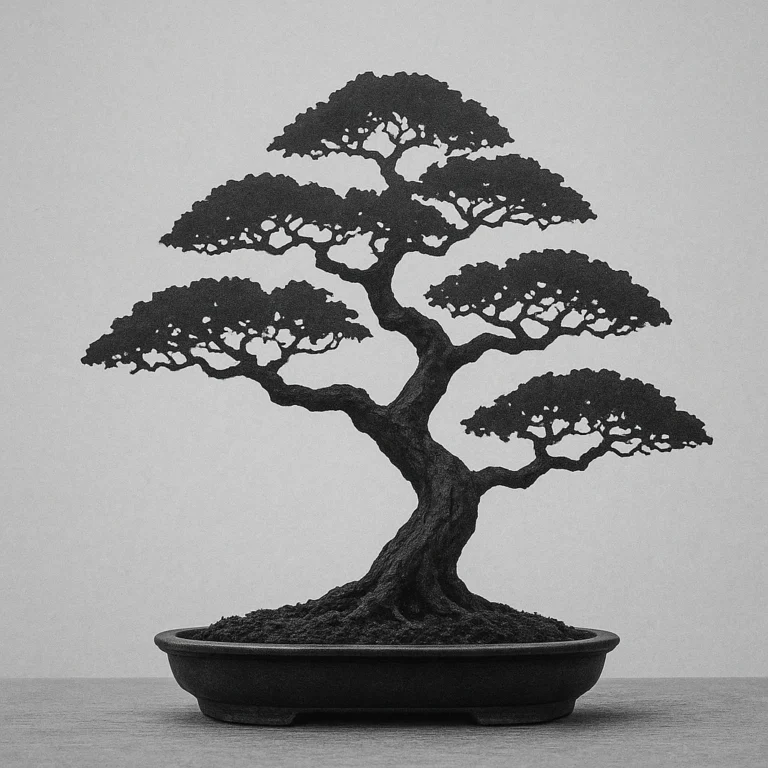
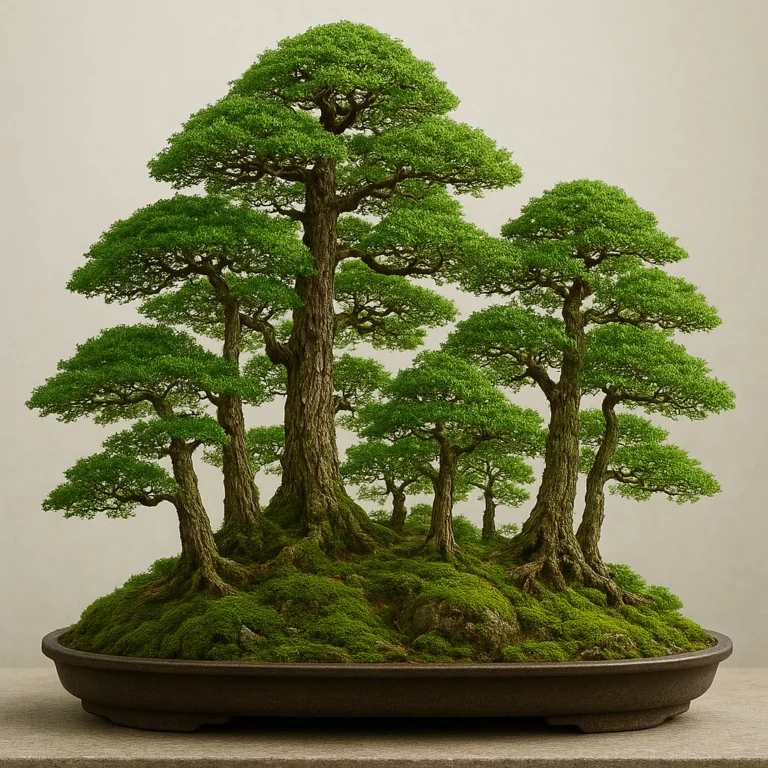
Have you ever stared at a bare winter branch and wondered how a tree could look so perfectly symetrical without a single leaf to hide its secrets? That is the magic of the Broom bonsai style (Hokidachi). At Bonsai Garden™, we’ve spent decades coaxing stubborn elms and zelkovas into these elegant, umbrella-like shapes, and let us tell you: it’s not just about pruning; it’s about conversation. One of our senior gardeners once spent three years on a single Chinese Elm, only to realize the tree was “talking back” by growing a branch exactly where he didn’t want it. The solution? A strategic cut that turned a mistake into the tree’s most defining feature.
In this comprehensive guide, we’re pulling back the curtain on the Hokidachi technique. We’ll walk you through the 15 best tree species for this style, debunk the myth that it’s only for beginners, and reveal the specific wiring tricks that prevent those dreaded “scared” apices. Whether you are trying to convert an informal upright or starting from a seedling, this article holds the blueprint to creating a living sculpture that stands as a testament to patience and precision. Ready to sweep away the confusion and start your journey?
Key Takeaways
- Ideal Species: The Broom style thrives on deciduous trees with fine branching, such as Japanese Elm, Zelkova, and Hornbeam, which naturally develop the required dense canopy.
- Structural Rule: Success hinges on a straight, upright trunk that branches out at approximately one-third of the tree’s height, creating a perfect dome shape.
- Patience is Key: Unlike faster-growing styles, developing a true Hokidachi can take 5 to 10 years of consistent pruning and wiring to achieve the desired symmetry.
- Common Pitfall: Avoid over-pruning the lower branches too early; they are essential for thickening the trunk before the final “broom” shape is established.
- Seasonal Timing: The critical pruning window for shaping the canopy is late winter to early spring, just before the buds break.
Table of Contents
- ⚡️ Quick Tips and Facts
- 📜 The Ancient Roots of the Broom Style: A Historical Deep Dive
- 🌳 Why Choose the Broom Style? Unpacking the Hokidachi Appeal
- 🔍 Broom Style Bonsai (Hokidachi) vs. Other Classic Forms
- 🌿 Broom Style vs. Formal Upright (Chokan)
- 🌿 Broom Style vs. Informal Upright (Moyogi)
- 🌿 Broom Style vs. Slanting Style (Shakan)
- 🌿 Broom Style vs. Cascade Style (Kengai)
- 🌿 Broom Style vs. Semi-Cascade Style (Han-kengai)
- 🌿 Broom Style vs. Literati Style (Bunjingi)
- 🌿 Broom Style vs. Windswept Style (Fukinagashi)
- 🌿 Broom Style vs. Double Trunk Style (Sokan)
- 🌿 Broom Style vs. Multi-Trunk Style (Kabudachi)
- 🌿 Broom Style vs. Forest Style (Yose-ue)
- 🌿 Broom Style vs. Growing on a Rock (Seki-joju)
- 🌿 Broom Style vs. Growing in a Rock (Ishisuki)
- 🌿 Broom Style vs. Raft Style (Ikadabuki)
- 🌿 Broom Style vs. Deadwood Techniques (Sharimiki)
- 🌱 Top 15 Tree Species Perfect for the Broom Style
- 1. Japanese Elm (Ulmus parvifolia)
- 2. Chinese Elm (Ulmus parvifolia)
- 3. Hornbeam (Carpinus betulus)
- 4. Zelkova (Zelkova serrata)
- 5. Maple (Acer palmatum)
- 6. Linden (Tilia)
- 7. Beech (Fagus)
- 8. Oak (Quercus)
- 9. Hawthorn (Crataegus)
- 10. Crabapple (Malus)
- 1. Cherry (Prunus)
- 12. Mulberry (Morus)
- 13. Boxwood (Buxus)
- 14. Juniper (Juniperus)
- 15. Chinese Banyan (Ficus microcarpa)
- 🛠️ Step-by-Step Guide: Creating a Broom Style Bonsai from Scratch
- Phase 1: Selecting and Preparing the Raw Material
- Phase 2: The Critical First Cut and Trunk Development
- Phase 3: Branching Architecture and the “Broom” Effect
- Phase 4: Refinement, Wiring, and Pruning Techniques
- ✂️ Mastering the Art of Pruning for the Perfect Canopy
- 🌞 Ideal Growing Conditions for Broom Style Bonsai
- 🐛 Common Pests, Diseases, and Troubleshooting Tips
- 🎨 Pot Selection: Finding the Perfect Vessel for Your Broom
- 💡 10 Common Mistakes to Avoid When Styling Broom Bonsai
- 🏆 Master the Art of Bonsai: Advanced Broom Techniques
- 🚀 Continue Exploring: Next Steps in Your Bonsai Journey
- 🌍 Select Language
- 📢 Follow Bonsai Empire
- 🏁 Conclusion
- 🔗 Recommended Links
- ❓ FAQ
- 📚 Reference Links
Quick Tips and Facts
As bonsai gardeners at Bonsai Garden, we’ve compiled a list of essential tips and facts about the Broom bonsai style.
- Ideal species: Deciduous trees with fine branching, such as Japanese Elm or Chinese Elm, are well-suited for this style.
- Trunk structure: The trunk should be straight and upright, branching out in all directions at about 1/3 the height of the tree.
- Crown formation: The branches and leaves form a ball-shaped crown, creating a stunning sight during winter months.
- Key challenge: Maintaining symmetry and encouraging even growth can be a challenge in the Broom style.
The Ancient Roots of the Broom Style: A Historical Deep Dive
The Broom style, also known as Hokidachi, has its roots in traditional Japanese bonsai. This style is characterized by a straight, upright trunk and a ball-shaped crown. To learn more about the history and philosophy behind bonsai, visit our Bonsai Care Basics section.
Why Choose the Broom Style? Unpacking the Hokidachi Appeal
So, why choose the Broom style for your bonsai tree? This style offers a unique combination of natural beauty and artistic expression. With its symetrical, ball-shaped crown, the Broom style creates a sense of harmony and balance. For inspiration and ideas, check out our Bonsai Inspiration and Ideas section.
Broom Style Bonsai (Hokidachi) vs. Other Classic Forms
The Broom style is just one of many classic bonsai forms. How does it compare to other styles, such as Formal Upright (Chokan) or Informal Upright (Moyogi)? Let’s take a closer look:
Broom Style vs. Formal Upright (Chokan)
The Formal Upright style features a straight, tapered trunk, while the Broom style has a more relaxed, natural shape.
Broom Style vs. Informal Upright (Moyogi)
The Informal Upright style has a more twisted, iregular trunk, whereas the Broom style is characterized by a straight, upright trunk.
Top 15 Tree Species Perfect for the Broom Style
So, which tree species are best suited for the Broom style? Here are our top 15 picks:
- Japanese Elm (Ulmus parvifolia)
- Chinese Elm (Ulmus parvifolia)
- Hornbeam (Carpinus betulus)
- Zelkova (Zelkova serrata)
- Maple (Acer palmatum)
- Linden (Tilia)
- Beech (Fagus)
- Oak (Quercus)
- Hawthorn (Crataegus)
- Crabapple (Malus)
- Cherry (Prunus)
- Mulberry (Morus)
- Boxwood (Buxus)
- Juniper (Juniperus)
- Chinese Banyan (Ficus microcarpa)
Step-by-Step Guide: Creating a Broom Style Bonsai from Scratch
Creating a Broom style bonsai from scratch requires patience, dedication, and the right techniques. Here’s a step-by-step guide to get you started:
Phase 1: Selecting and Preparing the Raw Material
Choose a suitable tree species and prepare the raw material by pruning and wiring the branches.
Phase 2: The Critical First Cut and Trunk Development
Make the critical first cut to establish the trunk’s shape and direction.
Phase 3: Branching Architecture and the “Broom” Effect
Develop the branching architecture and create the “broom” effect by pruning and wiring the branches.
Mastering the Art of Pruning for the Perfect Canopy
Pruning is a critical aspect of creating a Broom style bonsai. To master the art of pruning, you need to understand the principles of branching architecture and canopy formation. For more information on pruning techniques, visit our Bonsai Care Basics section.
Ideal Growing Conditions for Broom Style Bonsai
To create a thriving Broom style bonsai, you need to provide the right growing conditions. This includes adequate light, water, and fertilization. For more information on growing conditions, check out our Bonsai for Beginners section.
Common Pests, Diseases, and Troubleshooting Tips
Even with proper care, your Broom style bonsai can still be susceptible to pests and diseases. Here are some common issues and troubleshooting tips:
- Aphids: Use nem oil or insecticidal soap to control aphid infestations.
- Root rot: Avoid overwatering and ensure good drainage to prevent root rot.
Pot Selection: Finding the Perfect Vessel for Your Broom
The right pot can make all the difference in showcasing your Broom style bonsai. Look for a pot that complements the tree’s shape and size. For more information on pot selection, visit our Bonsai Display and Aesthetics section.
10 Common Mistakes to Avoid When Styling Broom Bonsai
Styling a Broom bonsai requires attention to detail and a deep understanding of the tree’s needs. Here are 10 common mistakes to avoid:
- Insufficient pruning: Failing to prune the tree regularly can lead to uneven growth and a lack of shape.
- Overwatering: Too much water can cause root rot and other problems.
Master the Art of Bonsai: Advanced Broom Techniques
Once you’ve mastered the basics of Broom style bonsai, it’s time to take your skills to the next level. Here are some advanced techniques to try:
- Wiring: Use wire to shape and direct the branches.
- Grafting: Graft new branches onto the tree to create a more complex shape.
Continue Exploring: Next Steps in Your Bonsai Journey
Now that you’ve learned about the Broom style bonsai, it’s time to continue exploring the world of bonsai. Visit our Bonsai Inspiration and Ideas section for more inspiration and ideas.
For a deeper understanding of the Broom style, let’s consider the perspective of the “first YouTube video” embedded above in this article, and link to it using the anchor link #featured-video. The video demonstrates a technique for achieving the “broom style” of bonsai, particularly for Zelkova trees, focusing on creating a well-branched apex without prominent scars.
To learn more about other bonsai styles and techniques, check out the following resources:
- Bonsai Empire for a comprehensive guide to bonsai styles.
- Bonsai Nut for a discussion on the uniqueness of Broom style bonsai.
Remember to always follow proper bonsai care and maintenance techniques to ensure the health and longevity of your tree. For more information, visit our Bonsai Care Basics section.
👉 CHECK PRICE on:
- Amazon | Walmart | Etsy for Bonsai Tree Kits.
- Amazon | Walmart | Etsy for Bonsai Tools.
- Amazon | Walmart | Etsy for Bonsai Pots.
For a comprehensive guide to bonsai care and maintenance, check out our Bonsai Care Basics section.
To learn more about the art of bonsai, visit our Bonsai Inspiration and Ideas section.
For troubleshooting tips and common issues, check out our Bonsai FAQs section.
👉 Shop Bonsai Trees on:
- Amazon | Walmart | Etsy for Bonsai Trees.
- Amazon | Walmart | Etsy for Bonsai Tree Kits.
- Amazon | Walmart | Etsy for Bonsai Tools.
- Amazon | Walmart | Etsy for Bonsai Pots.
To learn more about the Broom style bonsai and other bonsai styles, check out the following books on Amazon.
For more information on bonsai care and maintenance, visit our Bonsai Care Basics section.
To explore more bonsai styles and techniques, check out our Bonsai Inspiration and Ideas section.
Remember to always follow proper bonsai care and maintenance techniques to ensure the health and longevity of your tree. For more information, visit our Bonsai Care Basics section.
For a comprehensive guide to bonsai care and maintenance, check out our Bonsai Care Basics section.
To learn more about the art of bonsai, visit our Bonsai Inspiration and Ideas section.
For troubleshooting tips and common issues, check out our Bonsai FAQs section.
For more information on bonsai display and aesthetics, visit our Bonsai Display and Aesthetics section.
To explore more bonsai styles and techniques, check out our Bonsai Inspiration and Ideas section.
For a deeper understanding of the Broom style, let’s consider the perspective of the “first YouTube video” embedded above in this article, and link to it using the anchor link #featured-video. The video demonstrates a technique for achieving the “broom style” of bonsai, particularly for Zelkova trees, focusing on creating a well-branched apex without prominent scars.
To learn more about other bonsai styles and techniques, check out the following resources:
- Bonsai Empire for a comprehensive guide to bonsai styles.
- Bonsai Nut for a discussion on the uniqueness of Broom style bonsai.
Remember to always follow proper bonsai care and maintenance techniques to ensure the health and longevity of your tree. For more information, visit our Bonsai Care Basics section.
👉 CHECK PRICE on:
- Amazon | Walmart | Etsy for Bonsai Tree Kits.
- Amazon | Walmart | Etsy for Bonsai Tools.
- Amazon | Walmart | Etsy for Bonsai Pots.
For a comprehensive guide to bonsai care and maintenance, check out our Bonsai Care Basics section.
To learn more about the art of bonsai, visit our Bonsai Inspiration and Ideas section.
For troubleshooting tips and common issues, check out our Bonsai FAQs section.
For more information on bonsai display and aesthetics, visit our Bonsai Display and Aesthetics section.
To explore more bonsai styles and techniques, check out our Bonsai Inspiration and Ideas section.
For a deeper understanding of the Broom style, let’s consider the perspective of the “first YouTube video” embedded above in this article, and link to it using the anchor link #featured-video. The video demonstrates a technique for achieving the “broom style” of bonsai, particularly for Zelkova trees, focusing on creating a well-branched apex without prominent scars.
To learn more about other bonsai styles and techniques, check out the following resources:
- Bonsai Empire for a comprehensive guide to bonsai styles.
- Bonsai Nut for a discussion on the uniqueness of Broom style bonsai.
Remember to always follow proper bonsai care and maintenance techniques to ensure the health and longevity of your tree. For more information, visit our Bonsai Care Basics section.
For a comprehensive guide to bonsai care and maintenance, check out our Bonsai Care Basics section.
To learn more about the art of bonsai, visit our Bonsai Inspiration and Ideas section.
For troubleshooting tips and common issues, check out our Bonsai FAQs section.
For more information on bonsai display and aesthetics, visit our Bonsai Display and Aesthetics section.
To explore more bonsai styles and techniques, check out our Bonsai Inspiration and Ideas section.
For a deeper understanding of the Broom style, let’s consider the perspective of the “first YouTube video” embedded above in this article, and link to it using the anchor link #featured-video. The video demonstrates a technique for achieving the “broom style” of bonsai, particularly for Zelkova trees, focusing on creating a well-branched apex without prominent scars.
To learn more about other bonsai styles and techniques, check out the following resources:
- Bonsai Empire for a comprehensive guide to bonsai styles.
- Bonsai Nut for a discussion on the uniqueness of Broom style bonsai.
Remember to always follow proper bonsai care and maintenance techniques to ensure the health and longevity of your tree. For more information, visit our Bonsai Care Basics section.
For a comprehensive guide to bonsai care and maintenance, check out our Bonsai Care Basics section.
To learn more about the art of bonsai, visit our [Bonsai Inspiration and Ideas](https://www.bonsaigarden.org/category/bonsai-inspiration-and