Support our educational content for free when you buy through links on our site. Learn more

Have you ever gazed at a tiny, perfectly shaped bonsai tree and wondered, “How on earth do they do that?” Starting a bonsai garden might seem like an ancient art reserved for monks or master gardeners, but guess what? With the right know-how, tools, and a sprinkle of patience, you can cultivate your own miniature forest right at home.
At Bonsai Garden™, we’ve spent years nurturing bonsai trees from scraggly nursery stock to stunning living sculptures. In this guide, we’ll walk you through 15 detailed steps to start your bonsai garden, from choosing the perfect species to mastering pruning, wiring, and soil mixes. Plus, we’ll reveal insider secrets on avoiding common pitfalls like overwatering and wire scars. Curious about why most bonsai struggle indoors? Stick around for that eye-opening truth and more!
Key Takeaways
- Start with beginner-friendly species like Ficus, Chinese Elm, or Juniper for easier success.
- Use well-draining bonsai soil mixes (akadama, pumice, lava rock) to keep roots happy.
- Master watering by checking soil moisture daily—avoid the deadly overwatering trap.
- Prune and wire carefully to shape your tree without causing permanent damage.
- Create the right environment: most bonsai thrive outdoors or in bright, humid indoor spots.
- Patience is key—bonsai is a lifelong journey, not a weekend project.
Ready to dig in? Let’s turn your bonsai dreams into a thriving miniature garden!
Table of Contents
- ⚡️ Quick Tips and Facts to Kickstart Your Bonsai Garden
- 🌳 The Art and Origins of Bonsai: A Brief History and Cultural Roots
- 🌱 Choosing Your Bonsai Species: Best Trees for Beginners and Experts
- 🛠️ 12 Essential Tools and Supplies for Starting a Bonsai Garden
- 🌿 15 Step-by-Step Bonsai Tree Cultivation Techniques for Thriving Growth
- ✂️ Mastering Bonsai Styling: Pruning, Wiring, and Shaping Secrets
- 💧 Watering and Soil Tips: How to Keep Your Bonsai Healthy and Happy
- ☀️ Light and Environment: Creating the Perfect Bonsai Microclimate
- 🦠 Pest and Disease Management: Protecting Your Bonsai Garden Naturally
- 🌿 Advanced Bonsai Techniques: Repotting, Root Pruning, and Grafting
- 🏡 Designing Your Bonsai Garden Space: Indoor vs Outdoor Bonsai Setup
- 📅 Seasonal Bonsai Care Calendar: What to Do and When
- 🧰 Recommended Bonsai Brands and Where to Buy Quality Supplies
- 🌟 Inspiring Bonsai Garden Ideas and Layouts to Spark Your Creativity
- 🔍 Troubleshooting Common Bonsai Problems: Tips from the Experts
- 🎥 Bonsai Learning Resources: Best Books, Videos, and Online Communities
- 💬 Frequently Asked Questions About Starting a Bonsai Garden
- ✅ Conclusion: Your Journey to a Thriving Bonsai Garden Starts Here
- 🔗 Recommended Links for Bonsai Enthusiasts
- 📚 Reference Links and Further Reading
⚡️ Quick Tips and Facts to Kickstart Your Bonsai Garden
- Start with ONE forgiving species (we ❤️ Ficus, Chinese Elm, or Juniper). It’s easier to master one tree’s mood swings than juggle five divas at once.
- “Bonsai” literally means “planted in a container,” not “tiny tree torture.” Keep roots happy and you’ll never hear them scream.
- Over-watered roots = root-rot horror movie. Under-watered = crispy autumn leaf chips. Check daily, water only when the top ¼-inch of soil feels like a dry martini rim.
- Indoor bonsai ≠ houseplant with a haircut. Most temperate species sulk indoors; subtropicals like Ficus microcarpa tolerate windowsills. Curious why your pine keeps dropping needles inside? Peek at our deep-dive on Why Can’t You Grow Bonsai Indoors? 🌿 The Surprising Truth (2025).
- Patience is fertilizer. A seed-grown bonsai can take 10–15 years to look “Instagram-ready.” Instant-gratification folks, grab pre-styled nursery stock instead.
- Wire scars are forever. Remove aluminum wire before it bites into bark—usually 3–4 months for fast growers, 6–8 for sluggish ones.
- Bonsai soil is basically a chunky mineral party: akadama, pumice, lava rock. Zero peat moss swamps allowed.
- Your first tree will probably survive out of spite. Your fifth will thrive because you finally listened to it.
🌳 The Art and Origins of Bonsai: A Brief History and Cultural Roots
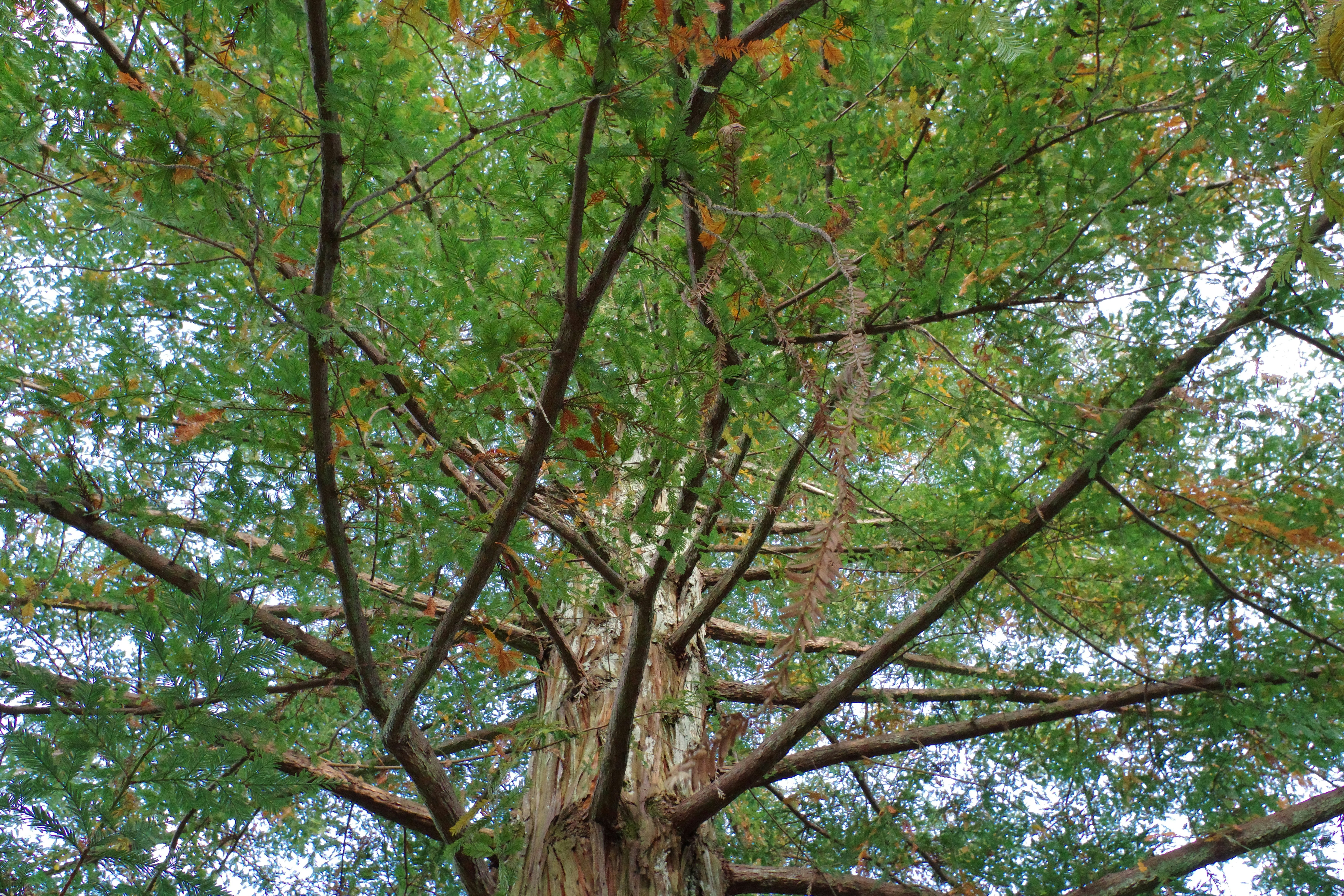
Long before #bonsai blew up on TikTok, Chinese monks were miniaturizing trees in the 6th century CE—calling it penjing—to symbolize the vastness of nature in a tray. Japan later refined the practice into the bonsai we obsess over today, emphasizing wabi-sabi (beauty in imperfection) and ma (the power of empty space).
Fun fact: The oldest known bonsai is a 1,000-year-old Ficus cared for by the Chinese emperor’s retainers (Smithsonian source). In Japan, gifting a prized bonsai still signals deep respect—so maybe don’t re-gift that mall-karat Juniper to your mother-in-law.
🌱 Choosing Your Bonsai Species: Best Trees for Beginners and Experts
| Species | Skill Level | Indoor/Outdoor | Key Superpower | Watch-outs |
|---|---|---|---|---|
| Ficus microcarpa 🌴 | Beginner | Indoor (warm) | Forgives drought & rookie mistakes | Hates cold drafts |
| Chinese Elm (Ulmus parvifolia) 🍂 | Beginner | Both | Tiny leaves, rapid back-budding | Keep above 15 °F |
| Juniperus chinensis 🌲 | Beginner–Int. | Outdoor only | Classic “cloud” silhouette | Needs winter chill dormancy |
| Japanese Maple (Acer palmatum) 🍁 | Intermediate | Outdoor | Fiery autumn color | Leaf burn in scorching sun |
| Black Pine (Pinus thunbergii) 🌲 | Advanced | Outdoor | Dramatic bark plates | Demands rigorous decandering |
Pro tip from the benches at Bonsai Garden™: Pick indigenous species whenever possible—they’ve already signed a climate contract with your backyard. Not sure what thrives in your USDA zone? Cross-check with the National Arboretum’s hardiness map.
🛠️ 12 Essential Tools and Supplies for Starting a Bonsai Garden
- Concave cutter – leaves a shallow hollow wound that heals flush.
- Aluminum training wire (1 mm–4 mm) – anodized so it won’t rot.
- Sharp pruning shears – bypass style, not your grandma’s rose snips.
- Root rake – untangles mats without tears.
- Chopsticks – cheapest root-poker on Earth.
- Watering can with fine rose – gentle shower, no soil tsunami.
- Akadama – the gold-standard clay granule from Japan.
- Pumice & lava rock – keeps soil airy; roots hate wet socks.
- Mesh screens – stop soil from staging a great escape through drainage holes.
- Turn-table lazy Susan – spin your tree like a DJ to style every angle.
- Bonsai fertilizer (biogold pellets or liquid fish emulsion).
- Humidity tray – saves window sills, raises local moisture.
👉 Shop starter kits on:
- Amazon | Walmart | Etsy | BonsaiOutlet Official
🌿 15 Step-by-Step Bonsai Tree Cultivation Techniques for Thriving Growth
- Scout nursery stock – look for nebari (surface roots) like a octopus hugging soil.
- Bare-root in a basin – gently hose off old peat; imagine untangling Christmas lights.
- Root prune first – trim thick downward roots; encourage lateral feeders.
- Choose a training pot – shallow plastic or wooden box (Instructables DIY box guide).
- Layer drainage – mesh, then lava rock, then coarse bonsai mix.
- Wire anchor – thread copper through holes so the tree can’t wiggle.
- Position at correct angle – tilt 10–15° forward for dynamism.
- Top prune – leave 2–3 nodes on each branch; remove vertical suckers.
- Seal large cuts – use cut-paste to stop sap bleeding.
- Water until runoff – soak, wait 5 min, soak again.
- Place in dappled shade for 2 weeks; avoid full sun while it reboots.
- Fertilize weakly, weekly – ½ strength balanced NPK.
- Wire branches in late summer; bend slowly, listen for cracks.
- Defoliate maples next spring to shrink leaves.
- Repot every 2 yrs – remove 30 % of roots, refresh soil.
✂️ Mastering Bonsai Styling: Pruning, Wiring, and Shaping Secrets
Pruning Philosophy
Think “supply and demand”—roots supply water, foliage demands it. Balance both or the system crashes (Instructables wisdom).
Wiring Wizardry
- 45° angle wraps give maximum hold with minimal wire.
- Double-wire heavy branches to avoid snapping.
- Remove after 3–4 months; scars heal faster than regrets.
Shaping Styles Cheat-Sheet
| Style | Visual Cue | Best Species |
|---|---|---|
| Chokkan (formal upright) | Straight trunk, tapering tip | Black Pine |
| Moyogi (informal upright) | Gentle S-curve | Chinese Elm |
| Kengai (cascade) | Drapes below pot | Juniper |
| Bunjin (literati) | Tall, sparse, rebellious | Japanese White Pine |
💧 Watering and Soil Tips: How to Keep Your Bonsai Healthy and Happy
Rule of thumb: Water when the top ¼-inch is dry, not because it’s Tuesday. Bonsai Empire reminds us: “It’s not about quantity, it’s about frequency of deep waterings.”
Soil Recipe We Swear By (per 5-liter batch)
- 50 % akadama
- 25 % pumice
- 25 % lava rock
- Handful of charcoal chips (filters toxins)
👉 Shop components on:
- Akadama – Amazon | Walmart | Bonsai Jack Official
- Pumice/Lava – Etsy | Amazon
☀️ Light and Environment: Creating the Perfect Bonsai Microclimate
- Outdoor Junipers crave morning sun, afternoon shade—think brunch on a patio umbrella.
- Indoor Ficus demand 2000–3000 lux for 10 hrs; a cheap LED grow strip works wonders.
- Winter protection: bury pot in mulch or use an unheated garage (35–45 °F) for dormancy.
- Humidity hack: place pots on a gravel-filled tray with water; pot feet keep roots above the swamp.
🦠 Pest and Disease Management: Protecting Your Bonsai Garden Naturally
| Pest | Tell-tale Sign | Organic Knock-out |
|---|---|---|
| Spider mites | Fine webbing, stippled leaves | Neem oil every 5 days × 3 |
| Fungus gnats | Tiny flies on soil | 1 cm sand top-dressing |
| Scale | Brown bumps on stems | Rubbing alcohol + cotton swab |
| Root rot | Black mushy roots, stench | Repot into coarse mix, trim rot |
Preventive tonic: monthly 1:1 hydrogen-peroxide drench (3 %) keeps pathogens at bay and oxygenates roots.
🌿 Advanced Bonsai Techniques: Repotting, Root Pruning, and Grafting
Repotting Countdown
- Deciduous – when buds swell but before leaves open.
- Conifers – late winter/early spring.
- Tropicals – mid-summer heat spike.
Grafting for Super-Roots
Approach graft a seedling with killer nebari onto your prized but shy-rooted maple. Secure with zip-ties, wait 1 year, then sever the seedling top—instant flare upgrade.
🏡 Designing Your Bonsai Garden Space: Indoor vs Outdoor Bonsai Setup
Indoor shelf idea: IKEA IVAR unit + LED strips + humidity trays = budget bonsai condo.
Outdoor zen corner: railroad-tie vertical poles at eye-level (Bonsai Empire gallery) with pea-gravel floor for clean Japanese aesthetic.
📅 Seasonal Bonsai Care Calendar: What to Do and When
| Season | Job Jar |
|---|---|
| Spring | Repot, heavy prune, wire, fertilize |
| Summer | Defoliate maples, daily water, shade during heatwaves |
| Fall | Reduce nitrogen, wire conifers, collect yamadori |
| Winter | Protect from freeze-thaw cycles, check for rodent chew |
🧰 Recommended Bonsai Brands and Where to Buy Quality Supplies
- American Bonsai Tools – lifetime warranty on cutters.
- Kaneshin – Japanese carbon steel, heirloom grade.
- Bonsai Jack soil – pre-sifted, dust-free.
👉 Shop Kaneshin on:
- Amazon | Etsy | Kaneshin Official
🌟 Inspiring Bonsai Garden Ideas and Layouts to Spark Your Creativity
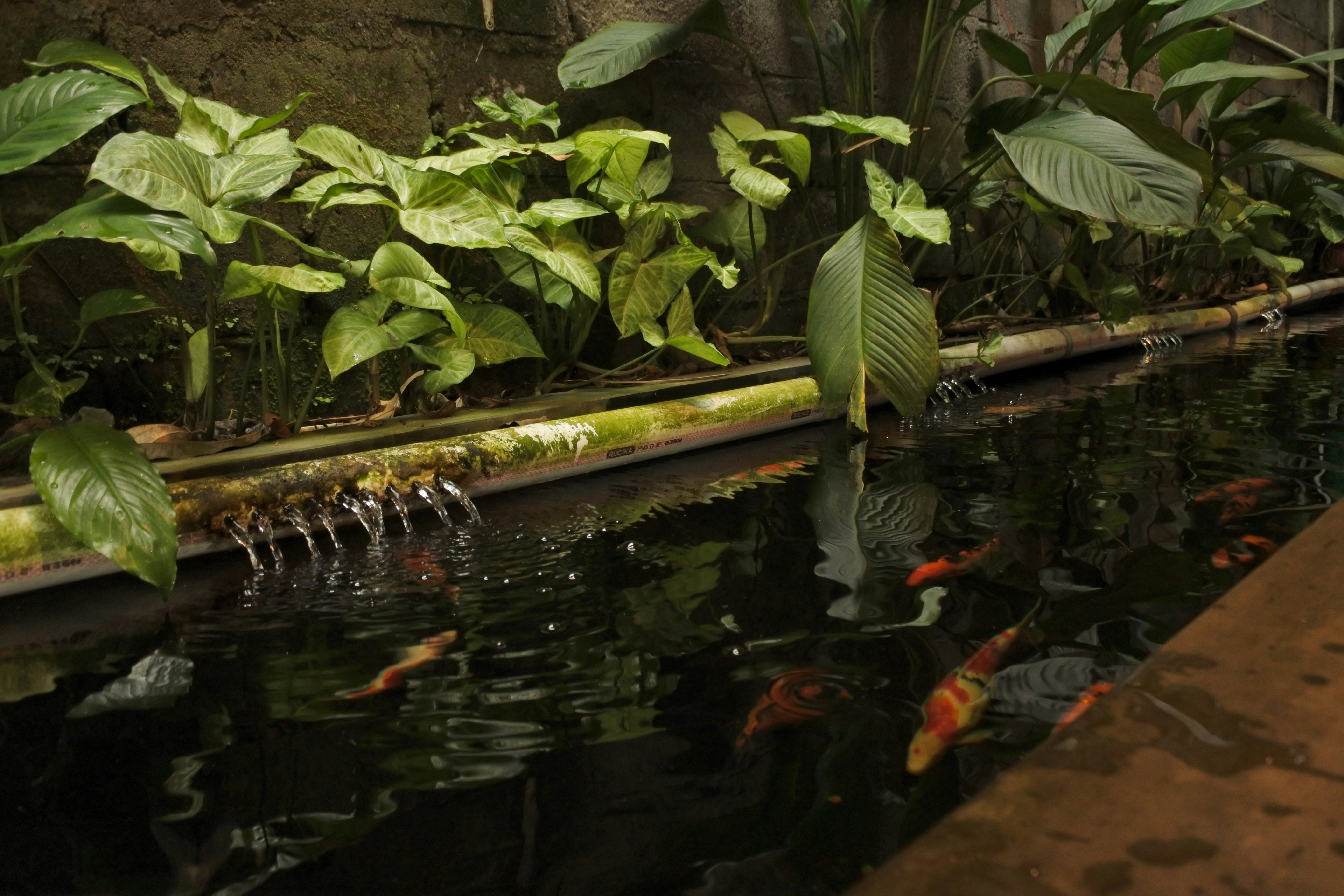
- Koi-pond circuit – trees on rotating pillars reflected in water.
- Wall-mounted vertical garden – staggered cedar shelves for shohin size.
- Moon-gate arch – frame your juniper cascade like living poetry.
🔍 Troubleshooting Common Bonsai Problems: Tips from the Experts
Q: Leaves yellowing in summer?
A: Could be over-watered (check soil) or chlorosis—hit with chelated iron spray.
Q: Wire biting into bark?
A: Unwind immediately; scars can take 5+ years to callus over on slow-growing pines.
🎥 Bonsai Learning Resources: Best Books, Videos, and Online Communities
- Book: Bonsai Techniques I by John Yoshio Naka – the holy grail.
- YouTube channel: Bonsai Empire’s free Beginner’s Course (over 2 M views).
- Reddit: r/Bonsai – daily critique threads, brutally honest but helpful.
- Club finder: Bonsai Clubs International directory
💬 Frequently Asked Questions About Starting a Bonsai Garden
Q: How long before my seed-grown tree looks like a “real” bonsai?
A: Expect 8–12 years for primary branch structure; refinement never ends.
Q: Can I use garden soil?
A: ❌ Garden soil compacts, suffocates roots, and hosts gnats. Stick to inorganic bonsai mix.
Q: Is misting the leaves enough humidity?
A: ❌ Misting lasts minutes; use a humidity tray or room humidifier instead.
Conclusion: Your Journey to a Thriving Bonsai Garden Starts Here
Starting a bonsai garden is much like embarking on a lifelong friendship with nature’s tiniest giants. From selecting the right species—our top picks being Ficus, Chinese Elm, and Juniper—to mastering the art of watering, pruning, and wiring, every step is a blend of science, patience, and a pinch of artistry. Remember, bonsai isn’t about rushing to a finished product; it’s a never-ending journey where every twist and turn teaches you something new.
If you’re wondering whether to start from seed, nursery stock, or a pre-styled bonsai, weigh your patience and budget. Seeds offer the thrill of creation but demand years of nurturing. Nursery stock strikes a balance, and ready-made bonsai provide instant gratification but at a premium. Whichever path you choose, good soil, proper watering, and the right tools are your steadfast allies.
We resolved the mystery of indoor bonsai struggles: most temperate species simply don’t thrive indoors due to light and humidity deficits. So, if you want your bonsai to flourish, consider an outdoor setup or select subtropical species like Ficus for indoor life.
In short, bonsai gardening is a rewarding blend of horticulture and art, demanding respect for your tree’s needs and a willingness to learn. With the right knowledge and tools, your bonsai garden will not only survive but become a living testament to your dedication and creativity. 🌿
Recommended Links for Bonsai Enthusiasts
-
👉 Shop Essential Bonsai Tools and Kits:
-
Recommended Bonsai Books:
-
Bonsai Soil Components:
-
Bonsai Learning Resources:
💬 Frequently Asked Questions About Starting a Bonsai Garden
How do I design a bonsai garden?
Designing a bonsai garden is about creating a harmonious space that showcases your trees’ beauty and meets their environmental needs. Start by considering:
- Display height: Use vertical poles or benches to bring trees to eye level for appreciation.
- Lighting: Arrange trees according to their sun/shade preferences.
- Background: Keep it simple and neutral to make your bonsai pop visually.
- Space: Allow enough room for airflow and growth, avoiding overcrowding.
- Water drainage: Use gravel or permeable surfaces to prevent waterlogging.
For inspiration, check out Bonsai Empire’s garden design ideas and our own Bonsai Inspiration and Ideas.
How do I protect bonsai trees from pests and diseases in a garden?
Pest and disease management relies on vigilance and natural remedies:
- Inspect trees regularly for signs like webbing (spider mites) or sticky residue (scale).
- Use organic treatments such as neem oil, insecticidal soap, or rubbing alcohol for spot treatments.
- Maintain good hygiene: remove fallen leaves and dead branches promptly.
- Avoid overwatering to prevent root rot.
- Consider beneficial insects like ladybugs for aphid control.
Our detailed pest guide includes natural solutions and prevention tips in Bonsai Care Basics.
What type of soil is best for bonsai trees in a garden?
The ideal bonsai soil is a well-draining, aerated mix that retains moisture but doesn’t stay soggy. A classic recipe is:
- 50% akadama (Japanese clay granules)
- 25% pumice (lightweight volcanic rock)
- 25% lava rock (porous for airflow)
Avoid garden soil or peat-heavy mixes, which compact and suffocate roots. This mix promotes healthy root growth and prevents root rot. For more on soil, visit our Bonsai Soil Guide.
How often should I water bonsai trees in a garden?
Watering frequency depends on species, pot size, soil, and climate. The best practice is to:
- Check soil moisture daily by touching the top ¼ inch.
- Water thoroughly when dry, ensuring water reaches all roots.
- Avoid scheduled watering; instead, respond to the tree’s needs.
Remember, overwatering is the #1 killer of bonsai. For detailed watering tips, see Bonsai Watering Basics.
How do I care for bonsai trees in a garden setting?
Caring for bonsai outdoors involves:
- Providing appropriate sunlight based on species.
- Protecting from extreme weather (frost, heatwaves).
- Regular pruning and wiring to maintain shape.
- Seasonal repotting every 1–3 years.
- Fertilizing during the growing season with balanced bonsai fertilizer.
- Monitoring for pests and diseases.
Our Bonsai Care Basics category offers comprehensive seasonal care guides.
What tools do I need to start a bonsai garden?
Essential tools include:
- Concave cutters for clean branch cuts
- Pruning shears
- Aluminum or copper wiring
- Root rake and chopsticks for root work
- Watering can with fine rose
- Soil components (akadama, pumice, lava rock)
- Humidity trays and mesh screens
We recommend investing in quality brands like American Bonsai Tools and Kaneshin.
What size garden do I need to start a bonsai garden?
You don’t need acres! Even a small balcony, patio, or windowsill can host bonsai. Outdoor bonsai thrive best with at least a few square feet for airflow and sun exposure. Vertical shelving or pole displays maximize space in tight areas.
What are the best trees to use for bonsai?
Best beginner-friendly trees include:
- Ficus microcarpa (indoor subtropical)
- Chinese Elm (indoor/outdoor)
- Juniper (outdoor)
Advanced species include Japanese Maple and Black Pine. See our Bonsai Species Guide for detailed profiles.
Can any tree be made into a bonsai?
Technically, almost any woody plant can be miniaturized, but success depends on:
- Growth habit (small leaves, twiggy branches)
- Climate compatibility
- Patience and skill level
Some trees resist bonsai training due to leaf size or growth patterns. Native species usually perform best.
How to make bonsai for beginners?
Start with nursery stock or pre-bonsai:
- Choose a hardy species.
- Learn basic pruning and wiring.
- Use proper soil and watering techniques.
- Join a bonsai club or online forum for support.
Our beginner’s guide at Bonsai for Beginners is a great place to start.
What should we do first to grow the bonsai?
First step: Select your tree species and acquire healthy nursery stock or seeds. Then:
- Prepare your soil mix and pot.
- Prune roots and branches carefully.
- Pot the tree with proper drainage and soil.
- Water thoroughly and place in suitable light.
What is the best time of year to start growing a bonsai tree?
Early spring is ideal for repotting and root pruning, just as buds swell. This timing maximizes growth recovery. Seeds can be started indoors in late winter. Avoid heavy pruning in winter dormancy.
📚 Reference Links and Further Reading
- Bonsai Empire: Basics of Bonsai
- Bonsai Empire: Designing a Bonsai Garden
- Instructables: Starting a Bonsai : 9 Steps (with Pictures)
- American Bonsai Tools Official
- Kaneshin Official Website
- Bonsai Clubs International
- National Arboretum Plant Hardiness Zone Map
Ready to start your bonsai adventure? Remember, every great bonsai garden began with a single seedling and a dream. 🌱