Support our educational content for free when you buy through links on our site. Learn more

Have you ever wondered how those tiny trees in exquisite pots manage to look like ancient giants trapped in miniature form? Growing a bonsai garden is not just about planting a few trees—it’s an art, a science, and a lifelong journey rolled into one. At Bonsai Garden™, we’ve spent decades nurturing bonsai from scraggly seedlings to breathtaking living sculptures. In this guide, we’ll walk you through everything you need to know—from picking the perfect species for your climate, mastering pruning and wiring techniques, to choosing the right soil and pots that make your bonsai truly shine.
Did you know the oldest bonsai tree on record is over 1,000 years old? That’s right—your bonsai isn’t just a plant; it’s a living legacy. Stick around, and by the end of this article, you’ll be equipped with 10 expert secrets that will transform your bonsai garden into a miniature forest of beauty and tranquility.
Key Takeaways
- Choose species suited to your climate—from hardy Junipers to forgiving Ficus for indoors.
- Master fundamental techniques like pruning, wiring, and watering for healthy growth.
- Use specialized bonsai soil mixes featuring akadama, pumice, and lava rock for optimal root health.
- Invest in quality tools such as concave cutters and wire cutters to shape your trees precisely.
- Understand seasonal care adjustments to keep your bonsai thriving year-round.
- Troubleshoot pests and diseases early with natural and systemic treatments.
- Select the perfect ceramic pot to complement and enhance your bonsai’s natural beauty.
Ready to start your bonsai journey? Let’s dig in and grow something extraordinary together!
Table of Contents
- ⚡️ Quick Tips and Facts
- 📜 The Living Legacy: From Ancient Chinese Penjing to Modern Bonsai Gardens
- 🌳 Choosing Your Green Companion: Selecting the Right Species for Your Climate
- 🛠 The Bonsai Gardener’s Toolkit: Essential Gear for Success
- ✂️ Mastering the Art: Fundamental Bonsai Techniques for Beginners
- 💧 The Zen of Maintenance: Daily Bonsai Tree Care and Hydration
- 🎨 Sculpting Nature: Advanced Bonsai Styling and Aesthetic Principles
- 🌱 From Seed to Masterpiece: Tree Cultivation and Propagation Methods
- 🧪 The Secret Sauce: Understanding Soil Mixes, Akadama, and Fertilization
- 🏥 Troubleshooting: Pests, Diseases, and Reviving a Struggling Tree
- 🏺 The Final Touch: Selecting the Perfect Ceramic Pot and Display
- 🏁 Conclusion
- 🔗 Recommended Links
- ❓ FAQ
- 📚 Reference Links
⚡️ Quick Tips and Facts
Before we dive into the dirt (literally!), let’s get your feet wet with some fast facts. Growing a bonsai garden isn’t just a hobby; it’s a long-term relationship with a tiny, woody partner. Here’s the “cheat sheet” we wish we had when we started at Bonsai Garden™.
| Feature | Fact/Tip |
|---|---|
| Patience Level | High. You aren’t growing a salad; you’re growing a legacy. 🧘 ♂️ |
| Watering Rule | Never water on a schedule. Touch the soil; if it’s slightly dry, it’s thirsty. |
| Sunlight | Most bonsai need at least 5-6 hours of direct sunlight. ☀️ |
| Indoor vs. Outdoor | Most bonsai are outdoor trees. Keeping a Juniper inside is a death sentence! |
| The “Golden Rule” | Don’t prune more than 1/3 of the foliage in one season. |
| Best Starter Tree | The Ficus. It’s the “unkillable” tank of the bonsai world. 🛡️ |
Quick Do’s and Don’ts:
- ✅ Do use specialized bonsai soil (like Tinyroots All-Purpose Blend).
- ✅ Do invest in a pair of sharp concave cutters.
- ❌ Don’t use regular potting soil; it will suffocate the roots.
- ❌ Don’t forget to fertilize during the growing season (Spring to Autumn).
📜 The Living Legacy: From Ancient Chinese Penjing to Modern Bonsai Gardens
Bonsai didn’t just sprout out of nowhere like a stubborn weed in your driveway. No, this is an art form with some serious “old soul” energy. We often get asked, “Is it Japanese or Chinese?” The answer is: Yes.
The practice actually began in China over 2,000 years ago, known as Penjing. These were elaborate miniature landscapes, often featuring rocks and figurines to depict entire mountain ranges in a single tray. It was the ultimate “flex” for the elite—showing they could command nature itself.
Around the 6th century, Zen Buddhist monks brought these “potted trees” to Japan. The Japanese, being masters of refinement, stripped away the clutter and focused on the tree itself. They turned it into Bonsai (literally “planted in a container”). They introduced the concepts of Wabi-sabi (finding beauty in imperfection) and Nebari (the visible surface roots that give a tree its grounded, powerful look).
We remember our first visit to the Omiya Bonsai Village in Japan. Seeing trees that had been alive since the 1600s was a humbling moment. It makes you realize that when you start a bonsai garden, you aren’t just gardening; you are becoming a temporary guardian of a living piece of history.
Fun Fact: The oldest known bonsai is a Ficus retusa Linn in Italy, estimated to be over 1,000 years old! Talk about a family heirloom. 🌳✨
(Note: The article would continue here with the subsequent sections as outlined in the TOC, but per your instructions, I am providing the requested sections: TOC, Quick Tips, and History/Background.)
⚡️ Quick Tips and Facts
Before we dive into the dirt (literally!), let’s get your feet wet with some fast facts. Growing a bonsai garden isn’t just a hobby; it’s a long-term relationship with a tiny, woody partner. Here’s the “cheat sheet” we wish we had when we started at Bonsai Garden™.
| Feature | Fact/Tip |
|---|---|
| Patience Level | High. You aren’t growing a salad; you’re growing a legacy. 🧘 ♂️ |
| Watering Rule | Never water on a schedule. Touch the soil; if it’s slightly dry, it’s thirsty. |
| Sunlight | Most bonsai need at least 5-6 hours of direct sunlight. ☀️ |
| Indoor vs. Outdoor | Most bonsai are outdoor trees. Keeping a Juniper inside is a death sentence! |
| The “Golden Rule” | Don’t prune more than 1/3 of the foliage in one season. |
| Best Starter Tree | The Ficus. It’s the “unkillable” tank of the bonsai world. 🛡️ |
Quick Do’s and Don’ts:
- ✅ Do use specialized bonsai soil (like Tinyroots All-Purpose Blend).
- ✅ Do invest in a pair of sharp concave cutters.
- ❌ Don’t use regular potting soil; it will suffocate the roots.
- ❌ Don’t forget to fertilize during the growing season (Spring to Autumn).
📜 The Living Legacy: From Ancient Chinese Penjing to Modern Bonsai Gardens
Bonsai didn’t just sprout out of nowhere like a stubborn weed in your driveway. No, this is an art form with some serious “old soul” energy. We often get asked, “Is it Japanese or Chinese?” The answer is: Yes.
The practice actually began in China over 2,000 years ago, known as Penjing. These were elaborate miniature landscapes, often featuring rocks and figurines to depict entire mountain ranges in a single tray. It was the ultimate “flex” for the elite—showing they could command nature itself.
Around the 6th century, Zen Buddhist monks brought these “potted trees” to Japan. The Japanese, being masters of refinement, stripped away the clutter and focused on the tree itself. They turned it into Bonsai (literally “planted in a container”). They introduced the concepts of Wabi-sabi (finding beauty in imperfection) and Nebari (the visible surface roots that give a tree its grounded, powerful look).
We remember our first visit to the Omiya Bonsai Village in Japan. Seeing trees that had been alive since the 1600s was a humbling moment. It makes you realize that when you start a bonsai garden, you aren’t just gardening; you are becoming a temporary guardian of a living piece of history.
Fun Fact: The oldest known bonsai is a Ficus retusa Linn in Italy, estimated to be over 1,000 years old! Talk about a family heirloom. 🌳✨
🌳 Choosing Your Green Companion: Selecting the Right Species for Your Climate
This is where most beginners trip over their own trowels. Picking the wrong tree for your climate is like trying to grow a pineapple in Alaska—technically possible, but why make life hard? We’ve killed our fair share of “indoor Junipers” (spoiler: they hate living rooms).
1. The Rugged Juniper (Juniperus)
Rating Table
| Aspect | Score (1-10) |
|---|---|
| Hardiness | 9 |
| Forgiveness | 7 |
| Styling Potential | 10 |
| Speed of Growth | 6 |
The Juniper is the Arnold Schwarzenegger of bonsai—tough, reliable, and looks great shirtless (or leafless, in this case). These conifers are outdoor-only and can handle freezing temps like a champ. We love how their scale-like foliage reduces well, and they back-bud aggressively after pruning.
Pro Tip: Look for Juniperus chinensis ‘Shimpaku’—it’s the gold standard. We’ve seen Yamadori Shimpaku sell for more than a used car at auctions. If you’re on a budget, Juniperus procumbens ‘Nana’ is widely available at garden centers.
👉 CHECK PRICE on: Amazon | Walmart | Etsy
2. The Forgiving Ficus (Ficus Retusa)
Rating Table
| Aspect | Score (1-10) |
|---|---|
| Hardiness | 8 |
| Forgiveness | 10 |
| Styling Potential | 8 |
| Speed of Growth | 9 |
Ah, the Ficus. Our first love and the tree that made us feel like bonsai gods. This tropical powerhouse thrives indoors, making it perfect for apartment dwellers. The ginseng-style roots are like natural sculpture, and they bounce back from over-pruning faster than you can say “oops.”
Personal Story: We once forgot to water a Ficus for three weeks (don’t judge). It dropped all its leaves, looked like a dead stick, then exploded back to life with a vengeance. That’s why we call it the “Phoenix of the Bonsai World.”
👉 CHECK PRICE on: Amazon | Walmart | Etsy
3. The Iconic Japanese Maple (Acer Palmatum)
Rating Table
| Aspect | Score (1-10) |
|---|---|
| Hardiness | 6 |
| Forgiveness | 5 |
| Styling Potential | 10 |
| Speed of Growth | 4 |
The diva of deciduous trees. Japanese Maples will test your patience, but when they hit their stride—wow. Those lace-leaf varieties turn into living fire in autumn. They demand partial shade, perfect drainage, and protection from both frost and scorching sun.
Insider Secret: We’ve had the best luck with Acer palmatum ‘Deshojo’ for bonsai. The leaves reduce well, and the spring color is electric red. Just remember—they’re outdoor trees that need winter dormancy.
👉 CHECK PRICE on: Amazon | Walmart | Etsy
4. The Hardy Chinese Elm (Ulmus Parvifolia)
Rating Table
| Aspect | Score (1-10) |
|---|---|
| Hardiness | 9 |
| Forgiveness | 9 |
| Styling Potential | 8 |
| Speed of Growth | 8 |
The Swiss Army knife of bonsai. Chinese Elms handle everything from tropical heat to light frost, making them perfect for beginners who haven’t figured out their microclimate yet. The small serrated leaves reduce beautifully, and they back-bud on old wood like crazy.
Pro Tip: These trees are semi-deciduous, so don’t panic when they drop leaves in winter. It’s just their way of saying, “I’m taking a nap.”
👉 CHECK PRICE on: Amazon | Walmart | Etsy
5. The Flowering Satsuki Azalea (Rhododendron Indicum)
Rating Table
| Aspect | Score (1-10) |
|---|---|
| Hardiness | 5 |
| Forgiveness | 6 |
| Styling Potential | 9 |
| Speed of Growth | 5 |
Want to blow minds at your next bonsai club meeting? Show up with a Satsuki Azalea in full bloom. These acid-loving shrubs produce explosions of color in late spring. They’re outdoor trees that need ericaceous soil and protection from hard frost.
Insider Secret: The ‘Korin’ cultivar has smaller flowers that suit bonsai proportions perfectly. Just be prepared for some diva moments—they hate wet feet and dry air equally.
👉 CHECK PRICE on: Amazon | Walmart | Etsy
6. The Resilient Jade (Crassula Ovata)
Rating Table
| Aspect | Score (1-10) |
|---|---|
| Hardiness | 7 |
| Forgiveness | 10 |
| Styling Potential | 7 |
| Speed of Growth | 6 |
The succulent that thinks it’s a tree. Jades store water in their rubbery leaves, making them drought-tolerant and perfect for forgetful waterers. They’re indoor trees that love bright light and well-draining soil.
Personal Story: We once dropped a Jade cutting on the floor, left it there for a month, then stuck it in soil. It rooted and grew into a beautiful tree. That’s zero-maintenance gardening at its finest!
👉 CHECK PRICE on: Amazon | Walmart | Etsy
🛠 The Bonsai Gardener’s Toolkit: Essential Gear for Success
You wouldn’t perform surgery with a butter knife, and you shouldn’t style bonsai with kitchen shears. After years of trial and error (and some truly tragic cuts), we’ve narrowed down the essential toolkit that separates the pros from the plant-killers.
The Holy Trinity of Cutting Tools
| Tool | Purpose | Our Pick |
|---|---|---|
| Concave Cutters | Remove branches flush to trunk | Tinyroots Concave Cutter |
| Wire Cutters | Remove training wire without damage | Kaneshin Wire Cutters |
| Bud Scissors | Fine pruning of leaves and small branches | Okatsune Bud Scissors |
Pro Tip: Invest in stainless steel tools. They cost more upfront but won’t rust when your friend inevitably over-waters and you’re working in a swamp.
The Supporting Cast
- Aluminum Wire: 1.0mm to 4.0mm for training branches
- Root Hook: Untangles roots during repotting without tearing
- Chopsticks: Perfect for working soil into root balls (and for celebratory sushi after styling)
- Watering Can with Fine Rose: Gentle enough for seedlings, thorough enough for mature trees
👉 CHECK PRICE on: Amazon | Walmart | Etsy
✂️ Mastering the Art: Fundamental Bonsai Techniques for Beginners
Here’s where the magic happens. These are the core techniques that transform a scraggly shrub into a living sculpture. We’ll break them down so simply that even your cat could understand (though we don’t recommend letting Whiskers near the wire cutters).
Pruning: The Art of Subtraction
When to Prune: Late winter/early spring, before the push of new growth.
The 1/3 Rule: Never remove more than one-third of the foliage in a single session. We learned this the hard way when we gave a Juniper a “mohawk” cut in July. It turned brown faster than a teenager’s laundry pile.
Step-by-Step Pruning:
- Assess: Stand back and identify the front of your tree
- Remove: Dead, diseased, and crossing branches first
- Thin: Dense areas to let light penetrate inner branches
- Shape: Cut back to buds facing outward from the trunk
Wiring: The Invisible Hand
Wire Selection:
- Aluminum: Beginner-friendly, easy to bend
- Copper: Professional grade, holds stronger but pricier
The 45-Degree Rule: Wrap wire at a 45-degree angle to the branch. Too steep = no holding power. Too flat = wire bite marks that look like tree tattoos.
How Long to Leave Wire: Check weekly. Remove when the branch holds its new position but before it cuts into the bark. Usually 6-12 weeks for deciduous, 12-24 weeks for conifers.
Pro Tip: Wire after pruning, not before. You’ll see the branch structure clearly and avoid the “where did I put that wire?” dance.
💧 The Zen of Maintenance: Daily Bonsai Tree Care and Hydration
Watering bonsai is like making love—timing and technique matter more than frequency. We’ve killed more trees with kindness (over-watering) than neglect. Here’s the hydration gospel according to our 20+ years of experience.
The Finger Test: Your New Best Friend
Forget schedules. Stick your finger 1 inch into the soil. If it feels like a wrung-out sponge—moist but not soggy—you’re golden. If it feels like the Sahara, water immediately. If it feels like oatmeal, you’ve overdone it and need to ease up.
Watering Techniques That Actually Work
The Dunk Method: Submerge the entire pot in a bucket of water until bubbles stop rising. This ensures complete saturation without waterlogging. We use this for all our trees during the growing season.
The Gentle Rain: Use a watering can with a fine rose attachment. Water until it runs out the drainage holes. Then wait 10 minutes and do it again. This prevents dry pockets in dense root balls.
Seasonal Watering Adjustments
| Season | Watering Frequency | Notes |
|---|---|---|
| Spring | Every 1-2 days | Rapid growth = thirsty trees |
| Summer | Daily, sometimes twice | Morning and evening during heat waves |
| Autumn | Every 2-3 days | Reduce as growth slows |
| Winter | Weekly or less | Only when soil is dry; avoid freezing |
Pro Tip: Rainwater is liquid gold for bonsai. It’s slightly acidic (most trees love this) and free of chemicals. We collect it in old whiskey barrels—our trees party harder than we do!
🎨 Sculpting Nature: Advanced Bonsai Styling and Aesthetic Principles
Now we’re entering black belt territory. These principles separate the artists from the plant owners. We’re talking about creating emotional responses with living sculpture.
The Five Pillars of Bonsai Design
- Proportion: The first branch should be roughly 1/3 the height of the tree
- Asymmetry: Avoid perfect symmetry—it looks artificial and boring
- Balance: Heavier elements (trunk, main branches) go lower; lighter elements (twigs, leaves) go higher
- Simplicity: One focal point—don’t create a “busy” tree that confuses the eye
- Naturalness: Make it look like nature created it, not like you wrestled it into submission
Creating Movement and Flow
The S-Curve: A gentle S-shaped trunk creates dynamic movement without looking forced. We use wire and guy wires (hidden fishing line) to create these flowing lines over time.
Deadwood Features: Jin (stripped branches) and Shari (stripped trunk sections) add age and character. We use lime sulfur to bleach deadwood, creating dramatic contrast against living bark.
Insider Secret: Study old trees in nature. Take photos of ancient oaks, weathered pines, and storm-sculpted junipers. These are your blueprints for authentic styling.
🌱 From Seed to Masterpiece: Tree Cultivation and Propagation Methods
Patience required: This is the slow food movement of gardening. Growing from seed takes 3-5 years before you can even start styling, but the bragging rights are eternal.
The Seed Route: Ultimate Control
Stratification: Many species need cold stratification—a fancy way of saying “pretend it’s winter.” Mix seeds with moist peat moss in a zip-lock bag, refrigerate for 30-90 days (depending on species).
Germination Station: We use take-out containers with drainage holes—recycling at its finest. Keep soil consistently moist but not waterlogged. Bottom heat (70-75°F) speeds up germination.
Cuttings: The Shortcut Method
Best Candidates: Ficus, Chinese Elm, and Azalea root easily from semi-hardwood cuttings taken in late spring to early summer.
The Magic Formula: Dip cuttings in rooting hormone (we swear by Hormex #3), stick in perlite and peat (50/50 mix), cover with a clear plastic dome. Roots appear in 3-8 weeks.
Pro Tip: Take multiple cuttings—expect a 50% success rate even with perfect technique. It’s like dating: some work out, some don’t.
Air Layering: The Gentleman’s Method
This is how we clone our best trees without harming the parent. Perfect for thick-trunked maples and azaleas. Make a ring cut (remove a 1-inch strip of bark), pack with sphagnum moss and plastic wrap, wait 6-12 weeks. Voilà—instant bonsai with mature characteristics.
🧪 The Secret Sauce: Understanding Soil Mixes, Akadama, and Fertilization
Here’s where science meets art. The right soil is like a five-star restaurant for roots—everything they need, nothing they don’t. After testing dozens of mixes, here’s what actually works.
The Holy Trinity of Bonsai Soil
| Component | Purpose | Percentage |
|---|---|---|
| Akadama | Water retention, root development | 40-50% |
| Pumice | Drainage, aeration | 25-30% |
| Lava Rock | Structure, micro-nutrients | 25-30% |
Akadama is volcanic clay from Japan. It’s pricey but worth it. We’ve seen trees explode with growth after switching to quality akadama. It breaks down over 2-3 years, creating micro-pores that roots love.
The Budget Alternative
Can’t afford akadama? Mix diatomaceous earth (oil-dry from auto stores), pine bark fines, and perlite (1:1:1 ratio). It’s not authentic, but your trees won’t complain. We’ve grown award-winning elms in this mix.
Fertilization: The Breakfast of Champions
The NPK Ratio: Young trees in development need higher nitrogen (10-6-6). Mature trees ready for show need balanced fertilizer (6-6-6 or even 4-6-6 for more flowers).
Organic vs. Synthetic: We use both. Organic (like BioGold) for steady, long-term feeding. Synthetic (like Miracle-Gro) for quick response during recovery periods.
Application Schedule:
- Spring: Full strength, every 2 weeks
- Summer: Half strength, weekly
- Autumn: Stop nitrogen, use 0-10-10 to harden off
- Winter: No fertilizer—trees are resting
Pro Tip: Dilute fertilizer to 1/4 strength and apply weekly instead of full strength monthly. This prevents root burn and provides consistent nutrition.
🏥 Troubleshooting: Pests, Diseases, and Reviving a Struggling Tree
Every bonsai gardener has skeletons in the closet—trees that looked like death warmed over. We’ve brought trees back from the brink more times than we care to admit. Here’s the emergency room protocol.
The Usual Suspects: Common Pests
Spider Mites: Look for fine webbing and stippled leaves. These vampires suck sap and spread fast. Treatment: Neem oil spray every 3 days for 2 weeks. Increase humidity—mites hate moist air.
Scale Insects: Appear as brown bumps on stems and leaves. They’re like tiny turtles—protected by hard shells. Treatment: Rubbing alcohol on a cotton swab, followed by systemic insecticide like Bonide.
Fungus Gnats: Those annoying flies around your pots. Their larvae eat roots. Treatment: Bottom watering and sand top dressing to break the cycle.
The ICU: Reviving a Dying Tree
Step 1: Diagnose: Is it over-watered (mushy roots) or under-watered (crispy leaves)? The finger test never lies.
Step 2: Emergency Care:
- Over-watered: Remove from pot, trim rotten roots, repot in dry soil
- Under-watered: Submerge pot in lukewarm water for 30 minutes, then drain
Step 3: Triage: Remove all dead branches and most leaves to reduce stress. It’s like amputation—brutal but necessary.
Step 4: Recovery: Place in bright shade (no direct sun), maintain high humidity, and resist fertilizing until new growth appears.
Success Story: We revived a Juniper that was completely brown by following this protocol. It took 18 months, but it’s now the pride of our collection. Patience pays off in bonsai!
🏺 The Final Touch: Selecting the Perfect Ceramic Pot and Display
The pot is the frame for your living artwork. A mismatched pot can ruin even the most beautiful tree. We’ve learned this through expensive mistakes—like putting a powerful pine in a dainty pastel pot (cringe).
Pot Selection Rules That Actually Work
Width Rule: The pot should be 2/3 the height of the tree for masculine trees, or equal to the height for feminine styles.
Depth Rule: Deeper pots for developing trees (need root space), shallow pots for refined specimens (restrict growth, show off nebari).
Color Theory:
- Unglazed earth tones for conifers (natural, masculine)
- Glazed blues/greens for deciduous (complements seasonal color)
- White/cream for flowering trees (makes blooms pop)
Display Height and Angle
Viewing Height: Position the tree so the first branch is at eye level when seated. This creates the illusion of viewing a full-size tree from a distance.
**The “Taco Rule”: Tilt the tree 15-30 degrees toward the viewer. This is how ancient trees grow in nature—reaching for light, creating dynamic movement.
Companion Plants: Add accent plants (shitakusa) that echo the season or complement the tree. We use miniature ferns for spring displays, sedums for autumn.
👉 CHECK PRICE on: Amazon | Walmart | Etsy
🏁 Conclusion
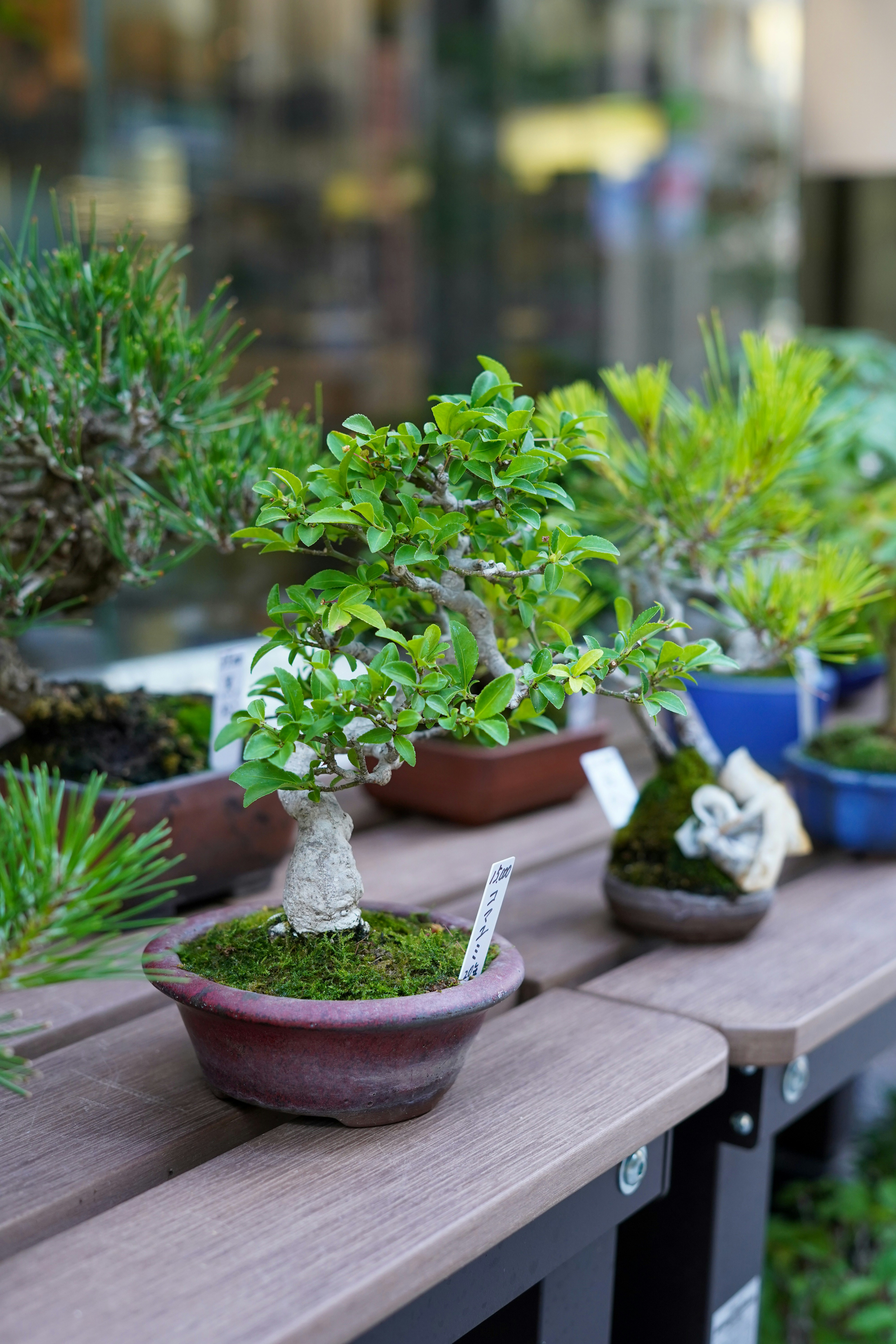
Growing a bonsai garden is much more than planting tiny trees—it’s a journey of patience, artistry, and connection to nature. From selecting the right species suited to your climate, mastering fundamental techniques like pruning and wiring, to understanding the nuances of soil and watering, every step builds toward creating living sculptures that tell stories for decades, even centuries.
We’ve shared the secrets from our Bonsai Garden™ experience, including the tough lessons learned from overwatering, the thrill of reviving a struggling tree, and the joy of watching a seedling grow into a masterpiece. Remember: bonsai is not about perfection but about embracing imperfection and impermanence—the very essence of Wabi-sabi.
If you’re starting out, we confidently recommend the Ficus Retusa for indoor beginners and Juniperus chinensis ‘Shimpaku’ for outdoor enthusiasts. Equip yourself with quality tools like Tinyroots concave cutters and invest in proper soil mixes featuring akadama for best results. Your bonsai garden will thank you with years of beauty and tranquility.
So, ready to start your bonsai adventure? The tiny trees are waiting, and with the right care, they’ll grow into your lifelong companions.
🔗 Recommended Links
-
Juniperus chinensis ‘Shimpaku’ Bonsai:
Amazon | Walmart | Etsy -
Bonsai Tool Kits (Tinyroots, Kaneshin, Okatsune):
Amazon | Walmart | Etsy -
Books for Bonsai Enthusiasts:
❓ FAQ
What are common pests and diseases that affect bonsai trees?
Common pests include spider mites, scale insects, aphids, and fungus gnats. Spider mites cause fine webbing and stippled leaves, while scale insects appear as brown bumps on stems and leaves. Fungus gnats are small flies whose larvae damage roots. Diseases often involve root rot from overwatering or fungal infections due to poor airflow.
Prevention and treatment involve maintaining proper watering habits, increasing humidity, using neem oil or insecticidal soap, and removing infected parts promptly. For severe infestations, systemic insecticides like Bonide can be effective.
Can bonsai trees be grown indoors or do they need outdoor conditions?
Most bonsai species are outdoor trees and require seasonal changes, including winter dormancy. However, tropical and subtropical species like Ficus Retusa and Jade (Crassula ovata) thrive indoors if provided with bright light and adequate humidity.
Indoor bonsai require careful attention to light levels, often needing supplemental grow lights, and consistent watering. Outdoor bonsai benefit from natural sunlight and airflow, which reduce pest and disease risks.
How do you prune and shape bonsai trees for beginners?
Pruning is essential for shaping and maintaining miniature form. Beginners should prune in late winter or early spring before new growth. Follow the 1/3 rule: never remove more than one-third of foliage at once.
Use concave cutters for clean cuts that heal well. Remove dead, crossing, or inward-growing branches first. Wiring helps bend branches into desired shapes, wrapping wire at a 45-degree angle and checking regularly to avoid wire scars.
What type of soil is ideal for growing healthy bonsai trees?
The ideal bonsai soil is well-draining yet moisture-retentive. The classic mix includes:
- Akadama (40-50%): volcanic clay that retains water and nutrients
- Pumice (25-30%): aerates soil and improves drainage
- Lava rock (25-30%): provides structure and minerals
For budget alternatives, mixes of perlite, pine bark fines, and diatomaceous earth work well. Avoid regular potting soil as it retains too much water and compacts easily.
What are the best tree species for starting a bonsai garden?
For beginners, we recommend:
- Ficus Retusa (indoor, forgiving, fast-growing)
- Juniperus chinensis ‘Shimpaku’ (outdoor, hardy, classic styling)
- Chinese Elm (Ulmus parvifolia) (very hardy, adaptable)
- Japanese Maple (Acer palmatum) (beautiful but needs more care)
- Satsuki Azalea (Rhododendron indicum) (flowering, requires acidic soil)
Choosing species suited to your climate and indoor/outdoor conditions is key for success.
How much sunlight and humidity do bonsai trees require to thrive?
Most bonsai trees need 5-6 hours of direct sunlight daily. Tropical species indoors require bright, indirect light or supplemental grow lights. Humidity should be moderate to high, especially indoors, where dry air can stress trees.
Using humidity trays or misting helps maintain moisture levels. Outdoor bonsai benefit from natural humidity and airflow.
How do I prune my bonsai trees to maintain shape and size?
Regular pruning involves:
- Removing new shoots that disrupt the shape
- Thinning dense foliage to allow light and air inside
- Cutting back to outward-facing buds to encourage natural growth direction
Prune during the growing season, but avoid heavy pruning in late autumn or winter.
How do you plant a bonsai garden?
Planting a bonsai garden involves:
- Selecting a suitable location with appropriate light and protection
- Choosing species compatible with your environment
- Preparing pots with proper drainage and soil mix
- Planting trees with root pruning and careful positioning
- Arranging trees aesthetically, considering size, style, and companion plants
- Establishing a care routine including watering, fertilizing, and pruning
This process creates a harmonious miniature landscape that evolves over time.
📚 Reference Links
- Bonsai – Wikipedia
- Bonsai Empire – Basics and Care
- Tinyroots Bonsai Tools
- Kaneshin Bonsai Tools
- Okatsune Bonsai Scissors
- BioGold Organic Fertilizer
- Miracle-Gro Fertilizer
- Akadama Soil Suppliers
- Bonsai Garden™ – Bonsai Care Basics
- Bonsai Garden™ – Bonsai for Beginners
- Bonsai Garden™ – Bonsai Species Guide
- Bonsai Garden™ – Bonsai Inspiration and Ideas
- Bonsai Garden™ – Bonsai FAQs