Support our educational content for free when you buy through links on our site. Learn more

Have you ever stared at a tiny bonsai tree and wondered, “Why does this miniature marvel cost so much?” You’re not alone! Bonsai trees can range from affordable starter plants to jaw-dropping masterpieces valued in the hundreds of thousands—even millions—of dollars. But what exactly drives these prices? Is it just the tree itself, or is there a hidden story behind every branch and root?
At Bonsai Garden™, we’ve spent decades cultivating, styling, and caring for bonsai trees, and we’re here to spill the secrets. From ancient artistry and painstaking craftsmanship to rare species and the cost of ongoing care, this article uncovers 7 key reasons why bonsai trees command such high prices. Plus, we’ll share jaw-dropping examples of bonsai values and reveal whether growing your own can really save you money—or if it’s priceless in its own right. Ready to discover what makes bonsai so special (and expensive)? Let’s dive in!
Key Takeaways
- Age and maturity dramatically increase bonsai value, with centuries-old trees commanding premium prices due to their thick trunks, refined branches, and historical significance.
- Species rarity and cultivation difficulty play a huge role; exotic or slow-growing trees cost more because they’re harder to nurture into bonsai form.
- Masterful craftsmanship and styling by skilled artists transform ordinary trees into living works of art, adding significant value.
- High-quality, handcrafted pots and presentation are integral to bonsai’s price, often worth thousands on their own.
- Ongoing care, specialized tools, and substrates contribute to the overall expense and health of bonsai trees.
- Growing your own bonsai can save money but requires immense patience and skill, making it a priceless journey rather than a quick bargain.
- Bonsai can be a worthwhile investment emotionally and financially, blending art, nature, and legacy into a living treasure.
Curious about the million-dollar bonsai or how to find a quality starter tree without breaking the bank? Keep reading—we’ve got all that and more coming up!
Table of Contents
- ⚡️ Quick Tips and Fascinating Facts About Bonsai Prices
- 🌳 The Art and History Behind Bonsai: Why It’s More Than Just a Tree
- 💰 The Price of a Bonsai Tree: What Factors Drive the Cost?
- 💸 10 Bonsai Price Examples: From Jaw-Dropping to Budget-Friendly
- 🛠️ Why Bonsai Care and Tools Add to the Overall Expense
- 🌱 Growing Your Own Bonsai: Can You Save Money or Is It Priceless?
- 🌟 Investing in Bonsai: Is It Worth the Price Tag?
- 🤔 Common Misconceptions About Bonsai Pricing Debunked
- 🎁 How to Find Good Deals on Quality Bonsai Trees
- 📚 Recommended Links for Bonsai Enthusiasts and Buyers
- ❓ Frequently Asked Questions About Bonsai Costs
- 🔗 Reference Links and Resources for Further Reading
- 🏁 Conclusion: Why Bonsai Is Pricier Than You Think (And Totally Worth It!)
⚡️ Quick Tips and Fascinating Facts About Bonsai Prices
Ever gazed upon a magnificent, ancient bonsai and wondered, “Why on earth is that tiny tree so incredibly expensive?!” 🤔 You’re not alone! Here at Bonsai Garden™, we hear this question all the time. The world of bonsai pricing can seem as intricate as the root system of a venerable juniper, but we’re here to demystify it for you.
Let’s kick things off with some rapid-fire insights:
- Age is More Than Just a Number: The older a bonsai, the more valuable it generally is. We’re talking decades, even centuries, of dedicated care! Imagine the stories those branches could tell.
- It’s Not About Size: Counter-intuitively, a smaller bonsai can sometimes be more expensive than a larger one. Why? Because keeping a tree perfectly miniature and healthy requires intensive, continuous work over many years. As Bonsai Direct aptly puts it, “The smaller the bonsai, the more work has had to go into it to keep it small.” https://www.bonsaidirect.co.uk/contact-us/art-of-bonsai/how-are-bonsai-priced/
- Artistry Over Agriculture: You’re not just buying a plant; you’re investing in a living sculpture, a piece of horticultural art. The skill of the bonsai artist is a huge factor.
- Rarity Rules: Some tree species are naturally harder to cultivate as bonsai or are simply rare, driving up their desirability and price.
- Pots Aren’t Just Pots: An antique, handcrafted pot from a renowned artisan can be worth more than many young trees!
- The Million-Dollar Tree: Yes, you read that right! A centuries-old Pine bonsai once sold for an astonishing $1.3 million at an international convention in Japan https://www.bonsaiempire.com/blog/bonsai-prices. Mind-blowing, right?
So, while a starter bonsai might be as accessible as a trip to your local garden center, the true masterpieces are in a league of their own. Ready to dive deeper into this fascinating financial foliage? Let’s go!
🌳 The Art and History Behind Bonsai: Why It’s More Than Just a Tree
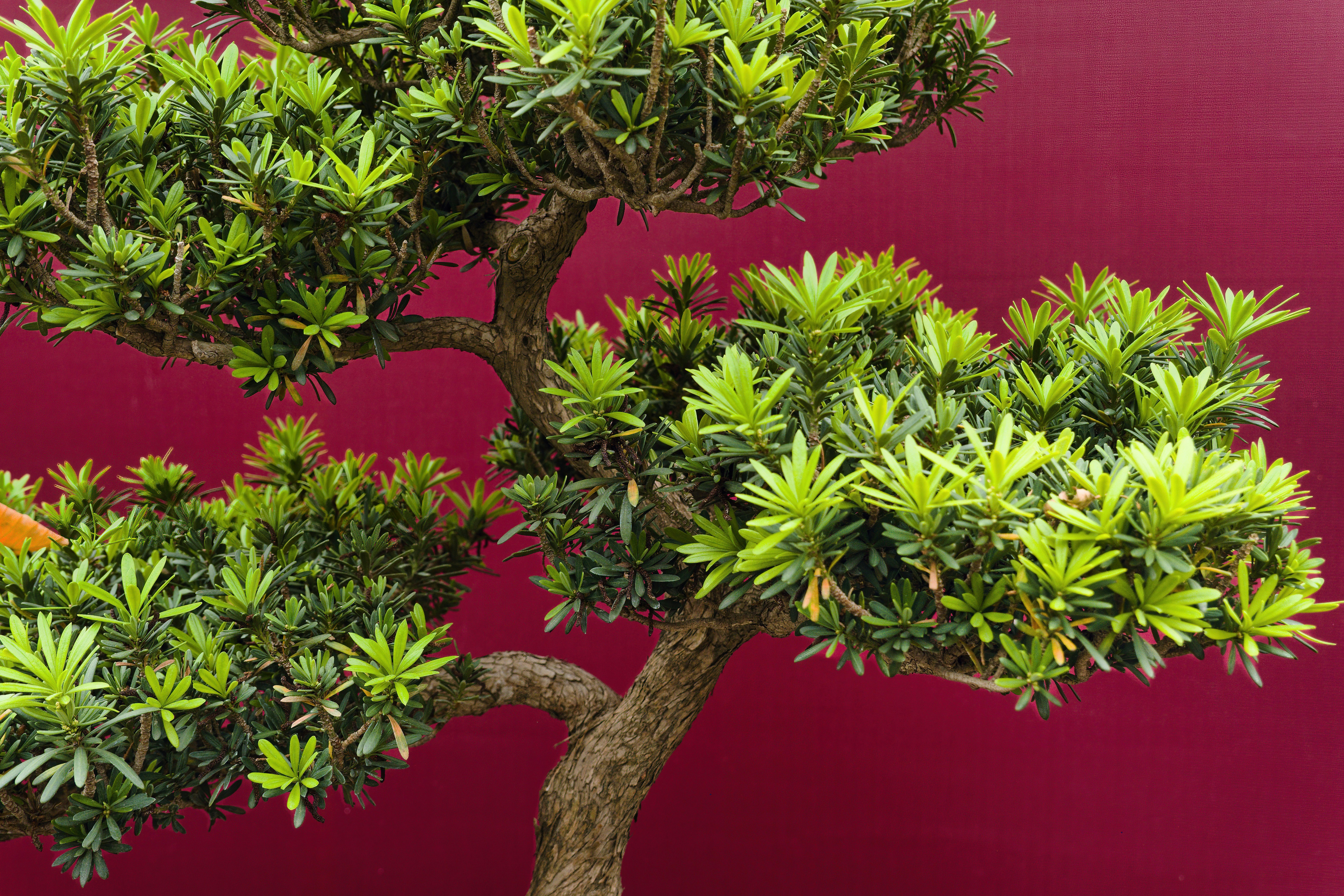
Before we dissect the dollars and cents, let’s appreciate the soul of bonsai. This isn’t just about growing a small tree; it’s about capturing the essence of nature in miniature, a profound artistic and spiritual practice that has captivated cultures for centuries. Here at Bonsai Garden, we live and breathe this philosophy every day.
The practice, often mistakenly thought to be purely Japanese, actually originated in China over a thousand years ago, dating back to the sixth century CE, where it was known as penjing. The Japanese later refined this art form, giving us the term “bonsai” (盆栽), which literally means “planted in a container.” This rich history imbues every tree with a sense of timelessness and cultural significance.
As the first YouTube video embedded in this article beautifully illustrates, bonsai is an art form that demands years of training and dedication. It’s a continuous journey of refinement, where artists meticulously prune, wire, repot, and graft to create a perfect miniature representation of nature. Chiyako Yamamoto, a fourth-generation bonsai maker, emphasizes the importance of patience and meticulous care, noting, “It takes decades.” She also highlights the inherent fragility and uniqueness: “Therefore bonsai is always unstable,” and “After all, there’s only one in the world.” This perspective underscores why these living sculptures command such respect and, consequently, such prices.
Think of it this way: you wouldn’t expect a masterpiece painting to be cheap, would you? Bonsai is no different. It’s a living, breathing canvas that requires constant attention, adaptation, and a deep understanding of horticulture and aesthetics. The value is derived not only from the sheer time and effort invested but also from the artistry, vision, and soul of the creator. It’s a dialogue between human and nature, a testament to enduring beauty and patience. For more on the philosophical side, explore our Bonsai Inspiration and Ideas section.
💰 The Price of a Bonsai Tree: What Factors Drive the Cost?
Alright, let’s get down to brass tacks. Why does one bonsai cost less than a fancy dinner, while another could buy you a small house? The price of a bonsai tree isn’t arbitrary; it’s a complex equation influenced by several key factors. Understanding these will help you appreciate the true value of these miniature marvels.
Age and Maturity: Why Older Bonsai Command Higher Prices
This is perhaps the most significant factor. Just like fine wine or antique furniture, age adds immense value to a bonsai. We’re talking about trees that have been carefully cultivated for decades, sometimes even centuries!
- Time is Money (and More): Imagine the sheer dedication required to keep a tree alive, healthy, and aesthetically pleasing for 50, 100, or even 800 years. Each year represents countless hours of watering, feeding, pruning, wiring, and repotting. This cumulative effort is a massive investment.
- Historical Significance: Some trees carry incredible stories. The famous 400-year-old Japanese White Pine that survived the Hiroshima atomic bombing and was later gifted to the National Bonsai & Penjing Museum in Washington D.C. is a prime example. While never for sale, its historical weight makes it priceless https://www.bonsaiempire.com/blog/bonsai-prices.
- Developed Features: Older trees naturally develop characteristics that are highly prized in bonsai:
- Thick, Tapered Trunks: A robust trunk that gradually narrows towards the apex is a hallmark of a mature, well-styled bonsai. This “trunk tapering” takes many years to achieve through careful cultivation and pruning. As Bonsai Empire notes, “A thick trunk, with attractive tapering, can only be achieved over many years of work, making it expensive.” https://www.bonsaiempire.com/blog/bonsai-prices
- Gnarly Bark and Deadwood (Jin/Shari): These features evoke the image of an ancient tree battling the elements, adding character and a sense of history.
- Refined Branch Structure: Decades of meticulous pruning and wiring create a dense, intricate canopy of branches and ramification that is simply impossible to replicate quickly.
It’s no wonder that an 800-year-old bonsai can be valued at $400,000, or that a spectacular pine fetched $1.3 million! These aren’t just trees; they’re living legacies.
Species and Rarity: The Exotic and Unique Bonsai Varieties
Just like in the world of pets or plants, some species are simply more sought after, harder to find, or more challenging to cultivate as bonsai.
- Desirable Characteristics: Certain species naturally lend themselves better to bonsai cultivation due to their small leaves, fine ramification, interesting bark, or beautiful flowers/fruit. Think Japanese Maples (Acer palmatum), Juniper (Juniperus procumbens ‘Nana’), or Ficus (Ficus retusa).
- Difficulty of Cultivation: Some trees are notoriously finicky or slow-growing, requiring specialized knowledge and conditions. For instance, certain conifers like Pines (Pinus thunbergii) can take decades to develop the desired trunk thickness and branch structure, making mature specimens highly prized.
- Exotic and Rare Species: If a species is rare in its natural habitat or difficult to import due to strict quarantine regulations, its bonsai form will naturally be more expensive. Imagine trying to get a centuries-old specimen from Japan into your country – the logistics alone are a nightmare!
- Starting Material: The quality of the initial plant material, whether it’s a seed, cutting, or collected “yamadori” (wild-collected tree), also plays a role. High-quality yamadori, often found in harsh mountain environments, can already possess incredible age and character, making them valuable starting points.
For a deeper dive into different types of bonsai and their unique needs, check out our Bonsai Species Guide.
Craftsmanship and Styling: The Bonsai Artist’s Touch
This is where the “art” in “bonsai art” truly shines. The skill, vision, and continuous effort of the bonsai artist are paramount in determining a tree’s value.
- Years of Training: Becoming a master bonsai artist isn’t something you learn overnight. It requires years, often decades, of apprenticeship, study, and hands-on experience. These artists are horticultural sculptors, understanding both the biology of the tree and the principles of aesthetic design.
- Meticulous Techniques:
- Pruning: Not just trimming, but strategic pruning to encourage ramification, reduce leaf size, and shape the overall silhouette.
- Wiring: Using copper or anodized aluminum wire to gently bend and position branches and even trunks, guiding the tree’s growth into desired forms. This requires weekly adjustments to prevent wire bite.
- Repotting: Carefully removing the tree from its pot, root pruning, and placing it back into fresh soil, often every 1-3 years, to maintain health and vigor.
- Grafting: Sometimes, a master artist might graft a more desirable branch or foliage onto an existing tree to enhance its aesthetic.
- Aesthetic Principles: A well-styled bonsai adheres to established aesthetic principles, creating a sense of balance, harmony, and natural beauty. This includes proper trunk taper, branch placement, nebari (surface roots), and overall flow.
- Signature Style: Renowned artists often develop a distinctive style, making their creations highly collectible. The “work invested” is a huge factor here. As Bonsai Direct states, “Bonsai are expensive because of the work put into each and every one to ensure they have the best shape and are kept healthy at all times.” https://www.bonsaidirect.co.uk/contact-us/art-of-bonsai/how-are-bonsai-priced/
A bonsai that has been expertly styled and maintained by a master will always command a higher price than one that has simply been left to grow or poorly shaped. It’s the difference between a rough gemstone and a perfectly cut diamond.
Pot Quality and Presentation: More Than Just a Container
While the tree is undoubtedly the star, its supporting cast – the pot – plays a crucial role in the overall presentation and value.
- Harmony and Balance: A well-chosen pot complements the tree, enhancing its beauty without overpowering it. The color, shape, and texture of the pot should harmonize with the tree’s style and species.
- Material and Craftsmanship:
- Mass-produced Pots: Inexpensive, factory-made ceramic pots are common for starter bonsai. They’re functional but lack artistic merit.
- Handmade Artisan Pots: These are crafted by skilled potters, often specifically for bonsai. They can be beautiful works of art themselves, featuring unique glazes, textures, and forms. Brands like Tokoname from Japan are renowned for their high-quality, durable, and aesthetically pleasing pots.
- Antique and Collectible Pots: Some pots, especially antique ones from China or Japan, can be incredibly rare and valuable, sometimes costing thousands of dollars on their own. These are often sought after by collectors as much as the trees themselves.
- Drainage and Health: Beyond aesthetics, a good bonsai pot provides proper drainage, which is absolutely critical for the tree’s health. Poor drainage is a common killer of beginner bonsai!
So, when you see a high-priced bonsai, take a moment to admire the pot. It’s often an integral part of the artistic statement and a significant contributor to the overall cost.
Health and Maintenance: The Cost of Keeping Bonsai Thriving
A healthy bonsai is a valuable bonsai. The ongoing care required to keep these miniature trees in peak condition is a continuous investment of time, resources, and expertise.
- Daily Vigilance: Bonsai require daily (sometimes twice daily!) watering, especially during hot weather. They also need regular feeding with specialized fertilizers.
- Pest and Disease Management: Just like any plant, bonsai can fall victim to pests and diseases. Regular inspection and prompt treatment are essential to prevent issues from escalating. This might involve organic solutions, specific pesticides, or fungicides.
- Environmental Control: Maintaining the right humidity, light, and temperature conditions can be challenging, especially for indoor bonsai. This might necessitate humidifiers, grow lights, or even specialized greenhouses.
- Expert Care: For high-value specimens, owners might even employ professional bonsai caretakers or send their trees to nurseries for seasonal care. This is a significant ongoing expense.
- Quality Substrate: Bonsai don’t grow in regular potting soil. They require specialized, fast-draining substrates like Akadama, Pumice, and Lava Rock, which can be more expensive than conventional soil.
All these factors contribute to the “hidden” costs of bonsai ownership and, by extension, the initial price of a well-maintained specimen. When you buy a healthy bonsai from a reputable nursery like Bonsai Garden™, you’re paying for years of meticulous care that has ensured its vitality.
💸 10 Bonsai Price Examples: From Jaw-Dropping to Budget-Friendly
Let’s put some perspective on these price factors with a range of examples. Remember, we’re talking about general value here, not specific prices, as these fluctuate wildly based on market, artist, and individual tree characteristics.
- The “Million-Dollar” Masterpiece: At the very pinnacle, we have the legendary Japanese White Pine that sold for an astounding sum at the International Bonsai Convention in Takamatsu, Japan. This centuries-old tree, a testament to enduring artistry and time, represents the absolute peak of bonsai value. It’s a collector’s dream, a living piece of history.
- The “Priceless” Ancient Specimen: Imagine an 800-year-old tree, estimated to be worth hundreds of thousands of dollars. These are often heritage pieces, rarely (if ever) coming to market. Their value is almost incalculable, representing generations of care and an unparalleled connection to the past.
- The High-End Collector’s Item: A spectacular, old bonsai with an incredibly thick, tapered trunk and exquisite ramification, perhaps a Shimpaku Juniper or a mature Japanese Black Pine, could easily be valued in the tens of thousands. These are often award-winning trees, styled by renowned masters.
- The Exhibition-Quality Bonsai: A beautifully styled, mature tree (say, 30-50+ years old) from a respected nursery or artist, suitable for regional exhibitions. These might be Chinese Elms or Ficus microcarpa ‘Ginseng’ with significant trunk girth and refined branch structure. Expect these to be in the thousands.
- The Advanced Hobbyist’s Gem: A well-established, perhaps 15-25-year-old bonsai with good basic styling, ready for further refinement by an experienced enthusiast. These could be a robust Juniper Procumbens Nana or a stately Trident Maple. These often fall into the high hundreds to low thousands.
- The Dedicated Beginner’s Investment: A 5-10-year-old, well-started bonsai with a clear style, like an 8-year-old Twisty S-Shaped Indoor Chinese Elm from Bonsai Direct https://www.bonsaidirect.co.uk/product/special-offer-indoor-bonsai-chinese-elm-idce7/. These are perfect for someone serious about learning, offering a solid foundation for future development. They typically range from under a hundred to a few hundred dollars.
- The Comprehensive Starter Kit: A young bonsai (e.g., a 12-year-old Beginners Indoor Chinese Elm https://www.bonsaidirect.co.uk/product/special-offer-indoor-bonsai-chinese-elm-ulmus-parvifolia-8years/) bundled with tools, soil, and care instructions. These are excellent value for those just dipping their toes into the hobby, often priced in the mid-range of beginner options.
- The Garden Center Special: A young, mass-produced Ficus or Chinese Elm from a big box store. These are typically 2-5 years old, often with basic, somewhat generic styling. They are the most affordable entry point, usually under a hundred dollars, but often require significant work to become true bonsai.
- The “Pre-Bonsai” Material: A nursery plant chosen for its potential to be styled into a bonsai. These are often young trees with good trunk stock or interesting features, but no styling has been done yet. They are relatively inexpensive, allowing you to start from scratch.
- The Seedling or Cutting: The absolute cheapest way to begin, but also the longest journey! Starting from a seed or a small cutting will cost you very little upfront, but demands immense patience and many years before it resembles a bonsai.
As you can see, the spectrum is vast! It truly depends on what you’re looking for – a ready-made masterpiece, a project to nurture, or a simple decorative plant.
🛠️ Why Bonsai Care and Tools Add to the Overall Expense
So, you’ve brought your beautiful bonsai home. Congratulations! But the journey (and the investment) doesn’t stop there. Just like any cherished possession, a bonsai requires ongoing care, and that means acquiring the right tools and supplies. These aren’t just optional extras; they’re essential for the health and aesthetic development of your tree.
Let’s break down why these necessities contribute to the overall “bonsai expense”:
-
Specialized Tools are a Must: You can’t just use garden shears on a delicate bonsai!
- Concave Cutters: These are crucial for making clean cuts that heal flush with the trunk or branch, preventing unsightly scars. Brands like Kaneshin or Ryuga are highly respected for their quality and durability.
- Wire Cutters: Designed specifically for bonsai wire, these prevent damage to branches while cutting.
- Knob Cutters: Used to remove stubs and create a smooth, concave wound that heals beautifully.
- Root Hooks/Rakes: Essential for untangling and pruning roots during repotting.
- Scissors: Fine-tipped scissors for delicate leaf pruning and detail work.
- Wiring Pliers: For applying and adjusting wire with precision.
👉 CHECK PRICE on:
- Kaneshin Concave Cutters: Amazon | Bonsai Outlet
- Ryuga Wire Cutters: Amazon | The Bonsai Supply
- Bonsai Tool Kits (Beginner): Amazon | Etsy
-
Premium Substrates and Fertilizers: As we touched on earlier, bonsai don’t thrive in regular garden soil.
- Akadama: A hard-baked clay granule from Japan, essential for drainage and aeration.
- Pumice & Lava Rock: Provide excellent drainage and structure.
- Kiryu & Kanuma: Specialized substrates for specific species like pines and azaleas, respectively.
- Slow-Release Fertilizers: Brands like BioGold or Osmocote Plus are popular for their balanced nutrient delivery.
- Liquid Fertilizers: For quick nutrient boosts.
These specialized components ensure your tree gets the perfect environment to flourish, but they come at a higher cost than a bag of potting mix.
-
Pest and Disease Control: Even with the best care, sometimes unwelcome guests arrive. Having a few organic pest control options on hand, like Neem Oil https://www.amazon.com/neem-oil-insecticide-organic/s?k=neem+oil+insecticide+organic or insecticidal soap, is a smart investment.
-
Repotting Supplies: Beyond the soil, you’ll need mesh screens for drainage holes, root hooks, and potentially larger pots as your tree develops (or smaller ones if you’re refining a shohin bonsai).
-
Ongoing Education: While not a physical tool, investing in books, workshops, or online courses (like those found in our Bonsai Care Basics section) is crucial. The knowledge you gain will save you money in the long run by preventing costly mistakes.
My colleague, Hiroshi, often jokes, “A good bonsai artist spends as much time sharpening their tools as they do pruning their trees!” And it’s true – quality tools, like a sharp pair of Kaneshin cutters, can last a lifetime if cared for properly, making them a worthwhile investment that contributes to the overall value and longevity of your bonsai hobby.
🌱 Growing Your Own Bonsai: Can You Save Money or Is It Priceless?
So, after seeing those price tags, you might be thinking, “Can’t I just grow my own and save a fortune?” The answer is a resounding YES… and NO! It’s a journey that can be incredibly rewarding, but it’s also a significant investment of a different kind: time, patience, and learning.
✅ The “Save Money” Perspective:
-
Starting Small: You can begin with very inexpensive material:
- Seeds: The cheapest option, but also the slowest. Imagine waiting 5-10 years just for a decent trunk!
- Cuttings: A bit faster than seeds, but still requires years of growth before styling can truly begin.
- Nursery Stock: Buying a young, inexpensive plant from a local nursery (e.g., a small juniper or maple) that has good potential for bonsai. This is often called “pre-bonsai” material.
- Yamadori (Wild Collection): If you have the legal permits and the expertise, collecting a wild tree can give you instant age and character for a fraction of the cost of a pre-styled bonsai. However, it’s incredibly challenging and often results in failure for beginners.
-
Learning is Free (Mostly): There’s a wealth of free information online (including our Bonsai for Beginners section!), YouTube tutorials, and local bonsai clubs where you can learn the ropes without breaking the bank.
-
The Joy of Creation: The satisfaction of transforming a humble seedling into a miniature masterpiece is, frankly, priceless. You’re not just saving money; you’re gaining a deep connection to nature and a profound sense of accomplishment.
❌ The “Priceless (in Effort)” Perspective:
- Time, Time, Time: This is the biggest “cost.” As Bonsai Direct highlights, “Each bonsai takes a minimum of 5 years, sometimes up to 25 years, of constant care.” https://www.bonsaidirect.co.uk/contact-us/art-of-bonsai/how-are-bonsai-priced/ Are you prepared for daily watering, weekly feeding, regular pruning, wiring adjustments, and repotting for years?
- Skill Acquisition: Bonsai isn’t just gardening; it’s an art form. You’ll make mistakes (we all do!). Learning proper techniques for pruning, wiring, and repotting takes practice and patience. A poorly wired branch can be permanently scarred, and incorrect pruning can kill a tree.
- Hidden Costs: While your initial plant material might be cheap, you’ll still need to invest in:
- Quality Tools: As discussed, these are essential.
- Specialized Substrates & Fertilizers: Not optional for healthy growth.
- Pots: You’ll likely need several pots as your tree develops, moving from training pots to display pots.
- Pest & Disease Treatments: Inevitable at some point.
- The “Opportunity Cost” of a Masterpiece: You might save money on the initial purchase, but you’ll never achieve the age, refinement, or artistic mastery of a centuries-old specimen without dedicating your entire lifetime (and then some!) to it.
My personal anecdote: I once tried to grow a Japanese Maple from seed. After three years, it was barely a foot tall and looked nothing like a bonsai. Meanwhile, a colleague bought a 10-year-old pre-bonsai Japanese Maple and had a stunning, styled tree within a year. Both paths are valid, but they lead to very different outcomes on very different timelines!
So, can you save money? Absolutely, if your definition of “saving” includes a massive investment of your own time and effort. But the true value of growing your own bonsai isn’t just financial; it’s the unquantifiable joy of nurturing life and creating beauty with your own hands. It’s a priceless experience, regardless of the monetary cost.
🌟 Investing in Bonsai: Is It Worth the Price Tag?
We’ve explored why bonsai can be expensive, from the ancient lineage of a million-dollar pine to the meticulous daily care of a humble Chinese Elm. Now, the burning question: Is it worth it? From our perspective here at Bonsai Garden™, the answer is an unequivocal YES, but with a nuanced understanding of what “worth” truly means.
The Financial Investment Perspective:
- Appreciation Potential: High-quality, well-maintained bonsai, especially those with significant age, rare species, or master styling, can appreciate in value over time. They are living assets. Just like fine art, their scarcity and the continuous care they receive can make them more desirable to collectors.
- Long-Term Asset: Unlike many consumer goods that depreciate, a bonsai, if properly cared for, can outlive you and continue to grow in beauty and value. It’s a legacy you can pass down.
- Market Demand: The global interest in bonsai continues to grow, particularly for unique and exceptional specimens. This sustained demand helps maintain their value.
However, it’s crucial to distinguish between a casual purchase and a true investment. A cheap garden center bonsai is unlikely to appreciate significantly. A high-end, expertly styled tree, on the other hand, has a much better chance.
The Personal & Emotional Investment Perspective:
This is where the true “worth” of bonsai often lies for most enthusiasts.
- Stress Reduction & Mindfulness: Caring for a bonsai demands focus and presence. It’s a meditative practice that can significantly reduce stress and promote mindfulness. The quiet ritual of watering, pruning, and observing your tree connects you to nature in a profound way.
- Artistic Expression: Bonsai allows for a unique form of artistic expression. You are the sculptor, guiding a living organism to embody your vision of natural beauty. It’s a continuous creative process.
- Connection to Nature: In our increasingly urbanized world, bonsai offers a tangible, daily connection to the natural world, even if you live in a small apartment.
- Patience & Discipline: Bonsai teaches invaluable life lessons in patience, discipline, and long-term commitment. You learn to work with nature, not against it, understanding its rhythms and requirements.
- Community & Learning: Becoming a bonsai enthusiast opens doors to a vibrant community of like-minded individuals. Sharing knowledge, attending workshops, and exhibiting your trees are incredibly enriching experiences.
- Living Legacy: Imagine nurturing a tree for decades, watching it evolve and mature, knowing that your dedication has created something truly beautiful and enduring. That’s a legacy far more meaningful than many material possessions.
My colleague, Dr. Anya Sharma, a botanist who joined our team after years in academia, often says, “People ask if bonsai is expensive. I tell them, ‘What’s the price of peace? What’s the cost of a daily dose of beauty and connection?’ For many, that’s priceless.”
So, while the monetary cost of a bonsai can range from modest to astronomical, the return on investment in terms of personal growth, artistic fulfillment, and emotional well-being is immeasurable. Whether you’re a collector seeking a valuable asset or a beginner looking for a calming hobby, the journey into bonsai is, for us at Bonsai Garden™, always worth the price tag. It’s an investment in beauty, patience, and a living piece of art that continues to give back, day after day, year after year.
🏁 Conclusion: Why Bonsai Is Pricier Than You Think (And Totally Worth It!)
After our deep dive into the fascinating world of bonsai pricing, it’s clear that the cost of a bonsai tree is much more than just a number on a price tag. It’s a reflection of centuries of tradition, artistry, patience, and dedicated care. From the ancient, million-dollar masterpieces to the humble beginner’s tree, every bonsai carries a story — a living testament to nature and human creativity intertwined.
We’ve unraveled the mystery behind why bonsai can be so expensive: the age and maturity that take decades or centuries to develop, the rarity and species that challenge even expert growers, the masterful craftsmanship that sculpts each branch and trunk, and the ongoing care and specialized tools that keep these trees thriving. It’s a labor of love, a living art form, and an investment in beauty and mindfulness.
If you’re considering entering the bonsai world, remember: whether you buy a ready-made masterpiece or grow your own from seed, the true value lies in the journey. The price might seem steep, but the rewards — peace, creativity, connection to nature, and a living legacy — are priceless.
So, is bonsai expensive? ✅ Yes. Is it worth it? Absolutely. Ready to start your own bonsai adventure? We’re here to help every step of the way!
📚 Recommended Links for Bonsai Enthusiasts and Buyers
Looking to shop for quality bonsai tools, trees, or learn more? Here are some trusted resources and products we recommend:
-
Kaneshin Concave Cutters:
Amazon | Bonsai Outlet -
Ryuga Wire Cutters:
Amazon | The Bonsai Supply -
Neem Oil Organic Pesticide:
Amazon -
Books for Bonsai Lovers:
-
Bonsai Direct (UK) – Quality Bonsai Trees & Kits:
bonsaidirect.co.uk -
Bonsai Garden™ Resources:
❓ Frequently Asked Questions About Bonsai Costs
What is the average cost of a beginner bonsai tree?
Answer: Beginner bonsai trees typically range from $30 to $150, depending on species, age, and styling. Starter kits with tools and soil may cost a bit more but offer great value for newcomers. For example, Bonsai Direct offers well-styled Chinese Elm bonsai around this range, perfect for beginners source.
How does the species of the tree impact the cost of a bonsai?
Answer: Species affects cost significantly. Trees like Japanese Maple or Pine are highly prized for their aesthetics and difficulty to cultivate, often costing more. Conversely, common species like Ficus or Chinese Elm are more affordable. Rarity, growth rate, and styling potential all play roles.
What is the average cost of maintaining a bonsai tree?
Answer: Maintenance costs vary but expect to spend on quality soil (Akadama, pumice), fertilizers, pest control, and tools. Annual maintenance might run from $50 to $200, depending on tree size and care intensity. Time investment is also substantial, often daily watering and regular pruning.
Are old bonsai trees more expensive than young ones?
Answer: ✅ Yes. Older bonsai have developed mature features like thick trunks, refined branch structure, and character that take decades or centuries to achieve, making them far more valuable.
What factors affect the price of a bonsai tree?
Answer: Key factors include age, species, rarity, craftsmanship, pot quality, health, and provenance. The amount of labor and skill invested in shaping and maintaining the tree also heavily influences price.
Why are some bonsai trees more expensive than others?
Answer: The price difference often comes down to the time invested, artistic quality, rarity of species, and historical or cultural significance. Trees styled by renowned artists or with unique features command premium prices.
How much does a high-quality bonsai tree cost?
Answer: High-quality bonsai can range from several thousand to hundreds of thousands of dollars, especially if they are old, rare, or created by master artists. For example, some Japanese Pines have sold for over $1 million.
Are bonsai trees worth money?
Answer: Absolutely. Besides their aesthetic and emotional value, bonsai can appreciate financially, especially rare, old, or artistically significant specimens. They are living art and can be considered long-term investments.
What makes bonsai so expensive?
Answer: Bonsai’s expense stems from years of dedicated care, artistic styling, rarity, and the living nature of the tree. The combination of horticulture, artistry, and patience creates a unique, valuable product.
How much does it cost to buy a bonsai?
Answer: Prices vary widely—from under $20 for young, mass-produced plants to millions for ancient masterpieces. Your budget and goals will determine what’s right for you.
What is so special about a bonsai tree?
Answer: Bonsai trees are living sculptures that embody nature’s beauty in miniature form, requiring skillful cultivation and artistic vision. They symbolize patience, harmony, and the connection between humans and nature.
Why are bonsai trees so expensive?
Answer: Because they require decades of expert care, artistic shaping, and often rare species or pots, bonsai trees are more than plants—they are living works of art with cultural and historical significance.
🔗 Reference Links and Resources for Further Reading
-
Bonsai Empire – Why Bonsai Are Expensive:
https://www.bonsaiempire.com/blog/bonsai-prices -
Bonsai Direct – How Are Bonsai Priced?:
https://www.bonsaidirect.co.uk/contact-us/art-of-bonsai/how-are-bonsai-priced/ -
Kaneshin Bonsai Tools Official:
https://www.kaneshin.co.jp/products/list.php?skbn=7 -
Ryuga Bonsai Tools Official:
https://ryugabonsaitools.blogspot.com/p/about-ryuga-bonsai-tools.html -
Bonsai Garden™ – Bonsai Care Basics:
https://www.bonsaigarden.org/category/bonsai-care-basics/ -
Quora Discussion – Why is a Erodium bonsai so expensive?:
https://www.quora.com/Why-is-a-Erodium-bonsai-so-expensive
Thank you for joining us on this journey through the enchanting world of bonsai pricing! 🌿 Whether you’re a curious beginner or a seasoned collector, may your bonsai adventures be as rich and rewarding as the trees themselves.