Support our educational content for free when you buy through links on our site. Learn more

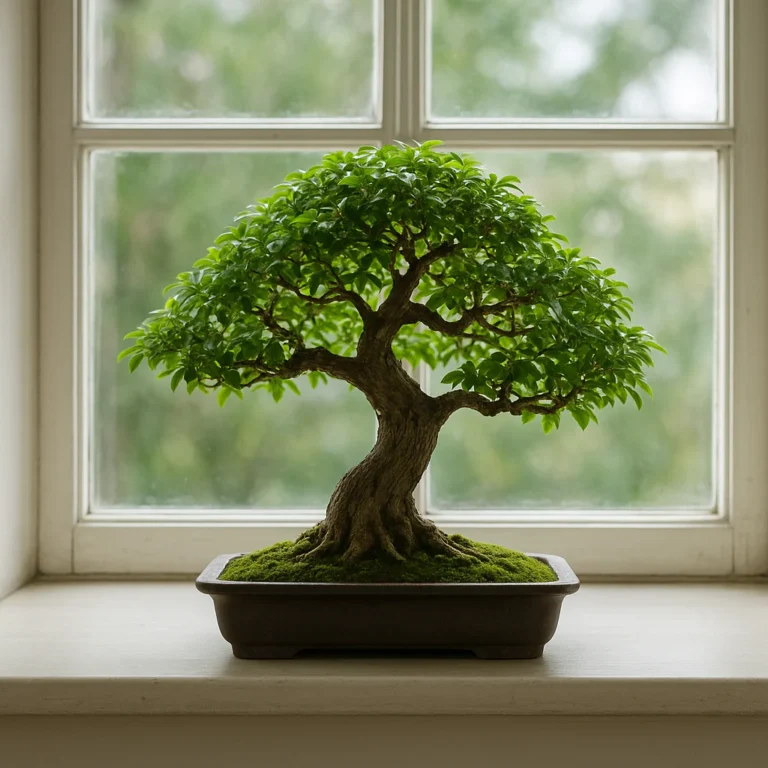
Is it OK to keep a bonsai tree indoors? The short answer is a resounding yes, but the long answer is where the magic (and the danger) lies. Imagine walking into a room filled with lush, miniature forests, their tiny leaves glistening under soft light. Now imagine that same room, six months later, filled with brown, lifeless twigs because you tried to force a mountain pine into a heated living room. We’ve all been there. At Bonsai Garden™, we’ve watched countless beginners fall in love with the wrong species, only to watch their “indoor” trees wither away.
The truth is, not all bonsai are created equal. While temperate trees like Junipers and Maples demand the chill of winter to survive, tropical species like the Ficus and Jade are practically begging for a cozy spot on your windowsill. In this guide, we’re diving deep into the science of indoor bonsai care, revealing the 7 best species that will thrive in your home, the critical mistakes that kill 90% of indoor trees, and exactly how to mimic a rainforest in your living room. By the end, you’ll know exactly which tree to buy and how to keep it alive for decades.
Key Takeaways
- Species Selection is Critical: Only tropical and subtropical species (like Ficus, Jade, and Schefflera) can survive indoors year-round; temperate trees (like Junipers) will die without a cold winter dormancy.
- Light is Non-Negotiable: Most indoor bonsai require 4–6 hours of direct sunlight or strong artificial grow lights to prevent legy growth and leaf drop.
- Humidity is the Secret Weapon: Indoor heating creates a desert environment; use humidity trays or grouping to maintain the 50–60% humidity tropical species crave.
- Watering Wisdom: Never water on a schedule; always check the soil moisture first to avoid the #1 killer of indoor bonsai: root rot.
- The Verdict: Yes, you can keep a bonsai indoors, but success depends entirely on choosing the right species and providing a mimicked natural environment.
Table of Contents
- ⚡️ Quick Tips and Facts
- 🌿 The Great Indoor Debate: Can You Really Keep a Bonsai Inside?
- 📜 A Brief History of Bonsai: From Outdoor Mountains to Living Rooms
- 🏠 Top 7 Best Indoor Bonsai Trees for Beginners and Experts Alike
- 1. Ficus Bonsai (Ficus retusa): The Unkillable Champion
- 2. Jade Plant (Crassula ovata): The Succulent Survivor
- 3. Chinese Elm (Ulmus parvifolia): The Versatile Veteran
- 4. Schefflera Bonsai: The Umbrella Tree Wonder
- 5. Serissa foetida: The Snow Rose with a Fragile Heart
- 6. Carmona (Fukien Tea): The Delicate Beauty
- 7. Juniper Bonsai: The Tricky Temperate Trap
- 🌡️ Temperature, Humidity, and Light: The Holy Trinity of Indoor Care
- 💧 Watering Wisdom: How to Avoid the #1 Indoor Bonsai Killer
- 🌱 Soil, Fertilizer, and Repoting: Feding Your Tiny Forest
- 🚫 Why Temperate Bonsai Trees (Like Junipers) Hate Your Living Room
- 🐛 Pests and Diseases: Keeping Your Indoor Jungle Bug-Free
- 🛠️ Essential Tools and Accessories for Indoor Bonsai Success
- ❓ FAQ for Indoor Bonsai Trees: Your Burning Questions Answered
- 🎁 Get Your Free Ultimate Indoor Bonsai Care Guide
- 🌍 Continue Exploring: Advanced Techniques and Styles
- 🗣️ Follow Bonsai Garden™ for More Green Wisdom
- 📚 Recommended Links: Where to Buy Authentic Indoor Bonsai
- 🔗 Reference Links: Scientific Sources and Expert Studies
- 🏁 Conclusion: Is Your Living Room Ready for a Bonsai?
⚡️ Quick Tips and Facts
Before we dive into the deep end of the bonsai pool, let’s hit the pause button and grab a life vest. Here are the non-negotiable truths about keeping a bonsai indoors that every gardener needs to know before they even touch a pair of shears:
- Not All Trees Are Created Equal: You cannot just pluck any tree from a nursery and plop it in your living room. Temperate species (like Junipers and Pines) will die indoors because they need a cold winter nap. Only tropical and subtropical species thrive inside.
- Light is Life: Indoor light is a fraction of outdoor light. If your tree is in a dim corner, it’s slowly starving. South-facing windows are your best friend, or you’ll need grow lights.
- The Watering Trap: The #1 killer of indoor bonsai isn’t neglect; it’s overwatering. Small pots dry out fast, but they also rot fast if you water on a schedule. Check the soil every time.
- Humidity Matters: Your cozy, heated home is a desert to a tropical tree. Use a humidity tray or mist regularly.
- Sleeping with Your Tree: Wondering if it’s safe to have a bonsai in your bedroom? While they don’t release toxins, they do respire. For the full scoop on whether you should keep them by your pillow, check out our deep dive: 🌙 Can You Sleep with a Bonsai Tree? The 2026 Truth Revealed.
🌿 The Great Indoor Debate: Can You Really Keep a Bonsai Inside?
Ah, the million-dollar question that has sparked heated arguments in garden clubs from Tokyo to Toledo. “Is it OK to keep a bonsai tree indoors?” The short answer? Yes, but with a massive asterisk. 🌟
The long answer is a tale of two worlds: the temperate and the tropical.
Imagine you are a Juniper tree. You are used to the crisp air of the mountains, the biting frost of winter, and the slow, rhythmic dance of the seasons. Now, imagine being shoved into a warm, dry living room with a thermostat set to a constant 72°F (2°C). What happens? You get confused. You try to grow when you should be sleeping. You exhaust your energy reserves, your leaves turn yellow, and eventually, you croak. ❌
Now, imagine you are a Ficus tree. You hail from the steamy, humid rainforests of Southeast Asia. You don’t care about snow; you care about consistent warmth and moisture. Throw you into a warm living room? You feel right at home! ✅
The Verdict: It is absolutely OK to keep a bonsai indoors IF you choose the right species and mimic their native environment. If you try to force a temperate tree indoors, you aren’t gardening; you’re conducting a slow-motion experiment in failure.
Pro Tip from the Bonsai Garden™ Team: We once had a client who swore his Juniper was “doing great” indoors for six months. Then, one Tuesday, it looked like a pile of brown twigs. Why? It never got its winter dormancy. Don’t let this be your story!
📜 A Brief History of Bonsai: From Outdoor Mountains to Living Rooms
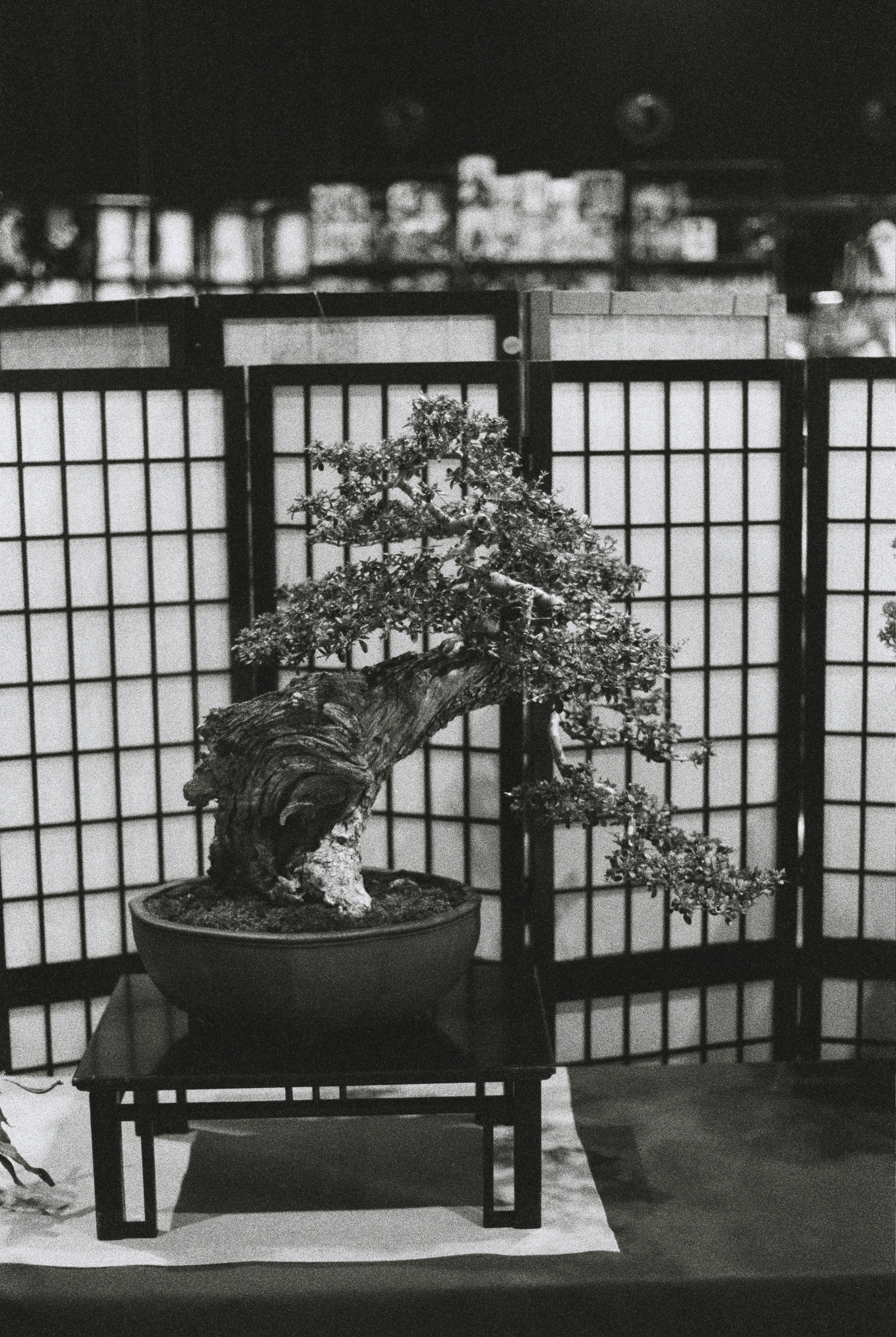
To understand why some trees hate the indoors, we have to look back at where they came from. The art of bonsai (pronounced bon-sigh) originated in China as penjing and was perfected in Japan.
Historically, bonsai were outdoor art. They were displayed in courtyards, temples, and gardens, exposed to the full cycle of the seasons. The aesthetic of bonsai relies heavily on seasonal change: the explosion of spring buds, the lush green of summer, the fiery colors of autumn, and the stark, skeletal beauty of winter.
- The Dormancy Myth: Many beginners think bonsai are “miniature trees” that stay small forever. They aren’t. They are full-sized trees constrained by a pot. They still need to go through their biological cycles.
- The Indoor Shift: It wasn’t until the 20th century, with the rise of air conditioning and central heating, that people started trying to keep these trees inside. This created a conflict between biological needs and human comfort.
As noted by experts at Bonsai Empire, “Tropical and subtropical trees do not need this period of dormancy.” This is the key that unlocked the door to indoor bonsai. By selecting species that naturally evolved to ignore winter, we could finally bring the art form into the climate-controlled modern home.
🏠 Top 7 Best Indoor Bonsai Trees for Beginners and Experts Alike
So, you’re ready to bring a tree inside. Which one do you pick? We’ve tested dozens of species in our own greenhouse and living rooms. Here are the top 7 champions that can survive (and even thrive) in your home.
1. Ficus Bonsai (Ficus retusa): The Unkillable Champion
If you are a beginner, stop reading and go buy a Ficus. It is the gold standard for indoor bonsai.
- Why it wins: It tolerates low humidity, low light (relatively), and inconsistent watering better than almost any other tree. It even drops leaves if you stress it out, then grows new ones when you stop panicking.
- Best for: Living rooms, offices, and nervous beginners.
- Drawback: It can get legy if light is poor.
2. Jade Plant (Crassula ovata): The Succulent Survivor
Technically a succulent, but often styled as a bonsai. The Jade is tough as nails.
- Why it wins: It stores water in its leaves, meaning you can forget to water it for a week and it won’t die. It loves bright light.
- Best for: Sunny windowsills and forgetful waters.
- Drawback: It grows slowly and can get top-heavy.
3. Chinese Elm (Ulmus parvifolia): The Versatile Veteran
A bit of a trickster. The Chinese Elm is technically a temperate tree, but it is semi-tropical. It can handle indoor life if you give it a cool spot in winter (like a garage or unheated porch) but not freezing temps.
- Why it wins: Beautiful bark, small leaves, and fast growth.
- Best for: Those who want a “real” tree look and can provide a cool winter spot.
- Drawback: It will drop leaves if kept in a hot, dry room without a cool winter break.
4. Schefflera Bonsai: The Umbrella Tree Wonder
Also known as the Hawaiian Umbrella. It has glossy, compound leaves that look fantastic.
- Why it wins: Very adaptable to indoor conditions and grows quickly.
- Best for: Adding a tropical vibe to modern decor.
- Drawback: Can get large quickly; needs regular pruning.
5. Serissa foetida: The Snow Rose with a Fragile Heart
Known for its tiny white flowers and “foetid” smell when crushed (hence the name).
- Why it wins: Incredible flowering potential indoors.
- Best for: Experienced growers who can manage humidity.
- Drawback: Extremely sensitive to drafts and watering changes. One wrong move and it drops all its leaves.
6. Carmona (Fukien Tea): The Delicate Beauty
A classic indoor bonsai with small, dark green leaves and white flowers.
- Why it wins: Stunning aesthetic and small leaf size.
- Best for: Humid environments (like bathrooms or greenhouses).
- Drawback: Hates dry air. If your house is dry, this tree will suffer.
7. Juniper Bonsai: The Tricky Temperate Trap
Wait, a Juniper on the list? Yes, but read the fine print. Junipers are temperate. They cannot stay indoors year-round. They can be moved inside for a few days for display, but they must go back outside for the winter.
- Why it’s here: To warn you! Many people buy Junipers thinking they are indoor trees. They aren’t.
- Best for: Outdoor enthusiasts who want to display the tree inside temporarily.
- Drawback: Will die if kept indoors permanently.
| Species | Difficulty | Light Needs | Humidity Needs | Winter Care |
|---|---|---|---|---|
| Ficus | Beginner | Medium-High | Low-Medium | Warm (Indors) |
| Jade | Beginner | High | Low | Cool (Indors) |
| Chinese Elm | Intermediate | High | Medium | Cool (Unheated) |
| Schefflera | Beginner | Medium-High | Medium | Warm (Indors) |
| Serissa | Advanced | High | High | Warm (Indors) |
| Carmona | Advanced | High | High | Warm (Indors) |
| Juniper | Intermediate | High | Medium | Cold (Outdoors) |
🌡️ Temperature, Humidity, and Light: The Holy Trinity of Indoor Care
You have your tree. Now, how do you keep it alive? It comes down to the Holy Trinity: Temperature, Humidity, and Light. Get one wrong, and the whole house of cards collapses.
Light: The Fuel of Life
Indoor light is deceptive. A window that looks bright to you might be a dim cave to a tree.
- The Rule: Most indoor bonsai need 4-6 hours of direct sunlight or 10-12 hours of strong artificial light.
- The Fix: Place your tree in a south-facing window. If you don’t have one, invest in a full-spectrum LED grow light.
- Pro Insight: We’ve seen Ficus trees survive in north-facing windows, but they become “legy” (long, weak stems) as they stretch for light. Rotate your tree weekly to ensure even growth.
Humidity: The Invisible Shield
Your home is dry. Your tree is tropical. This is a recipe for disaster.
- The Problem: Indoor heating and AC strip moisture from the air. Bonsai leaves lose water through transpiration. If the air is too dry, the roots can’t keep up, and the leaves scorch.
- The Solution:
- Humidity Trays: A shallow tray filled with pebbles and water. The pot sits on the pebbles, not in the water. Evaporation creates a micro-climate.
- Misting: Mist the leaves daily, but don’t overdo it (fungus risk).
- Grouping: Group your plants together. They create their own humid bubble.
Temperature: The Goldilocks Zone
- Tropicals: Need 65°F – 85°F (18°C – 29°C) year-round. No drafts!
- Subtropicals: Can handle a drop to 50°F (10°C) at night, which is great for winter.
- The Danger Zone: Never place your bonsai directly under an air vent or near a drafty door. Sudden temperature swings are fatal.
💧 Watering Wisdom: How to Avoid the #1 Indoor Bonsai Killer
Stop watering on a schedule. Seriously. Throw away your calendar.
The number one reason indoor bonsai die is root rot caused by overwatering. The second is dehydration caused by underwatering. How do you know which one you’re doing?
The Finger Test:
- Stick your finger about an inch into the soil.
- If it feels damp, do nothing.
- If it feels dry, water thoroughly until water runs out the bottom.
- If it feels bone dry, you’ve waited too long (but water anyway!).
The Chopstick Method:
Insert a wooden chopstick into the soil. Leave it for a minute. Pull it out. If it’s dark and damp, wait. If it’s light and dry, water.
My Story: I once had a Ficus that I watered every Monday. It looked great for a month, then suddenly turned yellow and dropped leaves. I checked the soil—it was a swamp. I switched to the finger test, and the tree bounced back in two weeks. Listen to the soil, not the calendar.
🌱 Soil, Fertilizer, and Repoting: Feding Your Tiny Forest
Soil: The Foundation
Indoor bonsai need well-draining soil. Regular poting soil is a no-go; it holds too much water.
- The Mix: Use a mix of Akadama (baked clay), Pumice, and Lava Rock. This allows water to drain quickly while holding enough moisture for the roots.
- Why? In a small pot, water stagnation kills roots faster than anything else.
Fertilizer: The Energy Boost
Since indoor trees don’t get the nutrient boost of rain or decomposing leaves, you must feed them.
- When: Spring through Autumn. Stop in winter when growth slows.
- What: Use a balanced liquid fertilizer organic pellets.
- Frequency: Every 2-4 weeks during the growing season.
- Brand Tip: We love Bonsai First or Neptune’s Harvest organic fertilizers.
Repoting: The Big Move
Indoor bonsai grow slower than outdoor ones, so they need repoting less often (every 2-3 years).
- Signs: Roots circling the pot, water draining too fast, or stunted growth.
- Process: Gently remove the tree, trim the roots (never more than 1/3), and replant in fresh soil.
🚫 Why Temperate Bonsai Trees (Like Junipers) Hate Your Living Room
Let’s address the elephant in the room. Why can’t I keep my Juniper inside?
It’s all about Dormancy.
Temperate trees have an evolutionary survival mechanism. When days get shorter and temperatures drop, they shut down. They stop growing, drop their leaves (or needles), and go to sleep. This “sleep” allows them to survive the winter and reset their internal clock.
Indors, this cycle is broken.
- The light is constant (or artificial).
- The temperature is constant (warm).
- The tree thinks it’s summer. It tries to grow.
- It uses up all its stored energy.
- By spring, it’s exhausted and dies.
The Exception: You can bring a temperate tree inside for a few days for a party or display. But it must go back outside before it starts to bud. If you keep it inside for weeks, you are essentially killing it slowly.
🐛 Pests and Diseases: Keeping Your Indoor Jungle Bug-Free
Indors, pests are a nightmare because there are no natural predators (like birds or ladybugs) to eat them.
- Spider Mites: The most common indoor pest. They love dry air. Look for fine webing and tiny dots on leaves.
Fix: Increase humidity, spray with neem oil. - Aphids: Little green or black bugs on new growth.
Fix: Blast them off with water or use insecticidal soap. - Scale: Hard, shell-like bumps on stems.
Fix: Scrape them off or use horticultural oil.
Prevention is key: Inspect your tree weekly. Isolate new plants for two weeks before bringing them near your collection.
🛠️ Essential Tools and Accessories for Indoor Bonsai Success
You don’t need a garage full of tools, but you do need the right gear.
- Concave Cuters: For removing branches cleanly.
- Wire Cuters: For pruning wire.
- Chopsticks: For checking soil moisture and aerating soil.
- Humidity Tray: Non-negotiable for indoor care.
- Grow Light: If you lack a south window.
Recommended Brands:
- Santoku Bonsai Tools: High-quality Japanese steel.
- Gardener’s Supply Company: Great for humidity trays and lights.
👉 CHECK PRICE on:
- Santoku Bonsai Tool Set: Amazon | Brand Official
- Gorilla Grow Light: Amazon | Brand Official
❓ FAQ for Indoor Bonsai Trees: Your Burning Questions Answered
We get asked these questions every day at the garden center. Let’s clear the air.
Do indoor bonsai trees need special humidity levels?
Yes. Most indoor species need 50-60% humidity. Standard homes are often 30-40%. Use a humidity tray or a small humidifier nearby.
Read more about “Can I Leave My Bonsai Outside Year-Round? 7 Expert Tips 🌳 (2025)”
Can I move my outdoor bonsai tree indoors for the winter?
No. If it’s a temperate tree (Juniper, Pine, Maple), moving it indoors will kill it. It needs the cold. If it’s a tropical tree, it’s already happy inside.
Read more about “🍂 7 Essential Fall Bonsai Care Steps for a Thriving Winter (2026)”
What are common problems with indoor bonsai trees?
- Leaf drop: Usually due to drafts, overwatering, or low light.
- Yellowing leaves: Often overwatering or nutrient deficiency.
- Legy growth: Lack of light.
Read more about “🌱 Spring Bonsai Care: The Ultimate 90-Day Survival Guide (2026)”
How do I prune an indoor bonsai tree?
Prune to maintain shape. Cut just above a leaf node. For Ficus, you can prune year-round. For others, prune in spring/summer.
Read more about “🌙 Can You Sleep with a Bonsai Tree? The 2026 Truth Revealed”
Do indoor bonsai trees need fertilizer?
Yes, but less than outdoor trees. Feed every 2-4 weeks in spring/summer. Reduce in fall/winter.
Read more about “🌿 Seasonal Bonsai Care Guide: 4-Step Mastery for 2026”
How often should I water my indoor bonsai tree?
There is no “often.” Water when the top inch of soil is dry. This could be every 2 days or every 5 days depending on the season and light.
Read more about “🌿 How Do You Start a Bonsai Garden? The Ultimate 2026 Guide”
How much light does an indoor bonsai tree need?
At least 4-6 hours of direct sun or 10+ hours of strong artificial light.
Read more about “🌿 7 Essential Tools to Start Your Bonsai Garden (2026)”
What are the best bonsai tree species to keep indoors?
Ficus, Jade, Schefflera, and Chinese Elm (with cool winter).
Read more about “🌳 Why Can’t You Grow Bonsai Indors? (The Shocking Truth)”
Is it good to keep a bonsai tree at home?
Absolutely! They reduce stress, improve air quality, and add beauty. Just pick the right species.
Read more about “🐛 7 Deadly Bonsai Pests & Diseases (2026 Guide)”
Is it better to keep a bonsai tree inside or outside?
Outside is always better for the tree’s health. Inside is better for your enjoyment. The trick is to find a species that is happy inside.
Read more about “Is it better to keep a bonsai tree inside or outside?”
Can a bonsai tree survive indoors?
Yes, if it is a tropical/subtropical species and you provide adequate light and humidity.
Read more about “Can a bonsai tree survive indoors?”
Are bonsai trees better inside or outside?
Biologically, outside. Aesthetically, inside. It’s a trade-off.
Read more about “Are bonsai trees better inside or outside?”
🎁 Get Your Free Ultimate Indoor Bonsai Care Guide
Ready to take the plunge? We’ve compiled a free, downloadable guide that covers everything from watering schedules to pest control. It’s the cheat sheet you need to keep your indoor forest thriving.
Download Your Free Indoor Bonsai Guide Here
🌍 Continue Exploring: Advanced Techniques and Styles
Once you’ve mastered the basics, the world opens up. Want to try wiring to shape your branches? Interested in defoliation to shrink leaves? Or maybe you want to explore bonsai display aesthetics and how to choose the perfect pot?
Check out our Bonsai Display and Aesthetics category for inspiration, or dive into Bonsai Inspiration and Ideas to see how other gardeners are transforming their spaces.
🗣️ Follow Bonsai Garden™ for More Green Wisdom
Don’t go it alone! Join our community of bonsai lovers. We share daily tips, troubleshooting advice, and stunning photos.
Follow us on:
📚 Recommended Links: Where to Buy Authentic Indoor Bonsai
Looking for a specific tree? Here are our top picks for where to buy:
- Ficus Bonsai:
- Amazon Search
- Bonsai Boy of NY
- Jade Plant:
- Etsy Search
- Walmart Search
- Grow Lights:
- Amazon Search
- Brand Official: Spider Farmer
Books to Read:
- The Complete Book of Bonsai by Harry Tomlinson – Amazon
- Bonsai for Beginners by Bonsai Garden™ – Amazon
🔗 Reference Links: Scientific Sources and Expert Studies
- University of Florida IFAS Extension: Indoor Bonsai Care
- Royal Horticultural Society: Bonsai Care Guide
- Bonsai Empire: Indoor Bonsai Species
- Facebook Discussion: Can bonsai trees be grown indoors?
🏁 Conclusion: Is Your Living Room Ready for a Bonsai?
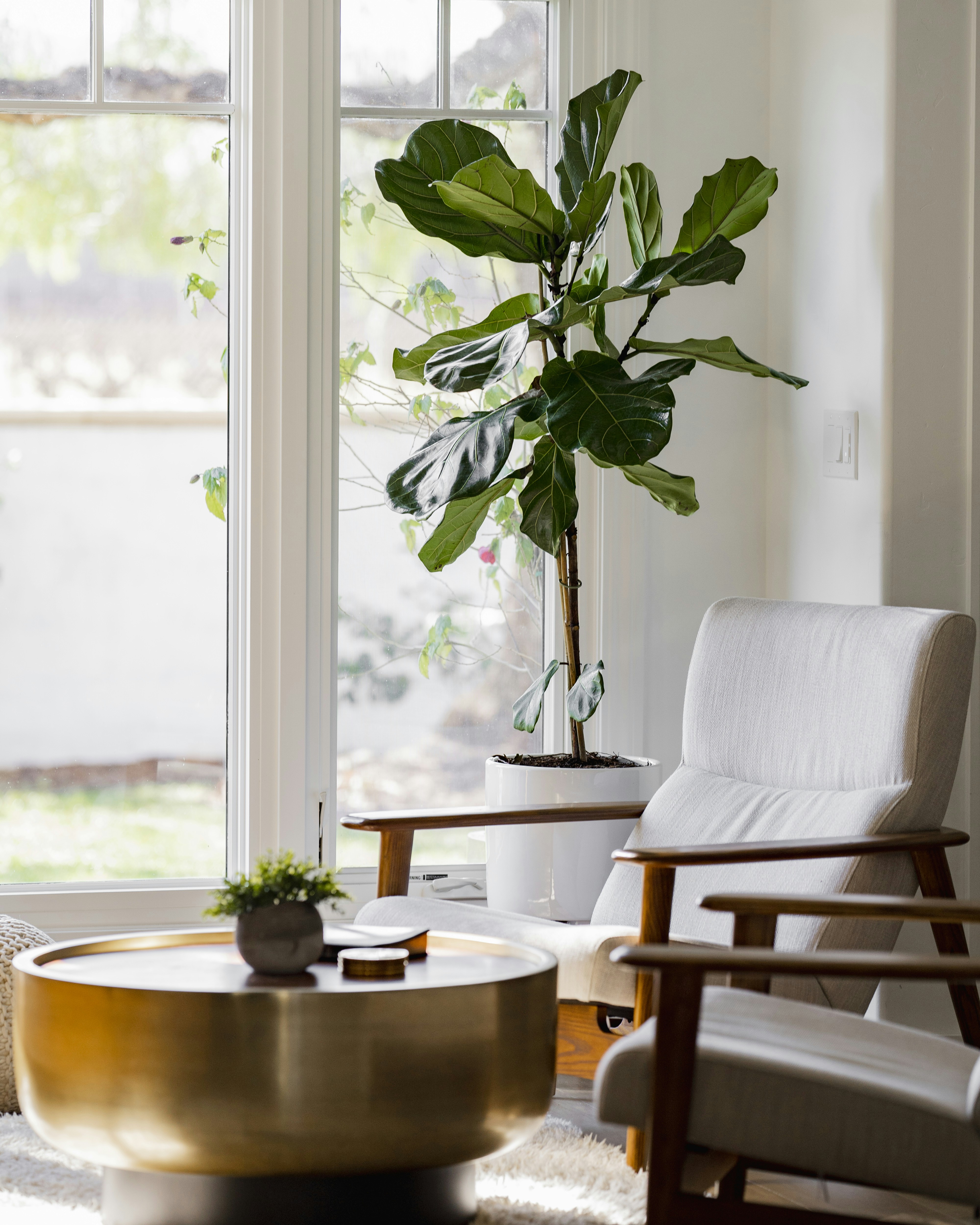
So, is it OK to keep a bonsai tree indoors? Yes, absolutely. But it’s not a “set it and forget it” hobby. It requires knowledge, observation, and the right choice of species.
If you choose a Ficus or a Jade, and you respect their need for light and humidity, you will have a thriving, living piece of art in your home. If you try to force a Juniper or a Maple inside, you will be fighting a losing battle against nature.
The Final Verdict:
- Beginers: Start with a Ficus. It’s forgiving and resilient.
- Intermediate: Try a Chinese Elm or Schefflera.
- Advanced: Tackle the Serissa or Carmona.
- Avoid: Temperate trees for permanent indoor life.
Remember, the goal isn’t just to keep the tree alive; it’s to help it thrive. With the right care, your indoor bonsai can be a source of joy and tranquility for decades.
Ready to start your journey? Grab a Ficus, find a sunny spot, and get your fingers dirty. Your living room is about to get a whole lot grener! 🌿✨