Support our educational content for free when you buy through links on our site. Learn more

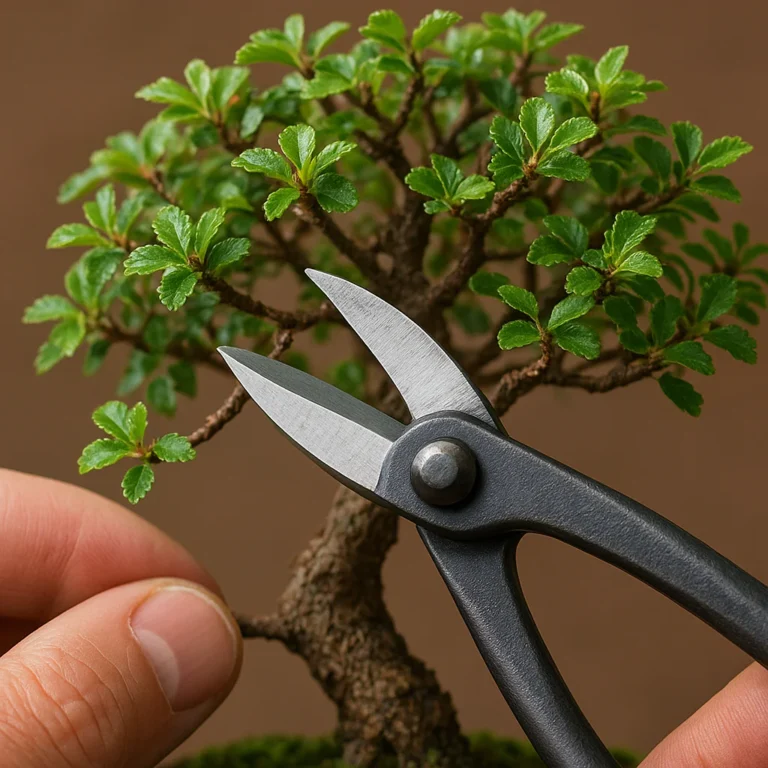
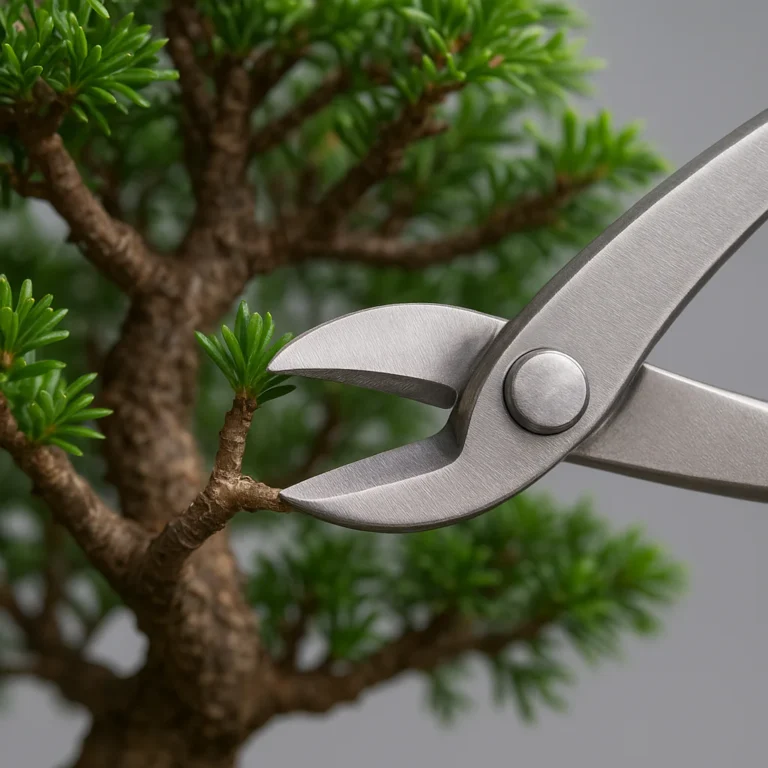
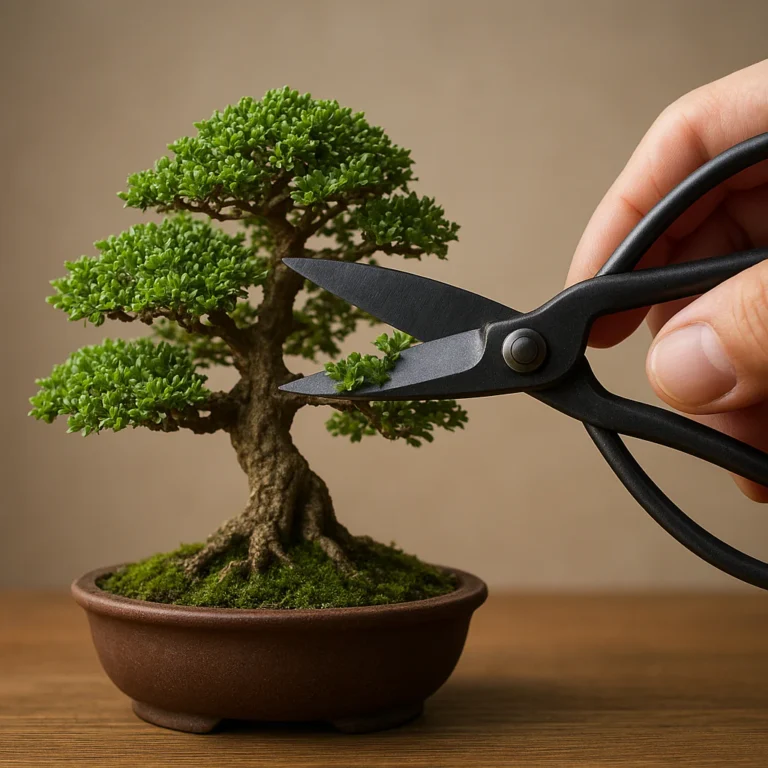
Bonsai pliers aren’t one do-it-all tool: choose dedicated wire cutters for training wire, jin pliers for deadwood, and proper branch cutters for pruning. Matching the tool to the task gives you more control and helps protect delicate bark, buds, and branches.
We learned this the memorable way: a pair of ordinary pliers seemed handy for removing tight training wire—until the teeth scraped a branch we’d spent years refining. Now we cut the wire into short sections with a bonsai wire cutter instead. Less wrestling, fewer regrets.
Below, we break down 10 useful types of bonsai pliers and cutters, explain what each one does, and share how to choose, use, and maintain them. If you’re building your first tool kit, the simplest advice is also the best: buy for the work your trees actually need.
Key Takeaways
- Choose bonsai pliers by task: wire cutters remove training wire, jin pliers work deadwood, and concave or branch cutters prune branches.
- Avoid forcing a tool beyond its capacity. Excess leverage can damage the tool or the tree.
- Cut tight training wire into short sections instead of pulling it along the branch.
- Clean and dry tools after every session. Stainless steel resists corrosion, but still benefits from proper care.
- Start with the tools you’ll use most often rather than buying a large set of specialized pliers all at once.
Table of Contents
- ⚡️ Quick Tips and Facts
- 🌳 Bonsai Pliers: What They Are and Why They Matter
- A Brief History of Bonsai Pliers and Specialized Tools
- How Bonsai Pliers Differ from Household and Gardening Pliers
- 🧰 10 Essential Types of Bonsai Pliers
- 1. Jin Pliers for Deadwood and Branch Bending
- 2. Bonsai Wire Pliers for Cutting and Removing Training Wire
- 3. Concave Cuters for Clean Branch Removal
- 4. Knob Cuters for Bulges and Knobby Roots
- 5. Root Pliers for Trimming and Untangling Roots
- 6. Branch Cuters for Larger Bonsai Limbs
- 7. Wire Bending Pliers for Precise Bonsai Shaping
- 8. Leaf and Bud Pliers for Delicate Work
- 9. Spherical Knob Cuters for Rounded Wounds
- 10. Combination Bonsai Pliers for Small Collections
- 🔍 How to Choose the Right Bonsai Pliers
- Match the Tool to the Tree, Branch, and Task
- Choose the Right Size, Jaw Shape, and Handle
- Carbon Steel vs. Stainless Steel Bonsai Tools
- Japanese, Chinese, and European Bonsai Pliers
- Budget Tools vs. Professional-Grade Pliers
- ⭐ Best Bonsai Pliers for Different Needs
- Best Starter Pliers for Beginners
- Best Jin Pliers for Deadwood Work
- Best Wire Pliers for Wiring Bonsai
- Best Stainless Steel Pliers for Outdoor Use
- 🌱 How to Use Bonsai Pliers Safely and Effectively
- Using Jin Pliers to Strip Bark and Shape Deadwood
- Cuting and Removing Bonsai Training Wire
- Pruning Branches Without Crushing or Tearing
- Working Around Bonsai Roots and Fine Branches
- Common Bonsai Pliers Mistakes to Avoid
- 🛒 Where to Buy Bonsai Pliers and What to Check
- Bonsai Specialty Shops and Trusted Tool Brands
- Spoting Poor-Quality or Counterfeit Bonsai Tools
- Online Store Verification and Secure Checkout
- 🧼 Cleaning, Sharpening, and Maintaining Bonsai Pliers
- Remove Sap, Soil, and Rust After Each Use
- Sharpen and Lubricate Pliers Correctly
- Store Bonsai Tools to Protect Their Edges
- 🔄 Bonsai Pliers vs. Other Bonsai Tools
- Pliers vs. Bonsai Scissors and Pruning Shears
- Pliers vs. Concave Cuters and Knob Cuters
- Can Regular Needle-Nose Pliers Work for Bonsai?
- 🎯 Bonsai Pliers by Tree Species and Task
- Pliers for Juniper and Other Conifers
- Pliers for Japanese Maple and Deciduous Bonsai
- Pliers for Ficus and Tropical Bonsai
- ✅ Bonsai Pliers Quick Tips and Facts
- 🏁 Conclusion
- 🔗 Recommended Links
- ❓ FAQ
- What are bonsai pliers used for?
- What bonsai pliers should a beginner buy first?
- Are jin pliers the same as bonsai wire pliers?
- Can bonsai pliers cut thick branches?
- How do I prevent bonsai pliers from rusting?
- How often should bonsai pliers be sharpened?
- 📚 Reference Links
⚡️ Quick Tips and Facts
If you’re getting your first bonsai tools, start with the tree and the job—not the shiniest pair in the shop. Our Bonsai Garden guide is a handy companion for building a thoughtful bonsai setup.
| Quick fact | What we recommend |
|---|---|
| Best first pliers | A dedicated bonsai wire cutter if wiring is your main task; jin pliers if you work with deadwood. |
| Best branch-cuting tool | A sharp concave branch cutter, sized to the branch. Pliers are not a substitute for proper pruning cutters. |
| Best material for damp climates | Stainless steel resists corrosion better; carbon steel can be an excellent choice if you dry and oil it consistently. |
| Biggest safety rule | Use the right tool for the task. Don’t use wire cutters on branches or pruning cutters on wire. |
| Most common beginner mistake | Twisting or pulling tight training wire off a branch, which can damage bark. Cut the wire coil into short sections instead. |
| Maintenance habit that pays off | Wipe tools clean and dry after every session; apply a light protective oil to carbon-stel tools. |
| Useful distinction | Jin pliers grip and twist; wire cutters cut training wire; concave cutters remove branches. |
Bonsai pliers are a family of purpose-built tools, not one magic pair that does everything. For background on tree care, explore our Bonsai Care Basics and Bonsai for Beginners guides. 🌱
🌳 Bonsai Pliers: What They Are and Why They Matter
Bonsai pliers are compact hand tools designed for close, controlled work on miniature trees. Depending on the design, they may grip and twist deadwood, cut training wire, trim roots, bend wire, or help with precise pruning. That specialization matters: bonsai branches are small, but their bark and placement are easy to damage with a clumsy squeeze.
At Bonsai Garden™, we think of tools as extensions of your fingers—with considerably more leverage and less forgiveness. The right pliers can make a delicate task controlled and predictable. The wrong ones can crush a twig or leave a wire scar that takes years to grow out.
| Tool | Main job | Not designed for |
|---|---|---|
| Jin pliers | Gripping, twisting, and working deadwood | Cutting live branches |
| Bonsai wire cutters | Cutting training wire close to the branch | Pruning branches or roots |
| Concave cutters | Removing branches and making a recessed cut | Cutting wire |
| Root pliers | Trimming or working roots, depending on jaw design | Heavy-duty root demolition |
| Wire-bending pliers | Holding or shaping wire | Crushing delicate bark |
A Brief History of Bonsai Pliers and Specialized Tools
Bonsai toolmaking developed alongside the techniques used to train and maintain miniature trees. Japanese bonsai practice includes specialized implements for pruning, wiring, and working deadwood, while contemporary makers also produce tools for a wide range of tree species and experience levels.
There isn’t one universally standardized naming system. A shop may describe a tool as a wire cutter, wire plier, or bonsai cutter; another may use “pliers” for a tool with a very different jaw shape. Look at the tool’s intended task and cutting edge—not just its label. The National Bonsai Foundation offers context on bonsai traditions, collections, and education.
How Bonsai Pliers Differ from Household and Gardening Pliers
Ordinary hardware-store pliers are usually built for gripping, pulling, or cutting thicker materials. Bonsai tools are designed for fine control in tight spaces, with jaw shapes and cutting edges suited to small branches, delicate wire, or deadwood.
✅ Choose bonsai-specific pliers for precision work close to living bark.
❌ Don’t use locking pliers or standard wire cutters on a finished branch just because they’re within arm’s reach.
A household tool may be perfectly adequate for bending thick training wire on a workbench. It is much less suitable when the wire is wrapped around a valuable branch and every millimeter matters.
🧰 10 Essential Types of Bonsai Pliers
Tool names can overlap between manufacturers, so check the product description and jaw profile before buying. Here are ten useful categories and what each one actually does.
| Type | Best suited to | Watch out for |
|---|---|---|
| Jin pliers | Deadwood and jin work | Avoid crushing live tissue |
| Bonsai wire cutters | Cutting training wire | Keep cutting edges away from bark |
| Concave cutters | Removing branches | Match capacity to branch thickness |
| Knob cutters | Cutting knobs and rounded stubs | Use only where the cut is appropriate |
| Root pliers | Root trimming and root work | Don’t force jaws through oversized roots |
| Branch cutters | Larger branch removal | Respect the tool’s cutting capacity |
| Wire-bending pliers | Shaping and positioning wire | Don’t pinch bark |
| Leaf or bud pliers | Fine-detail work | Not all species or jobs need them |
| Spherical knob cutters | Removing rounded protrusions | Can remove too much tissue if misused |
| Combination pliers | General small-tree tasks | Convenience may sacrifice precision |
1. Jin Pliers for Deadwood and Branch Bending
Jin pliers have gripping jaws for working on deadwood, such as stripping fibers or twisting a deadwood feature into a more natural-looking shape. They’re also used by some practitioners to apply controlled pressure when bending suitable branches, but that technique is species- and branch-dependent.
Deadwood work is a design decision, not a plier-powered shortcut. Make sure you understand which wood is dead and which tissue is alive before pulling. A good starting point is Bonsai Tonight’s Jin Pliers; the linked product page identifies them as jin pliers, but check the current listing for its exact details.
2. Bonsai Wire Pliers for Cutting and Removing Training Wire
Bonsai wire cutters have short cutting jaws that let you snip wire into manageable pieces close to a branch. They’re especially useful when wire has begun to bite into bark.
Removal method: cut the wire into short sections, one turn at a time. Don’t unwrap a tight coil by pulling it along the branch; that can scrape bark and buds. The Royal Horticultural Society’s bonsai guidance provides broader care context, while the right cutter helps you carry out wiring work with control.
3. Concave Cuters for Clean Branch Removal
Concave cutters are pruning tools with a scoped cutting profile that can create a slightly recessed wound when removing a branch. They are not pliers in the everyday gripping-tool sense, but they’re often grouped with bonsai pliers and cutters in tool collections.
Use them on a branch that fits the cutter’s capacity. For a large limb, work gradually with a suitable saw rather than forcing the jaws. Clean cuts and thoughtful pruning support good wound management; Oregon State University Extension explains general pruning principles for trees.
4. Knob Cuters for Bulges and Knobby Roots
Knob cutters are designed to remove protruding stubs, knobs, or root bulges where a flush cut would be awkward. Their rounded jaws can help shape a recessed wound, but they remove more material than a simple snip.
Use them selectively. A novice can easily turn “tidying a bump” into an unnecessarily large wound. If the knob is part of the tree’s character or contributes to a natural taper, leaving it alone may be the better design choice.
5. Root Pliers for Trimming and Untangling Roots
Root pliers and root-working tools help with trimming or loosening roots during repoting. Some have stronger jaws than fine branch tools, but the exact design varies by maker.
Before cutting, untangle roots gently with a root hook or chopstick, then identify what needs removal. Avoid removing too much root mass in one session, especially on a stressed tree. For seasonal timing and species-specific advice, consult our Bonsai Care Basics resources and the RHS bonsai guide.
6. Branch Cuters for Larger Bonsai Limbs
Branch cutters are built for pruning larger branches than fine bonsai scissors can handle. Some designs resemble pliers; others are clearly heavy-duty cutting tools. The key is matching the cutter’s capacity to the limb and making a controlled cut.
Never increase leverage by extending the handles with a pipe or forcing a tool beyond its stated capacity. That risks damaged edges, a poor cut, or a tool that slips toward the tree.
7. Wire Bending Pliers for Precise Bonsai Shaping
Wire-bending pliers help hold and shape thicker wire, especially when fingers alone don’t provide enough leverage. Smooth or padded jaws are preferable near finished bark because aggressive teeth can leave marks.
For wiring a branch, anchor the wire securely and bend the branch gradually. If the branch resists, stop and reassess rather than squeezing harder. The American Bonsai Society is a useful source for bonsai education and technique discussions.
8. Leaf and Bud Pliers for Delicate Work
Fine-jaw tools may help with tiny, precise tasks such as positioning small material or handling delicate components. They are not essential for every collection, and many bonsai growers use suitable twezers or scissors instead.
For leaf pruning and bud work, species and timing matter more than owning another specialty tool. Explore our Bonsai for Beginners section before adding niche tools to your kit.
9. Spherical Knob Cuters for Rounded Wounds
Spherical knob cutters have rounded jaws intended to remove knobs or create a rounded, recessed cut. They can be useful when the goal is a shaped wound rather than a flat snip, but they are not a universal upgrade over concave cutters.
Think of them as a sculpting tool: use them where their shape suits the wood and design. On a small tree, one oversized cut can become the focal point for all the wrong reasons.
10. Combination Bonsai Pliers for Small Collections
Combination tools can suit a small collection or occasional work, but “multi-purpose” does not always mean “best at every purpose.” A dedicated wire cutter or jin plier usually offers more control for its particular job.
Before buying, ask: What task do I do most often? If the answer is wire removal, prioritize a proper bonsai wire cutter. If you’re shaping deadwood, choose jin pliers with a jaw design appropriate to your work.
🔍 How to Choose the Right Bonsai Pliers
Match the Tool to the Tree, Branch, and Task
Start with the job—not the product category. A tool that excels at removing wire may be entirely wrong for pruning a branch.
- Name the task: wire cutting, deadwood work, root trimming, or branch removal.
- Check the material: aluminum or copper wire, live wood, deadwood, or roots.
- Estimate the size: choose a tool rated for the work rather than relying on extra force.
- Consider access: compact jaws are useful inside a dense canopy; longer handles provide leverage but need more clearance.
- Check the edge and finish: smooth, clean movement matters near bark.
| Your task | Tool to consider |
|---|---|
| Remove training wire | Bonsai wire cutters |
| Work on deadwood | Jin pliers |
| Remove a small branch | Concave branch cutter |
| Remove a knob or stub | Knob cutter |
| Bend heavier wire | Wire-bending pliers |
| Work on roots | Root pliers or appropriate root tools |
Choose the Right Size, Jaw Shape, and Handle
A smaller tool offers control in tight spaces; a larger tool can offer leverage on thicker material. Neither is automatically superior. Consider your hand size, tree scale, and how close you’ll be working to living tissue.
Before purchasing, inspect:
- Jaw alignment: the tips should meet evenly.
- Cuting action: edges should close smoothly without wobling.
- Handle comfort: a tool that causes hand strain encourages rushed work.
- Jaw reach: long, narrow jaws can access interior branches, but may be less robust.
- Manufacturer guidance: confirm what the tool is designed to cut or grip.
If you can, hold the tool in person. For online shopping, read reviews with task-specific detail: “cuts aluminum bonsai wire cleanly” is more useful than “great tool.”
Carbon Steel vs. Stainless Steel Bonsai Tools
| Feature | Carbon steel | Stainless steel |
|---|---|---|
| Corosion resistance | Lower; needs diligent drying and oiling | Generally higher, though not rust-proof |
| Edge performance | Can take and hold a sharp edge well | Varies with alloy and heat treatment |
| Maintenance | Frequent wipe-down and light oiling | Still needs cleaning and drying |
| Best fit | Careful tool owners seeking traditional steel options | Damp climates or lower-maintenance routines |
Steel quality varies by maker and heat treatment, so the label alone doesn’t tell the whole story. Stainless means more rust-resistant, not immune to corrosion. The British Stainless Steel Association provides general information on stainless steel and corrosion.
Japanese, Chinese, and European Bonsai Pliers
Country of origin is one clue, not a performance guarantee. Japanese makers such as Kaneshin are known for bonsai tools; other reputable manufacturers and suppliers also serve bonsai growers worldwide. Manufacturing quality, steel, finishing, and quality control matter more than a flag on the packaging.
Ask the seller for the maker, intended use, steel type if specified, and warranty or repair options. If the listing is vague, treat its claims cautiously.
Budget Tools vs. Professional-Grade Pliers
A basic tool can be perfectly adequate for occasional work on a few young trees. Professional-grade tools may offer more consistent alignment, better finishing, and a longer service life, but they still need correct use and care.
✅ A sensible first kit: wire cutters, pruning scissors, and one branch cutter suited to your trees.
❌ A poor first purchase: a large assortment of tools you can’t identify or maintain.
For tool demonstrations and buying considerations, the first YouTube video on bonsai tools may be helpful. It features Gro Bonsai discussing bonsai-tool choices and the Wazakura brand; treat any video recommendation as one grower’s perspective, then compare it with your own tasks and independent product details.
⭐ Best Bonsai Pliers for Different Needs
There’s no single “best” pair for every grower. We’d choose by task, tree size, climate, and how often the tool will be used.
| Need | What to look for | Trade-off |
|---|---|---|
| First bonsai tool purchase | A well-aligned, dedicated wire cutter | Less useful for pruning |
| Deadwood styling | Jin pliers with a comfortable grip | Specialized; not a general-purpose cutter |
| Frequent repoting | Durable root-working tools | May be unnecessary for a small collection |
| Damp workspace | Stainless construction | Still needs cleaning and drying |
| Professional daily use | Reliable maker, repair support, consistent fit | Higher initial commitment |
Best Starter Pliers for Beginners
For most beginners who wire their trees, a dedicated bonsai wire cutter is the most practical first “plier-style” tool. Choose a size that feels manageable and can reach the wire without pressing against bark.
If you haven’t started wiring yet, you may need scissors and a suitable branch cutter before specialized pliers. Our Bonsai for Beginners section can help prioritize foundational tools.
Best Jin Pliers for Deadwood Work
Choose jin pliers that feel secure in your hand and have jaws suited to the scale of the deadwood you plan to work. The Bonsai Tonight Jin Pliers are a relevant specialist option; the page identifies the product as jin pliers, but verify current specifications and availability directly.
Best for: growers styling deadwood on trees where the technique is appropriate.
Not ideal for: beginners seeking one tool to prune, cut wire, and work roots.
Best Wire Pliers for Wiring Bonsai
Pick a wire cutter made for bonsai work, with jaws that can reach close to the branch. Check its stated capacity and use it only for compatible wire. A cutter that is too small may be damaged; an oversized cutter may be awkward around twigs.
For general wiring technique and tree-care context, consult the RHS bonsai guide and a bonsai organization such as the American Bonsai Society.
Best Stainless Steel Pliers for Outdoor Use
Stainless-stel pliers can be a sensible choice if tools are exposed to damp air or you’re less consistent about oiling. They still need to be cleaned and dried, especially after contact with sap, soil, or fertilizer.
If you prefer carbon steel for its feel or edge performance, keep a cloth and tool oil in your kit. A dry, clean tool box is more useful than a “rust-proof” promise.
🌱 How to Use Bonsai Pliers Safely and Effectively
Using Jin Pliers to Strip Bark and Shape Deadwood
Jin pliers grip and work deadwood. The aim is often to create a natural-looking feature, not a smooth, machine-made stump.
- Confirm the wood is dead. Don’t pull bark from living tissue.
- Plan the feature. Decide where the jin or shari should begin and end.
- Secure the tree. Hold the pot or trunk steady without squeezing fragile roots.
- Grip fibers gently. Start with a small section; let the wood’s grain guide the work.
- Twist or pull in controlled movements. Avoid sudden force that could tear into living tissue.
- Stop and inspect often. Step back to judge whether the result fits the tree’s design.
If you’re unsure what is living, ask an experienced bonsai grower before removing bark. The National Bonsai Foundation offers educational resources that can help build bonsai knowledge.
Cuting and Removing Bonsai Training Wire
Training wire can bite into fast-growing branches, so inspect wired trees regularly. The RHS bonsai guidance is a useful reference for general care and seasonal considerations.
- Inspect the whole branch, especially the underside and branch junctions.
- Support the branch with your free hand without bending it against the wire.
- Place the cutter around one wire turn, keeping the blade away from bark.
- Snip the coil into short sections rather than unwrapping it.
- Lift each piece away carefully; don’t drag it along the branch.
- Check for marks or damaged buds and adjust your future wiring practice.
Never cut the branch to release tight wire. If access is difficult, use a cutter with suitable jaw reach rather than twisting the wire against the bark.
Pruning Branches Without Crushing or Tearing
Use pruning scissors or a suitable branch cutter—not jin pliers or wire cutters. Good pruning technique starts with a clean, sharp tool and a deliberate cut. General tree-pruning guidance from Oregon State University Extension reinforces the value of appropriate cuts and tools.
- Identify the branch to remove and the intended cut location.
- Check that the branch fits within the tool’s recommended capacity.
- Support the branch if needed so it doesn’t tear as the cut finishes.
- Make a clean cut without rocking or forcing the jaws.
- Inspect the wound. If the cut is raged, stop and reassess rather than repeatedly chewing at it.
Working Around Bonsai Roots and Fine Branches
Roots and fine twigs are easy to damage because the work area is crowded and delicate. Use a root hook or chopstick to loosen soil and separate roots before trimming. For fine branches, select narrow, sharp tools that fit the space.
- Work in small sections and pause to inspect.
- Avoid pulling a root free if it’s caught beneath another root.
- Don’t use a tool beyond its capacity to save a few seconds.
- Clean soil from jaws and pivots before storing the tool.
Seasonal timing and recovery needs vary by species and climate; check our Bonsai Care Basics guides before major root work.
Common Bonsai Pliers Mistakes to Avoid
❌ Using one pair for every task: wire cutters, jin pliers, and branch cutters have different jobs.
❌ Unwrapping tight wire: this can scrape bark; cut turns into short sections.
❌ Forcing undersized tools: excess leverage can break the tool or injure the tree.
❌ Working too close to live tissue with jin pliers: deadwood techniques require careful identification.
❌ Storing tools dirty or damp: sap and moisture invite corrosion and stiff pivots.
✅ Pause when a tool slips or a cut feels wrong. Reset your grip, inspect the tree, and choose a safer approach.
🛒 Where to Buy Bonsai Pliers and What to Check
Before ordering, confirm the tool’s intended task, capacity, material, and manufacturer. Bonsai-specialty retailers are useful because product categories are more likely to distinguish wire cutters from pruning tools. Current listings and availability change, so verify details on the seller’s page.
Bonsai Specialty Shops and Trusted Tool Brands
Look for clear product descriptions, close-up images of the jaws, maker information, and a way to contact the seller. Brands and specialist retailers worth comparing include Kaneshin, Bonsai Tonight, and Wazakura.
A product recommendation is only useful if the tool matches your task. Read reviews for specifics about jaw alignment, wire capacity, grip, and long-term maintenance—not just star ratings.
Spoting Poor-Quality or Counterfeit Bonsai Tools
Watch for listings that:
- Use the same vague photo for several different tools.
- Claim a tool is suitable for every cutting and gripping task.
- Don’t identify a maker or explain what the tool is designed to do.
- Show poorly aligned jaws or an uneven cutting edge.
- Have reviews that discuss shipping but not actual performance.
The supplied information for some competing retailer pages may show only a security-verification screen, not a product listing. That screen isn’t evidence for or against the retailer’s tool quality. We won’t infer specifications, ratings, or recommendations from a page that provides none.
Online Store Verification and Secure Checkout
A security or SSL notice indicates encrypted communication between your browser and a website; it does not prove that a product is authentic, the seller is reputable, or the tool is well made. The competing American Bonsai page summary likewise describes a security notice, not product information.
Before buying, check the seller’s contact details, returns policy, payment protections, and product specifications. If a site temporarily displays a verification page, try again later or contact the seller through its official channel rather than trusting an unverified search result.
🧼 Cleaning, Sharpening, and Maintaining Bonsai Pliers
Remove Sap, Soil, and Rust After Each Use
- Brush away soil and debris.
- Wipe the jaws and handles with a clean cloth.
- Remove sticky sap with an appropriate cleaner that won’t damage the finish.
- Dry the tool completely, including the pivot.
- Apply a light coat of tool oil to carbon steel and moving joints.
Avoid leaving tools in wet soil or a damp greenhouse. For general corrosion information, see the British Stainless Steel Association; even corrosion-resistant steel benefits from basic care.
Sharpen and Lubricate Pliers Correctly
Only sharpen tools that are meant to be sharpened, and preserve the original bevel. Over-grinding can alter the cutting geometry or remove too much metal. For expensive or damaged cutters, use a professional tool-sharpening service or follow the manufacturer’s instructions.
Add a small amount of suitable lubricant to the pivot, then open and close the tool several times. Wipe away excess so it doesn’t collect grit.
Store Bonsai Tools to Protect Their Edges
Store tools dry, with cutting edges protected and pivots closed. Keep wire cutters separate from loose metal objects, which can nick their edges. A roll or case helps prevent tools from knocking together and makes it easier to notice missing equipment.
A five-minute clean-up after a work session can save a favorite tool from a season of neglect.
🔄 Bonsai Pliers vs. Other Bonsai Tools
Pliers vs. Bonsai Scissors and Pruning Shears
Pliers are generally for gripping, wire work, or specialized cuts; bonsai scissors and pruning shears are designed for foliage, shoots, or branches within their capacity.
| Tool | Typical role |
|---|---|
| Bonsai pliers | Grip, bend, or perform a specialized task |
| Bonsai wire cutters | Cut training wire |
| Bonsai scissors | Trim leaves, shoots, or small twigs |
| Pruning shears | Cut larger growth within rated capacity |
| Branch cutters | Remove suitable branches cleanly |
Use the tool that cuts or grips as intended. The right choice depends on branch size, tree species, and the result you want.
Pliers vs. Concave Cuters and Knob Cuters
“Pliers” describes the general form of some bonsai tools, but concave and knob cutters are specialized pruning cutters. Concave cutters are commonly used for branch removal; knob cutters are shaped for protrusions and rounded stubs.
If your goal is to remove a branch, choose a branch cutter suited to the job—not jin pliers. If you’re uncertain which profile to use, make a small test cut on expendable material before working on a prized tree.
Can Regular Needle-Nose Pliers Work for Bonsai?
They can help with general bench tasks, such as shaping thick wire away from the tree. Near living branches, however, their teeth and broad leverage can crush bark or leave marks.
For delicate work, choose smooth-jawed bonsai tools or protect the tree from contact. For wire removal, use a dedicated bonsai wire cutter.
🎯 Bonsai Pliers by Tree Species and Task
Tool choice depends on tree structure and the task, but species-specific growth and recovery also matter. The RHS bonsai guide is a useful general reference; consult an experienced grower for complex species-specific work.
Pliers for Juniper and Other Conifers
Jin pliers may be useful for deadwood styling on junipers when the feature suits the tree. Use wire cutters to remove training wire and appropriate branch cutters for pruning. Don’t mistake dry-looking foliage or bark for proof that a section is dead; identify living tissue before working.
Pliers for Japanese Maple and Deciduous Bonsai
Japanese maples have delicate branching and bark that can show damage. Favor clean, sharp cutters and careful wire removal. Avoid aggressive gripping near visible branches, and monitor wired growth so the wire doesn’t leave lasting marks.
For seasonal care and design inspiration, see our Bonsai Care Basics and Bonsai Inspiration and Ideas categories.
Pliers for Ficus and Tropical Bonsai
Ficus can have vigorous growth and prominent roots, so suitable pruning and root-working tools may be useful. Sap can make tools sticky, so wipe them promptly after pruning and clean them before storage.
Work at an appropriate time for your growing conditions, and avoid combining major pruning and root work without a clear reason. Our Bonsai Care Basics pages offer more care guidance.
✅ Bonsai Pliers Quick Tips and Facts
- Buy for a task, not for a tool collection.
- Use dedicated bonsai wire cutters to remove training wire.
- Use jin pliers for deadwood work, not live-branch pruning.
- Use concave or other suitable branch cutters for branch removal.
- Cut tight wire into sections rather than pulling it along the bark.
- Check tool capacity before cutting wire, branches, or roots.
- Clean and dry tools after every session; oil carbon steel lightly.
- Stainless steel resists corrosion but still needs care.
- A specialty tool is helpful only when its purpose is clear.
- If a cut or bend takes surprising force, stop and reassess.