Support our educational content for free when you buy through links on our site. Learn more

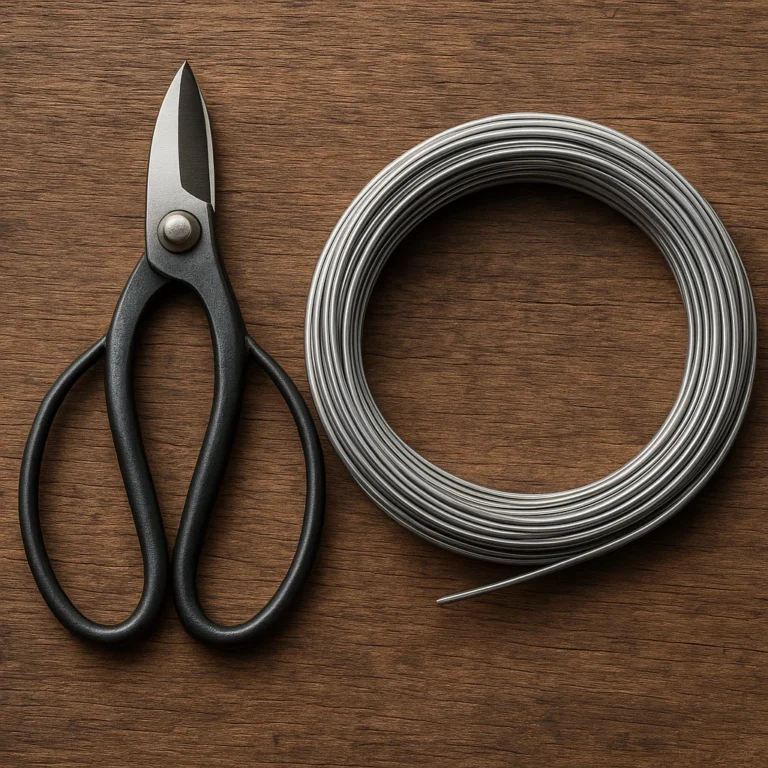
The best bonsai shears are sharp, comfortable, and suited to the growth you’re cutting. For routine trimming, start with a medium-size bonsai shear; switch to dedicated branch, root, or wire tools when the job demands them.
At Bonsai Garden™, we’ve learned that the right pair makes delicate pruning feel controlled, while the wrong pair turns a small twig into a stubborn wrestling match. One simple habit helps protect both your trees and your tools: stop if a cut takes real force.
Key Takeaways
- Match the shears to the task: Fine bonsai shears are for shoots and small twigs, not every branch.
- Choose for fit and control: Blade reach, handle comfort, and cutting capacity matter more than a fancy label.
- Keep foliage, root, and wire tools separate: Grit and wire can damage delicate blades.
- Clean, dry, and maintain your shears: Regular care helps prevent rust, sticky pivots, and rough cuts.
- Prune with a plan: Consider the tree’s species, health, design, and season before cutting.
👉 Shop bonsai shear brands and tools:
- Wazakura bonsai scissors: Amazon | Wazakura Official
- Kaneshin bonsai shears: Amazon | Kaneshin Official
- Bonsai shears and pruners: Eastern Leaf
Table of Contents
- ⚡️ Quick Tips and Facts About Bonsai Shears
- ✂️ What Are Bonsai Shears?
- 🌳 A Brief History of Bonsai Pruning Tools
- 🔍 Bonsai Shears vs. Scissors, Pruners, and Snips
- 🧰 Types of Bonsai Shears and Their Best Uses
- Bonsai Bud and Twig Shears
- Long-Handled Bonsai Shears
- Satsuki Shears
- Root-Pruning Shears
- Concave Cuters and Knob Cuters
- 🛒 How to Choose the Right Bonsai Shears
- Blade Shape, Length, and Cutting Capacity
- Steel Types: Carbon Steel vs. Stainless Steel
- Handle Comfort, Balance, and Grip
- Matching Shears to Bonsai Species and Tasks
- 🏆 Best Bonsai Shears: Brands and Buying Considerations
- Japanese Bonsai Shears
- Popular Bonsai Tool Brands
- What to Look for in Quality and Craftsmanship
- 🌿 How to Use Bonsai Shears Correctly
- Pruning Leaves, Shots, and Fine Branches
- Making Clean Cuts Without Damaging the Tree
- Seasonal Pruning and Species-Specific Timing
- 🧼 How to Clean, Disinfect, and Maintain Bonsai Shears
- Removing Sap, Dirt, and Rust
- Disinfecting Shears Between Trees
- Sharpening Bonsai Shears Safely
- Storing Shears to Protect the Blades
- ⚠️ Common Bonsai Shear Mistakes to Avoid
- 🔧 Bonsai Shears Troubleshooting
- Shears Are Dull, Stiff, or Misaligned
- Choosing Shears for Thick Branches
- When to Repair or Replace Bonsai Shears
- 🌱 Building a Practical Bonsai Pruning Tool Kit
- ✅ Conclusion
- 🔗 Recommended Links
- ❓ FAQ
- Can I use regular scissors on a bonsai tree?
- What size bonsai shears should I buy?
- Are carbon-stel or stainless-stel bonsai shears better?
- How often should bonsai shears be sharpened?
- How do I disinfect bonsai shears between trees?
- Can bonsai shears cut thick branches or roots?
- What are the best bonsai shears for beginners?
- 📚 Reference Links
Table of Contents
- ⚡️ Quick Tips and Facts About Bonsai Shears
- ✂️ What Are Bonsai Shears?
- 🌳 A Brief History of Bonsai Pruning Tools
- 🔍 Bonsai Shears vs. Scissors, Pruners, and Snips
- 🧰 Types of Bonsai Shears and Their Best Uses
- Bonsai Bud and Twig Shears
- Long-Handled Bonsai Shears
- Satsuki Shears
- Root-Pruning Shears
- Concave Cuters and Knob Cuters
- 🛒 How to Choose the Right Bonsai Shears
- Blade Shape, Length, and Cutting Capacity
- Steel Types: Carbon Steel vs. Stainless Steel
- Handle Comfort, Balance, and Grip
- Matching Shears to Bonsai Species and Tasks
- 🏆 Best Bonsai Shears: Brands and Buying Considerations
- Japanese Bonsai Shears
- Popular Bonsai Tool Brands
- What to Look for in Quality and Craftsmanship
- 🌿 How to Use Bonsai Shears Correctly
- Pruning Leaves, Shots, and Fine Branches
- Making Clean Cuts Without Damaging the Tree
- Seasonal Pruning and Species-Specific Timing
- 🧼 How to Clean, Disinfect, and Maintain Bonsai Shears
- Removing Sap, Dirt, and Rust
- Disinfecting Shears Between Trees
- Sharpening Bonsai Shears Safely
- Storing Shears to Protect the Blades
- ⚠️ Common Bonsai Shear Mistakes to Avoid
- 🔧 Bonsai Shears Troubleshooting
- Shears Are Dull, Stiff, or Misaligned
- Choosing Shears for Thick Branches
- When to Repair or Replace Bonsai Shears
- 🌱 Building a Practical Bonsai Pruning Tool Kit
- ✅ Conclusion
- 🔗 Recommended Links
- ❓ FAQ
- What are the best bonsai shears for trimming small branches?
- How do you choose the right bonsai shears for growing bonsai trees?
- How often should you sharpen bonsai shears?
- How do you clean and maintain bonsai shears?
- Can regular pruning shears be used on bonsai trees?
- What is the difference between bonsai shears and bonsai scissors?
- How do you use bonsai shears to shape a bonsai tree?
- 📚 Reference Links
⚡️ Quick Tips and Facts About Bonsai Shears
A bonsai tree rewards careful, selective pruning—not a haircut in a hurry. At Bonsai Garden™, we reach for shears that match the task, make clean cuts, and feel comfortable enough to use precisely.
| Quick fact | Practical takeaway |
|---|---|
| Fine bonsai shears are for small shoots, buds, leaves, and fine twigs | Don’t force them through thick wood; switch to branch cutters |
| Sharp blades make cleaner cuts | Dull blades can crush or tear tissue rather than severing it cleanly |
| Carbon steel can rust | Wipe it dry after use and apply a light protective oil |
| Stainless steel resists corrosion better | It still needs cleaning, drying, and sharpening |
| Tools can transfer plant pathogens | Clean and disinfect between trees when disease is suspected or tools touch infected tissue |
| The best tool is task-specific | A compact shear, a concave cutter, and a root tool do different jobs |
For broader pruning and aftercare guidance, browse our Bonsai Care Basics and Bonsai for Beginners guides.
Our quick recommendation: Start with a well-made, medium-size bonsai shear for routine fine pruning. Add a dedicated concave cutter when you’re ready to remove branches and a separate pair of sturdy root shears for repoting. One heroic all-purpose shear is usually just an expensive way to discover the limits of steel.
✂️ What Are Bonsai Shears?
Bonsai shears are compact pruning tools designed to make controlled cuts in the confined, detailed structure of a bonsai. Their short blades and handles help you reach into dense branching while keeping your fingers close to the work.
The term can mean different things depending on the maker or retailer. Some use “bonsai scissors” and “bonsai shears” interchangeably; others reserve “shears” for sturdier tools and “scissors” for delicate trimming. Check the actual blade design and intended use rather than trusting the label.
What bonsai shears are designed to cut
Typical fine bonsai shears are useful for:
- Young shoots and small twigs within the tool’s stated cutting capacity
- Leaf and bud trimming, where appropriate for the species and technique
- Fine growth inside a canopy
- Small roots, with a tool reserved for root work
They are not automatically suitable for every branch. A branch that wedges between the blades or requires you to squeeze with both hands is a sign to stop and choose a more suitable cutter.
Why precision matters
A clean, properly placed cut gives the tree a better opportunity to seal the wound as it grows. The ideal cut depends on species, branch size, season, and design goal. For pruning fundamentals, the Royal Horticultural Society’s pruning advice is a useful general reference, while species-specific bonsai guidance should guide the finer decisions.
🌳 A Brief History of Bonsai Pruning Tools
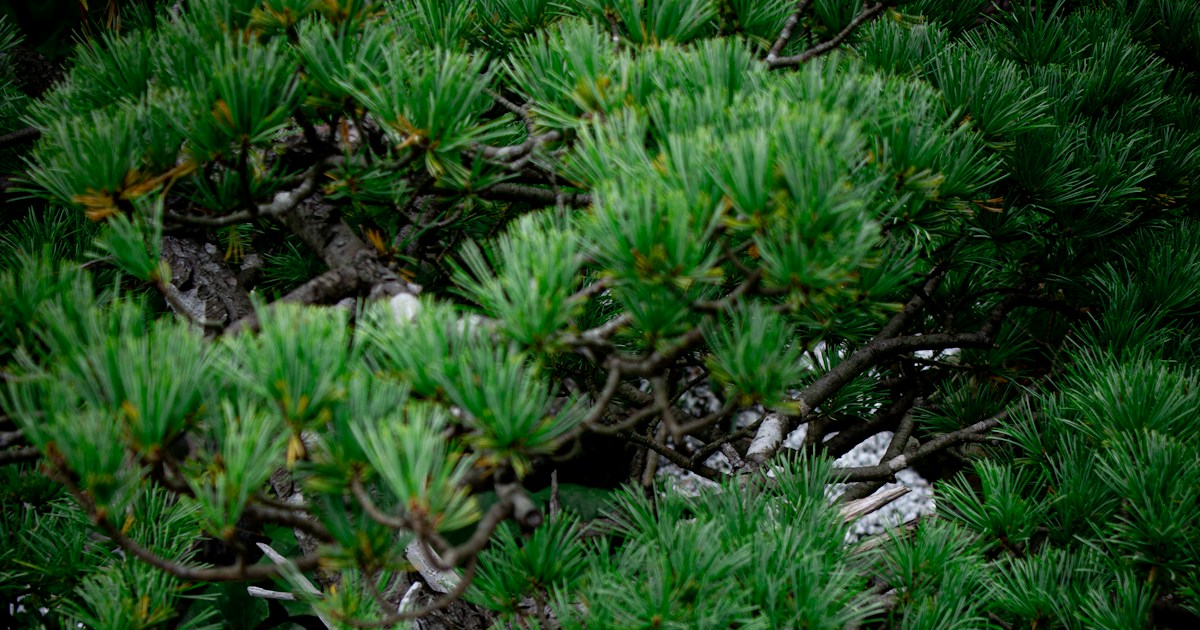
Bonsai developed through centuries of cultivation in East Asia, with Japanese bonsai practice shaping many of the forms and tools familiar to hobbyists today. As bonsai became an art of managing miniature trees, gardeners refined tools for careful work in tight spaces: short-bladed shears, branch cutters, root tools, and wire cutters.
Japanese toolmaking traditions often emphasize hand feel, balance, and sharp edges. But country of origin alone does not prove a tool is right for you. A well-maintained tool that fits your hand and suits your tree is more useful than a prestigious label you’re afraid to use.
Today’s bonsai tools include traditional carbon-stel designs and modern stainless options. Makers such as Wazakura Japan, Kaneshin, and Niwaki offer different styles and tool traditions. Their product ranges change, so compare current specifications before buying.
🔍 Bonsai Shears vs. Scissors, Pruners, and Snips
The names overlap, but the geometry and job matter more than the word printed on the packaging.
| Tool | Typical design | Best suited to | Avoid using it for |
|---|---|---|---|
| Bonsai shears | Short, stout blades; compact handles | Fine shoots, twigs, and detailed pruning | Thick branches beyond capacity |
| Bonsai scissors | Slim blades, often longer and more delicate | Leaves, buds, and precise fine growth | Hard or woody cuts that can damage the edges |
| Bypass pruners | Two blades pass each other | Larger live branches within rated capacity | Tight interior cuts where their bulk blocks access |
| Anvil pruners | Blade closes against a flat anvil | Some dry or dead material, depending on design | Delicate live growth where crushing is a concern |
| Snips | Small, light blades | Fine trimming and narrow access | Tough wood or roots |
| Concave cutter | Curved jaws remove a branch at its base | Branch removal and wound shaping | Routine leaf or shoot trimming |
A bypass-style cut generally passes a sharp blade by a supporting counterblade, while anvil tools press material against a flat surface. For living bonsai branches, a sharp bypass cut is often the better choice, but the tool must still match the branch and species. The University of Maryland Extension’s pruning overview explains why pruning cuts and tool choice affect plant tissue.
A useful rule: Use shears to trim growth, pruners to cut suitably sized branches, and concave cutters for branch removal where their shape helps create a recessed wound.
🧰 Types of Bonsai Shears and Their Best Uses
Bonsai Bud and Twig Shears
These are the everyday workhorses for fine growth. Their compact shape helps you reach into the canopy and make selective cuts without dragging a long blade across nearby leaves.
Good for: young shoots, fine twigs, and detailed canopy work.
Watch out for: overloading small blades. If a cut feels forced, stop. The tree doesn’t need you to win an arm-wrestling match with a branch.
Long-Handled Bonsai Shears
Long handles or extended blades provide extra reach into dense foliage and deeper branch junctions. They can be handy on broad, established canopies, but longer tools may feel less nimble in tight spaces.
Choose them when: you regularly prune interior growth and need reach.
Consider another tool when: you need fingertip-level control close to a delicate bud or branch collar.
Satsuki Shears
Satsuki azaleas are prized for their flowers and dense branching. Satsuki-style shears are commonly used for detail work around fine growth and, depending on the model, flower or shoot trimming.
Azalea care is species- and season-sensitive. Don’t prune simply because the tool is in your hand; flowering and bud formation affect timing. The American Rhodendron Society provides genus-level cultivation resources, while local bonsai expertise can help with a particular cultivar.
Root-Pruning Shears
Root shears are sturdier tools reserved for roots and poting work. Soil, grit, and root fibers are much harder on fine foliage shears than clean shoots are.
Best practice: Keep root tools separate from canopy tools, and clean off soil before storage. Our Bonsai Care Basics section covers the wider repoting routine.
Concave Cuters and Knob Cuters
These are not ordinary shears, but they belong in the bonsai pruning family. Concave cutters remove a branch with a slightly hollowed cut; knob cutters are shaped for removing rounded protrusions and old wound callus.
They’re specialized tools, not beginner necessities for every tree. Learn cut placement first, then add one when you have branches to remove and understand how the wound should develop.
🛒 How to Choose the Right Bonsai Shears
Before comparing brands, answer three questions:
- What will you cut most often? Fine shoots, woody twigs, roots, or branches?
- How tight is the canopy? A short, nimble tool may better than a long one.
- How much maintenance will you realistically do? Carbon steel can cut beautifully but needs diligent drying and care.
Blade Shape, Length, and Cutting Capacity
Blade length affects access and control. Short blades are easier to maneuver around tight branch structures; longer blades can reach deeper but may be harder to position precisely.
Look for a clearly stated intended use and cutting capacity. Manufacturers may describe capacity differently, and wood hardness varies by species and condition, so treat a rating as a limit—not a dare.
| Feature | Short, compact blade | Longer blade |
|---|---|---|
| Access in dense foliage | Usually excellent | Can reach deeper |
| Close control | Often easier | Depends on balance and handle |
| Reach | Limited | Better |
| Risk of contacting nearby growth | Lower in tight spaces | Higher if the blade is awkwardly positioned |
Steel Types: Carbon Steel vs. Stainless Steel
| Material | Advantages | Drawbacks | Best fit |
|---|---|---|---|
| Carbon steel | Can take a sharp edge; familiar traditional feel | Can rust if left damp; needs prompt care | Gardeners who clean and dry tools consistently |
| Stainless steel | Better corrosion resistance in ordinary conditions | Not rust-proof; edge quality varies by alloy and maker | Gardeners who want easier routine care |
| Coated or plated steel | Surface treatment may help resist corrosion | Coating can wear; quality varies | Buyers who understand the specific finish |
The word stainless means more corrosion-resistant, not immune to corrosion. Plant sap, moisture, soil, and neglected storage can still cause trouble. For general corrosion background, see the British Stainless Steel Association’s information.
Handle Comfort, Balance, and Grip
Hold the tool before you buy if possible. Open and close it several times, then notice whether your fingers sit naturally and whether the pivot feels smooth.
Check for:
- Comfortable handle loops or grips
- A stable pivot with no side-to-side woble
- Smooth opening and closing without excessive resistance
- A blade length you can control with one hand
- A shape that doesn’t pinch your palm or knuckles
A tool can beautifully made and still be wrong for your hand. That is not a character flaw; it’s geometry.
Matching Shears to Bonsai Species and Tasks
| Tree or task | Likely useful tool | Considerations |
|---|---|---|
| Fine deciduous shoots | Compact bonsai shears | Make selective cuts; avoid indiscriminate leaf removal |
| Dense evergreen canopy | Slim or long-reach shears | Access and visibility matter |
| Azalea detail work | Fine, sharp shears | Respect flowering and bud timing |
| Root pruning | Dedicated root shears | Keep them away from foliage work |
| Larger branch removal | Bypass pruner or concave cutter | Match tool to diameter and wound plan |
| Wire removal | Bonsai wire cutters | Don’t use shears; wire can nick blades |
For species-specific timing, consult reputable horticultural resources such as the RHS plant advice pages and a specialist bonsai guide. The right tool cannot rescue a poorly timed cut.
🏆 Best Bonsai Shears: Brands and Buying Considerations
There isn’t one universally best bonsai shear. We recommend choosing based on fit, intended cut, steel, and maintenance rather than treating a brand name as a magic spell.
Japanese Bonsai Shears
Japanese-made tools are popular for their traditional forms and attention to edge and balance. Wazakura’s bonsai scissors collection includes bonsai pruning tools, while Kaneshin is a long-established Japanese bonsai-tool maker.
“Made in Japan” can be a meaningful manufacturing detail, but it doesn’t tell you everything about a particular model’s steel, size, or suitability. Check the product description and care instructions.
Popular Bonsai Tool Brands
| Brand | Why gardeners consider it | What to verify |
|---|---|---|
| Wazakura | Japanese-style bonsai scissors and pruning tools | Blade dimensions, steel, intended use, and care |
| Kaneshin | Specialist bonsai tools and traditional designs | Model-specific capacity and availability |
| Niwaki | Japanese garden tools, including pruning tools | Whether a given model is intended for bonsai-scale precision |
| ARS | Well-known Japanese pruning-tool maker | Select a fine-pruning model, not a larger general pruner by default |
| Felco | Repairable garden pruners and replacement parts on many models | Often more suitable for larger cuts than delicate canopy work |
A retailer listing may be unavailable or blocked by verification, so we won’t invent specifications or reviews. For instance, Eastern Leaf’s bonsai shears and pruners page is a useful place to compare its current catalog, but confirm details directly on the live listing.
What to Look for in Quality and Craftsmanship
Before buying, inspect or verify:
- Blade alignment: Edges should meet cleanly, without a distracting gap or sideways shift.
- Pivot action: The tool should open and close smoothly.
- Edge quality: A sharp, even edge should cut the intended material without tearing.
- Handle fit: No sharp casting seams or uncomfortable pressure points.
- Repairability: Replacement parts and sharpening support can extend useful life.
- Clear care guidance: Especially important for carbon-stel tools.
Watch the “WATCH BEFORE Buying Bonsai Tools” video by Gro Bonsai for a practical tool-selection perspective. It features Wazakura and can help you think through a first tool set; treat any creator recommendations as one gardener’s experience, then compare those claims with the maker’s specifications and your own needs.
👉 CHECK PRICE on:
- Wazakura bonsai scissors: Amazon search | Wazakura Official
- Kaneshin bonsai shears: Amazon search | Kaneshin Official
- ARS pruning shears: Amazon search | ARS Official
- Felco pruning shears: Amazon search | Felco Official
🌿 How to Use Bonsai Shears Correctly
A good cut begins before the blades close. First decide what the branch is doing in the design and what you want to happen next.
Pruning Leaves, Shots, and Fine Branches
- Inspect the tree from several angles. Find the shoot’s origin and where it fits in the canopy.
- Identify your goal. Are you shortening an extension, improving light and airflow, or removing unwanted growth?
- Choose a healthy, sharp tool. Match it to the thickness and position of the shoot.
- Place the blades carefully. Keep nearby buds, leaves, and branch junctions clear.
- Make a decisive cut. Avoid twisting, rocking, or crushing the shoot.
- Pause and reassess. Remove growth gradually; you can always make another cut, but you can’t put a branch back.
For a wider view of pruning and shaping, see our Bonsai Care Basics and browse Bonsai Inspiration and Ideas for design examples.
Making Clean Cuts Without Damaging the Tree
- Cut within the tool’s capacity. A shear that struggles is the wrong shear for that branch.
- Don’t leave a raged stub unless a specific technique calls for it.
- Avoid cutting into a branch collar when removing a branch. The collar contains tissue involved in wound response; general pruning guidance from Penn State Extension explains why cut placement matters.
- Keep blades clean. Sap and debris can interfere with a clean cut.
- Stop if the wood splits or the tool slips. Reassess the angle and tool.
Bonsai technique is not identical to pruning a landscape tree: the scale, design aims, and species all matter. Use general tree-pruning principles as a foundation, then adapt them to bonsai-specific advice.
Seasonal Pruning and Species-Specific Timing
There is no universal calendar date for pruning bonsai. Timing depends on species, climate, vigor, the purpose of the cut, and whether the tree is in active growth.
- Deciduous trees may be pruned differently during active growth and dormancy.
- Flowering trees may need pruning timed around bloom and bud formation.
- Conifers have different growth habits and should not be treated like broadleaf deciduous trees.
- Weak, recently repotted, or stressed trees generally need a gentler approach.
When uncertain, identify the species first and consult a reliable species-specific source. Our Bonsai for Beginners section can help you build a sound care routine before making major structural cuts.
🧼 How to Clean, Disinfect, and Maintain Bonsai Shears
Clean tools cut better and are less likely to spread problems from one tree to another. Our routine is simple: remove residue, clean when needed, dry thoroughly, and protect the pivot and blade.
Removing Sap, Dirt, and Rust
- Brush off loose leaves and soil.
- Wipe blades with a clean cloth after each session.
- For sticky sap, use a tool-safe cleaner following its label; wipe away the residue.
- Dry the tool completely, especially around the pivot.
- Apply a small amount of suitable tool oil to the pivot and exposed steel if the maker recommends it.
Avoid harsh abrasion that changes the blade geometry. For rust, remove only superficial corrosion carefully; deep pitting or damaged edges may need professional attention.
Disinfecting Shears Between Trees
Disinfection is especially sensible when moving between trees with suspected disease or when cutting infected tissue. Clean visible debris first, because dirt and sap can interfere with disinfectants.
Use a product approved for the intended purpose and follow its label for contact time and safety. The University of Minnesota Extension discusses cleaning and disinfecting garden tools to reduce disease transmission. Don’t assume a quick swipe is effective if the label requires a longer wet contact time.
Good habit: Keep a small cleaning kit near your bonsai bench so “I’ll do it later” doesn’t become “Why is the pivot glued shut?”
Sharpening Bonsai Shears Safely
Sharpen only the cutting bevel, preserving the blade’s original angle. Many shears have one primary cutting edge and a counterblade; grinding both sides indiscriminately can ruin the way they meet.
- Clean the blade before sharpening.
- Use a sharpening tool appropriate for the maker’s design.
- Follow the existing bevel rather than inventing a new one.
- Remove only enough steel to restore the edge.
- Test on suitable plant material, not on your thumb.
If the blades are badly chipped, loose, or misaligned, a professional sharpening service—or replacement—may be safer than enthusiastic guesswork. For product-specific care, follow the manufacturer’s instructions.
Storing Shears to Protect the Blades
- Store clean and fully dry.
- Keep the blades closed or protected with a sheath.
- Avoid tossing them loose in a drawer with wire cutters and root tools.
- Keep them out of damp sheds and away from soil.
- Check the pivot periodically for looseness or stiffness.
A simple roll or fitted case protects the edge and saves you from the classic “where did the good shears go?” garden-bench mystery.
⚠️ Common Bonsai Shear Mistakes to Avoid
❌ Cuting branches that exceed the tool’s capacity. This can bend blades, damage the pivot, and crush the branch.
❌ Using one shear for roots, wire, and foliage. Soil grit and wire can damage fine cutting edges; use dedicated tools.
❌ Pruning without a design goal. Randomly shortening every shoot can weaken structure and remove useful growth.
❌ Using dull or dirty blades. They can tear tissue and make precise cuts harder.
❌ Ignoring species and season. A sensible cut for one tree may be poorly timed for another.
❌ Leaving carbon steel damp. Rust has a knack for appearing precisely when the tool is needed.
✅ Better approach: Make fewer, more intentional cuts; use the right tool; clean it afterward; and step back often. Your bonsai is a living design, not a hedge that owes you a straight line.
🔧 Bonsai Shears Troubleshooting
Shears Are Dull, Stiff, or Misaligned
| Symptom | Possible cause | What to try |
|---|---|---|
| Raged cuts | Dull edge, sap buildup, or unsuitable tool | Clean, inspect, sharpen correctly, or change tool |
| Stiff pivot | Dirt, sap, corrosion, or overtightened pivot | Clean and dry; apply suitable oil; check adjustment |
| Blades pass without cutting cleanly | Misalignment, looseness, or damaged edge | Check pivot tension and alignment; seek repair |
| Rust spots | Moist storage or incomplete drying | Clean carefully, dry, and protect; assess for pitting |
If the tool still feels wrong after cleaning and adjustment, stop using it on valuable trees until you know the blade is sound.
Choosing Shears for Thick Branches
If a branch will not fit comfortably between the blades, don’t force it. Use a bypass pruner rated for the branch or a bonsai-specific branch cutter suited to the cut. For a substantial structural branch, plan the removal carefully and consider whether a concave cutter will produce the wound shape you want.
The key is not simply “more leverage.” It’s a cutter with the correct jaw design and capacity.
When to Repair or Replace Bonsai Shears
Repair is worth considering when the tool has a sound handle and blade but needs sharpening, pivot adjustment, or a replacement spring. Replacement may make more sense when blades are cracked, badly chipped, deeply pitted, or permanently misaligned.
Check whether the maker or retailer offers parts and service. Brands such as Felco are known for parts support on many models, while specialist bonsai-tool makers may have model-specific repair options.
🌱 Building a Practical Bonsai Pruning Tool Kit
You don’t need a drawer full of shiny steel to care for bonsai well. Start with tools that match the work you actually do.
| Tool | Why it earns a place | Priority |
|---|---|---|
| Medium-size bonsai shears | Routine fine pruning and shoot work | Start here |
| Fine scissors or snips | Delicate access and leaf detail | Useful addition |
| Concave cutter | Branch removal and recessed cuts | Add when needed |
| Root shears | Dedicated root work during repoting | Add for repoting |
| Wire cutters | Safe wire removal | Add if you wire trees |
| Cleaning cloth and tool oil | Routine upkeep | Essential support |
| Sharpening tool or service | Maintains cutting performance | Plan for long-term care |
Keep tools labeled or stored separately by task. The same blades that make a lovely clean shoot cut may not appreciate a mouthful of gritty roots or copper wire.
For more technique and display inspiration, explore Bonsai Display and Aesthetics and Bonsai FAQs.