Support our educational content for free when you buy through links on our site. Learn more

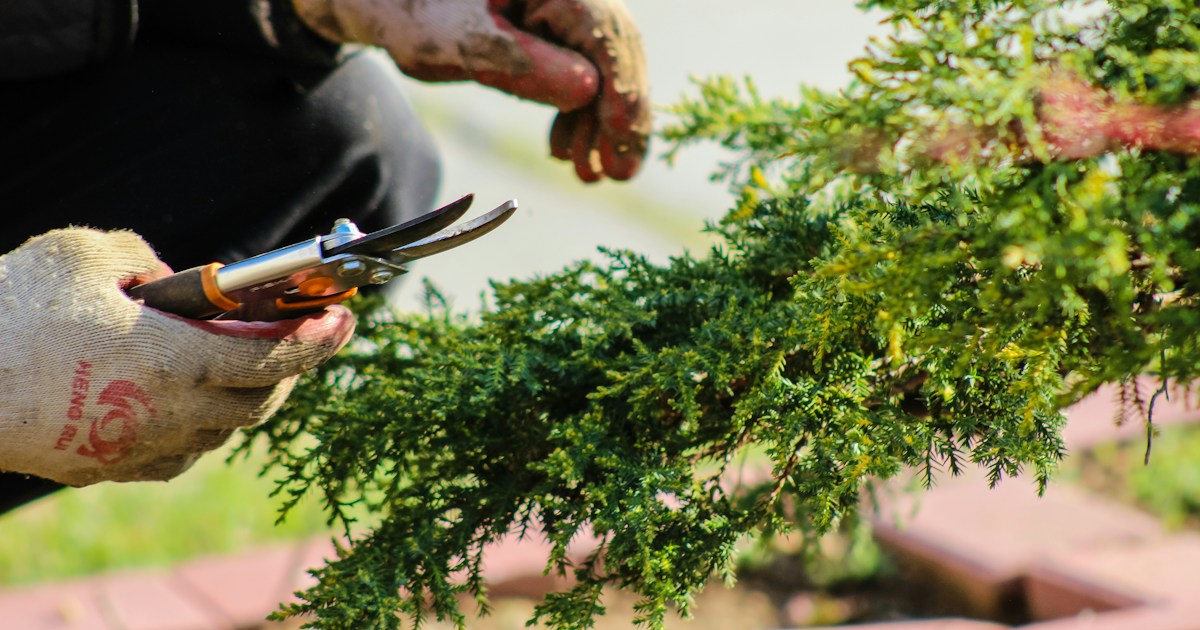
Choose bonsai branch cutters by the cut you need: a branch cutter for general branch removal, a concave cutter for a shallow hollow, and a knob cutter for stubs and raised wood. The right tool helps you work precisely; the wrong one can crush a branch, tear bark, or remove more healthy wood than your bonsai needs.
We’ve learned not to trust the tool’s name alone. “Branch cutter” can mean different jaw shapes from different makers, so check the blades and intended use before you buy. And if a branch makes the cutter struggle, stop—forcing it is how a tidy pruning session becomes an avoidable repair.
Key Takeaways
- Match the cutter to the job: branch, concave, and knob cutters have different strengths.
- Check cutting capacity and jaw shape before buying or cutting; never twist a cutter to force it through wood.
- Use clean, sharp tools and follow species-specific guidance on pruning timing and wound care.
- A concave cut should be shallow and deliberate. More hollow is not automatically better.
- Keep root cutters separate from branch tools to protect fine cutting edges and avoid carrying soil grit between jobs.
Table of Contents
- ⚡️ Quick Tips and Facts: Bonsai Branch Cuters
- 🌳 Bonsai Branch Cutter Background: How These Tools Shape Trees
- ✂️ Bonsai Cutter Types: Which Tool Does What?
- 1. Branch Cuters for Clean, Controlled Pruning
- 2. Concave Branch Cuters for Flush Cuts
- 3. Knob Cuters for Bulges and Stubs
- 4. Spherical Knob Cuters for Rounded Wounds
- 5. Root Cuters for Tough Bonsai Roots
- 6. Bud, Twig, and Other Bonsai Pruning Scissors
- 🔍 Branch Cutter vs. Concave Cutter vs. Knob Cutter
- 🛒 How to Choose the Best Bonsai Branch Cuters
- Blade shape, cutting capacity, and handle size
- Carbon steel, stainless steel, and tool durability
- Japanese bonsai tools and trusted brands
- Beginer, intermediate, and professional tool kits
- 🌱 How to Use Bonsai Branch Cuters Safely and Correctly
- Choosing where and when to prune
- Making a clean cut and avoiding bark damage
- Cuting thick branches without splitting the trunk
- Aftercare for pruning wounds
- 🧼 Cleaning, Sharpening, and Storing Bonsai Cuters
- ⚠️ Common Bonsai Cutter Mistakes to Avoid
- 🌲 Matching Branch Cuters to Bonsai Species and Jobs
- 🧰 Bonsai Branch Cutter Alternatives and Essential Accessories
- ✅ Conclusion
- 🔗 Recommended Links
- ❓ FAQ: Bonsai Branch Cuters
- What is a bonsai branch cutter used for?
- Do I need a concave cutter or a knob cutter?
- What size branch can bonsai cutters cut?
- Can regular garden shears be used on bonsai?
- How do I prevent rust on carbon-stel bonsai tools?
- How often should bonsai branch cutters be sharpened?
- 📚 Reference Links
⚡️ Quick Tips and Facts: Bonsai Branch Cuters
The first line of advice from our Bonsai Garden™ team is simple: match the cutter to the cut. A sharp, correctly sized tool makes cleaner work; the wrong cutter can crush tissue, tear bark, or leave an awkward wound.
| At a glance | Practical guidance |
|---|---|
| Best general-purpose branch tool | A bonsai branch cutter for branches within its rated capacity |
| For a shallow, neat wound | A concave cutter, used carefully near the branch collar |
| For knobs and stubborn stubs | A knob cutter, which removes raised or bulky wood |
| For small shoots and twigs | Bonsai pruning scissors or fine shears |
| For thick, dead, or heavy wood | A pruning saw, not an undersized cutter |
| After each session | Remove sap and debris, dry the tool, and protect carbon steel from rust |
| Most important safety rule | Never twist or force the jaws to cut wood that is too thick |
Bonsai cutters are specialized hand tools, not magic wound erasers. A cut’s placement, the tree species, its health, and the season all affect how it closes. For the wider pruning picture, see our guides to Bonsai Care Basics and Bonsai for Beginners.
🌳 Bonsai Branch Cutter Background: How These Tools Shape Trees
Bonsai branch cutters are designed to remove branches while giving the gardener control over the shape and finish of the cut. Their rounded or scoped cutting geometry can make it easier to form a shallow hollow where a branch was removed. That can be useful, but it does not guarantee invisible healing: the tree must grow callus tissue over the wound.
Bonsai tools developed around the need for precision in small spaces. On a compact tree, a bulky lopper can obstruct your view or damage nearby shoots; a purpose-made cutter gives better access and leverage. Japanese toolmakers such as Kaneshin and Masakuni offer specialized bonsai tools, while modern retailers such as Wazakura Japan sell a range of bonsai cutters.
The vocabulary can be confusing. “Branch cutter” may mean a general-purpose bonsai cutter, while some shops use the term for a concave-style cutter. Check the jaw shape and maker’s description, not just the product title. We’ll sort out the differences shortly.
✂️ Bonsai Cutter Types: Which Tool Does What?
No single cutter is best for every job. Here’s the working lineup we reach for most often.
| Tool | Best suited to | Typical cut or result | Main caution |
|---|---|---|---|
| Branch cutter | Removing small to medium live branches | Controlled branch removal | Match the tool’s capacity; don’t twist |
| Concave cutter | Removing branches where a shallow hollow is desired | Scoped wound profile | Cutting too deeply can enlarge the wound |
| Knob cutter | Removing knobs, stubs, and raised wood | Rounded, scoped removal | Aggressive jaws can remove too much healthy tissue |
| Spherical knob cutter | Carefully shaping rounded or irregular wood | Rounded hollow | Takes practice; avoid overcuting |
| Root cutter | Cutting roots during repoting | Strong cut through tough roots | Keep root tools separate from fine branch tools |
| Bonsai scissors | Shots, buds, leaves, and fine twigs | Precise small cuts | Not for thick, woody branches |
1. Branch Cuters for Clean, Controlled Pruning
A bonsai branch cutter is the workhorse for removing a branch that’s too substantial for scissors but still within the cutter’s intended capacity. Its short, strong jaws give you control close to the trunk or branch junction.
Good uses
- Removing selected branches during structural pruning.
- Cutting back woody shoots that are too thick for fine bonsai shears.
- Working in tight areas where large garden pruners are clumsy.
Trade-offs
- A general branch cutter may leave a less concave wound than a dedicated concave cutter.
- Small handles can be uncomfortable in larger hands.
- A cutter that is too small for the branch can crush rather than slice.
Before buying, check the maker’s stated use and cutting capacity. If the product listing gives no capacity, treat that as a reason to ask the seller or choose a better-documented tool.
2. Concave Branch Cuters for Flush Cuts
Concave cutters have curved blades intended to produce a shallow, scoped cut. The shape can leave room for callus growth while avoiding a proud stub, provided the cut is placed and sized appropriately.
They’re useful when:
- You’re removing a branch and want a slightly hollowed wound.
- You need to work close to the trunk without leaving a blunt stump.
- The wood is within the tool’s designed capacity.
They’re not a license to gouge. A deep crater removes more tissue than necessary and may take longer to close. Follow the branch collar and trunk line rather than cutting a hollow simply because the tool can make one.
The University of Florida’s pruning guidance emphasizes proper cut placement and preserving the branch collar when removing branches. That general tree-care principle is a useful starting point for bonsai, although bonsai styling decisions also depend on species, design, and the tree’s response.
3. Knob Cuters for Bulges and Stubs
Knob cutters have rounded, scoped jaws designed to bite into raised wood. They’re especially useful for taking down a stub or smoothing a protruding knob that a straight-edged tool cannot reach neatly.
Benefits
- Can reach and shape irregular wood.
- Useful for removing stubs left after an initial branch cut.
- Offers control when used in small, measured bites.
Drawbacks
- Easy to overuse: repeated bites can create a crater larger than the original defect.
- Not the first choice for every live branch removal.
- Requires a steady grip and a clear view of the wood being removed.
Our rule: use a knob cutter to refine a specific bump, not to excavate the trunk until it looks like a tiny woodpecker visited. If the defect is large, dead, or part of a deliberate carving plan, use the appropriate carving tools and work gradually.
4. Spherical Knob Cuters for Rounded Wounds
Spherical knob cutters have bulbous, rounded jaws that can help shape a rounded hollow in suitable wood. They can be helpful when ordinary knob cutters cannot comfortably approach the cut from the required angle.
They are specialist tools, not essential kit for every bonsai keeper. If you’re new to pruning, learn to make clean, well-placed cuts with a basic branch cutter first. For more visual examples of how cutter styles differ, the Eastern Leaf “Choosing a Branch Cutter” video compares types and discusses quality levels.
5. Root Cuters for Tough Bonsai Roots
Root cutters are built for the tougher, often fibrous roots encountered during repoting. Their stronger jaws are useful for root work, but don’t use them as a universal branch cutter. Soil grit can dull fine edges, and a root tool’s cutting profile may not produce the controlled finish you want on visible branches.
Keep root tools separate, clean them after repoting, and avoid forcing them through roots beyond their capacity. For repoting timing and aftercare, consult a species-specific guide through our Bonsai Care Basics section.
6. Bud, Twig, and Other Bonsai Pruning Scissors
Fine pruning scissors are designed for smaller work: shoots, buds, fine twigs, and leaf trimming. They offer more delicate control than branch cutters.
Use scissors when the shoot is small enough to cut cleanly without forcing the blades. For woody branches, switch to a properly sized cutter or saw. If your scissors have to squeeze, rock, or chew through a branch, they’re telling you they’ve been given the wrong job.
🔍 Branch Cutter vs. Concave Cutter vs. Knob Cutter
Tool names vary among makers and retailers, so jaw geometry is more dependable than the label alone. The bonsai community’s “Branch, Knob, Concave, what’s the point?” discussion on Bonsai Nut is a useful prompt for comparing tools, but the supplied page summary provides no accessible thread details to quote. We’ll stick to the functional distinctions visible in the tools themselves.
| Feature | Branch cutter | Concave cutter | Knob cutter |
|---|---|---|---|
| Main job | Remove branches | Create a shallow concave branch wound | Remove stubs, knobs, and protruding wood |
| Jaw character | Strong cutting jaws; profile varies by maker | Curved, opposing edges | Rounded, scoping jaws |
| Best for | General branch removal | A controlled, shallow hollow at a branch site | Refing irregular or raised wood |
| Common mistake | Exceeding capacity | Cutting too deeply | Removing too much sound wood |
| Best buying check | Capacity and jaw design | Whether the profile suits your cut | Jaw reach and bite size |
What to trust when descriptions conflict: a dedicated concave cutter is generally chosen for a shallow hollow, while a knob cutter is chosen for biting into protrusions and stubs. But brand terminology can overlap. Look at clear product photos, manufacturer descriptions, and the intended job; if those disagree, ask the maker or seller before buying.
🛒 How to Choose the Best Bonsai Branch Cuters
A good cutter should feel predictable in your hand, open and close smoothly, and suit the wood you plan to cut. We’d rather have one well-maintained tool that fits the job than a drawer full of cutters that pinch, woble, or make you nervous.
Blade shape, cutting capacity, and handle size
Assess these before you buy:
- Jaw geometry: Choose a branch, concave, or knob profile for the work you actually do.
- Cuting capacity: Follow the maker’s limit. Don’t assume a bigger handle means unlimited cutting power.
- Access: A compact head can help in a crowded canopy; larger jaws may suit bigger work.
- Grip: Handles should sit securely in your hands without forcing your fingers into an awkward position.
- Action: The tool should close smoothly and align properly, without looseness or binding.
| What to inspect | A reassuring sign | A warning sign |
|---|---|---|
| Cutting edges | Meet evenly and look free of nicks | Edges are misaligned or visibly damaged |
| Joint | Moves smoothly with little play | Wobbles, sticks, or grinds |
| Handles | Comfortable, balanced grip | Sharp edges, poor alignment, or uncomfortable reach |
| Listing details | Clear type, materials, care guidance, capacity | Vague claims with no identifiable specifications |
Carbon steel, stainless steel, and tool durability
Carbon steel can take a keen edge but needs prompt cleaning and drying because it can rust. Stainless steel is generally more corrosion-resistant, though quality and edge performance vary by product. Either material can make a useful cutter; steel type alone doesn’t tell you whether the tool is well made.
| Material | Advantages | Drawbacks | Care |
|---|---|---|---|
| Carbon steel | Can be sharpened; often favored for traditional tool performance | Rust risk if left damp or dirty | Wipe, dry, and apply a light protective oil |
| Stainless steel | Better resistance to corrosion | Still needs cleaning; quality varies | Clean and dry after use; inspect edges |
| Coated steel | May add surface protection | Coating can wear or chip | Follow the maker’s maintenance instructions |
For practical plant-tool hygiene, the University of Minnesota Extension’s pruning guidance recommends keeping pruning equipment clean and sharp. Disinfect tools when disease concerns warrant it, and follow the product label for any disinfectant.
Japanese bonsai tools and trusted brands
Japanese makers are well known in bonsai, but country of origin is not a substitute for checking fit, specifications, and workmanship. Makers and retailers to investigate include:
- Kaneshin: Japanese bonsai tools and accessories.
- Masakuni: Japanese bonsai toolmaker.
- Wazakura Japan: Bonsai cutter collection.
- Eastern Leaf: Bonsai tools and supplies.
- Kikuwa: Bonsai tool search results.
We recommend buying from an established seller who identifies the tool type and provides sensible care guidance. A polished product page is pleasant; a clear description of what the cutter can safely do is more useful.
Beginner, intermediate, and professional tool kits
| Experience level | Sensible starting selection | What to add later |
|---|---|---|
| Beginner | One suitable branch cutter, bonsai scissors, and a basic maintenance cloth | Concave or knob cutter once you know the work you do most |
| Intermediate | Branch cutter plus concave cutter and separate root tools | Specialized knob or spherical cutter for specific styling needs |
| Professional or frequent practitioner | Multiple sizes and profiles selected for species and workload | Replacement or specialist tools based on repeated jobs |
Buy for your trees, not for the length of the tool roll. Beginners often get better results from learning one cutter’s limits than from collecting every jaw shape at once. Our Bonsai for Beginners resources can help build that foundation.
👉 Shop bonsai cutters and tools:
- Wazakura Japan bonsai cutters: Amazon | Wazakura Official Collection
- Kaneshin bonsai tools: Amazon | Kaneshin Official Website
- Masakuni bonsai tools: Amazon | Masakuni Official Website
- Eastern Leaf bonsai cutters: Amazon | Eastern Leaf
🌱 How to Use Bonsai Branch Cuters Safely and Correctly
A neat cut begins before the jaws close. First, decide why the branch is coming off. Then check where it joins the trunk, what growth you want to preserve, and whether the tree is healthy enough for the work.
Choosing where and when to prune
Pruning timing depends on species, climate, tree vigor, and the type of pruning. There is no safe universal month for every bonsai. Deciduous, coniferous, tropical, and flowering trees respond differently, and a tree in recovery may need a lighter hand than a vigorous one.
Before cutting:
- Identify the species and check trusted, species-specific guidance.
- Consider whether the work is structural pruning or routine maintenance.
- Avoid removing more foliage than the tree can comfortably support.
- Preserve the branch collar where appropriate rather than cutting flush into the trunk.
The Royal Horticultural Society’s pruning advice and University of Florida pruning resources explain general woody-plant pruning principles. Bonsai adds design and container-growing considerations, so use those sources as foundations rather than substitutes for species-specific bonsai guidance.
Making a clean cut and avoiding bark damage
Use this step-by-step method for a branch that is within your tool’s capacity:
- Inspect the branch. Confirm what you intend to remove and identify nearby buds, shoots, and branches to keep.
- Support the branch. Hold it lightly so its weight doesn’t tear bark as it separates.
- Position the cutter. Place the jaws at the intended cut, with the tool aligned to the branch junction.
- Close steadily. Use controlled hand pressure. If the jaws stall, stop; don’t twist or wrench the handles.
- Check the result. Look for crushed tissue, torn bark, or a long stub. Make a correction only if needed and safe.
- Clean the cutter. Remove sap and debris before moving to another tree, especially when disease is a concern.
A practical distinction matters here: “flush cut” does not always mean “cut the trunk flat.” Cutting into the trunk can damage tissue the tree needs for compartmentalization. Respect the branch junction and avoid leaving a long stub, but don’t carve away healthy trunk to chase a perfectly flat surface.
Cutting thick branches without splitting the trunk
If the branch is too thick for your cutter, use a pruning saw or another tool made for the job. For larger branches, a three-cut method can help reduce bark tearing: make an undercut away from the trunk, a second cut farther out to remove the branch weight, then a final cut near the branch collar. The exact method depends on the branch and tree.
For bonsai, many structural branches are small, but leverage can still split bark—especially if a branch is under tension. If the branch moves as you cut, stop and stabilize it. Never use the cutter handles as a lever to pry wood apart.
Aftercare for pruning wounds
Healthy trees respond to wounds over time; they do not “heal” like animal skin. They grow callus tissue around the wound and may compartmentalize damaged wood. The International Society of Arboriculture offers general pruning guidance, while bonsai wound treatment should be considered in light of species, climate, wound size, and local practice.
After pruning:
- Keep the tree’s care appropriate to its species and season.
- Avoid combining heavy pruning with other major stress, such as repoting, unless you have a well-founded reason.
- Use wound paste only when suitable for the tree and cut; follow its directions.
- Watch for dieback, pests, or unusual discoloration, and adjust care if the tree shows stress.
🧼 Cleaning, Sharpening, and Storing Bonsai Cuters
Sharp tools cut with less crushing and are easier to control. Maintenance doesn’t need to be elaborate, but it does need to happen before sap and moisture turn a good cutter into a sticky, rusty annoyance.
A practical care routine
- Wipe after use. Remove sap, soil, and plant residue with a clean cloth.
- Clean the blades. Use a suitable cleaner or disinfectant when needed, following its label and the toolmaker’s guidance.
- Dry thoroughly. Pay attention to the pivot and inner blade surfaces.
- Inspect the edge. Check for nicks, chips, or misalignment.
- Protect the steel. Apply a very light coat of suitable oil to carbon steel.
- Store dry. Keep tools in a tool roll, case, or dry cabinet; avoid leaving them in damp poting areas.
The University of Minnesota Extension discusses clean, sharp pruning tools as part of good pruning practice. For blade geometry and sharpening, follow the cutter manufacturer’s instructions. Sharpening the wrong face can change the jaw profile or cause the edges to stop meeting properly.
Don’t sharpen blindly. If the cutter has chipped edges, a loose joint, or blades that no longer align, it may need professional repair or replacement rather than a quick swipe with a file.
⚠️ Common Bonsai Cutter Mistakes to Avoid
- ❌ Cuting branches beyond the tool’s capacity. This can damage the edge, joint, or branch.
- ❌ Twisting the handles to force a cut. The cutter is made to cut, not pry.
- ❌ Using knob cutters to hollow every wound. Remove only the wood the design and tree require.
- ❌ Cuting flush into the trunk. A flat-looking cut can remove healthy tissue at the branch junction.
- ❌ Using root tools on fine branches. Soil grit and root work can degrade a tool’s fine cutting edge.
- ❌ Leaving sap on the blades. Sticky residue attracts grime and can make the joint unpleasant to use.
- ❌ Ignoring a dull or misaligned edge. A rough cut often begins with a tool that needs care.
- ❌ Pruning by calendar alone. Species, climate, and tree health matter more than a universal date.
A common mistake we see is overconfidence after buying a concave cutter: its hollowing action looks so tidy that the gardener keeps cutting. A clean finish is not the same as a deep crater. Cut only as much as the tree and design call for.
🌲 Matching Branch Cuters to Bonsai Species and Jobs
The best cutter depends on the wood, branch size, access, and what you’re trying to achieve. A tool that behaves beautifully on a small deciduous branch may be the wrong choice for dense, hard, or dead wood.
| Job or situation | Likely tool choice | Notes |
|---|---|---|
| Fine shoots on a deciduous bonsai | Bonsai scissors | Use sharp blades and avoid crushing |
| Small woody branch removal | Branch cutter or suitable concave cutter | Keep the cut controlled and well placed |
| Raised stub or protruding knob | Knob cutter | Remove gradually and reassess after each bite |
| Thick branch or heavy wood | Pruning saw | Don’t exceed cutter capacity |
| Root pruning at repoting | Root cutter | Keep it clean and separate from branch tools |
| Tight space among retained shoots | Compact branch cutter | Check that the jaws can reach without trapping nearby growth |
Species can change the plan. Conifers, maples, pines, junipers, and tropical bonsai do not all respond to pruning in the same way. If you’re uncertain about timing or wound care, pause and consult species-specific guidance through our Bonsai Care Basics or browse ideas in Bonsai Inspiration and Ideas.
🧰 Bonsai Branch Cutter Alternatives and Essential Accessories
A branch cutter is only one part of a useful bonsai tool kit. Choose alternatives by the work, not by habit.
| Alternative or accessory | Best use | Why it helps |
|---|---|---|
| Bonsai scissors | Shots, buds, fine twigs | More precise on small growth |
| Pruning saw | Branches too large for hand cutters | Reduces the temptation to force a tool |
| Root cutter | Tough roots during repoting | Built for root work |
| Sharpening stone or suitable file | Maintaining an edge | Helps preserve clean cutting action when used correctly |
| Cleaning cloth and tool oil | Routine maintenance | Removes residue and protects steel |
| Tool roll or dry case | Storage and transport | Keeps edges protected and tools organized |
If you’re building a kit, start with the work you perform most often. A modest set of well-cared-for tools beats a collection of neglected blades. For more help comparing care methods and starter equipment, explore Bonsai FAQs and our practical Bonsai Care Basics guides.