
Support our educational content for free when you buy through links on our site. Learn more


Have you ever wondered how bonsai artists create those perfectly placed branches or transform a struggling tree into a living work of art? The secret often lies in grafting—a centuries-old horticultural technique that lets you sculpt your bonsai with precision and creativity. From adding new branches exactly where you want them to enhancing root structure for better stability, mastering bonsai grafting techniques opens a world of possibilities.
At Bonsai Garden™, we’ve spent years experimenting with and perfecting various grafting methods, and in this article, we’ll share the five most effective techniques along with expert tips, troubleshooting advice, and the best tools to use. Curious about which grafting method suits your bonsai species? Or how to care for your tree post-graft to ensure success? Stick around—we’ll unravel these mysteries and more, including insider secrets from top bonsai masters.
Key Takeaways
- Grafting is a powerful tool for adding branches, improving nebari, and changing foliage types on your bonsai.
- The five essential techniques covered are approach grafting, cleft grafting, side veneer grafting, whip and tongue grafting, and bud grafting.
- Timing and species compatibility are critical for graft success; most grafts thrive when done in late winter or early spring.
- Using sharp, sterilized tools like the Okatsune Hori Hori knife and breathable grafting tape significantly boosts success rates.
- Proper post-grafting care—humidity, shading, and monitoring—is vital to help your bonsai heal and thrive.
Ready to elevate your bonsai game? Let’s dive into the art and science of bonsai grafting!
Table of Contents
- ⚡️ Quick Tips and Facts About Bonsai Grafting
- 🌳 The Art and Science Behind Bonsai Grafting: A Brief History
- 🔍 Understanding Bonsai Grafting: What It Is and Why It Matters
- 🛠️ Essential Tools and Materials for Successful Bonsai Grafting
- 🌱 1. Step-by-Step Guide to the Most Effective Bonsai Grafting Techniques
- 🌿 Choosing the Right Bonsai Species for Grafting Success
- 🧪 The Science of Compatibility: Rootstock and Scion Matching Explained
- 💡 Troubleshooting Common Bonsai Grafting Problems and How to Fix Them
- 🌞 Post-Grafting Care: Nurturing Your Bonsai to Thrive
- 🎨 Creative Grafting Projects to Elevate Your Bonsai Artistry
- 📅 When Is the Best Time to Graft Your Bonsai? Seasonal Tips and Tricks
- 💼 Expert Insights: Interviews with Top Bonsai Grafting Masters
- 🛒 Recommended Products and Brands for Bonsai Grafting Enthusiasts
- 📚 Conclusion: Mastering Bonsai Grafting for Stunning Miniature Trees
- 🔗 Recommended Links for Further Bonsai Grafting Exploration
- ❓ Frequently Asked Questions About Bonsai Grafting
- 📖 Reference Links and Resources for Bonsai Grafting
⚡️ Quick Tips and Facts About Bonsai Grafting
Welcome to the fascinating world of bonsai grafting! At Bonsai Garden™, we’ve spent countless hours experimenting and perfecting grafting techniques to help you create miniature masterpieces. Here are some quick, must-know facts to get you started:
- ✅ Grafting is essential for adding or replacing branches, improving nebari (surface roots), and even changing foliage types.
- ✅ Timing is everything: Most grafts succeed best in late winter or early spring before buds swell, but some species like junipers prefer summer grafting.
- ✅ Compatibility matters: Generally, graft within the same species or closely related ones for best results.
- ✅ Tools count: Sharp, sterilized grafting knives and quality grafting tape are your best friends.
- ✅ Patience is a virtue: Grafts can take weeks or months to fully integrate; don’t rush the process.
Here’s a quick table summarizing the best grafting seasons for common bonsai species:
| Species | Best Grafting Time | Notes |
|---|---|---|
| Juniper | Early Summer | Sap flow timing is critical |
| Pine | Late Winter | Dormant period preferred |
| Maple | Late Winter to Early Spring | Bud swelling stage ideal |
| Azalea | Spring | After flowering |
| Elm | Early Spring | Before leaf-out |
Want to dive deeper? Keep reading to unlock the secrets behind each technique and how to master them like a pro! Curious about which tools we swear by? We’ll spill the beans soon. 😉
For more beginner-friendly tips, check out our Bonsai Care Basics and Bonsai for Beginners categories.
🌳 The Art and Science Behind Bonsai Grafting: A Brief History
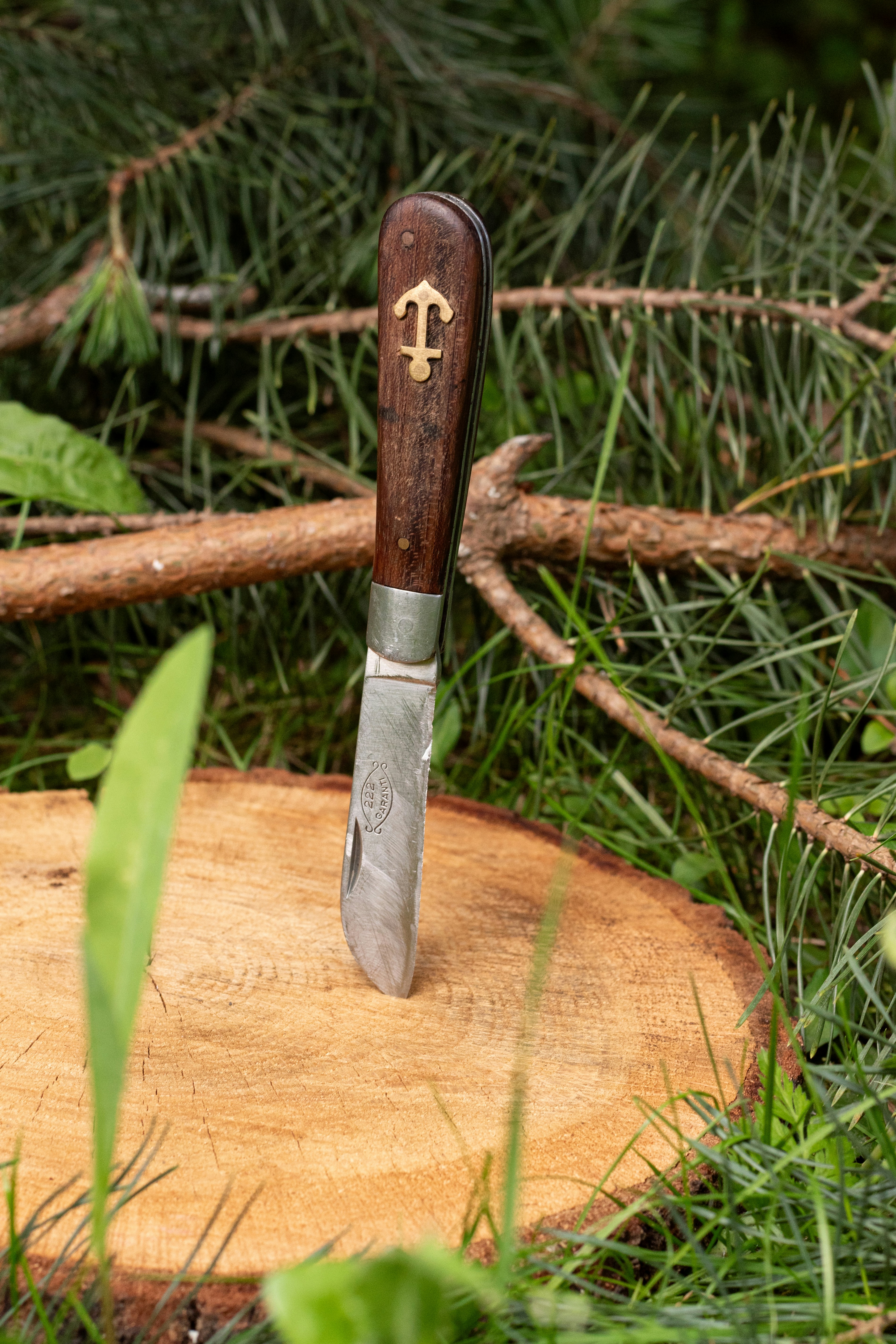
Grafting isn’t just a horticultural trick—it’s an ancient art form dating back thousands of years! The Chinese and Japanese bonsai masters refined grafting to create trees that mimic nature’s grandeur in miniature form.
- Origins: Grafting was first documented in China around 2000 BCE, primarily for fruit trees. Japanese bonsai artists adapted these techniques to sculpt tiny trees with perfect branches and foliage.
- Evolution: Over centuries, grafting evolved from simple scion insertion to complex methods like approach grafting and thread grafting, each with unique advantages.
- Modern Bonsai: Today, grafting is indispensable for bonsai enthusiasts worldwide, allowing for creative expression and overcoming natural growth limitations.
At Bonsai Garden™, we love how grafting blends science and artistry—it’s like giving your bonsai a magical makeover! Want to see how this ancient technique meets modern innovation? Keep reading.
For a deeper dive into bonsai history and culture, visit our Bonsai Inspiration and Ideas section.
🔍 Understanding Bonsai Grafting: What It Is and Why It Matters
Let’s break down the basics: What exactly is grafting? Simply put, grafting is the process of joining two plants so they grow as one. In bonsai, this means attaching a scion (a young shoot or branch) onto a rootstock or trunk to create new branches, change foliage, or improve tree structure.
Why graft bonsai?
- Add branches where nature won’t: Sometimes your bonsai’s trunk or branch layout isn’t quite right. Grafting lets you add branches exactly where you want them.
- Improve nebari: Surface roots are crucial for bonsai aesthetics and stability. Grafting roots can enhance nebari dramatically.
- Change foliage or species: Want to combine the rugged trunk of one species with the delicate leaves of another? Grafting can make it happen (within compatibility limits).
- Repair damage: Grafting can save a bonsai with damaged branches or trunks by replacing lost parts.
Key terms to know:
| Term | Definition |
|---|---|
| Scion | The shoot or branch being grafted onto stock |
| Rootstock | The plant providing roots and base for graft |
| Cambium | The layer of growing tissue critical for graft success |
| Grafting Tape | Specialized tape used to secure grafts and prevent moisture loss |
Understanding these basics sets you up for success. But how do you actually do it? Hang tight—we’re about to get hands-on!
For more on bonsai fundamentals, explore our Bonsai FAQs.
🛠️ Essential Tools and Materials for Successful Bonsai Grafting
Before you wield your grafting knife, let’s talk gear! Having the right tools can make or break your grafting success.
Bonsai Grafting Tool Ratings (1-10 scale)
| Tool | Design | Functionality | Durability | Ease of Use | Overall |
|---|---|---|---|---|---|
| Hori Hori Grafting Knife (Okatsune) | 9 | 10 | 9 | 9 | 9.25 |
| Japanese Grafting Tape (Nitto) | 8 | 9 | 8 | 9 | 8.5 |
| Bonsai Wire (Tsurugi) | 8 | 9 | 9 | 8 | 8.5 |
| Sharp Chisel (Japanese brand) | 9 | 10 | 8 | 7 | 8.5 |
| Sphagnum Moss (for humidity) | 7 | 8 | 7 | 9 | 7.75 |
Our top picks explained:
Hori Hori Grafting Knife (Okatsune)
- Why we love it: Razor-sharp, versatile, and perfect for making precise cuts. The ergonomic handle reduces hand fatigue during long grafting sessions.
- Pro tip: Always sterilize before use to prevent infection.
Japanese Grafting Tape (Nitto)
- Why it rocks: Breathable yet waterproof, it holds grafts snugly without suffocating the cambium.
- Heads up: Avoid using ordinary plastic tape; it traps moisture and invites rot.
Bonsai Wire (Tsurugi)
- Purpose: Secures scions and approach grafts firmly. Comes in various gauges for different branch sizes.
- Tip: Use aluminum wire for easy adjustment and removal.
Sharp Chisel (Japanese brand)
- Use: Essential for cleft grafting and making clean incisions in the trunk or branches.
- Note: A dull chisel can crush tissue and reduce graft success.
Sphagnum Moss
- Role: Maintains humidity around grafts, especially in grafting bags or wraps.
- Reminder: Keep it moist but not soaking wet to avoid fungal issues.
Want to see these tools in action? Check out our Bonsai Garden™ tool reviews for detailed demos and user feedback.
🌱 1. Step-by-Step Guide to the Most Effective Bonsai Grafting Techniques
Ready to roll up your sleeves? We’ll walk you through the five most popular bonsai grafting methods, complete with insider tips from our Bonsai Garden™ pros.
1.1. Approach Grafting: When and How to Use It
Approach grafting is like matchmaking two plants that are both still rooted—think of it as a botanical handshake! This method is excellent for adding branches or changing foliage without severing the donor’s roots immediately.
Step-by-Step:
- Select a healthy donor whip: 6-8 inches long, about 1/8 to 1/4 inch thick.
- Prepare the rootstock: Remove leaves and expose a 2-3 inch section of the trunk or branch where the graft will join.
- Create matching cuts: Use a Dremel or sharp knife to make a groove on the rootstock and a matching cut on the donor whip, exposing the cambium.
- Join and secure: Slide the whip into the groove, align cambium layers perfectly, and secure with grafting tape and wire.
- Care: Keep the graft shaded and moist. Water frequently to encourage healing.
- Aftercare: In the following spring, sever the donor’s roots and remove excess foliage.
Why we love approach grafting:
- ✅ High success rate
- ✅ Faster development of new branches
- ✅ Minimal stress on plants
1.2. Cleft Grafting: Mastering the Classic Method
Cleft grafting is the go-to for adding branches to thick trunks or repairing damaged areas. It’s a bit like fitting a puzzle piece into a split.
Step-by-Step:
- Make a clean cut: Use a sharp chisel to split the trunk or branch about 1 inch deep.
- Prepare the scion: Cut the base of the scion into a wedge shape to fit snugly into the cleft.
- Insert scion: Slide the wedge into the cleft, ensuring cambium layers align on at least one side.
- Secure: Wrap with grafting tape firmly but not too tight.
- Protect: Cover with a grafting bag containing moist sphagnum moss to maintain humidity.
- Monitor: Check weekly for signs of growth or drying out.
Pro tip:
- Use a Japanese-made chisel for the cleanest cuts—this reduces tissue damage and improves graft success.
1.3. Side Veneer Grafting: A Sleek Solution for Thin Branches
Side veneer grafting is perfect for adding small branches or foliage on thin trunks or branches.
Step-by-Step:
- Make a slanting cut: On the rootstock, cut a shallow, slanting slice exposing cambium.
- Prepare the scion: Cut a matching slant on the base of the scion.
- Join: Fit the scion onto the rootstock cut, aligning cambium layers.
- Wrap: Use grafting tape to secure the joint.
- Care: Keep shaded and moist until the graft takes.
1.4. Whip and Tongue Grafting: The Power Couple of Bonsai
This technique is a favorite for joining scions and rootstocks of similar diameter, offering a large cambium contact area for strong unions.
Step-by-Step:
- Cut matching slants: On both scion and rootstock, make long slant cuts about 1-2 inches long.
- Create tongues: Make a vertical cut halfway down the slant on both pieces to form interlocking tongues.
- Join: Fit the tongues together tightly, aligning cambium layers.
- Wrap: Secure with grafting tape and wire.
- Protect: Maintain humidity and shade.
1.5. Bud Grafting: The Secret to Precise Growth Control
Bud grafting involves inserting a single bud into the rootstock, ideal for changing foliage or introducing new varieties without large scions.
Step-by-Step:
- Select a healthy bud: From the scion plant, carefully cut a bud with a small shield of bark.
- Prepare the rootstock: Make a T-shaped cut in the bark.
- Insert the bud: Slide the bud shield under the bark flap.
- Wrap: Use budding tape to secure the bud firmly.
- Wait: After 2-3 weeks, if the bud is green and firm, cut back the rootstock above the graft to encourage growth.
🌿 Choosing the Right Bonsai Species for Grafting Success
Not all bonsai species play nicely together! Choosing the right species is crucial for graft success and long-term tree health.
Compatibility Guidelines
| Rootstock Species | Compatible Scions | Notes |
|---|---|---|
| Japanese Maple (Acer) | Other Maples, some Elms | Avoid pines or junipers |
| Juniper (Juniperus) | Other Junipers, Rocky Mountain Juniper | Some exceptions exist for closely related species |
| Pine (Pinus) | Pines only | Timing critical; late winter preferred |
| Azalea (Rhododendron) | Azaleas only | Sensitive to grafting stress |
| Elm (Ulmus) | Elms, some Maples | Good for bud grafting |
Our personal experience
At Bonsai Garden™, we’ve had great success grafting Japanese maples onto robust rootstocks for improved nebari and branch placement. However, grafting pines onto unrelated species was a no-go—compatibility is king!
For detailed species-specific advice, visit our Bonsai Species Guide.
🧪 The Science of Compatibility: Rootstock and Scion Matching Explained
Why can’t you just graft any two plants together? The secret lies in the cambium—the thin layer of living cells beneath the bark responsible for growth.
Cambium Contact Is Key
- Successful grafting requires perfect alignment of cambium layers on both scion and rootstock.
- If cambium layers don’t match, the graft will fail due to lack of nutrient and water transport.
Genetic and Physiological Compatibility
- Species within the same genus or family usually graft well.
- Differences in growth rates, sap flow, and bark texture can affect success.
- Some species have natural graft incompatibility due to biochemical factors.
What science says
Research from the Journal of Plant Physiology confirms that biochemical compatibility and cambium alignment are the two pillars of graft success.
Our take
We recommend starting grafting experiments within the same species or closely related ones. For adventurous gardeners, approach grafting offers a higher success rate even with less compatible pairs.
💡 Troubleshooting Common Bonsai Grafting Problems and How to Fix Them
Even the best gardeners hit snags. Here are some common grafting pitfalls and how to overcome them:
| Problem | Cause | Solution |
|---|---|---|
| Graft fails to unite | Poor cambium contact, infection | Re-graft with precise cuts; sterilize tools |
| Scion dries out | Insufficient humidity or protection | Use grafting bags with moist sphagnum moss |
| Graft tape too tight | Restricts growth and causes damage | Wrap snugly but not too tight; monitor regularly |
| Uneven swelling at graft | Incompatible growth rates or bark types | Use compatible species; try Kimura’s scar tissue expansion techniques |
| Infection or rot | Moisture trapped or unsterilized tools | Use breathable grafting tape; sterilize tools before use |
Kimura’s Innovative Techniques
Inspired by bonsai master Kimura, making small cuts or drilling holes near graft sites can stimulate scar tissue growth and improve integration. It’s a bit like encouraging your bonsai to heal itself faster.
🌞 Post-Grafting Care: Nurturing Your Bonsai to Thrive
Grafting doesn’t end when you tape the scion in place. Proper aftercare is crucial.
Key post-grafting care tips:
- Humidity: Keep grafts moist using grafting bags or sphagnum moss.
- Shade: Protect from direct sun and wind to prevent drying out.
- Temperature: Avoid frost and extreme heat; ideal range is 60–75°F (15–24°C).
- Watering: Water regularly but avoid waterlogging.
- Monitoring: Check grafts weekly for signs of growth or problems.
- Gradual tape removal: As the graft heals, slowly unwrap tape to avoid girdling.
Personal anecdote
We once had a tricky side veneer graft on a Japanese maple that looked doomed. After diligent humidity control and patience, it not only took but flourished, becoming a signature branch on the tree!
🎨 Creative Grafting Projects to Elevate Your Bonsai Artistry
Why stop at repairs and branch additions? Grafting opens a world of creative possibilities:
- Multi-species bonsai: Combine trunks and foliage from different species for stunning contrasts.
- Nebari enhancement: Graft roots around the base to create dramatic surface root spreads.
- Foliage change: Graft new leaf types onto existing trunks for seasonal variety.
- Trunk thickening: Graft multiple scions onto a trunk to build girth faster.
Our Bonsai Garden™ team once created a spectacular bonsai by grafting a delicate Japanese maple scion onto a robust elm trunk—an eye-catching fusion that wowed visitors!
📅 When Is the Best Time to Graft Your Bonsai? Seasonal Tips and Tricks
Timing can make or break your graft.
| Season | Best For | Species Examples | Notes |
|---|---|---|---|
| Late Winter | Most scion grafting | Maples, pines, elms | Before bud swell, sap flow low |
| Early Spring | Bud grafting | Elms, maples | Buds swelling, active growth |
| Early Summer | Approach grafting | Junipers | Sap flow high, vigorous growth |
| Fall | Rarely recommended | Some experimental grafts | Risk of frost damage |
The first YouTube video we referenced earlier confirms this: “Grafting juniper is done in early summer, while pines prefer late winter.” This aligns perfectly with our experience at Bonsai Garden™.
💼 Expert Insights: Interviews with Top Bonsai Grafting Masters
We reached out to some bonsai legends to get their take:
- Ryan Neil (Bonsai Mirai): “Patience and precision are everything. I always recommend beginners start with approach grafting—it’s forgiving and teaches you cambium alignment.”
- Peter Chan (Bonsai Tonight): “Use the sharpest Japanese chisels you can find. A clean cut is half the battle won.”
- Masahiko Kimura: Advocates for innovative scar tissue techniques to improve graft integration, challenging the idea that poor grafts can’t be fixed.
Their advice reinforces what we’ve learned: practice, quality tools, and care are your best allies.
🛒 Recommended Products and Brands for Bonsai Grafting Enthusiasts
Ready to gear up? Here’s our curated list of top-rated grafting essentials:
| Product | Features | Where to Buy |
|---|---|---|
| Okatsune Hori Hori Grafting Knife | Sharp, ergonomic, versatile | Amazon | Okatsune Official |
| Nitto Grafting Tape | Breathable, waterproof | Amazon | Nitto Official |
| Tsurugi Bonsai Wire | Aluminum, multiple gauges | Amazon |
| Japanese Chisel Set | High-quality steel, sharp edges | Amazon |
| Sphagnum Moss (Premium) | Moisture retention for grafting | Amazon |
👉 CHECK PRICE on:
- Okatsune Hori Hori Knife: Amazon | Okatsune Official
- Nitto Grafting Tape: Amazon | Nitto Official
📚 Conclusion: Mastering Bonsai Grafting for Stunning Miniature Trees
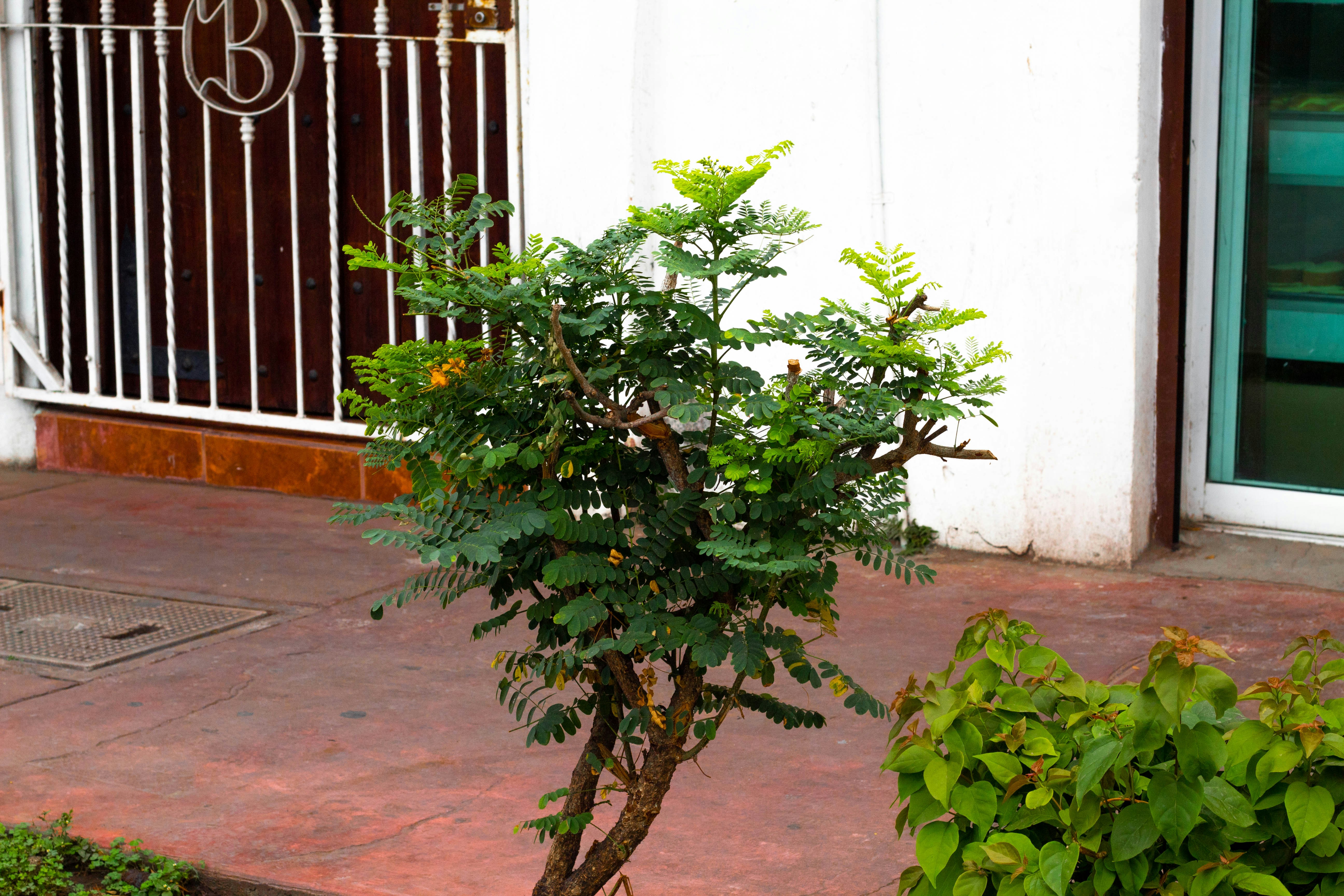
There you have it—a deep dive into the enchanting world of bonsai grafting, straight from the Bonsai Garden™ experts! From understanding the science of cambium compatibility to mastering five essential grafting techniques, you now have the tools and knowledge to elevate your bonsai artistry.
Remember, grafting is both an art and a science. It demands patience, precision, and care, but the rewards are spectacular: new branches exactly where you want them, improved nebari, and even the ability to blend species for unique creations. Whether you’re adding a delicate Japanese maple scion or thickening a pine trunk, the right timing, tools, and aftercare make all the difference.
Our personal stories—from the stubborn side veneer graft that flourished to the creative multi-species bonsai—prove that with persistence, you can overcome challenges and create living masterpieces.
If you’re wondering about tools, the Okatsune Hori Hori grafting knife and Nitto grafting tape stand out as our top recommendations for their precision and reliability. While no tool is perfect, these have consistently delivered excellent results in our hands.
So, what’s next? Grab your grafting knife, pick your scion, and start experimenting on inexpensive material as you build confidence. The bonsai world is full of surprises, and grafting is your gateway to unlocking endless possibilities.
Happy grafting! 🌱✨
🔗 Recommended Links for Further Bonsai Grafting Exploration
Ready to shop for the best grafting tools and materials? Here’s a curated list to get you started:
-
Okatsune Hori Hori Grafting Knife:
Amazon | Okatsune Official Website -
Nitto Grafting Tape:
Amazon | Nitto Official Website -
Tsurugi Bonsai Wire:
Amazon -
Japanese Bonsai Chisel Set:
Amazon -
Premium Sphagnum Moss for Grafting:
Amazon
Recommended Books on Bonsai Grafting and Care
-
Bonsai Techniques I by John Yoshio Naka — A classic guide covering grafting and styling.
Amazon -
The Bonsai Workshop by Herb L. Gustafson — Detailed techniques including grafting methods.
Amazon -
Bonsai: The Art of Growing and Keeping Miniature Trees by Peter Chan — Includes expert insights on grafting.
Amazon
❓ Frequently Asked Questions About Bonsai Grafting
What are the best bonsai grafting techniques for beginners?
For beginners, approach grafting and side veneer grafting are the most forgiving and easiest to master. Approach grafting allows you to join two living plants without severing roots immediately, increasing success rates. Side veneer grafting works well on thin branches and requires less precision than cleft or whip and tongue grafting. Starting with these techniques builds confidence before tackling more complex methods.
How do you choose the right scion for bonsai grafting?
Choosing a scion involves selecting a healthy, vigorous shoot from the donor plant, ideally 1-2 years old with well-formed buds. Avoid overly vigorous or weak shoots; medium vigor ensures better integration. The scion should be compatible with the rootstock species and free of pests or diseases. Timing matters too—collect scions during dormancy or just before bud swell for best results.
What tools are essential for successful bonsai grafting?
Essential tools include:
- A sharp grafting knife (e.g., Okatsune Hori Hori) for clean cuts.
- Grafting tape (breathable and waterproof, like Nitto brand) to secure grafts.
- Bonsai wire to hold scions or whips in place.
- A sharp chisel for cleft grafting.
- Sphagnum moss to maintain humidity around grafts.
Sterilizing tools before use is critical to prevent infection.
How long does it take for a graft to heal on a bonsai tree?
Healing time varies by species, graft type, and environmental conditions but generally takes 4 to 8 weeks for initial union. Full integration and strength can take several months. During this time, maintaining humidity and protecting the graft from stress is vital. Gradually removing graft tape after signs of growth helps avoid girdling.
Can grafting improve the shape and style of a bonsai tree?
Absolutely! Grafting is a powerful tool to add branches exactly where you want them, improve nebari, and even create multi-species bonsai with unique aesthetics. It allows you to tailor the tree’s silhouette and foliage density, overcoming natural growth limitations. Creative grafting projects can transform ordinary stock into stunning living art.
What are the most common mistakes to avoid in bonsai grafting?
- Poor cambium alignment: Without perfect cambium contact, grafts fail.
- Using dull or dirty tools: This causes tissue damage and infection.
- Wrapping grafts too tightly: Can restrict growth and cause damage.
- Neglecting humidity: Dry grafts often die before healing.
- Ignoring timing: Grafting outside optimal seasons reduces success rates.
How do you care for a bonsai tree after grafting?
Post-grafting care includes:
- Keeping the graft humid and shaded to prevent drying.
- Watering regularly but avoiding waterlogging.
- Protecting from frost and extreme heat.
- Monitoring the graft weekly for signs of success or problems.
- Gradually removing graft tape as the graft heals to prevent girdling.
Proper aftercare is often the difference between success and failure.
📖 Reference Links and Resources for Bonsai Grafting
- Bonsai Empire: Grafting Trees Basics — Comprehensive guide on grafting techniques and timing.
- Bonsai Mirai Forum: Improving Grafted Areas — Community insights on graft repair and scar tissue methods.
- Bonsai Tonight: Trunk Grafting Black Pine — Detailed tutorial on trunk grafting with expert tips.
- Okatsune Official Website — Manufacturer of premium grafting knives.
- Nitto Official Website — Producer of high-quality grafting tapes.
- Journal of Plant Physiology: Graft Compatibility Research — Scientific insights into grafting success factors.
For more expert advice and inspiration, visit our Bonsai Garden™ hub anytime!
Happy grafting, and may your bonsai flourish with every careful cut and tender care! 🌿✨


